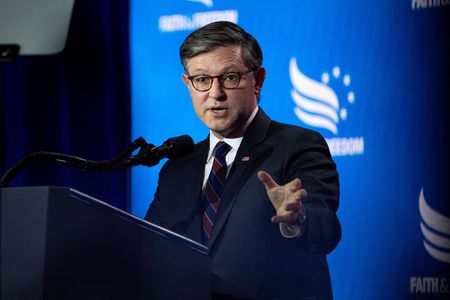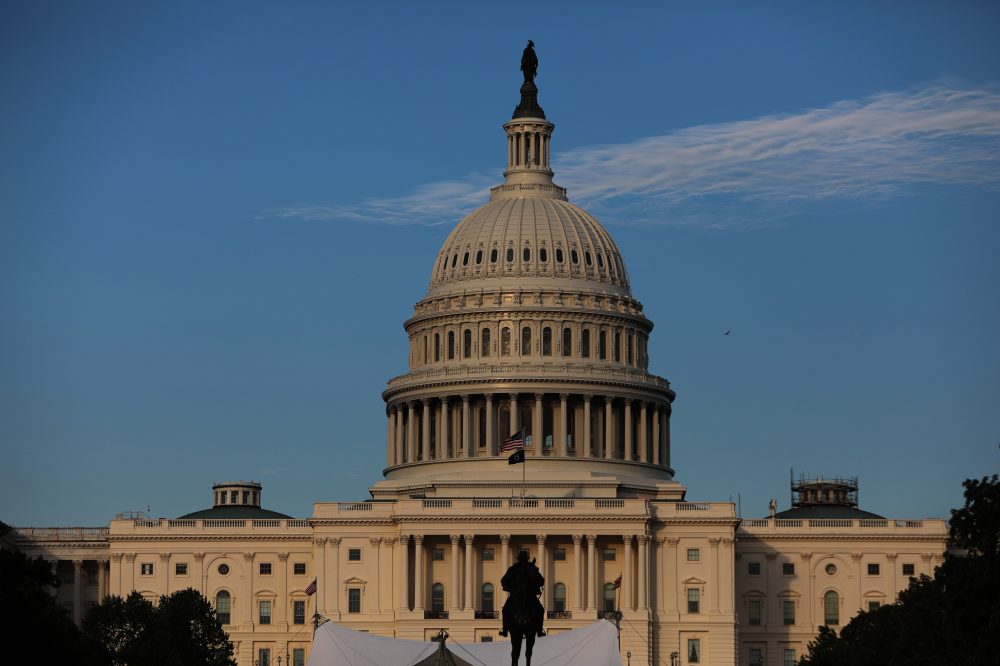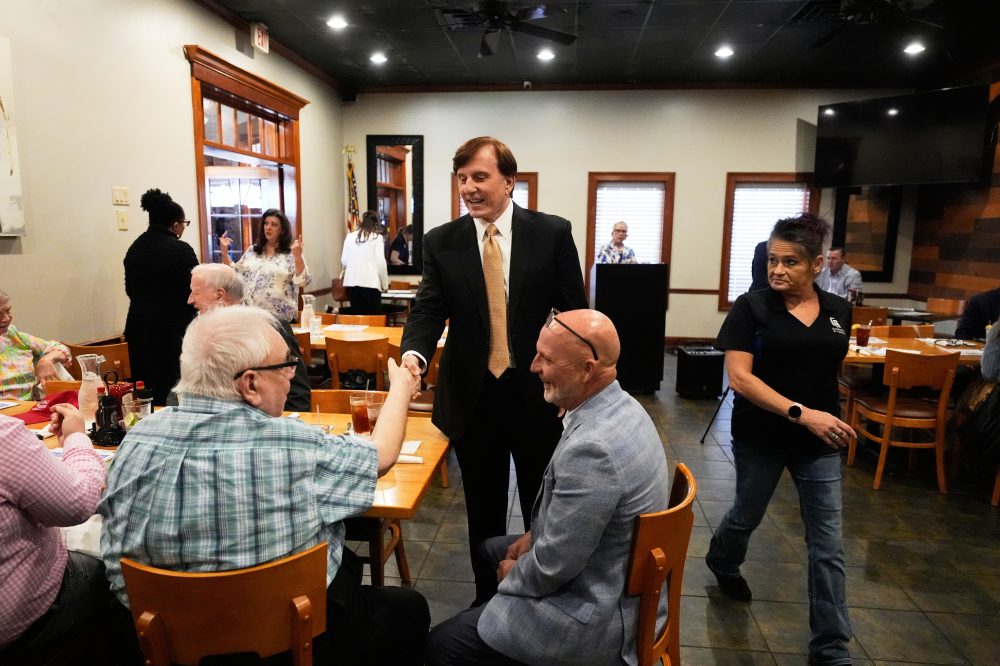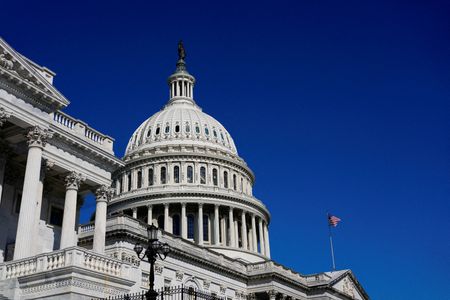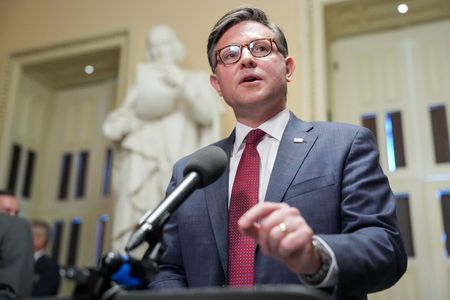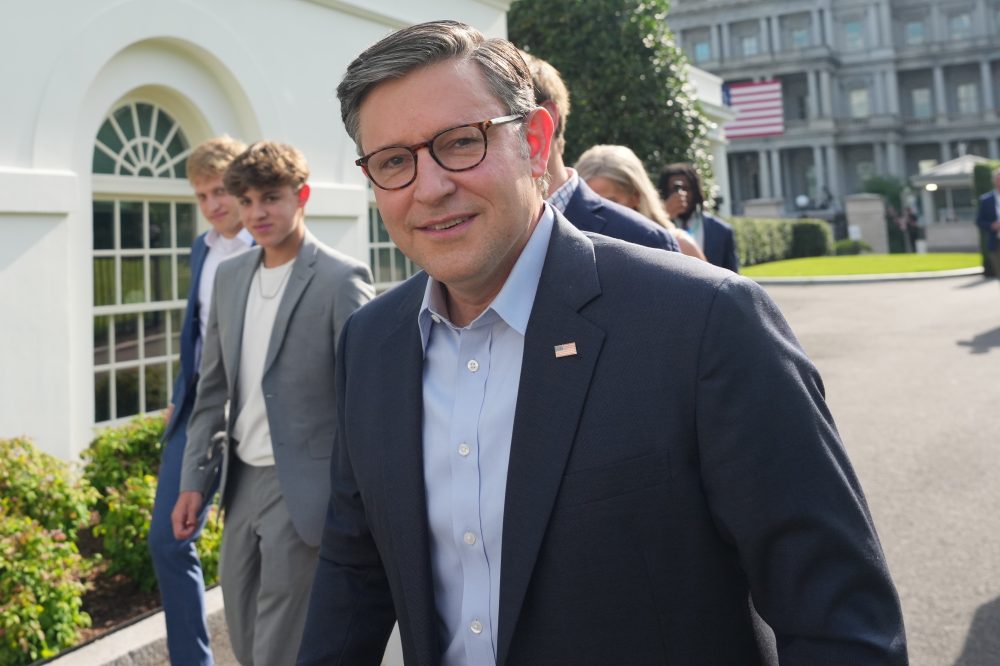

WASHINGTON — House Speaker Mike Johnson is hoping for a more productive week on Capitol Hill, aided by a social media push from President Donald Trump, as he tries to smooth over deep divisions within his Republican conference and advance key legislative goals ahead of this fall’s elections.
Last week, Johnson sent members home early after internal turmoil within the GOP blocked votes on two spending bills and a measure related to veterans’ benefits. On top of that, the legislative workload grew when Trump requested $87.6 billion in new federal spending, largely to cover costs tied to the war with Iran.
How this week unfolds could reveal whether Johnson is capable of turning a brief summer session into a stretch of meaningful lawmaking that resonates with voters come November.
“We have got a lot more to do. We have got to keep it going,” Johnson said during an appearance on Fox News Channel’s “Sunday Morning Futures.”
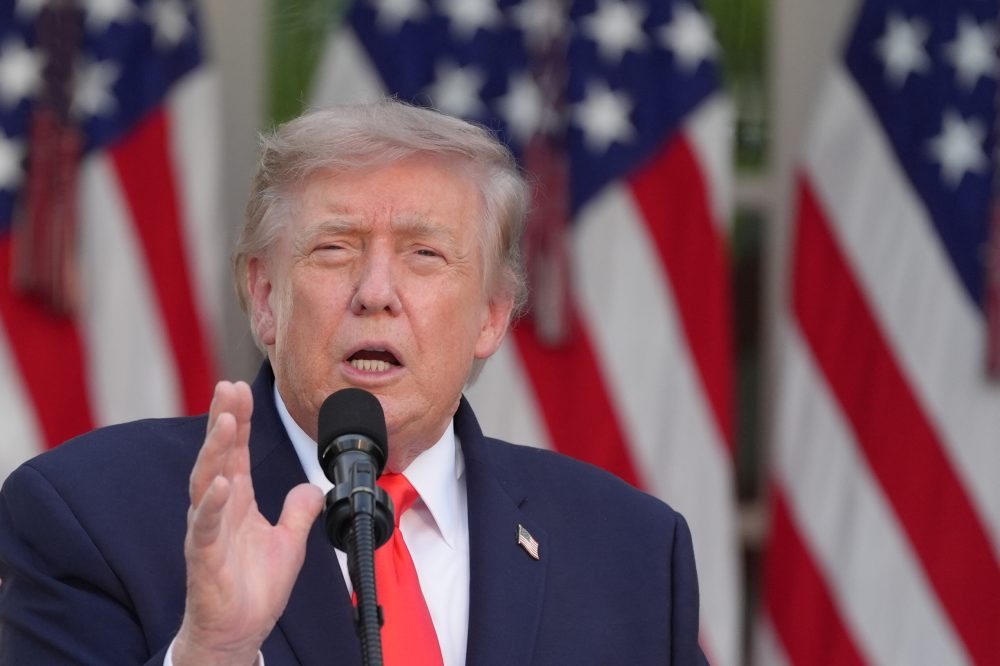
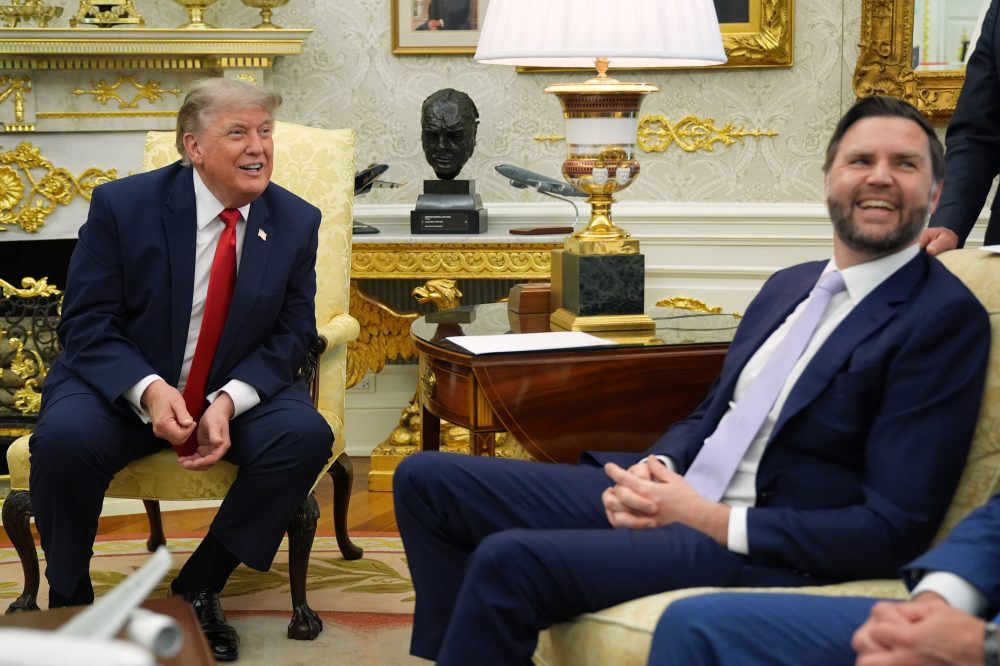
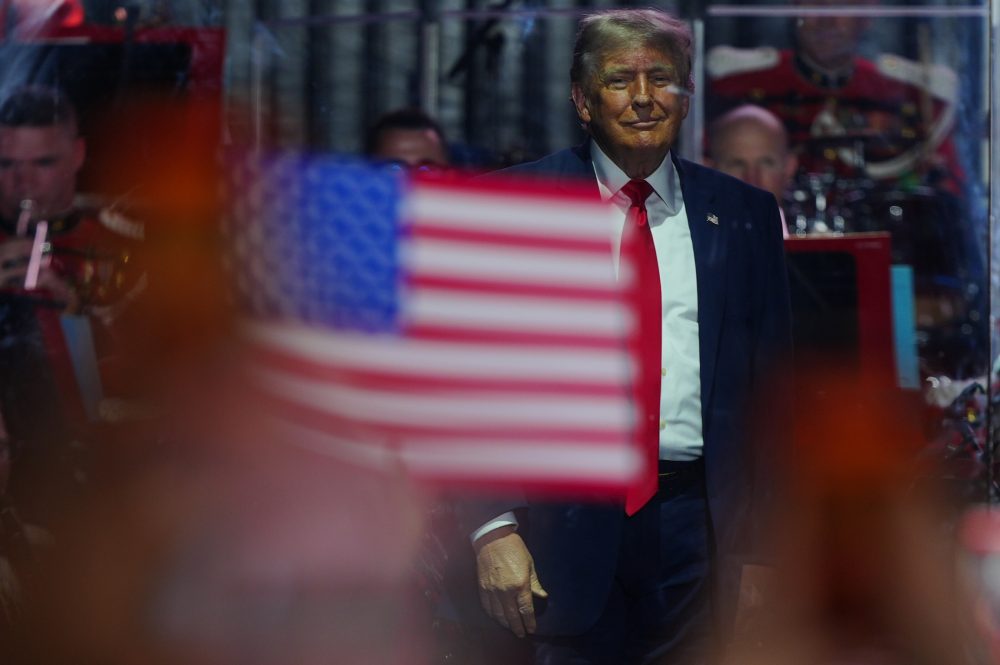
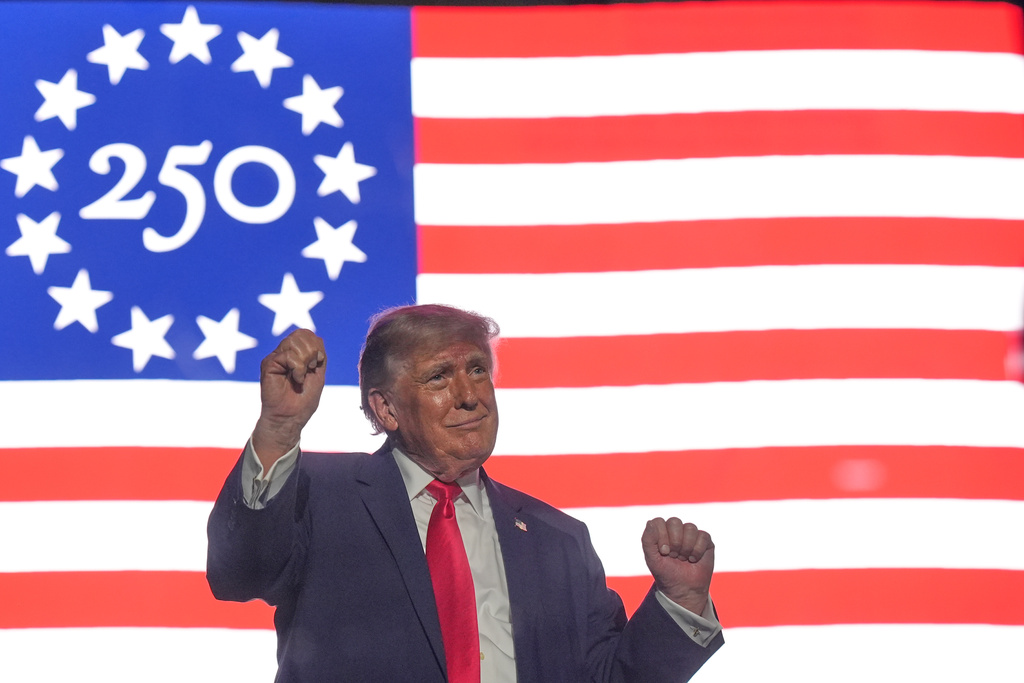
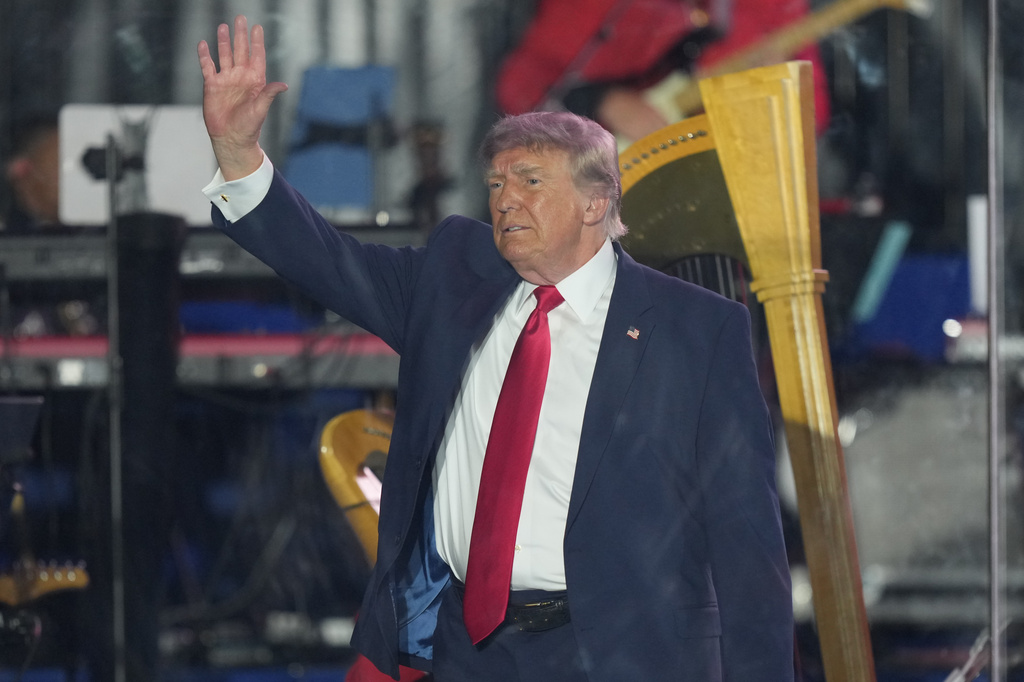
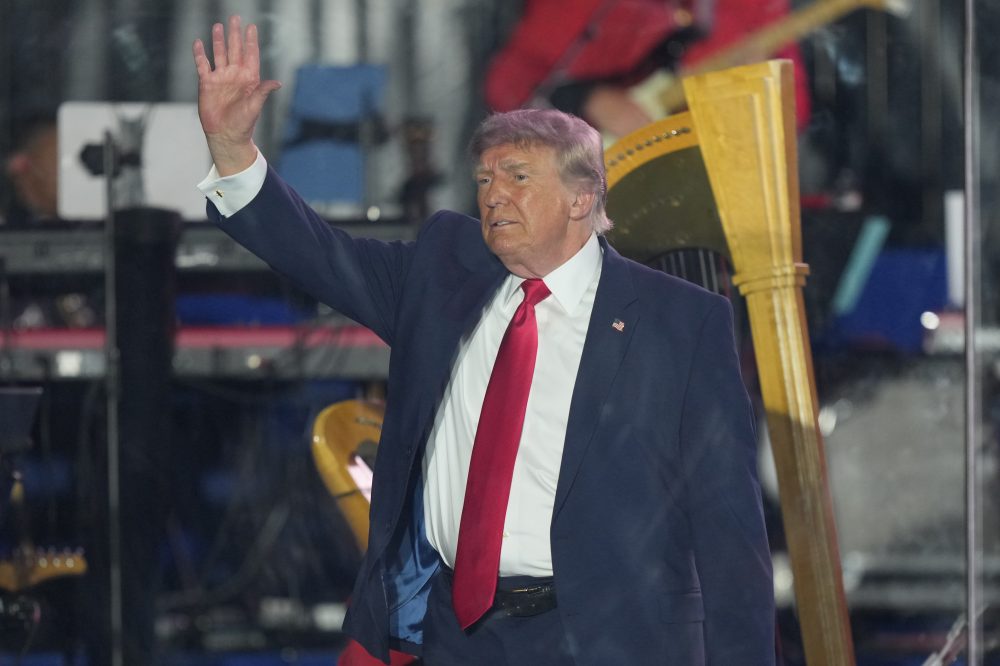
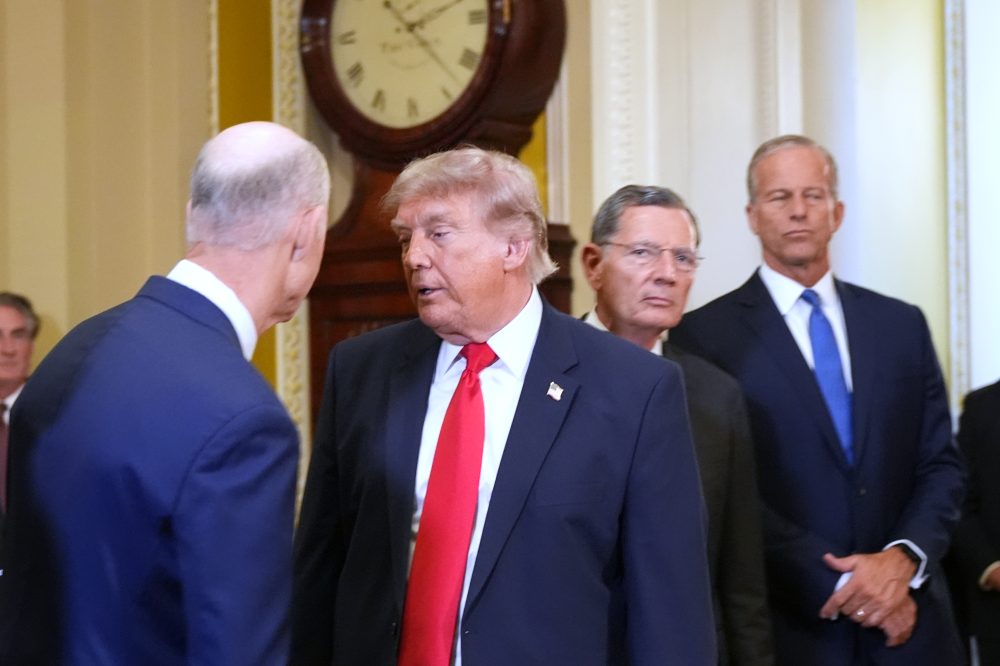
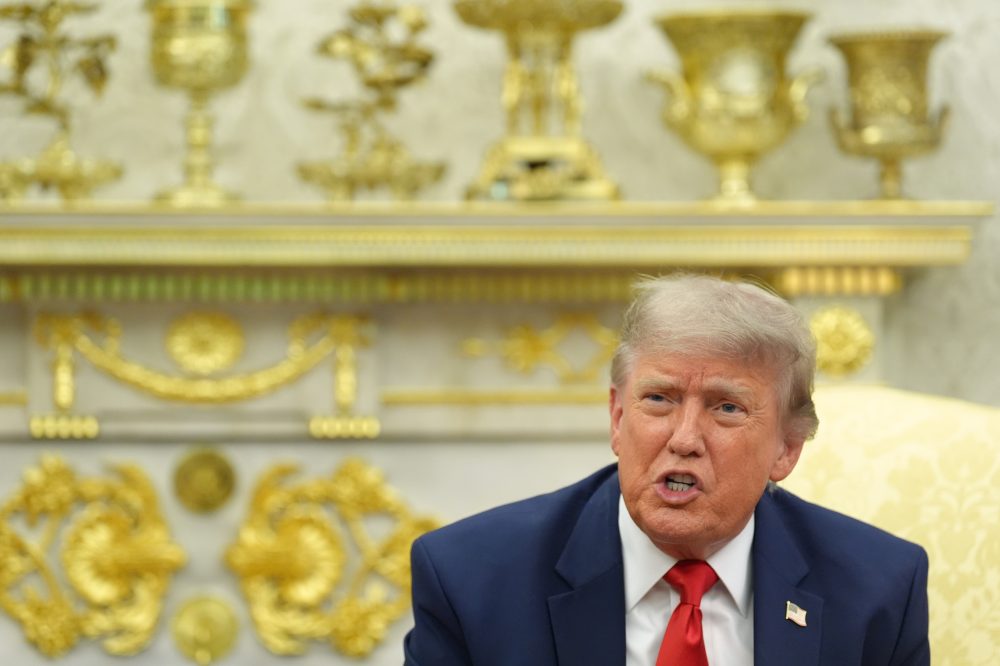
After the House wrapped up its shortened workweek, Johnson traveled to the White House and came back with something valuable — a Trump social media post calling on Republicans to stop voting down the procedural rules that are needed to bring bills to a final vote.
“No more grandstanding, please!” Trump wrote.
Before that message went out, both Republican and Democratic lawmakers were openly questioning whether the House would even bother returning this week or simply follow the Senate’s example and take an early break ahead of the July Fourth holiday.
“I got to have everybody working here on all cylinders, and I’m excited to bring them back,” Johnson said on Fox.
The week did begin on a positive note, with the House passing bipartisan legislation aimed at reducing housing costs — a win that directly addresses voters’ concerns about affordability and represented years of effort from members on both sides of the aisle.
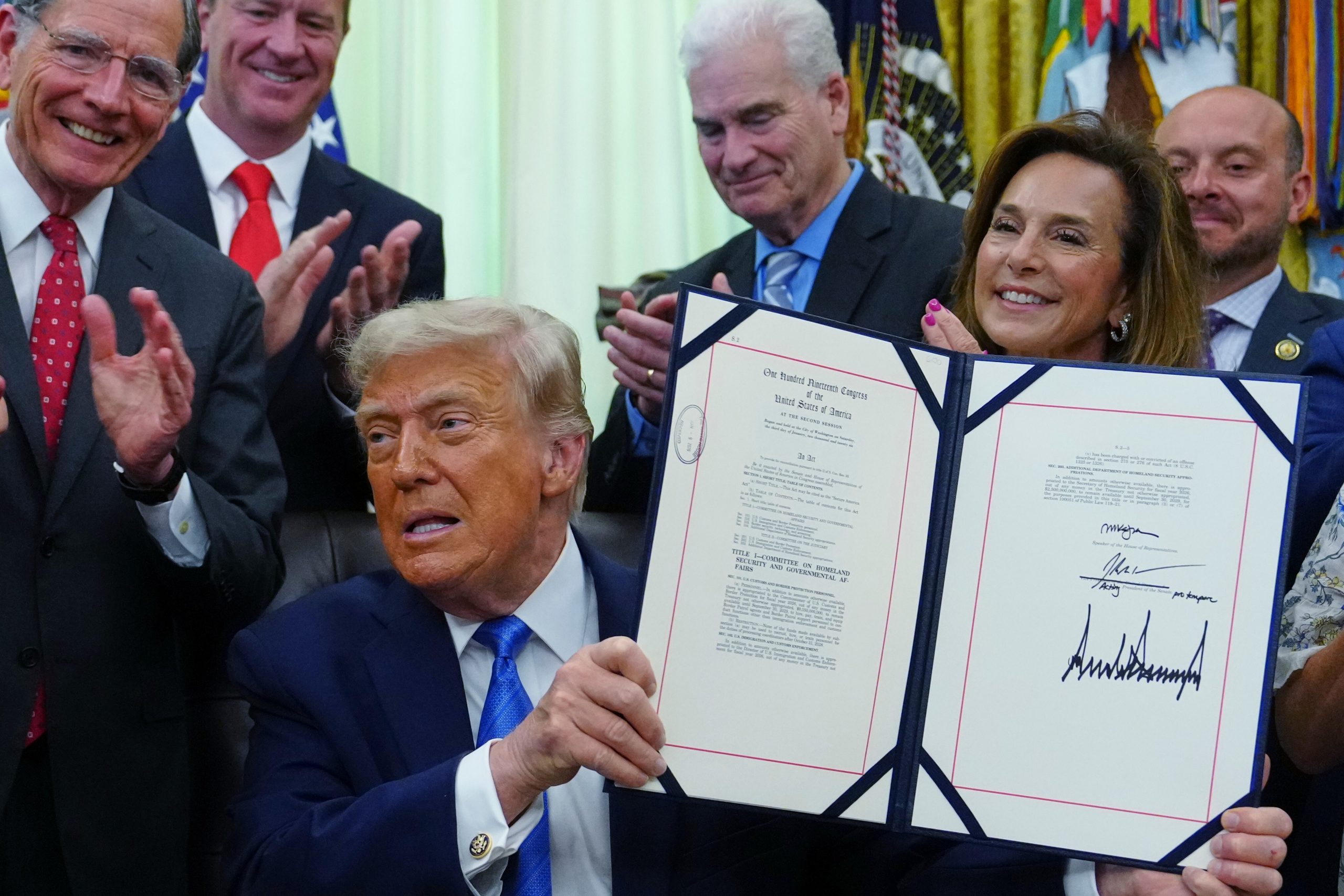
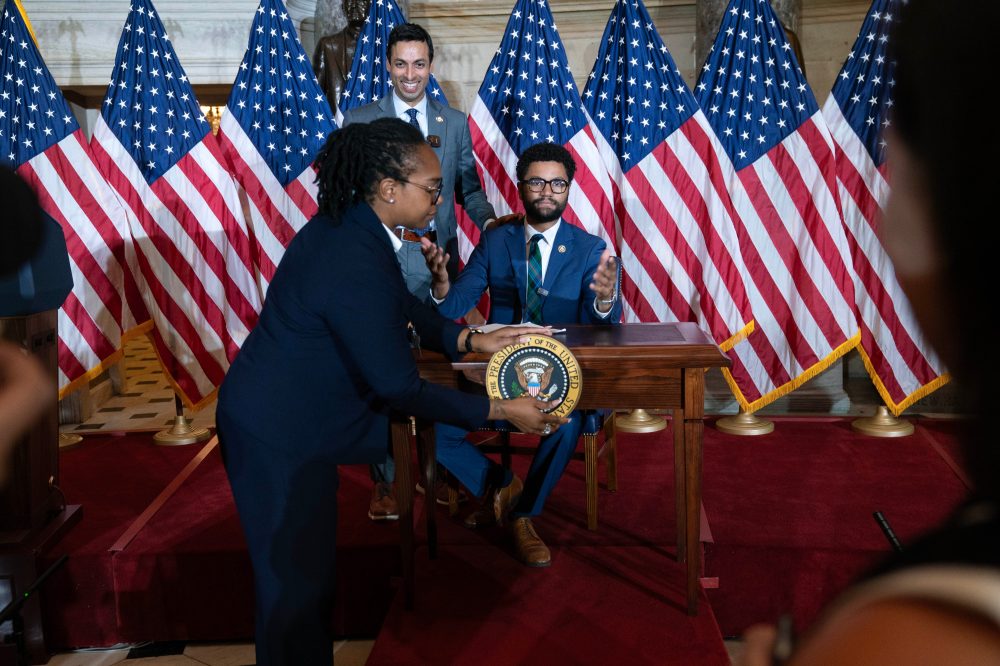
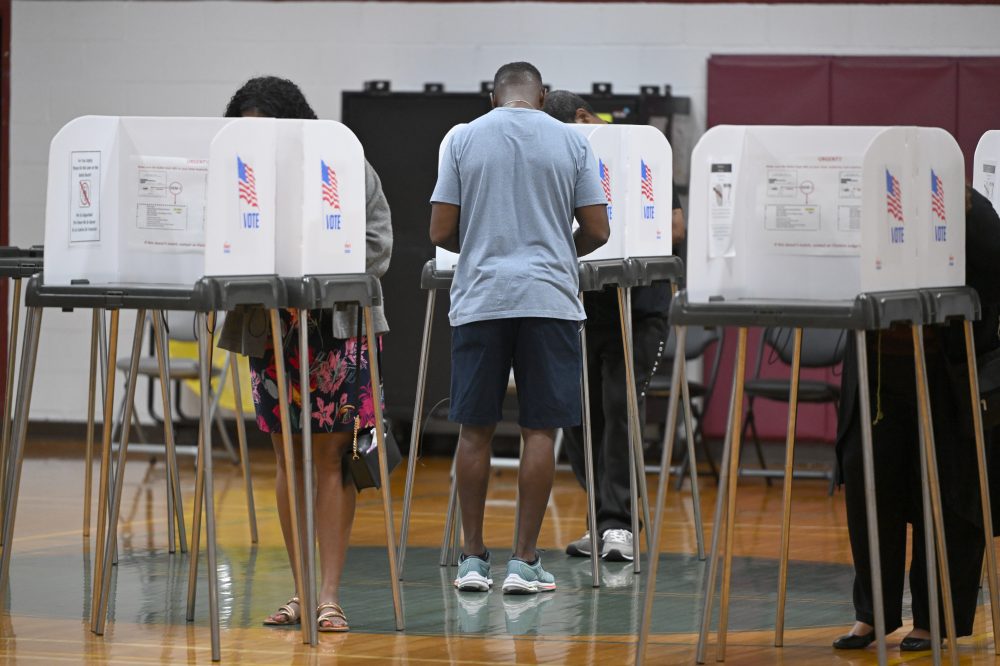
However, Trump unexpectedly canceled the bill-signing ceremony, stating he would not sign the housing legislation until Congress passed a separate bill requiring proof of citizenship for voter registration. Johnson said he plans to send the housing bill to Trump on Monday, expressing hope that the president signs it with the “biggest, boldest marker that he has.”
Conservative hard-liners in the House have rallied behind Trump’s demand for the elections bill. More than two dozen of them have signed a letter vowing to vote against any Senate legislation unless the elections measure is attached to it. Rep. Anna Paulina Luna, R-Fla., spearheaded the blockade that forced Johnson to dismiss lawmakers early last week.
Democrats wasted no time pointing out the Republican dysfunction.
“This is the incredibly pathetic Congress,” said Rep. Jim McGovern, D-Mass. “The fact they can’t get their act together, can’t establish discipline to keep this place running, is stunning. I’ve never seen such incompetence.”
Republicans themselves expressed frustration as well.
“I just think it’s a very self-defeating position for anyone to take, that they’re going to shut everything down over one issue,” said Rep. Brian Fitzpatrick, R-Pa.
Meanwhile, Rep. Andy Harris, R-Md., warned that gridlock will continue unless legislation including the elections bill is sent to Trump. The House has already passed a version of the measure, but it has stalled in the Senate.
“Yeah, I think everything is going to be held up until we come to an agreement on voter ID and especially confirming the citizenship of Americans before they register to vote,” Harris said.
When asked whether Americans want Congress to focus on other matters beyond the voting bill — known as the SAVE America Act — Harris replied: “I think they truly believe that this is a very important bill. I’m not sure they believe that a lot of the other things we’re doing here in Washington are very important.”
Trump’s call for Republicans to stop blocking procedural votes will face its first real test this week, as House leadership is expected to bring up a vote on the annual defense policy bill — must-pass legislation that includes some of the increased Pentagon spending Trump has been seeking.
Luna, a Trump ally, was not making any commitments to stand down, even in the wake of the president’s social media message. She has floated the idea of attaching the elections legislation directly to the defense bill. With the Republican majority so narrow, it takes only a handful of GOP “no” votes to prevent a bill from moving forward.
“If they want my vote, they should entertain it, debate it, and if they block it, then we’ll see. But that’s how you get my vote,” Luna told reporters.
The House is scheduled to be in session for roughly 28 days before the midterm elections, with members away for nearly all of August and October to campaign in their home districts.
Within that limited window, lawmakers must pass legislation to fund the government past the September 30 end of the budget year. Republicans are also hoping to pass a party-line bill that would boost defense spending, offset in part by cuts to other programs — an effort they have framed as targeting waste and fraud.
That bill would follow up on last year’s major tax and spending cut legislation, which extended tax cuts from Trump’s first term and added new breaks for income earned through tips and overtime. That earlier measure also prioritized immigration enforcement, funded partly through reductions to Medicaid and nutrition assistance programs.
Johnson has spoken optimistically about passing such a bill before the August recess and met with House Budget Committee members last week to map out a path forward. But Republican senators are skeptical it will happen on that timeline, and doubters exist in the House as well, given the procedural complexity required to bypass a Senate filibuster.
“I’m just not seeing a path forward on it,” said Rep. David Valadao, a Republican who represents a competitive district in California’s farm belt.
Budget Committee Chairman Jodey Arrington, R-Texas, offered a more optimistic view, saying members are close to reaching a framework agreement. He predicted political rewards await if Republicans can deliver on election integrity and spending cuts.
“We have to energize our base, and we have to address the enthusiasm gap,” Arrington said.