Taylor Farms has widened a voluntary recall of its iceberg lettuce products after the items were linked to a multistate outbreak of cyclospora, a parasite that has made people sick across the United States.
The California-based company announced Friday that products potentially contaminated with the illness-causing parasite were distributed to 27 states, among them Texas, Florida, Pennsylvania, Illinois, and New Jersey.
“We are actively removing the implicated products,” the company said in a statement, noting that it has also stopped sourcing lettuce from the affected lot in central Mexico.
Earlier this week, U.S. health officials identified lettuce from a Mexican supplier as a source of cyclospora contamination in food served at Taco Bell locations across five Midwestern states.
The recall covers 25 different shredded lettuce and salad mix products sold under eight brand codes. Taylor Farms did not respond to a request for the full names of those brands or the retailers carrying them. Some of the recalled products were shipped as recently as Thursday and carry “best by” dates as late as August 3.
Sysco, the country’s largest food distributor, has suspended distribution of all Taylor Farms iceberg lettuce products originating from Mexico and has directed its customers to destroy any they have on hand.
Cyclospora is a tiny parasite that gets into food when it comes into contact with human feces — most often through contaminated water used for irrigation or washing produce. The CDC says that once ingested, the parasite triggers intestinal illness characterized by “frequent and sometimes explosive bowel movements.”
So far in 2026, cyclospora has sickened at least 1,645 people nationwide and put 141 in the hospital, according to the CDC. Health officials are also looking into more than 5,000 additional cases that may be connected to the parasite. By comparison, only 249 cases had been reported at this same point last year.
The CDC initially advised consumers to avoid shredded lettuce served at Taco Bell restaurants in Indiana, Kentucky, Michigan, Ohio, and West Virginia.
“Taco Bell worked swiftly to voluntarily remove the product from restaurants and the affected ingredient has been removed from our supply chain nationwide,” the fast food chain said in its own statement Friday.
The U.S. Food and Drug Administration announced Saturday that a sample of shredded iceberg lettuce linked to Taylor Farms has come back positive for cyclospora, a microscopic parasite that can cause intestinal illness.
Despite the alarming test result, Taylor Farms has stated that the contaminated product falls outside the scope of its current recall effort, according to the FDA.
Federal health officials are working urgently to bring the outbreak under control, describing it as the most significant foodborne illness outbreak to hit the United States in recent memory.
Mexican health and agricultural authorities announced Friday they are looking into a widespread foodborne illness outbreak in the United States tied to shredded iceberg lettuce grown in Mexico and served at Taco Bell restaurants.
Mexico’s sanitary regulator, Cofepris, and its agricultural and food safety regulator, Senasica, released a joint statement saying an interagency technical working group has been formed to examine the situation and put preventive measures in place.
The group has conducted inspections and traceability analyses that the agencies described as “strictly preventive in nature” and “aimed at mitigating any potential health risk.”
According to the CDC, approximately 100 people have been hospitalized after contracting cyclosporiasis — a parasitic infection that can trigger severe diarrhea and other gastrointestinal problems — following meals at Taco Bell locations in Indiana, Kentucky, Michigan, Ohio, and West Virginia.
On Friday, Taylor Farms, a California-based lettuce supplier, and Sysco, the largest food distributor in the United States, announced they are pulling iceberg lettuce sourced from central Mexico from circulation, acting on guidance from the U.S. Food and Drug Administration.
An anonymous industry source, who spoke to Reuters without authorization to do so publicly, said the lettuce was packaged into 5-pound bags at Taylor Farms’ facility in Guanajuato, in central Mexico. That same source noted that Sysco distributes those bags broadly to hospitals, sports venues, and fast-food chains.
Despite the ongoing probe, Mexico’s health and agricultural ministries stressed in their statement that “the investigation remains ongoing, and it is important to emphasize that identifying a product’s country of origin through traceability does not, by itself, confirm that contamination occurred in Mexico.”
This is not the first time Taylor Farms’ Mexican operations have been connected to a U.S. cyclosporiasis outbreak. A 2013 outbreak sickened more than 600 people across 25 states and was ultimately traced back to salad mix produced at Taylor Farms de Mexico in Guanajuato, according to the CDC.
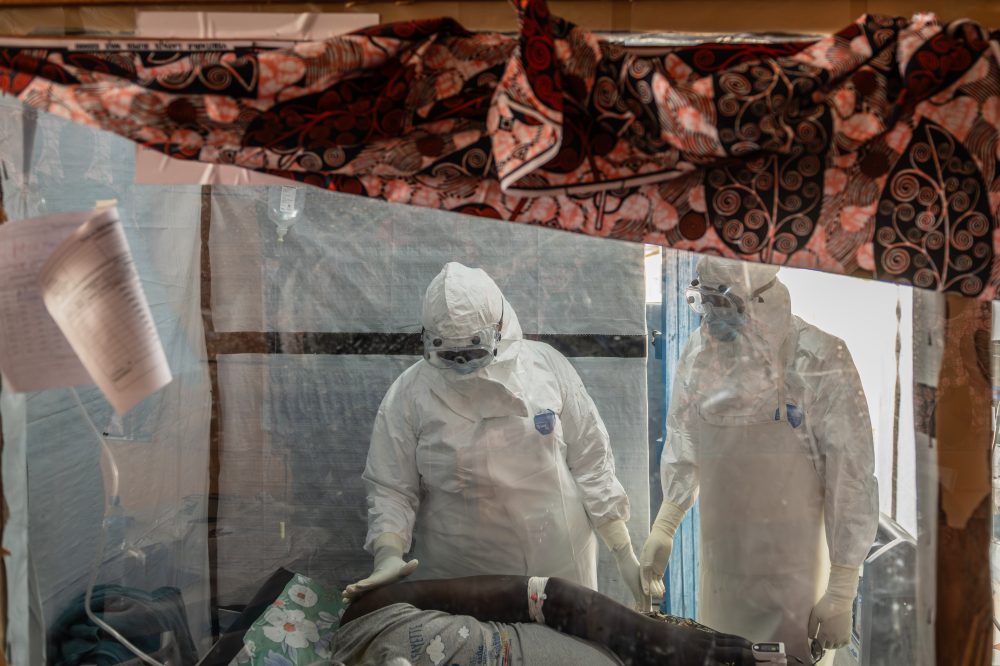
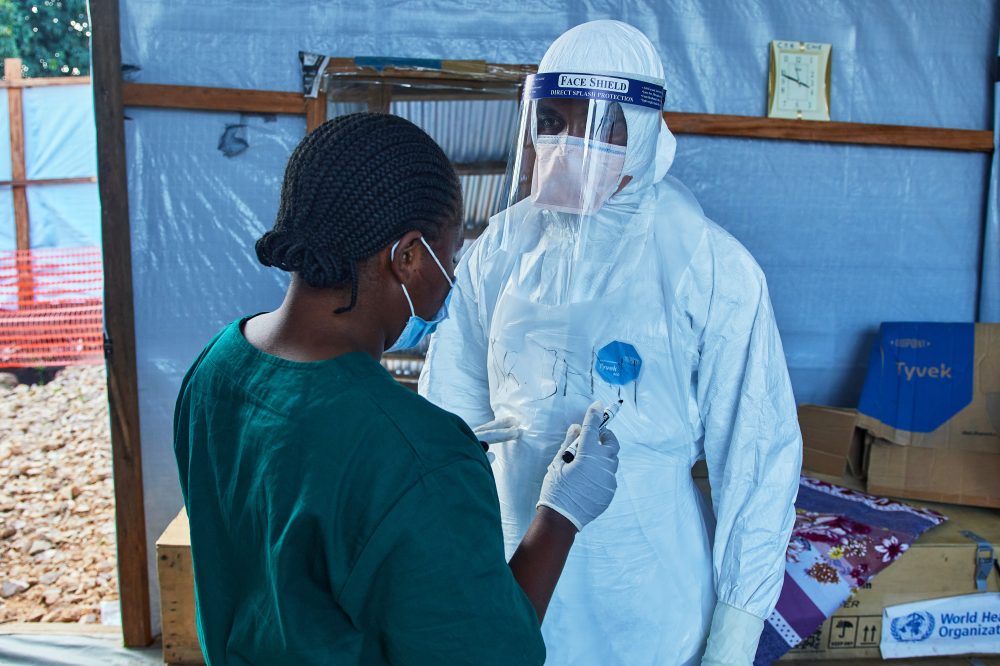
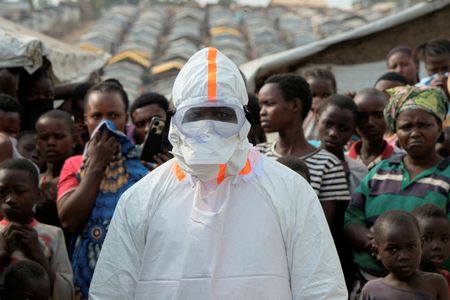
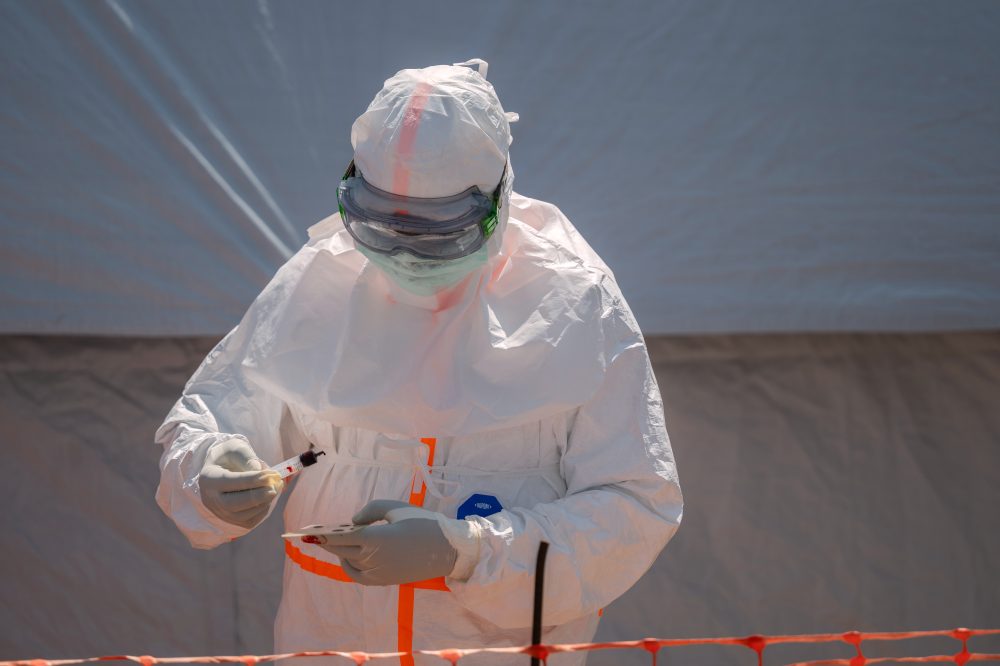
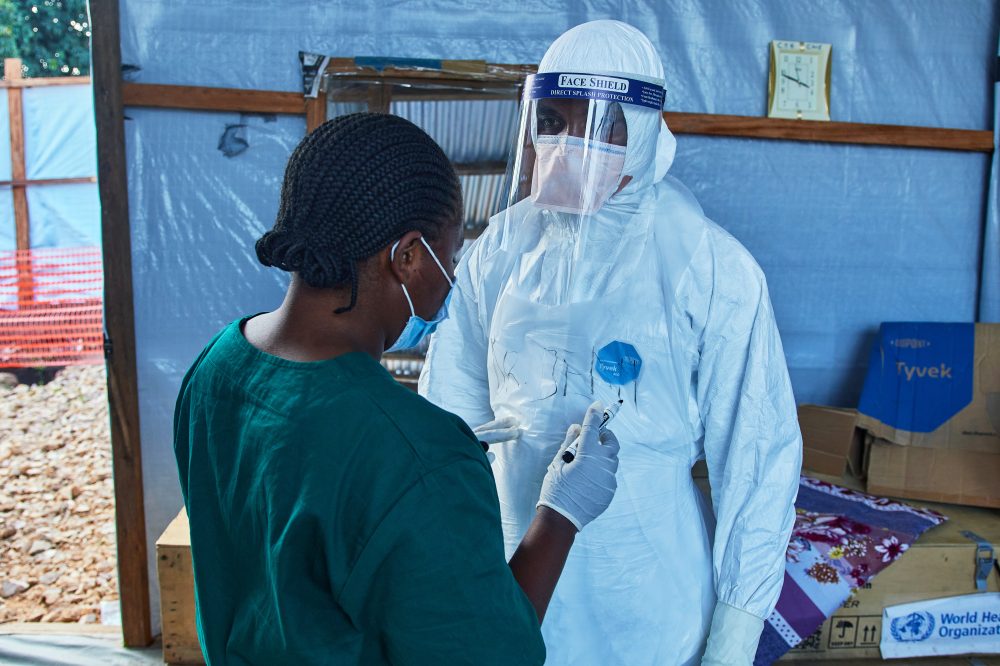
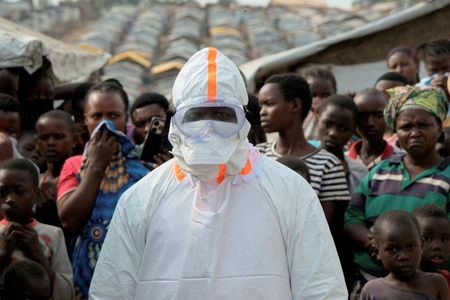
BUNIA, Congo (AP) — More than twelve attacks on health facilities and workers have been documented amid Congo’s ongoing Ebola outbreak, with safety concerns now severely limiting the ability of responders to operate in the hardest-hit area of Ituri province, officials announced Saturday.
The crisis has been made worse by a strike among many unpaid health workers and other frontline personnel, creating additional obstacles for those trying to contain what has been declared the fastest-growing Ebola outbreak ever recorded. To date, 2,181 cases have been confirmed, with 864 people having lost their lives.
Pierre Akilimali, the incident manager overseeing the Ebola response, told reporters at a press briefing in Bunia — the capital of Ituri — that a significant number of the attacks have been carried out by angry crowds who have stormed treatment centers or gone after response teams working in the field.
Ituri province is responsible for roughly 90% of all cases, and in recent days locals told The Associated Press they have witnessed health and aid workers departing remote communities considered hot spots and retreating to Bunia.
The exodus follows the most recent attack, which took place Wednesday in the Ituri town of Nyakunde, where residents protested following the death of a woman at a nearby hospital.
Taylor Farms de Mexico, based in Guanajuato, Mexico, has announced a voluntary withdrawal of all iceberg lettuce originating from central Mexico from the United States market.
The company is taking this precautionary step due to the possibility that the lettuce may be contaminated with Cyclospora, a microscopic parasite that can cause intestinal illness in humans.
According to health officials, the majority of people who become infected with Cyclospora will experience diarrhea along with frequent bowel movements. Additional symptoms may also accompany the infection.
Consumers who have recently purchased iceberg lettuce are encouraged to check where the product was sourced and to avoid consuming any that may be part of this recall. Anyone experiencing symptoms consistent with Cyclospora infection should contact a healthcare provider.
U.S. Defense Secretary Pete Hegseth issued an order this week requiring annual testosterone-deficiency screening for active-duty and reserve military personnel who are 30 years of age or older. Hegseth says the program is designed to strengthen military readiness.
Despite that stated goal, a large number of medical professionals are skeptical. Many warn the screening could actually put service members at risk of infertility and other health complications if testosterone therapy is handed out when it isn’t truly needed.
This mandate is part of a broader wave of healthcare policy shifts coming from Hegseth and other members of the Trump administration’s cabinet — changes that have drawn pushback from medical experts who question whether solid scientific evidence supports them.
Hegseth previously reversed the military’s longstanding flu vaccine requirement, a decision that was later reversed again following a flu outbreak. Separately, the Department of Health and Human Services removed 17 members from its vaccine advisory panel and made changes to vaccine recommendations.
Reuters reached out to six men’s health specialists about the testosterone screening announcement. Five of the six said they were baffled by the move and worried it could result in unnecessary — or even dangerous — medical treatment.
Hegseth has said that any treatment following the screening would be voluntary and that soldiers would receive guidance to help them make informed decisions. His stated goals include ensuring troops have optimal testosterone levels to perform at their best and to strengthen their resilience, endurance and overall performance in support of combat readiness.
Despite those goals, four of the six physicians told Reuters there is no strong evidence that screening all military personnel aged 30 and older for low testosterone would actually improve combat readiness.
“We hear from patients that when you treat low T, things like cognitive alertness and stamina improve. But the evidence is not concrete, and it comes from patients who were treated because they were symptomatic,” said Dr. Kevin McVary, a urologist who serves on the medical advisory board of Rugiet, a telehealth platform that provides testosterone supplements.
The Pentagon declined to offer any additional comment beyond its brief official statement on the matter.
Screening Guidelines Call for Symptoms First
Both the American Urological Association and the Endocrine Society recommend testosterone supplementation only when a patient has a confirmed deficiency along with symptoms — things like reduced libido, erectile dysfunction, fatigue, decreased muscle mass, or low bone density.
McVary said prescribing testosterone in the absence of those symptoms leads to overtreatment, which carries its own set of health risks.
Testosterone levels do naturally begin to decline around age 30, but that doesn’t make 30 the right age to start screening, according to Dr. Haleem Mohammed, chief medical officer of men’s wellness and medical clinic network Gameday Health.
“There is a population-level decline of 1% per year after ages 30-40 that accelerates as you get older,” Mohammed said, adding that the pattern varies from person to person.
Dr. Ugis Gruntmanis, an endocrinologist at Dartmouth Hitchcock Medical Center, pointed out that most testosterone replacement research has focused on older men. He acknowledged the new mandate could create an opportunity to gather data on younger men — but cautioned that rolling out widespread screening before any preliminary study data exists is putting the cart before the horse.
FDA Label Change and Heart Concerns
The U.S. Food and Drug Administration recently updated testosterone drug labels to remove a previous warning about increased risks of heart attack or stroke. That decision was based in part on a study led by Dr. Steven Nissen of the Cleveland Clinic, which followed more than 5,200 men between the ages of 45 and 80 who had low testosterone and a high risk of heart disease.
However, participants in that study showed elevated rates of atrial arrhythmia — an irregular heart rhythm — as well as bone fractures. Nissen said those findings could have particular significance when it comes to military personnel.
Every expert Reuters spoke with also raised concerns about the impact of testosterone therapy on male fertility.
“Many in our armed forces are young men who are not done having their families,” McVary said. “If you just dole out the testosterone, the testes will shrink. And you can’t reliably count on them coming back.”
Additional risks associated with testosterone therapy include blood thickening, prostate problems, acne, hair loss, breast tissue growth and mood swings.
Operator Syndrome vs. the Broader Military Population
In announcing the screening mandate, Hegseth cited a condition known as Operator Syndrome, which affects special forces personnel such as Delta Force members and Navy SEALs. The syndrome encompasses low testosterone along with traumatic brain injury, hormonal and metabolic dysregulation, sleep disruption and other serious health problems.
But Dr. B. Christopher Frueh of the University of Hawaii — whose research team first identified the syndrome in 2020 — cautioned that special forces operators are not a good stand-in for the military as a whole.
“These operators are at an extreme end of a spectrum,” Frueh said. “They have much higher exposures to blasts, airplane jumps, firing all kinds of different weapons, shoulder-fired rockets, machine guns.”
He acknowledged other soldiers might show elements of the syndrome, but questioned whether universal screening makes sense. “Should we be screening 100% of everybody? Maybe. I don’t know,” he said.
Frueh also suggested that many younger service members might be able to bring their testosterone levels back up naturally — through improved sleep, rest and diet — rather than resorting to hormone replacement therapy.
Potential Benefits of Broader Testing
Despite widespread skepticism, some medical professionals did acknowledge potential benefits to broader testosterone testing when done appropriately.
Mohammed of Gameday Health noted that military reservists in the general population may struggle with being overweight — a correctable condition that can contribute to low testosterone levels.
“Testosterone is one of the most useful blood tests we have to gauge health in men,” Mohammed said. “Broader screening would identify many men with reversible causes and some with true deficiency. Both groups would benefit from clinician-guided care, whether that means correcting reversible causes or starting treatment when it is truly warranted.”
The Pentagon has not yet released detailed guidance on how abnormal test results will be evaluated or whether the screenings will apply equally to male and female service members.
Frueh suggested that widespread screening could also yield new insights into female soldiers’ hormone levels. “Females aren’t going to need testosterone replacement in all likelihood, but they may need other hormonal interventions,” he said.
Perfect-fitting jeans. The right show to stream on a weeknight. Your one true partner. Modern life tells us that with enough options available, we can find the absolute best of everything.
But researchers who study human behavior say the endless wave of choices we face — from shopping decisions to social situations to personal relationships — is actually working against us.
The belief that more options equal better outcomes is deeply embedded in Western culture. However, research tells a different story. Having more choices can leave people feeling anxious, unable to decide, and — surprisingly — less satisfied with whatever they ultimately pick, according to Barry Schwartz, an emeritus psychology professor at Swarthmore University and author of “The Paradox of Choice.”
“There have been hundreds of studies showing that there can be too much of a good thing,” Schwartz said.
His advice: cut down on the number of decisions you make each day, and your mind will be better for it.
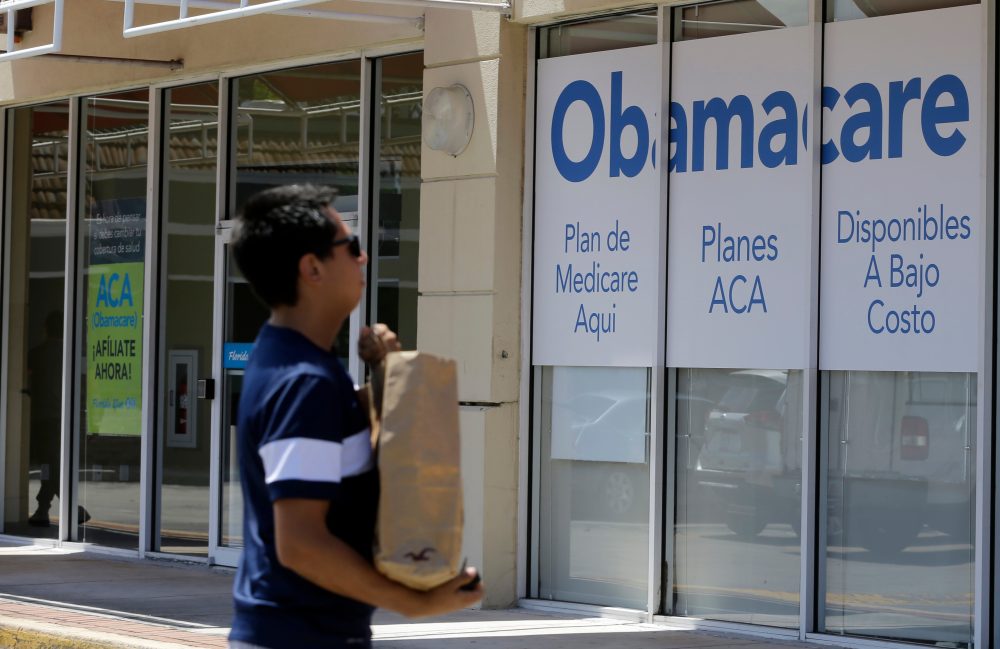
Schwartz pointed to several real-world examples where having more options actually left people worse off. When it came to Medicare Part D prescription drug plans, people living in states with a greater number of plan options were actually less likely to select any plan at all. The same pattern showed up with workplace retirement accounts — the more investment options a company offered in its 401(k) plan, the less likely employees were to enroll, even when the employer was offering to match contributions.
Even lower-stakes decisions follow this pattern. Schwartz referenced a widely cited study in which shoppers at a gourmet grocery store purchased more jars of specialty jam when they saw six varieties compared to when they were shown 24. A follow-up study found that students were more likely to complete an optional extra-credit assignment when offered six topic choices rather than 30.
Schwartz’s own research explored the emotional side of this pattern.
“Instead of being liberated by all this choice, you’re paralyzed,” he said. “You can do anything, and you can’t figure out which of those many things to do.”
More options also tend to produce worse decisions, he explained, because a larger pool of possibilities means more chances for a bad outcome. And even after someone finally makes a choice, they may feel less content with it — even if it was a good one — because they worry a better option was left behind.
This dissatisfaction is especially pronounced among people who always aim for the absolute best outcome. Psychologists call these individuals maximizers.
“People who are maximizers especially suffer from the proliferation of options,” Schwartz said. “Only the best will do.”
That said, Schwartz acknowledged the pattern doesn’t apply to everyone in every situation. Someone who loves cars, for instance, might genuinely enjoy sorting through a vast number of options when purchasing a new vehicle.
“But you don’t feel that way when it comes to buying jam,” he said.
Daniel Willingham, a psychology professor and neuroscience researcher at the University of Virginia, explained that this all comes down to how the brain operates. The brain is fundamentally wired to conserve energy and spare us from having to think too hard.
Willingham said that solving problems takes more mental energy than drawing on memory — a tendency rooted in how humans evolved to survive. When facing a goal, whether an urgent one like responding to danger or a longer-term one like finding shelter, the brain first looks for solutions that have worked in the past. Only when memory comes up short does the problem-solving part of the brain engage.
“Another way to put it is that if you’re thinking, things are not going well,” he said.
This is also why people often move through parts of their daily routine without much conscious thought, Willingham noted. We encounter hundreds of moments throughout the day where we could do something differently, yet we almost always take the same route to work.
Schwartz added that the explosion of choices has become even more complicated in the age of social media, where people constantly compare their decisions to those of others.
“When all you’ve got to choose from is Lee’s and Levi’s, nobody expects the jeans they buy to fit perfectly,” he said. “When there are 2,000 options, well, now, dammit, you do expect your jeans to fit perfectly.”
David Epstein, after completing research for his book “Inside the Box: How Constraints Make Us Better,” said he began pulling back from his own habit of always seeking the best possible option. He now actively limits his chances to make choices — for example, he bought 10 of the same well-fitting T-shirt in different colors.
Epstein was inspired by Herbert Simon, a psychologist and 1978 Nobel laureate in economics, who owned just three sets of clothing and ate nearly the same meals every day. Simon coined the term “satisficing” — a blend of “satisfying” and “sufficing” — which means setting a “good enough” standard for a decision and then moving forward without second-guessing.
Epstein applies this approach when shopping online by first identifying exactly what he needs the item to do.
“When I find one that does that, I’m buying it, instead of reading all the reviews and getting sucked into, ‘Well, this one has all these other features,’” he said.
Both Willingham and Schwartz suggested another strategy: hand off some decisions to someone else. If you need a new phone, find a friend who is happy with theirs and simply get the same one.
For bigger decisions — like managing finances — Willingham said people are generally better off trusting a professional rather than trying to figure it out themselves.
“If you’re thinking, ‘Well, I’m a clever guy, I can figure that out,’ I think 9 times out of 10, you’re fooling yourself,” he said.
Schwartz acknowledged that for those who already struggle with making decisions, breaking the habit is not easy. But he said the payoff is real.
“What happens over time is you find it easier to make decisions, you end up more satisfied with the decisions you make, and all of a sudden, you’ve got an extra two hours in every day,” he said.
A Sacramento, California food company is broadening a recall of one of its products after determining that package labels left out a critical allergen warning.
Fayus Inc., which operates under the name Yusol International Foods, announced it is expanding its recall of OLA-OLA Pounded Yam to cover product sizes of 2 pounds, 4 pounds, 5 pounds, and 10 pounds.
The reason for the recall is that the product’s labeling failed to disclose the presence of sodium caseinate, a derivative of milk. This omission is a serious concern because people who are allergic to milk could unknowingly consume the product and suffer an allergic reaction.
Shoppers who have purchased any of the affected sizes of OLA-OLA Pounded Yam are encouraged to check their homes for the product, especially if anyone in the household has a known milk allergy or sensitivity.
A Legionnaires’ disease outbreak sweeping through a section of New York City has turned deadly, with health officials confirming Friday that one person has lost their life to the illness.
Authorities have not disclosed the victim’s identity, age, or specifics about when or how the individual became sick.
Health investigators are continuing their search for the origin of the outbreak, which is concentrated in Manhattan’s Upper East Side neighborhood. So far, at least 67 people have been infected and numerous others have required hospitalization, according to figures from the city’s Health Department. A major focus of the investigation has been the air conditioning systems on top of large buildings, which can release water vapor that may carry the dangerous bacteria.
Legionnaires’ disease is a serious form of pneumonia that, while treatable, is fatal in roughly 10% of cases, according to the U.S. Centers for Disease Control and Prevention. Last year, a similar outbreak in New York’s Harlem neighborhood left seven people dead and sickened more than 100 others.
City health officials began monitoring the current situation on July 2, after two residents in the area were found to be infected.
Laboratory testing has detected Legionella bacteria — either living or dead — in the cooling towers of more than 75 buildings on the Upper East Side. Among the affected properties are well-known museums, private schools, and high-end apartment buildings.
It remains unclear whether any of those specific buildings played a role in spreading the disease. Regardless, all of them have been ordered to clean, drain, and disinfect their cooling towers — large devices used to regulate temperatures in big buildings.
Legionella bacteria thrive in warm water and can spread through cooling towers, hot tubs, and showerheads. People typically contract the disease by breathing in tiny droplets of water that carry the bacteria. Unlike many illnesses, Legionnaires’ disease cannot be passed from one person to another.
Abbott Laboratories announced Friday that it is looking into two separate cybersecurity breaches involving unauthorized access to internal systems connected to its cancer diagnostics business and an online portal called LabCentral.
The company stated that no other business units, locations, or systems were affected by the breach tied to its cancer diagnostics division. Abbott also noted that legacy Exact Sciences systems are completely separate from its own systems.
In a second incident, a hacker allegedly broke into the LabCentral portal — an externally accessible, third-party-hosted platform used by Abbott’s core laboratory diagnostics operations. Abbott said the intrusion had no impact on its business or customers, and there is no known exposure of sensitive customer or business data.
Abbott described LabCentral as a repository of publicly available technical documents, including product operating manuals, troubleshooting guides, and product specifications. The portal did not house any proprietary or sensitive information, the company said.
Cyberattacks on healthcare companies have been on the rise, with recent incidents hitting firms including Clover Health Investments, Stryker, Medtronic, Novo Nordisk, and West Pharmaceutical Services. Such attacks can disrupt operations, limit access to critical data, and raise serious concerns about protecting sensitive information.
Abbott said it has already taken steps to address both incidents, has engaged outside cybersecurity professionals and law enforcement, and is continuing to investigate what information may have been accessed.
The company does not anticipate any significant impact on its business operations or financial results as a result of either incident.
Clover Health Investments revealed in a regulatory filing on Friday that it discovered unusual login activity on some of its computer systems on July 4, and a subsequent investigation determined that a hacker had broken into three employee accounts using social engineering tactics.
The health insurer said the compromised accounts belonged to non-managerial employees who worked on member visit scheduling and sales support for brokers. While those accounts had access to some personal and protected health information, the company confirmed the hacker did not reach corporate financial systems or claims data.
After detecting the suspicious activity, Clover Health launched an investigation with the help of outside cybersecurity professionals, took steps to stop further unauthorized access, and alerted law enforcement.
The investigation remains ongoing, and the company is still working to determine exactly what information may have been viewed or taken. Clover Health said it believes its response successfully limited and ended the unauthorized access to its systems.
The company stated it does not believe the incident has had, or is likely to have, a significant impact on its business operations, financial condition, or financial results.
Clover Health added that it is reviewing applicable legal and regulatory obligations and will notify any affected members if that step is determined to be necessary.
Clover Health Investments is a U.S. health insurer that specializes in Medicare Advantage plans and technology solutions designed to support physicians.
SALISBURY, Maryland — The City of Salisbury has called off its upcoming 3rd Friday event, originally planned for July 17, 2026, after officials reviewed ongoing air quality conditions and determined that cancellation was the safest course of action.
City leaders say the decision was made out of concern for the health and well-being of everyone who would have taken part in the outdoor event, including city employees, vendors, performers, and members of the public.
The city expressed gratitude for the community’s patience and understanding as officials continue keeping a close eye on changing conditions.
Salisbury residents won’t have to wait too long for the next 3rd Friday celebration. The city says it looks forward to hosting a Back-to-School-themed 3rd Friday event on August 21, 2026.
For the latest updates on upcoming city events, residents are encouraged to check the City of Salisbury’s official communication channels.
State health and agriculture officials in Maryland are moving forward with an unscheduled mosquito control operation in Prince George’s County, scheduled for the evening of July 19, 2026.
The Maryland Department of Agriculture, working alongside the Prince George’s County Health Department, announced the expanded spraying effort in response to growing concerns about the potential for mosquito-borne illnesses in the area.
Officials plan to use Ultra-Low Volume, or ULV, truck-mounted spraying equipment to target adult mosquito populations across affected neighborhoods. This type of spraying involves applying very small amounts of pesticide to reduce mosquito activity in the area.
The decision to conduct the unscheduled treatment reflects the agencies’ efforts to get ahead of any potential public health threat tied to disease-carrying mosquitoes.
Major U.S. restaurant chains don’t frequently find themselves at the center of foodborne illness outbreaks, but when contamination does occur, the consequences can be widespread — affecting hundreds of customers and sometimes reshaping the way food safety is regulated across the country.
Federal health officials have now linked iceberg lettuce sourced from Mexico and served at Taco Bell locations across five states to a wave of infections caused by cyclospora, a parasite known to cause diarrhea. An investigation by the U.S. Food and Drug Administration traced the contaminated lettuce back to a single supplier.
Taco Bell released a statement Thursday announcing that “the affected ingredient from our supplier is being indefinitely removed from our supply chain nationwide and will be replaced within 24 hours in select states,” calling the action a precautionary measure.
A federal official who was briefed on the investigation but not authorized to speak publicly identified the supplier as Taylor Farms, a Salinas, California-based company that grows and packages fresh vegetables for commercial buyers, meal kit services, and grocery store shelves. Federal health officials cautioned that additional “brands, restaurants, retailers, or distribution channels” may be implicated as the investigation moves forward.
Below is a look at some notable foodborne illness outbreaks that have hit restaurant chains in recent years — and in some cases, changed the way the U.S. regulates food safety.
In 2024, raw onions on McDonald’s Quarter Pounder burgers were connected to an E. coli outbreak that left at least 104 people sick across 14 states. The FDA reported that 34 of those individuals required hospitalization, and one person in Colorado died. McDonald’s identified Taylor Farms as the source of the onions and pulled the Quarter Pounder from menus in the affected states. Several other national chains also stopped using fresh onions at some of their locations during that period.
In August 2022, Wendy’s removed lettuce from sandwiches at its restaurants in Michigan, Ohio, and Pennsylvania after customers reported becoming ill. The Centers for Disease Control and Prevention said it was working to determine whether romaine lettuce was behind an E. coli outbreak that had sickened at least 37 people, and whether romaine served at Wendy’s locations was also being used elsewhere. One additional case was reported in Indiana.
Chipotle faced one of the most damaging stretches in its history beginning in 2015, when an E. coli outbreak sickened more than 50 people and forced the temporary closure of dozens of West Coast locations. Just a month later, 30 Boston College students — including at least eight players from the men’s basketball team — reported gastrointestinal symptoms after eating at a Chipotle restaurant. Federal officials declared that outbreak over in February 2016, but the chain closed all of its locations simultaneously to retrain staff. By the end of that year, Chipotle Co-CEO Montgomery Moran had stepped down as sales dropped sharply.
In 2020, Chipotle Mexican Grille agreed to pay a record $25 million fine to settle criminal charges stemming from serving contaminated food that made more than 1,100 people ill between 2015 and 2018. The company acknowledged that inadequate food safety practices — including failing to store food at temperatures that prevent bacterial growth — led to illnesses at locations in Los Angeles, nearby Simi Valley, Boston, Sterling, Virginia, and Powell, Ohio.
In December 2006, Taco Bell pulled green onions from all 5,800 of its restaurants nationwide after samples collected by investigators appeared to contain a dangerous strain of E. coli. According to the CDC, the outbreak sickened at least 71 people in New Jersey, New York, Pennsylvania, and Delaware, with most requiring hospitalization. Eight victims developed hemolytic-uremic syndrome, a serious form of kidney failure. Investigators ultimately determined that contaminated lettuce — used in many of the chain’s dishes — was the most likely culprit. Taco Bell responded quickly with a newspaper advertising campaign and had its president appear in a series of media interviews to reassure the public about food safety.
One of the most consequential outbreaks in U.S. food safety history occurred between 1992 and 1993, when undercooked hamburgers at Jack in the Box restaurants contaminated with E. coli were blamed for four deaths and more than 700 illnesses across Washington, Idaho, California, and Nevada. The federal investigation that followed identified five slaughter facilities in the U.S. and one in Canada as likely sources of the contaminated meat, and traced the animals to farms and auctions in six western states. No single plant or farm was pinpointed as the origin.
In the aftermath, the U.S. Department of Agriculture required the food industry to adopt a Hazard Analysis and Critical Control Point system — a framework designed to identify and reduce risks throughout the food production process and enable faster responses to contamination. Jack in the Box lost more than $44 million in 1993 and did not return to annual profitability for three years.
Michigan health officials announced Friday that the number of cyclosporiasis cases in the state has climbed to 5,002 — an increase of 690 cases in just one day — as investigators continue searching for the root cause of what has become an unusually large outbreak of the intestinal illness.
According to the Michigan Department of Health and Human Services, the outbreak had resulted in 102 hospitalizations in the state as of July 16.
Here is what we know about the outbreak:
Cyclosporiasis is a parasitic infection of the intestines. It is typically spread through contaminated food — particularly raw fruits and vegetables — or contaminated water, and causes symptoms such as diarrhea, nausea, and other stomach-related problems.
Health officials say this year’s outbreak across the United States is both larger and more widespread than outbreaks seen in previous years, raising significant concern.
Federal health agencies announced Thursday that they are looking into a multi-state outbreak of cyclospora infections connected to shredded iceberg lettuce served at Taco Bell restaurants in Indiana, Kentucky, Michigan, Ohio, and West Virginia.
The Food and Drug Administration and the Centers for Disease Control and Prevention stated that Taco Bell, which is owned by Yum Brands, will stop using lettuce from the supplier that agencies have identified as connected to the ongoing outbreak.
According to CDC data cited by the FDA, five states have reported a combined 1,644 people who became infected with the parasite and also reported eating at Taco Bell. Of those cases, 94 people have been hospitalized, and no deaths have been reported.
Bloomberg News reported Friday, citing a document, that Taylor Farms — a California-based supplier — will issue a recall of products tied to the cyclosporiasis outbreak connected to lettuce served at Taco Bell.
The FDA said it is working with the identified supplier to determine whether any potentially contaminated shredded iceberg lettuce is still available in the marketplace. The agency has also begun collecting product samples for testing and analysis.
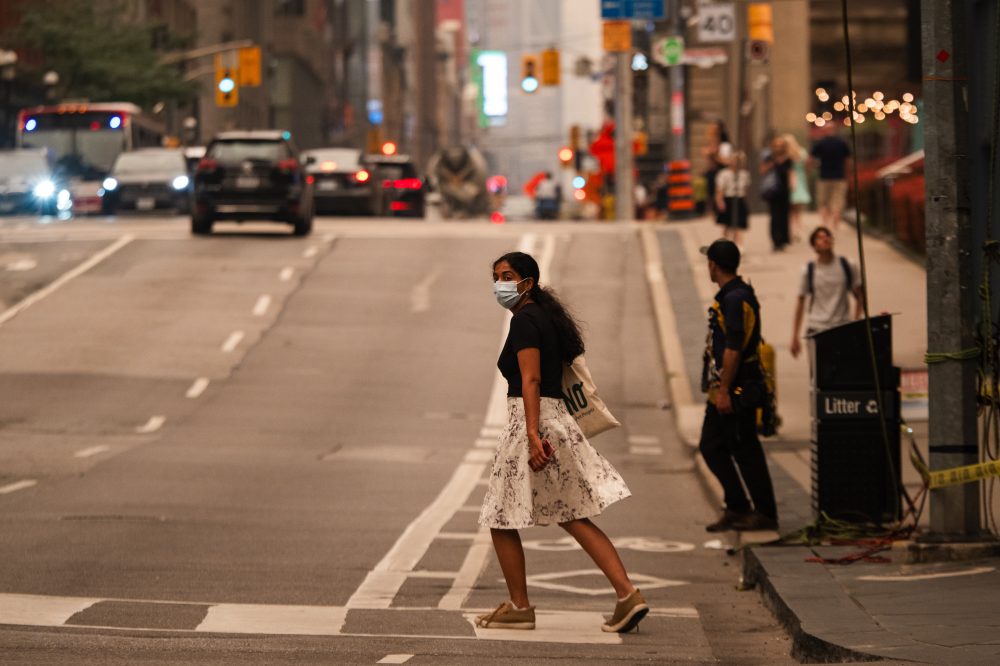
Wildfire smoke billowing out of Canada and Minnesota is driving air quality readings to record-breaking levels, creating a serious health risk for millions of people across the country.
If you’re noticing smoky air creeping into your home, experts say there are practical steps you can take to reduce your exposure and protect your lungs — including building your own air purifier using nothing more than a box fan.
With air quality indexes spiking to hazardous levels in many areas, health officials are urging people to limit their time outdoors and take steps to keep indoor air as clean as possible. A DIY air purifier can be an affordable and effective way to filter harmful particles from the air inside your home.
Smoke billowing down from Canadian wildfires is blanketing large portions of the United States, and health experts are sounding the alarm about just how dangerous that hazy air can be to breathe.
According to health officials, the level of air pollution caused by wildfire smoke can be comparable to smoking roughly half a pack of cigarettes every single day — a striking comparison that underscores the serious risk posed to anyone spending time outdoors.
Residents in affected cities have been photographed wearing face masks in an effort to reduce their exposure, and local officials in some areas have urged people to stay indoors as air quality readings have reached alarming levels.
While the smoke may appear to be just a nuisance, the fine particles it carries can penetrate deep into the lungs and cause both short- and long-term health problems, particularly for children, the elderly, and those with existing respiratory conditions like asthma.
Health experts recommend several steps to limit your exposure during periods of poor air quality. Staying indoors with windows and doors closed is one of the most effective measures. Running an air purifier with a HEPA filter can also help reduce indoor particle levels. If you must go outside, wearing a properly fitted N95 or KN95 mask can offer meaningful protection compared to a standard cloth mask.
Monitoring local air quality reports before heading outside is also strongly advised, as conditions can shift quickly depending on wind patterns and fire activity.
Wendy’s and Chipotle Mexican Grill announced Friday that neither chain has been affected by a cyclosporiasis outbreak that has been linked to shredded iceberg lettuce served at some Taco Bell restaurants.
Wendy’s noted that the Centers for Disease Control and Prevention’s investigation is focused on iceberg lettuce imported from Mexico — an ingredient the burger chain says it does not use. Chipotle also distanced itself from the outbreak, stating it does not serve shredded iceberg lettuce and that its romaine lettuce and Supergreens salad mix are not sourced from Mexico.
The U.S. Food and Drug Administration and the CDC are jointly investigating the outbreak, which has been connected to shredded iceberg lettuce at Taco Bell locations in Indiana, Kentucky, Michigan, Ohio, and West Virginia. Cyclosporiasis is a parasitic illness that can trigger diarrhea and other gastrointestinal problems.
On Thursday, the FDA announced that Yum Brands-owned Taco Bell would stop using lettuce from a supplier that investigators had flagged. This came shortly after Taco Bell said it had already voluntarily pulled the affected ingredient and planned to replace it within 24 hours in certain states.
According to CDC data cited by the FDA, 1,644 people who reported being infected with the parasitic illness across the five affected states said they had eaten at Taco Bell.
Neither Taco Bell nor the FDA publicly named the supplier involved. However, the Washington Post reported that California-based Taylor Farms had been identified by investigators as a possible source of the contamination. Taylor Farms did not respond when asked for comment.
Foodborne illness outbreaks can take a significant toll on restaurant companies’ stock values. McDonald’s faced similar scrutiny during a cyclospora outbreak connected to salads in 2018, and Chipotle previously dealt with a string of E. coli and norovirus outbreaks that hurt its sales, shook consumer trust, and put pressure on its share price.
As wildfires continue to burn larger portions of the Northern Hemisphere due to rising global temperatures, the smoke they produce is taking a devastating toll on human health — killing tens of thousands of people annually, according to multiple medical studies.
The damage begins almost immediately. Within hours of smoke exposure, asthma cases spike and ambulance calls increase. Within a day or so, emergency rooms become overwhelmed with patients suffering heart attacks, cardiovascular problems, lung issues, and mental health crises, doctors and scientists told the Associated Press.
Pregnant women face additional dangers, with smoke exposure raising the likelihood of premature births and underweight babies who may struggle with breathing problems throughout their lives. Researchers have also identified long-term connections between prolonged smoke and air pollution exposure and certain cancers, as well as dementia.
Following massive wildfires in 2018 and 2019, the medical and scientific communities began studying the health effects of smoke more closely. “More and more studies coming out finding that there’s all types of impacts that may not have been so obvious before,” said Dr. Mary Johnson, an environmental health scientist at Harvard School of Public Health.
Smoke triggers the body’s immune system into overdrive, causing widespread inflammation. Scientists have found it can damage the brain, the skin, and men’s sperm — leaving almost no part of the body unaffected, Johnson said. She added that people over 60 face an increased risk of stroke when exposed to wildfire smoke.
“Wildfire smoke is the toxic product of combustion of whatever burned,” which can include homes and vehicles, explained Dr. Courtney Howard, an emergency room physician, chair of the Global Climate and Health Alliance, and president-elect of the Canadian Medical Association. “So really it’s a big giant toxic soup of particles and gases.”
Researchers have identified at least 1,000 toxic substances in wildfire smoke, according to Luke Montrose, an environmental toxicologist at Colorado State University.
“If I gave you a list, you would recognize some of these as being very bad, oftentimes associated with the burning of diesel fuel or cigarette smoke, things like formaldehyde or volatile organic compounds,” Montrose said. “So just the smoke itself can be bad.”
So far this year, wildfires have burned more than 5,740 square miles — more than 14,860 square kilometers — across the United States. That figure is 31% above the 10-year average for this point in the year, according to the National Interagency Fire Center. When averaged over a decade, the amount of U.S. land burned each year in the 2020s is now more than double what it was 30 years ago.
Europe recorded a high amount of land burned in 2025, Canada has experienced several record or near-record fire years in the 2020s, and the Arctic has seen unprecedented levels of burning in recent years.
“Wildfires are becoming more frequent and intense because of climate change, and when a fire happens, you have smoke,” said Colleen Reid, a geographic health professor at the University of Colorado.
While larger smoke particles tend to settle near the source of a fire, the smallest particles — which scientists say cause the most harm — can travel great distances. In a typical wildfire, the most dangerous particles measure roughly one micron in size, Reid said.
Those tiny particles must first get past the body’s natural defenses, such as nose hairs and mucus. Once they reach the lungs, they can enter the bloodstream. Montrose explained that these particles are often coated in chemicals and have large surface areas, prompting the body’s defense system to “send signals to other cells that say, ‘We have a problem. We need to mount an immune response to this.’ And that’s where you get your acute effect or your effect within minutes, hours or even that day.” The impact is felt most strongly in the heart and lungs, he said.
The death toll is significant. A study published this year in the journal Science Advances found that an average of 24,100 people in the Lower 48 states died each year between 2006 and 2020 due to long-term exposure to tiny wildfire smoke particles. A separate Stanford study projects that wildfire smoke deaths in the U.S. will rise with climate change, potentially reaching an annual economic cost of $244 billion by the middle of this century.
Globally, wildfire smoke particles are responsible for 677,745 deaths each year, with nearly 39% of those victims being children under the age of 5, according to a 2021 study that used observations, health response data, and computer modeling to calculate the total.
Beyond the deadly effects, wildfire smoke also causes widespread breathing difficulties — particularly for people with asthma. A 2014 study conducted after roughly two and a half months of intermittent smoke exposure found a full doubling of emergency department visits for asthma and about a 50% increase in pneumonia cases, Howard said from Yellowknife, Canada. She noted that the subarctic region is warming at triple the global rate, making it “kind of canaries in the coal mine of the health impacts of climate change.”
“Even in individuals that don’t have asthma, the air can be so irritating that you could have difficulty with your respiratory system regardless,” Johnson said, “whether it’s coughing, whether it’s chest tightness, whether it’s sore throat, headache.”
Studies have also connected smoke exposure to impaired decision-making and other cognitive problems. Howard noted that patients arrive at the emergency room feeling depressed during heavy smoke events. She recommends seeking out clean-air spaces — such as designated shelters or libraries — to get relief from the smoke and possibly get some exercise.
Experts advise wearing high-quality masks when going outside, even though they don’t offer complete protection. Indoors, they recommend checking windows and doors for proper seals, investing in a good ventilation system, and regularly checking air filters.
“Staying away from the smoke is No. 1 if you can,” Johnson said.
Federal health officials have pinpointed shredded iceberg lettuce imported from Mexico and served at Taco Bell restaurants as the origin of a large-scale outbreak of cyclospora, a parasite that causes severe diarrhea.
The Centers for Disease Control and Prevention announced late Thursday that consumers should avoid shredded iceberg lettuce at Taco Bell locations operating in Indiana, Kentucky, Michigan, Ohio, and West Virginia.
An investigation by the Food and Drug Administration traced the contaminated lettuce back to a single supplier, though federal authorities have not publicly named that company.
“FDA is working with the supplier of iceberg lettuce to determine if potentially contaminated shredded iceberg lettuce remains on the market,” the CDC stated, adding that the agency is also looking into whether the lettuce may have reached additional states. The CDC further noted that “Taco Bell has committed to stop using any lettuce from the supplier identified by FDA’s traceback investigation.”
Prior to the federal government’s official confirmation, Taco Bell released a statement on Tuesday saying the chain had “voluntarily and temporarily removed limited ingredients at select restaurants as a precautionary measure,” pledging to monitor the situation and follow guidance from public health authorities.
Health agencies at both the federal and state levels have been jointly investigating this multi-state cyclospora outbreak. Infections have been reported in more than 30 states this year, and current figures already exceed the previous U.S. record of roughly 4,700 cases set in 2019.
Cyclospora is a tiny, round parasite that attacks the intestines and is known to cause watery diarrhea with, according to the CDC, “frequent and sometimes explosive bowel movements.” Outbreaks most commonly occur during late spring and summer months. The parasite spreads through feces and has historically been linked to fruits and vegetables exposed to irrigation water contaminated with fecal matter.
The illness resulting from cyclospora infection, known as cyclosporiasis, is less frequently encountered than foodborne illnesses caused by germs like salmonella or E. coli. It is not typically life-threatening and can usually be treated with antibiotics. For many years, few U.S. outbreaks were reported, but case numbers began climbing about a decade ago, with a particularly sharp increase in 2018 and 2019.
Health experts believe cyclospora infections were historically undercounted, partly because standard food poisoning tests were not designed to detect this specific parasite. Researchers point to climate change and improved detection methods as key factors driving the upward trend in reported cases.
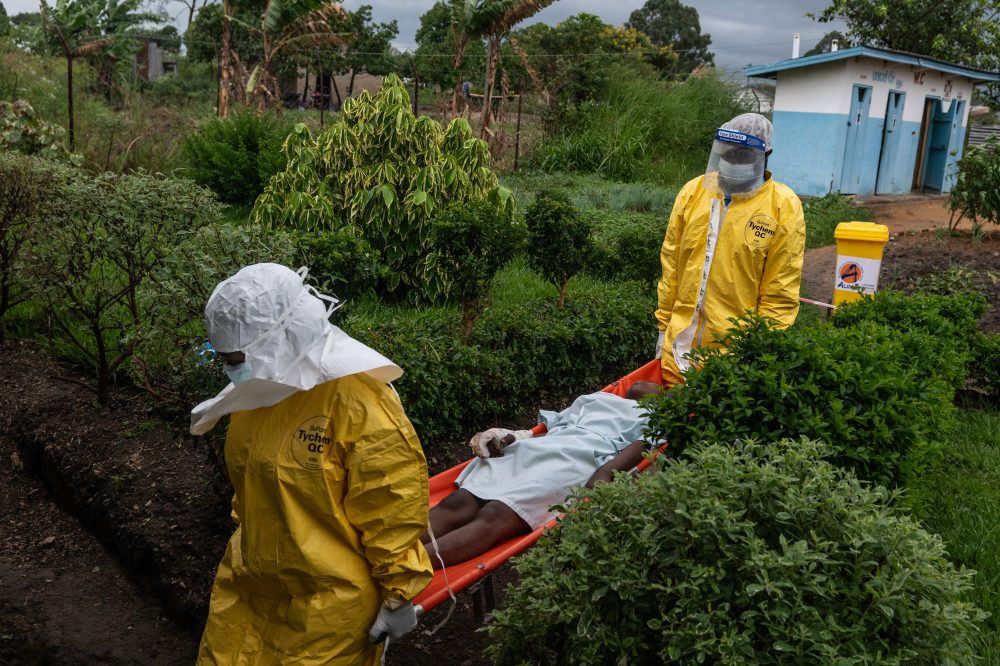
A United Nations agency is warning that the movement of Ebola victims’ remains between different parts of the Democratic Republic of Congo is putting more communities at risk of infection, particularly when families transport bodies back to home villages for burial.
The International Organization for Migration reported Friday that more than 2,000 Ebola cases and at least 700 deaths have been documented in Congo and neighboring Uganda as of July 14. Notably, roughly two-thirds of those deaths occurred outside of medical facilities.
Ebola is caused by a virus that spreads through direct contact with bodily fluids from infected people or animals. Symptoms can include high fever, vomiting, and both internal and external bleeding. The current outbreak is being driven by the Bundibugyo strain of the virus. Critically, the virus remains highly contagious even after a person has died, making how bodies are handled a key factor in controlling the spread.
Andrew Mbala of the International Organization for Migration stressed the importance of proper body management and community involvement. “If we don’t really manage the dead bodies well, if we don’t engage the community … then it means there will be more spread within the community,” he said.
IOM officials identified the movement of bodies between districts within Congo as a particularly difficult challenge to address, as grieving families often wish to bury their relatives in their ancestral communities.
Mbala noted that while no bodies have been transported across international borders, movement within the country has been widespread. “There hasn’t been any crossing of dead bodies to another country, but we have seen a lot of crossings of dead bodies within the country,” he said.
The IOM cautioned that if remains are not handled safely during transport, the virus could take hold in areas that have not yet been affected by the outbreak.
Pharmaceutical company GSK announced Friday that it is pulling the plug on further development of an experimental drug designed to treat refractory chronic cough, after the medication came up short on one of its key benchmarks in a late-stage clinical trial.
Following the news, the company’s stock slid 2%, dropping to 1,916 pence per share.
The drug, known as Camlipixant, showed mixed results during the trial. At its 50 mg dose, the medication successfully met one of its primary goals — reducing how often patients coughed over a 24-hour period compared to those taking a placebo — when taken twice daily over a 12-week period. However, the drug failed to achieve statistical significance when measured against that same goal at the 24-week mark, according to GSK.
Because the drug did not consistently meet its main objectives throughout the full duration of the trial, GSK said it has decided against moving the treatment forward.
Danish drugmaker Novo Nordisk announced Friday that India’s national drug regulatory authority has granted approval for its popular obesity medication Wegovy to be used in treating metabolic dysfunction-associated steatohepatitis — commonly referred to as MASH — a severe form of fatty liver disease.
The Central Drugs Standard Control Organisation gave the go-ahead for Wegovy’s 2.4 mg semaglutide injection specifically for MASH treatment, according to the company.
MASH develops when excess fat accumulates in the liver, triggering inflammation and causing liver damage. The condition falls within a wider category of fatty liver diseases and can worsen into more serious liver complications when left without treatment.
Novo Nordisk pointed out that approximately two out of every three people in India live with fatty liver disease, underscoring the enormous number of potential patients in the country who could benefit from the newly approved treatment.
The company also noted that MASH is often considered a silent disease — meaning most patients experience no noticeable symptoms until the condition has already reached an advanced stage.
Wegovy, which has become one of Novo Nordisk’s most high-profile medications, uses the active ingredient semaglutide and already carries approval in India and several other markets for long-term weight management.
The company faces stiff competition in India’s rapidly expanding obesity drug market, going up against Eli Lilly’s Mounjaro as well as lower-priced generic semaglutide products introduced by homegrown pharmaceutical firms including Dr Reddy’s and Sun Pharma.
Sales data from market research firm Pharmarack show Novo Nordisk moved approximately 76,000 units of Wegovy in India during the first half of 2026.
Seven American aid workers who had been fighting the Ebola outbreak in the Democratic Republic of Congo are now quarantining at an isolation facility located on a Kenyan air force base, following new U.S. travel restrictions, the head of the charity that employs them confirmed to Reuters.
These workers are the first individuals to actually use the facility, which has been the subject of significant controversy in Kenya and is currently tied up in an active court case. A judge has ordered a halt to activity at the site pending a final ruling, yet U.S. officials and satellite images reviewed by Reuters indicate that work at the location has continued regardless.
Under the new U.S. government policy, American citizens returning from the Democratic Republic of Congo — where an Ebola outbreak is ongoing — are required to spend three weeks in a third country before they are permitted to re-enter the United States.
The bio-isolation unit was constructed by the U.S. government on an air force base in central Kenya to house Americans who may have been exposed to the Ebola virus while working in Congo or Uganda. The facility has drawn sharp criticism from many Kenyans, who argue the U.S. is essentially shifting the health burden of caring for potentially exposed individuals onto their country.
Last month, Kenya’s health minister announced an immediate stop to construction at the site after being found in contempt of court for ignoring suspension orders that had been issued by a local court against the project.
Franklin Graham, president and CEO of Samaritan’s Purse, confirmed the situation to Reuters. “Samaritan’s Purse has seven American Disaster Assistance Response Team staff members there,” Graham said. “None of them have any symptoms, but they are being quarantined by the Kenyan government for 21 days.”
A U.S. State Department official also weighed in, telling Reuters that the group of Americans — who had served on the front lines of the Ebola response — had “voluntarily moved to the Kenya facility for precautionary monitoring and isolation.” The official added that “Kenyan authorities have authorized their movement into the facility under the observation of the U.S. Public Health Service clinicians,” and that the decision was made “strictly out of an abundance of caution.”
Kenyan health ministry officials did not respond to requests for comment, and a senior Kenyan foreign ministry official stated they had no information about the situation.
A source familiar with the matter, who requested anonymity, said the group arrived at the central Kenya site on Monday and are currently sleeping on army cots inside tents. Some members of the group had worked directly as medical staff treating Ebola patients at the charity’s treatment centers, while others served in non-medical roles with no direct patient contact, such as construction work.
“There is one potential high risk exposure,” the source said, noting that the health of all seven individuals is being actively monitored. Kenyan authorities are not permitting the group to leave the facility or travel elsewhere within the country, the source added.
Taco Bell announced Thursday that it has pulled lettuce from one of its suppliers in certain U.S. states, following reports that investigators have linked the ingredient to an ongoing outbreak of cyclosporiasis — a parasitic intestinal infection that has made thousands of Americans sick.
In a statement, the fast food chain said: “Based on ongoing conversations with public health officials, and out of an abundance of caution, Taco Bell has taken immediate action to voluntarily remove potentially impacted lettuce from a supplier in select states.”
The company added: “The affected ingredient from our supplier is being indefinitely removed from our supply chain nationwide and will be replaced within 24 hours in select states.”
Taco Bell did not identify the supplier involved or disclose which states are affected by the removal.
The Washington Post reported Thursday that shredded iceberg lettuce supplied to Taco Bell locations by California-based Taylor Farms has been flagged by investigators as a possible source of contamination in the outbreak.
The outbreak began on May 1 and has hit Michigan especially hard, with Ohio and New York also seeing significant numbers of infections. Michigan health officials reported 4,312 confirmed cases of the illness as of Thursday.
Health officials have noted that while cyclosporiasis outbreaks have occurred in the U.S. before, this year’s outbreak is considerably larger in both scale and geographic reach, raising serious concern.
Earlier this week, Taco Bell had already said it removed a small number of ingredients from some of its restaurants as a precautionary step.
Bloomberg News reported Thursday that the U.S. Food and Drug Administration is expected to soon issue guidance warning consumers to avoid shredded lettuce at Taco Bell restaurants in Michigan, Ohio, West Virginia, Kentucky, and Indiana.
The Department of Health and Human Services, which oversees the FDA, and Taylor Farms had not responded to requests for comment at the time of the report.
Cyclosporiasis is spread through consuming food or water contaminated with feces — most commonly raw fruits and vegetables. Symptoms include diarrhea, nausea, and other gastrointestinal issues.
The outbreak is unfolding at a time when U.S. public health agencies are dealing with reduced monitoring capabilities due to recent funding cuts.
WASHINGTON — Federal health regulators have given the green light to a first-of-its-kind oral medication capable of sharply cutting cholesterol levels — a benefit that until now has only been achievable through costly injections.
The drug, developed by Merck and approved Thursday, is intended for patients whose artery-clogging cholesterol remains dangerously high even after taking statins — the go-to medications doctors prescribe to reduce heart attack risk. The new pill will be sold under the brand name Lipfendra.
What sets Lipfendra apart is how it works: it’s the first pill to block a liver protein known as PCSK9, which normally limits the body’s ability to flush cholesterol out of the bloodstream. Injectable medications targeting this same protein have been on the market from Amgen and other pharmaceutical companies for over a decade, but widespread use has been hampered by steep costs, insurance hurdles, and doctors being slow to prescribe them.
Statins remain the foundation of cholesterol treatment by reducing how much cholesterol the liver produces. However, even at maximum doses, many patients still can’t get their LDL — commonly called “bad” cholesterol — down to the levels recommended by medical guidelines. That’s where Lipfendra is expected to fill a gap.
Merck, based in Rahway, New Jersey, earned the FDA’s approval after presenting results from two clinical studies involving high-risk patients who added the pill to their existing treatment regimens, including statins. In one trial involving 3,000 participants, patients taking Lipfendra experienced a drop in LDL cholesterol of more than 55% after six months. A second study found an average reduction of 59% compared to patients who received a placebo.
Researchers noted that the cholesterol-lowering effect held up well over a full year, declining only slightly. Side effects such as dizziness and diarrhea were reported at similar rates among both those taking Lipfendra and those on the placebo. One important note for patients: the pill must be taken on an empty stomach.
The FDA fast-tracked its review of Lipfendra through a special program designed to speed up approval of promising medications that serve a significant public need. That pathway was established under then-FDA chief Dr. Marty Makary, who stepped down from the agency in May following sustained pressure from pharmaceutical companies, patient advocates, and other outside groups.
Heart disease remains the top killer in the United States, with elevated LDL cholesterol — which causes plaque to accumulate in arteries — being one of the most significant risk factors for heart attacks and strokes. Medical guidelines consider an LDL level of 100 acceptable for otherwise healthy individuals, but recommend pushing it below 70 for those diagnosed with high cholesterol or heart disease, and even lower for patients at the highest risk.
India’s Serum Institute announced Thursday that it will produce an experimental tuberculosis vaccine through a new partnership with the Gates Medical Research Institute — a move that could result in the first new TB vaccine in more than 100 years, if the shot receives approval.
The vaccine candidate, known as M72/AS01E, has been in development for roughly 20 years and is currently undergoing a late-stage clinical trial to test its effectiveness.
Serum Institute said it plans to pour more than $100 million into expanding its manufacturing capabilities to prepare for large-scale vaccine production, contingent on regulatory approval.
As part of the agreement, Gates MRI — which was founded by the Gates Foundation — will hand over the technology and expertise required to produce the vaccine’s key ingredient, enabling mass production, according to Serum Institute.
GSK, the company that originally developed the vaccine candidate, will provide the AS01E adjuvant, a component designed to strengthen the body’s immune response to the vaccine.
GSK had previously advanced the vaccine through mid-level testing before licensing it to Gates MRI. Gates MRI is now overseeing the late-stage trial with financial backing from the Gates Foundation and Wellcome, a major London-based charitable organization.
Tuberculosis remains one of the world’s deadliest diseases. According to a recent World Health Organization report, it is the leading cause of death from a single infectious agent and ranks among the top 10 overall causes of death globally.
WHO data shows that nearly 11 million people were infected with tuberculosis in 2024, and approximately 1.23 million people died from the disease that year.
Countries carrying the heaviest tuberculosis burden include India, Indonesia, the Philippines, China, Pakistan, and Nigeria, according to the WHO.
In a joint statement, Serum Institute and Gates MRI noted that “the World Health Organization estimates a vaccine with this efficacy profile could prevent 76 million new TB cases, save 8.5 million lives, and save $41.5 billion for TB-affected households over 25 years.”
Currently, the only widely available vaccine against tuberculosis is the Bacille Calmette-Guérin, or BCG, vaccine.
WASHINGTON — The Trump administration is moving to make it easier for men to obtain testosterone prescriptions, the latest chapter in a long-running debate over the hormone’s benefits and potential risks for sexual health, mood, and overall well-being.
Health Secretary Robert F. Kennedy Jr. and other senior officials are backing the effort. On Tuesday, Defense Secretary Pete Hegseth announced that the military would begin screening service members for low testosterone and offering the hormone as a tool to help troops perform at their “absolute best.”
While online influencers and men’s health podcasters have long promoted testosterone as a cure-all for building muscle and boosting energy, science does not support that sweeping claim. However, medical experts say a decade’s worth of new research has strengthened the argument for testosterone’s role in sexual health while reducing fears about cardiovascular risks.
“Many providers have been trained for years that these were real issues, and they were scared to get a testosterone reading from a patient or offer them testosterone therapy,” said Dr. Justin Dubin, a urologist at Baptist Health Miami Cancer Institute.
Last year, the Food and Drug Administration removed a prominent safety warning about potential heart risks associated with testosterone pills, gels, injections, and patches, citing updated data showing no increase in such problems.
Last month, the agency proposed revising prescribing instructions to allow testosterone to be used for age-related symptoms such as low libido and erectile dysfunction. The current label states the hormone is only approved for abnormally low testosterone caused by serious medical conditions or injury.
Doctors who prescribe the drug say patients with those specific conditions represent only a fraction of those seeking treatment.
“The majority of people we see in our office are regular men complaining of these common symptoms because they’re dramatically affecting their quality of life,” said Dr. Helen Bernie, a urologist and director of sexual health at Indiana University.
Testosterone was first approved in the 1950s to treat hypogonadism, a condition in which low hormone levels result from problems affecting the testes or other organs. Testosterone naturally decreases with age, which can affect sexual function, mood, and bone density — but how to properly diagnose and treat men with those issues has long been a subject of debate among researchers.
“These symptoms overlap with symptoms of human aging in men, so there’s a high risk of misdiagnosis and that’s led to the controversy,” said Dr. Shalender Bhasin of Harvard Medical School, who has co-authored several recent testosterone studies and treatment guidelines.
Bhasin notes that growing acceptance of men’s sexual health as a serious medical concern — a shift that began with the introduction of Viagra for erectile dysfunction in the 1990s — has contributed to increased willingness to prescribe testosterone.
Bhasin helped write the Endocrine Society’s current guidelines, which recommend discussing testosterone therapy with men who have documented symptoms and two blood tests confirming low hormone levels. A recent study by Michigan researchers found that only 12% of men receiving a prescription actually met that standard.
The risk of overprescribing is not new. In the early 2010s, pharmaceutical companies spent heavily on television advertising for testosterone gels, patches, and other products, marketing them as solutions for fatigue, muscle loss, brain fog, and weight gain. By 2013, those products were generating more than $2 billion in annual sales, even though most of the conditions advertised were not FDA-approved uses.
In 2015, the FDA responded by requiring drugmakers to clarify that their products were not approved for routine age-related complaints and to add a boxed warning about potential heart risks.
The FDA now says more recent evidence justifies relaxing those restrictions. A study mandated by the FDA and published in 2023 tracked 5,000 men with a history of heart disease — half received daily testosterone gel, and the other half received a placebo. After two years, there was no difference in rates of heart attack, stroke, or related complications between the two groups.
A separate series of National Institutes of Health studies involving nearly 800 older men found that testosterone therapy improved erectile dysfunction, libido, and other sexual health measures and had a modest effect on mood. Benefits for fatigue, memory, or general well-being were minimal or nonexistent.
Bhasin, who helped lead both research efforts, says the studies are the largest of their kind but that more investigation is needed on long-term effects.
“I think FDA’s label changes are very welcome and they are bringing us a big step forward,” Bhasin said. “But I think there’s a lot more to be done to better define the safety and efficacy.”
In comments submitted to the FDA, the Endocrine Society called for studies lasting 15 to 20 years to evaluate conditions that develop slowly, including prostate cancer, which remains a concern with testosterone therapy.
Experts broadly agree that men who are planning to have children in the near future should not take testosterone. The hormone shuts down the body’s natural production process.
“It can stop the signal from your brain to your testicles to make testosterone, and so you stop making sperm,” Dubin said. “That can compromise fertility.”
Most guidelines also urge caution for men who have had prostate cancer or are considered at risk, given unresolved questions about whether hormone therapy could accelerate tumor growth. However, the FDA has proposed language that would only recommend avoidance for men whose prostate cancer has already spread to other parts of the body.
Dietary supplements marketed online as testosterone boosters should be avoided, experts say, because they are not FDA-approved and are unlikely to be effective.
FDA-approved testosterone treatments come in several forms. Gels and pills typically require daily use, while injections, patches, and implantable pellets can last weeks or months. Many of these products are now available through telehealth platforms, though that route carries its own risks.
A 2022 study by Dubin found that only one in seven online prescribing companies asked basic screening questions — including whether patients planned to have children — and most did not have a testing threshold to confirm whether patients actually had low testosterone levels.
When wildfires break out, the smoke they produce doesn’t stay put — it can drift across hundreds of miles, reaching communities far from the actual fire and creating real health hazards for the people who live there.
Fires in one state can worsen air quality several states over, and blazes in Canada have been known to push smoke deep into American cities.
So what can you do to keep yourself and your family safe when wildfire smoke threatens your air? Here’s a breakdown of what experts recommend.
The Environmental Protection Agency uses something called the Air Quality Index to measure pollution levels. It combines all pollutants into one easy-to-read number — and the lower that number, the better the air.
A reading under 50 means the air is healthy. Between 50 and 100 is considered moderate. From 100 to 150, the air becomes unhealthy for sensitive groups, and anything above 150 is considered dangerous for everyone.
Who counts as a sensitive group? Dr. Sanjay Sethi, who leads the division of pulmonary, critical care and sleep medicine at the University at Buffalo medical school, says that includes people living with asthma, lung disease, or chronic obstructive pulmonary disease.
“If you have heart or lung problems, then you’ve got to be definitely more careful,” Sethi said. “I would either avoid going outside or wear an N95 or at least a dust mask.”
Keep in mind that smoke isn’t always visible or detectable by smell — even when you can’t see or sense it, the air may still be harmful to breathe.
The EPA operates a website where you can check up-to-date air quality conditions in your region. A company called PurpleAir, which makes air quality sensors and shares live data publicly, also offers a detailed map showing readings street by street through a network of citizen monitors.
For checking the air inside your home, Joseph Allen, who directs Harvard University’s Healthy Buildings Program, recommends purchasing an indoor air quality monitor.
“You can find these low-cost, indoor air quality monitors just about everywhere online now. They don’t cost all that much anymore,” Allen said.
If you need to head outside briefly, Dr. Sethi says a short trip is unlikely to cause lasting harm for most healthy people. However, wearing an N95 mask — which many became familiar with during the coronavirus pandemic — can significantly cut down on the particles you inhale.
“N95 is going to get rid of 90-95% of the particles,” said Jennifer Stowell, a research scientist at Boston University’s Center for Climate and Health. “If you have access to a mask that has a respirator-type attachment to it, then that’s the very best.”
If you’re outside and start feeling symptoms, experts say you should go back indoors or find somewhere with cleaner air as quickly as possible — even if you’re generally in good health.
“If you start wheezing, which is like this whistling sound of the chest, or if you’re feeling short of breath, that’s definitely more concerning,” Sethi said.
Inside your home, close the windows and run your air conditioner on the indoor circulation setting rather than pulling in outside air. You can also use blankets or towels to block gaps where outdoor air might seep in, like the space under doors.
Swapping out your air conditioner’s filter for a MERV 13 filter can provide added protection — just make sure it’s installed properly so air doesn’t bypass it.
“If you happen to have access to an air purifier, even if it’s just a room air purifier, try to keep it running and in the room that you’re doing most of your activities in,” Stowell advised.
DOVER, Del. — Delaware’s Office of Highway Safety (OHS) is sounding the alarm for both riders and drivers to pay closer attention on the road as motorcycle traffic picks up during the height of summer.
The agency issued the alert following a string of recent crashes that left one motorcyclist dead and two others seriously hurt in separate incidents.
Officials say the summer months bring a significant increase in motorcycle activity, making it especially important for all road users to remain aware of their surroundings and share the road with care.
The OHS is reminding drivers to watch for motorcycles, particularly when changing lanes or making turns, and is encouraging riders to follow safe riding practices at all times.
Does your hand ache after a long session of scrolling through your phone? You might be dealing with what’s commonly called “texting thumb” — a broad term covering a range of discomforts tied to heavy smartphone use.
The condition can show up as general stiffness, a throbbing sensation near the knuckle, or a clicking feeling when bending the thumb. When ignored, the repeated motion of typing and swiping can develop into more serious medical issues, including carpal tunnel syndrome and arthritis.
Smartphone overuse injuries aren’t new — people have been warned about them for decades, going back to the days of “BlackBerry thumb.” But today’s phones are bigger and heavier than ever, and we use them for far more than calls and texts. Doomscrolling for hours, paying bills, and watching full movies have all become everyday habits.
“Mobile devices are here to stay. So rather than saying ‘you can’t be on your device,’ we really just need to learn and think about ways to make the devices compatible with modern life,” said Dr. Maureen O’Shaughnessy with the University of Kentucky HealthCare Hand Center.
Keeping your wrists and elbows locked in the same position for extended periods can cause soreness at the base of the thumb or wrist. Holding a phone upright for too long can also wear out your other fingers.
Dr. O’Shaughnessy noted that many people only notice the discomfort when they step away from their phones — like during a vacation — and the aches begin to fade.
The most straightforward fix is to simply put the phone down more often and take short breaks between scrolling sessions. If cutting back feels like a challenge, try switching up your posture, alternating hands while typing, or using your index finger instead of your thumb.
Your phone’s built-in accessibility settings can also help reduce strain. Voice-to-text lets you send messages without typing at all, and increasing the font size means you won’t need to hold the phone as close to your face.
There are also ring and circle-shaped grip accessories that attach to the back of your phone, helping spread the weight more evenly across your hand. Many of these accessories double as stands, making it easier to prop up your phone while watching videos.
After a long day of screen time, stretching your hands can provide real relief. Try flexing your wrist by tilting your palm toward and away from you while using your other hand to gently push and pull. Dr. O’Shaughnessy also suggested bending each finger individually and making small circles with your thumbs.
For pain specifically at the base of the thumb, place your hand flat on a surface and stretch the thumb away from your fingers, holding the position for about 30 seconds.
If numbness, tingling, or persistent aching doesn’t improve after cutting back on screen time and trying remedies like ibuprofen or ice, it’s worth seeing a doctor. Ongoing phone use can worsen thumb arthritis, trigger De Quervain’s tenosynovitis — which causes sharp pain and swelling at the thumb’s base — or lead to carpal tunnel from a pinched nerve. Trigger thumb, a painful catching sensation when bending the thumb, can also result from an inflamed tendon.
Breaking the cycle of endless scrolling isn’t easy, but even small, intentional pauses to shift your posture can make a meaningful difference.
“Our hands were not designed to use phones all day long,” said Dr. Eugene Tsai, a surgeon at Cedars-Sinai Orthopaedics and Sports Medicine. “In order for us to use the phones, we have to be kind to our hands.”
Portugal has become the first member of the European Union to join a global network dedicated to overseeing how artificial intelligence is used in healthcare, a milestone announced on Wednesday as Europe moves closer to enforcing sweeping new AI regulations across the continent.
Under the agreement, Portugal’s healthcare regulatory agency, Infarmed, will partner with HealthAI, a Geneva-based nonprofit organization. Through this partnership, Portugal gains entry to a curated directory of AI health tools that have been reviewed by regulators, along with a real-time alert system designed to flag reports of harmful incidents involving AI in medical settings.
With Portugal now on board, the HealthAI Global Regulatory Network includes Britain, India, Brazil, Singapore, the Philippines, Indonesia, Vietnam, Zambia, and Peru.
The development comes as the EU’s AI Act begins to take effect, coinciding with a rapid increase in the use of AI-powered tools across European health systems.
Infarmed President Santos Ivo emphasized the value of working across borders, stating, “This is clearly better achieved through international cooperation and by sharing experiences and expertise.”
HealthAI, which receives the majority of its funding from governments including Canada, Britain, Norway, and Singapore, was created to establish shared standards and governance structures for AI in the healthcare sector.
HealthAI Chief Executive Baptista Leite revealed that the organization is currently in discussions with additional EU member states. He also stressed the global significance of the decisions Europe makes on this issue. “Whatever Europe will do will have a spillover effect in other regions around the world. It’s incredibly important that Brussels gets it right,” he told Reuters.
Defense Secretary Pete Hegseth has unveiled a new proposal that would require military personnel who are older than 30 to undergo screening for low testosterone levels.
The announcement has prompted questions from medical and scientific communities about whether sufficient evidence exists to justify such a testing program across the armed forces.
Low testosterone, sometimes called “low T,” can affect energy levels, muscle mass, and overall health — factors that could be relevant to military readiness. However, the medical community has debated whether broad screening of otherwise healthy individuals is appropriate or necessary.
It remains unclear what specific steps the Department of Defense would take based on the screening results, or how the program would be implemented across the various branches of the military.
The U.S. State Department confirmed Wednesday that new travel restrictions tied to the Ebola outbreak in the Democratic Republic of Congo are now preventing American citizens and nationals from flying home on commercial aircraft if they have been in the African nation within the past 21 days.
Reuters first broke the story this week, reporting that President Donald Trump’s administration had put the policy in place to block Americans in Congo from taking commercial flights back to the United States.
The U.S. embassy website in Congo spelled out the rules clearly: “Travelers who have been in the DRC within 21 days of their flight will not be allowed to board flights with U.S. destinations.”
The embassy also advised: “All U.S. citizens and U.S. nationals who have been in the DRC should plan to remain outside the DRC for 21 days before entering the United States.”
The restrictions are a response to an ongoing Ebola outbreak that has spread across multiple provinces within Congo. The latest official Congolese figures, released late Sunday, showed confirmed cases had climbed to 1,926, with 702 people having died from the disease.
Dr. Daniel Jernigan, a former senior official at the U.S. Centers for Disease Control and Prevention who led the American response to the 2014-2015 Ebola outbreak in West Africa, said the use of a “do-not-board” policy to stop U.S. citizens from coming home — even when they face little risk of actual Ebola infection — is without precedent.
Jernigan warned of broader consequences, stating: “This change in policy risks shifting medical and public-health responsibility to third countries, it may encourage travelers to conceal itineraries or exposures, and it will make recruitment of American outbreak responders more difficult.”
A California-based food company has broadened a recall involving frozen rice ball products that may secretly contain peanuts — a potentially life-threatening danger for allergy sufferers.
Khong Guan Corporation, located in Union City, California, announced the expansion of its recall to cover specific lots of two products: “Glutinous Rice Balls with Black Sesame Filling” and “Black & White Glutinous Rice Balls with Black Sesame Filling.” The concern is that these items may contain peanuts that are not listed on the packaging label.
For individuals with a peanut allergy or a serious sensitivity to peanuts, consuming these products without knowing they are present could trigger a severe or even fatal allergic reaction.
Shoppers who have purchased either of these products are encouraged to check whether their items are part of the affected lots and to avoid consuming them if so. The recall was announced through the U.S. Food and Drug Administration.
WASHINGTON (AP) — Defense Secretary Pete Hegseth unveiled a new program on Wednesday that would screen military service members for “testosterone deficiency,” saying the initiative is needed to help troops perform at their “absolute best.”
Under the new policy, troops aged 30 and older will undergo testosterone testing each year as part of their routine medical screenings. Service members younger than 30 will have the option to participate voluntarily. In a social media video announcing the program, Hegseth appeared to be referring specifically to male troops being tested for hormone irregularities, though he did not explicitly say so.
The announcement arrives as other officials within the Trump administration have been pushing for men to have greater access to testosterone replacement therapies. However, the messaging from Hegseth and others mixes established science about the hormone with broader claims that are not as well supported.
When reporters asked what specific medical conditions the new policy was intended to address, the Pentagon pointed back to Hegseth’s video remarks, in which he spoke about keeping troops “strong, resilient and capable” and said that modern battlefield demands require “maximum psychological and mental readiness.” The Pentagon declined to identify particular conditions or diseases the screening program is targeting.
In his video, Hegseth emphasized that any testosterone replacement therapy offered as a result of the screenings would be entirely voluntary. He also stated that the initiative is “not about artificial enhancement.”
The Pentagon did not respond to questions about what medical research or academic studies were used to support the policy. Officials also did not address whether female service members could be screened for declining estrogen levels as they enter perimenopause.
This new initiative comes against a backdrop of controversy involving testosterone use in elite military units. In recent years, special operations forces — and Navy SEALs in particular — have faced scrutiny over the use of testosterone and similar performance-enhancing substances.
The 2022 death of a SEAL recruit during training led investigators to discover substances in his possession, including testosterone, and exposed a far more widespread problem with drug use within that elite program than had previously been known. One year after that death, the Navy announced it would launch its own drug-testing program to screen for “any hormonal substance, chemically or pharmacologically related to testosterone, that promotes muscle growth.”
Hegseth’s move also coincides with broader efforts by Health Secretary Robert F. Kennedy Jr. and other administration officials to make testosterone therapies more accessible. Last month, the Food and Drug Administration proposed relaxing prescribing restrictions on testosterone gels, pills, patches, and injections.
Currently, FDA labeling limits those medications to men diagnosed with hypogonadism, a medical condition that causes severely low testosterone levels. However, many influencers and supporters of Kennedy’s “Make America Healthy Again” movement promote testosterone as a tool for looking younger, building muscle, and staying mentally sharp — uses that most mainstream medical experts do not endorse.
That said, recent studies have provided some support for testosterone’s benefits in treating certain conditions, and have helped ease longstanding concerns about its safety — particularly regarding the heart. Last year, the FDA removed a boxed warning from testosterone drugs that had cautioned about possible risks of heart attack and stroke.
A series of studies conducted by the National Institutes of Health on older men found that testosterone therapy improved erectile dysfunction, libido, and other sexual health measures, and had a modest effect on mood. However, researchers found little or no improvement in areas such as fatigue, memory, or overall sense of well-being. Other studies have pointed to potential gains in muscle development, strength, and bone density.
Despite these findings, current medical guidelines generally advise against routine, broad-based testosterone screening. Doctors are typically recommended to discuss testosterone therapy only with men who are experiencing troubling symptoms and who have documented low hormone levels confirmed by two separate blood tests.
Accurately measuring testosterone also presents practical challenges, since hormone levels naturally shift throughout the day. Medical professionals typically recommend testing in the morning after fasting for the most reliable results.
The United States announced Wednesday that Americans returning from the Democratic Republic of Congo will be required to spend 21 days in a third country before they can re-enter the United States, a move the government is linking to concerns over the ongoing Ebola outbreak in the region.
The new restrictions were posted by the Centers for Disease Control and Prevention in a website update dated July 14. The rules also extend to certain travelers coming from Uganda and South Sudan. Travelers from those countries not covered by the new restrictions will continue to be screened at airports, a practice that has been in place for several months.
The CDC noted that exceptions could be considered on an individual basis for humanitarian or law-enforcement purposes.
Reuters broke news of the policy on Tuesday, reporting that the Trump administration had moved to prevent Americans in Congo from boarding commercial flights headed to the United States.
Dr. Daniel Jernigan, a former senior CDC official who oversaw the agency’s response to the 2014-2015 Ebola outbreak in West Africa, weighed in on Tuesday, saying the use of a so-called “do-not-board” policy to keep U.S. citizens out of the country when their risk of Ebola infection is minimal has no historical precedent.
“This change in policy risks shifting medical and public-health responsibility to third countries, it may encourage travelers to conceal itineraries or exposures, and it will make recruitment of American outbreak responders more difficult,” he said.
The CDC and other federal agencies had already put in place an order earlier this spring barring non-citizens — including those with extended legal status — from traveling directly to the U.S. from any of the three countries. Those individuals were also required to complete a 21-day stay in another country first.
Prior to this new policy, American citizens had been permitted to arrive at select U.S. airports, where they were evaluated by officials based on their travel history, body temperature, and any symptoms they might be experiencing.
The Ebola outbreak in Congo has produced more than 1,900 confirmed cases and more than 700 deaths, based on official figures, with all cases connected to the Bundibugyo strain of the virus.
The CDC has confirmed that no cases tied to this outbreak have been identified in the United States, and the overall risk to the American public and to travelers remains low.
The leadership struggles at the nation’s top public health agency reached another crossroads Wednesday, when a U.S. Senate committee took up the nomination of Dr. Erica Schwartz to head the Centers for Disease Control and Prevention.
Schwartz, 54, is being considered to lead the Atlanta-based CDC, the federal agency responsible for shielding Americans from preventable health dangers.
Much of her professional career was spent in the military, including a leadership role with the U.S. Coast Guard, where she managed a network of 41 clinics and 150 sick bays and helped shape vaccination policies for service members. She later served as deputy surgeon general, where she helped guide uniformed medical professionals working at the CDC and other federal health agencies serving the broader public.
The CDC was once regarded as a gold standard in global public health, but the agency has been in disarray since President Trump returned to the White House last year. More than 3,000 employees — representing over a quarter of the agency’s total workforce — have departed through layoffs and resignations. A string of mostly temporary directors has cycled through the top job, with many political appointees filling key roles despite limited backgrounds in medicine or public health.
“There’s still really good people who work there (at the CDC). They are doing their best to navigate choppy waters,” said Dr. David Margolius, who leads Cleveland’s health department and serves as a leader in a national coalition of big-city health departments. He added that the CDC no longer appears to be the authoritative, communicative force it once was during disease outbreaks and other public health crises.
“Basically everybody’s got to kind of choose their own adventure, as opposed to being led by a national public health department,” Margolius said.
The CDC falls under the oversight of Health Secretary Robert F. Kennedy Jr., who was a prominent figure in the anti-vaccine movement before being chosen to lead the CDC and other federal health agencies. Kennedy had pledged not to alter the country’s vaccination schedule, but shortly after taking office he announced plans to examine the childhood vaccine schedule and later attempted significant changes to vaccine recommendations for children. A federal judge earlier this year put some of those efforts on hold.
The administration’s original choice to run the CDC was former Florida congressman Dr. David Weldon, but his Senate confirmation hearing in March 2025 was called off about an hour before it was set to start. Weldon said he was told at the time that there weren’t enough senators willing to vote in his favor.
The White House then turned to Susan Monarez, who had been serving as acting CDC director. Monarez was confirmed by the Senate but was removed from the position in under a month. Administration officials said she was not in step with their agenda.
Several senior CDC scientific leaders resigned in response, saying Monarez’s removal had crushed their hopes that a confirmed director could protect the agency’s scientific work from political interference.
Following her departure, the acting director role has been handed from one Washington-based official at the Department of Health and Human Services to another. Most recently, National Institutes of Health Director Jay Bhattacharya has been overseeing the CDC.
Trump nominated Schwartz in April, describing her as “incredibly talented.” At a congressional hearing that same month, Kennedy said he supported the pick but declined to commit to backing whatever vaccine guidance Schwartz might eventually put forward.
Last month, Schwartz submitted financial disclosure letters to the government. She indicated that if confirmed, she would leave her current position at UnitedHealth Group, where she earns roughly $850,000 in salary and bonuses, and would cash out her stock options. She also said she would step down from the board of directors of Butterfly Network Inc., a Massachusetts-based maker of ultrasound devices; from the board of Atlanta-based Aveanna Healthcare, a home medical care company; and from the board of the Florida-based Searching for Solutions Institute.
Wednesday’s hearing also included consideration of Sean Kaufman’s nomination to serve as Assistant Secretary for Preparedness and Response, a position that oversees the country’s readiness for and response to public health emergencies and disasters.
Last year, the Trump administration announced plans to fold those responsibilities into the CDC, but that major restructuring of the Department of Health and Human Services has not taken place.
The assistant secretary’s office plays a role in decisions about funding for next-generation vaccines targeting pandemic flu and other infectious disease threats. In LinkedIn posts, Kaufman has made statements welcomed by vaccine skeptics, including arguing against hepatitis B vaccinations for newborns and noting that he served as an expert witness on behalf of people who declined the COVID-19 vaccine.
Baltimore is making a significant change to the way it handles emergency calls by establishing a fourth branch of first responders.
Currently, the city relies on three traditional emergency services — fire, police, and EMS — but a new division is being created to address a different set of community needs.
This new branch will focus on responding to calls involving people who need mental health support, as well as helping residents connect with various city services.
The addition represents a major overhaul of Baltimore’s emergency response system, recognizing that not all calls for help require a traditional law enforcement or medical response.
A bipartisan group of members of Congress has sent a formal letter to Health and Human Services Secretary Robert F. Kennedy Jr., calling on him to keep a closer eye on the 13 states where physician-assisted suicide is permitted by law.
The lawmakers expressed serious concern about whether patients in those states are making fully informed decisions before choosing to end their lives with a doctor’s help. In their letter, they wrote: “There are grave informed consent issues within physician-assisted suicide. Less than one percent of patients receive mental health referrals.”
The letter was written jointly by Republican Senator James Lankford and Democratic Senator Tim Kaine, reflecting rare cross-party agreement on the sensitive issue.
A Stockholm-based health technology company called Neko Health announced Wednesday that it has secured $700 million in a Series C funding round, setting the stage for the opening of its first clinic in the United States later this year.
The funding round was led by U.S. venture capital firm Lightspeed Venture Partners and co-led by O.G. Venture Partners, according to a company statement. Existing investors Atomico, General Catalyst, and Lakestar also took part in the round, joined by new backers including Liberty City Ventures, Positive Sum, and BDT & MSD, a merchant bank backed by Michael Dell.
Neko Health’s clinics provide a comprehensive scan that evaluates a range of health indicators, including skin conditions such as moles and marks, blood sugar levels to flag pre-diabetes risk, blood abnormalities, and risk factors associated with metabolic syndrome, stroke, and heart attack.
The full assessment takes approximately 60 minutes and captures millions of individual health data points. The service is currently priced at £299 (roughly $400) in Britain and 2,750 Swedish crowns (approximately $286) in Sweden.
Neko Health was co-founded in 2018 by Hjalmar Nilsonne and Spotify boss Daniel Ek.
A blood test could one day tell apparently healthy older adults whether they are likely to develop Alzheimer’s disease within the next five to ten years, according to new research released Wednesday.
While that kind of information could bring either comfort or anxiety, scientists say the most immediate value of the test is in helping researchers identify and recruit high-risk individuals into clinical trials for potential Alzheimer’s treatments and prevention strategies.
Large-scale clinical trials are already underway to determine whether certain medications can prevent or delay the onset of Alzheimer’s — and if those efforts succeed, doctors will need a reliable, easy-to-use tool to determine who might benefit from treatment.
However, the researchers behind the new study are urging healthy individuals not to seek out the test just yet. The test — known as the p-tau217 test — is currently used to help determine whether people already experiencing memory or cognitive problems have Alzheimer’s or a different condition.
“Wait and get tested when you can potentially do something about it,” said Dr. Reisa Sperling of the Mass General Brigham Neuroscience Institute, the study’s senior author. “At this point it wouldn’t change what I would tell someone to do. I’d still tell them to eat well, sleep well, exercise a lot and stay engaged.”
The study found that symptom-free older adults with very high p-tau217 levels faced a 38% chance of developing cognitive impairment within five years. That figure climbed to 78% over a ten-year period. Those with very low levels of the protein had a correspondingly low risk over the same timeframes.
The research was published in the journal JAMA and presented at the Alzheimer’s Association International Conference in London.
While the exact cause of Alzheimer’s remains unknown, the disease is characterized by amyloid plaques that clog the brain and tau tangles that destroy neurons. The p-tau217 test measures a specific form of tau that reflects how much plaque has accumulated and also provides clues about tau tangle formation, according to Sperling.
The Mass General Brigham research team examined data from 2,684 older adults who were cognitively healthy when they enrolled in several long-running Alzheimer’s studies. Participants received the p-tau217 blood test at the time of enrollment and underwent yearly cognitive evaluations. From the earliest enrollment in 2004 through last year, approximately 478 participants went on to develop cognitive impairment.
A well-known puzzle in Alzheimer’s research is that many people have high levels of amyloid plaques in their brains but never develop dementia. A leading theory holds that at a certain point, amyloid buildup triggers an abnormal form of tau to form tangles, which then leads to symptoms.
Sperling said the blood test data offers new insight into that process. While varying intermediate levels of p-tau217 indicated increasing risk, only the very highest levels appeared to correspond with other evidence pointing to that critical tipping point.
“This is a gradual process where amyloid and tau build up in the brain and this blood-based biomarker is telling you how far you are in that process,” she said.
Outside scientists praised the study while also urging some caution. They noted that only a small portion of participants had been followed for a full decade, meaning the ten-year risk estimate carries less certainty than the five-year figure.
Additionally, Drs. Suzanne Schindler of Washington University in St. Louis and David Wolk of the University of Pennsylvania wrote in a commentary published alongside the study in JAMA that predictions could be complicated by other factors — including the possibility that older adults may die from unrelated causes, or that heart-related conditions could lead to vascular dementia rather than Alzheimer’s.
The blood tests “are not yet precise enough to guide individualized prognosis,” Schindler and Wolk wrote, though they acknowledged the new research has “provided a crucial piece of the puzzle.”
Jessica Langbaum of the Banner Alzheimer’s Institute in Phoenix said her team is already fielding requests from people who want the test due to family histories of the disease — something she strongly discourages for now.
“These findings are quite strong,” Langbaum said, adding that a predictive blood test would be “really important” — but only once ongoing research identifies a drug that can help people before symptoms ever begin.
C.B. “Sully” Sullenberger, the celebrated airline captain who pulled off what many called the “Miracle on the Hudson” by safely landing a crippled Airbus A320 on New York’s Hudson River in 2009, has publicly revealed that he has been diagnosed with early-stage Alzheimer’s disease.
Sullenberger, who is 75 years old, shared the news through a statement posted on his personal website, noting that he is already receiving treatment for the condition. Describing what the diagnosis currently means for his daily life, he wrote: “For now, this means a name may not come easily to me, I forget a story I have recently told, or I don’t sleep as well, but I am in the beginning of this long journey.”
The veteran pilot became a household name after he successfully guided a distressed US Airways aircraft onto the Hudson River on January 15, 2009, rescuing all 155 people on board. Aviation experts praised his performance under extreme pressure as nothing short of extraordinary. His story later reached global audiences through the 2016 film “Sully,” in which actor Tom Hanks portrayed him under the direction of Clint Eastwood.
Since that historic landing, Sullenberger has been a tireless voice for aviation safety. In 2022, he briefly took on the role of U.S. ambassador to the International Civil Aviation Organization, which is headquartered in Montreal. Before concluding that assignment, he raised alarms about efforts by regional airlines to roll back pilot qualification requirements, warning that such moves would put air travel safety at risk.
At the time, he stated: “I am deeply committed to aviation safety and security – to the safety and wellbeing of all who fly,” adding that this dedication existed long before the famous Hudson River flight and would remain his focus as he returned to private life.
In 2019, Sullenberger appeared before the U.S. Congress to advocate for mandatory new simulator training for pilots before Boeing 737 MAX aircraft could return to service, following two deadly crashes involving that model. During that testimony, he delivered a pointed assessment of the aviation system, saying: “Our current system of aircraft design and certification has failed us.” Congress responded in 2020 by passing sweeping reforms to how the Federal Aviation Administration certifies new aircraft.
Alzheimer’s disease is a significant public health concern across the country. According to the Centers for Disease Control and Prevention, an estimated 6.9 million Americans aged 65 and older were living with Alzheimer’s as of 2024, making it the sixth-leading cause of death among that age group.
YAOUNDE, Cameroon — Despite muddy, rain-soaked roads, Mabel Djoumessi pressed on with her 9-month-old son Kenfack secured to her back, determined not to miss his malaria vaccination appointment at a clinic in central Cameroon. For her, the trip was non-negotiable.
For generations, malaria has been one of the most devastating diseases facing young children across Africa. But Kenfack has never contracted the illness — something his mother credits entirely to the newly available malaria vaccine.
“My other children who have never taken the vaccine frequently fall ill,” Djoumessi said while seated with other mothers at Soa District Hospital, each cradling their young children.
Cameroon was the first country in the world to add the RTS,S malaria vaccine to its standard immunization schedule, a milestone reached more than two years ago. Health workers on the ground say they are witnessing a clear reduction in severe illness as a result.
Even so, a serious concern has emerged: not enough children are returning for the fourth and final booster shot. The World Health Organization considers that final dose essential to extend immunity, but because it comes months after the first three, many families don’t follow through.
This challenge is part of a broader pattern seen with multi-dose vaccines across the African continent. According to the WHO and the United Nations children’s agency, malaria kills nearly one child under the age of 5 every minute worldwide, with the overwhelming majority of those deaths occurring in Africa.
A study published last year in the peer-reviewed Malaria Journal examined a malaria vaccine pilot program spanning 158 districts across Ghana, Kenya, and Malawi. It found that roughly 80% of eligible children received the first dose at around six months of age. By the time the fourth dose was due — between 22 and 24 months — that figure had dropped to just 46%.
Djoumessi said she intends to be different. “When my son turns 2, I will make sure I come for the fourth dose,” she said. “I don’t want him to suffer like the others.”
Malaria is still the number one reason children are admitted to hospitals in Cameroon, which is among 11 countries that together account for roughly 70% of the world’s malaria burden, according to the WHO. In 2024 alone, Cameroon recorded an estimated 7.6 million malaria cases and 11,700 deaths.
Early data from Cameroon’s National Malaria Control Program offers some hope: health facilities logged 33,000 fewer cases in 2025 compared to the year before. But officials caution against giving the vaccine sole credit for the decline.
“Isolating the specific impact of malaria interventions requires modeling, and we do not yet have a model to quantify the vaccine’s sole contribution,” said Dr. Bomba Amougou, head of prevention at the National Malaria Control Program. “Therefore, it is accurate to say that the vaccine has contributed to the reduction in cases and deaths, rather than being the exclusive cause.”
The WHO formally recommended the RTS,S vaccine for broader use in 2021, after pilot studies in Ghana, Kenya, and Malawi showed it reduced deaths among eligible children by 13%. Separate clinical trials conducted across several African countries found that both RTS,S and the newer R21 vaccine cut clinical malaria cases by more than 50% during the first year following three doses.
To date, more than 52 million doses have been delivered to 25 high-risk African countries with support from Gavi, the Vaccine Alliance. However, Gavi has acknowledged a “stark constraint” in the rollout, largely due to sweeping foreign aid cuts by the Trump administration and other donors. The organization says it is working to guarantee vaccine supply for up to 70% of eligible children in the lowest-income countries.
At Soa District Hospital, nursing staff say the difference is visible. “Our pediatric wards have become empty,” said Alice Tchuenmegne, a senior nurse overseeing vaccinations at the facility.
After rolling out the vaccine across 42 high-burden districts, Cameroon has seen gradual improvements in coverage for the first three doses — given at six, seven, and nine months of age. First-dose coverage climbed from 66% to 68% between 2024 and 2025, second-dose coverage rose from 53% to 58%, and third-dose coverage jumped from 48% to 59%, according to Amougou.
Despite that progress, coverage for the fourth dose — given around a child’s second birthday — stood at only 25% as of 2025.
“Parents and even health workers sometimes forget the fourth dose, particularly as it is administered long after the third, and because this is a relatively new vaccine,” Amougou said. He emphasized that completing all four doses “makes the protection more potent” and that the vaccine must be used alongside bed nets, timely treatment, and proper sanitation.
Research from the early rollout in Ghana, Kenya, and Malawi found that parents broadly accepted the malaria vaccine. The main reasons children missed later doses were transportation costs, a lack of reminder systems, poor follow-up from health facilities, and competing demands from work and childcare.
Gavi’s Chief Executive Officer, Dr. Sania Nishtar, acknowledged the lower completion rates but pushed back on the idea that they overshadow the vaccine’s value. “The lower vaccination rates are initial teething problems that I don’t think should take the spotlight away from the value of this vaccine,” she said in an interview.
Nishtar also noted that the malaria vaccine faces less hesitancy from parents than almost any other vaccine, which she attributed to how desperate families are to protect their children. That desperation has created “huge demand” from both governments and communities, she said.
Cameroon and other African nations have since launched “Big Catch-up” campaigns aimed at encouraging both parents and health workers to prioritize getting children fully vaccinated. Nishtar added that researchers are continuing to work toward a single-dose malaria vaccine. “The fewer the doses of a vaccine to be administered, the higher the uptake and the easier the administration,” she said.
For many families, the stakes go beyond health — malaria also brings crushing financial strain. Georgette Caroline Mengbwa, a mother of three waiting at the hospital for her youngest daughter’s third dose, said her two older children were born before the vaccine was available.
“They fall ill every two or three months, and I have to spend between $53 and $107 each time one or all of them fall ill,” she said. “It’s a lot of money.”
Those costs are especially burdensome in Cameroon, where the monthly minimum wage is approximately $76 and nearly 40% of the population lives in poverty, according to official figures.
Childhood vaccination rates around the world ticked upward in 2025, yet a staggering number of children are still vulnerable to diseases that vaccines could prevent, as wars, budget cuts, and spreading outbreaks chip away at global immunization efforts.
New estimates released Wednesday by the World Health Organization and UNICEF show that 90% of infants worldwide — roughly 116 million babies — received at least one dose of the vaccine protecting against diphtheria, tetanus, and whooping cough, commonly referred to as DTP. Meanwhile, 85% of infants completed the full three-dose series.
Despite the progress, officials struck a cautious tone. “The gains that we are celebrating now at this moment are quite fragile,” said UNICEF’s global immunization chief, Ephrem Lemango, adding that they “can be eroded very easily.”
The number of children who have received no vaccines at all dropped from 14.2 million in 2024 to 13.5 million in 2025. However, that figure remains nearly 4 million above the benchmark needed to stay on course toward halving the 2019 total by the year 2030.
Lemango noted that more than half of the world’s unvaccinated children reside in countries torn apart by conflict — including Syria, Yemen, Sudan, and Palestine — even though those nations account for only about one-third of births worldwide.
The WHO cautioned that sweeping global funding cuts that began in early 2025 have not yet been reflected in the current data, but officials say they are deeply worried about what the numbers will look like in 2026.
“We are seeing real cracks in the system now for immunization, and we are previewing big risks that are yet to come,” said the WHO’s director of the Department of Immunization, Vaccines and Biologicals, Kate O’Brien.
O’Brien added that the WHO is already witnessing the consequences of those cracks through a rise in outbreaks of measles, diphtheria, and cholera around the globe.
The Centers for Medicare & Medicaid Services announced on Tuesday a proposal to significantly reshape the way Medicare compensates doctors and other healthcare providers, framing the changes as part of the Trump administration’s effort to prioritize primary and preventive care over treating patients after they are already sick.
The proposed updates would affect Medicare’s Physician Fee Schedule, the system used to determine how much doctors and clinicians are paid for services delivered to Medicare beneficiaries.
According to CMS, the goal is to make those payment amounts more precise by better reflecting the actual time, resources, and complexity that go into providing care. The agency also said it wants to make the process of calculating physician payment rates more transparent and improve oversight of billing practices in situations where submitted claims may not accurately represent the services that were actually provided.
A central theme of the proposal is moving Medicare away from a model that rewards the sheer volume of services delivered and toward one that focuses on producing better health outcomes for patients.
CMS Administrator Dr. Mehmet Oz commented on the scope of the changes, stating: “We’re proposing some of the most significant Medicare reforms in recent years to strengthen primary care, expand accountable care, and modernize physician payment.”
The agency said the proposed payment restructuring is specifically designed to bolster primary care services, preventive care, and improved care coordination for people enrolled in Medicare.
Among the notable changes, CMS said it plans to phase out traditional Merit-based Incentive Payment System, known as MIPS, reporting by 2029, steering clinicians instead toward reporting pathways that are more tailored to specific medical specialties. New reporting options would also be introduced for physicians who treat patients with diabetes, high blood pressure, or those receiving hospital care.
The proposal would also halt approximately $2.38 billion in bonus payments that currently go to clinicians who are not participating in advanced value-based care programs.
The proposal is now open for public comment, and CMS will consider that feedback before issuing a final rule.
Health officials in New York City reported Tuesday that a Legionnaires’ disease outbreak in one Manhattan neighborhood has grown to 60 total cases, though the pace of new infections appears to be dropping. Despite the number of hospitalizations, no fatalities have been recorded.
City Health Commissioner Dr. Alister Martin said 49 people have needed hospital care since the outbreak began, but 34 of those patients have since returned home. According to city data, only two new cases were confirmed from samples collected Thursday through Saturday — a sharp drop from peaks earlier in the outbreak when as many as 11 new cases per day were being diagnosed.
“All of these things together paint an encouraging sign,” Martin said during a virtual news briefing.
The announcement came one day after City Council Speaker Julie Menin, a Democrat who lives on the Upper East Side, publicly criticized the Health Department, saying it wasn’t doing enough or sharing enough information with the public. A request for comment was sent to Menin’s office Tuesday.
Legionnaires’ disease is a serious lung infection — a type of pneumonia — triggered by Legionella bacteria. The bacteria thrive in warm water environments and can spread through building cooling systems, hot tubs, and showerheads. People typically become infected by breathing in tiny water droplets carrying the bacteria; the disease cannot pass from one person to another.
While the illness can be treated, it proves fatal in roughly 10% of cases, according to the U.S. Centers for Disease Control and Prevention. A separate outbreak last year in New York’s Harlem neighborhood killed seven people and sickened more than 100. Investigators traced that outbreak to cooling towers at a city-operated hospital and the location of the city’s public health laboratory.
The current Upper East Side outbreak was first flagged on July 2, when two cases were detected in close proximity. The investigation has since expanded to cover three ZIP codes that are largely residential.
City officials said Tuesday that all 183 cooling towers in the affected area have now been inspected. Of those, 76 initially tested positive — though those early tests cannot distinguish between living and dead bacteria.
A partial list released last week showed that buildings with initial positive results included the Guggenheim Museum, apartment buildings along Park and Fifth Avenues, and private schools, among others. The full list has not yet been made public.
Martin said the Guggenheim and 56 other buildings have already completed the required cleanup process, which involves draining and disinfecting their cooling towers. The remaining 19 buildings that tested positive are expected to finish their cleanups by Thursday.
Martin also noted a change in protocol this year: the city no longer waits for results from a second round of testing — which checks specifically for live bacteria and can take about two weeks — before ordering buildings to begin the cleanup process.
A broad coalition of public health groups, pediatricians, and parents took the U.S. Food and Drug Administration to court Tuesday, challenging a recently issued policy that permits certain manufacturers to sell vaping products and nicotine without the government authorization required by law.
The federal lawsuit was filed in U.S. District Court in Maryland and takes direct aim at FDA guidance released in May. That guidance stated the agency would not make enforcement a priority against specific unauthorized e-cigarettes and nicotine pouch products, as long as the companies involved have marketing applications currently under review.
Among those bringing the lawsuit are the Campaign for Tobacco-Free Kids, the American Academy of Pediatrics, the American Cancer Society Cancer Action Network, the American Heart Association, the American Lung Association, Truth Initiative, and Parents Against Vaping. A pediatrician and a parent — whose children developed nicotine addictions after using flavored e-cigarettes — are also named as plaintiffs.
The groups argue the FDA’s new stance illegally allows products to stay on store shelves without the marketing authorization that the Tobacco Control Act requires. They also contend that the policy could open the door for thousands of unauthorized products — including flavored e-cigarettes and nicotine pouches that are especially appealing to young people — to be sold with no clear end date.
Additionally, the plaintiffs allege the FDA failed to follow required public notice and comment procedures under the Administrative Procedure Act and did not adequately explain the reasoning behind the policy change.
The lawsuit also challenges the FDA’s stated intention to publish a list of products it does not plan to pursue for enforcement violations, with plaintiffs arguing such a list would essentially help facilitate the sale of products that were never legally approved.
The case will be heard in the same Maryland court that overturned a prior FDA policy back in 2017 — a policy that had similarly allowed numerous e-cigarettes to remain available to consumers without proper authorization.
The FDA had not responded to a request for comment at the time this report was filed.
A diarrhea-causing parasite known as cyclospora is spreading at an alarming rate across the country, with 2026 shaping up to be the worst year on record for reported infections in the United States.
Data from individual states shows infection totals have already surpassed the previous national record of roughly 4,700 cases set in 2019, with more than 30 states reporting illnesses this year. While the condition is rarely life-threatening and can typically be treated with antibiotics, health officials are working to track down the source.
So far, no definitive cause has been identified nationwide. However, officials in Michigan — where more than 3,300 infections have been reported — say their early findings point toward lettuce or salad greens as a possible source of the outbreak.
After completing more than 1,000 patient interviews, Michigan health department chief medical executive Natasha Bagdasarian said that “early information has shown lettuce as a common product that regularly comes up during the investigation.”
Based on that pattern, and given that produce has been linked to cyclospora outbreaks in the past, Michigan officials are urging shoppers to purchase whole heads of lettuce, remove and throw away the outer leaves, and thoroughly wash what remains. They are also recommending that people steer clear of bagged lettuce and ready-made salad kits.
On Tuesday, Taco Bell released a statement announcing it had “voluntarily and temporarily removed limited ingredients at select restaurants as a precautionary measure,” adding that the chain would “continue to closely monitor the situation and follow the guidance of public health authorities.”
Cyclospora is a tiny, round parasite that the U.S. Centers for Disease Control and Prevention describes as commonly causing watery diarrhea “with frequent and sometimes explosive bowel movements.” Cases tend to cluster in the late spring and summer months.
The parasite thrives in warm conditions, targets the intestines, and is spread through feces. Past infections have been traced to fruits and vegetables that came into contact with irrigation water contaminated by fecal matter.
The illness, known medically as cyclosporiasis, is less frequently seen than foodborne diseases caused by germs like salmonella and E. coli. For many years, few outbreaks were reported in the U.S., and a large number of cases were never connected to a specific food source. That began to change about a decade ago, with a significant jump in cases occurring in 2018 and 2019.
Public health experts believe cyclospora has long been underreported, partly because many standard food poisoning tests are not designed to detect it. The upward trend in cases is being attributed to both climate change and improved detection methods.
While the CDC maintains official national tallies, those figures typically trail the real-time numbers published by local and state health departments. On Tuesday, the CDC issued a formal health alert stating that since May 1, the agency has confirmed 1,645 domestic cases and is reviewing more than 5,100 additional reports to determine whether those infections were acquired within the United States. Reports have come in from 34 states.
The federal alert did not break down case counts by state, but other figures have emerged from individual jurisdictions. Michigan has reported more than 3,300 cases, officials in northwest Ohio have tallied more than 1,100, New York City has counted more than 400, and Illinois has reported more than 200.
Authorities do not believe all of these cases share a single common source. In Illinois, for instance, more than half of those infected reported traveling internationally, suggesting at least some may have contracted the parasite abroad.
Michigan officials, however, believe a significant portion of their state’s cases are likely connected to a domestic outbreak tied to a shared source.
Michigan health officials announced Tuesday that the number of cyclosporiasis cases tied to an ongoing outbreak has climbed to 3,309 — a jump of 669 cases from the previous day’s count.
According to the Michigan Department of Health and Human Services, the outbreak had resulted in 44 hospitalizations as of July 9. So far, no fatalities have been connected to the illness.
Cyclosporiasis is an intestinal infection caused by the cyclospora parasite. The U.S. Centers for Disease Control and Prevention explains that the illness is typically contracted by eating raw fruits and vegetables, or by drinking water that has been contaminated with feces.
The infection can cause diarrhea, nausea, and a range of other gastrointestinal symptoms. Children, older adults, and individuals with compromised immune systems face a greater risk of developing serious complications.
As of July 9, the CDC reported that 843 people across 31 states had been infected with the parasite, with 86 of those individuals hospitalized. At that point, the agency noted that more than 1,500 additional cases were still under review and awaiting confirmation.
The current outbreak, which began on May 1, is concentrated in Michigan, though Ohio and New York have also reported significant numbers of cases. Infections have been rising steadily across the country in recent months.
Federal health officials have not yet pinpointed the source of the contamination. Investigators are tracing foods connected to confirmed cases back through the supply chain — potentially all the way to the farm level — using genetic sequencing tools when necessary.
WASHINGTON — A new experimental medication may offer a different path to slowing early-stage Alzheimer’s disease by reducing levels of a brain protein known as tau, according to findings shared by researchers on Tuesday.
Tau is one of two key proteins believed to drive Alzheimer’s, alongside the better-known amyloid. While previous attempts to develop drugs targeting tau have come up short, two existing treatments — lecanemab and donanemab — work by clearing amyloid buildup and can modestly slow the progression of memory loss.
New data on Biogen’s drug diranersen suggests it did more than just reduce tau levels in the brain. A study involving roughly 400 participants found indications that it also slowed cognitive decline — and in one smaller group, the effect was comparable to what has been seen with amyloid-targeting therapies. The results were presented at the Alzheimer’s Association International Conference in London. Biogen has announced plans for a larger follow-up study to more definitively establish the drug’s benefit.
Jessica Langbaum of the Banner Alzheimer’s Institute in Phoenix, who had no involvement in the Biogen study, called the results encouraging. “This is really quite promising if it were to hold up” in the next phase of testing, she said.
Dr. Reisa Sperling of Mass General Brigham, also unconnected to the research, urged caution but expressed optimism. “This is early days,” she said, adding, “I think it will reinvigorate interest and investment in lots of tau mechanisms, and the field needs that.”
Diranersen is among several novel strategies being explored in the fight against Alzheimer’s, a disease that robs people of their memory and cognitive function. Other approaches include a potential tau vaccine, an experimental heart medication that may also benefit people at high genetic risk for Alzheimer’s, and new techniques to help drugs cross the so-called blood-brain barrier more effectively.
The exact cause of Alzheimer’s remains unclear. The disease affects more than 7 million Americans and tens of millions of people around the world. Scientists believe that sticky amyloid plaques begin forming in the brain roughly two decades before symptoms emerge, but amyloid alone is not thought to be sufficient to cause the disease. Many researchers believe that amyloid buildup eventually triggers an abnormal version of tau to form tangles inside neurons, which then sets off the disease’s symptoms.
Diranersen belongs to a class of drugs called antisense oligonucleotides. Rather than attacking existing tau buildup, it works by instructing the gene responsible for producing tau to make less of the protein.
Dr. Cath Mummery of University College London, who led the study, explained the logic: “If you lower tau production, you are lowering the amount of the abnormal tau that needs to be cleared by the microglia, by the clearance mechanism in the brain. And so you are enabling the normal clearance mechanism to have more capacity to clear the tau.”
Current anti-amyloid drugs are delivered through the bloodstream by infusion or injection. Diranersen, by contrast, is injected into the fluid surrounding the spinal cord — a more direct route to the brain.
Participants in Biogen’s study had either mild cognitive impairment or mild Alzheimer’s and were randomly assigned to receive different doses of diranersen or a placebo. Back in May, Biogen and its partner Ionis Pharmaceuticals announced that the lowest dose — administered every six months — produced the strongest results. That unexpected outcome meant the study did not achieve its original goal of demonstrating that higher doses led to greater benefits.
Despite that, scientists were eager to see the detailed results. Dr. Mummery reported that five out of six different cognitive tests showed that patients on diranersen still experienced a worsening of memory and thinking abilities, but at a slower rate than those who received placebo shots. In one test using the lowest dose, the slowdown translated to a 26% reduction in cognitive decline — “approximately the same” effect seen in earlier trials of amyloid-targeting drugs, she said.
Side effects included pain at the injection site and a temporary period of confusion that could begin a few days after the shot and last roughly a week. Importantly, there were no signs of brain inflammation — a side effect that can occur with anti-amyloid drugs.
Separately, the University of California, San Francisco, recently launched a first-of-its-kind research initiative called the Alzheimer’s Tau Platform. Supported by the National Institutes of Health, the program will test various experimental anti-tau treatments both on their own and in combination with existing amyloid therapies. The first therapy being evaluated is a vaccine called AADvac1, designed to train the immune system to recognize and combat a specific problematic segment of the tau protein, according to UCSF’s Dr. Adam Boxer.
Dr. Boxer said the platform will eventually expand to sites across the country, allow additional tau-targeting drugs to be added to the lineup, and include participants who carry Alzheimer’s-related protein buildup but have not yet developed symptoms.
Researchers also told the Alzheimer’s conference that an experimental cholesterol-lowering drug called obicetrapib may have benefits beyond heart health. Scientists are investigating whether the drug might also reduce the buildup of Alzheimer’s-related proteins in people who carry a genetic risk factor for the disease.
The connection lies in a gene called APOE4, which influences both Alzheimer’s risk and how the body handles cholesterol. The drug’s maker, NewAmsterdam Pharma, is planning to launch a study to determine whether obicetrapib’s cholesterol-related effects might also help reduce Alzheimer’s risk in people carrying one or two copies of the APOE4 gene.
Meanwhile, some companies are working on ways to get Alzheimer’s drugs into the brain more quickly and in larger amounts by finding ways through the brain’s protective lining. Denali Therapeutics’ CEO Ryan Watts described the approach as “hitching a ride” with iron, which naturally passes into the brain. His company is developing drugs targeting both tau and amyloid using what he calls a “transport vehicle” technology.
The Ebola crisis in eastern Congo is moving faster than health workers can contain it, according to the World Health Organization’s emergencies chief, who delivered a sobering assessment on Tuesday following a visit to Bunia, in Ituri province — one of the hardest-hit areas of the outbreak.
“Perhaps the most alarming finding is that many of the newly reported deaths are people who died in their communities without ever reaching a health facility and without receiving care,” said Chikwe Ihekweazu. “And as of today, 80% of new cases are outside our contact lists and so are coming to us from unknown chains of transmission.”
Congo has been fighting this outbreak of a rare strain of Ebola since May, with no approved treatment or vaccine available. Last week, the Africa Centre for Disease Control described it as the fastest-growing Ebola outbreak ever recorded on the continent.
Congolese health authorities reported that as of Monday, at least 1,926 people have contracted the disease and 702 have lost their lives across three provinces. The rare Bundibugyo virus is responsible for the outbreak, and cases have also been confirmed in neighboring Uganda.
Adding to the concern, the U.S. Centers for Disease Control and Prevention announced last week that a U.S. citizen employed by a humanitarian organization in Congo has tested positive for the Ebola virus. No additional details were provided.
Speaking to reporters in Geneva, Ihekweazu described his visit to Bunia as “quite encouraging on many fronts, but also deeply concerning on many fronts.” He noted that treatment capacity in the area has grown to nearly 800 beds, with more being added weekly, and that laboratory capacity has expanded from just one facility to 14. Other areas of the response have also seen improvement.
Still, Ihekweazu acknowledged that despite “our best efforts … we have not caught up in the race.”
The response has been slowed by a shortage of funding, violent attacks on health centers, an ongoing armed conflict in eastern Congo, and deep mistrust among local communities toward health workers.
On Monday, dozens of workers at an Ebola treatment center in northeastern Congo walked off the job to protest unpaid wages and bonuses.
According to the WHO, Congolese authorities officially declared the new Ebola outbreak on May 15, though the disease had already been spreading for weeks before being detected.
In a promising development, clinical trials for potential treatments got underway last week when researchers launched a long-awaited study aimed at finding an effective way to fight the virus.
FLAGSTAFF, Ariz. — A serious injury or medical condition can throw daily life into chaos, shaking not just the body but also a person’s confidence and sense of who they are. Elite athletes understand this struggle intimately — a significant injury can pull them away from their sport, send them into rehabilitation, and leave their competitive future uncertain.
The journey top athletes take to recover — physically, mentally, and emotionally — offers a roadmap that applies well beyond professional sports. Whether someone is managing chronic pain, bouncing back from surgery, or navigating another major setback, the lessons are strikingly similar. And according to experts, progress rarely moves in a straight line. Patience, the willingness to reset expectations, and the ability to adapt can be just as important as drive and consistency.
“Sport has always mimicked life,” said Ross Flowers, a sports and performance psychologist based in Los Angeles. “You’re going to face challenges, bumps and bruises. You got to figure out how to work through them and overcome them.”
Here is what sports psychologists and former athletes have to say about facing the unknown and finding a way through injury:
Fans watching the Olympics, the World Cup, and other major competitions have grown used to seeing athletes push through broken bones, torn ligaments, and dislocated joints. Stories of remarkable comebacks — like that of Alpine skier Lindsey Vonn, who has battled multiple serious injuries including another significant one at this year’s Winter Olympics — have become a defining part of sports culture.
While tolerating discomfort is part of intense training, and gutting through pain becomes especially important during competition, experts say even the most experienced athletes must learn to listen to what their bodies are telling them.
“There’s a relationship with pain and understanding how to work with it, if it’s possible to work through it, but also knowing how to back off of it so the pain does not persist,” Flowers said. He added that training to the edge of physical fatigue — or in conditions that build endurance — is where real improvement happens.
Liv Paxton, 28, learned that lesson the hard way. After dealing with shin splints, quadricep strains, and a partially torn Achilles tendon during her time running at Winthrop University and the College of William & Mary, she kept pushing until her body simply gave out. Since recovering from Achilles surgery, she says she has developed a much clearer sense of when to ease up.
“I’m so much better about keeping in tune with my body,” Paxton said, noting that she now makes eating and sleeping well a priority. “That’s not something that I focused on in college. I just thought I was bulletproof.”
Injuries can strike without warning or creep up slowly over time, turning a minor annoyance into something debilitating. A soccer player taken out by a collision and a worker who can no longer stand due to months of chronic back pain face a similar reality: a forced stop and the need to learn how to heal when pushing through pain is no longer an option.
“So how do we know our limits? It is definitely an experimental process,” said Lisa Miller, a health and sport sciences professor who teaches at the online American Public University System from her home in Columbus, Ohio. “We have plenty of athletes who still don’t know. But we have also had more examples of athletes saying this is too much, I’m burned out and I’m going to take a break, bringing much more attention to the psychological side of sport.”
Part of recognizing one’s physical limits involves taking an honest look at how an injury is affecting daily life and long-term well-being. Miller said she has seen athletes at every level come back to competition convinced they are ready to perform at their best — but not all of them are.
Tennis legend Serena Williams made the difficult call to withdraw from a doubles match this month after suffering a knee injury.
Even when bones have mended and surgeries have gone well, experts say recovery sometimes means coming to terms with what has permanently changed — and allowing yourself to grieve those losses.
Former Baltimore Ravens cornerback Kyle Arrington, who now works as a community activist in Maryland, spent nearly two decades structuring every hour of his life around football. When a severe concussion ended his playing career, that entire framework vanished almost overnight.
“I knew what everything looked like year in and year out for the past almost 20 years,” said Arrington, who won a Super Bowl during his time with the New England Patriots. “To have that stripped away in a blink of an eye was a real upheaval.”
Grief and depression are common responses to season-ending or career-ending injuries, as well as other life-altering events. People recovering physically may also mourn lost friendships, missed opportunities, goals left unmet, and a sense of purpose. That emotional pain can run especially deep when someone’s identity was closely tied to excelling in a sport or professional role.
Arrington, 39, said his retirement following the concussion took him to a very dark place. He credits family and friends with helping him through it, and with their support, he committed to healing on mental, emotional, and spiritual levels. He now channels his energy into the E.V.O.L.V.E. Foundation, which he created to mentor young people.
Experts say having a strong support network helps people stay grounded when they face major medical and life decisions.
“Having a team around you is incredibly important to get good advice, be objective, but also positively push you, not just for your sport and your performance, but for life,” Flowers said.
Sports psychologists say recovery often takes a real turn when people stop trying to recapture the past and start building toward something new.
American freestyle skier Jamie MoCrazy — who in 2013 became the first woman to land a double backflip during a slopestyle ski run at the Winter X-Games — faced that reality head-on after a traumatic brain injury left her in a coma at age 22. For her, healing meant letting go of elite competition and embracing a different future.
“I realized that I didn’t want to compete if I wasn’t at the level that I had previously been competing,” said MoCrazy, now 33, who works as a motivational speaker and lives in Salt Lake City.
She still sought the rush that sports had always given her. While little can fully replace the applause, trophies, and recognition, she found that stepping onto a stage in front of an audience comes close.
“I take some deep breaths and then walk out on stage,” she said. “That’s the closest of a mimic for me.”
Former professional boxer Patricia Alcivar, 46, also had to reimagine her path forward after injuries that included a hyperextended elbow, broken toes, and multiple stitches above her eye. She now runs marathons and climbs mountains to stay active. Despite everything boxing put her through physically, she has no regrets.
“I will never regret boxing because it taught me that I am a fighter inside and outside the ring,” Alcivar said. She noted that scaling Utah’s Mount Superior was the first time she felt a comparable physical challenge, and she recalled smiling while making a grueling climb up Mount Kilimanjaro in Tanzania — because, as she put it, “nobody’s punching me in the face. Nobody’s trying to kill me.”
When returning to the life someone had before is simply not possible, experts recommend exploring new goals and sources of meaning that can form the foundation of a fresh sense of self.
“There is hope that something else can replace this,” Miller said. “And when we can find that daily rejuvenation of hope, we can also find new sources of happiness as well.”
Elon Musk’s artificial intelligence company xAI has placed 59 natural gas turbines into operation for its Colossus 2 data center project in Tennessee without first obtaining the required federal clean air permits, according to communications between company representatives and government regulators.
The potential pollution output from those turbines far surpasses the level that would trigger a mandatory federal permit — and the emissions would be released in areas where predominantly Black communities are already estimated to suffer from unusually high rates of lung disease. That finding comes from a Reuters analysis drawing on government data and regulatory correspondence.
The number of unpermitted turbines uncovered is roughly twice what xAI has publicly admitted. The company previously stated it was running 27 unpermitted turbines for Colossus 2 as of January and has maintained that permits are not legally required. At least 57 of the 59 turbines are situated in Mississippi, just across the state border from the Tennessee data center.
These turbines are part of a broader national trend of off-grid power plants being built for data centers, where local authorities frequently approve projects in weeks or months — bypassing the years of environmental review and public input normally required for power generation facilities that connect to the electrical grid.
Mississippi regulators issued a permit in March for permanent turbines at Colossus 2, authorizing construction of 41 gas-fired turbines. That approval came just three weeks after the state held its only public hearing on the project.
Ben King, an analyst with the think tank Rhodium Group who reviewed the Reuters analysis, noted the scale of the installation is extraordinary. “This looks to be an unprecedented level of behind-the-meter gas being installed in one place,” he said, referring to off-grid natural gas plants that serve a single customer.
The regulatory communications reviewed by Reuters show xAI — now owned by SpaceX, which belongs to trillionaire Musk — has placed 57 off-grid turbines in Southaven, Mississippi, just over the state line from its Colossus 2 facility in Memphis. That Memphis location supports the Grok chatbot and other AI systems. Two additional unpermitted turbines were installed at a separate location, though Reuters was unable to determine where.
The documents, obtained through a public records request, included emails between Trinity Consultants — representing xAI and its subsidiary MZX Tech — and the Mississippi Department of Environmental Quality. xAI did not respond to a request for comment.
Civil rights organizations including the NAACP and the Southern Environmental Law Center filed a lawsuit in April seeking to stop the turbines from running, arguing the emissions fall under the federal Clean Air Act and cannot legally be produced without permits. The groups say the turbines are fouling the air near historically Black homes, schools, and churches.
“The scale of it is astonishing,” said Patrick Anderson, an attorney with the Southern Environmental Law Center. “This is an absolutely huge Clean Air Act violation that threatens public health.”
Obtaining a Clean Air Act permit would have subjected xAI’s project to extensive public scrutiny and could have taken years. Mississippi environmental regulators and xAI have argued in court that the turbines are exempt because they are classified as “mobile” and are intended to operate on-site for less than a year.
“MDEQ has determined that portable/temporary turbines do not require an air permit,” the Mississippi Department of Environmental Quality said in a statement.
The U.S. Environmental Protection Agency stated in January 2026 that even temporary turbines that exceed emissions thresholds must obtain permits. However, the agency told Reuters it is considering changes that would allow “regulatory flexibilities” for portable units while still protecting public health.
The U.S. Justice Department entered the legal dispute in a June 15 filing, arguing that curtailing the turbines could endanger national security because xAI’s systems support U.S. military operations, including those involving Iran.
“This sets up scenarios where the government can create sacrifice zones and tell communities they have to breathe illegal air pollution,” said Mary Rock, a senior attorney for Earthjustice, which is representing the NAACP and the Southern Environmental Law Center.
A Reuters analysis of the manufacturer emissions profiles for 30 of the Southaven turbines found they could collectively release nearly 2,500 short tons of nitrogen oxide, 4,000 short tons of carbon monoxide, and 22 short tons of formaldehyde each year — assuming they run continuously at 80% capacity, a typical operating level according to the EPA. Nitrogen oxides contribute to smog and respiratory inflammation, carbon monoxide deprives the body of oxygen, and formaldehyde is a known carcinogen.
Those figures far exceed the Clean Air Act threshold of 100 short tons annually that triggers the permitting requirement for pollutants such as nitrogen oxide.
Nicholas Mailloux, a postdoctoral researcher at the University of Wisconsin-Madison who studies air quality and the health benefits of clean energy, said the nitrogen oxide emissions calculated for roughly half the plant’s turbines would place it “up there with some of the heaviest polluting natural gas power plants across the entire country” — on par with the top 25 U.S. gas plants for nitrogen oxide output, based on EPA data.
“This is a massive amount of turbines and an unfathomable amount of air pollution,” said Shannon Samsa, a Southaven resident. “It’s not a hypothetical,” she added, “that air pollution is bad for you.”
In the Colonial Hills neighborhood of Southaven, residents say the turbines run constantly, producing loud bursts of noise they compare to jet engines. Ervin Laws, a Colonial Hills resident in his 20s, said the noise disturbs his sleep. “I can’t do anything about it, because he’s got more money than me,” he said, referring to Musk.
A Reuters analysis of CDC data found that in 27 of 28 census tracts within five miles of the site — covering areas in both Mississippi and Tennessee — estimated asthma rates were higher than countywide averages. In 24 of those tracts, rates of chronic obstructive pulmonary disease were also elevated.
Census Bureau data further showed that residents living near the facility are disproportionately Black. Within five miles of the turbines in DeSoto County, Mississippi, approximately 46% of residents are Black, compared to 33% countywide. Across the state line in Tennessee, roughly 94% of residents within that same radius are Black, versus 52% in the surrounding county.
Shelby County in Tennessee and portions of DeSoto County in Mississippi have also previously failed to meet federal ozone standards and remain under EPA-approved plans to prevent future violations. Nitrogen oxide is a key factor in ozone formation, which the EPA links to respiratory harm.
“Given this community struggles with high asthma rates, additional NOx exposure at such high rates could exacerbate public health issues in a community that is already seeing more than its fair share of exposure to toxic air pollution,” said Victoria Nelson, an independent environmental engineer and former EPA employee.
Sarah Gladney, 72, lives in the historically Black Boxtown neighborhood, a few miles from where xAI built its Colossus 1 data center in 2024. She has watched the company’s footprint expand rapidly. “Once they got their foot in the door in Memphis, I feel like it’s going to be a continuous movement of xAI into these other communities,” she said. “It’s all about the money, and it’s not about the health or wellness of the people that live in or near these communities.”
Lara Cushing, a public health professor at UCLA who co-authored a 2022 study on pollution burdens in historically redlined communities, told Reuters: “Air pollution from these and other sources contributes to systemic racial disparities in chronic disease and ultimately shorter lives.”
AstraZeneca has struck a major licensing deal with China’s Dizal Pharmaceutical, agreeing to pay $600 million upfront to secure global rights to a promising lung cancer medication, according to a filing Dizal submitted to the Shanghai stock exchange on Tuesday.
The drug at the center of the agreement, Sunvozertinib — also marketed under the name Zegfrovy — has already received approval in both the United States and China. It is used to treat adults with locally advanced or metastatic non-small cell lung cancer, the most prevalent form of the disease. According to the American Cancer Society, roughly 77% of all lung cancer cases fall into this category.
Clinical trial data from a late-stage multinational study involving 324 patients showed encouraging results. Patients taking Sunvozertinib experienced a median progression-free survival of 10.3 months, compared to just 7.5 months for patients who received chemotherapy.
Beyond the initial $600 million payment, Dizal stands to receive up to an additional $900 million depending on how the drug performs in clinical development and on the market. In total, the deal could be worth as much as $1.5 billion. As part of the agreement, AstraZeneca will take over global development and commercialization of the drug.
Dave Fredrickson, Executive Vice President of the Oncology Haematology Business Unit at AstraZeneca, commented on the significance of the deal. “With this agreement, we will bring a differentiated, oral targeted treatment to these patients with limited options across the globe,” he said in a statement.
A new national study suggests that around 120 premature births occur each year in New Zealand as a result of drinking water contaminated with nitrates linked to the country’s agricultural sector.
Scientists at Canterbury, Otago, and Massey universities identified a “significant” link between nitrate levels in drinking water and early births — and notably, the association held even when nitrate concentrations were far below New Zealand’s legal limit of 11.3 milligrams per litre. The researchers also found that as nitrate levels climbed, the risk grew stronger, with “stronger associations for more severe outcomes.”
The findings carry particular weight in New Zealand, where farming is a cornerstone of the national economy and nitrates rank among the most frequently detected contaminants in drinking water supplies.
The dairy industry is New Zealand’s top export earner, projected to generate a record NZ$28.6 billion ($16.56 billion) in revenue for the year ending June 2026, according to government figures. Nitrate contamination is largely traced back to the use of fertilizers and runoff from livestock manure.
Environmental organization Greenpeace called on dairy companies, including Fonterra, to be held accountable for the pollution. Campaigner Will Appelbe released a statement saying, “We need to stop nitrate pollution at the source. That means regulating the intensive dairy industry, and limiting the amount of synthetic nitrogen fertiliser that can be applied to the land.”
Fonterra declined to comment directly, instead pointing reporters to the industry group DairyNZ. That organization responded by saying questions around public health and drinking water standards fall under the jurisdiction of health and regulatory agencies, which are tasked with evaluating scientific evidence. New Zealand’s Ministry of Primary Industries had not responded to requests for comment at the time of publication.
The study examined more than 735,000 births recorded between 2008 and 2021 and is scheduled to appear in the peer-reviewed journal Environmental Research in September. The authors found connections between pre-natal nitrate exposure and premature births across all categories. When the study applied a causal assumption, it determined that nitrate exposure could be responsible for approximately 120 premature births annually — accounting for about 4% of pregnancies that ended between 20 and 37 weeks.
The Trump administration announced Monday that American citizens in the Democratic Republic of Congo will not be permitted to board commercial flights headed to the United States, according to a White House official.
The restriction is being implemented under a transportation law known as Title 49 and places affected U.S. citizens — including those who have recently departed Congo — on a “do-not-board” list. Before they can return home, those individuals must first spend a minimum of 21 days in a third country.
The move follows a growing Ebola crisis within Congo, where the outbreak has expanded across multiple provinces. As of late Sunday, official figures showed 1,926 confirmed cases of the disease and 702 deaths.
Ebola is a serious and often deadly viral illness that spreads through direct contact with bodily fluids from infected people or animals. Symptoms can include high fever, vomiting, and both internal and external bleeding.
A U.S. official said approximately two dozen Americans had been scheduled to fly back to the United States on Tuesday following travel to Congo. The State Department is expected to provide support to those individuals and others impacted while they wait out the required period in a third country.
Earlier Monday, U.S. Secretary of Health and Human Services Robert F. Kennedy Jr. signed a separate order citing elevated Ebola risks, pointing in part to the virus spreading to areas just hours away from Congo’s capital city of Kinshasa.
The U.S. Centers for Disease Control and Prevention reported Friday that a U.S. citizen working for a humanitarian organization in Congo had tested positive for the Bundibugyo strain of the Ebola virus. One American infected in Congo was admitted to Frankfurt University Hospital in Germany early Monday, officials confirmed. A second American — identified by the Serge Christian mission organization as Dr. Peter Stafford — had also contracted Ebola and was transported to Germany for treatment, according to information the CDC released in May.
Khong Guan Corporation has announced a voluntary recall of select lots of its “Glutinous Rice Balls with Black Sesame Filling” after it was discovered the product may contain peanuts that are not listed on the label.
The concern is particularly serious for anyone with a peanut allergy or a severe sensitivity to peanuts. Consuming a product with undeclared peanuts can lead to dangerous — and potentially fatal — allergic reactions.
Consumers who have purchased this product are encouraged to check the lot numbers on their packaging to determine whether their item is part of the recall. Anyone with a peanut allergy should not consume the product and should follow guidance from the issuing company or the FDA regarding returns or disposal.
Christina Bluhme was partway up the slopes of Britain’s tallest mountain with her two dogs when one of them suddenly became incapacitated — not from exhaustion, but apparently from cannabis.
Tokyo, a 5-year-old black Labrador retriever, had seemingly consumed cannabis somewhere along the trail on Ben Nevis in the Scottish Highlands. The dog began swaying as though intoxicated and eventually could not walk at all.
“She had a very bad trip,” Bluhme said of the July 5 incident. “It was a very terrifying experience.”
Despite having spent 25 years working as a canine trainer, Bluhme had no idea at the time that her dog might be suffering from cannabis intoxication.
Cannabis toxicity in pets is a growing concern in the United Kingdom, but the problem is even more widespread in the United States, where marijuana has been legalized in numerous states and is permitted for medical use in many others. Marijuana and other drugs appeared on the American Society for the Prevention of Cruelty to Animals’ top 10 list of pet toxins for the first time in 2023. The organization’s poison control center reported a 10% rise in calls related to possible marijuana ingestion compared to the prior year, and those calls have nearly tripled over the past five years.
When Tokyo collapsed, Bluhme, her son, and their two dogs were more than three hours into the climb and close to the summit of Ben Nevis, which stands at 4,413 feet (1,345 meters). The weather had shifted dramatically from clear skies at the start to rain, and temperatures had dropped to 5 degrees Celsius (41 degrees Fahrenheit).
Bluhme told her son, Magnus, that reaching the summit was no longer an option.
“I said, listen, we’ve got to turn around and get her down,” Bluhme recalled Monday. “There’s something completely wrong here.”
Magnus called for assistance, but police indicated they were uncertain whether a rescue team could be dispatched.
Fortunately, a crew from the all-volunteer Lochaber Mountain Rescue Team happened to already be descending from the peak after assisting with a helicopter airlift of an injured hiker. The team placed Tokyo — who weighs 55 pounds (25 kilograms) — onto a stretcher and carried her down the steep, wet, rocky trail, reaching the trailhead in roughly an hour.
“They were almost running,” Bluhme said. “I was clinging on to the stretcher. They were so agile and so fast. It was incredible.”
Police had contacted Crown Vets in the nearby town of Fort William, and a veterinarian was ready and waiting when Bluhme arrived with the dog.
Vets initially suspected a spinal problem, but a senior veterinarian determined the dog had been exposed to some type of neurotoxin, as she was drifting in and out of consciousness. After consulting with a poison control center, the symptoms aligned clearly with cannabis intoxication.
Tokyo was treated with activated charcoal and made a complete recovery by the following morning.
After fearing she might lose her dog on the mountainside, Bluhme said the 1,000 pound (approximately $1,335) veterinary bill felt entirely worth it.
“The next day it was like nothing ever happened,” said Bluhme, who is from southern England. “She recovered so quickly, and I’m the one still hanging a bit.”
The U.S. Food and Drug Administration has given the green light to an at-home starting dose of Leqembi, an Alzheimer’s treatment developed by Eisai and Biogen, opening the door for patients to begin therapy through self-administered or caregiver-administered injections.
The newly approved formulation is delivered under the skin, a significant departure from the previous standard of care, which required patients to receive the drug through intravenous infusions at a clinic. Under the old approach, patients could only switch to a maintenance phase after 18 months of IV treatment.
The injectable version of the drug is being marketed under the name Leqembi IQLIK. The FDA noted that the injection-site version can cause local reactions, such as redness, swelling, rash, pain, or bruising at the spot where the shot is given.
BMO Capital Markets analyst Evan Seigerman suggested the at-home approval could broaden the drug’s reach by making it more convenient for patients, and could give it a competitive edge over Eli Lilly’s Kisunla, a rival Alzheimer’s drug that still requires intravenous infusions.
Leqembi is already approved for adults living with Alzheimer’s disease, a progressive condition that gradually erodes memory, thinking, and the ability to carry out everyday tasks. The drug works by targeting amyloid beta, a protein that accumulates in the brains of people with the disease, forming harmful plaques.
The FDA based its decision on two earlier clinical trials that demonstrated the IV version of Leqembi was effective in patients in the early stages of Alzheimer’s, including those experiencing mild cognitive impairment or mild dementia with confirmed amyloid buildup in the brain. The agency did not require separate large-scale trials for the injectable version, instead relying on data showing it produced comparable results and similar reductions in amyloid plaques as the infused form.
News of the approval pushed Biogen’s stock up 4.5% during afternoon trading on Monday.
Eastern Congo is now ground zero for the worst Ebola outbreak ever recorded, and the situation keeps getting harder to manage even as scientists race to find effective treatments for this particular strain of the virus — one that currently has no approved cure.
This week, unpaid workers at an Ebola treatment facility at the center of the outbreak walked off the job, raising fears that similar actions could ripple through other facilities in a region already struggling with poor infrastructure, armed rebel groups, and widespread disbelief that the virus is even real.
Close to 2,000 cases have been confirmed, resulting in at least 702 deaths. Now, suspected cases have appeared in two additional provinces, including one of the country’s largest cities, Kisangani, leaving health officials scrambling to determine just how far the disease has traveled. Experts say the outbreak went undetected for weeks because testing was done for a more common strain of Ebola, and the origin of this outbreak remains unknown.
Here is a closer look at what is unfolding and what is being done to stop it.
This outbreak is caused by the Bundibugyo virus, a form of Ebola for which no approved vaccines exist.
Ebola is highly contagious. It can pass from wild animals to humans and then spreads person to person through contact with bodily fluids — including blood, vomit, and semen — as well as contaminated items like bedding and clothing. Traditional burial practices in which family members wash and prepare the bodies of loved ones have been restricted, a move that has sparked anger among some residents.
The disease is rare but extremely dangerous and frequently fatal. Those infected may experience fever, vomiting, diarrhea, muscle pain, and sometimes internal and external bleeding. Outbreaks typically occur in remote communities in Central Africa, often near rainforests.
Journalists with the Associated Press have documented the aftermath of attacks on health centers carried out by a deeply mistrustful and highly mobile population long battered by armed conflict. Health outreach teams trying to educate communities about Ebola prevention have faced harassment and accusations that the entire outbreak is fabricated.
Part of the outbreak is centered in Goma, a major city and humanitarian hub that rebel forces backed by a neighboring country seized more than a year ago, adding another layer of difficulty to containment efforts.
Now, unrest has emerged among the local health workers themselves. After weeks of dangerous work with little or no pay from the Congolese government, staff at a treatment center in Ituri province — the outbreak’s epicenter — shut down the facility on Monday and blocked entry, burning a tire in protest. Among those striking were epidemiologists, case investigators, drivers, and gravediggers.
Congolese officials say they are in discussions with the workers to reach a resolution. If the strike spreads to other already-overwhelmed and poorly equipped facilities, it could deliver yet another serious blow to efforts to contain the outbreak.
The walkout comes at a particularly sensitive moment. Earlier this month, researchers launched a clinical study of two potential Ebola treatments and began recruiting participants.
One of the drugs being tested is remdesivir, made by Gilead Sciences — a broad-spectrum antiviral that was approved to treat COVID-19 and has shown early signs in laboratory testing that it may be effective against the Bundibugyo virus. The second is an experimental drug called MBP134, developed by Mapp Biopharmaceutical, which uses engineered antibodies designed to target multiple Ebola strains, including Bundibugyo.
The World Health Organization has said patients in the study will be randomly assigned to receive the current best standard of care along with remdesivir, MBP134, both drugs, or neither.
The United Nations health agency has cautioned that it could take months and up to 1,000 study participants before researchers can determine whether either drug is effective.
For now, the study is being conducted at just one Ebola treatment center in Ituri province — not the facility where the strike occurred. Officials say they plan to expand the study to additional sites once conditions allow.
The condition believed to have caused the sudden death of Sen. Lindsey Graham — an aortic dissection — is a dangerous medical emergency capable of killing within a very short time.
The aorta is the body’s largest artery, functioning much like a major highway that rises from the heart, curves overhead, and travels down through the abdomen, delivering oxygen-rich blood throughout the body as smaller arteries branch off along the way.
An aortic dissection occurs when a tear develops in the artery’s inner lining, allowing blood to rush between the surrounding layers of the vessel wall, according to the American Medical Association. This reduces blood flow to critical organs and can sometimes cause the artery to rupture, flooding nearby tissue with blood. The condition is often linked to an aortic aneurysm — a weakened area of the artery that balloons outward under pressure.
Several factors can raise a person’s risk, including high blood pressure, elevated cholesterol that leads to artery stiffening — known as atherosclerosis — and tobacco use. While the condition is more frequently seen in older individuals, certain inherited genetic disorders can cause it in younger people as well.
A preliminary report from a medical examiner, released by Graham’s office, indicated that his aortic dissection was connected to hardening of the arteries.
The warning signs typically come on suddenly and intensely, often presenting as sharp, stabbing pain in the chest or back. Depending on where along the aorta the tear occurs, pain may also appear in the neck, jaw, or abdomen. The American Heart Association notes that other symptoms can include sudden loss of consciousness, cold or sweaty skin, stroke-like signs such as sudden weakness on one side of the body, or signs of shock like a racing heartbeat or mental confusion.
Receiving medical attention quickly greatly improves a patient’s odds of survival. Surgeons may attempt to repair or reinforce the damaged section of the aorta, with the specific approach depending on where the tear is located and how severe it is.
(AP) — A parasitic infection tied to fresh produce has made scores of people across the United States sick, triggering one of the country’s largest cyclospora outbreaks in recent memory. Health experts say the situation is serious but manageable — and there are practical steps you can take to protect yourself.
Investigators have not yet pinpointed the exact food source behind the current outbreak. Tracing cyclospora can be especially difficult because the contamination sometimes comes from a single ingredient — such as basil or cilantro — that shows up in many different recipes.
More than 1,500 people in Michigan have been diagnosed with the infection, and health officials are looking into similar illnesses across 30 other states. It marks the largest cyclospora outbreak in Michigan’s history and one of the biggest nationwide in years. No deaths have been reported.
The good news: cyclospora infections can generally be treated with antibiotics and rarely lead to serious health complications.
What is cyclospora?
Cyclospora is a tiny, round parasite that attacks the intestines and spreads through feces. According to the U.S. Centers for Disease Control and Prevention, it typically causes watery diarrhea “with frequent and sometimes explosive bowel movements.” Outbreaks most commonly occur during late spring and summer.
In past outbreaks, people were infected after eating fruits or vegetables that had been exposed to irrigation water contaminated with feces. The situation is further complicated when food distributors send the same tainted products to both grocery stores and restaurants, making it hard to trace the original source.
Food safety tips to reduce your risk
Dr. Erika Noel, an assistant professor at Hawaii’s medical school and a pediatrician on the island of Kauai, says the outbreak is a good reminder to stick to basic hygiene habits. That means washing hands thoroughly with soap and water after using the bathroom and before handling any food. She notes that alcohol-based hand sanitizers are not effective against cyclospora — soap and water are the way to go.
Previous outbreaks have been connected to raspberries, basil, cilantro, snow peas, and salad mixes.
When it comes to washing produce, Noel offers these specific suggestions: separate the leaves of herbs like cilantro and basil before rinsing; for green onions, trim the roots, peel away the outer layer, and rub them under running water. Cooking produce to an internal temperature of at least 158 degrees Fahrenheit (70 degrees Celsius) will kill the parasite.
Research also shows that soaking produce in a vinegar solution can help. While vinegar won’t destroy cyclospora, it can help dislodge it. Noel recommends submerging fruits and vegetables in a bowl of three parts water to one part vinegar and swishing for a few minutes. A salad spinner rinse afterward can remove the vinegar taste.
Rather than buying pre-mixed salad bags, consider purchasing a whole head of lettuce and discarding the outer leaves. For melons, scrub the exterior thoroughly before cutting — the knife can transfer germs from the rind into the flesh. Peel produce whenever possible, and don’t overlook cleaning cutting boards and countertops as well.
Some produce is harder to clean
Vegetables with tight crevices or delicate skin — like broccoli and cauliflower — are more difficult to clean thoroughly. Because berries are especially hard to wash, Noel suggests cooking them in pies or turning them into jam rather than eating them raw. Root vegetables such as carrots, potatoes, and radishes, which grow underground and collect heavy dirt, also require extra attention.
Even produce labeled as “pre-washed” should be washed again using a water and vinegar solution before eating.
‘We don’t need to panic’
Noel is clear that she does not want people to stop eating fruits and vegetables out of fear. The health benefits of fresh produce far outweigh the risks posed by this outbreak.
“We don’t need to panic,” she said.
Her advice: stay informed, keep up with good hygiene practices, and enjoy summer’s produce with a little extra care.
Dozens of workers at an Ebola treatment facility in northeastern Congo launched a strike Monday, demanding payment for salaries and bonuses they say they have never received.
The work stoppage at Rwampara General Hospital in Ituri province involves a wide range of personnel, including epidemiologists, case investigators, drivers, and gravediggers. All of them say Congolese authorities have failed to compensate them for their work. Striking employees shut down the hospital and blocked the road leading to the entrance.
Some health workers and field staff had actually begun refusing to work as early as last week, blaming government officials for not issuing their pay since the Ebola outbreak was first identified in May.
“We don’t know how it is possible to not have been paid for two months,” said Bahati Claude, a health worker in the Rwampara health zone. “We don’t want to give up the job.”
Congolese authorities officially declared the new Ebola outbreak on May 15, though the World Health Organization noted the disease had already been spreading for weeks before it was formally detected. This particular outbreak is caused by the rare Bundibugyo strain of the virus, for which no approved vaccine or treatment currently exists.
During a visit to Ituri province last week, Congolese Health Minister Roger Kamba acknowledged the payment problems, saying the government is working to verify the list of workers involved in the outbreak response. He noted that some names unconnected to the effort had been added to the payroll, complicating the distribution of funds.
“We must ensure that these payments reach the right people,” Kamba said. “We have faced a few challenges, notably changes to the lists, which have led to complaints from people saying they are not being paid even though they are working. We have the means to sort this out.”
According to Congolese authorities, the outbreak has now produced 1,926 confirmed cases and claimed 702 lives.
In a related development, World Health Organization Director-General Tedros Adhanom Ghebreyesus announced Monday on the social media platform X that a second American citizen — a humanitarian worker in eastern Congo who contracted Ebola — had been transferred to Germany for care. The first U.S. citizen to test positive was a doctor working in Congo during the early weeks of the outbreak.
Last week, the Africa Centres for Disease Control and Prevention characterized this outbreak as the fastest-growing Ebola outbreak ever documented on the African continent.
A United States citizen who became infected with the Ebola virus while in the Democratic Republic of Congo has been admitted to Frankfurt University Hospital in Germany, according to officials.
The patient was brought into the hospital’s specialized isolation unit at approximately 3 a.m. local time Monday morning. The individual contracted the Bundibugyo strain of the Ebola virus while in Congo.
Earlier, on Friday, the U.S. Centers for Disease Control and Prevention announced that an American working for a humanitarian organization in Congo had tested positive for the Bundibugyo Ebola virus.
Timo Wolf, who leads the hospital’s special isolation unit, provided an update on the patient’s status. “The patient’s condition is currently stable,” Wolf said.
Hospital officials emphasized that neither the general public nor other patients face any danger, explaining that the infected individual is being kept in complete isolation within a unit that is both physically and operationally separate from the rest of the hospital.
The news comes as Congo’s Ebola situation continues to worsen. The country’s public health institute reported Monday that confirmed cases have climbed to 1,926, with 702 deaths recorded. The outbreak has also expanded into two previously unaffected provinces — Haut-Uele and Tshopo.
This is not the first time a U.S. citizen has been transported to Europe for Ebola treatment. In June, another American who contracted Ebola in Congo was released from Charité hospital in Berlin after receiving care there.
The American Red Cross has officially declared a national blood emergency, citing a dramatic drop in blood supplies alongside a sharp rise in demand.
According to the Red Cross, blood supply levels fell by 25% during the month of June, while at the same time, the need for blood from hospitals and patients increased significantly.
The combination of dwindling supply and growing demand prompted the organization to issue the emergency declaration, signaling an urgent need for blood donations nationwide.
Pharmaceutical company GSK announced Monday that its cancer-fighting drug Jemperli has successfully achieved the main objective of a mid-stage clinical trial, demonstrating a clinically meaningful rate of patients showing no detectable traces of cancer for at least one year following treatment for a particular form of locally advanced rectal cancer.
The drug, known scientifically as dostarlimab, is being evaluated against rectal cancer tumors that have a specific genetic flaw — they are unable to properly repair DNA damage. According to GSK, this tumor subtype accounts for roughly 5% to 10% of the approximately 730,000 rectal cancer cases diagnosed globally each year.
The current standard treatment for this type of cancer typically involves a combination of chemotherapy, radiation therapy, and surgery. These treatments can result in serious long-term consequences for patients, including permanent colostomy bag use and infertility.
Because these tumors accumulate mutations due to their inability to fix DNA damage, they tend to respond strongly to immunotherapy treatments like Jemperli. The interim results from the Phase II AZUR-1 trial also indicated that the drug’s safety and tolerability were consistent with what had been observed in earlier studies involving solid tumors.
Jemperli is already approved for use in the United States and United Kingdom for certain subtypes of endometrial cancer. The drug brought in $1.1 billion in sales in 2025, and GSK considers it a key component of its long-term goal of surpassing £40 billion (approximately $53.52 billion) in annual sales by 2031.
The U.S. Food and Drug Administration has granted Jemperli both Breakthrough Therapy and Fast Track designations. GSK said it intends to present the new trial data to regulatory agencies around the world for their review.
Congo’s AFC/M23 rebel group has used a small Ebola outbreak within its territory as an opportunity to demonstrate its capacity to govern, building a response operation that runs almost entirely independent of the national government in Kinshasa — and drawing significant support from neighboring Rwanda in the process.
That’s the picture emerging from response teams on the ground and official documents reviewed by Reuters, which spoke with eight sources involved in the Ebola effort in rebel-held areas. Those sources included one AFC/M23 official, two members of the technical coordination committee, and five aid workers. Most requested anonymity, citing fears of appearing to legitimize the rebel group or losing access to the region.
The AFC/M23 controls vast stretches of North and South Kivu provinces following a rapid military advance in early 2025 that included the capture of Goma and Bukavu, the two largest cities in eastern Congo. The United Nations and Western governments have stated the group receives backing from Rwanda, an allegation Kigali denies.
Four Ebola cases were confirmed in rebel-held territory after the outbreak was officially declared on May 15 — one in Goma and three near Bukavu — according to data from Congo’s Health Ministry and the World Health Organization. Late last month, AFC/M23 announced the outbreak had ended in its territory following a 21-day period with no new infections.
Freddy Kaniki, the rebel group’s deputy coordinator for the Ebola response, said 400 contacts had been tracked, with 98% receiving daily check-ins. Documents reviewed by Reuters show 207 samples were tested in rebel-controlled areas of North Kivu as of June 18.
The situation in the rest of Congo tells a very different story. Transmission has continued across government-held areas, with the outbreak infecting 1,873 people and killing 672, according to government figures released Saturday. Congo’s Health Ministry and a government spokesperson did not respond to requests for comment.
The rebels have actively promoted their response through videos circulated on social media, showing Kaniki and other officials touring laboratories, reviewing operations, and meeting with health workers — all aimed at presenting AFC/M23 as a functioning governing authority.
Kaniki acknowledged that government-held areas faced a far greater challenge, noting dozens of infections were already circulating when the outbreak was declared. He credited his group’s success to greater “discipline” and “anticipation,” particularly when it came to isolating cases and tracing contacts.
Strict containment steps were also enforced, including the suspension of bus routes connecting rebel-held areas to government territory. A journalist who traveled to Ituri told Reuters that he and his colleagues were placed in mandatory 15-day isolation in a town on the Ugandan border after returning to AFC/M23-controlled land.
Outside analysts are more measured in their assessment. “AFC/M23 is keen to demonstrate its capacity to function as a state and manage a public health crisis better than the Congolese government,” said Reagan Miviri of the Kinshasa-based Ebuteli research institute. “But with only four cases recorded, it has been a limited test so far,” he added.
The rebel response has been organized through health administrations that operate parallel to — and separately from — the central government’s health structures. Coordination with Kinshasa has been largely limited to sharing data and laboratory testing results.
Damien Mama, the U.N.’s interim humanitarian coordinator in Congo, said aid organizations have worked to bridge the gap between the two sides, using established disease surveillance systems to help ensure the accuracy of reported figures.
Lacking support from Kinshasa, AFC/M23 turned to Rwanda to fill the void. Kigali sent six specialists to Goma, including experts in surveillance, laboratory work, logistics, and safe burials, according to a response committee member and an aid worker.
As of June 18, the Rwanda Biomedical Center had provided $6,891 worth of medicines and materials, while Gisenyi Hospital — located just across the border — had supplied an additional $85,467 in goods, primarily protective equipment, according to response documents.
Rwanda government spokesperson Yolande Makolo said Kigali’s involvement centered on supporting regional surveillance and preparedness, noting that infectious diseases “do not respect borders.”
Despite that assistance, resources have remained stretched thin. Documents highlight shortages of protective gear, infection-control kits, vehicles, and fuel. The laboratory in Goma had only two extraction kits as of mid-June, significantly limiting its ability to process tests. Goma’s airport has been closed since the rebels took the city, and the banking system in rebel-held areas has also shut down, making it harder to move people, supplies, and money.
“If the outbreak spread into frontline areas and case numbers were to rise significantly, the response could become much more complicated,” Miviri warned.
The federal watchdog agency overseeing the U.S. health department announced Monday that it generated $5.56 billion in expected recoveries and projected savings during a six-month stretch, while also removing 1,212 individuals and organizations from federal health programs. Despite those figures, total enforcement activity dropped to its lowest level in at least two years.
The Department of Health and Human Services Office of Inspector General released a semiannual report to Congress covering October through March, stating that for every dollar it spent, it returned $12.70.
Several high-profile cases drove the headline dollar figure, including a 15-year prison sentence handed down to a telemedicine software executive tied to a $1 billion fraud scheme, along with $674 million in settlements involving Kaiser Permanente affiliates and CVS Health’s Aetna related to inflated Medicare Advantage billing.
Despite the large dollar amounts, the number of actual cases declined significantly. Combined criminal and civil actions totaled 604 — down from 833 in the previous reporting period and the lowest figure recorded in at least two years. Criminal referrals also dropped, falling from 1,451 to 1,168. The number of individuals and entities barred from Medicare continued a two-year downward trend, slipping from a high of 1,795 to the current 1,212.
Compared to the same time frame under the prior administration, casework was essentially unchanged before declining. No data in the report indicated a surge in enforcement activity.
The way the office calculates its headline figure also changed. A new measurement called “total monetary impact” — which combines projected savings with money actually ordered to be repaid — was introduced in early 2025. That figure has fluctuated widely, ranging from $16.61 billion to $2.43 billion before landing at the current $5.56 billion. The report itself notes in its glossary that these figures represent amounts ordered or agreed to be repaid, not money that has actually been collected.
The report comes as Vice President JD Vance, HHS Secretary Robert F. Kennedy Jr., and Medicare chief Mehmet Oz have publicly promoted what the White House has described as an “unrelenting” effort to combat fraud. The OIG noted it now works alongside a new White House fraud task force led by Vance.
Oz has previously stated that the government identified roughly $2 billion in improper spending linked to people in the country illegally — a figure that does not appear anywhere in the report.
The report’s geographic findings crossed political boundaries, with improper payments made on behalf of deceased enrollees found across 35 states, Puerto Rico, and Washington, D.C.
Autism-related services also drew scrutiny in the report. Vance and Oz have pointed to autism-linked Medicaid spending as a sign of widespread fraud, but the OIG’s audits tell a more limited story. In four states — Indiana, Wisconsin, Maine, and Colorado — the office found hundreds of millions of dollars in improper or potentially improper payments connected to applied behavior analysis therapy.
In each instance, the problems identified were administrative in nature: missing paperwork, unsigned evaluations, copied session notes, staff without proper credentials, and insufficient state-level oversight. None of the audits accused anyone of criminal wrongdoing, though they did not rule out the possibility that other agencies could pursue criminal charges.
This report marks the first full accounting signed by Inspector General T. March Bell, a longtime Republican attorney who was confirmed by the Senate in December. Bell previously led a House investigation of Planned Parenthood and served as chief of staff in the HHS Office for Civil Rights during the first Trump administration.
A Boston-based drug discovery firm has announced a major new financial agreement with a Chinese pharmaceutical company aimed at tackling diseases of the central nervous system.
Insilico Medicine said that China Medical System will provide up to roughly 1.2 billion yuan — equivalent to approximately $177 million — in milestone payments as part of a joint research and development program in the central nervous system disease field.
According to a statement from Insilico, the collaboration is focused on a “mass-market indication in central nervous system” conditions. The company added that both parties will “jointly advance the co-development of the R&D programme.”
This is not the first time the two companies have worked together. Insilico has previously announced partnerships with China Medical System covering disease areas that include both central nervous system and autoimmune conditions.
When asked about the specific disease targeted by this latest collaboration, China Medical System did not immediately provide a response.
LONDON (AP) — British brothers Jordan and Cian Adams walked away from their day at Wimbledon with more than just memories — they brought home a program, their personalized seating chart from the Royal Box, and a hat each, small tokens they plan to treasure for years to come.
The reason those keepsakes matter so much is heartbreaking. Both brothers carry a rare genetic mutation that makes it nearly certain they will develop frontotemporal dementia, known as FTD. Their mother, Geraldine, lost her life to the same disease in 2016 at just 52 years old, passing away at the family home in Redditch, just south of Birmingham, roughly six years after her diagnosis.
The brothers expect their own symptoms to begin in their mid-40s — a reality they live with every day. In response, they set out to do something extraordinary: run 33 marathons over 33 consecutive days to shine a light on FTD and bring the dementia community together.
“We have been able to turn adversity into something quite hopeful by advocating for other people and trying to bring the dementia community together and hopefully that will be evidence to them that they can live positive lives too,” Jordan, 31, told the Associated Press.
The campaign kicked off at the London Marathon, where Jordan tackled all 26.2 miles with a refrigerator strapped to his back — a deliberate symbol of the heavy burden that family caregivers carry when a loved one has FTD.
The following day, the brothers launched what they called the “Irish Challenge,” completing one marathon per day in each of the island of Ireland’s 32 counties. The connection was personal — their mother’s family has Irish roots, and 12 relatives on that side of the family have died from the disease.
The response across Ireland was extraordinary. Crowds of supporters turned out to run alongside them and cheer them on, they made appearances on national television, and Ireland’s deputy prime minister extended an invitation for them to address government officials about improving support for people living with dementia.
Recognition also came from Britain. Prince William sent a personal letter commending their “inspiring journey,” and the All England Club followed up with an invitation to the Royal Box, where Jordan, Cian, and their partners watched the men’s semifinal matches on Friday. The brothers were also set to be honored guests of the Gaelic Athletic Association on Sunday at the national Gaelic football semifinals at Croke Park in Dublin.
The UK’s National Health Service describes FTD as an uncommon form of dementia that is “highly heritable” and marked by “changes in behavior, personality, language and motor function.” The specific mutation the brothers carry — known as a MAPT mutation — makes the disease “fully penetrant,” according to the NHS, meaning it is essentially guaranteed to develop, with an average age of onset around 49 that closely tracks with the age a parent first showed symptoms.
Both Jordan and Cian, 25, have undergone genetic testing that confirmed they carry the mutation. Their older sister, Kennedy, was tested and came back negative. There is currently no cure for FTD.
“It’s more of a guarantee that we’re going to get it,” Jordan said, noting a 99.9% likelihood. “Rather than an if, it’s a matter of when.”
Jordan was candid about his outlook on a cure arriving in time to help him and his brother. “If I’m totally honest, and I’m quite brazen about this, I don’t believe that a cure will come in time for me and my brother,” he said. “I’ve got the best part of 10 to 15 years before symptoms likely arise. … We just want to move things forward in all different areas including vital research but welfare support and services is just as important and something that we get echoed a lot to us by the families and the people who we’re advocating for.”
Through their work alongside Alzheimer’s organizations in Britain and Ireland, the brothers have raised nearly 2 million pounds — approximately $2.7 million — and continue pushing for greater government investment in services so that, as Jordan put it, “people living with dementia and their families don’t feel alone, don’t feel isolated and that’s just as important as finding the treatment and the cure.”
Looking ahead, the brothers plan to run the Chicago Marathon in October and lead a group climb of Mount Kilimanjaro through their nonprofit, the FTD Brothers Foundation.
Inside the Royal Box, the brothers found themselves among notable company, including actors Benedict Cumberbatch and Hugh Laurie. They also had a chance to speak with West Indies cricket legend Brian Lara and journalist and podcaster Louis Theroux.
“I’ve watched his stuff over the years,” Jordan said of Theroux. “He asked what our connection was to the event. We opened up to him about that. He found that very interesting. Very humble man.”
Jordan said the family was “very grateful” for the All England Club’s invitation, describing the day as a bucket-list experience — one their partners “can hold on to in those difficult times in the future when sadly we won’t remember them ourselves.”
“It seems silly, but we’ve collected artifacts and come away with a program and our little name placards and the seating plan for the day in the Royal Box and took away a hat each and things like that,” Jordan said. “It’s things like that hopefully if we have families of our own, and we have children of our own, our partners will be able to show them that along with photographs of the day and show them what we were able to do in the face of adversity.”
A new study out of London has found that retired professional soccer players show notable differences in brain structure and elevated rates of mental health struggles — but their memory and thinking skills remain intact, at least for now.
Researchers at Imperial College London examined 142 former British professional players between the ages of 30 and 60, comparing them to 56 similarly aged individuals who had no history of contact sports, military service, or prior concussions.
To assess brain health, the research team used questionnaires and cognitive tests, along with structural MRI brain scans from 124 of the former players and 40 people in the comparison group, looking specifically at differences in grey matter volume across brain regions.
The study was presented Sunday at the Alzheimer’s Association International Conference. Its authors described the work as part of a growing scientific movement to treat repeated head impacts as a potentially modifiable risk factor for dementia — similar to the way doctors already approach high blood pressure or high cholesterol.
The plan is for this to become a long-term project, with researchers intending to check in on participants every two years going forward.
“The field is taking a more holistic view of brain health and dementia risk,” said senior author Thomas Parker, a consultant neurologist at Imperial College London.
When it came to memory and thinking tests, the former players performed about as well as the control group after researchers accounted for variables like age and education level — showing no significant cognitive differences.
However, mental health was a different story. About 31% of the former athletes met the threshold for clinical depression, compared to just 9% in the control group. Similarly, 42% of the players reported clinical anxiety, versus 25% of the comparison group.
Brain scans also revealed that, as a whole, the former players had less tissue in areas of the brain associated with memory and emotion. Still, only 2% of the athletes showed individual signs of severe brain shrinkage that would suggest active, progressive neurodegeneration.
It’s important to note that the study has not yet been peer-reviewed. Researchers plan to submit a paper later this year that will include a larger sample size and more detailed analysis.
The study did not establish a direct connection to Alzheimer’s disease, the progressive condition that gradually erodes memory and is the leading cause of dementia.
Much of the existing research into sports-related brain damage has relied on post-mortem examinations and historical medical records to study chronic traumatic encephalopathy, or CTE — a degenerative disease tied to repeated head trauma that can only be confirmed after death.
By following athletes during mid-life, the Imperial College team hopes to track neurological changes well before dementia would typically be expected to appear.
These results are consistent with the team’s earlier peer-reviewed findings from 2025, which examined 200 retired rugby players and found similar reductions in grey matter and higher anxiety levels, alongside normal cognitive function.
Researchers were careful to emphasize that the current findings cannot be used to predict any individual’s personal risk of developing dementia.
“We’re at a very early stage of translating these findings to individual risk prediction,” Parker said.
The world-famous Solomon R. Guggenheim Museum in New York City is among dozens of Manhattan buildings that have tested positive for the bacteria responsible for Legionnaires’ disease, as the city grapples with its latest outbreak of the serious respiratory illness.
On Friday, New York City’s health department released a list of 31 buildings on the Upper East Side that have been ordered to clean and disinfect their cooling towers. Legionnaires’ disease is a severe form of pneumonia, and the outbreak has prompted swift action from city officials.
The iconic cylindrical museum was among 19 buildings that had already completed the required remediation work, according to the health department’s list. The remaining buildings were expected to finish the process by Saturday.
City officials were careful to point out that a positive test result does not mean any of the buildings caused the outbreak. The tests used were unable to differentiate between living and dead bacteria, they explained.
Officials also confirmed the museum never closed its doors due to the positive test or the cleanup work. The Guggenheim released a statement Saturday saying, “The city has confirmed that there is no additional action needed at this time, and this poses no risk to anyone inside the building.” The museum noted that it employs an outside company to conduct regular monthly testing and treatment of its cooling tower.
Designed by legendary architect Frank Lloyd Wright, the Guggenheim holds UNESCO World Heritage status and is recognized as one of the defining architectural achievements of the 20th century.
According to the most recent figures from the city health department, more than 50 people have been diagnosed with Legionnaires’ disease tied to the Upper East Side cluster. Fewer than 20 remain hospitalized, and no fatalities have been reported.
Last year, a major outbreak in the upper Manhattan neighborhood of Harlem left seven people dead and sickened more than 100. That outbreak was ultimately traced to cooling towers on top of Harlem Hospital and a nearby construction site housing the city’s public health laboratory.
Legionella bacteria thrive in warm water and can spread through building water systems including showerheads, hot tubs, and cooling towers. These towers, typically located on rooftops, help regulate the temperature of refrigeration and similar systems — but they do not affect a building’s drinking water supply, indoor air, or air conditioning.
Legionnaires’ disease cannot be passed from one person to another. It is typically contracted by inhaling tiny droplets of water contaminated with the bacteria.
According to the U.S. Centers for Disease Control and Prevention, symptoms generally appear between two days and two weeks after exposure and can include coughing, fever, headaches, muscle aches, and difficulty breathing.
Those at higher risk for contracting the disease include people aged 50 and older, smokers or those who vape, individuals with chronic lung conditions, and people with weakened immune systems.
The disease got its name from a 1976 outbreak that struck participants at an American Legion convention held in Philadelphia.
A U.S. citizen working for a humanitarian organization in Congo has tested positive for the Ebola virus, the U.S. Centers for Disease Control and Prevention announced Friday, as the Central African nation continues to battle a rapidly growing outbreak.
The CDC said it is coordinating with the infected person’s employer, U.S. government agencies, public health authorities, and Congolese partners to stop the virus from spreading further and to track down anyone who may have had close contact with the individual. No additional details about the patient were released.
Earlier this week, the Africa Centres for Disease Control and Prevention reported that this outbreak is the fastest-growing Ebola outbreak ever documented on the continent. So far, Congo has recorded 1,830 confirmed cases, including 648 deaths. The disease has also spread to neighboring Uganda.
This is not the first American to be affected during this outbreak. In the outbreak’s opening week, an American doctor working in Congo also tested positive and was flown to Germany for medical care.
Trump administration officials had initially announced plans to send Americans exposed to Ebola overseas to a new facility in Kenya, rather than bringing them back to the United States. However, those plans have since been put on hold following a ruling by a Kenyan court.
Congolese authorities officially declared the new Ebola outbreak on May 15, after the World Health Organization determined the disease had been spreading for weeks before it was formally detected.
The current outbreak is being driven by the rare Bundibugyo strain of the virus, for which there is currently no approved vaccine or treatment available.
Efforts to bring the outbreak under control have faced serious obstacles, including a lack of adequate funding, attacks on health care facilities, and ongoing armed conflict in eastern Congo, where the outbreak is centered.
Last week, researchers launched highly anticipated clinical trials aimed at finding an effective treatment for the Bundibugyo virus.
Gut health is having a moment. From the rise of so-called “fibermaxxing” to growing rates of colorectal cancer among younger adults, more Americans are paying closer attention to what’s happening inside their digestive systems — and what they’re eating to support it.
At the center of that conversation right now is fermentation, one of the oldest methods of food preservation known to humanity. The federal government’s most recent dietary guidelines now specifically encourage Americans to eat more fermented foods, giving the trend an official stamp of approval.
Fermented foods have also gained a following among supporters of Health Secretary Robert F. Kennedy Jr.’s Make America Healthy Again movement. And while health experts have pushed back on some of that movement’s other dietary claims — including unproven ideas about raw milk and seed oils — the science does support some benefits of eating fermented foods.
Fermentation itself is a process where naturally occurring microbes, including bacteria and yeast, break down and preserve food. Humans have been doing it for thousands of years, long before refrigerators existed. Many cultures around the world have their own traditional fermented staples: yogurt, kimchi, sauerkraut, and South Indian dishes like idli and dosa are just a few examples.
Doctors and dietitians say fermented foods can be a great addition to nearly anyone’s diet — but they caution against reaching for new, mass-produced products that claim to offer the same benefits.
“We’ve been doing this for ages and we just found out more recently that it’s actually helped our gut health,” said Dr. Lisa Ganjhu, a gastroenterologist with New York University Langone Health.
But being fermented doesn’t automatically make something a health food. As Dr. Ganjhu pointed out, “Beer and wine are fermented foods, but they’re not necessarily probiotics. If anything, they influence our own microbiome in more of a negative way.”
Barbara Olendzki, director of the University of Massachusetts Chan Medical School’s Center for Applied Nutrition, said she advises people to focus on “whole fermented foods” — things like fermented beets or green beans — along with staples such as yogurt, kefir, kimchi, sauerkraut, and tempeh.
The microbes found in fermented foods essentially begin the digestion process for you, breaking down compounds and changing what’s available for your body to absorb. The bacteria also help keep your gut in balance by competing with less beneficial bacteria already living in your intestines.
Researchers are still working to fully understand exactly why fermented foods are so beneficial. “What is it that makes the fermented foods so healthy? The answer is we’re still working on it,” said Dalia Perelman, a research dietitian at Stanford University.
Some fermented foods, like yogurt, deliver live probiotics directly to your system. Others, like sourdough bread, provide little to none because the baking process kills off the microbes. Still, Perelman noted there is evidence that some fermented foods offer benefits even without live microbes present.
Experts are skeptical of sodas, chocolate, and other heavily processed products that market themselves as probiotic. Even probiotic supplements are essentially trying to recreate what naturally develops in traditionally fermented foods, Perelman said.
“Consumers are getting excited about it and trying to choose products that are fermented and with the idea that it’s very ‘gut healthy,’ which is not a clinical definition,” she said. “And then the marketing is running with this trend.”
Dr. Ganjhu also warned against sugary fermented products, explaining that extra sugar feeds harmful bacteria rather than the beneficial kind. She recommends looking for products that list “live cultures” on the label — not just the word “probiotic.”
“The best yogurt you can have is just plain, fermented milk with culture,” she said. “Let it do its business.”
For most people, fermented foods are considered safe. Beyond their health value, they also add unique and varied flavors to meals. However, Perelman noted that people with weakened immune systems or irritable bowel disease should speak with their doctor before making big changes to their diet, as reactions can vary depending on the type of fermented food consumed.
Olendzki added that some people may notice bloating, gas, or other discomfort when they first start eating more fermented foods, as their gut adjusts to the change.
“If you feel good, keep drinking it. You don’t feel good? Stop,” Dr. Ganjhu said, noting that the same foods can affect people very differently.
As for which fermented food reigns supreme, experts say there’s no definitive scientific ranking. The better approach is variety — eating many different types of fermented foods regularly rather than relying on just one.
Dr. Ganjhu suggested thinking about fermented foods in categories, such as milk-based options like yogurt and kefir, and fiber-based choices like kimchi and sauerkraut. Perelman recommended aiming for about two servings a day.
Fermented foods should also be part of a broader, balanced diet, so the beneficial bacteria you’re adding to your gut have plenty of fiber-rich prebiotics to feed on.
“Just go slow and drink a lot of water. It also matters what the rest of the diet looks like,” Olendzki said. “It’s not just one thing.”
Martha Lillard was just five years old when polio changed the course of her life forever. Diagnosed with the disease as a young child, she spent decades relying on an iron lung to keep her breathing. She passed away on June 26 in Oklahoma at the age of 78 — the last known polio patient in the country who depended on that machine to survive, according to her younger sister.
“They told her she wasn’t supposed to live past 20 years old,” said her sister, Cindy McVey, speaking to The Associated Press. “She had the enthusiasm and the drive to continue living and make the best of her life.”
McVey, 75, said she doesn’t know the official cause of death but believes the effects of long-haul COVID-19 played a significant role.
The iron lung worked by encasing Lillard’s body inside a large cylinder, using changes in air pressure to force her lungs to inhale and exhale. Despite this extraordinary challenge, Lillard found ways to engage with the world around her. As a child, she attended grade school for two hours each day and received tutoring the rest of the time. At Shawnee High School, she participated in class through a phone intercom system that connected her to teachers and fellow students.
Family road trips to Missouri were made possible through a specially built trailer and her father’s persistent calls to hotels, checking whether doorways were wide enough for the iron lung. For a period of time, Lillard was even able to drive.
“To me, it was just normal,” McVey recalled.
Polio was once among the most dreaded diseases in America, capable of causing widespread paralysis, particularly in children. The introduction of vaccines beginning in 1955 transformed the situation dramatically. The federal Centers for Disease Control and Prevention reports that a national vaccination effort reduced annual U.S. cases to under 100 by the 1960s and fewer than 10 by the 1970s. By 1979, polio was declared eliminated in the United States.
As technology evolved, so did Lillard’s connection to the outside world. The internet gave her access to information on a wide range of subjects, including her own condition, which had paralyzed her right arm and left her only able to move her left arm side-to-side at her waist. Despite these limitations, she lived independently for many years and prepared her own meals.
The internet also led her to love. After the September 11, 2001, terrorist attacks, Lillard sought to better understand what had happened and entered an online chat room, where she connected with a man living in Egypt. The two communicated online for more than 20 years. In February, Lillard married Baha Salh after he was finally granted a visa to travel to Oklahoma.
“They were really soulmates,” McVey said. “He’s extremely brokenhearted.”
During the COVID-19 pandemic, Lillard contracted the virus twice. Even before that, her lung capacity had already fallen below 25 percent. In her final five years, she was unable to leave her home as breathing became increasingly difficult. For the last two years of her life, she spent nearly every hour of the day inside the iron lung, McVey said.
McVey described her sister as a deeply creative person who wrote poetry and composed songs. Lillard even wrote her own obituary, which has been posted online by a funeral home. In it, she described volunteering with the Humane Society and her love of animals. “She was an avid Beagle lover and assisted in animal rescue as a cross poster on Facebook,” Lillard wrote. She later added a note to her obituary stating she “died of long-haul Covid 19,” with McVey adding the date of her passing.
In recent years, the sisters had struggled to find someone who could repair the aging iron lung — one of several Lillard had used over her lifetime.
“But since she’s the last one, we don’t need that anymore,” McVey said through tears.
Thousands of Americans have fallen ill from a parasite commonly tied to contaminated fresh produce — one that can trigger weeks of watery diarrhea. But health experts say you don’t have to give up your summer fruits and vegetables to stay safe.
Investigators have yet to pinpoint the exact source of what is shaping up to be one of the country’s largest cyclospora outbreaks in recent years. Tracking down the culprit is difficult because the contaminated ingredient is often something used across many different recipes — think basil or cilantro.
The good news: cyclospora infections can typically be treated with antibiotics and rarely lead to serious health problems.
Here’s what you can do to lower your risk:
Cyclospora is a tiny, round parasite that the U.S. Centers for Disease Control and Prevention describes as causing watery diarrhea “with frequent and sometimes explosive bowel movements.”
More than 1,500 people in Michigan alone have been diagnosed with the infection, and investigations into similar illnesses are underway in 30 additional states. This makes it the largest such outbreak in Michigan’s history and among the biggest nationally in years. No deaths have been reported.
These outbreaks are notoriously difficult to investigate. Tracing the food source can take months, and sometimes investigators never find a definitive answer. In previous outbreaks, people became infected after eating fruits or vegetables irrigated with water contaminated by feces. The situation is further complicated by the fact that food distributors may send the same contaminated product to both grocery stores and restaurants, making it hard to trace where a tainted item originated.
Cyclospora outbreaks tend to peak in late spring and summer. The parasite thrives in warm conditions, infects the intestines, and spreads through feces.
Although the source of the current outbreak remains unknown, Dr. Erika Noel — an assistant professor at Hawaii’s medical school and a pediatrician on the island of Kauai — says the situation is a good reminder to practice basic hygiene. That means washing hands thoroughly with soap and water after using the bathroom and before preparing food.
It’s worth noting that alcohol-based hand sanitizers are not effective against cyclospora. Soap and water, however, are highly effective at eliminating or removing the parasite from your hands.
Past outbreaks have been connected to raspberries, basil, cilantro, snow peas, and pre-mixed salads.
Dr. Noel offers the following tips for washing produce: When cleaning leafy herbs like cilantro or basil, separate the individual leaves before rinsing. For green onions, trim the roots, peel away the outer layer, and rub them under running water. Cooking produce to an internal temperature of at least 158 degrees Fahrenheit (70 degrees Celsius) will kill the parasite.
Research also suggests that washing produce in a vinegar solution can help. While vinegar won’t kill cyclospora outright, it can help dislodge it. Dr. Noel recommends soaking produce in a bowl of three parts water to one part vinegar for a few minutes, then using a salad spinner with plain water to wash away any lingering vinegar taste.
Instead of buying pre-mixed bagged salad and trying to wash individual leaves, consider purchasing a whole head of lettuce and removing the outer leaves yourself.
For melons, scrub the outer rind thoroughly before cutting — a knife can transfer germs from the surface into the fruit as it cuts through.
Peel fruits and vegetables whenever possible, and don’t overlook cleaning your cutting boards and countertops as well.
Some produce is harder to clean than others. Items with tight crevices or delicate skin — like broccoli and cauliflower — can be particularly challenging. Because berries are so difficult to clean effectively, Dr. Noel suggests cooking them in pies or turning them into jam rather than eating them raw. Root vegetables such as carrots, potatoes, and radishes, which grow underground and carry heavy soil, also require extra care.
Even if a bag of pre-mixed salad is labeled as pre-washed, Dr. Noel recommends washing it again in a water-and-vinegar solution before eating.
Ultimately, Dr. Noel wants people to keep eating their fruits and vegetables. The health benefits, she says, far outweigh the risks posed by this outbreak.
“We don’t need to panic,” she said. Simply staying aware and maintaining good hygiene habits — which are always a smart practice — goes a long way toward keeping you safe.
More than 900 Delaware residents were able to get home safely thanks to a state-run program that offers free ride-share vouchers on nights when impaired driving tends to spike.
The Delaware Office of Highway Safety reported that 904 people took advantage of its Sober Rides program during the 2025-2026 enforcement period. The initiative gave residents a chance to claim vouchers on some of the year’s most high-risk nights for drunk driving.
Vouchers were available on four occasions: Thanksgiving Eve 2025, New Year’s Eve 2025, St. Patrick’s Day 2026, and the Fourth of July and America’s 250th anniversary celebration.
The program is designed to give people a no-cost alternative to getting behind the wheel after drinking, with the goal of reducing alcohol-related crashes and fatalities on Delaware roads.
Elevar Therapeutics announced Friday that the U.S. Food and Drug Administration has turned down its application to approve a drug combination intended to treat a form of liver cancer.
According to the company, the FDA’s decision was based on problems identified during an inspection of one of its manufacturing sites, with regulators determining those deficiencies were significant enough to block approval.
The U.S. Food and Drug Administration unveiled a proposed regulation on Friday designed to cut red tape for certain drug manufacturers and bring greater transparency to pharmaceutical supply chains.
The proposal centers on companies that operate using a so-called “hub-and-spoke” model — a setup where one central location manages quality control for multiple production sites making the same products in different places. Under current rules, every one of those individual sites must register separately with the FDA. The new proposal would allow the entire network to register as a single facility.
Here are the key details of what the proposal would do:
• Distributed manufacturing companies would be able to register all of their production units under one registration, rather than filing separately for each location.
• Manufacturing units could be added, moved, or removed through a simplified update process.
• Companies would be required to give the FDA advance notice before relocating any of their manufacturing units.
• The rule would also spell out clearer registration and drug-listing obligations for certain overseas facilities, including those that produce active pharmaceutical ingredients.
• The FDA noted that some foreign facilities that make drugs or drug components exclusively for shipment to other foreign locations may not currently be registered with the agency — a gap that limits the FDA’s ability to track products further up the supply chain.
• Under the proposed rule, those foreign facilities would face clearer requirements to register with the FDA and disclose what drugs they are producing, giving regulators better tools to trace products and act on potential safety issues.
• If the rule is finalized, the FDA said it is expected to lower registration costs for distributed manufacturing companies and create long-term efficiencies for both the industry and the agency itself.
British pharmaceutical company GSK announced Friday that an experimental drug it is developing for patients with advanced or relapsed small-cell lung cancer has delivered promising results in a late-stage clinical study.
The drug, called Ris-Rez, which GSK obtained through a licensing agreement with China’s Hansoh Pharma covering markets outside that country, demonstrated what the company described as “statistically significant and clinically meaningful” improvements in overall survival when compared to standard treatment options.
Ris-Rez is an antibody-drug conjugate, meaning it is designed to deliver treatment directly to cancer cells by targeting a specific protein called B7H3 found on those cells. Beyond small-cell lung cancer, the drug is also being developed to treat other types of tumors, including prostate cancer.
This is not the first time GSK has highlighted promising cancer therapies from its partnership with Hansoh. Back in April, the company said another experimental targeted cancer drug, known as Mo-rez and also licensed from Hansoh, has the potential to become a blockbuster treatment.
WASHINGTON (AP) — Back in December, after Make America Healthy Again activists drafted a petition calling for his removal, EPA administrator Lee Zeldin made a pledge: his agency would release a formal MAHA agenda outlining specific priorities, including protections from harmful chemicals and other public health concerns.
Eight months have passed since that first promise, and despite repeated assurances that the document was being drafted, no such agenda has been released. When reporters asked for an update this week, an EPA spokesperson said MAHA is an ongoing effort — not a single report.
That apparent reversal is the latest in a string of letdowns for supporters of Health Secretary Robert F. Kennedy Jr.’s MAHA movement. Many say they’ve lost confidence that the Trump administration will take meaningful action on pesticides, chemicals, or other issues they believe are driving America’s chronic disease crisis. The situation also highlights how the EPA has continued rolling back environmental regulations even as pressure mounts from a voting bloc that helped put President Donald Trump back in the White House.
“I had really hoped that there would be specific steps that were taken through a MAHA agenda,” said activist Kelly Ryerson, who runs the social media account “Glyphosate Girl,” which focuses on nontoxic food systems. “We haven’t had any of the wins that we were requesting.”
A broad and diverse group of MAHA supporters — whom Trump has credited with helping him reclaim the presidency — say they intend to vote based on issues rather than party in November’s congressional elections, adding political weight to their growing public clashes with the Republican administration.
“People are done with the profits of corporations being prioritized over public health,” said Alexandra Muñoz, a molecular toxicologist who works alongside activists on certain issues. “And I think that will have an important role in the midterms.”
The EPA under Zeldin — which he frequently refers to as “Trump’s EPA” — has aggressively pursued deregulation. Earlier this year, Zeldin proposed overturning the longstanding finding that climate change poses a threat to human health. He moved to dismantle dozens of environmental rules in what he called “the greatest day of deregulation our nation has seen,” froze billions in clean energy funding, and disrupted agency research operations.
The agency has also been working to ease restrictions on pollution from smokestacks, vehicle exhaust, and oil and gas producers during Trump’s second term.
At the same time, Zeldin has pointed to what he calls multiple “MAHA wins” — though activists dispute many of them. As one example, he announced the agency plans to regulate certain chemicals known as phthalates for environmental and workplace risks, but the announcement did not address the thousands of consumer products that contain those chemicals.
This week, the EPA walked back earlier statements that a MAHA report was in its “final stages,” telling the Associated Press via email that the agency’s actions should speak for themselves.
“The notion that MAHA is a single document waiting to be unveiled fundamentally misrepresents how we operate,” an agency spokesperson said, adding that work on MAHA priorities is “active and expanding every day.”
Ryerson and fellow MAHA activists say they have engaged directly with agency officials and occasionally made headway. Her network of farmers, for instance, worked with the administration on a recent executive order aimed at advancing regenerative agriculture. But she said the EPA then used that same order to justify new proposed uses for various herbicides — a move she described as “a slap in the face.”
That same week, the Supreme Court handed MAHA supporters another setback, ruling in favor of pesticide manufacturer Bayer in a case involving its legal liability for alleged health harm caused by its Roundup weedkiller. The Trump administration had sided with the company.
Environmental advocates say the rise of Kennedy and the MAHA movement has had a ripple effect across the administration, bringing greater public attention to pesticide concerns — and raising expectations for action.
“If RFK and the MAHA movement hadn’t put that issue in the center of the public spotlight, no one would be scrutinizing this nearly as closely,” said Sarah Starman, a senior food and agriculture campaigner at the nonprofit Friends of the Earth.
In a high-profile move seen partly as an outreach to MAHA supporters, Zeldin added microplastics and pharmaceuticals in April to a list of contaminants that could potentially be regulated under the Safe Drinking Water Act. Activists had spent months pushing the EPA to crack down on microplastics and other environmental contaminants.
But in a reversal at the end of June, the EPA excluded microplastics and pharmaceuticals from a list of chemicals it plans to test for under a mandatory program designed to identify concerning substances in drinking water that may be harming public health.
That reversal made the EPA’s earlier public health commitments “functionally toothless,” according to Betsy Southerland, a former senior official in the EPA’s water office.
Zeldin posted on social media that “the technology to test and treat for microplastics in drinking water is still in development.” The EPA stated in a Federal Register notice that it was “not feasible to develop a drinking water analytical method within the statutory timeframe.”
Southerland called the situation a “classic Zeldin bait-and-switch,” saying that after making “a big splash in the press” on microplastics, “EPA has quietly stalled that momentum.”
A White House Make America Healthy Again Report, released a few months into Trump’s second term, identified long-term exposure to environmental chemicals — including those commonly found in plastics — as a leading contributor to chronic disease in children.
Jeremy Symons, a senior adviser at the Environmental Protection Network — a group made up of former EPA employees and political appointees critical of the Trump administration — said Zeldin “pays lip service to MAHA, but sadly he is actually making Americans less safe from toxic chemicals.”
While MAHA advocates have tried to influence the EPA, industry lobbyists have also made significant inroads at the agency.
Kyle Kunkler, a former lobbyist for the soybean industry, now heads pesticide policy at the EPA. The agency recently approved continued use of dicamba, a weedkiller that has been linked to an increased risk of certain cancers.
Zen Honeycutt, a MAHA activist and founding executive director of Moms Across America, said the decision is “what happens when the EPA allows itself to be pressured by corporations and by business.”
The EPA also employs other former industry figures. Nancy Beck, previously an executive at the chemical lobbying group the American Chemistry Council, holds a top position in the EPA’s Office of Chemical Safety and Pollution Prevention. Lynn Dekleva, another former executive from the same council, serves as Beck’s deputy.
The EPA said Kunkler and other political appointees have consulted with agency ethics officials to address any potential conflicts of interest. A spokesperson said the MAHA movement has “driven this agency’s work since President Trump’s first day in office,” pointing to initiatives including $945 million in grants to help states and communities reduce PFAS — so-called “forever chemicals” — in drinking water, and identifying 30 drinking water contaminants proposed for nationwide monitoring.
But for Ryerson and others, the absence of a promised MAHA agenda looks like a deliberate strategy to sidestep accountability.
“It absolves them of any failures, especially when it comes to midterms,” Ryerson said. “They won’t have to point to some list that they haven’t been able to achieve really anything on.”
A potential loss of work authorization for Temporary Protected Status holders could put serious strain on an already struggling healthcare workforce across the country.
TPS holders currently account for 15% of all noncitizen workers employed in the healthcare sector. If their work permits are taken away, industry observers say the impact on staffing levels could be severe.
The U.S. healthcare system has faced persistent workforce shortages in recent years, and the removal of this group of workers could deepen those gaps at hospitals, clinics, and care facilities nationwide.
New York state has taken legal action against chemical giants 3M, DuPont, and several other corporations, alleging they created a public nuisance by knowingly selling toxic substances called “forever chemicals” for use in everyday consumer goods.
Attorney General Letitia James filed the lawsuit on Thursday, accusing the companies of concealing the environmental and health dangers posed by these chemicals — known as PFAS — from consumers for decades, even as the companies quietly began pulling some of them from use.
James is asking the court to order the companies to pay for cleanup efforts and to issue proper warnings to consumers about the dangers. She is also pursuing financial damages, restitution, and additional penalties.
Among the other defendants named in the suit are Chemours, Corteva, and EIDP — all of which were formerly part of DuPont before being spun off as separate companies. The lawsuit was filed in state court in Albany, New York’s capital city.
“For far too long, our communities have unfairly shouldered the costs of protecting people from these toxic forever chemicals and cleaning up their contamination,” James said in a prepared statement. “I look forward to ensuring the companies responsible for PFAS pollution are held accountable.”
None of the companies named in the suit responded to requests for comment.
PFAS — short for per- and polyfluoroalkyl substances — show up in hundreds of everyday products, ranging from cosmetics and non-stick cookware to stain-resistant clothing.
The chemicals have earned the nickname “forever chemicals” because they resist breaking down in the human body or in the natural environment. Exposure to PFAS has been associated with a range of serious health problems, including elevated cholesterol, low birth weight, weakened immune response to vaccines, and kidney and testicular cancer.
China has announced plans to add a second GLP-1 diabetes medication to its National Essential Drug List, requiring all public hospitals in the country to prioritize carrying it, according to a government statement released Thursday.
As the world’s second-largest pharmaceutical market, China also holds the grim distinction of having the highest number of adults with diabetes globally, according to figures from the International Diabetes Federation.
The drug in question is semaglutide, which will be added to the national essential medicines list under the insulin and blood glucose-lowering category, effective September 1. Currently, only the Ozempic brand version of the drug has received approval in China.
Justin Wang, a partner at global strategy consultancy L.E.K. Consulting based in Shanghai, told Reuters the listing would ensure the medication reaches patients far beyond major cities. “We can expect semaglutide and other newly added NEDL drugs to become much more accessible across the country,” he said.
Wang also noted that placing semaglutide on the essential drug list would “pave the way for generics to be broadly listed” once those generic versions receive approval in China. He added that semaglutide is the second GLP-1 medication to receive this designation, following liraglutide, an older drug in the same class.
The government statement made no reference to obesity, a condition that some GLP-1 medications are also used to treat.
Sales of Ozempic injector pens across mainland China, Taiwan, and Hong Kong — which together represent Novo Nordisk’s largest market outside the United States — declined 7% to roughly 5.4 billion Danish crowns, or approximately $853 million, in 2025. Novo Nordisk did not respond to a request for comment on whether the new listing was expected to boost revenue for the drug in China.
The patent on semaglutide’s active ingredient expired in China in March, though the company retains regulatory data protection through early next year.
The Democratic Republic of Congo’s ongoing Ebola crisis has grown more alarming, with the government reporting that the death toll has climbed to 600 and that suspected cases have now appeared in parts of the country that had been untouched by the outbreak until now.
In its most recent update, released late Wednesday, the Congolese government said two new suspected cases were identified in Kisangani, located in the Tshopo province — a region where Ebola had not previously been recorded. Confirmed cases across the country have now totaled 1,759.
Officials noted that one of the two suspected cases appears to be connected to the Nia-Nia health zone in Ituri province, where the outbreak first emerged. The second case, however, “has no apparent geographical connection to known outbreaks,” according to the government report. Authorities are actively investigating both cases.
Congo’s government officially declared this new Ebola outbreak on May 15, following weeks during which the disease had been spreading without being officially detected, the World Health Organization reported. This particular outbreak is being driven by the rare Bundibugyo virus strain, for which there is currently no approved vaccine or treatment available.
Last week brought a measure of hope, as researchers launched highly anticipated clinical trials aimed at finding an effective treatment for the virus.
Despite those efforts, containing the outbreak has proven difficult. Health officials continue to face a significant funding shortfall, attacks targeting medical facilities, and an ongoing armed conflict in eastern Congo, which sits at the heart of the crisis.
Danish drugmaker Novo Nordisk officially brought its once-weekly basal insulin product, Awiqli, to India on Thursday — a country where diabetes rates rank among the highest anywhere on the planet.
The company describes Awiqli as the world’s first once-weekly basal insulin — a type of long-acting, background insulin — to receive approval for clinical use. It is prescribed for adults managing either type 1 or type 2 diabetes and is expected to go head-to-head with daily insulin options already on the market.
According to Novo Nordisk, more than 101 million people in India are currently living with diabetes, while an additional 136 million are considered prediabetic.
The company noted that insulin treatment in India is typically delayed by an average of seven to nine years, a trend driven in part by patients’ fear of needles, concerns about pain, and the cost of treatment.
Novo Nordisk India’s Managing Director Vikrant Shrotriya addressed those barriers directly, stating: “We believe Awiqli will reduce the psychological and physical barriers to insulin initiation.”
Standard daily basal insulin requires one injection every 24 hours, adding up to 365 injections annually. Awiqli, by contrast, is administered just once per week — cutting that total down to 52 injections per year. The product is delivered via a pen device and is known generically as insulin icodec.
The drug received approval in the United States earlier this year and has also been cleared for use in the European Union and a number of other countries.
In India, Awiqli will face competition from established basal insulin brands including Sanofi’s Lantus, as well as lower-priced insulin glargine products sold by domestic manufacturers including Biocon, Eris Lifesciences, and Lupin.
India’s insulin market is on a strong growth trajectory, with projections from IMARC showing an increase from $660.5 million in 2025 to $916.4 million by 2034. That growth is being fueled by rising diabetes rates tied to sedentary lifestyles, poor dietary habits, and genetic factors.
Beyond insulin, Novo Nordisk is also competing against Eli Lilly and a growing field of Indian generic drug manufacturers in India’s expanding market for obesity treatments.
Dr. Reddy’s Laboratories announced Thursday that it is putting commercial shipments of semaglutide on hold, citing a problem with the active pharmaceutical ingredient in the medication. The news sent the company’s stock price lower.
Semaglutide is the core ingredient found in Novo Nordisk’s widely used diabetes and obesity treatments. Dr. Reddy’s had also introduced its own semaglutide injection product, called Obeda, in India for the treatment of diabetes.
The India-based drug manufacturer disclosed that certain production batches of semaglutide were found not to meet required quality specifications. The company said it is currently investigating what caused the problem and is taking steps to make sure its products meet quality standards.
In an official statement, Dr. Reddy’s said, “There is no impact on patient safety or on the product’s existing global regulatory filings.”
The company did not provide a timeline for when the supply disruption would be resolved and offered no additional details on the matter.
Dr. Reddy’s shares fell 1.8% to 1,324 rupees as of 10:20 a.m. IST, even as the broader pharmaceutical index rose 1.8% and the Nifty 50 index climbed 0.6%.
More than half a dozen Indian pharmaceutical companies have introduced lower-priced versions of Novo Nordisk’s Ozempic and Wegovy drugs, all competing for a portion of the rapidly expanding global market for obesity treatments.
However, demand for these medications leveled off in June, according to data from research firm Pharmarack.
The Democratic Republic of Congo announced Wednesday that suspected Ebola cases have emerged in a previously unaffected province, signaling further spread of an outbreak that has now claimed 600 lives.
According to a government situation report released Wednesday night, the outbreak — which was officially declared on May 15 — has infected 1,759 people across the eastern provinces of Ituri, North Kivu, and South Kivu.
However, that figure does not yet account for two additional suspected cases identified in Kisangani, the capital of Tshopo province and one of the country’s largest cities.
Authorities say one of those cases is connected to the Niania health zone in Ituri province, where the very first cases of this outbreak were recorded. The second case, however, “does not appear to have a geographic link” beyond Kisangani, according to the situation report.
Both positive test results are currently undergoing confirmatory testing before they will be officially added to the case count. In the meantime, response teams have already moved into Kisangani to bolster surveillance efforts, contact tracing, and other measures aimed at containing further spread.
Reuters had reported the previous week that Congolese health officials were already tracking individuals who may have been exposed to Ebola in two provinces not previously touched by the outbreak: Tshopo and Haut-Uele.
The Wednesday situation report also recorded 51 new cases and 20 new deaths within a single 24-hour period.
The World Health Organization stated this week that the outbreak remains unstable and continues to grow, with movement of people across the region driving transmission.
GSK has officially pulled out of its neuroscience research partnership with Alector, following the collapse of two experimental drug programs targeting serious brain diseases, the biotech company announced Wednesday.
The collaboration, established in 2021, centered on developing two monoclonal antibody drugs — latozinemab and nivisnebart — intended to combat dementia and Alzheimer’s disease. Both drugs encountered significant clinical failures that ultimately led to the breakdown of the agreement.
The first blow came when a late-stage clinical trial of latozinemab — tested against a rare inherited form of frontotemporal dementia — failed last year. Then in April, a mid-stage trial of nivisnebart for Alzheimer’s disease was discontinued after an interim analysis determined the study was unlikely to achieve its primary objective.
Under the original 2021 deal, Alector received $700 million upfront from GSK, with the potential to earn up to $1.5 billion more through milestone payments tied to drug development progress and royalties. That potential now appears lost.
The fallout from the latozinemab failure was severe enough that Alector cut nearly half of its workforce. GSK formally submitted written termination notice on July 6, triggering a 180-day notice period that will bring the partnership to a close on January 2 of next year.
A parasitic infection linked to prolonged, watery diarrhea has now sickened close to 1,300 people across Michigan and neighboring Ohio, marking the largest outbreak of its kind in Michigan’s recorded history and one of the biggest in the United States in recent years.
No fatalities have been reported, and investigators have not yet pinpointed where the cyclospora parasite is coming from. Similar illness clusters are also being looked into across 28 other states.
Michigan health authorities first alerted the public about the outbreak last week, at which point more than 170 cases had been confirmed — all concentrated in the southeastern part of the state — dating back to June 22. The state typically sees only around 50 such cases in an entire year.
By Wednesday, Michigan’s case count had climbed to 992, with roughly 40 people requiring hospitalization. Just over the state border, Lucas County in Ohio had logged 306 cases as of Wednesday, with the broader northwest Ohio region reporting more than 400 total infections.
Tracking down the source of cyclospora outbreaks is notoriously difficult, but Michigan’s chief medical executive, Dr. Natasha Bagdasarian, told the Associated Press on Wednesday that “there is clearly a linked outbreak happening right now.”
Cyclospora is a tiny, round parasite that the U.S. Centers for Disease Control and Prevention describes as causing watery diarrhea “with frequent and sometimes explosive bowel movements.” The illness it produces, known as cyclosporiasis, is rarely life-threatening and can usually be treated with antibiotics. Outbreaks are most common during late spring and summer months.
The parasite thrives in warm conditions, infects the intestines, and spreads through fecal matter. Past outbreaks have been traced to fruits and vegetables irrigated with water contaminated by feces.
Cyclospora is less common than other foodborne illnesses like salmonella or E. coli. For many years, only a handful of U.S. outbreaks were documented annually, but that number began climbing roughly a decade ago, with a notable spike in 2018 and 2019. Researchers point to climate change and improved detection methods as likely reasons for the increase.
Detailed data on cyclospora outbreaks is limited, but available records show that only a small number of documented outbreaks in the past two decades have exceeded 1,000 cases. Notable examples include a 1997 outbreak tied to raspberries from Guatemala that sickened more than 1,000 people in the U.S. and Canada, and a 2019 outbreak connected to basil from Mexico that affected more than 2,400 people.
Melanie Firestone, a foodborne illness researcher at the University of Minnesota, explained that the true scope of cyclospora cases is hard to measure because some standard food poisoning tests are not designed to detect the parasite. “So there is a lot of underreporting when it comes to this,” she said.
Additional complications arise because the parasite cannot be cultured in a laboratory setting, making it difficult to gather evidence from contaminated produce. Investigators also struggle to identify which specific food item people who fell ill had in common, especially when the culprit might be a single ingredient — such as basil or cilantro — used across many different dishes.
There is also the possibility that contaminated food is being distributed to both grocery stores and restaurants through the same supply channels, further complicating efforts to trace the source. Investigations of this type can stretch on for months and sometimes never reach a definitive conclusion.
While cases appear to be concentrated in and around southeastern Michigan, officials do not consider this a national health emergency. Dianna Blau, the CDC’s acting parasitic diseases branch chief, said there is no indication the parasite has mutated to become more contagious.
Thousands of cyclospora cases are reported in the U.S. each year, and it remains unclear how unusual this year’s numbers will ultimately be. However, current CDC national data shows the case count so far is four times higher than at the same time last year — though that federal data significantly lags behind what states are currently reporting.
Dr. Bagdasarian acknowledged that Michigan’s thorough approach to investigating and reporting cases may be “part of the reason why this looks like a Michigan problem.”
Health officials advise anyone experiencing diarrhea that does not resolve on its own within a few days to seek medical care and specifically bring up the possibility of cyclospora infection.
The most effective way to reduce the risk of infection is to avoid food or water that may have been exposed to contamination. Fresh produce should always be thoroughly washed before eating, though officials caution that the parasite can cling stubbornly to certain foods, meaning washing alone may not fully eliminate the risk.
While the source of the current outbreak is still under investigation, Michigan health officials are recommending that consumers buy whole heads of lettuce rather than pre-washed, bagged lettuce or salad mixes. They advise removing the outer two or three leaves and washing the remaining leaves under running water. Cooking vegetables when possible is also recommended.
Anyone heading outside to enjoy Maryland’s parks and natural areas this season should take tick prevention seriously — and who better to learn from than the people who work outdoors every day?
Field staff from the Maryland Department of Natural Resources have shared their top strategies for avoiding tick bites and reducing the risk of tick-borne illnesses like Lyme disease and Alpha-gal syndrome.
Ticks are found throughout Maryland and are active in the spring, summer, and fall — though bites can happen any time of year. According to the University of Maryland Extension, ticks cannot jump, fly, or drop from trees. Instead, they wait on grass and leaves and latch on when a person or animal brushes past.
Before You Head Out
Start with your clothing. Wearing light-colored clothes makes it easier to spot a tick that has climbed onto you. Cover as much skin as you can — long sleeves, long pants, and tuck your pants into your socks and your shirt into your pants. This limits the number of ways a tick can reach your skin.
For exposed skin, use EPA-registered repellents such as DEET, picaridin, or IR3535. Like sunscreen, these products can wash off with sweat or water, so reapply as directed on the label.
DNR Agro-Forester Francis Smith takes his preparation a step further — he wraps tape around his waist and pant cuffs before going into the field, layering it so his skin is fully sealed inside. His final layer goes on adhesive-side out, which he says catches ticks as they crawl up his legs.
DNR Center for Ecological Restoration Director Claudia Donegan relies on clothing treated with permethrin, an EPA-approved repellent that can be applied to fabric items like clothes, tents, and backpacks. Permethrin spray is also available for home application — but it should only go on the outside of clothing, never directly on skin. After treating clothes with permethrin, wash them separately so the chemical does not transfer to other garments.
Habitat Restoration Crew member Erin Collins shared a firsthand example of just how much gear choices matter. “A few weeks ago, our crew visited a newly installed habitat restoration project. The crew member wearing hiking boots and untucked pants found around 20 ticks crawling on them by the end of the day,” Collins said. “Our other members wore waterproof knee-high boots with pants tucked into their socks and found no ticks.”
Smith also recommends hard rubber boots, which make it more difficult for ticks to climb up your legs. Planning your route matters too — in the summer, try to stick to established trails and walk in the center, away from tall grass and brush where ticks tend to gather.
While You’re Outside
Carrying a lint roller is considered standard practice among members of the Maryland Geological Survey, according to Resource Assessment Service Director Rich Ortt — and it’s one of the most highly recommended tools on this list. Maryland Forest Service Recreation Planner Sara Kramer always has one in the field. Tick nymphs, sometimes called seed ticks, are extremely small and hard to see. Running a lint roller over your arms and legs can pick up many of them at once. Tape works as well.
Kramer also keeps a tick key handy. This small tool has a teardrop-shaped hole that allows you to slide it under a tick and pull it out completely. Tick keys are small enough to attach to a keychain, making them easy to have on hand at all times.
Checking yourself for ticks regularly throughout the day is essential. Senior Restoration Specialist Sarah Hilderbrand recommends checking every few hours — mid-morning, at lunch, mid-afternoon, at dinner, and during any break in activity. She learned the value of frequent checks early in her career while working at an overnight camp in the woods. “The best way to find a tick is while it’s crawling, before it’s had a chance to bite,” she said.
Dog owners should also inspect their pets after any time outside and speak with their veterinarian about tick prevention options. Pets can bring ticks into the home without you realizing it.
After the Hike
Once you’re done outdoors, do a thorough tick check and change into fresh clothes. According to Donegan, ticks can fall off during the drive home and potentially bite someone else in the vehicle. She recommends placing used clothes in a plastic bag and putting it in the back of your car.
At home, wash those clothes in hot water. If hot water isn’t an option, toss them in the dryer on high heat for at least 10 minutes — extreme temperatures will kill any ticks hiding in the fabric. Remember to keep permethrin-treated items separate from regular laundry.
Also shake out and check any pet leashes, harnesses, and seat covers. Shower as soon as possible after coming inside — it’s another good opportunity to check your skin for ticks.
If you do find a tick attached to your skin, remove it immediately and let your doctor know about the exposure.
What You Should Know About Ticks
Ticks are small, blood-feeding arachnids that can carry and transmit a range of serious illnesses. Lyme disease — which can affect the brain, joints, and heart — is among the most well-known. Cases of Lyme disease in Maryland tripled between 2021 and 2024, according to Maryland Health Department data.
Other illnesses that can result from tick bites include Anaplasmosis, Ehrlichiosis, Babesiosis, Spotted Fever Rickettsiosis, Alpha-gal syndrome, Powassan Virus, Rocky Mountain Spotted Fever, Southern Tick-Associated Rash Illness (STARI), and Tularemia.
Maryland is home to six species of ticks, each going through four life stages: egg, larva, nymph, and adult. The University of Maryland Extension notes that ticks need three blood meals to complete their life cycle and can triple in size as they feed.
For more information on tick-borne diseases and how to protect your family and pets, visit the Maryland Department of Health at health.maryland.gov/tick.
Two major drugmakers are reportedly on the verge of striking a deal with the United Kingdom’s pricing regulator over a widely used breast cancer treatment, according to a Bloomberg News report published Wednesday, which cited several people with knowledge of the negotiations.
AstraZeneca and its Japanese partner Daiichi Sankyo have been working toward an agreement with the National Institute for Health and Care Excellence — commonly known as NICE — for their cancer drug Enhertu. The agency had previously refused to approve coverage for the medication under the state-funded National Health Service, arguing the drug’s price made it too costly to justify.
A spokesperson for AstraZeneca confirmed to Reuters that conversations are still underway. “Discussions are ongoing with NHS England and NICE to identify a solution to support access to Enhertu for HER2-low metastatic breast cancer patients in England, Wales and Northern Ireland,” the spokesperson said, declining to offer specifics about the current status of negotiations.
AstraZeneca, Britain’s largest publicly listed company, announced in April a pledge of £300 million — roughly $400 million — in UK investments as a demonstration of its commitment to its home country. The announcement came alongside a bilateral agreement designed to gradually bring UK drug prices closer in line with what American patients pay.
Also in April, AstraZeneca’s chief executive said that recent changes to the UK’s method for evaluating cost-effectiveness had given the company renewed optimism that Enhertu could secure reimbursement at a price the company could accept — even if that price would remain below U.S. levels.
Enhertu is currently approved in 95 countries for treating certain types of breast, stomach, and lung cancers. The drug works by targeting tumors marked by the HER-2 protein and delivering chemotherapy directly to those cancer cells, while leaving healthy tissue largely unaffected.
Daiichi Sankyo, NICE, and NHS did not respond to requests for comment before the story was published.
Americans who are already feeling the pinch of Affordable Care Act health insurance costs are unlikely to catch a break next year. A new analysis reveals that insurers participating in the ACA marketplace are pushing for a second consecutive year of double-digit premium increases.
The healthcare research nonprofit KFF released its findings Wednesday, examining rate filings submitted by 77 insurers in the ACA program that are currently available to the public. The data shows a median proposed premium increase of 14% for 2027. Insurers pointed to climbing healthcare costs, changes in federal regulations, and the recent end of pandemic-era enhanced subsidies as the primary reasons behind the proposed hikes.
These proposed increases build on what was already a major jump in 2026, when the median rate increase hit 20%, according to KFF. While many ACA enrollees still receive subsidies that shield them from paying full premium costs, middle-class Americans earning 400% of the federal poverty level or above are expected to feel the sharpest financial impact.
The premium increases are unfolding as federal lawmakers debate various proposals to reshape the nation’s costly healthcare system, though no sweeping legislation has gathered enough support to move forward. Rising healthcare costs are adding fuel to broader concerns Americans already have about affordability — an issue that many voters say is top of mind as November’s midterm elections approach.
Each year, health insurers are required to submit filings to regulators outlining anticipated premium changes for individual market plans in the coming year. Final rates for 2027 will be set later this summer, but KFF’s analysis examined publicly available filings across 16 states and Washington, D.C., to offer an early look at the direction premiums are heading. The review covered all plan tiers — bronze, silver, gold, and platinum.
According to the analysis, insurers identified rising costs throughout the healthcare sector — including hospital care, prescription medications, staffing, and a sicker patient population — as the leading drivers of premium growth. Broad economic inflation also contributed, pushing prices upward across the board.
Insurers also cited the January expiration of federal tax credits that had previously helped offset costs for many enrollees and fueled significant growth in ACA participation in recent years. When those enhanced subsidies ended, plan costs shot up for many people, prompting a large number of enrollees to leave the marketplace. That exodus left behind a higher-risk, sicker patient pool, which in turn pushed premiums even higher.
New data released by the Trump administration shows the overall ACA marketplace lost more than 2.5 million enrollees over the past year, with certain states experiencing drops of nearly one-third of their enrolled population.
Some insurers also noted that new enrollment and eligibility rules put in place by the Trump administration played a role in their requests for higher premiums, as those changes could affect the makeup of the ACA enrollee population going forward.
Although ACA enrollees represent less than 10% of the overall population, KFF’s analysis noted that similar cost pressures are likely to make other types of private insurance — including employer-sponsored coverage — more expensive as well.
Georgetown University’s Center on Health Insurance Reforms also released its own review of early ACA insurer rate filings last month, similarly projecting double-digit premium increases in the marketplace for next year.
Stacey Pogue, a senior research fellow at the center and author of that report, said the people hit hardest by rising premiums will be those who don’t qualify for financial assistance. She noted that those individuals already experienced the most dramatic cost increases in 2026, with some premiums doubling or even tripling.
“Those are the folks who kind of got a double whammy” this year, she said.
Pogue said the rate filings are confirming what many analysts had anticipated — that the end of enhanced tax credits would push healthier Americans out of the marketplace, leaving behind a population with greater healthcare needs.
“When the healthy people leave, the prices go up,” she said. “The analysts all predicted that, and now that’s what we’re seeing.”
Health insurance companies that offer Obamacare coverage are asking regulators for a 14% median premium increase for the 2027 plan year — the second-largest requested hike in nearly a decade, according to data compiled by health policy research organization KFF.
Insurers are required to submit their proposed rate changes to regulators by July 15, outlining anticipated costs and pricing adjustments for the coming year. The 14% figure represents a significant jump, though it falls short of last year’s requested median increase of 18%.
When companies sought that 18% hike for 2026, they cited an expected surge in higher-risk, sicker patients enrolling in the plans without enough healthier members to balance out costs. That same trend is expected to continue pushing premiums up by roughly 4% in 2027, KFF said. Additional factors contributing to the increase include widespread economic inflation, climbing medication prices, and growing consolidation among medical providers.
Obamacare enrollment dropped 13% in 2026 compared to 2025, falling from 22.1 million people after pandemic-era subsidies that helped Americans keep their coverage expired. The Department of Health and Human Services now puts current enrollment at approximately 19.2 million Americans in plans established under President Barack Obama’s Affordable Care Act.
The loss of those subsidies hit consumers hard — KFF data shows premiums climbed 58% in 2026, and deductibles rose by roughly $1,000 per person. Looking at the full picture from 2025 to 2027, total premium increases are on track to exceed 33% based on the latest proposed rates.
Despite the steep increases, most marketplace enrollees who earn less than 400% of the federal poverty level still qualify for some form of subsidy assistance.
To arrive at its 2027 projections, KFF reviewed rate filings submitted by 77 insurers across 16 states and Washington, D.C. Major insurers including Centene and UnitedHealth have both flagged rising medical costs within their Obamacare businesses this year. CVS Health announced last year that its Aetna insurance division would stop offering Obamacare plans in 2026 altogether, citing unsustainable cost increases.
Health workers at the heart of Congo’s deadly Ebola outbreak have begun leaving their posts in protest, demanding wages they say have gone unpaid — a development that threatens to derail an already struggling response effort.
In Ituri province, the hardest-hit of three eastern Congo provinces dealing with the outbreak, front-line workers told The Associated Press they have received neither their regular wages nor their bonuses since authorities declared the outbreak on May 15. Workers also reported shortages of protective equipment and said they felt they were being treated unfairly by both officials and response teams.
“Since the Ebola virus disease outbreak was declared, we’ve been demanding payment for our work,” said Dr. Biensi Kano, a member of the epidemiological surveillance committee in Bunia, the capital of Ituri province.
The most recent government figures show 1,708 confirmed cases and 580 deaths. Health authorities noted that the first month of this outbreak was already the worst ever recorded. The labor unrest is occurring just as clinical trials begin for treatments targeting the Bundibugyo virus, which is responsible for this particular outbreak.
The World Health Organization’s representative in Congo, Dr. Anne Ancia, said Tuesday that the virus continues to move through the population, driven by the movement of people and ongoing insecurity in the region, while some treatment facilities are running close to capacity.
Dr. Kano said the lack of pay “exposes us and our families to significant socio-economic difficulties and seriously undermines our living conditions.”
Over the weekend, front-line workers in Ituri issued an official notice to national and provincial authorities, warning they would strike within 24 hours if their wages were not paid. By Tuesday, some workers had already stopped reporting for duty, even though no formal strike had been officially declared.
Those participating in the work stoppage include not only medical professionals but also safety and security personnel, community outreach workers, and teams responsible for burying Ebola victims.
Congo’s national government did not respond to a request for comment. Officials in Ituri said they have met with the workers and are working to address their concerns.
Akilimali Pierre, the incident manager at Congo’s National Institute of Public Health, pointed to logistical obstacles as a contributing factor. “The fact that Bunia airport is closed is hampering the very implementation of the response, particularly certain aspects of the flow of funds. This is one of the reasons that may account for the delay in payment,” he told The Associated Press.
On Monday, a group of workers organized a demonstration outside the Rwampara Ebola treatment center. Protesters set tires on fire, briefly causing panic in the surrounding area before police stepped in to restore calm.
Beyond the pay dispute, health workers also face physical danger on the job. Dr. Ben Bakule, a community investigator, said he barely escaped serious harm in late May when a group of angry young men attacked him and his colleagues while they were tracking contacts of a confirmed Ebola case in the village of Tutu, in Djugu territory.
“We spend money on transport to get to work. We thought we’d be rewarded. At the moment, nothing is going right because we’re not being paid. We don’t deserve this sort of treatment,” Bakule told The Associated Press.
He added with clear frustration: “We might have to give up our jobs. These are risks we’re taking. We risk dying for nothing. This government wants this epidemic to continue.”
During a visit last month to Mongbwalu — a mining town considered the disease’s hot spot — Congo’s Minister of Health Roger Kamba assured response teams that the government was making their working conditions a priority. “All doctors, all nurses and all staff working on the response will be fully supported. We have the money for that,” Kamba said at the time.
Front-line workers say that promise has not translated into reality.
“We are doing everything we can to make the public understand how dangerous this disease is. I came here to save people’s lives, but this is how I am being thanked. We are working day and night without being paid,” said Dr. Ghislain Maneba, an epidemiologist and community investigator in the Rwampara health zone.
Residents of Ituri are watching the situation with growing anxiety. Bunia resident Anifa Kito, speaking from her tomato stand, expressed concern that the strike could cause the response effort to collapse. “I would ask the authorities to resolve this situation before things get any worse,” she said.
State health officials and hospital leaders from across Delaware came together in Dover on Monday to unveil a new set of statewide guidelines aimed at improving how emergency departments handle opioid use disorder.
The Delaware Department of Health and Social Services, working through its Division of Substance Abuse and Mental Health, joined hospital representatives at Bayhealth in Dover to formally announce the adoption of the new Emergency Department Opioid Use Disorder Treatment Guidance.
The guidance was developed as part of Delaware’s Overdose System of Care, reflecting a unified, statewide approach to addressing opioid addiction when patients arrive at emergency rooms seeking help.
The announcement signals a significant step toward standardizing how Delaware hospitals respond to one of the state’s most pressing public health challenges.
A Sacramento, California food company is voluntarily pulling one of its products from store shelves due to a potential allergen labeling problem.
Faysu Inc., which operates under the name Yusol International Foods, has announced a voluntary recall of OLA-OLA POUNDED YAM after discovering the product may contain milk in the form of sodium caseinate — an ingredient that does not appear anywhere on the product’s label.
The concern is particularly serious for consumers who have milk allergies or sensitivities, as they would have no way of knowing the ingredient is present based on the current packaging.
Shoppers who have purchased OLA-OLA POUNDED YAM and have a milk allergy are urged to stop using the product immediately and check with the retailer or the company for further guidance on the recall.
Health officials in New York City are looking into a cluster of Legionnaires’ disease cases centered in two neighborhoods on the Upper East Side. As of July 6, 23 people have been diagnosed, 17 have required hospitalization, and no fatalities have been reported.
Investigators believe the likely source of the bacteria is one or more cooling towers located in the area. These large water systems are typically mounted on top of buildings and help regulate the temperature of refrigeration and other mechanical systems. The city’s health department is currently testing all such towers in the affected zones, which include the Carnegie Hill and Yorkville neighborhoods — specifically ZIP codes 10028, 10128, and 10075.
Officials stressed that the outbreak does not appear to involve any building’s plumbing, meaning residents can safely drink tap water, bathe, shower, cook, and use air conditioners. Standard air conditioning units do not use water to cool the air. Additionally, the bacteria cannot pass from person to person.
Anyone who lives in or has recently visited the affected neighborhoods and is experiencing flu-like symptoms is urged to reach out to a health care provider right away.
What is Legionnaires’ disease?
Legionnaires’ disease is a form of pneumonia triggered by Legionella bacteria. These bacteria thrive in warm water and can build up in building water systems, including showerheads, hot tubs, and cooling towers.
Most people contract the illness by inhaling tiny water droplets that contain the bacteria. Vulnerable patients in hospital settings can also be exposed through contaminated water or ice, and infants can be at risk during water births, according to health officials.
What are the symptoms?
Symptoms typically appear anywhere from two days to two weeks after a person is exposed. According to the U.S. Centers for Disease Control and Prevention, those symptoms can include coughing, fever, headaches, muscle aches, and difficulty breathing.
Certain groups face a higher risk of getting sick, including people aged 50 and older, those who smoke or vape, individuals with chronic lung conditions, and people with weakened immune systems.
The disease got its name from a 1976 outbreak that struck people attending an American Legion convention in Philadelphia.
How serious is it?
Legionnaires’ disease can be deadly. The CDC estimates that one out of every ten people who become ill will die from complications related to the disease.
That is why early diagnosis and prompt treatment with the right antibiotics are so important, health officials emphasized.
Without treatment, the World Health Organization says the illness typically gets worse during the first week. Serious complications can include respiratory failure, shock, and kidney or multi-organ failure.
How can it be prevented?
Those responsible for maintaining buildings and water systems can take steps to limit bacterial growth. The WHO recommends regularly cleaning and disinfecting cooling towers, keeping adequate chlorine levels in spa pools, and flushing unused taps in buildings on a weekly basis.
There are also precautions individuals can take at home. New York health officials recommend draining garden hoses when not in use, following manufacturer guidelines for cleaning and replacing water filters, regularly checking chlorine levels in pools and hot tubs, and flushing hot water heaters twice per year.
UnitedHealth announced Tuesday that an audit conducted by an outside consulting firm found that roughly 97% of diagnoses generated through its HouseCalls home-health program in 2025 were backed up by patients’ existing medical records.
Wyatt Decker, an executive vice president at UnitedHealth, responded to the findings by saying, “We look at this with both a sense of pride, but also humility,” and noted the company wants to ensure that nurse practitioners are documenting diagnoses in a way that more accurately reflects what patients are actually experiencing.
According to the Wall Street Journal, the Department of Health and Human Services has been examining diagnoses that show up only in UnitedHealth’s home-visit assessments and nowhere else in a patient’s medical file. Diagnoses submitted through the HouseCalls program play a role in determining how much the federal government pays UnitedHealth’s insurance division, UnitedHealthcare, through Medicare Advantage.
The audit revealed that 3.4% of diagnoses made by HouseCalls clinicians this year were not supported by medical records. HouseCalls operates under UnitedHealth’s Optum primary care division and dispatches clinicians to patients’ homes each year to conduct physical exams and review medical histories. UnitedHealthcare manages Medicare Advantage plans for Americans aged 65 and older, as well as individuals with disabilities.
In a letter addressed to company stakeholders, CEO Stephen Hemsley pledged that UnitedHealth would work to do better and argued that home visits help elderly patients avoid costly medical emergencies down the road.
Hemsley had promised a thorough review of the company’s operations last year after UnitedHealth fell short of its own profit forecasts for the first time since 2008. The company hired business consulting firm FTI Consulting to carry out the analysis.
FTI had previously flagged that UnitedHealth sometimes lacked consistent documentation standards within the HouseCalls program. The latest report examined 200 home visits, covering a total of 494 diagnoses. Decker noted that the report has not yet led to any changes in company policy.