
Senate Republicans found themselves at the center of a dramatic political showdown this week, ultimately voting late Wednesday night to defeat a war powers resolution — just 24 hours after a nearly identical measure had passed with bipartisan support.
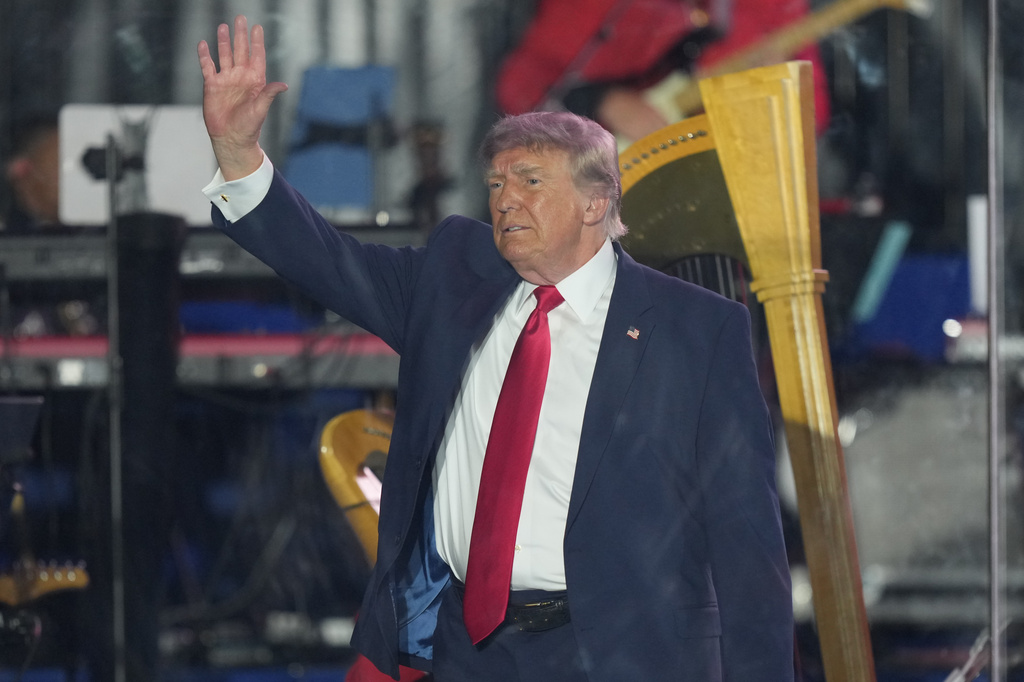
The reversal came after President Donald Trump traveled to Capitol Hill earlier in the day and delivered a sharp, face-to-face rebuke to GOP senators who had sided with Democrats on Tuesday’s vote to limit his military actions against Iran. The confrontation intensified an already-heated feud that has pulled Republican attention away from the party’s focus on affordability ahead of the midterm elections.
Among those who felt the brunt of Trump’s anger was Louisiana Sen. Bill Cassidy, one of four Republicans who had crossed party lines to support Tuesday’s measure. The two exchanged particularly harsh words during the meeting.
However, just hours after that tense exchange, Cassidy received a personal briefing at the White House from Vice President JD Vance and envoy Steve Witkoff on the situation in Iran. He then returned to the Senate chamber and cast his vote against the second, nearly identical war powers resolution.
The political drama played out against troubling economic news. The Federal Reserve’s preferred measure of inflation climbed to its highest point in three years during May, driven largely by a surge in gas prices. The Commerce Department reported Thursday that consumer prices rose 4.1% compared to the same time last year — the steepest annual increase since April 2023. On a monthly basis, prices climbed 0.4% in May, matching April’s pace but down from 0.7% in March.
Beyond gas, higher costs for semiconductors and other computer equipment tied to the artificial intelligence boom also contributed to the inflation spike. The persistent price pressures have led the Federal Reserve to hold its key interest rate steady this year, a significant shift from earlier plans that had called for two rate cuts. Some economists now warn the central bank could actually raise rates before the year is out. Some analysts, however, predict gas prices may ease if tensions with Iran are resolved.
On a brighter economic note, the Commerce Department also reported Thursday that the U.S. economy grew at a solid 2.1% annual rate during the first three months of the year — an upgrade from a previous estimate of 1.6% growth. The figure marked a strong rebound from a sluggish 0.5% pace in the final quarter of 2025, a period weighed down by a 43-day federal government shutdown. Business investment surged during the first quarter, likely fueled by heavy spending on artificial intelligence infrastructure, though consumer spending declined sharply compared to both the prior quarter and earlier government estimates.