
WASHINGTON — The nation’s top Homeland Security official is sending a clear message to migrants living in the United States under temporary protected status: apply for permanent residency or prepare to return home.
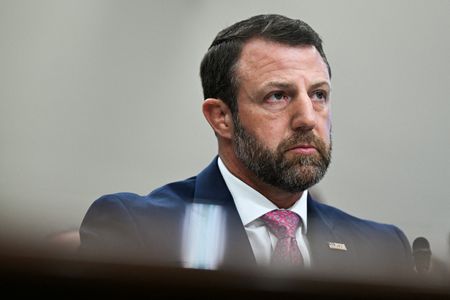
Homeland Security Secretary Markwayne Mullin made the remarks Sunday during an appearance on CNN’s “State of the Union” program. His comments come on the heels of a divided Supreme Court ruling last week that gave the Trump administration the green light to revoke humanitarian protections for hundreds of thousands of Haitian and Syrian immigrants — protections that had shielded them from being deported to countries ravaged by conflict and poverty.
“Either try to fill out the paperwork and be here underneath a permanent status or we’ll help you get back to your country,” Mullin said.
He added that the government is prepared to assist those who choose to leave. “We’ll actually give you a plane ticket, plus roughly $2,100 to help you re-establish when you get there, but temporary protective status, according to the courts and in its name itself, is not permanent status,” Mullin said.
Under federal law, the government has the authority to grant temporary legal residency to individuals fleeing war, natural disasters, or other dangerous conditions in their home countries. That status had routinely been renewed over the years, but the current administration has moved to end those renewals.
Despite that move, the State Department continues to advise Americans against traveling to either Haiti or Syria, pointing to widespread violence, crime, terrorism, and kidnapping in both countries.
The United States first extended temporary protected status to Haitians following a catastrophic earthquake in 2010, and to Syrians after their country fell into civil war in 2012.
During the 2024 presidential campaign, President Trump made false claims that Haitians living in Ohio were eating other people’s pets. The Supreme Court’s conservative majority, however, determined that Haitians who sued the administration were unlikely to win their argument that the administration’s actions were motivated by racial bias.