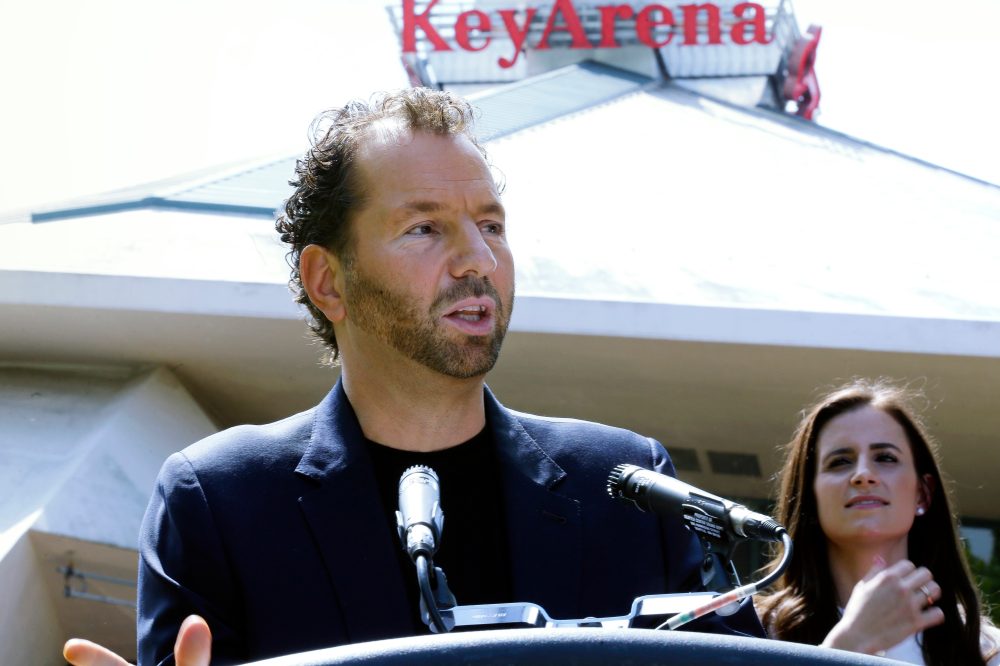

NEW YORK — A court document filed by Live Nation has disclosed that President Donald Trump personally spoke with the company’s chief executive, Michael Rapino, about an ongoing antitrust lawsuit just weeks before the Justice Department abruptly reached a settlement in the case against the entertainment giant and its Ticketmaster subsidiary.
Attorneys representing Live Nation informed the court on Monday that the conversation between Trump and Rapino occurred in February, though they maintained that no “substantive terms” of a possible settlement were discussed during that exchange.
The filing also revealed that White House lawyers participated in some of the extensive back-and-forth between Live Nation and the Justice Department during February and March — a period that included in-person meetings, video calls, phone conversations, and written communications.
Shortly after the trial got underway in March, the Justice Department announced it had reached a settlement with Live Nation. Most states declined to sign on to the deal, arguing it did not do enough to address the company’s grip on concert venues and live event ticketing through Ticketmaster.
Despite the federal settlement, the trial pressed forward. A jury ultimately determined that the company had operated as a monopoly, harming both concertgoers and sports fans.
When asked about Live Nation’s disclosure, the White House declined to offer any comment and directed questions to the Justice Department, which had not responded to requests for comment at the time of publication.
The revelation has added fuel to ongoing criticism that the Justice Department’s independence has been compromised by White House involvement or oversight.
The antitrust lawsuit was originally brought jointly by the Justice Department and dozens of states against Live Nation.
Among the jury’s findings in New York, Ticketmaster’s anticompetitive behavior was found to have resulted in consumers in 22 states paying an additional $1.72 per ticket. A judge could potentially require the companies to repay those overcharges.
State attorneys general who were part of the lawsuit suggested the jury’s verdict could open the door to lower ticket prices for music fans going forward.
The federal settlement included a cap on service fees at certain amphitheaters and introduced new ticketing options for promoters and venues — potentially, though not mandatorily, allowing competitors such as SeatGeek or AXS to enter the market.
Live Nation responded to the verdict in April with a statement saying the ruling “is not the last word on this matter.”