
WASHINGTON (AP) — A Democratic U.S. senator is raising the alarm that the Trump administration may be preparing to swiftly remove more than 500 unaccompanied migrant children from the United States, potentially sidestepping legal safeguards put in place to protect them. If carried out, it would mark a second such attempt, following a federal court’s intervention last year that halted an overnight removal operation during Labor Day weekend.
Sen. Ron Wyden of Oregon sent a letter Wednesday to U.S. Health Secretary Robert F. Kennedy Jr., whose department oversees the Office of Refugee Resettlement — the agency responsible for caring for unaccompanied migrant children. In the letter, Wyden stated he had “credible information” that the administration had compiled a list of more than 500 migrant children targeted for a fast-track deportation process, and that officials were moving to act within days. He called on the administration to immediately stop any such plans, warning it was abandoning “core humanitarian and child welfare mandates.”
Wyden serves as the ranking member and senior Democrat on the Senate Finance Committee, which holds jurisdiction over the Office of Refugee Resettlement. He did not disclose how he obtained his information, and his office declined to elaborate. The Office of Refugee Resettlement operates under the Department of Health and Human Services.
An HHS spokesperson flatly denied that any such plans are in the works.
“The new information I obtained leads me to believe that the Department is laying the groundwork for another lawless deportation effort, this time on a greater scale, across more countries of origin,” Wyden wrote in his letter.
He added: “You have been entrusted with the care and safety of the children placed within the ORR network. Proceeding with this plan knowingly endangers their lives and violates your duty to these vulnerable children.”
Wyden also sounded an early warning last August before what turned into a turbulent weekend during which the Trump administration attempted to remove Guatemalan children from government care and return them to their home country.
HHS spokesperson Emily Hilliard pushed back strongly, saying “there are no plans to target these children” and calling Wyden’s claims “irresponsible fearmongering.” She added: “The Trump Administration is working to identify the parents or legal guardians of unaccompanied alien children in our care because ensuring every child is placed with a properly vetted sponsor is our top priority.”
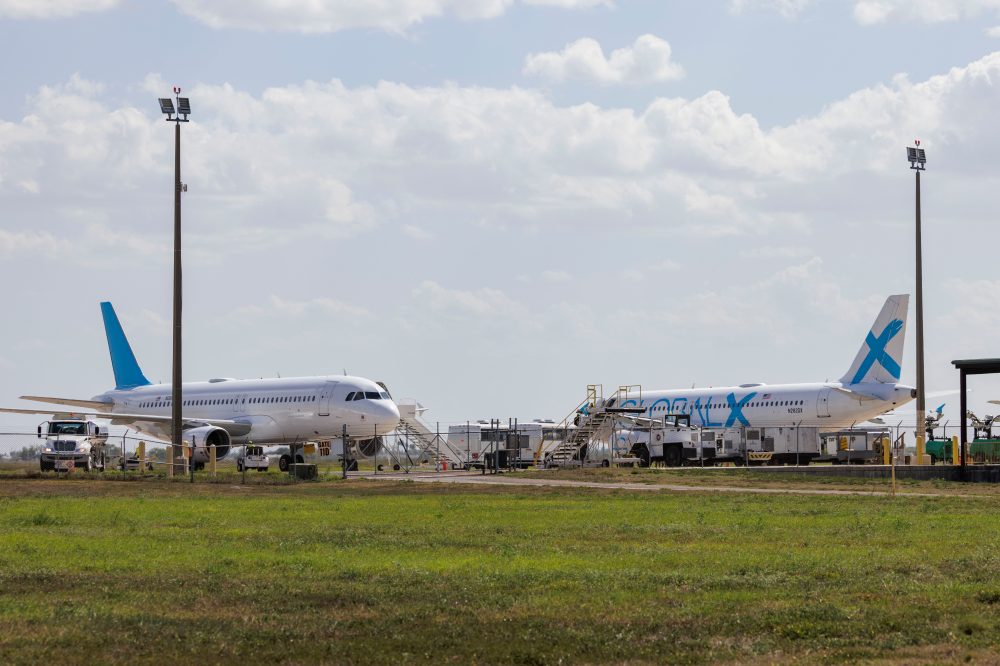
During that Labor Day weekend last year, dozens of migrant children — some living in government-supervised shelters and others with foster families — were taken from their homes and transported by bus to airfields in Texas, headed for Guatemala. A federal judge, awakened in the middle of the night, ultimately stopped the flights. Attorneys representing the children later described how deeply traumatic the late-night removal effort had been for many of them, including children who had fled violence in their home countries to come to the United States.
The administration maintained it was reuniting the Guatemalan children with parents or guardians who had requested their return, at the Central American nation’s request. Lawyers for at least some of the children disputed that claim and argued that regardless, authorities were still required to follow a legal process — one they said was not followed.
Unaccompanied migrant children who arrive in the U.S. alone are typically placed under the care of the federal government, and a series of legal protections exist to safeguard them as they navigate the immigration system.
A key piece of that framework is the Trafficking Victims Protection Reauthorization Act of 2008, which generally requires that children be placed in the “least restrictive setting possible.” In most cases, that means they can be released to a sponsor — such as a relative living in the U.S. — while their immigration cases are resolved. Children may also apply for specially protected immigration status if they cannot safely return home due to abuse or neglect, and they can seek asylum as well.
The Trump administration has made it increasingly difficult for children to be released to sponsors, saying the stricter approach ensures children are not placed in dangerous situations. Advocates, however, say the effect has been that children are spending months stuck in government shelters.
In his letter, Wyden said the children now at risk of removal come from multiple countries, potentially including Guatemala, Honduras, El Salvador, and Afghanistan, and have been in U.S. custody — primarily in foster care — for at least 180 days. He said these children were characterized as having no “viable sponsor” able to step forward and care for them in the United States.
The absence of an identified sponsor can stem from several circumstances: the child’s parents may still be in their home country, may have died, or may be too fearful to come forward after immigration enforcement agencies began arresting some parents who are in the country without legal status during reunification efforts.