Category: Health

  • Trump Taps Former Deputy Surgeon General to Head Troubled CDC

    Trump Taps Former Deputy Surgeon General to Head Troubled CDC

    President Donald Trump announced Thursday his selection of Erica Schwartz, who previously held the position of deputy surgeon general, to serve as the next head of the Centers for Disease Control and Prevention.

    Trump praised Schwartz on social media, calling her “incredibly talented” and declaring, “She is a STAR!”

    The federal health agency, headquartered in Atlanta and tasked with safeguarding Americans against preventable disease outbreaks, has experienced significant leadership instability since Trump took office more than a year ago, cycling through multiple acting directors.

    Health Secretary Robert F. Kennedy Jr. oversees the organization and had initially pledged to maintain existing vaccination protocols. However, after assuming his role, Kennedy announced plans to review childhood immunization guidelines and attempted major changes to pediatric vaccine recommendations. A federal judge recently halted some of these initiatives.

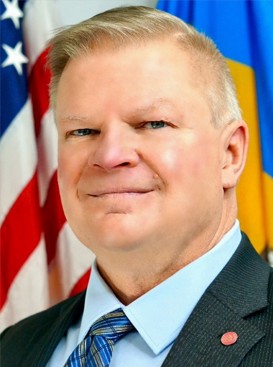
    The administration initially chose former Florida Representative Dr. David Weldon to lead the CDC, but his Senate confirmation hearing scheduled for March 2025 was abruptly cancelled just one hour beforehand. Weldon later revealed he was informed that insufficient senators supported his nomination.

    The White House subsequently turned to Susan Monarez, who had been filling the acting director role. While the Senate confirmed Monarez, she was removed from the position within a month. Trump administration officials stated her termination resulted from misalignment with their priorities.

    Multiple senior CDC scientists stepped down in protest following Monarez’s removal, expressing concern that her dismissal eliminated hopes for agency leadership that could protect scientific research and health guidance from political interference.

    Following this upheaval, the agency has seen constant turnover in leadership, with various Health and Human Services officials from Washington temporarily filling the acting director position. Jay Bhattacharya, who directs the National Institutes of Health, has been managing CDC operations in recent weeks.

    Speaking at a House Appropriations Committee session Thursday, Kennedy praised the incoming CDC leadership team as “extraordinary.”

    “I think this new team is really going to be able to revolutionize CDC and get it back on track,” he said.

    Schwartz brings extensive educational background to the role, having earned both medical and legal degrees. Her professional experience centers primarily on military service, including a leadership role with the U.S. Coast Guard where she managed operations for 41 medical facilities and 150 treatment centers.

    In her subsequent role as deputy surgeon general, she helped direct uniformed healthcare professionals stationed at the CDC and other federal health agencies serving American citizens.

    Attempts to reach Schwartz for comment were unsuccessful.

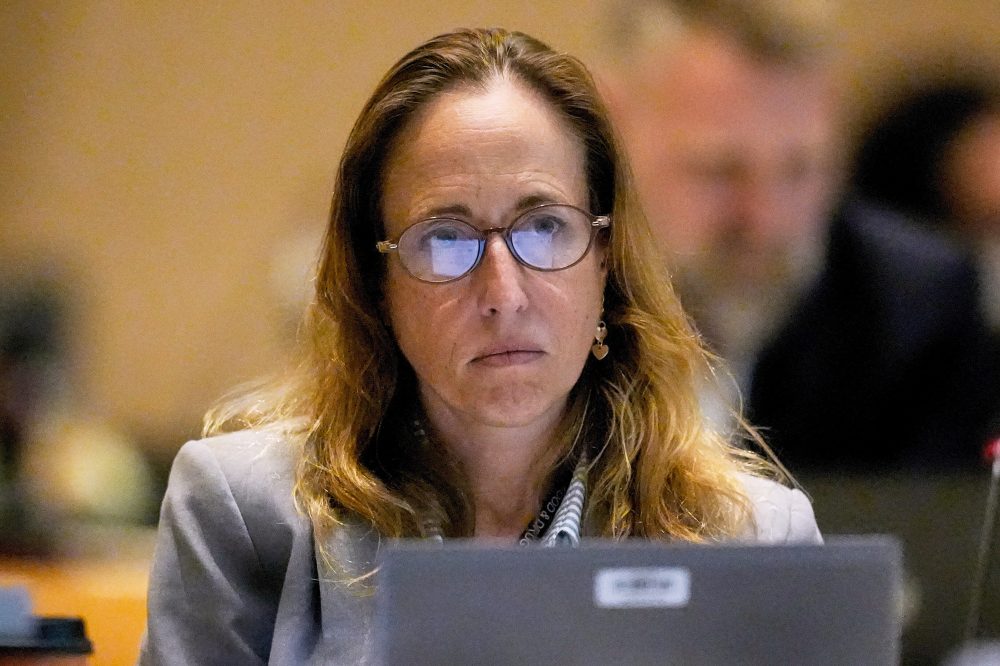
    Trump simultaneously announced additional appointments: Sean Slovenski, a former Walmart executive, will serve as CDC deputy director and chief operating officer. Dr. Jennifer Shuford, currently Texas health commissioner, received the appointment as CDC deputy director and chief medical officer. Dr. Sara Brenner, previously with the Food and Drug Administration, was designated as Kennedy’s senior public health counselor.

    Kennedy celebrated these appointments on social media Thursday, expressing his anticipation for collaborative efforts to “restore trust, accountability, and scientific integrity” within the CDC.

    However, Aaron Siri, an attorney and Kennedy associate known for challenging vaccines and pharmaceutical companies, voiced opposition to Schwartz’s selection. Siri criticized her history of supporting vaccination programs and claimed “she lacks the basic ethics and morals to lead the CDC.”

    This nomination occurs while Dr. Casey Means, Trump’s choice for U.S. surgeon general, continues facing confirmation challenges.

    The prolonged delay in confirming Means following her February confirmation hearing demonstrates the bipartisan congressional concerns regarding Kennedy’s departmental direction.

  • Trump Picks Former Deputy Surgeon General to Lead CDC Amid Agency Upheaval

    Trump Picks Former Deputy Surgeon General to Lead CDC Amid Agency Upheaval

    President Donald Trump announced Thursday his selection of Erica Schwartz, who previously served as deputy surgeon general, to lead the Centers for Disease Control and Prevention.

    Trump praised his nominee in a social media announcement, calling Schwartz “incredibly talented” and declaring, “She is a STAR!”

    The federal health agency, headquartered in Atlanta and responsible for safeguarding Americans against preventable health risks, has experienced significant leadership instability since Trump’s return to the presidency over a year ago, cycling through multiple temporary directors.

    Health Secretary Robert F. Kennedy Jr. oversees the agency and had initially pledged to maintain current vaccination schedules. However, after assuming his role, Kennedy announced plans to examine childhood vaccination protocols and attempted major changes to pediatric vaccine guidelines. A federal judge recently halted some of these initiatives.

    The administration’s initial choice for CDC leadership was former Florida Representative Dr. David Weldon, but his scheduled March 2025 Senate confirmation hearing was abruptly cancelled just one hour beforehand. Weldon explained he was informed that insufficient senators supported his nomination.

    The White House subsequently turned to Susan Monarez, who had been fulfilling the role as acting director. While the Senate confirmed Monarez, she was removed from the position within a month. Administration officials stated her removal was due to misalignment with their policy objectives.

    Multiple senior CDC scientists stepped down in objection, explaining that Monarez’s firing destroyed their confidence that a CDC director could protect the agency’s scientific work and health guidance from political interference.

    Following this period, the agency has experienced constant leadership changes, with various Washington-based Health and Human Services officials temporarily filling the acting director position. National Institutes of Health Director Jay Bhattacharya has supervised the CDC in recent weeks.

    During Thursday’s House Appropriations Committee session, Kennedy praised the incoming CDC team as “extraordinary.”

    “I think this new team is really going to be able to revolutionize CDC and get it back on track,” he said.

    This nomination announcement coincides with confirmation challenges facing Dr. Casey Means, Trump’s selection for U.S. surgeon general, another significant health leadership position.

    Means’ stalled confirmation process following her February hearing demonstrates the bipartisan congressional concerns regarding Kennedy’s departmental direction.

  • Study Links Rising Colon Cancer Deaths in Young Adults to Education Levels

    Study Links Rising Colon Cancer Deaths in Young Adults to Education Levels

    A troubling pattern has emerged in colon cancer deaths among younger Americans, with new research showing the increase is heavily concentrated among individuals who didn’t complete a four-year college education.

    The study, published Thursday in JAMA Oncology, marks the first national research to identify which groups are most impacted by the concerning uptick in colorectal cancer fatalities among young adults. High-profile cases like actor Chadwick Boseman’s death in 2020 and James Van Der Beek’s recent diagnosis have brought attention to this growing health crisis.

    Researchers from the American Cancer Society analyzed government records of more than 101,000 adults between ages 25 and 49 who succumbed to colorectal cancer between 1994 and 2023. Their findings revealed that virtually all increases in young adult deaths from this disease occurred among people lacking bachelor’s degrees.

    The data shows colorectal cancer death rates in this age group climbed from approximately 3 per 100,000 to about 4 per 100,000 over the study period. However, among those with only high school education, rates jumped from 4 to 5.2 per 100,000, while rates for college graduates remained steady at 2.7 per 100,000.

    Education level itself doesn’t determine cancer risk, but serves as an indicator of broader socioeconomic challenges. Individuals without degrees typically face lower incomes, limited access to healthcare, poor nutrition, and reduced physical activity levels.

    Dr. Paolo Boffetta from Stony Brook Cancer Center in New York, who wasn’t part of the research team, noted the significance of the findings. “It’s not totally unexpected that the death risk is concentrated in the less advantaged, but the paper published Thursday in JAMA Oncology is the first national study to actually show the connection,” Boffetta said.

    Lead researcher Ahmedin Jemal emphasized that these results highlight the importance of public education about colorectal cancer and adherence to screening guidelines for younger adults. Warning signs include bloody stools, persistent changes in bowel movements, unexplained weight loss, and ongoing abdominal discomfort.

    The American Cancer Society projects over 158,000 new colorectal cancer diagnoses nationwide this year. As the country’s second-deadliest cancer after lung cancer, it’s anticipated to cause more than 55,000 deaths in 2026.

    While deaths among adults under 50 represent roughly 7% of total colorectal cancer fatalities—approximately 3,900 cases—this demographic now faces the highest cancer mortality rate in their age group. Since 2005, colorectal cancer deaths in Americans under 50 have increased by 1.1% annually.

    The underlying causes of this increase remain unclear to scientists. Known risk factors include excess weight, sedentary lifestyle, diets heavy in red and processed meats but low in produce, and family cancer history. In response to rising cases, the American Cancer Society updated its screening recommendations in 2021, lowering the suggested starting age from 50 to 45.

    Researchers focused on education levels because death certificates routinely record educational attainment but lack details about income or other lifestyle factors. Previous studies have shown education data often correlates with information about earnings, insurance coverage, exercise habits, and chronic health conditions.

    “The focus on education is really (due to) something which was available in the data,” Boffetta observed.

  • Delaware Expert Shares Tips to Help Autistic Workers Thrive in Meetings

    Delaware Expert Shares Tips to Help Autistic Workers Thrive in Meetings

    NEW YORK (AP) — Prior to receiving her autism diagnosis, Megan Pilatzke couldn’t understand why she returned home from work feeling completely exhausted every day.

    Throughout her workdays, she struggled to figure out the right moments to contribute to discussions or when to remain quiet during meetings. She would mentally review workplace conversations afterward, concerned she had misinterpreted something or responded inappropriately. Loud workplace settings caused her distress. She observed colleagues advancing in their careers while she remained in the same position.

    “I would come home burnt-out, anxious,” Pilatzke said of her days working as an insurance claim specialist. “That just kept going, week after week, day after day.”

    Following her diagnosis, her workplace struggles with communication, noise sensitivity and other challenges finally made sense, she explained.

    Today, the 36-year-old dedicates her career to educating employers about creating more supportive work environments for individuals with autism. She serves as an inclusion specialist with Specialisterne Canada, a nonprofit organization that assists companies in better supporting neurodivergent employees.

    She has also changed her perspective on characteristics commonly linked to autism, now recognizing her capacity for intense concentration and providing straightforward, honest feedback as valuable assets.

    Here are several strategies to make meetings and workplace practices more accessible for people with autism, based on insights from autistic adults and neurodiversity professionals.

    Autism spectrum disorder affects approximately 1 in 45 adults across the United States, according to data from Autism Speaks, a nonprofit that supports individuals with autism and their families through research funding, resource provision and advocacy efforts.

    The condition manifests differently in each person but can create difficulties with social interactions, verbal and nonverbal communication. Typical traits may include repetitive behaviors and heightened sensitivity to sounds.

    “Start by learning about different communication styles and being open-minded,” Subodh Garg, who appeared in the first season of the Netflix reality TV show “Love on the Spectrum,” said. “Inclusion begins with giving people a chance and making space for diverse ways of thinking and working. Employers can start with small intentional steps.”

    Garg works part-time at a Southern California deli, where he handles invoices and restocks pastries. He also is studying to earn a bachelors degree and is a “champion of change” advocate at Autism Speaks.

    Companies may hold misconceptions about autism, when “the reality is, it is a massive spectrum,” said Rita Ramakrishnan, who is autistic and founded a consulting company that provides leadership coaching for neurodivergent executives. “There’s a community of people with much higher support needs, and then there are folks who are twice exceptional or otherwise extraordinarily high functioning. Their support needs are not as high, and their production capabilities are different. But they’re all valid autistic experiences.”

    Companies should involve autistic staff members when developing policies aimed at creating more inclusive workplaces, Ramakrishnan emphasized.

    “No one’s expecting you to be an expert in this, but we are expecting a level of curiosity, not judgment, and we would love the ability to have a conversation around our needs,” she said. “It doesn’t mean you have to accommodate all of them or redesign for all of them, but at least listening is the first step.”

    Direct, in-person communication can present challenges for some autistic individuals, making virtual meeting participation or written communication valuable alternatives, according to specialists.

    “Changing the expectations for social engagement during a meeting is really important,” Ramakrishnan said. “In a neurotypical normative situation, things like eye contact are highly prized. I trust someone who makes eye contact with me. But for an autistic person, that is a scary thing.”

    Allowing participants to turn off their cameras during virtual meetings provides helpful accommodation since autistic individuals often experience pressure to “mask” their authentic behaviors by copying the facial expressions of neurotypical coworkers, Pilatzke explained.

    “Things like that can actually cause a lot of anxiety for individuals that are neurodivergent,” she said. “So having that pressure removed can be helpful.”

    Some autistic people concentrate better during virtual or face-to-face meetings while doodling or moving around, said Natalie Longmire, a professor of organizational behavior at Tulane University’s Freeman School of Business. Supervisors can explicitly communicate that these behaviors are acceptable, she noted.

    Workers can also request and normalize these accommodations by explaining something like, “Hey if I get up and walk around, I’m doing that so I can be more engaged in what you’re saying,” Longmire suggested.

    Keith Wargo, president & CEO of Autism Speaks, said that before holding meetings, his organization sends out agendas broken into five-minute chunks. “Having that kind of structure, it’s good practice for everyone,” he said.

    Permitting written contributions before and after meetings — rather than only valuing verbal participation during scheduled time — helps organizations benefit from autistic employees’ insights, Ramakrishnan noted.

    “Be explicit about, for each agenda item, is this a discussion? Is this a brainstorm? Are we making a decision here?” Ramakrishnan added. “That gives an autistic person the chance to prepare what they need to.”

    “These are the folks that are going to come up with the ideas that nobody else thinks about,” she added.

    Offer various ways for people to engage in meetings, including chat features where attendees can type their thoughts, said Abigayle Jayroe, senior vice president for strategic operations at NEXT for Autism. “There may be people who just don’t feel comfortable speaking,” Jayroe said. Activating captions can assist people who prefer processing information through reading, she added.

    Making noise-canceling headphones and written communication standard practice can provide relief, specialists recommend. To minimize sensory overload, an autistic meeting participant might say, “I might ask a question over chat instead of raising my hand because it’s easier for me,” Longmire suggested.

    Garg, who received his autism diagnosis at age 3, was initially non-verbal but developed communication and social connection skills over time.

    “One of the biggest challenges has been interviews because they focus a lot on social skills instead of the actual work,” he said. “Sometimes people misunderstand my communication style or underestimate what I can do. Even small things like clear instructions or written feedback really help me do my best.”

    A common workplace challenge for autistic individuals involves having their direct communication style misunderstood as insensitivity, Ramakrishnan observed. Coworkers can clarify whether straightforward communication is appropriate or if they prefer softer language, she suggested.

    From Pilatzke’s perspective, many autistic people have a strong moral compass and feel compelled to address perceived unfairness. “I describe myself as a blunt person. I’m very honest. I’m going to say what I think,” she added.

    Companies can harness employees’ directness by fostering a culture where universal agreement isn’t expected. Consider appointing a designated contrarian or devil’s advocate during brainstorming sessions, Jayroe recommended.

    “The best ideas are built off of poking holes in what everyone agrees on. So it lays the groundwork longer term for a company to have their employees feel comfortable raising red flags or building on ideas,” she said.

  • Cross-Border Sewage Crisis Sickens Thousands in Southern California

    Cross-Border Sewage Crisis Sickens Thousands in Southern California

    SAN DIEGO — A putrid odor resembling rotten eggs fills Steve Egger’s Southern California residence, particularly during nighttime hours when the contaminated Tijuana River churns with Mexican sewage before flowing into the Pacific.

    The 72-year-old resident reports that he and his spouse experience recurring headaches and wake up with congestion while coughing up mucus. Their residence features medical-grade air filtration that refreshes the atmosphere every quarter hour.

    Even with these precautions, “most nights we breathe in a horrible stench,” he explained. “It’s awful.”

    According to the International Boundary and Water Commission, over 100 billion gallons of untreated waste containing industrial toxins and debris have flowed through the Tijuana River since 2018. This waterway crosses territory where three generations of Egger’s family previously operated a dairy farm. Last year, both nations reached an accord to address this persistent issue by modernizing sewage treatment facilities to handle Tijuana’s expanding population and factory discharge from numerous American-owned manufacturing plants.

    Meanwhile, tens of thousands of residents face exposure to this contamination. During a February trip to San Diego, Environmental Protection Agency Administrator Lee Zeldin stated that resolving this severe and prolonged environmental disaster affecting a predominantly low-income Latino community will require approximately two years.

    Untreated waste creates more than just offensive odors. It releases hydrogen sulfide, a dangerous gas capable of damaging nasal neurons and triggering asthma episodes. According to the Centers for Disease Control and Prevention, it can produce headaches, nausea, confusion, trembling, coughing, breathing difficulties, skin and eye inflammation, and potentially death. Scientists are just beginning to comprehend its lasting health consequences.

    No federal safety guidelines exist for hydrogen sulfide exposure except for employees at high-risk locations like sewage facilities or livestock waste areas. Several states established standards years ago, but these regulations are obsolete. A California legislative proposal would update the state’s 56-year-old guidelines to address current health concerns. Texas legislators are similarly considering revising their regulations.

    “I think when you look back when the standard was first established and then it was reviewed, it was all about nuisance — basically it was all about odor,” explained Democratic Sen. Steve Padilla, who represents the Tijuana River Valley and authored the California legislation. “I don’t think we had the understanding scientifically of what the health impacts were here, and now we do.”

    Should the legislation succeed, new standards would likely not take effect until 2030.

    Egger’s property displays a “Stop the Stink” placard, part of Citizens for Coastal Conservancy’s initiative demanding officials address the international sewage problem.

    The 120-mile waterway originates in Tijuana, Mexico, enters California, and flows into the ocean. Nearby San Diego County shorelines have remained closed for years, and Navy SEALs conducting training exercises in these waters have become ill.

    Since January alone, the Tijuana River has transported 10 billion gallons of primarily raw waste and industrial pollutants into the United States, according to International Water and Boundary Commission records. For perspective, a major pipeline break in January released 244 million gallons of untreated sewage into the Potomac River, impacting wealthy, predominantly white neighborhoods. Federal authorities responded to that incident within weeks.

    A 2024 study conducted by San Diego County and the CDC covering approximately 40,000 households near the Tijuana River revealed that 71% could detect sewage odors inside their homes, while 69% had at least one family member become ill from exposure.

    Even at minimal concentrations, “you’re going to feel like it’s in your sinuses. You can’t get rid of the smell. It’s going to be a constant irritation,” stated Ryan Sinclair, an associate professor of environmental microbiology at Loma Linda University School of Public Health.

    The EPA reports it is collaborating with local and state authorities to identify odor reduction methods.

    San Diego County distributed more than 10,000 air purifiers to residences this year. However, atmospheric contamination persists. The river’s foam has become visible from satellite imagery.

    In September 2024, University of California, San Diego chemistry professor Kimberly Prather and her research team installed atmospheric monitoring equipment in Egger’s neighborhood.

    Their discoveries were shocking: Hydrogen sulfide levels reached 4,500 times normal urban concentrations and 150 times California’s air quality standards during peak nighttime river flows.

    Numerous residents, including Egger, felt their concerns were finally validated.

    “They’d been being more or less gaslit and told, ‘There’s gas. It’s a nuisance. It smells, but it’s not bad,’” Prather explained.

    Her research team has since identified thousands of additional gases emanating from the river that are odorless “and many of them are more toxic.”

    Egger reports that physicians have recommended relocation, though they haven’t provided written confirmation of hydrogen sulfide poisoning.

    However, his family’s connection to the area runs deep. His spouse was raised in Tijuana. His brother and deceased brother’s family occupy adjacent properties on the former Egger Dairy grounds. The deteriorating milk barn and corroded farm machinery remain nearby.

    “This is where I’ve lived all my life, with my family, my parents, my grandparents,” he stated. “This is home.”

    During Egger’s childhood, he swam in the river that only flowed during rainy periods. Now primarily filled with sewage and industrial contamination, it runs continuously. He advocates restoring the river to its original path, which would place it closer to the border and farther from residential areas and schools. He believes this would prevent pooling that creates hydrogen sulfide concentration zones.

    Less than half a mile from Egger’s residence, the odor becomes overwhelming where the river emerges from underground pipes near Saturn Boulevard.

    Researchers refer to this location as “the Saturn hot spot.” The stench penetrates closed vehicles and remains inside for days.

    Dr. Matthew Dickson and his wife, Dr. Kimberly Dickson, operate a medical practice approximately one mile from this contamination zone. Many patients experience migraines, nausea, wheezing, eye infections, and mental confusion. Asthma sufferers report increased inhaler usage when outdoor air quality deteriorates.

    “They’d say, ‘You know, I feel better when it doesn’t smell outside,’” Dr. Kimberly Dickson noted.

    Following a tropical storm in August 2023 that caused river overflow onto roadways, the physicians’ patient loads increased threefold within days.

    Digital medical records validated the doctors’ suspicions. When river flow volumes spike, respiratory illness cases increase by 130%, they reported.

    “Every day that this isn’t fixed,” Dr. Matthew Dickson emphasized, “more people are getting sick.”

  • Drug Watchdog Group Calls for More FDA Transparency in Fast-Track Approvals

    Drug Watchdog Group Calls for More FDA Transparency in Fast-Track Approvals

    Federal drug regulators should provide greater transparency when fast-tracking medications for serious medical conditions, according to a new report from a prominent pharmaceutical research organization.

    The Institute for Clinical and Economic Review (ICER), a leading drug pricing watchdog, issued recommendations Thursday calling for improvements to the Food and Drug Administration’s accelerated approval process.

    The FDA’s fast-track system allows quicker authorization of medications for severe conditions that lack existing treatments. This process relies on substitute markers that suggest clinical benefits rather than direct measurements, dramatically reducing the timeline for regulatory approval.

    Companies receiving fast-track approval must still complete additional studies to confirm their drugs’ expected benefits.

    Recent medications approved through this expedited process include Denali Therapeutics’ rare disease treatment Avlayah and Rocket Pharmaceuticals’ gene therapy Kresladi for pediatric disorders.

    The rapid approval system has sparked debate about treatment safety and effectiveness. A notable controversy arose in 2021 when Biogen received accelerated approval for its Alzheimer’s medication Aduhelm despite lacking clear evidence of patient improvement. The company eventually discontinued the drug three years later.

    ICER CEO Sarah Emond explained to Reuters that concerns exist on both sides of the issue. “Some are concerned that tougher evidence standards mean fewer drugs are being approved under the pathway while others say too many drugs are approved with weak evidence and without the required confirmatory follow-up,” Emond stated.

    Last year, the FDA released updated guidelines clarifying its position on evidence requirements for expedited approvals, including developing substitute markers that are “reasonably likely” to predict clinical benefits.

    The ICER report suggests multiple policy improvements for the accelerated approval system, including better selection of substitute markers, mandatory advisory committees for expedited reviews, and enhanced decision-making transparency.

    “A scoring system for clinical trial and evidence quality could allow FDA to track AA pathway performance over time and across study sponsors and might serve as an early warning system to identify trials at risk of delay or failing to provide the necessary data for conversion to full approval,” the report stated.

    Additional recommendations include connecting insurance coverage for fast-tracked drugs to fair, value-based pricing, adjusting costs as new evidence becomes available, and limiting patient expenses when no alternative treatments exist.

    The organization also proposed stronger enforcement requirements for completing follow-up studies and conducting targeted re-evaluations by drug category or medical condition, focusing on those with the most uncertain evidence.

  • Rural Colorado Hospital Tackles Language Barriers by Training Bilingual Staff

    A rural Colorado medical facility has found an innovative solution to help patients who don’t speak English by developing an in-house interpreter program using bilingual employees already on staff.

    Grand River Health in Rifle, Colorado, has transformed how it serves non-English speaking patients by training existing bilingual workers to become certified medical interpreters. Jen Quevedo, who now holds the position of language access coordinator at the hospital, exemplifies this approach as she provides interpretation services for patients.

    The lack of qualified medical interpreters in healthcare settings poses serious risks for patients who don’t speak English fluently, potentially leading to dangerous or even deadly medical outcomes. This communication gap is particularly challenging in rural areas where specialized language services are often unavailable.

    By utilizing staff members who already possess bilingual skills, the Colorado hospital has created a sustainable model that addresses the critical need for language accessibility in healthcare while working within the constraints of a rural medical facility.

  • FDA Panel to Review Access to Popular Peptides This Summer

    FDA Panel to Review Access to Popular Peptides This Summer

    Federal health regulators announced Wednesday they will assemble an independent advisory committee this July to determine whether specialty compounding pharmacies should regain permission to produce more than half a dozen peptide compounds that have surged in popularity.

    These substances are composed of short amino acid chains that serve as protein building blocks and carry out vital functions throughout the human body.

    The compounds being reconsidered were part of a group of 14 products that federal regulators prohibited compounding pharmacies from creating in 2023 during the Biden presidency, pointing to concerns about immune reactions, toxic effects, and contamination issues.

    Health officials have maintained that insufficient human testing exists for most of these substances, potentially creating health hazards for users.

    Even without comprehensive safety and efficacy research, these compounds have become extremely popular among social media wellness personalities, who frequently endorse them online for healing injuries, reducing inflammation, and losing weight.

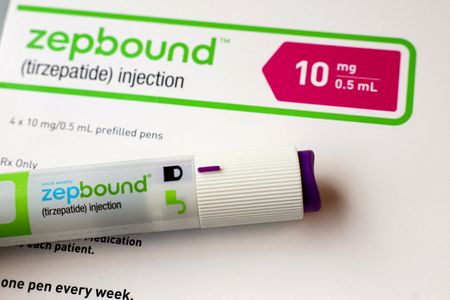
    The fitness world has also embraced these substances recently, boosted partly by the widespread success of peptide-derived GLP-1 medications for weight management like semaglutide and tirzepatide.

    This regulatory reconsideration comes after public endorsement from Health Secretary Robert F. Kennedy Jr., who recently stated on the Joe Rogan podcast that he is a “big fan of peptides” and has used them himself with “really good effect.”

    During the July 23 session, committee members will evaluate whether manufacturers should produce BPC-157 for ulcerative colitis treatment, KPV for healing wounds and inflammatory conditions, TB-500 for wound repair, and MOTS-c for obesity and osteoporosis management.

    The following day’s July 24 meeting will focus on emideltide for treating opioid withdrawal, chronic sleep disorders, and narcolepsy, semax for brain blood flow issues, migraines, and certain chronic pain conditions, and epitalon for sleep problems.

  • FDA Plans Summer Review of Peptide Restrictions Backed by RFK Jr.

    FDA Plans Summer Review of Peptide Restrictions Backed by RFK Jr.

    WASHINGTON — Federal drug regulators announced plans Wednesday to convene a summer panel that will examine whether to relax current restrictions on seven peptide treatments that have gained popularity among fitness enthusiasts, wellness advocates and celebrity users.

    The scheduled review comes after Health Secretary Robert F. Kennedy Jr. has repeatedly promised to reduce regulatory barriers for peptides, which promoters claim can rapidly increase muscle mass, accelerate injury recovery and provide anti-aging benefits. Scientific evidence supporting these assertions remains limited, and federal safety evaluations for most peptides are incomplete.

    Kennedy has openly discussed his personal peptide use for treating injuries. Key figures in his Make America Healthy Again initiative also champion these treatments, including Gary Brecka, who markets himself as a “longevity expert” and sells peptide products online.

    Federal regulators stated in Wednesday’s announcement that external pharmacy consultants will examine seven specific peptides during a July session, determining whether these substances should be removed from a restrictive category designated for high-risk, customized medications.

    The review will include widely-promoted peptides like BPC-157, which vendors market for injury healing and inflammation reduction.

    During the previous administration under President Joe Biden, federal officials placed over a dozen popular peptides on a prohibited list for compounding pharmacies — specialized businesses that create custom medications unavailable from traditional manufacturers.

    When this restriction was implemented, FDA advisory panel members voted decisively that these peptides failed to qualify for the approved compounding list. Agency officials supported this determination, later stating the substances “present significant safety risks” due to insufficient human testing.

    Most FDA advisers and staff members involved in those earlier decisions have since left the agency.

    July’s panel will evaluate whether BPC-157, TB-500 and five additional peptides merit inclusion on the approved compounding list. The federal notice references potential medical applications, including BPC-157 for ulcerative colitis treatment.

    Kennedy discussed this policy shift during a podcast appearance with Joe Rogan, where both men shared personal peptide experiences and claimed positive results.

    “I’m a big fan of peptides,” Kennedy stated to Rogan. “I’ve used them myself and with really good effect on a couple of injuries.”

    Kennedy characterized the Biden administration’s peptide restrictions as an “illegal” action that improperly classified these substances.

    Peptides function as fundamental components that form larger proteins. Within human physiology, peptides activate hormones essential for growth, metabolic processes and tissue repair.

    Recent years have brought peptides into mainstream awareness through successful GLP-1 medications, which received FDA approval for obesity and diabetes management. Additional approved peptide treatments include insulin for diabetic patients and hormone-based therapies for various medical conditions.

    However, many peptides marketed online have never received official approval, making their drug marketing technically prohibited. International sports organizations have banned several peptides, including BPC-157 and TB-500, as performance-enhancing substances.

    Despite regulatory concerns, these treatments have established a strong presence in the expanding wellness and alternative medicine marketplace.

    Specialized wellness facilities offer in-clinic injections or intravenous treatments, sometimes charging monthly membership fees reaching thousands of dollars.

    Simultaneously, some dietary supplement manufacturers have started incorporating peptides into capsules, protein powders and gummy products. During a recent FDA session, industry representatives advocated for broadening federal supplement definitions to accommodate newer ingredients like peptides.

    When federal regulators restricted injectable peptides in 2023, they cited safety concerns including cancer risks and potential liver, kidney and heart complications. Pharmacies violating these restrictions face financial penalties, legal consequences or possible state license revocation.

    These measures prompted opposition from wellness business owners, compounding pharmacies and their political supporters.

    Last year, multiple Congressional representatives, including Republican Senator Tommy Tuberville from Alabama, contacted Kennedy requesting the removal of peptide production limitations.

    The compounding industry has maintained that FDA restrictions have encouraged an underground market for imported chemicals from China and other nations, which operate outside U.S. pharmaceutical standards.

    Social media platforms like TikTok feature international suppliers offering numerous peptide options for as low as $5 per container. These products typically display “for research use only” labels. Legal experts explain this language attempts to circumvent FDA oversight, since the agency doesn’t regulate chemicals not intended for human consumption.

    Kennedy has supported the compounding industry’s position regarding unintended regulatory consequences.

    “With the gray market you have no idea if you’re getting a good product,” Kennedy explained to Rogan. “And a lot of this stuff that we’ve looked at is just very, very substandard.”

  • Water Fluoride Levels Drop Due to Middle East Supply Chain Issues

    Water Fluoride Levels Drop Due to Middle East Supply Chain Issues

    Water utilities nationwide are cutting back on fluoride additions to public drinking water due to supply chain disruptions caused by Middle Eastern conflicts.

    The ongoing regional tensions have created shortages of the fluoridation chemicals that water treatment facilities rely on to maintain proper fluoride levels in municipal water supplies.

    As a result, water systems are being compelled to decrease the amount of fluoride they add to drinking water, potentially affecting dental health benefits that communities have relied on for decades.

  • New Male Baldness Drug Shows Promising Results in Extended Clinical Trial

    New Male Baldness Drug Shows Promising Results in Extended Clinical Trial

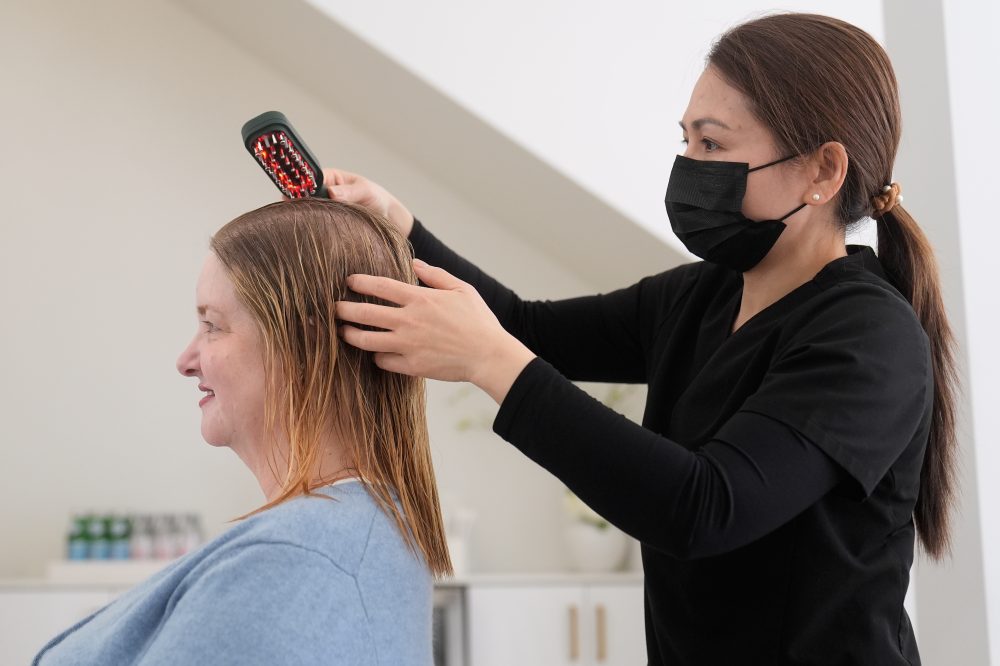
    An Ireland-based pharmaceutical company announced Wednesday that its investigational male baldness treatment demonstrated continued effectiveness and maintained safety standards during a full year of clinical testing.

    Cosmo Pharmaceuticals revealed that their experimental medication, clascoterone, produced ongoing hair regrowth and proved safe for long-term use in men suffering from typical male pattern baldness throughout the 12-month study period.

    This extended research builds upon promising late-stage trial results announced in December, where the topical medication successfully achieved its primary objectives in two comprehensive studies involving 1,465 men over a six-month timeframe, showing notable hair regrowth.

    According to Cosmo’s Wednesday announcement, men who continued using clascoterone for the full 12-month period experienced a statistically significant improvement in hair count that was 2.39 times better than participants who discontinued treatment after the initial six months.

    The company noted that participants who ceased treatment at the six-month mark saw a notable decrease in hair count, while those who remained on clascoterone experienced ongoing hair regrowth throughout the entire year-long study.

    The medication works as a topical solution that prevents male hormones from affecting the scalp, targeting a primary factor behind hair follicle reduction and subsequent hair loss.

    Cosmo reported that the drug maintained a safety profile similar to placebo treatments over the 12-month period, with no significant hormone-related adverse effects documented.

    The company plans to seek U.S. regulatory approval in early 2027 and intends to present complete data from these advanced-stage studies at upcoming scientific conferences.

    Cosmo CEO Giovanni Di Napoli shared with Reuters that the company is examining potential licensing partnerships for the medication. “We want to find a perfect partner that can scale this drug and can reach millions of men globally as quickly as possible. So that’s our goal and that’s what we’re going to do over the next few weeks and months,” he explained.

    Other pharmaceutical companies are also working on innovative hair loss solutions, including Pelage Pharmaceuticals, which is developing PP405, an experimental topical treatment designed to restore hair growth in both men and women.

  • Growing Number of Americans Using AI Chatbots for Medical Questions

    Growing Number of Americans Using AI Chatbots for Medical Questions

    When Tiffany Davis experiences side effects from her weight-loss medication, she skips calling her physician and instead opens ChatGPT on her smartphone.

    “I’ll just basically let ChatGPT know my status, how I’m feeling,” explained the 42-year-old Mesquite, Texas resident. “I use it for anything that I’m experiencing.”

    Davis represents a growing trend among Americans who are increasingly consulting artificial intelligence platforms for medical guidance, according to new Gallup polling data released Wednesday. The research, conducted in late 2025 and supported by three additional recent studies, revealed that approximately 25% of U.S. adults had utilized AI technology for health-related information or guidance within the previous month.

    According to Dr. Karandeep Singh, who serves as chief health AI officer at UC San Diego Health, these artificial intelligence platforms function as enhanced versions of the health-related Google searches Americans have conducted for years.

    “I almost view it like a better entry portal into web search,” Singh explained. “Instead of someone having to comb through the top, you know, 10, 20, 30 links in a web search, they can now have an executive summary.”

    The primary motivation for Americans seeking AI health assistance appears to be the desire for instant responses. Many users report that these tools help them determine the appropriate level of medical intervention needed.

    “It’ll let me know if something’s serious or not,” Davis noted regarding her ChatGPT consultations, which she typically conducts before booking doctor visits.

    The Gallup research indicated that roughly 70% of Americans who utilized AI for health research in the past month sought immediate answers, additional details, or were driven by curiosity. Most participants used these tools either for pre-appointment preparation or post-visit clarification.

    Rakesia Wilson, a 39-year-old from Theodore, Alabama, recently employed AI technology to interpret laboratory results following an endocrinologist consultation. She regularly uses both ChatGPT and Microsoft Copilot to determine whether symptoms warrant time off for medical appointments or can be monitored at home.

    “I just don’t necessarily have the time if it’s something that I feel is minor,” explained Wilson, who works as an assistant principal and sometimes puts in 70-hour weeks.

    Overall, the research suggests that AI adoption hasn’t diminished Americans’ pursuit of traditional medical care. Approximately 80% of U.S. adults report consulting physicians or healthcare professionals for health information annually, while about 30% say the same regarding AI tools and chatbots, according to a KFF poll from late February.

    A Pew Research Center study from October produced similar results, finding that roughly 20% of American adults obtain health information from AI chatbots at least occasionally, while about 85% rely on healthcare providers.

    However, evidence suggests some Americans turn to AI for medical advice due to difficulties accessing professional healthcare, particularly as federal policies and market conditions create barriers to affordable care nationwide.

    A notable portion of Gallup study participants cited AI use because professional healthcare was too costly or inaccessible. About 40% sought assistance outside standard business hours, while roughly 30% wanted to avoid paying for doctor visits. Approximately 20% lacked time for appointments, had previously felt dismissed by providers, or felt too embarrassed to speak with medical professionals.

    The KFF survey found that younger adults and lower-income individuals were more likely to use AI health tools due to affordability concerns or healthcare access challenges.

    Technology specialists frequently caution that AI chatbots lack independent reasoning capabilities and may occasionally provide inaccurate information. These concerns have reached even frequent AI users.

    About one-third of adults who recently used AI for health information expressed strong or moderate trust in the accuracy of AI-generated health information and advice, according to Gallup polling. A similar 34% expressed distrust, while another 33% remained neutral.

    Dr. Bobby Mukkamala, an otolaryngologist and American Medical Association president, appreciates when patients arrive with “more evolved questions than they used to have” due to AI research. However, he emphasizes that AI should serve as a tool rather than a medical care substitute.

    “It is an assistant but not an expert, and that’s why physicians need to be involved in that care,” Mukkamala stated.

    Privacy concerns also persist, according to KFF research. Approximately three-quarters of American adults expressed significant or moderate concern about the privacy of personal medical information shared with AI tools or chatbots.

    Singh noted that most AI platforms offer settings allowing users to prevent their data from training future models. However, this requires user awareness and vigilance, as carelessness can have consequences.

    Last summer, internet researchers discovered private ChatGPT conversations that had been indexed on a public website without users’ knowledge.

    Tamara Ruppart, a 47-year-old Los Angeles director, considers herself fortunate to have physicians in her husband’s family available for consultation instead of relying on AI. Given her family’s breast cancer history, she views chatbot health advice as too risky.

    “Health care is something that’s pretty serious,” she observed. “And if it’s wrong, you could really hurt yourself.”

  • Ex-UCLA Doctor Admits Guilt in Patient Sex Abuse Case After Appeal Win

    Ex-UCLA Doctor Admits Guilt in Patient Sex Abuse Case After Appeal Win

    A former gynecologist at the University of California, Los Angeles entered a guilty plea Tuesday to charges of sexually abusing patients, following an appellate court’s decision to overturn his earlier conviction this year.

    James Heaps received an 11-year prison sentence in 2023 after a jury found him guilty on five charges of sexual battery and penetration related to two patients. However, an appellate court threw out that conviction in February, determining that Heaps did not receive a fair trial because the presiding judge failed to inform defense lawyers about a jury foreman’s note expressing concerns regarding another juror’s ability to understand English.

    Rather than face another trial, Heaps admitted guilt to 13 felony charges connected to five victims and received the same 11-year prison term.

    Following the February appeal ruling, defense attorney Leonard Levine had expressed confidence that “it’s just a matter of time before he is totally exonerated.”

    Levine has not yet responded to requests for comment regarding Tuesday’s guilty plea.

    The well-known UCLA gynecologist faced an indictment in 2021 on numerous charges including sexual battery by fraud, sexual exploitation of a patient, and sexual penetration of an unconscious person through fraudulent representation. These charges stemmed from sexual assaults against seven women that occurred from 2009 through 2018.

    Following the 2019 scandal that broke after the physician’s arrest, UCLA reached settlement agreements totaling nearly $700 million with hundreds of Heaps’ former patients — setting a record for payouts by a public university during a series of sexual misconduct cases involving campus medical staff.

    Former patients reported that Heaps inappropriately touched them, made sexual remarks, or performed unnecessary invasive procedures throughout his 35-year medical career.

    Attorney John Manly, who represented over 200 former patients in legal action against the university, stated that Heaps’ admission of guilt and prison sentence demonstrates that “there will be severe consequences for any violation of patients’ rights and dignity.”

  • Sussex County Opens Grant Program for Nonprofits Using Opioid Settlement Money

    Sussex County Opens Grant Program for Nonprofits Using Opioid Settlement Money

    Georgetown, Del., April 14, 2026: Sussex County officials are opening the door for local nonprofits to access settlement money from the national opioid crisis to fund community healing programs.

    During Tuesday’s County Council meeting on April 14, 2026, officials outlined their strategy for distributing almost $500,000 that the county received from the historic $26 billion national settlement reached in 2021 following the prescription opioid epidemic. Last month, Delaware’s Prescription Opioid Settlement Distribution Commission revealed that multiple local governments, including Sussex County, would get portions of a nearly $250 million, ten-year settlement with the state after court fights against drug manufacturers and distributors.

    Sussex County’s first payment will total $479,641. The money must go toward approved health-focused treatment initiatives and services, according to the National Opioid Settlement Agreement requirements, designed to address crisis-related harm. Local governments can either run these programs themselves or work with organizations specializing in this area. Sussex County has decided to partner with outside groups.

    “The opioid crisis in this country left no corner untouched, including Sussex County,” said County Administrator Todd F. Lawson, who also serves on the commission. “It damaged and destroyed lives and put an incredible strain on healthcare systems that continue to this day. While these funds won’t undo the tragedy, they can help support programs that help victims and communities pick up the pieces to move forward.”

    Organizations must submit their proposals by May 4, and County Council will evaluate them before forwarding recommendations to the Commission. Additional information is available at sussexcountyde.gov/application-opioid-settlement-funds.

  • Local Health Group Marks 20 Years of Supporting Delaware Mothers and Babies

    Local Health Group Marks 20 Years of Supporting Delaware Mothers and Babies

    A Delaware organization dedicated to improving health outcomes for mothers and babies reached a major milestone this week, marking 20 years of service to families across the First State.

    The Delaware Healthy Mother & Infant Consortium (DHMIC) commemorated its anniversary on April 13 during their yearly conference. The event’s theme focused on “Learning from the past. Leading in the present. Shaping maternal and child health for the future,” emphasizing both the organization’s accomplishments over the past two decades and their commitment to developing new approaches for ongoing progress in maternal and infant care.

    The anniversary summit brought together healthcare professionals, advocates, and community leaders to discuss strategies for continuing to advance maternal and child health initiatives throughout Delaware.

  • HIV Prevention Drug Distribution Expands to 21 Countries Worldwide

    HIV Prevention Drug Distribution Expands to 21 Countries Worldwide

    A major international health organization announced Tuesday it’s dramatically expanding distribution of an innovative HIV prevention medication, with plans to serve 3 million individuals worldwide by 2028.

    The Global Fund to Fight AIDS, Tuberculosis and Malaria revealed that shipments of lenacapavir have already arrived in nine African nations. The organization plans to extend distribution to 12 more countries, encompassing the Dominican Republic, Fiji, Indonesia, Morocco, Rwanda, and Thailand.

    Last July, the Global Fund and pharmaceutical company Gilead Sciences completed arrangements to distribute lenacapavir across low-income nations, with an initial commitment to supply sufficient medication for up to 2 million individuals over a three-year period.

    The medication represents a significant advancement in HIV prevention, administered as an injection under the skin just twice annually. This approach addresses challenges linked to daily oral prevention medications, including missed doses and supply chain difficulties.

    Preliminary program statistics show the treatment is gaining strong acceptance among key target groups, particularly expectant and nursing mothers, teenage girls and young women, and individuals receiving HIV prevention medication for the first time.

    To ensure broader availability and lower costs, Gilead has authorized multiple manufacturers to create generic alternatives of lenacapavir, the Global Fund reported.

    “By expanding our supplier base through both the original and generic manufacturers, we are working to ensure sustainable, affordable access at scale,” said Hui Yang, head of supply operations at Global Fund.

  • Sussex County Opens Applications for Nearly $480K in Opioid Settlement Money

    Sussex County Opens Applications for Nearly $480K in Opioid Settlement Money

    Sussex County officials are now accepting grant applications for $479,641.50 in opioid settlement funding awarded by the Delaware Opioid Settlement Commission.

    Local community organizations and service providers have until May 4, 2026, to submit proposals for programs that would expand treatment options and long-term recovery support services for individuals battling opioid addiction.

    The funding is designed to help organizations develop and expand comprehensive care programs throughout Sussex County, addressing various stages of addiction treatment and recovery support.

    Interested community partners can access the grant application through the Sussex County government website.

  • FDA Approves First Treatment for Rare Kidney Disease Affecting 40,000 Americans

    FDA Approves First Treatment for Rare Kidney Disease Affecting 40,000 Americans

    Federal health officials have cleared the way for broader use of a Travere Therapeutics medication to address a uncommon kidney condition, the pharmaceutical company announced Monday.

    The regulatory decision marks Sparsentan as the initial FDA-sanctioned treatment for focal segmental glomerulosclerosis (FSGS), a kidney ailment that creates scarring in filtering components and may result in protein appearing in urine, body swelling, and complete kidney failure.

    The medication works by targeting and blocking two critical receptors to shield kidney cells, which helps minimize protein loss and delays how quickly the disease advances.

    This approval comes after federal drug regulators extended their evaluation period in January to gather additional information about the treatment’s clinical effectiveness.

    The same drug already has regulatory clearance under the commercial name Filspari for slowing kidney deterioration in adults diagnosed with IgA nephropathy, a advancing autoimmune disorder.

    According to Travere, kidney specialists can begin writing prescriptions for FSGS patients right away.

    Company data indicates FSGS impacts more than 40,000 individuals across the United States, with comparable numbers affected throughout Europe.

    The pharmaceutical firm sets Filspari’s cost at $9,900 monthly for IgA nephropathy treatment, totaling roughly $170,000 annually.

    Jefferies analyst Maury Raycroft shared with Reuters: “We think the price should be approximately 2x of what they’re charging for IgAN, and that’s because of the higher dose.”

    Financial analysts at Jefferies project the medication could generate peak revenue of $961 million by 2033 for this particular condition.

    Travere secured licensing rights to the drug from Ligand Pharmaceuticals in 2012 through an arrangement that provides Ligand with milestone payments and a 9% share of worldwide sales.

    Filspari, which received approval in 2023 for IgA nephropathy, includes serious warnings about potential liver injury and birth complications.

    Meanwhile, Swiss pharmaceutical company Novartis is conducting mid-stage testing of its competing drug, atrasentan, for FSGS patients.

    During the three-month period ending December 31, Filspari recorded $103.3 million in sales revenue.

  • Middle East Conflict Disrupts Fluoride Supply for US Water Systems

    Middle East Conflict Disrupts Fluoride Supply for US Water Systems

    Beyond rising fuel costs, the Middle East conflict is creating unexpected challenges for American water systems, with several utilities reporting difficulties maintaining proper fluoride concentrations in public drinking water supplies.

    Recent weeks have brought supply chain disruptions affecting water treatment facilities nationwide, reports the Association of Metropolitan Water Agencies. Water systems add fluoride as a dental health measure to combat tooth decay in communities.

    The supply issue stems from Israel’s position as a leading global producer of fluorosilicic acid, the chemical compound used in water fluoridation, according to Environmental Protection Agency records. The United States ranks among the world’s top five nations importing this product.

    Production capacity has declined at Israeli manufacturing facilities as workers receive military deployment orders, explained Dan Hartnett, who serves as chief policy officer for the Association of Metropolitan Water Agencies.

    “That has led to decreased production, and supply shortages for the U.S. market,” he said.

    While currently affecting a limited number of utilities, the shortage impacts several hundred thousand residents. Hartnett warned that continued fighting means “there will likely be additional stressors placed on the supply chain, leading to shortages in additional communities.”

    Maryland’s WSSC Water, ranking as the nation’s eighth-largest water and wastewater provider, announced fluoride reductions on April 7. The utility decreased fluoride concentrations to 0.4 milligrams per liter from the standard 0.7 milligrams per liter recommendation.

    Chuck Brown, representing the utility that serves 1.9 million customers, acknowledged uncertainty about the shortage duration, “but we feel confident that we’ll be able to stretch that out for a couple more months.”

    Pennsylvania’s Lititz borough temporarily suspended water fluoridation for several weeks in recent months due to similar supply constraints.

    Since fluoride addition remains voluntary for public health benefits, reduced concentrations don’t compromise water safety standards.

    Dr. Scott Tomar, a community water fluoridation specialist with the American Dental Association, believes temporary fluoride reductions shouldn’t alarm most residents.

    Studies examining communities that discontinued fluoridation programs in Calgary, Canada; Juneau, Alaska; and Israel demonstrate that impacts typically emerge over multiple years rather than months.

    “Based on the best available information we have, below about 0.5 milligrams per liter, you’re probably not going to see effective preventive exposure,” he said.

    Children face the greatest risk from prolonged fluoride deficiency, Tomar noted, since the mineral reinforces tooth enamel during development and after permanent teeth emerge.

    He advises residents in affected areas to maintain twice-daily brushing with fluoride toothpaste and continue regular dental checkups. Anyone concerned about fluoride intake should consult their dentist before considering supplements or alternative treatments.

    Studies confirm water fluoridation provides benefits even when fluoride appears in toothpaste and other products. Centers for Disease Control data shows nearly two-thirds of Americans receive fluoridated tap water.

    Public health officials historically celebrated water fluoridation as among the most significant health advances of the previous century. The American Dental Association attributes the practice with cutting tooth decay rates by over 25% across age groups.

    Despite this track record, fluoride safety misinformation has spread widely. Utah became the first state to prohibit public water fluoridation last year. Health Secretary Robert F. Kennedy Jr. has frequently questioned fluoride safety and opposed its dental health applications.

    “The levels we use in the United States is perfectly safe,” Tomar said. “Despite a lot of the misinformation, there are no adverse health effects associated with the levels we use in our drinking water.”

  • Mental Health Experts Share Warning Signs and How to Start Difficult Conversations

    Mental Health Experts Share Warning Signs and How to Start Difficult Conversations

    Mental health professionals are encouraging people to recognize warning signs earlier, including feelings of being overwhelmed, not feeling like themselves, and changes in sleeping patterns, behavior, and mood.

    Data from the U.S. Centers for Disease Control and Prevention reveals America faces significant mental health challenges. Young people, particularly girls, are increasingly reporting poor mental health conditions. Although the national suicide rate decreased slightly in 2024, it dropped from historically high levels.

    Mental health emergencies can develop suddenly or gradually escalate over time. They may stem from unexpected loss, traumatic experiences, personal or social disruption, underlying medical conditions, or multiple contributing factors.

    Regardless of the trigger, professionals emphasize starting conversations early and establishing connections to broader support networks.

    EDITOR’S NOTE: This story discusses suicide. Anyone needing assistance can contact the national suicide and crisis lifeline by calling or texting 988.

    Mental health specialists explain that crisis definitions differ among individuals, but certain warning indicators suggest someone may be struggling, often beginning subtly.

    “My crisis might not be your crisis, but what we do know is that — however people define crisis — there is a change in how they’re feeling, a change in how they’re behaving,” stated Dr. Theresa Miskimen Rivera, president of the American Psychiatric Association.

    Emergencies may begin with depression or anxiety feelings without clear causes, Miskimen Rivera explained.

    Additional warning signs include:

    — Losing interest in previously enjoyed activities

    — Withdrawing from social interactions

    — Experiencing sleep disturbances

    — Neglecting personal hygiene

    — Increasing alcohol or drug consumption

    — Displaying severe mood fluctuations

    — Expressing feelings of being burdensome

    — Feeling hopeless, expressing death wishes or suicidal thoughts, lacking purpose

    When these changes appear, professionals recommend initiating conversations.

    Crisis intervention specialists suggest researching and preparing before approaching someone experiencing difficulties.

    Resources and guidance are available through organizations like the National Alliance on Mental Illness, The Trevor Project, the American Psychological Association, and 988, the national mental health crisis hotline. People can contact 988 through calls, texts, or chat for conversation guidance.

    “We get more than 10 million calls, chats and texts a year, and a lot those are actually people just looking for resources for someone in their life that’s struggling,” said Tia Dole, who oversees the lifeline.

    Alex Boyd, director of crisis intervention at The Trevor Project, which operates a suicide prevention hotline for LGBTQ+ youth, suggests structuring initial conversations into four components:

    — Begin with open-ended questions acknowledging behavioral changes. Example: “I noticed you haven’t been showing up to (the space we share) recently. I want to check in. What’s going on?”

    — Communicate care and concern

    — Inquire about their crisis experience: “What’s been going on for you that has led you to (name the change in behavior)? What’s changed for you? What are you concerned about?”

    — Recognize difficult circumstances and ask directly about suicide or self-harm thoughts. Consider additional support resources, remembering your role is supportive, not therapeutic. Ask: “What would feel helpful right now?”

    Professionals dispel the misconception that asking about suicide contemplation plants the idea in someone’s mind.

    Though potentially uncomfortable, directly asking about self-harm or suicide plans and intentions remains crucial.

    When someone has a plan, Boyd suggests responding: “What would lead you to actually take that step? Because that sounds scary. I don’t want that to happen. What would lead you to feel more escalated to act on the plan?”

    If immediate danger exists, seek professional assistance immediately. Ideally, collaborate with the person in crisis to maintain their autonomy and build confidence in seeking help, Boyd advised.

    Contacting 988 or similar helplines connects callers to crisis intervention teams and specialized resources.

    Emergency services through 911 or hospital emergency rooms remain options, though not all emergency personnel receive mental health intervention training.

    Mental health crises involve complexity, requiring understanding of cultural stigmas and potential conversation barriers.

    Some individuals may withdraw when hearing diagnostic terms like “depression” and “anxiety,” Dole noted. Others might remain silent initially but return for discussions days or weeks later.

    Dole recommends “parallel activities” to reduce conversation pressure. Creating mental health discussion opportunities during walks or car rides allows people to open up without forced eye contact or formality.

    Validating and normalizing experiences without minimizing them is essential, experts emphasized. Avoid dismissing concerns as temporary phases. Sharing personal experiences can help, but avoid making conversations self-centered.

    Loved ones may require ongoing support navigating extended care and mental health system complexities. Options may be restricted by insurance coverage, location, or personal identity. Finding suitable therapists may require multiple attempts.

    “Getting help — the traditional, clinical help — is really hard,” Dole said. “It takes perseverance to find a clinician.”

    She encouraged exploring non-medical resources, including faith communities, community centers, and educational institutions.

    Most importantly, don’t allow a loved one’s struggles to change your perception of them.

    “Being suicidal or having a mental health crisis does not diminish who they are as your loved one,” Dole said. “They’re still them.”

  • Blood Cancer Treatment Shows Promise in Preventing Disease Return

    Blood Cancer Treatment Shows Promise in Preventing Disease Return

    Allogene Therapeutics announced Monday that preliminary results from a clinical trial demonstrate their investigational blood cancer treatment successfully lowered the likelihood of disease recurrence in patients.

    The biotechnology company conducted testing on their ready-to-use CAR-T treatment in individuals diagnosed with blood cancer who still showed signs of the disease following their first course of conventional therapy.

    The experimental treatment, called cema-cel, works by taking white blood cells called T-cells from healthy volunteer donors.

    Scientists then modify these donor cells in laboratories to transform them into specialized cancer-fighting immune cells that can be stored and given to patients immediately when needed.

    This approach represents a significant departure from existing CAR-T treatments currently on the market, which involve harvesting a patient’s own immune cells, genetically altering them in a laboratory, and then returning them to the patient several weeks later.

  • Delaware Company’s New Drug Shows Promise for Inflammatory Bowel Disease

    Delaware Company’s New Drug Shows Promise for Inflammatory Bowel Disease

    A Delaware-based pharmaceutical company announced Monday that their experimental treatment for ulcerative colitis showed promising results in reducing inflammation during a mid-stage clinical trial.

    Spyre Therapeutics reported that their investigational medication, SPY001, successfully achieved its primary endpoint by decreasing key inflammation markers at the tissue level following 12 weeks of treatment.

    Ulcerative colitis affects patients with chronic inflammation that creates swelling and sores throughout the colon and rectum lining.

    During the clinical trial, researchers found that 40% of participants reached clinical remission while 51% demonstrated noticeable improvements in their intestinal tissue condition.

    According to Spyre, SPY001 is engineered to enhance the effectiveness of Takeda Pharmaceutical’s existing treatment Entyvio, offering extended duration of action and improved initial dosing protocols.

    The safety profile remained favorable, with only six participants experiencing treatment-related adverse reactions during the initial treatment phase. One serious adverse event occurred but was determined to be unconnected to the study drug. Back pain emerged as the most frequently reported side effect, affecting two study participants.

    The ongoing mid-stage clinical trial consists of two distinct phases: an initial open-label segment followed by a randomized, placebo-controlled portion that will evaluate multiple Spyre medications both individually and in combination therapies.

    The FDA granted approval for Takeda’s Entyvio to treat moderate to severe ulcerative colitis in May 2014, with a subcutaneous formulation receiving approval in September 2023.

  • Denver Memory Loss Choir Brings Healing Through Music

    Denver Memory Loss Choir Brings Healing Through Music

    In Denver, a recently formed musical group is demonstrating the remarkable therapeutic effects of singing for individuals experiencing memory challenges.

    The choir, specifically designed for those dealing with memory loss conditions, is creating moments of happiness and connection through the power of song. This innovative program highlights how music can serve as a bridge to joy and healing for people navigating the difficulties of dementia and related conditions.

    The initiative represents a growing recognition of music therapy’s potential to improve quality of life for individuals facing cognitive challenges, offering both participants and their families a source of hope and community connection.

  • Revolutionary Oxygen Therapy Shows Promise for PTSD Treatment

    A former Israeli Air Force combat medic who spent over two decades treating wounded soldiers under fire has found relief from severe PTSD through an innovative oxygen therapy treatment that could revolutionize trauma care worldwide.

    The veteran, identified only as Sarah to protect her privacy, witnessed horrific scenes during high-stakes military operations, including being ordered to separate a mother’s body from her two severely burned children. These traumatic images haunted her for years after leaving military service.

    Sarah’s PTSD symptoms fully emerged when she became a nurse practitioner working in an intensive care unit. The high-stress medical environment seemed to trigger her delayed trauma response, leaving her unable to perform basic daily activities as a mother.

    She developed severe anxiety, depression, sleep problems, and flashbacks. Sarah couldn’t eat meat because pulling chicken from bones reminded her of the trauma. Traditional talk therapy and antidepressant medications failed to provide relief for her treatment-resistant condition.

    At age 60, Sarah was referred to the Aviv Clinic for hyperbaric oxygen therapy (HBOT). According to her case study published in 2024 in Annals of Case Reports, her nightmares ceased during treatment and she began remembering positive experiences from her past.

    Three months after completing HBOT, clinical evaluations revealed significant reductions in anxiety and self-blame. Her PTSD severity score on the CAPS-5 scale plummeted from 34 to 10, indicating fewer intrusive thoughts, less avoidance behavior, and reduced hyperarousal.

    Brain scans comparing before and after treatment showed increased activity in frontal, parietal, and temporal brain regions, correlating with improvements in memory, coordination, attention, and language processing.

    Research indicates PTSD affects up to 30% of combat veterans worldwide, according to a 2015 JAMA Psychiatry report. Traditional treatments including cognitive behavioral therapy fail to help approximately one-third of patients, with up to 50% showing resistance to CBT specifically.

    Israeli Defense Forces data reveals only 39% of patients experience meaningful clinical improvement using conventional treatment approaches.

    Dr. Keren Doenyas-Barak, who directs the Post-Traumatic Stress Disorder Unit at Shamir Medical Center, explains that trauma creates physical brain damage. These changes primarily affect the frontolimbic circuit and can permanently alter brain structure and function.

    “Hyperbaric oxygen therapy is not a new technology,” Doenyas-Barak told The Media Line. However, the Israeli protocols represent a unique approach.

    HBOT has existed for approximately 100 years, originally treating decompression sickness and air embolism in divers and surgical patients. “While historically we used hyperbaric treatment for these urgent indications, we are now familiar with its role in regenerative medicine,” Doenyas-Barak explained.

    Professor Shai Efrati at the Sagol Center for Hyperbaric Medicine and Research developed the regenerative medicine protocols currently being used.

    “We can increase the pressure from the pressure in which we sit right now, which is 1 atmosphere, to a higher pressure; we usually use the pressure of 2 atmospheres, and increase the amount of oxygen in the blood,” Doenyas-Barak said.

    The treatment works by dramatically increasing oxygen levels in blood plasma under pressure. When pressure doubles and patients breathe concentrated oxygen, dissolved oxygen in blood increases substantially, reaching tissues that normally receive less oxygen.

    The fluctuating oxygen levels during treatment create “relative hypoxia,” triggering the body’s natural regenerative responses. Patients complete 60 sessions over 60 days, breathing 100% oxygen through masks for 20-minute intervals, repeating this cycle four times per session.

    “We cause a fluctuation in oxygen level in each of our cells,” Doenyas-Barak explained. “We are moving from a very high level of oxygen back to normal. … This generates repairing mechanisms, and these mechanisms can contribute to better healing of any wound that needs to be healed.”

    The approach adapts wound-healing techniques originally used for diabetic ulcers to target brain injuries. “We know today that post-traumatic stress disorder is associated with long-lasting or very chronic changes in brain activity and even structure,” Doenyas-Barak reiterated. “By using hyperbaric treatment, we can activate the malfunctioning brain regions and contribute to their recovery.”

    Research began in 2017 with 35 veterans suffering persistent PTSD unresponsive to conventional treatments. Participants demonstrated significant symptom improvement and reactivation of damaged brain regions.

    A placebo-controlled study published in the Journal of Clinical Psychiatry in November 2024 confirmed that the Israeli HBOT protocol “may induce neuroplasticity and improve clinical symptoms of patients suffering from PTSD.”
    The study examined 56 male veterans aged 25-60 with CAPS-5 scores above 20. Half received actual HBOT while the control group underwent sham treatment. The HBOT group’s scores dropped from 42.57 to 25.8 after treatment, while control group scores actually increased to 47.75.

    Following the October 7 attacks, the clinic expanded from treating 50 patients simultaneously to groups of 200 every 60 days, reaching approximately 800 people annually with philanthropic funding supporting civilian survivors.

    The program includes comprehensive support beyond HBOT, featuring psychotherapy, social workers, trauma-focused yoga, and movement specialists. About 50 staff members support the initiative at Shamir Medical Center.

    Doenyas-Barak is now developing biological markers for PTSD diagnosis using MRI and other objective measurements. “Today, we diagnose PTSD based on what the patient reports and based on our impressions. It is very subjective,” she explained. “If we can characterize new biomarkers, that will enable objective diagnosis of people.”

    Brain scans already reveal clear differences between individuals with and without PTSD, though individual-level diagnosis remains under development. “To take this to the individual level, we are not there yet,” Doenyas-Barak admitted, while expressing optimism that “we will get there.”

  • Festival Season Arrives: Expert Tips to Stay Safe While Enjoying Live Music

    Festival Season Arrives: Expert Tips to Stay Safe While Enjoying Live Music

    The outdoor music festival season is officially underway, bringing opportunities to enjoy live performances with friends, dance to favorite songs, and potentially meet beloved artists in person.

    “Live music nourishes your soul and makes you feel truly alive,” explains Chris Bro, who hosts the “Next” radio program in Maryland and has attended numerous music festivals over the years.

    However, maximizing your festival experience requires advance preparation for potential dangers including extreme temperatures, fluid loss, and other health concerns, according to seasoned festival attendees and healthcare professionals who treat them.

    The positive development is that music festivals have become increasingly secure due to enhanced emphasis on medical personnel and equipment available on-site, according to Matt Friedman, who serves as national medical director at CrowdRx, an organization that delivers healthcare services at more than 20 major music festivals nationwide annually.

    Various festival types typically experience distinct categories of medical emergencies, Friedman explains. Contributing factors include the musical genre, event duration, and weather conditions.

    “Jazz music festivals tend have a low medical-usage rate, whereas a heavy metal event will have more blunt traumas from mosh pits and alcohol-related incidents,” he states.

    Electronic dance music events typically feature welcoming audiences, though some “occasionally overindulge or make poor decisions regarding stimulant drugs,” Friedman notes. Classical music gatherings, conversely, often see more heart-related emergencies due to the higher average age of participants.

    “You want to have fun, but it’s really important to stay aware,” advises Armelle Gloaguen, a performer who has experienced legendary festivals including Clearwater, established by Pete Seeger, and Woodstock ’94.

    “Be there for the music, not the drugs and alcohol, if you want to remember any of it. Don’t accept food or drinks from strangers, and be aware of your limits,” recommends Gloaguen, who operates “Armelle for Kids,” an organization dedicated to connecting cultures through music.

    Event regulations differ significantly, so prior to departure, research parking arrangements and permitted items lists.

    For example, Coachella, the yearly celebration in Indio, California, prohibits chairs, external food, or umbrellas. At Tanglewood, located in western Massachusetts, guests may bring seating and meals, and umbrellas are permitted provided they don’t exceed 6 feet in diameter.

    Install the festival’s mobile application and pack a portable device charger.

    Upon arrival, survey the landscape. Locate the closest cooling areas and medical facilities while determining your seating location.

    “First and foremost, we see a lot of heat-related illnesses, since temperatures in the desert can get pretty high and rise quickly,” states Julie Puzzo, assistant medical director of the emergency department at JFK Memorial Hospital, located near Coachella.

    “We see everything from heat cramps to heat stroke, which can be life threatening,” she explains.

    Maintain consistent fluid intake using electrolyte-rich drinks, she recommends.

    Dress in layers, wear head protection and other defensive clothing, and limit alcohol consumption. Choose non-aerosol sunscreen, as many festival locations prohibit aerosol products.

    Events where heat poses risks sometimes feature portable cold-water immersion systems to rapidly cool individuals, Friedman mentions.

    During extended festivals, poor nutrition can become problematic, he notes. “People are running on adrenaline for the first two days, but by day three they realize they are dehydrated and exhausted and haven’t eaten nutritious food since they arrived, and this exacerbates any other conditions they might have.”

    His primary safety recommendation: Stay together with your group to monitor each other’s wellbeing.

    Both physicians encourage participants to wear comfortable, closed-toe footwear, as festival attendance often involves more walking than anticipated. Additionally, small rocks or sharp debris are easily encountered on festival grounds.

    “Trips and falls are common, and we see a lot of sprains and foot contusions,” Friedman reports.

    Individuals prone to breathing difficulties should carry an extra inhaler, as dust-filled wind can worsen respiratory conditions, Puzzo suggests.

    Vision issues such as corneal scratches frequently occur at festivals, notes Friedman, who suggests bringing large sunglasses or protective eyewear if dusty conditions are expected.

    Outdoor locations can become insect-heavy, making bug spray worth considering.

    Safeguard your hearing by maintaining distance from speakers and bringing ear protection, recommends Greta Stamper, an audiologist at Mayo Clinic in Jacksonville, Florida.

    “It is also helpful to take listening pauses during festivals to allow your ears an opportunity to take a break. Having some quieter moments during the day can help your ears recover,” she explains.

    When hearing becomes muffled or ringing begins, your ears are signaling excessive volume levels, Stamper warns.

    For families attending with children, provide additional protection using over-the-ear headphones rather than just earplugs, Friedman advises.

    “Musical festivals are a marathon, not a sprint, so be sensible and take care of yourself,” Friedman emphasizes.

    While relaxing with companions, alcohol consumption can easily increase throughout the day. Puzzo cautions that substances obtained at large events may not contain expected ingredients. This creates danger under any circumstances, particularly when combined with extreme heat and alcohol.

    Remember, however, to discover happiness in the performances and atmosphere.

    Welcome unexpected moments and new relationships.

    “If you want to talk to your favorite musician, the most meaningful thing you can do is to thank them and talk about a specific song you love and why,” Gloaguen suggests.

  • British Drugmaker Reports Promising Results for New Cancer Treatment

    British Drugmaker Reports Promising Results for New Cancer Treatment

    A British pharmaceutical company is expressing optimism about a new cancer treatment following encouraging preliminary trial results that demonstrated the drug’s ability to reduce tumors in patients battling difficult-to-treat cancers.

    GSK’s experimental medication Mo-rez has emerged as a top priority for the company after initial data revealed its effectiveness against advanced forms of cancer, according to Hesham Abdullah, the firm’s head of oncology research.

    “This is one of our priority assets at this stage,” Abdullah told reporters during a briefing about the preliminary findings, which are scheduled for presentation at a medical conference in Puerto Rico on Sunday.

    When asked about the drug’s commercial prospects, Abdullah expressed confidence in its potential success. “Do we think it would be a blockbuster? Yes, absolutely,” he stated during the media call.

    The early trial results focused on measuring how many patients experienced significant tumor reduction, specifically looking for at least 30% shrinkage. Among women with platinum-resistant ovarian cancer, 62% achieved this benchmark, while 67% of endometrial cancer patients reached the same milestone.

    These positive outcomes are providing new energy to GSK’s rapidly expanding cancer treatment division. The company’s new CEO Luke Miels, who assumed leadership in January, has committed to accelerating the development of innovative medications. Abdullah noted this strategic shift is already influencing their research approach.

    “I think it has been reflected in the type of pace that you are seeing and the type of conviction that we have in our programmes moving forward,” Abdullah explained.

    Currently, GSK is conducting Mo-rez trials in two advanced-stage studies focusing on ovarian and endometrial cancers, with plans to launch three additional research studies in the coming months.

    The experimental treatment is classified as an antibody-drug conjugate that specifically targets the B7H4 protein present on gynecological cancer cells while avoiding healthy tissue. Industry projections estimate the market for these types of treatments could reach $31 billion by 2030.

    GSK obtained licensing rights for the drug from Chinese company Hansoh Pharma in 2023. Financial analysts have not yet released sales forecasts for Mo-rez given the early stage of trial data.

  • Fatal Overdoses Decline Nationwide Despite Rise in Synthetic Street Drugs

    Fatal Overdoses Decline Nationwide Despite Rise in Synthetic Street Drugs

    The United States is witnessing a significant decline in fatal drug overdoses, according to recent data, though health officials warn that dangerous new synthetic substances are rapidly appearing on streets nationwide.

    While the reduction in overdose fatalities represents encouraging progress in combating the nation’s drug crisis, experts emphasize concern about the swift emergence of street drugs manufactured using synthetic chemical compounds.

    The development highlights the ongoing challenges facing public health officials as they work to address substance abuse issues while simultaneously monitoring the evolving landscape of illicit drug production and distribution.

  • NYC Ballet Star Breaks Barriers Performing with Hearing Aids

    NYC Ballet Star Breaks Barriers Performing with Hearing Aids

    NEW YORK (AP) — Sara Mearns found herself struggling to follow the rhythm.

    The New York City Ballet principal dancer couldn’t make out what her dance partner was communicating from the other side of the rehearsal space. She frequently entered late because the musical accompaniment seemed too quiet to her ears.

    Without informing her colleagues, she quietly scheduled an appointment for a hearing evaluation.

    The examination revealed Mearns had developed hearing loss. Following years of feeling disconnected, she obtained the assistance needed to navigate a world that had become increasingly unclear.

    Today, she stands among the pioneering dancers at New York City Ballet to perform with hearing aids on stage.

    “I feel like it’s a whole new chapter of my life,” the 40-year-old Mearns shared during her conversation with the AP.

    Though hearing difficulties frequently affect seniors, the condition can develop at any stage of life through various causes such as nerve deterioration, infections, or head injuries. For Mearns, the problem likely resulted from multiple influences including hereditary factors, health issues, and exposure to excessive noise levels.

    Data from the National Institutes of Health shows fewer than 20 percent of American adults between 20 and 69 who would benefit from hearing devices actually use them. Barriers include limited availability, feelings of stigma or shame, and unfamiliarity with warning signs.

    “Hearing loss is often not detected by the person because what they can’t hear, they don’t know,” explained Dr. Anil Lalwani, a hearing specialist at Columbia University Irving Medical Center.

    However, “there are a lot of symptoms of hearing loss that are not hearing less,” noted Dr. Maura Cosetti from Mount Sinai’s New York Eye and Ear Infirmary.

    Warning signs include frequently asking “what” and difficulty understanding loved ones in loud environments such as restaurants. Additional indicators encompass ear ringing, feelings of blockage in the ears, or voices that sound unclear.

    Throughout the COVID-19 outbreak, Mearns found herself unable to understand people speaking through masks.

    “I realized that I was reading everybody’s lips to understand what they were saying,” she recalled.

    Medical professionals recommend consulting a physician if you suspect hearing difficulties. They can arrange connections with audiologists or ear, nose, and throat doctors for proper testing.

    Cosetti from Mount Sinai mentioned the Mimi Hearing Test application as a helpful tool for initial assessment. Professional evaluation remains the most reliable method to determine the actual problem — such as whether ears are simply blocked with wax or fluid.

    Hearing devices work by refining sound signals reaching the brain, amplifying speech while reducing background interference. Though costly, many models are now sold without prescriptions. Certain Apple AirPods can also function as hearing aids.

    For more serious hearing impairment, physicians might suggest cochlear implants, which transform sounds into electrical signals transmitted to the brain. These involve surgically placed components and require months of adaptation.

    Mearns initially felt self-conscious entering the testing booth, knowing she wouldn’t detect all the sounds. Her audiologist, Marta Gielarowiec, helped her comprehend what she was missing and selected suitable hearing devices.

    “It’s definitely not a one size fits all. There is a lot of adjustment, tuning and calibration involved,” said Gielarowiec, who operates a New York practice. “Overall, the goal is to maximize the hearing that’s left.”

    Treating hearing loss can enhance mental wellness, improve communication abilities, and reduce cognitive deterioration for individuals at elevated dementia risk.

    When Mearns exited her audiologist’s office wearing her new devices initially, she felt overwhelmed. She could detect footsteps on pavement, bird songs from across the street, and a flag fluttering a block away. Upon reaching her dressing room, she wept.

    She now experiences the orchestra’s complete power during performances — and can take phone calls through her ears.

    Her previous existence, she explained, was draining. Each day ended with exhaustion from constantly asking for repetition and missing conversations and joke punchlines.

    “I don’t want people to feel what I felt, where I was embarrassed and I was quiet about it,” she said. “Because now that I’m on the other side, I’m so happy.”

  • Planned Parenthood Reports 435,000 Abortions in Latest Annual Report

    Planned Parenthood Reports 435,000 Abortions in Latest Annual Report

    According to its newly released annual report for 2024-25, Planned Parenthood performed approximately 435,000 abortion procedures nationwide. The reproductive health organization, which operates as the country’s largest abortion provider, also distributed $3.7 million in financial assistance to help women “overcome obstacles to abortion care.”

    While the report does not specify the exact number of abortion medications dispensed by Planned Parenthood, medical abortions using pills have become the predominant method for terminating pregnancies in the United States, surpassing surgical procedures.

  • Infants Vulnerable as Measles Outbreaks Spread Nationwide

    Infants Vulnerable as Measles Outbreaks Spread Nationwide

    LANDRUM, South Carolina — When John Otwell learned about measles exposure warnings at his local Costco, concern for his infant son Arthur and an expected new baby in June made routine errands feel risky.

    “We go to the Costco that was kind of a hotbed,” said John Otwell, who knew about the state health department’s warnings of public exposures at the store. “A lot of people just don’t get it; they think it’s just a cold. It’s not.”

    Arthur received his MMR vaccination at nine months instead of the standard 12 to 15 months due to South Carolina’s massive outbreak, which became the nation’s largest in over three decades. However, the family’s upcoming newborn must wait until at least six months for protection — a reality causing anxiety for parents nationwide as measles continues spreading.

    Infants who haven’t reached vaccination age face the greatest danger during measles outbreaks. The illness can devastate their developing immune systems, causing severe dehydration when babies refuse food and fluids. Complications include pneumonia, brain inflammation, and in some cases, death.

    These vulnerable babies rely completely on community-wide immunity — requiring at least 95% vaccination coverage to prevent outbreaks. However, declining immunization rates have weakened this protection throughout South Carolina and nationally. Spartanburg County, where the outbreak centered, shows vaccination rates below 90% among students.

    “Babies become sitting ducks,” said Dr. Deborah Greenhouse, a Columbia pediatrician. “The burden is on all of us to protect all of us.”

    Political leaders increasingly frame vaccination as personal liberty rather than community health responsibility. Health Secretary Robert F. Kennedy Jr., known for opposing vaccines, has pursued policy changes and overseen significant public health budget reductions. Despite temporary legal obstacles slowing his efforts, numerous state proposals threaten to reduce vaccination requirements further.

    South Carolina’s outbreak, reaching approximately 1,000 cases, has begun declining. Nevertheless, measles continues expanding across multiple states, with 17 outbreaks recorded this year following 48 last year. The United States risks losing its measles elimination status.

    Dr. Jessica Early never anticipated treating measles patients, but feared for her young patients and her own infant when cases appeared in Greer. She began administering approved MMR doses to babies as young as six months and providing second doses earlier than recommended ages of four to six years.

    Health officials frustrate medical professionals by withholding detailed case breakdowns. State authorities reveal only that 253 of 997 cases involved children four and younger, citing privacy concerns for refusing more specific data. Hospital admission numbers remain unknown since facilities aren’t mandated to report measles hospitalizations.

    Medical practices fielded numerous inquiries about infant safety in waiting areas and childcare facilities. Thomas Compton, who oversees Miss Tammy’s Little Learning Center locations throughout the affected region, reported 18 families withdrawing children despite no confirmed cases at his facilities. Some families forfeited deposits days before enrollment, forcing staff reductions.

    While licensed daycare centers must enforce vaccination requirements, families easily obtain religious exemptions. Approximately one-fifth of Miss Tammy’s 300 enrolled children have vaccination waivers.

    “A lot of parents were really stressed out,” Compton said. “Anytime that we had a little sickness going on or something, they were like, ‘Do you think it’s the measles?’”

    Investigation revealed Trump administration officials encouraged activists to promote anti-science legislation in state capitals. Nationally, approximately 350 anti-vaccine proposals were introduced through late October, including eight in South Carolina.

    Current state legislation would eliminate vaccination requirements for children under two years old.

    “In other words, it would get rid of those requirements in the day cares,” pediatrician Greenhouse said. “And for people like me, that is a gut punch that is terrifying.”

    Republican State Senator Carlisle Kennedy defended his proposal as protecting parental rights during subcommittee discussions. His August-born baby, facing kidney problems, received customized vaccination scheduling through medical consultation.

    “We didn’t want to put vaccines in his body before his body was able to survive them,” he said.

    Critics argued that community immunity protects children in such medical situations. The Senate subcommittee approved the legislation, concerning Greenhouse about its potential passage.

    “In the climate that we are currently living in, I think any bill potentially could have legs,” she said. “It is our job to do our absolute best to make sure that those legs don’t go anywhere.”

    Medical professionals warn that such legislation increases vaccine hesitancy and public confusion, regardless of final outcomes. Some parents tell Greenhouse they believe government recommendations have changed, despite consistent American Academy of Pediatrics guidance.

    “They don’t actually know who they can trust,” she said.

    Dr. Martha Edwards, leading South Carolina’s American Academy of Pediatrics chapter, noted the state has simplified non-medical exemption processes. Religious exemptions doubled since 2020 in the outbreak’s center, with 4% of students statewide holding such waivers for 2025-26.

    “Parental choice is a big buzzword in a lot of the Southern states,” Edwards said. But the choice not to vaccinate, she said, impacts other parents’ rights to keep their children safe.

    Medical experts anticipate worsening conditions ahead. The first quarter of 2026 recorded 1,671 measles cases — representing 73% of 2025’s total, the worst year in over thirty years. International health officials will assess America’s measles elimination status this November.

    National MMR vaccination rates dropped from 95.2% in 2019-20 to 92.5% among kindergartners in 2024-25, masking dramatically lower rates in specific communities. One Spartanburg County school shows only 21% of students receiving all required immunizations.

    Healthcare providers worry about returning to pre-vaccine era disease threats.

    “The whole concept of immunization is one of the best things that has ever happened to medicine,” Greenhouse said. “To see that we are actually going backwards is just confounding.”

    Helen Kaiser, residing in the outbreak area, vaccinated her twin two-year-old boys ahead of schedule to protect them and their community.

    “I would never forgive myself,” she said, “if I knew that my son had gotten another baby very sick and it was something I could have prevented.”

  • Chicago Jury Awards $53M Against Abbott in Baby Formula Lawsuit

    Chicago Jury Awards $53M Against Abbott in Baby Formula Lawsuit

    A Chicago jury delivered a significant verdict Thursday, ordering Abbott Laboratories to pay $53 million in compensatory damages to families who alleged the pharmaceutical company inadequately warned about serious health risks linked to its specialized formula for premature babies, the Chicago Tribune reported.

    The decision concluded an extended trial in Cook County circuit court and represents the latest development in hundreds of pending lawsuits claiming Abbott’s cow’s milk-based formula designed for preterm infants can trigger necrotizing enterocolitis, commonly known as NEC. The trial combined legal cases from four different families.

    Jurors are scheduled to reconvene Friday to decide the amount of punitive damages Abbott will be required to pay, according to the Tribune report.

    Abbott representatives have not yet responded to requests for comment regarding the verdict.

    The company has consistently disputed claims that their products cause NEC, maintaining that these specialized formulas serve a critical role for premature infants when mothers cannot supply adequate breast milk.

    Necrotizing enterocolitis destroys bowel tissue and primarily strikes premature newborns, with medical experts estimating mortality rates exceeding 20 percent.

    The affected children in this case were born at Chicago-area medical facilities between 2012 and 2019 and developed NEC but survived, court documents indicate. Three children underwent surgical procedures, and all continue experiencing ongoing medical complications, according to legal filings.

    Nearly 1,000 lawsuits have been initiated against Abbott, which produces Similac formulas, and Mead Johnson, Enfamil’s manufacturer and a Reckitt subsidiary. More than 700 cases are consolidated in Illinois federal court, while additional cases remain pending in state courts across Illinois, Missouri, and Pennsylvania.

    The disputed products include cow’s milk-based formulas and milk-fortifying products specifically manufactured for hospital use with infants, distinct from standard consumer formulas sold in retail stores.

    Abbott, headquartered in Illinois, also manufactures medical equipment, nutrition products for adults and children, and pharmaceutical medications.

    Both companies maintain that while breast milk provides protection against NEC, their formula products do not cause the condition, emphasizing that breast milk’s protective benefits have been well-established among medical professionals. Abbott CEO Robert Ford indicated in 2024 that litigation pressures might force discontinuation of preterm products.

    Federal regulatory authorities and a scientific working group assembled by the National Institutes of Health concluded in a joint 2024 report that available evidence supports the theory that lack of breast milk, rather than formula exposure, correlates with increased NEC occurrence.

    The companies have experienced varying outcomes in the limited number of cases that have reached trial stages.

    During 2024, a St. Clair County, Illinois jury required Mead Johnson to pay $60 million to a mother whose premature infant died after consuming the company’s Enfamil formula. Several months afterward, a St. Louis jury mandated Abbott pay $495 million in damages in a separate case. Both decisions are under appeal.

    The American Academy of Pediatrics submitted a supporting brief for Mead Johnson’s appeal last year, stating that formula represents standard medical care for premature infants.

    Abbott and Mead Johnson secured a victory in one Missouri state court trial in October 2024, though the presiding judge subsequently ordered a new trial after determining defense attorneys had engaged in improper conduct. That decision is also being appealed.

    In March, a Florida state judge dismissed a scheduled NEC case after concluding that additional warnings to the family’s physicians would not have altered their decision to use the formula.

    No cases have advanced to trial in federal court, as the overseeing judge has dismissed three of four cases selected for benchmark trials.

    In the most recent October dismissal, the judge determined that Abbott had provided compelling evidence regarding formula necessity and demonstrated that plaintiffs’ suggested alternatives were impractical.

  • Trump Admin Revises Federal Vaccine Panel Rules Amid Kennedy Influence

    Trump Admin Revises Federal Vaccine Panel Rules Amid Kennedy Influence

    WASHINGTON — Federal officials have modified the governing rules for a crucial vaccine advisory committee, potentially opening the door for more anti-vaccine perspectives, according to documents released Thursday.

    The modifications come following a recent court ruling that has temporarily suspended meetings of the Advisory Committee on Immunization Practices, a panel that has guided the nation’s vaccination policies for decades.

    Health Secretary Robert F. Kennedy Jr., who has long questioned vaccine safety, removed all existing committee members after taking office and appointed new representatives. This reconstituted group then rejected recommending COVID-19 vaccinations even for vulnerable populations and voted against most hepatitis B immunizations for newborns. Additionally, Kennedy’s administration has reduced the childhood vaccination schedule.

    Medical organizations including the American Academy of Pediatrics filed legal action to prevent these changes, and a federal judge sided with them last month. While the administration has signaled plans to appeal, no formal appeal has been submitted.

    The committee, referred to as ACIP, provides guidance to the Centers for Disease Control and Prevention, which generally adopts its suggestions. These recommendations have historically influenced state vaccination requirements for educational institutions and determined insurance coverage for immunizations. The committee’s charter, which serves as its operational framework, typically undergoes routine renewal every two years without significant attention.

    The revised charter expands membership criteria in ways that could accommodate Kennedy supporters. Although ACIP has traditionally emphasized vaccine safety, the new language mirrors terminology used by vaccination critics, focusing on potential risks such as examining “gaps in vaccine safety research” and evaluating “cumulative effects” of immunizations, concepts that mainstream science considers resolved. The panel would also review vaccination programs from other nations.

    These modifications represent “a continued effort to do more of the same things to undermine ACIP, undermine vaccine policy” and public trust, stated Richard H. Hughes IV, an attorney representing the AAP.

    The charter renewal deadline aligned with the ongoing legal proceedings, though Hughes noted it doesn’t address the court challenge.

    “The ACIP charter renewal and its publication are routine statutory requirements and do not signal any broader policy shift,” explained Health and Human Services spokesman Andrew Nixon.

  • HHS Secretary Kennedy Revises Vaccine Advisory Panel Rules Amid Court Challenge

    HHS Secretary Kennedy Revises Vaccine Advisory Panel Rules Amid Court Challenge

    Health and Human Services Secretary Robert F. Kennedy Jr. has established new operating guidelines for a federal vaccine advisory committee, expanding the panel’s scope to emphasize vaccine risk assessment and potential safety data shortcomings.

    Kennedy signed the updated charter on March 31, which was made public Thursday. The action follows a federal court decision last month that found most of Kennedy’s previous panel appointees lacked proper qualifications and suspended their recommendations.

    The Advisory Committee on Immunization Practices provides guidance to the Centers for Disease Control and Prevention regarding vaccine usage and has become a central component of Kennedy’s initiative to transform national vaccination policies.

    U.S. District Judge Brian Murphy in Boston ruled on March 16 that the committee had been improperly restructured. Kennedy, known for his opposition to vaccines, had dismissed all 17 independent specialists who previously served on the panel and appointed new members who align with his disputed positions on vaccination.

    The revised charter expands qualification standards for committee members beyond traditional vaccine expertise and immunization research, now incorporating toxicology, data science, and professionals with “expertise in the assessment of vaccine safety and efficacy.”

    Dorit Reiss, a UC Law San Francisco professor specializing in vaccine policy, explained that the updated charter reduces expertise requirements by only requiring members to be “knowledgeable,” potentially making it more difficult for courts to enforce expertise standards.

    The new guidelines also designate four additional organizations as non-voting committee liaisons, including the Association of American Physicians and Surgeons, the Independent Medical Alliance, and Physicians for Informed Consent—all groups that have promoted anti-vaccine positions.

    Additionally, the Medical Academy of Pediatrics and Special Needs, which supports children with autism, has been included. Kennedy has persistently claimed that childhood vaccines trigger autism, despite extensive scientific research demonstrating vaccine safety.

    Earlier this week, Kennedy’s Department of Health and Human Services announced plans for the expanded charter, which affects recommendations influencing vaccine usage and insurance coverage, including the national childhood vaccination schedule.

    HHS spokesperson Andrew Nixon stated that renewing and publishing the committee charter represents “routine statutory requirements and do not signal any broader policy shift.”

    Daniel Jernigan, who previously directed the CDC’s National Center for Emerging and Zoonotic Infectious Diseases, warned that the new charter will simplify committee restructuring and “further politicizes the discussion at the meeting.”

    Jernigan was among three senior CDC officials who resigned in August to protest Kennedy’s vaccination policies.

    Richard Hughes IV, representing the American Academy of Pediatrics in their lawsuit challenging Kennedy’s vaccine policies, said it was too early to determine whether his organization would contest the new charter. “It really remains to be seen how they reconstitute the committee,” Hughes explained.

  • Estrogen Patch Shortage Leaves Women Searching Multiple Pharmacies for Treatment

    Estrogen Patch Shortage Leaves Women Searching Multiple Pharmacies for Treatment

    Women nationwide are facing significant challenges obtaining estrogen patches for menopause relief as a nationwide shortage continues to worsen, potentially lasting up to three years according to industry experts.

    The supply crisis stems from dramatically increased demand following the Food and Drug Administration’s policy shift last year. Federal health officials began promoting hormone replacement therapy as “lifesaving” treatment in July, then eliminated long-standing safety warnings in November.

    Data from health analytics firm Truveta shows patch usage jumped 26% through February after the FDA’s November announcement. More than one million American women enter menopause annually, and growing numbers are turning to estrogen patches to manage hot flashes, mood changes, and sleep problems.

    “When the FDA removed the safety warning in November, it created unprecedented demand that cannot fully be met at present,” explained a representative from Swiss pharmaceutical company Sandoz, which has increased shipments to help address the shortage.

    The patches deliver estrogen directly into the bloodstream through the skin as a form of hormone replacement therapy.

    Dr. Gillian Goddard from NYU Grossman School of Medicine noted the dramatic shift in usage patterns. “For 20 years, less than 5% of women took hormone therapy. Now those numbers are growing… and scaling up production of medications is not as easy as it might seem,” she said.

    Although federal officials haven’t formally declared a shortage, women are visiting multiple pharmacies, adjusting dosages, and switching between different brands or treatment types to find available supplies, according to interviews with patients, telehealth providers, and industry specialists.

    Medical experts warn that suddenly stopping treatment can cause symptoms to return, while changing brands may trigger new side effects.

    Amy Satterlund, a 50-year-old product manager from Fort Pierce, Colorado, has relied on estrogen patches for approximately 18 months but recently encountered supply difficulties.

    She described having to anticipate shortages at CVS locations and endure extended wait times through online pharmacy Cost Plus Drugs.

    “I do get nervous if I were unable to get my prescription refilled, that side effects or that the symptoms of perimenopause would come back,” Satterlund explained.

    CVS Health confirmed that manufacturers haven’t been able to provide adequate quantities in recent weeks. Cost Plus representatives said they’ve increased inventory to meet exploding demand but haven’t received information about prolonged shortages from suppliers.

    Andrew Nixon, speaking for the U.S. Health and Human Services Department, said the FDA is working with companies to support efforts to increase patch availability.

    FDA Commissioner Marty Makary reversed previous cautionary guidance about hormone replacement therapy last July. Through interviews and public statements, he argued that women had been discouraged from these treatments due to cancer concerns, but that scientific evidence had evolved.

    The 2002 Women’s Health Initiative research had connected hormone therapy to elevated risks for certain cancers, dementia, heart attacks and strokes. Currently, the American College of Obstetricians and Gynecologists website outlines both risks and benefits of various hormone replacement therapies and recommends annual discussions between patients and doctors about continuing treatment.

    Truveta’s analysis of electronic health records covering over 130 million patients nationwide found that most hormone replacement therapy forms have increased in recent years, with estrogen patches showing the steepest rise of 184% since 2023. Vaginal cream hormone therapy usage climbed 122% during the same timeframe.

    By February 2026, approximately five out of every 100 women aged 45-54 had received estrogen-based hormone therapy prescriptions, nearly doubling since 2023 based on analysis of women who received medical prescriptions during that period.

    Telehealth platform HRT Club, which connects patients with hormone therapies and physicians, reported patch sales increased 150% following the FDA’s November actions.

    Estrogen patches are generic medications with minimal profit margins, giving manufacturers little financial motivation to rapidly invest in new production facilities or equipment that can require years to establish.

    Long-term supply contracts can also prevent manufacturers from quickly responding to demand fluctuations, according to industry sources and medical professionals.

    Leading patch manufacturers, including Amneal, Zydus, Sandoz, Noven, and Viatris, all have certain dosages in short supply, according to the American Society of Health-System Pharmacists.

    Amneal and Viatris confirmed they’re working to increase patch production to satisfy demand. Zydus and Noven didn’t respond to requests for comment.

    Dr. Mary Rosser, an obstetrician-gynecologist and director of Integrated Women’s Health at Columbia University, said the FDA has options to address shortages. These might include requiring manufacturers to maintain more diverse backup supply chains and mandating minimum stock levels with proactive monitoring systems.

    The FDA declined to discuss such possibilities.

    “People have waited a long time to make a decision… about whether they want to use hormones,” Rosser observed. “Then they make the decision and then they can’t get them.”

  • Parents Need to Address Rising Youth Gambling Issues, Experts Say

    Parents Need to Address Rising Youth Gambling Issues, Experts Say

    Mental health professionals are raising concerns about a troubling trend among teenagers and young adults who are developing serious issues with sports wagering and online gaming activities.

    Child development specialists stress that mothers and fathers should initiate discussions with their children about the dangers of gambling addiction before these behaviors escalate into serious problems.

    The rise in accessibility to betting platforms and gaming applications has created new challenges for families navigating these potentially harmful activities with their youth.

  • Cecil County Opens Applications for $1M Opioid Settlement Grant Program

    Cecil County Opens Applications for $1M Opioid Settlement Grant Program

    Cecil County officials have opened the application process for their fiscal year 2027 Opioid Restitution Fund grant program, making $1 million available to qualifying organizations and initiatives.

    The Maryland county announced that interested applicants have until May 1, 2026, to submit their proposals for funding from the opioid settlement money.

    The grant program represents part of the ongoing distribution of funds received through legal settlements with pharmaceutical companies related to the opioid crisis that has impacted communities across the region.

  • Pharmaceutical Giant AbbVie Sues Federal Government Over Drug Discount Rules

    Pharmaceutical Giant AbbVie Sues Federal Government Over Drug Discount Rules

    Pharmaceutical company AbbVie has taken the federal government to court, demanding updated rules for a drug discount program that serves low-income patients.

    The 340B program mandates that pharmaceutical companies provide medications at steep discounts to qualifying healthcare facilities that treat disadvantaged communities.

    AbbVie contends the current rules contain gaps that permit hospitals and medical centers to obtain discounted drugs for patients who have little to no connection with their facilities, or even request multiple discounts for identical prescriptions.

    According to the pharmaceutical giant, these regulatory weaknesses have converted a program designed as a “safety-net” into a discretionary revenue stream for hospitals.

    AbbVie is pushing for stricter requirements where 340B discounts would only be available when healthcare providers are actively treating a patient’s particular medical condition and have conducted a comprehensive examination within the past year.

    This legal challenge represents the most recent development in an ongoing dispute between pharmaceutical manufacturers and healthcare institutions over the multi-billion dollar 340B initiative.

    Previous lawsuits, which have seen varying degrees of success, have contended that state regulations conflict with federal 340B legislation. For years, drug companies have maintained that the extensive use of contract pharmacies within the 340B framework creates opacity and increases the likelihood of inappropriate discounting.

    AbbVie’s case, filed in the U.S. District Court for the District of Columbia, differs from earlier litigation by directly challenging federal law and requesting a patient definition that could significantly limit 340B program access.

  • Why Sitting in Your Parked Car Is Actually Good for Your Mental Health

    Why Sitting in Your Parked Car Is Actually Good for Your Mental Health

    Do you find yourself lingering in your vehicle after reaching your destination, whether that’s your workplace, home, or the grocery store?

    Perhaps you spend a few minutes or even half an hour there, checking your phone, singing along to music, or simply gazing ahead without purpose.

    Browse social media platforms and you’ll discover numerous posts from individuals questioning why they engage in this same pattern: reaching their destination and then remaining seated in their vehicle. Some deliberately arrive early to create this time. Others extend their stay well beyond when they’ve completed parking.

    This practice has become so widespread that it’s evolved into its own type of routine, which people are more frequently acknowledging and discussing on digital platforms.

    Research offers several explanations for this phenomenon. Whether inside a vehicle, standing on a walkway, or positioned outside an entrance, these momentary delays serve as transitions between different segments of the day. While comprehensive studies on this topic remain limited, mental health professionals indicate this practice can provide benefits — provided certain considerations are kept in mind.

    “A lot of times we’re just going 100 miles an hour,” said Jenny Taitz, a clinical psychologist who runs her own practice in Beverly Hills. “But if we can literally stop, like slow down, take a step back, observe, proceed mindfully, maybe like a few minutes to reset between activities, it kind of gives you an ability to be intentional.”

    Short periods of solitude can assist in emotional regulation when transitioning between activities — such as leaving workplace tensions behind before entering your home environment.

    “By taking a brief little break, you can at least take a moment to relax and prepare before moving forward,” said psychologist Anthony Vaccaro with the University of North Carolina at Chapel Hill. Vaccaro sits in his parked car for a few minutes after arriving home from work, turning up the speakers to listen to just one more song.

    Individuals pursue these intervals to reflect, readjust, and shed negative feelings. Choosing a vehicle for this purpose makes logical sense because “it’s an in-between space,” according to psychologist Thuy-vy Nguyen with Durham University in England and founder of Solitude Lab, which studies how being alone affects and rejuvenates us.

    Vehicles provide an atmosphere where individuals maintain complete authority over their surroundings, including climate and audio selections.

    Researchers indicate that incorporating short decompression periods throughout and after work hours can enhance mood, increase concentration, and elevate energy.

    However, regarding vehicle-based breaks, the effectiveness of this pause depends entirely on how those minutes are utilized.

    “If you’re in your car scrolling and thinking about something that’s upsetting to you or ruminating, you know, in your head spiraling, the parked car is not a reset. It’s the stressor,” said Taitz.

    Using your mobile device can direct your focus toward screen content, potentially making relaxation more challenging to achieve.

    For those who have developed this vehicular routine, consider how you’re utilizing these moments. Spend time controlling your breathing pattern, enjoying familiar music, or creating a basic strategy for your next interaction — whether that involves feeling more relaxed, displaying greater patience, or maintaining better concentration. Brief pauses can alter your mental condition.

    “You could change your blood pressure in five minutes,” Taitz said, referring to simple techniques like slowing your breathing or relaxing your body.

    There exists a distinction between beneficial resets and problematic avoidance. When these parking lot breaks cause tardiness for significant appointments or social gatherings, or when exiting the vehicle feels challenging, they might create more problems than solutions — or suggest deeper issues require attention.

    “It’s really about why you’re doing it, and whether it’s interfering with other aspects of your life. That’s really what’s going to determine whether this is a good or bad behavior for you,” Vaccaro said.

    Vehicle decompression extends beyond stress relief. The enormous amount of daily information people process makes quiet moments even more necessary and beneficial.

    “We’re always juggling so much, not taking a lot of time to slow things down,” Taitz said. “Trying to find those moments can allow for things to be happier and more joyful and fulfilling.”

    Consider this practice as preparation rather than procrastination.

  • Rehoboth Beach Police Hosting Prescription Drug Drop-Off Event Saturday

    Rehoboth Beach Police Hosting Prescription Drug Drop-Off Event Saturday

    Rehoboth Beach Police are encouraging community members to bring their unused and outdated prescription drugs to the station this Saturday for secure disposal during the Drug Enforcement Administration’s twice-yearly National Prescription Drug Take Back Day event on April 25. Residents can visit the police station lobby at 229 Rehoboth Avenue between 10 a.m. and 2 p.m. to dispose of unwanted medications.

    No identification is required for the medication drop-off service. However, illegal drugs, needles, and syringes cannot be accepted. Electronic cigarettes and vaping devices will only be taken if users first remove the batteries.

    Since launching this program in 2021, the DEA has successfully gathered 10,000 tons of prescription medications nationwide. The National Prescription Drug Take Back Day initiative works to prevent drug abuse and misuse by providing a secure method for disposing of outdated or unnecessary prescription medications.

  • Pharmaceutical Company Halts Skin Treatment After Clinical Trial Setback

    Pharmaceutical Company Halts Skin Treatment After Clinical Trial Setback

    Pharmaceutical company Insmed announced Tuesday it will halt development of a medication intended to treat a painful inflammatory skin disorder following unsuccessful clinical trial results.

    The experimental treatment, known as brensocatib, failed to achieve its primary objective of reducing painful nodules in individuals suffering from hidradenitis suppurativa during mid-stage testing, according to company officials.

    “While we are disappointed in the results, we hope that insights gained from this study will contribute to the broader scientific understanding of HS,” stated Martina Flammer, Insmed’s Chief Medical Officer.

    Company representatives noted that the medication demonstrated acceptable safety profiles during testing, with no unexpected adverse reactions identified. The pharmaceutical firm intends to share the trial findings at an upcoming scientific conference.

    This marks the second setback for brensocatib this year, as Insmed previously abandoned its development for treating chronic sinus conditions in December following another unsuccessful trial.

    Despite these failures, brensocatib continues to maintain U.S. approval under the brand name Brinsupri for treating non-cystic fibrosis bronchiectasis, a persistent respiratory condition that causes permanent damage to lung airways.

  • Michigan Company Recalls Chocolate Product Containing Prescription Drug Ingredients

    Michigan Company Recalls Chocolate Product Containing Prescription Drug Ingredients

    A Ferndale, Michigan company has announced a voluntary nationwide recall of a chocolate product after discovering it contains undisclosed prescription drug ingredients.

    Nalpac has pulled DTF Sexual Chocolate from the market after testing revealed the presence of sildenafil and tadalafil, both pharmaceutical compounds typically found in prescription medications. The company had purchased and redistributed the product before the contamination was discovered.

    The recall affects all units of the chocolate product that were distributed nationwide. Consumers who have purchased this item are advised to stop using it immediately due to the presence of these undisclosed pharmaceutical ingredients.

  • Pharmaceutical Giant Introduces Stronger Version of Popular Weight-Loss Medication

    Pharmaceutical Giant Introduces Stronger Version of Popular Weight-Loss Medication

    Danish pharmaceutical company Novo Nordisk announced Tuesday the nationwide rollout of a stronger formulation of its popular weight-loss medication Wegovy throughout American pharmacies.

    The enhanced version, marketed as Wegovy HD, contains 7.2 milligrams of the active ingredient and received regulatory clearance through the FDA Commissioner’s National Priority Review Voucher program in March.

    Previously, the maximum approved strength of the weight-loss injection was limited to 2.4 milligrams.

    According to the pharmaceutical manufacturer, patients can obtain the stronger formulation through traditional pharmacies nationwide, the company’s NovoCare Pharmacy network, and approved telehealth services.

    Patients paying out-of-pocket for Wegovy HD will face monthly costs of $399, though those with commercial insurance coverage may reduce their expenses to just $25 monthly through the manufacturer’s discount program, the company stated.

    In March, Novo Nordisk announced plans to introduce a reduced-price subscription service for American patients purchasing Wegovy without insurance assistance, providing significant cost reductions as the company works to compete with rival Eli Lilly in the expanding obesity treatment marketplace.

  • Bangladesh Launches Emergency Vaccine Drive After Measles Kills 100+ Children

    Bangladesh Launches Emergency Vaccine Drive After Measles Kills 100+ Children

    DHAKA, Bangladesh (AP) — Health officials in Bangladesh have launched an urgent vaccination drive to combat a deadly measles outbreak that has claimed the lives of more than 100 children in less than four weeks.

    Working alongside the World Health Organization, UNICEF, and the Gavi vaccine alliance, Bangladesh’s government started immunizing children between 6 months and 5 years old in 18 districts with the highest risk on Sunday. The vaccination effort will roll out across the entire country in stages beginning next month, according to a collaborative announcement.

    UNICEF’s representative in Bangladesh, Rana Flowers, expressed grave concern about the rapid increase in infections, noting the severe threat to the nation’s youngest population. “This resurgence highlights critical immunity gaps, particularly among zero-dose and under-vaccinated children, while infections among infants under nine months, who are not yet eligible for routine vaccination, are especially alarming,” Flowers stated.

    Health data from the South Asian country of over 170 million residents shows more than 900 confirmed measles cases among 7,500 suspected infections reported since March 15.

    According to WHO, measles spreads easily through the air and triggers fever, breathing problems, and a distinctive skin rash. The disease can lead to serious complications or death, particularly in young children.

    Health experts emphasize that immunization is essential for controlling measles transmission, but WHO guidelines indicate 95% population vaccination coverage is necessary to halt the disease’s spread.

    During parliamentary questioning Monday, Bangladesh’s Health Minister Sardar Mohammed Sakhawat Husain attributed the current crisis to poor management and mistakes by former administrations.

    The minister pointed to failures by the previous administration under former Prime Minister Sheikh Hasina and the interim government led by Nobel Peace Prize winner Muhammad Yunus, saying their inadequate vaccine stockpile decisions created shortages affecting measles and six additional disease vaccines.

    Bangladesh’s measles immunization program faced disruption during recent political turmoil. Hasina was removed from power during mass protests in 2024, followed by Yunus’s interim leadership before an elected government took control after February elections.

    Health officials are urging parents to seek hospital care immediately when measles is suspected.

    “They should avoid taking medicine from shopkeepers unnecessarily. If a child has a fever, especially high fever — 101, 102, 3, 4 (Fahrenheit, or higher than 38.3 Celsius) — they should not rely on medicine from local shops,” explained F. A. Asma Khan, deputy director of Dhaka’s Infectious Diseases Hospital.

    “Instead, they must take the child to a hospital as soon as possible, because our medical officers are capable of providing proper basic treatment,” she added.

    Bangladesh has achieved significant immunization improvements since launching a comprehensive vaccination program in 1979, increasing fully vaccinated children from merely 2% to 81.6%.

    However, UNICEF cautioned last year that despite Bangladesh’s substantial progress in expanding vaccine coverage, significant inequalities remain throughout the country.

  • Texas Pop-Up Clinic Provides Free Healthcare to Vietnamese Fishing Community

    Texas Pop-Up Clinic Provides Free Healthcare to Vietnamese Fishing Community

    Rising medical expenses and reduced government assistance for commercial fishing operations have prompted the creation of a mobile healthcare initiative targeting Vietnamese fishermen in Galveston, Texas.

    The temporary clinic operates without charge, addressing healthcare needs within this specific maritime community as traditional support systems continue to diminish.

  • Weight-Loss Pills Gain Popularity Over Injections for Cost and Convenience

    Weight-Loss Pills Gain Popularity Over Injections for Cost and Convenience

    Medical specialists treating obesity across the nation report that patients beginning weight-loss treatment are increasingly drawn to pill-form medications due to their affordability and ease of use, according to interviews with seven physicians in the field.

    Novo Nordisk’s oral Wegovy became available in January, and Eli Lilly’s newly-approved Foundayo enters the market this week, creating competition in what experts predict will become a $100 billion annual obesity treatment industry within the next ten years.

    The Danish pharmaceutical company Novo Nordisk first introduced injectable Wegovy in 2021. Both the pill and injection forms contain semaglutide, the same active component found in diabetes medication Ozempic.

    Since receiving approval three months ago, the tablet version has attracted patients seeking lower costs and simpler administration, physicians report.

    Dr. Christina Nguyen, who practices obesity and family medicine in Atlanta, explained that tablets offer several advantages: they don’t require refrigerated storage, provide discretion, and eliminate needle use.

    “One person said I’d rather stay fat than ever use a needle. That’s a true fear,” she said.

    Lilly’s Foundayo tablets, containing the active compound orforglipron, will start shipping Monday.

    All seven medical professionals interviewed have begun prescribing oral Wegovy, with three reporting that approximately 10% of their patients now receive the pill form.

    Most patients choosing pills are beginning GLP-1 treatment for the first time rather than switching from injections, and haven’t yet reached maximum dosages, doctors noted.

    Dr. Stefie Deeds, who specializes in internal and obesity medicine in Seattle, said the oral option is “expanding access to people who are not sure that an injectable is something they would feel comfortable doing on themselves, might be leery of needles, and they’re excited to have an option that is easier and more familiar to take.”

    Physicians typically avoid switching patients from injections to pills if the injectable treatment is working effectively.

    Dr. Louis Aronne, who directs the Comprehensive Weight Control Center at Weill Cornell Medical College, explained: “The patients we see who are taking medicines, whether it’s Wegovy or (Lilly’s) Zepbound, we’re not telling them to switch to oral Wegovy if they’re doing well.” Aronne has provided consulting services to Lilly, participated in orforglipron clinical trials, and serves on advisory boards for both companies.

    Zepbound, which contains tirzepatide, has demonstrated weight reduction of 20% or more in clinical studies, making it the preferred choice for severe obesity cases, particularly complex situations.

    “For somebody who is in the lower end of the weight spectrum, people who are more likely to be seen by primary care physicians, they would be more likely to use the orals,” Aronne noted.

    Clinical trials showed Foundayo achieved 12% body weight reduction while oral Wegovy resulted in approximately 14% weight loss.

    Multiple physicians expressed enthusiasm for Lilly’s orforglipron approval, anticipating greater flexibility in patient treatment options.

    Oral Wegovy requires specific timing: patients must take it on an empty stomach with minimal water, waiting 30 minutes before consuming food, beverages, or other medications. Foundayo can be taken at any time without dietary or fluid restrictions.

    Nguyen indicated that if Lilly’s pill matches oral Wegovy’s pricing, “most likely everyone will go with the orforglipron.”

    Novo spokesperson Liz Skrbova stated that company surveys suggest most patients wouldn’t find the timing requirements disruptive.

    Clinical research has also identified additional health benefits from semaglutide, including reduced cardiovascular risks.

    Dr. Michael Weintraub, an endocrinologist at NYU Langone Health, expressed caution about the new Lilly medication: “I can’t guarantee that this totally different type of molecule is going to carry the same benefits.”

    A Lilly representative said the company continues studying Foundayo and noted that many clinical trial participants showed improved cardiovascular risk markers.

    Cost remains the primary consideration for patients selecting GLP-1 medications, according to all physicians interviewed.

    Pills offer financial advantages, with both oral Wegovy and Foundayo starting at $149 monthly for initial doses, compared to $299 for Zepbound and $349 for Ozempic and injectable Wegovy.

    Insurance coverage restrictions for GLP-1 medications require doctors to spend considerable time helping patients navigate affordability options. When insurance covers treatment, patient costs may drop to $25-50 monthly.

    Dr. Catherine Varney, an obesity medicine physician and associate professor at the University of Virginia School of Medicine who participates in Lilly’s speakers bureau and advisory board, said: “I feel more like a financial planner these days than a physician.”

    Despite lower-cost pill options, Varney and colleagues worry that weight-loss medications remain financially out of reach for many Americans.

    “This still is a market for upper-middle-class and above,” Varney concluded.

  • Doctors Warn Women About Aggressive Marketing of Menopause Products

    Doctors Warn Women About Aggressive Marketing of Menopause Products

    Women experiencing hot flashes, night sweats, mood swings and sleep difficulties during menopause are facing an overwhelming wave of product advertisements promising relief.

    The surge in frank discussions about menopause and the transitional phase beforehand, known as perimenopause, coincides with intensified marketing campaigns powered by social media platforms. Women encounter countless face creams, serums, light therapy devices, nutritional supplements, and various gadgets all claiming to address menopausal symptoms.

    “The marketing has gotten very, very aggressive. It’s pervasive,” said Dr. Nanette Santoro, an OB-GYN professor at the University of Colorado Anschutz.

    Medical experts like Santoro emphasize that women should consult healthcare providers about scientifically-backed treatments before investing in expensive products with grand promises that may prove ineffective or potentially harmful.

    “It really pays to be very, very, very skeptical,” Santoro said.

    During menopause, declining estrogen and progesterone levels can trigger various symptoms including hot flashes, night sweats, mood fluctuations, vaginal dryness and sleep disturbances in some women.

    Dr. Angela Angel, an OB-GYN with Texas Health Presbyterian Hospital Dallas, noted a shift in how patients approach menopause discussions. Previously, physicians would inquire about symptoms during routine annual checkups for women around age 50. Now, patients are scheduling dedicated appointments to discuss these concerns.

    Many patients arrive having already experimented with products they discovered online. “They’re coming to see me because it’s not effective or because it’s caused some other side effect,” Angel said.

    Angel’s hospital recently launched a physician-led menopause support group, with an upcoming session dedicated to helping women navigate the marketing bombardment at participants’ request.

    The marketplace includes everything from wristbands and rings marketed for hot flash relief to specialized cooling blankets and bedding.

    Santoro advises patients to “balance what you’re going to spend over whether this might help you.”

    “If it’s a bracelet that’s going to cost you $20, it’s not a big expenditure. It might provide some improvement,” Santoro said. “Things that are not well tested might still work but if you want something that works — come back, I’m not going anywhere and I’ll give you evidence based treatment.”

    While dietary supplements haven’t demonstrated effectiveness for hot flashes in rigorous scientific studies, Santoro notes many are affordable with minimal risk of harm. She stresses that patients should inform their doctors about any online products they wish to try for proper monitoring or medical guidance against potentially problematic options.

    Medical professionals point out that most over-the-counter items marketed specifically for menopausal women, including supplements, shampoos, and skincare products, contain identical ingredients to regular versions of these products.

    Some marketed products may cause unwanted reactions.

    Dr. Monica Christmas, director of the menopause program at the University of Chicago Medicine, explains that menopausal symptoms vary dramatically among women. While some experience few or no symptoms, others face severe impacts from multiple issues. She emphasizes that seeking professional medical guidance remains paramount.

    Physician-prescribed hormone therapy can effectively address symptoms, as can non-hormonal prescription medications. However, some women cannot use hormone therapy due to specific medical histories.

    “Not everybody needs hormone therapy, not everyone is a candidate for hormone therapy, not everybody should be on hormone therapy,” Angel said.

    Regular physical activity and nutritious eating habits provide significant benefits, doctors emphasize. These lifestyle changes can promote weight loss, which research links to reduced hot flashes and night sweats.

    Santoro recommends avoiding alcohol for those experiencing hot flashes, as it can intensify these episodes.

    “Many of the symptoms actually get better over time, so sometimes it really is just a matter of lifestyle modifications and self-care and getting through this most tumultuous time frame,” Christmas said.

    Brandi McGruder, a 49-year-old Dallas school librarian, recognized her perimenopause symptoms during a birthday dinner last year. She felt extremely cold entering the restaurant but was overheated within 20 minutes.

    McGruder scheduled a doctor’s appointment and received an estrogen patch prescription that provided relief. While she notices advertisements targeting women her age, she chose to consult her physician first.

    Though McGruder dislikes how symptoms remind her of aging, she’s learning to accept this life stage. Her recommendation: “Laugh. It’s OK. Reach out to others experiencing what you are going through, don’t take it so serious.”

    Skin changes occur both from natural aging and menopause-related collagen and hyaluronic acid loss, which reduces skin thickness, explained Dr. Melissa Mauskar, a dermatologist and associate professor at UT Southwestern Medical Center in Dallas.

    Mauskar recommends prescribed retinoids or over-the-counter retinol products, which boost collagen production and minimize wrinkle appearance.

    Quality drugstore moisturizers work well, she advises. Look for products containing ceramides, which maintain skin hydration.

    “But you don’t want to have anything that has too many additive ingredients — just because it’s natural and a botanical does not mean it’s better,” Mauskar said. “A lot of those actually are contact allergens that can make people more sensitive.”

    Ingestible collagen supplements are heavily marketed to women, but Mauskar warns that research results are inconsistent and consuming collagen “doesn’t mean that it’s going to make its way to your skin and plump up your face” despite product claims. Light therapy masks won’t cause harm and some studies suggest potential benefits, but won’t produce overnight results. Any improvements would require consistent daily use over many years.

    Sun damage causes most wrinkles patients develop, making consistent sunscreen application essential at every age.

    “I think there’s a lot of new fancy things coming out and targeted to perimenopause, menopause patients,” Mauskar said, “but sometimes the tried and true things that we at least have the science for I think still are my kind of gold standard for my patients.”

  • Youth Gambling Addiction Rises as Online Sports Betting Expands

    A concerning trend is emerging as digital gambling platforms and sports wagering sites continue to proliferate, with adolescents becoming increasingly vulnerable to developing gambling dependencies, according to recent observations from parents and addiction specialists.

    The widespread availability of online betting opportunities, combined with aggressive marketing campaigns targeting younger demographics, has created an environment where teenage gambling addiction can develop rapidly and remain concealed from family members.

    Research indicates that male teenagers represent the largest demographic being drawn into these gambling activities, often starting with what appears to be casual sports betting before escalating into more serious addictive behaviors.

    Parents are expressing alarm that these gambling habits can develop without obvious warning signs, making early intervention difficult. Unlike other forms of addiction that may show physical symptoms or behavioral changes, online gambling can be conducted entirely through smartphones or computers, allowing teens to hide their activities.

    The accessibility of these platforms, many of which operate with minimal age verification processes, has created unprecedented opportunities for underage gambling that previous generations never faced.

  • One-Hour Therapy Sessions Show Promise as Mental Health Alternative

    One-Hour Therapy Sessions Show Promise as Mental Health Alternative

    As the holiday season approached in 2025, Julie Hart found herself trapped in a cycle of overthinking. Years of wrestling with a persistent issue had left her second-guessing every decision and dwelling on past choices throughout each day.

    While traditional weekly therapy seemed like an option, Hart chose to explore single-session counseling instead. This approach offered just one hour to address her concerns, and the results exceeded her expectations.

    “It helped me get unstuck, is how I would describe it, in a very positive, meaningful and effective way,” said Hart, who lives in Springfield, Virginia.

    Mental health professionals report that Hart represents a growing trend of individuals choosing focused, one-time counseling over the extended commitment typically associated with conventional therapy.

    This therapeutic approach delivers exactly what its name suggests: a single hour-long meeting where a mental health professional guides clients toward practical solutions for specific challenges. The goal isn’t to eliminate problems entirely, but to equip people with useful techniques for managing them.

    “Those strategies made all kinds of sense,” Hart explained. “But you can’t identify them when you’re in it.”

    While this concept isn’t revolutionary—even Sigmund Freud provided such services—its popularity has surged as mental health care access becomes increasingly challenging, according to Jessica Schleider, a psychology professor at Northwestern University who directs the Lab for Scalable Mental Health.

    Traditional therapy costs have climbed to hundreds of dollars monthly, and even individuals with insurance coverage or financial means face extensive waiting periods for appointments.

    “Even if we doubled miraculously the number of trained mental health professionals overnight, we still wouldn’t come anywhere close to meeting the need for mental health support,” Schleider explained.

    Additional obstacles include work schedules that prevent people from attending regular weekly appointments.

    Statistics reveal that most therapy clients attend only one session anyway, as many begin treatment but don’t return for follow-up visits, Schleider noted.

    “It’s a really elegant solution to get people support they need at the moment that need arises,” she said.

    Sharon Thomas, a psychologist who oversees single-session therapy at Washington, D.C.’s Ross Center, emphasizes that both therapist and client begin with clear expectations: “That the client will be able to have meaningful change in their life, and that we’ll see an improvement in both their self-efficacy and a decline in their symptoms in just one visit.”

    Instead of conducting comprehensive evaluations of a client’s history and current situation, therapists concentrate on one particular issue. Sessions conclude with clients receiving written action plans outlining steps to address their concerns.

    “Not everyone wants to discuss childhood trauma,” Thomas noted. “It’s very much focused on what the client wants to focus on in that moment.”

    Arnold Slive, a psychology professor at Our Lady of the Lake University in Texas who helped establish walk-in single-session therapy centers in Canada during the 1990s, believes most people can gain value from this approach. Whether dealing with immediate stressors like workplace conflicts or ongoing issues such as anxiety, clients can find relief.

    Slive emphasizes that therapists must still evaluate suicide risk, and individuals with severe mental health conditions may require traditional therapy or medication.

    “It’s not meant to replace all those other things that mental health professionals do, but it can help people feel better,” Slive said.

    This approach assumes every client possesses inherent strengths to tackle their problems. Single sessions often appeal to people who question whether conventional therapy suits their needs.

    “It’s like putting a toe in the water,” Slive described.

    Research supporting single-session interventions has expanded significantly, with Schleider noting that studies have “blossomed in the past five or 10 years to where this has become a more well-established form of mental health support.”

    Her laboratory analyzed 415 clinical trials and discovered that single-session methods typically decreased mental health symptoms across various conditions, including depression and anxiety, for people of all ages.

    Months after her session, Hart continues to feel improvement and reports increased confidence knowing she can return if needed.

    “I left feeling so optimistic,” Hart said.

  • Texas Mobile Clinic Provides Free Healthcare to Vietnamese Fishing Community

    Texas Mobile Clinic Provides Free Healthcare to Vietnamese Fishing Community

    Rising medical expenses and reduced government assistance for commercial fishing operations have prompted the creation of a mobile healthcare clinic serving Vietnamese fishermen in Galveston, Texas.

    The pop-up medical facility offers free healthcare services to members of the Vietnamese fishing community who face barriers to accessing traditional medical care.

  • South African Doctors Restore Vision for 133 Patients in Surgery Marathon

    South African Doctors Restore Vision for 133 Patients in Surgery Marathon

    TSAKANE, South Africa — At 84 years old, Gladys Khoza had been unable to clearly see the faces of her loved ones due to severe vision issues.

    That changed when Khoza became one of 133 patients who received their sight back through an intensive series of free cataract operations performed by volunteer doctors at two South African medical facilities during two recent weekends.

    “Wow!” Khoza exclaimed with joy as medical staff removed her post-surgery bandage the following day, revealing a world she could see clearly once again.

    When the nurse inquired, “Can you see me?” Khoza responded with a wide smile, “Very well.”

    Within South Africa’s government healthcare system, patients often endure years-long delays for these routine 15-20-minute procedures. Medical officials noted that some participants selected from hospital waiting lists had been seeking treatment since 2019.

    The clouding of the eye’s natural lens, known as cataracts, represents a widespread condition typically linked to aging and stands as the primary cause of preventable blindness worldwide. The surgical solution involves implanting an artificial replacement lens.

    For Khoza, who described complete vision loss in one eye from cataracts and ongoing problems with the other, this straightforward procedure represents a dramatic improvement in daily living.

    “I just wanted to be able to see,” she explained. Following almost twelve months of waiting, her cherished activities — observing family members, studying her Bible, and enjoying nighttime television dramas — have returned to her life.

    Dr. Tebogo Fakude, among the volunteer surgeons who donated their time at two regional medical centers near Johannesburg, shared that his own mother experienced blindness, making vision restoration “beautiful.”

    “It’s beautiful because it alleviates depression,” Fakude explained, noting that patients also experience relief from feeling like a burden to others.

    According to World Health Organization data, more than 2 billion individuals worldwide experience vision difficulties. For half of these cases, the conditions could have been avoided or patients remain waiting for medical intervention.

    Approximately 100 million people globally suffer from cataracts, with half still requiring surgical access, WHO reports indicate. Throughout Africa, this percentage increases to 75% of affected individuals lacking surgical treatment, based on research published in March by the Lancet medical publication.

    Surgical delays pose a major challenge in South Africa, where public hospitals provide care for more than three-quarters of the nation’s 62 million residents. Resource constraints force medical facilities to prioritize emergency cases and critical operations over elective procedures.

    The Health Department’s surgical marathon initiative launched on Mandela Day in 2023 to honor the legacy of Nelson Mandela, the nation’s first Black leader. The program has evolved into a collaborative effort between public and private sectors, occurring multiple times annually to expand healthcare access.

    Ministry officials have committed to utilizing these surgical marathons to eliminate treatment backlogs. Previous events have focused on prostate conditions, cleft palate repairs, and gastrointestinal problems.

    Cataract treatment became the most recent priority. Fakude reported that approximately 300,000 new diagnoses occur annually throughout South Africa.

    Healthcare organizations report that South Africa faces a backlog exceeding 240,000 individuals awaiting cataract procedures. In Gauteng province, the country’s most densely populated region where this surgery marathon occurred, over 35,000 residents suffer from cataract-induced blindness.

    The World Health Organization describes cataract surgery as “one of the most cost-effective medical procedures” and a significant method for restoring personal independence, dignity, and life opportunities.

    Throughout the three-day surgical marathon at Pholosong Regional Hospital, medical teams brought new patients into the operating room approximately every half hour. Calming gospel music played through speakers to maintain surgeon morale.

    Using microscopic equipment, the eye specialists created small incisions for each operation, extracted the clouded lens, and installed an artificial replacement. At certain points, two surgeons operated simultaneously on different patients to accelerate progress. They successfully completed 60 procedures during the marathon’s final weekend.

    Molefe Mokoena, age 72, expressed anticipation about regaining his self-sufficiency after living with cataracts for four years.

    “I want to see my great-grandchildren,” he stated. “I want to drive my car, and I’m happy about this.”

  • Wawa Pulls Four Beverages from Stores Over Potential Milk Allergen Risk

    Wawa Pulls Four Beverages from Stores Over Potential Milk Allergen Risk

    The convenience store chain Wawa has initiated a voluntary recall of four beverage products due to concerns about potential undeclared milk allergens, according to an announcement made on April 3, 2026.

    The recall affects 16-ounce containers of Wawa Iced Tea Lemon, Wawa Iced Tea Diet Lemon, Wawa Diet Lemonade, and Wawa Fruit Punch. These beverages were manufactured by the Wawa Beverage Company and distributed to select Wawa locations throughout Pennsylvania, Delaware, Maryland, New Jersey, and the Virgin Islands.

    The Media, Pennsylvania-based company took the precautionary step after discovering that the affected products might contain milk allergens that are not listed on the product labels. This poses a significant health risk for individuals with milk allergies or lactose intolerance.

    Customers who have purchased any of these beverages are advised to check their products and avoid consumption if they have milk allergies. Those with questions about the recall can contact Wawa directly for more information about returns or refunds.

    The recall demonstrates the company’s commitment to customer safety and follows standard food safety protocols when potential allergen contamination is identified in retail products.

  • Pennsylvania Grocery Chain Pulls Chocolate Treats Over Hidden Peanut Allergen

    Pennsylvania Grocery Chain Pulls Chocolate Treats Over Hidden Peanut Allergen

    A Pennsylvania-based grocery chain announced a voluntary product recall on April 2, 2026, affecting chocolate confections that may pose serious health risks to allergy sufferers.

    Karns Foods has pulled its Mini Dark Chocolate Raspberry Cups from shelves after discovering the treats contain peanuts that were not listed on product labels. The recall covers approximately 8-ounce packages of the chocolate items.

    The company issued the recall from its Mechanicsburg, Pennsylvania headquarters, warning that individuals with peanut allergies could experience severe or potentially fatal reactions if they consume the mislabeled products.

    Customers who purchased the affected chocolate raspberry cups are advised to check their packages and avoid consumption if they have peanut sensitivities.

  • University of Mississippi Launches Center to Combat Student Gambling Addiction

    University of Mississippi Launches Center to Combat Student Gambling Addiction

    The University of Mississippi has created a specialized center dedicated to addressing gambling issues among college students as concerns mount over increasing addiction rates on campuses nationwide.

    Daniel Durkin, who established the Center for Collegiate Gambling at Ole Miss, recently sat down with NPR’s Juana Summers to discuss the growing problem of student gambling and the concerning uptick in gambling-related addictions affecting young adults.

    The new initiative represents one of the first comprehensive efforts by a major university to directly confront what experts are calling an emerging crisis in higher education as sports betting and online gambling become more accessible to students.

  • California Raw Milk Farm Recalls Cheddar Cheese After E. Coli Outbreak

    California Raw Milk Farm Recalls Cheddar Cheese After E. Coli Outbreak

    A California dairy company has agreed to pull several varieties of raw cheddar cheese from shelves following a federal investigation into an E. coli outbreak, after initially resisting calls for a recall.

    Raw Farm, located in Fresno, California, announced Thursday it would voluntarily withdraw more than half a dozen types of cheddar cheese produced from unpasteurized milk. The affected products have expiration dates ranging from May 2026 through September 2026.

    The popularity of raw milk products has grown significantly in recent years, driven by social media promotion and backing from Health Secretary Robert F. Kennedy Jr.’s Make America Healthy Again initiative. Unlike pasteurized milk, raw milk hasn’t undergone heat treatment that eliminates harmful bacteria such as E. coli, salmonella, listeria and campylobacter.

    Federal health officials launched their investigation last month after reports emerged of E. coli poisoning among consumers who had used the company’s products. The Food and Drug Administration had previously asked the company to issue a recall.

    During a facility inspection conducted last week, FDA investigators did not discover any positive E. coli test results in the company’s current product samples, according to an agency update.

    The dairy company emphasized this finding in Thursday’s recall announcement and stated it was issuing the recall “under protest” while seeking to establish “a path forward.”

    “This voluntary recall is limited to Raw Farm-brand cheddar cheese, and no other products are being voluntarily recalled,” the company said.

    Federal regulations give the FDA power to mandate product recalls when there’s reasonable concern about serious harm or fatalities, though companies must first be given the chance to comply voluntarily.

    According to FDA reports from last week, the outbreak has affected nine individuals, including children.

    Health investigators interviewed eight victims, with seven confirming they had consumed Raw Farm products. Two people reported drinking the company’s milk in 2025, while five others said they consumed or were served Raw Farm raw cheddar cheese in 2026.

    Laboratory analysis of E. coli samples from the affected individuals reveals closely matching genetic patterns, suggesting victims in this outbreak “share a common source of infection,” federal officials stated.

    Federal law prohibits interstate commerce of unpasteurized milk for human consumption. Individual states maintain varying rules governing raw milk sales, with some permitting retail store sales while others restrict sales to farm locations only. Certain states permit “cowshare” arrangements where consumers purchase milk from specific animals, while others limit consumption to farm owners, workers or “non-paying guests.”

  • $50B Federal Rural Health Fund Falls Short for Struggling Hospitals Nationwide

    $50B Federal Rural Health Fund Falls Short for Struggling Hospitals Nationwide

    CREIGHTON, Neb. (AP) — The Saint John family settled in Creighton, Nebraska, specifically because of its local medical facility.

    Rick and Jane Saint John have a child with nonverbal autism and epilepsy requiring frequent medical visits — sometimes three times weekly. The town’s critical access hospital became essential to their lives when Jane fell critically ill with bacterial pneumonia three years ago. Medical staff told her that delaying treatment by just one more day would have caused organ failure.

    “And if we had had to drive the hour to the Yankton (South Dakota) hospital,” Rick Saint John said, his voice breaking with emotion, “it could have cost her her life.”

    The family was stunned to learn that Avera Creighton Hospital now confronts serious financial challenges. A massive $50 billion federal program designed to revolutionize rural healthcare appears unlikely to provide meaningful assistance. This reality is dawning on millions of rural Americans who discover no financial rescue is coming for their community hospitals.

    Rural medical facilities nationwide face potential shutdowns following years of financial struggles. These difficulties intensified last summer when the Trump administration implemented significant Medicaid reductions, cutting reimbursements that hospitals have traditionally relied upon to balance their budgets.

    Public opposition to these funding reductions led Republican legislators to establish $50 billion in new rural health funding, though critics argue this money targets innovative healthcare delivery methods rather than supporting hospitals currently under financial strain.

    “It won’t pay to keep the lights on. And it won’t turn the lights back on once they’ve been turned off,” said Dr. Ben Young, an infectious disease specialist and policy expert with public health advocacy group Wellness Equity Alliance.

    Healthcare concerns in rural America mirror nationwide anxieties about medical access and escalating treatment costs amid rising living expenses — issues that may influence this year’s midterm elections significantly.

    The $50 billion Rural Health Transformation Program, included in President Donald Trump’s tax-and-spending legislation last year, was promoted by Republicans as assistance for rural area hospitals. Health Secretary Robert F. Kennedy Jr. described it last summer as the “biggest infusion in history” for rural hospitals and promised it would “restore and revitalize these communities.”

    Medical facilities and healthcare industry analysts warn that while this funding — distributed as $10 billion annually across all states over five years — provides some assistance to struggling rural hospitals, it won’t prevent their closure. The amount falls far short of the $137 billion that rural hospitals anticipate losing over the coming decade, according to health research nonprofit KFF. Millions face losing Medicaid coverage due to new work requirements taking effect in 2027 — changes the Trump administration claims will target fraudsters rather than eliminate eligible participants.

    Program administrators explain the new $50 billion fund aims to transform rural healthcare through technology, workforce development, and other innovations rather than simply supporting failing rural hospitals or preserving current operations. Centers for Medicare and Medicaid Services Administrator Dr. Mehmet Oz stated in a December video that it “gives states the tools to design solutions that last, not Band-Aids that fail.”

    The White House reinforced this message Wednesday, explaining the fund supports “big ideas” for long-term rural healthcare access improvements.

    “Decades of mismanagement by career politicians in Washington have left rural communities with limited care options,” White House spokesman Kush Desai said.

    State funding applications reveal diverse proposals. Some applications focus on improving emergency medical services and modernizing rural facilities, while others aim to enhance school lunch nutrition, expand fitness programs, strengthen telehealth services, and implement AI-driven patient monitoring technologies.

    Avera Creighton Hospital CEO Theresa Guenther maintains her facility doesn’t face immediate closure but acknowledges that Medicaid reductions will create difficulties — a concern echoed by most rural hospitals.

    “Medicaid cuts will have an impact to us, and we — as well as many others — will have to figure out what that looks like moving forward,” she said. Her hospital seeks funding from the $50 billion program to help manage patients’ chronic conditions like diabetes and cover workforce expenses.

    Nebraska received $218 million for the rural health grants’ initial phase, planning to allocate approximately $90 million toward healthier school food options, healthcare worker recruitment, and mobile sensors for remote monitoring of chronically ill rural patients, among other initiatives. For rural critical access hospitals at closure risk, the state offers $10 million to “right size” them by eliminating inpatient care where bed occupancy typically remains low.

    Republican state Sen. Barry DeKay emphasizes the importance of hospitals like Creighton’s despite low occupancy rates. The hospital serves his district; his own mother received life-extending treatment there after hip replacement surgery. He worries that Medicaid reductions could harm all rural hospitals statewide.

    “I’ll try to be working as hard as I can to get as much money to rural hospitals — whether it’s in my district or any other rural district in the state,” he said.

    Rick Saint John admits limited knowledge about Nebraska’s federal fund usage but believes the money should help hospitals like Creighton’s maintain full operations.

    “The hospital is very important to this community, and for more than just medical care,” he said, noting potential job losses if the hospital reduces services or closes.

    The funding program faces criticism from hospital organizations over an issue becoming significant for 2026 voters.

    The Colorado Hospital Association sent a December letter to state lawmakers, accusing them of disregarding rural hospital input during the application process.

    The Nebraska Hospital Association, which supported Republican U.S. Sen. Deb Fischer’s 2024 reelection campaign based on her rural healthcare advocacy, has criticized both the cuts and the $50 billion fund. Fischer supported last summer’s Medicaid reductions.

    These and other state efforts to restrict Medicaid spending communicate “that access to health care is not a priority,” the organization stated.

    Some Republican state legislators nationwide have expressed concerns about portions of the fund and sought methods to assist struggling rural hospitals.

    Under mounting pressure, several rural states are implementing independent solutions.

    Wyoming passed legislation allowing rural hospitals to file Chapter 9 bankruptcy, typically reserved for financially distressed municipalities to reorganize debts and repay creditors while receiving legal protection.

    In North Dakota, during a special session to distribute the state’s federal rural health funding, the Republican-controlled Legislature approved an unrelated measure designed to rescue a rural hospital with a low-interest loan up to $5 million through the state-owned bank.

    The plan hopes to maintain hospital operations in a vast rural region where it employs 5% of the surrounding county’s population, according to hospital board member Matt Hager.

    Young, the Wellness Equity Alliance expert, anticipates difficult times ahead for rural hospitals.

    “I am not optimistic in the short term,” he said. “Because these hospitals are facing immediate financial shortfalls, are barely financially operating currently, and they need operating support now.”

  • Food Safety Experts Share Tips for Decorating Easter Eggs You Can Still Eat

    Food Safety Experts Share Tips for Decorating Easter Eggs You Can Still Eat

    With Easter approaching, families across the region are preparing to color eggs for holiday celebrations and egg hunts. Food safety experts emphasize the importance of following proper guidelines to ensure decorated eggs remain safe for consumption.

    According to specialists, eggs have impressive longevity when handled correctly. “Stores usually do turn over eggs pretty quickly, so the recommendations is you should consume eggs three to five weeks after you purchase them,” explained Kara Lynch, a food safety educator with Michigan State University Extension.

    Allowing eggs to age slightly before hard-boiling actually provides benefits, as older eggs peel more easily due to air pockets that develop between the shell and egg over time.

    While egg processors sanitize eggs before retail sale, thorough cooking remains essential for reducing foodborne illness risks, particularly salmonella contamination. Kimberly Baker, associate extension specialist at Clemson University, notes that this bacteria occurs naturally in chickens’ digestive and reproductive systems.

    For proper preparation, place eggs in a saucepan with water and bring to a rolling boil. Once boiling, cover the pan, remove from heat, and allow to sit for approximately 12 minutes. The yolk should be firm throughout for safety, though overcooking may cause green discoloration around the yolk’s exterior.

    Don Schaffner, food science department chair at Rutgers University, outlined two cooling approaches following the boiling process.

    The first method involves immediately running cold water over the eggs to lower their temperature, after which they can be colored right away or refrigerated until decorating time. Alternatively, eggs can air-dry and cool naturally at room temperature.

    “You’ve boiled the egg, you’ve gotten rid of any bacteria that might be in the egg. And now you’ve air-cooled it, right? So it’s going to cool more slowly, it’s probably going to cook more,” Schaffner noted. “But most importantly, you don’t have to worry about any bacteria from the water getting internalized into the egg.”

    Both artificial and natural food coloring are acceptable provided they carry food-grade labeling, in accordance with updated FDA guidelines on dye regulations.

    Dye penetrating through the shell poses no safety concerns. “Eggs kind of naturally have their own abilities to absorb only so much,” Baker observed.

    During the decorating process, Baker recommends keeping eggs in ice baths to maintain cool temperatures. Eggs should stay at or below 40 degrees Fahrenheit to prevent contamination.

    Hard-boiled eggs that weren’t air-cooled should not exceed two hours at room temperature, including decorating and egg hunt time combined. In warmer conditions, Lynch suggests reducing this timeframe to one hour.

    Properly stored hard-boiled eggs remain fresh in refrigerators for approximately one week.

    Careful handling prevents cracking, which creates entry points for harmful bacteria that cannot be eliminated once eggs are fully cooked.

    “We don’t want to be putting them in the soil or in lawns where pets have gone to the bathroom,” Baker cautioned.

    Before peeling decorated eggs, rinse them with cool water and wash hands thoroughly as a precaution against any contaminants picked up during hiding or hunting.

    For extended outdoor egg hunts exceeding the two-hour safety window, experts recommend substituting plastic eggs for real ones to eliminate food safety risks.

    “If it’s an outdoor Easter egg hunt at any time, I would say go with the plastic eggs and be safe,” Baker advised. “And use your dyed Easter eggs as your centerpiece on your table or your buffet, and enjoy them that way.”

  • Wedding Weight Loss: Indian Brides Turn to Diabetes Drugs Before Big Day

    Wedding Weight Loss: Indian Brides Turn to Diabetes Drugs Before Big Day

    Couples preparing for marriage in India are turning to weight-loss medications as a quick solution to shed pounds before their wedding ceremonies, creating a new market for diabetes drugs repurposed for cosmetic use.

    Medical facilities across India are capitalizing on this trend by offering specialized treatment plans. New Delhi’s Klarity Skin Clinic promotes a “Mounjaro bride” service, while other wellness centers have incorporated weight-loss injections into comprehensive pre-wedding makeover packages that traditionally focused on skincare and hair styling.

    Through social media marketing, Klarity advertises “guided nutrition, Mounjaro and smart workouts” designed to help future brides prepare for their wedding day. The clinic declined to provide comments when contacted.

    Medical professionals across the country report a surge in requests from engaged individuals seeking prescription weight-loss medications before their ceremonies. Eight physicians interviewed confirmed they’ve received numerous inquiries from brides-to-be and some grooms about obtaining these drugs. Most specifically request Eli Lilly’s Mounjaro, which became the first GLP-1 medication available in India for treating both diabetes and obesity. Doctors note it has gained more popularity than Novo Nordisk’s competing drug Wegovy.

    “Over the last few months, over 20% of the queries we’ve received for obesity injections are from to-be brides, who also openly give us a timeline on how soon they are getting married,” explained Rajat Goel, a bariatric surgeon working at Hindivine Healthcare in New Delhi.

    Goel emphasized that he only provides prescriptions to patients who meet medical criteria, refusing to prescribe the medications purely for appearance-related reasons.

    Indian wedding celebrations represent major cultural events for families with sufficient resources, deeply rooted in tradition and social customs. Family-arranged marriages remain common, often accompanied by expectations regarding physical attractiveness and economic standing.

    A 26-year-old Mumbai finance professional named Aditi sought medical consultation in November for a weight-loss prescription after traditional diet and exercise methods proved insufficient for her goals.

    “When I see the result, I feel happy,” Aditi shared regarding her 22-pound weight reduction using Mounjaro before her February wedding ceremony. “If I am not happy, I don’t feel confident. I did not want to feel that way at the time of the wedding.”

    Aditi represents one of six brides and one groom who discussed their pre-wedding weight-loss drug usage, though all requested anonymity due to social stigma. They described feeling pressured by society to achieve a specific appearance for their wedding day, with most discontinuing the injections shortly after their ceremonies.

    Both Novo and Lilly introduced their obesity medications to the Indian market during the previous year. Industry analysts project this market will reach approximately $852 million by 2030. Mounjaro sales experienced significant growth following its launch, becoming the top-selling medication in the world’s most populated country.

    Indian pharmaceutical companies began producing less expensive versions of Novo’s medication last month after the patent protection for semaglutide, the drug’s active component, expired, making treatment more accessible to consumers.

    These medications are designed for adults meeting obesity classifications or those who are overweight with related health conditions including diabetes, high blood pressure, or sleep disorders.

    “Mounjaro has been approved by regulators for specific medical indications and is intended to be used only under the supervision of a qualified healthcare professional,” Lilly stated in their official response.

    The most affordable Mounjaro injection pen costs approximately $140 monthly in India, while the strongest dosage reaches about $275 per month.

    Novo, which recently reduced Ozempic and Wegovy prices for the second time, currently sells the lowest Wegovy dosage for roughly $61 monthly and the highest concentration for approximately $175.

    Novo emphasized that it discourages self-medication with semaglutide or any usage outside approved medical guidelines.

    Health experts predict India could have more than 440 million overweight or obese residents by 2050, representing one of the globe’s largest concentrations, according to research published in The Lancet.

    Akshitha, who married in Hyderabad last year, credited the medications with helping her lose 33 pounds, bringing her weight to 167 pounds before her wedding. She explained that a family physician recommended trying the injections when she expressed concerns about her weight.

    “There’s so much chaos before the wedding, with all the planning and preparation. I knew I would not get time to go to the gym and be on a diet. That’s when these drugs looked like a better option,” she explained, adding she might consider using them again following a future pregnancy.

    As local pharmaceutical companies introduce cheaper weight-loss medications to the market, India’s drug regulatory authority has expressed concerns about improper usage and increased oversight of unauthorized sales and marketing.

    “We understand the curiosity, but this cannot be a quick fix,” stated Dr. Swati Pradhan, who founded the obesity and metabolic wellness clinic Live Light.

    Dr. Pradhan reported prescribing the injections to only select engaged women who qualified medically and demonstrated additional health concerns, while requiring lifestyle modifications for lasting results.

    For Priya, a 27-year-old technology worker from Bengaluru, weight-loss medications became her response to body-shaming from potential grooms’ families.

    “I’ve had men and their families reject my proposal because of my weight. I was told I was fat,” Priya revealed.

    She initially used Novo’s oral semaglutide, which received approval in India for diabetes treatment, as an off-label weight-loss solution and lost more than 26 pounds before transitioning to injectable Mounjaro.

    Her search for a marriage partner continues.

  • Federal Agents Arrest 8 in $50M California Healthcare Fraud Bust

    Federal Agents Arrest 8 in $50M California Healthcare Fraud Bust

    Federal authorities detained eight individuals Thursday in connection with healthcare fraud schemes worth $50 million across the Los Angeles region.

    According to the U.S. Attorney’s Office, five cases focused on hospice facilities in Glendale, Artesia, Tarzana and Simi Valley that allegedly submitted Medicare bills for patients who weren’t terminally ill and didn’t meet hospice care requirements. Two additional arrests occurred in Idaho and Los Angeles for allegedly defrauding a West Coast labor union’s healthcare programs. An eighth person was taken into custody in Los Angeles for allegedly falsifying immigration medical paperwork.

    The current administration has targeted California, particularly the Los Angeles region, as part of its nationwide anti-fraud campaign, claiming the Democratic-controlled state isn’t doing enough to prevent improper spending.

    During a press conference announcing the charges, First Assistant U.S. Attorney Bill Essayli, appointed by Trump, described California as the “kingdom of fraud.”

    Governor Gavin Newsom’s office responded that the state has already taken aggressive action against hospice fraud, pointing out that Newsom enacted legislation in 2021 to halt new hospice licensing due to fraud concerns. The office also noted that the state has canceled over 280 hospice licenses within two years and currently has 300 providers under investigation.

    “Glad the federal government is finally stepping up to do their part,” Newsom posted on X.

    The administration has spotlighted fraud nationwide across federal benefit programs including Medicare and Medicaid. In March, President Donald Trump issued an executive order establishing an anti-fraud task force headed by Vice President JD Vance, which held its inaugural meeting last week. While most efforts have concentrated on Democratic-led states, Republican-controlled Florida was also requested to provide additional information about their methods for identifying, preventing and addressing Medicaid fraud.

    “We are enforcing a zero-tolerance policy for criminals who defraud American taxpayers,” Essayli stated in announcing the California charges.

    Dr. Mehmet Oz announced during a press conference that federal officials “took out” 221 hospices over the past 10 weeks. The Centers for Medicare and Medicaid Services, which Oz oversees, did not immediately respond to requests for additional details about those actions. CMS certifies hospice providers to accept patients with government-subsidized health insurance.

    “We’re going to review every single hospice in California,” Oz declared.

    In January, Oz posted a social media video outside an Armenian bakery in Los Angeles, claiming that approximately $3.5 billion in hospice and home care fraud had occurred in the city and “quite a bit of it” was operated by “the Russian Armenian mafia.” This prompted a civil rights complaint from Newsom’s office, which accused Oz of targeting Armenians with “baseless and racially charged allegations.”

    Oz’s agency also revealed plans for a new, publicly accessible hospice scoring system using care metrics to better identify potentially fraudulent facilities.

    The most significant Medicare fraud case announced Thursday involved an Artesia-based hospice facility whose owner filed over $9 million in fraudulent hospice claims to Medicare and received more than $8.5 million in payments, according to prosecutors.

    The owner compensated beneficiaries and marketers for referring supposed hospice patients to her business. One couple reported they were each offered $300 monthly to enroll in hospice care despite not requiring it, and they received unnecessary items including nutritional shakes, over-the-counter vitamins and wheelchairs, prosecutors stated.

    Another individual charged in a separate hospice fraud case is currently incarcerated in Seattle after being convicted in a previous hospice fraud case in December 2024. Her husband was arrested as a co-defendant Thursday morning.

    Authorities also filed charges against a Los Angeles nurse who used a Tarzana hospice center to submit more than $3.8 million in claims, receiving approximately $3.4 million from Medicare. She remains at large.

    Court dates have not been scheduled and it was not immediately known whether any of those arrested have obtained legal counsel.

  • RAW FARM Issues Voluntary Cheese Recall Following FDA Advisory

    RAW FARM Issues Voluntary Cheese Recall Following FDA Advisory

    A California-based dairy company has initiated a voluntary product recall following a request from federal health officials.

    RAW FARM announced it is pulling certain cheese batches from distribution after the Food and Drug Administration issued an advisory regarding the products. The federal agency’s initial notice did not specify particular batch numbers or expiration dates for the affected items.

    The dairy producer stated it is recalling the identified cheese batches as well as any products manufactured before those specific production dates. The company is cooperating fully with the FDA’s request for the voluntary removal of these items from the market.

    Federal health officials have not yet released additional details about the specific reasons behind the recall advisory or the potential health concerns that prompted the action.

  • 16 Major Pharma Companies Strike Drug Pricing Deals with Trump Administration

    16 Major Pharma Companies Strike Drug Pricing Deals with Trump Administration

    Sixteen major pharmaceutical companies have reached agreements with the Trump administration to align American prescription drug costs with prices charged in other developed countries, securing three-year exemptions from import tariffs in return.

    The pharmaceutical manufacturers have committed to implementing “most-favoured-nation” pricing strategies, offering medications directly to patients via a newly established government website called TrumpRx.gov, and pledging substantial investments in U.S. operations.

    Last July, President Trump sent correspondence to leaders of 17 major pharmaceutical corporations, requiring them to align their U.S. drug pricing with the lowest rates available in other developed countries. Sixteen companies have publicly confirmed their participation in these arrangements.

    PFIZER

    In September, the pharmaceutical giant committed to reducing prescription medication costs for American consumers, offering discounts reaching 85% through the TrumpRx.gov platform.

    The company stated that most of its primary care medications and select brand-name drugs, including the rheumatoid arthritis treatment Xeljanz, dermatitis medication Eucrisa, and post-menopausal osteoporosis drug Duavee, will feature average price reductions of 50%, with potential savings reaching 85%.

    JOHNSON & JOHNSON

    In January, the healthcare corporation agreed to reduce medication prices for American consumers, including offerings through the TrumpRx.gov website.

    The company has not revealed specific agreement details, including information about adjusted pricing or covered medications.

    ASTRAZENECA

    The British-Swedish pharmaceutical company committed in October to lowering prescription drug costs for American patients, providing discounts up to 80% via TrumpRx.gov.

    NOVO NORDISK

    The Danish diabetes and weight-loss medication manufacturer agreed in November to decrease pricing for its semaglutide products, including Wegovy and Ozempic, for American consumers through Medicare, Medicaid, and direct-payment options.

    Monthly costs for Ozempic and Wegovy will drop from $1,000 and $1,350 respectively to $350 when purchased via TrumpRx.

    The company will also supply commonly prescribed insulin medications, including NovoLog and Tresiba, at $35 monthly through TrumpRx.

    ELI LILLY

    In November, the Indianapolis-based company agreed to provide Medicare recipients with its weight-loss medications Zepbound and orforglipron, marketed as Foundayo, for no more than $50 monthly, plus additional reductions for cash-paying patients through LillyDirect.

    Zepbound multidose pens will cost $299 monthly at the lowest dosage, with higher doses priced up to $449, while Foundayo will start at $149 monthly for the lowest dose via LillyDirect.

    The company will also make Emgality, a migraine medication, available at $299 per pen, and Trulicity, a diabetes treatment, at $389 monthly through TrumpRx.

    ABBVIE

    The Illinois-based pharmaceutical company agreed in January to lower medication prices through Medicaid and expand direct-to-consumer availability via TrumpRx for treatments including Humira and Synthroid.

    BRISTOL MYERS SQUIBB

    In December, the company announced it will supply its popular blood-thinner Eliquis to Medicaid recipients at no cost as part of its Trump administration agreement.

    The company also committed to donating more than seven tons of active pharmaceutical ingredients for Eliquis production.

    GILEAD SCIENCES

    In December, the biopharmaceutical company stated it will offer selected treatments for HIV, hepatitis C, hepatitis B, and COVID-19 at reduced prices for Medicaid recipients.

    The company committed to pricing future medications equally with other major developed nations and making its hepatitis C treatment, Epclusa, available at discounted cash prices through TrumpRx and its own patient program.

    EMD SERONO

    In October, the German pharmaceutical unit and Trump administration announced the company would sell fertility treatments, including Gonal-f, Ovidrel, and Cetrotide, directly to patients with an 84% combined discount off list prices when all three are used for IVF procedures.

    The company committed to offering all new U.S. drug launches at prices matching those charged in other developed nations.

    MERCK

    In December, the American pharmaceutical company announced it will sell diabetes medications Januvia, Janumet, and Janumet XR — which face generic competition next year — directly to consumers at approximately 70% below list prices.

    If approved, the company’s experimental cholesterol medication enlicitide will also be available through direct-to-consumer channels, including TrumpRx.

    ROCHE

    In December, the Swiss company’s Genentech division stated it would reduce prices for many medications under Medicaid to levels comparable with those in other wealthy nations.

    The company also agreed to offer influenza treatments through TrumpRx.gov and its own direct-patient program.

    NOVARTIS

    In December, the Swiss pharmaceutical giant committed to launching new medications in the United States at prices comparable to other developed countries.

    The company also agreed to make multiple sclerosis drug Mayzent and cancer treatments Rydapt and Tabrecta available through its direct-patient platform and TrumpRx.gov.

    AMGEN

    The biotechnology company stated it will add cholesterol medication Repatha at $239 monthly, migraine treatment Aimovig, and arthritis drug Amjevita at $299 monthly to its direct-patient program, representing 60% to 80% reductions from list prices.

    SANOFI

    In December, the French pharmaceutical company committed to providing lower-cost medications via TrumpRx and other direct-patient platforms, with average savings of approximately 70% on treatments for infections, heart conditions, and diabetes.

    The company also agreed to align Medicaid pricing for several medications with rates in other high-income countries.

    GSK

    In December, the British pharmaceutical company agreed to make most inhaled respiratory treatments and other medications available to patients through a direct-patient platform with savings reaching 66%.

    The company also committed to reducing prices for certain Medicaid medications and launching new drugs with a “more balanced pricing approach” across developed nations.

    BOEHRINGER INGELHEIM

    In December, the German pharmaceutical company stated it would make its medications available through TrumpRx.gov at discounted rates.

    REGENERON

    In April, the biotechnology company indicated it expects to announce an agreement with the Trump administration “in the near future.”

    Among the 17 major pharmaceutical companies that received correspondence from President Trump in July, it remains the only one that has not finalized such an agreement.

  • Federal Agencies Begin Tracking Tiny Plastics, Drugs in Nation’s Water Supply

    Federal Agencies Begin Tracking Tiny Plastics, Drugs in Nation’s Water Supply

    Two major federal agencies revealed Thursday their plans to begin tracking microscopic plastic particles and pharmaceutical compounds in America’s drinking water systems, marking the initial phase of evaluating potential health dangers and developing new safety regulations.

    EPA Administrator Lee Zeldin and Health Secretary Robert F. Kennedy, Jr. celebrated the joint initiative as an achievement for President Donald Trump’s “Make America Healthy Again” movement, which has focused on reducing recommended childhood vaccinations and encouraging whole food consumption in updated nutritional standards.

    The Environmental Protection Agency will now add these microscopic plastics and pharmaceutical substances to its sixth Contaminant Candidate List, triggering testing and surveillance requirements under the Safe Drinking Water Act while securing research funding that could lead to future regulations if these materials pose threats to public water supplies.

    Environmental advocates and MAHA supporters have previously criticized Zeldin and the EPA for not adequately responding to their concerns about microscopic plastics and for failing to implement stricter pesticide regulations.

    Kennedy’s supporters and his “MAHA” movement played a significant role in Trump’s 2024 election victory.

    Last year, seven state governors from locations including New Jersey and Michigan, along with 175 environmental and public health organizations, submitted a legal petition demanding the EPA include microscopic plastics on its monitored contaminants registry. Officials update this registry every five years.

    These tiny plastic fragments have been found throughout the environment, from human tissue to water supplies to ocean floors and Arctic ice formations. Research studies have connected them to cancer risks and reproductive system damage.

    During Kennedy’s 2024 Democratic primary campaign, he promised to address plastic contamination, including manufacturing processes. He subsequently supported Republican nominee Trump, whose administration recently advised nations to reject proposals limiting plastic production in a potential United Nations pollution control agreement.

    Pharmaceutical substances contaminate water sources through incorrect disposal methods and human biological waste.

    “By placing microplastics and pharmaceuticals on the Contaminant Candidate List for the first time ever, EPA is sending a clear message: we will follow the science, we will pursue answers, and we will hold ourselves to the highest standards to protect the health of every American family,” Zeldin said in a statement.

    Officials will also establish human health safety standards for 374 pharmaceutical compounds requiring monitoring.

  • Drug Maker Reports Promising Results for New Liver Cancer Treatment

    Drug Maker Reports Promising Results for New Liver Cancer Treatment

    Pharmaceutical giant AstraZeneca announced Thursday that its three-drug cancer treatment has demonstrated remarkable success in delaying disease advancement among liver cancer patients during a major clinical study.

    The company reported that patients receiving a combination of Imfinzi, Imjudo, and lenvatinib alongside standard liver cancer procedures experienced significantly longer periods without their cancer progressing compared to those who received only conventional treatment.

    The study focused on patients with hepatocellular carcinoma (HCC), the most prevalent form of liver cancer that cannot be surgically removed. Researchers compared the new drug combination against transarterial chemoembolisation (TACE), a standard procedure where doctors inject chemotherapy directly into liver tumors and then cut off their blood supply.

    According to the trial results, the experimental treatment achieved what researchers called “statistically significant and clinically meaningful improvement” in preventing disease progression. Early analysis also suggested patients lived longer overall when receiving the combination therapy.

    The treatment protocol involved giving patients an initial dose of Imjudo, followed by regular Imfinzi injections and lenvatinib pills, administered before and during the TACE procedure.

    Susan Galbraith, a senior executive at AstraZeneca, stated the findings demonstrate that beginning this treatment regimen earlier, combined with TACE and lenvatinib, could lead to even better patient outcomes.

    Financial analysts are optimistic about the combination’s commercial potential. JP Morgan and Citi analysts both project the Imfinzi-Imjudo pairing could generate peak annual revenues of approximately $11.3 billion, exceeding current market predictions of $10.6 billion.

    This positive news follows AstraZeneca’s announcement last week about another experimental drug showing promise for chronic lung disease patients, which boosted the company’s stock price by nearly 4 percent.

  • Health Secretary’s Decision Stalls Cancer Screening Updates Nationwide

    Health Secretary’s Decision Stalls Cancer Screening Updates Nationwide

    A crucial federal advisory committee responsible for determining which preventive healthcare services Americans receive at no cost has been effectively shut down by Health Secretary Robert F. Kennedy Jr., causing significant delays in updating vital cancer and heart disease screening protocols, according to healthcare professionals.

    The U.S. Preventive Services Task Force, consisting of 16 members, has not convened for more than 12 months. Officials have cancelled three scheduled meetings in succession and have failed to appoint replacements for five volunteers whose terms ended in December.

    Created in 1984, this committee establishes which medical procedures and treatments—including routine cancer screenings and HIV prevention measures—must be covered without charge by health insurance providers. The panel also has authority to recommend against making certain tests or treatments routine.

    Dr. Alex Krist, a family medicine doctor at Virginia Commonwealth University who previously led the preventive care committee, explained the consequences of the panel’s absence: “commercial insurances can choose or not choose to cover these new preventive services.”

    The American Cancer Society emphasizes that detecting cancer early both saves lives and reduces costs, though initial expenses can be substantial. Recent research shows that lifetime mammography costs for a typical American woman average approximately $7,000.

    The committee typically releases about 22 preliminary and final recommendations each year, but managed only seven in the previous year. No recommendations have been published this year.

    Several important guideline updates remain stalled, including recommendations for prostate cancer screening, genetic testing for breast cancer-related mutations, and preventive medications for individuals at elevated breast cancer risk.

    Dr. Julie Gralow, chief medical officer for the American Society of Clinical Oncology, stressed the importance of expert oversight: “We have to rely on a trusted group of experts who have really weighed the benefits and risks and are looking at overall population health and doing no harm. Patients do trust these as well.”

    Medical organizations, despite occasional disagreements with the panel’s decisions, have appealed to Congress to “protect the integrity” of the task force. Nineteen senators wrote to Kennedy last month, requesting his support for the committee’s mission.

    The decision to disable the task force reflects President Donald Trump’s broader initiative to restructure federal health oversight.

    Joseph Antos, senior fellow emeritus at the American Enterprise Institute, a conservative research organization, noted: “The current administration would not only like to cut back on regulation, they would definitely like to cut back on required benefits under the Affordable Care Act.”

    A 2025 Supreme Court decision regarding HIV prevention insurance coverage confirmed that the Health Secretary maintains control over the preventive care panel.

    In 2023, the committee recommended preventive drug treatment for high-risk individuals to prevent HIV infection, but this guidance has not been expanded to include Gilead Sciences’ newer bi-annual injection, Yeztugo.

    Consequently, patient expenses for Yeztugo vary by individual insurance plans, UnitedHealthcare, America’s largest health insurer, confirmed via email. The company noted that its commercial policies provide older HIV prevention drugs at no patient cost.

    Cervical cancer screening recommendations remain in preliminary status. Following regulatory approval of the first home-based pap smear test last year, a separate federal agency intervened to mandate insurance coverage beginning in 2027.

    Additional recommendations awaiting review include screening protocols for problematic alcohol consumption and depression, plus whether vitamin D supplementation prevents fractures and falls in elderly patients.

    Heart disease specialists recently recommended that adults with high long-term cardiovascular risk begin cholesterol-reducing therapy at age 30 rather than the current standard of 40.

    These guidelines could impact millions of Americans, but without federal task force endorsement, insurers have no obligation to cover expanded testing or treatment options, according to America’s Health Insurance Plans trade association and UnitedHealthcare.

    Virginia Commonwealth’s Dr. Krist summarized the uncertainty: “Primary care is kind of struggling with what we should do. The task force is meant to be objective.”

  • New Bipartisan Bill Could Cap Insulin Costs at $35 Monthly for Private Insurance

    New Bipartisan Bill Could Cap Insulin Costs at $35 Monthly for Private Insurance

    For families dealing with diabetes, the monthly cost of insulin can create significant financial stress. Two-year-old Bain Brandon from Mississippi requires insulin to survive due to Type 1 diabetes, and despite having health insurance, his family still faces substantial expenses.

    His mother, 29-year-old Marlee Brandon, spent $194 last week on a one-month supply of insulin vials and a three-month supply of backup pens for her toddler. While they can manage the current costs, she expresses concern about what lies ahead.

    “One day, Bain will be an adult, and he won’t be able to be on our insurance anymore,” she said. “I feel like a lot of people don’t realize how much and how expensive it is.”

    Now, a bipartisan coalition of senators hopes to address this financial burden through the INSULIN Act, which would establish a $35 monthly cap on insulin costs for Americans carrying private insurance. Senators Jeanne Shaheen of Maine, Raphael Warnock of Georgia, Susan Collins of Maine, and John Kennedy of Louisiana introduced the legislation last week. The proposal would additionally launch a pilot initiative to deliver more affordable insulin to uninsured individuals across 10 states.

    This effort builds on previous success from 2022, when similar legislation became part of the Inflation Reduction Act, successfully establishing a $35 monthly insulin cap for Medicare recipients.

    The current proposal represents the latest attempt by lawmakers from both political parties to control insulin pricing, though it encounters several obstacles, including budget concerns and competing legislative priorities. However, with Trump returning to the White House and Republicans controlling Congress, the measure presents a potential opportunity for bipartisan cooperation on healthcare affordability during a time when medical costs concern voters across party lines.

    According to the Centers for Disease Control and Prevention, approximately 8.1 million Americans depend on insulin. This includes over 2 million individuals with Type 1 diabetes who face life-threatening consequences without consistent insulin access. The medication also helps manage glucose levels for people with other diabetes types.

    Insulin pricing varies dramatically across different insurance plans. While some privately insured patients pay minimal amounts or nothing, others face monthly costs reaching hundreds of dollars, in addition to expenses for diabetes pumps, blood glucose monitors, and other necessary supplies.

    Beyond the 2022 Medicare legislation, more than half of U.S. states have enacted their own insulin copay limits, typically ranging from $25 to $100 monthly for patients with state-regulated insurance plans.

    Major insulin manufacturers including Eli Lilly, Sanofi, and Novo Nordisk have implemented various cost-reduction measures, combining approaches such as lowering list prices, capping patient expenses, and expanding affordability programs.

    However, coverage gaps remain significant. Matthew Fiedler, a senior fellow at the Brookings Institution’s Center on Health Policy, notes that approximately 57% of Americans with private insurance participate in self-insured plans that fall outside state regulation. This exempts them from state cost-cap legislation. Additional patients lack insurance entirely or struggle to access manufacturer savings programs.

    “It puts the onus on the patient, I think, to try to navigate and get the cost down,” said Dr. Leslie Eiland, an adult endocrinologist at the University of Nebraska Medical Center, who supports the latest legislation through the Endocrine Society.

    Oliver Bogillot, Sanofi’s head of general medicines for North America, stated that “no one should struggle to afford their insulin” while highlighting the company’s savings program that includes uninsured individuals. Novo Nordisk spokesperson Flavia Brakling emphasized that expanding affordable medicine access remains a priority and noted the company hasn’t increased list prices for its insulin products for 2026.

    Chanse Jones, representing PhRMA, the leading pharmaceutical trade association, argued that pharmacy benefit managers and insurers create access and affordability obstacles for patients even as manufacturers work to expand availability.

    “We look forward to working with policymakers to ensure middlemen don’t stand between patients and their medicines,” he said.

    Despite bipartisan backing for the new INSULIN Act, similar legislation has previously appeared promising before ultimately failing. In 2022, the House approved a $35 monthly insulin cap for privately insured Americans, but the Senate didn’t pass the measure. Another attempt to include such provisions in that year’s Inflation Reduction Act failed when Republicans opposed it, citing Senate rule violations.

    Breana Glover, a 23-year-old Houston restaurant server, relocated from California to Texas specifically to reduce living expenses and better afford the high medical costs associated with her Type 1 diabetes.

    Managing payments for insulin and related supplies requires careful budgeting. To afford her $50 copay for four insulin vials, she restricts her carbohydrate consumption, allowing her to use less insulin daily and extend each supply.

    Glover described a $35 monthly cap as a “small step towards everything becoming even more accessible,” which would also help her cover essentials like groceries and gasoline.

    Manny Hernandez, CEO of The Diabetes Link, a national nonprofit serving young adults with diabetes, expects the legislation would particularly benefit younger patients who often struggle to obtain quality health insurance or any coverage when they cannot access plans through their parents.

    Hernandez expressed encouragement following recent meetings with Republican Congress members from his home state of Florida, though he worries other priorities might overshadow the bill, as has occurred previously.

    “There’s many distractions and there’s many important things going on,” he said. “But I don’t lose hope.”

  • CDC Suspends Testing for Rabies, Monkeypox Amid Staff Cuts

    CDC Suspends Testing for Rabies, Monkeypox Amid Staff Cuts

    The nation’s primary disease surveillance agency has temporarily suspended diagnostic testing for rabies, monkeypox, and numerous other infectious diseases, officials announced this week.

    The Centers for Disease Control and Prevention released a roster of over 24 different types of testing that are currently unavailable to the public.

    While the CDC has previously suspended certain laboratory services, this represents the largest number of tests ever halted simultaneously, according to Scott Becker, who leads the Association of Public Health Laboratories. The reasoning behind the extensive suspension remains unclear, Becker noted.

    Federal health officials described the suspension as temporary, citing “a routine review to uphold our commitment to high quality laboratory testing,” according to a government spokesperson.

    “We anticipate some of these tests will be available through CDC labs again in the coming weeks. In the meantime, CDC stands ready to support our state and local partners to access the public health testing they need,” stated Andrew Nixon from the U.S. Department of Health and Human Services, the CDC’s parent agency.

    The agency’s laboratory functions faced criticism during the COVID-19 pandemic and underwent subsequent evaluation by a review committee. Becker said the CDC has been assessing its testing capabilities since 2024.

    However, staffing challenges could also contribute to testing suspensions, he explained.

    The testing halt follows a significant reduction in CDC personnel over the past year through job cuts, retirements, departures, and expired temporary positions. Workforce levels dropped by 20% to 25% based on various calculations, affecting operations throughout the agency, including laboratory divisions.

    Laboratory units focusing on poxviruses and rabies experienced approximately 50% staff reductions, while the CDC’s malaria division suffered even deeper cuts, according to the National Public Health Coalition, a group formed by former and current CDC employees following the workforce reduction.

    The suspended testing includes both routine infections with available commercial alternatives, such as Epstein-Barr virus and varicella zoster virus responsible for chickenpox and shingles, as well as more unusual pathogens like parasitic worms causing “snail fever” and the virus behind “sloth fever.”

    Certain specialized state laboratories, including facilities in New York and California, possess capabilities to fill gaps while CDC testing remains suspended, Becker said.

    He described the suspensions as “concerning, only if it’s permanent.”

  • Tops Markets Pulls Peeled Garlic Products Over Botulism Contamination Risk

    Tops Markets Pulls Peeled Garlic Products Over Botulism Contamination Risk

    A New York-based grocery chain has pulled peeled garlic products from its shelves after discovering they may pose a serious health threat to consumers.

    Tops Friendly Markets, headquartered in Williamsville, New York, announced the voluntary recall of Christopher Ranch Peeled Garlic and Garland Fresh Peeled Garlic across all product codes. The company took action after determining the items could harbor Clostridium botulinum bacteria due to improper storage temperatures.

    The dangerous bacteria can develop when products are not maintained at appropriate cold temperatures during storage and transport. Clostridium botulinum produces toxins that cause botulism, a potentially fatal illness that affects the nervous system.

    Customers who purchased either brand of peeled garlic from Tops locations are advised to discard the products immediately and not consume them. The recall applies to all varieties and packaging sizes of both Christopher Ranch and Garland Fresh peeled garlic items.

    The Food and Drug Administration is monitoring the recall as part of its ongoing food safety oversight. No illnesses have been reported in connection with these products at this time.

  • Digital Heart Replicas Help Doctors Target Dangerous Irregular Heartbeats

    Digital Heart Replicas Help Doctors Target Dangerous Irregular Heartbeats

    Medical researchers have developed precise virtual copies of patients’ hearts that allow doctors to test treatments for dangerous irregular heartbeats before performing actual procedures on the real organ.

    The groundbreaking approach targets ventricular tachycardia, a challenging heart rhythm disorder that triggers approximately 300,000 deaths annually in the United States and serves as a leading cause of sudden cardiac arrest.

    Johns Hopkins University researchers conducted a small initial study using this digital twin technology, with FDA approval to guide treatment for 10 patients. The findings were published Wednesday in the New England Journal of Medicine, though larger studies will be necessary to validate the approach.

    The research represents part of a growing trend where doctors explore how digital twin technology, previously used in aerospace and manufacturing, could revolutionize medical care.

    Dr. Jeffrey Goldberger, a cardiac specialist at the University of Miami not connected to the research, worked with earlier versions of similar technology 15 years ago and commended the new developments. “This is what we envisioned,” he said.

    While physicians have traditionally relied on 3D models for disease simulation and technique practice, Hopkins biomedical engineer Natalia Trayanova explained that genuine digital twins can forecast how actual organs will respond to various treatments. Her laboratory creates vibrant, interactive models using advanced MRI scans and additional patient data.

    “We treat the twin before we treat the patient,” Trayanova said. “Did it work? And if it did, are there new things that arise” that will require more or different care?

    Ventricular tachycardia occurs when the heart’s electrical system malfunctions, creating an extremely rapid heartbeat as electrical signals become trapped in the heart’s lower chambers, preventing proper blood circulation throughout the body.

    “You see this heart that is basically quivering,” Trayanova said.

    While medications can provide some relief, the primary treatment involves ablation procedures where physicians guide catheters to the heart and destroy problematic tissue. However, this process often requires trial-and-error methods, with patients enduring lengthy periods under anesthesia as doctors identify optimal treatment locations. Multiple ablation procedures are frequently necessary, and many patients require backup defibrillator implants.

    Trayanova’s digital heart replicas display colorful patterns on computer screens, with blue, green, yellow and orange hues illustrating electrical wave movement through healthy heart regions before becoming trapped on damaged tissue in a circular pattern resembling hurricane swirls.

    “It allows me to recreate the functioning of the patient’s organ and then predict what is the best way to ablate,” she said.

    The technology identifies problematic areas where electrical waves repeatedly impact tissue. Virtual ablation testing reveals whether targeting specific regions resolves the issue or creates additional arrhythmias requiring treatment. “Then we poke it again,” she explained.

    Researchers developed personalized ablation plans for all 10 study participants. Cardiologists transferred these targets to their mapping systems and focused exclusively on predetermined locations rather than searching independently.

    After more than one year, eight patients showed no arrhythmias while two experienced only single brief episodes during recovery periods, surpassing the typical 60% success rate, according to Dr. Jonathan Chrispin, a Hopkins cardiologist who led the study. Eight patients also discontinued their anti-arrhythmia medications.

    Perhaps most significantly, cardiologists may be able to minimize tissue damage by focusing on “specifically the areas that we think are critically important,” Chrispin said. “We could potentially make these procedures shorter, safer, more effective.”

    The Hopkins research team plans to expand their digital twin studies to include additional hospitals and has initiated trials using the technology for atrial fibrillation, a more common irregular heartbeat condition. Other research groups are investigating digital twin applications for cancer treatment.

  • FDA Approves Eli Lilly’s New Weight Loss Pill to Compete with Wegovy

    FDA Approves Eli Lilly’s New Weight Loss Pill to Compete with Wegovy

    The Food and Drug Administration has granted approval to Eli Lilly’s new weight loss medication, introducing another pill option to a market currently led by injectable treatments and creating heightened rivalry with Novo Nordisk’s oral Wegovy product.

    The pharmaceutical giant’s new drug, orforglipron marketed under the brand name Foundayo, is taken once daily and works by copying the hunger-reducing GLP-1 hormone that’s also targeted by Lilly’s popular injection tirzepatide, which is marketed as Mounjaro for diabetes treatment and Zepbound for weight management.

    Financial analysts are weighing in with their perspectives on the new approval.

    Equisights Research analyst Parth Talsania noted the competitive advantages of the new medication. “Absence of dosing restrictions (for Foundayo) is a clear adherence lever and should support stronger conversion among new-to-therapy patients,” Talsania said. “For Novo, the risk is not immediate share loss but incremental pressure on patient starts and pricing as Lilly expands access points. Overall, in a nutshell, we believe Lilly’s early approval of orforglipron strengthens its competitive positioning in GLP-1s.”

    J.P. Morgan analyst Chris Schott expressed optimism about Lilly’s market position. “With this approval, we see the company (Lilly) well positioned with multiple potential sources of upside to numbers over the next several years,” Schott said. “We anticipate strong uptake of Foundayo… (but) expect inital Foundayo volumes to ramp more slowly relative to Oral Wegovy with a more significant inflection in 2H26/2027+. As such, we expect a solid initial volume ramp, but one that may trend below that of Oral Wegovy.”

    Citi analyst Geoff Meacham highlighted the drug’s user-friendly features despite entering the market after its competitor. “Despite launching second behind Novo’s Wegovy pill, we think Foundayo’s superior ease-of-use more than offsets its 2.2% efficacy deficit and positions it to eventually capture the lion’s share of this rapidly expanding market. Crucially, the earlier-than-expected approval enables full participation in the upcoming broad Medicare access volume ramp,” Meacham said. “Clean safety label and crucially, no food restriction requirements that, altogether, underpin our 2026 $2.8 billion forecast.”

    UBS analyst Michael Yee acknowledged market uncertainties while remaining positive about Lilly’s prospects. “There is some debate on how LLY’s oral market share will play out given consensus for oral Wegovy has moved up from (about) $800 million earlier this year given a solid launch so far. But all this bodes well for LLY,” Yee said.

    Scotiabank analyst Louise Chen predicted international market success, stating: “We expect orforglipron to be more popular in most markets outside the U.S.”

    Cantor Fitzgerald analyst Carter Gould focused on competitive dynamics and market entry strategy. “While it’s unclear how broad commercial access will be ‘out of the gate’, or how it will ramp in those first few months, we see this as seizing some of the attention on the pricing front from Novo, and helping drive conversations and conversion,” Gould said.

  • New Daily Weight-Loss Pill Gets Fast-Track FDA Approval

    New Daily Weight-Loss Pill Gets Fast-Track FDA Approval

    Federal health authorities gave the green light Wednesday to a new daily weight-loss medication from Eli Lilly, marking the second oral drug available for treating obesity and related health conditions.

    The Food and Drug Administration fast-tracked approval for orforglipron, a GLP-1 medication that functions similarly to popular injection treatments by copying a natural hormone that regulates hunger and satiety.

    The medication will be sold under the brand name Foundayo and is scheduled to reach pharmacies on Monday. Eli Lilly announced that insured patients could access the drug for as little as $25 monthly using the company’s discount program. Those paying out-of-pocket will face costs ranging from $149 to $349 per month based on dosage strength.

    This oral option joins Novo Nordisk’s pill version of Wegovy, which has generated over 600,000 prescriptions across the United States since receiving approval in December.

    The FDA cleared Eli Lilly’s medication through a new initiative designed to accelerate drug approval timelines. Officials completed their review of the company’s submission in just 50 days.

    During clinical testing involving more than 3,000 obese adults, those receiving the maximum 36-milligram dose of orforglipron shed 11.2% of their body weight — approximately 25 pounds on average — over a period exceeding 16 months. In contrast, participants given a placebo lost only 2.1% of their weight, or fewer than 5 pounds, according to findings published in the New England Journal of Medicine.

    Neither oral medication from Lilly nor Novo Nordisk achieved the weight reduction seen with injectable versions. Lilly’s Zepbound injections produce an average 21% weight loss, while Novo Nordisk’s injectable Wegovy averages around 15%.

    While both once-daily pills offer ease of use, orforglipron provides greater flexibility as a small-molecule GLP-1 drug with no dietary restrictions. The Wegovy pill requires specific timing — taken with minimal water on an empty stomach in the morning, followed by a 30-minute wait before consuming food or beverages.

    Study participants taking orforglipron also experienced better waist measurements, blood pressure readings, triglyceride levels, and cholesterol numbers, researchers reported.

    Digestive problems and other side effects caused 5% to 10% of orforglipron users to stop treatment, compared to nearly 3% in the placebo group.

    Research from KFF, a nonprofit health policy organization, shows roughly one in eight Americans have tried injectable GLP-1 medications. However, many more struggle to afford the expensive shots.

    The Indianapolis-based Lilly’s new pill will be part of a Trump administration agreement to reduce costs for GLP-1 drugs.

  • Chef Shares Nutritious Veggie Bowl Recipe with Customizable Ingredients

    Chef Shares Nutritious Veggie Bowl Recipe with Customizable Ingredients

    Chef Tammy Brawley showcased a nutritious and adaptable meal option during a recent episode of Real Virginia, the weekly television show produced by Virginia Farm Bureau.

    The colorful vegetable bowl recipe centers around roasted seasonal produce and can be customized with various ingredients to suit individual tastes.

    Nutritious Vegetable Bowl Recipe

    Ingredients needed:
    2 cups brown or red rice
    2 cups peeled, diced sweet potato
    2 cups sliced roasted mushrooms
    kosher salt and pepper to taste
    2 cups frozen yellow corn
    ¼ cup pickled red onions
    lime wedges for serving
    Cilantro Lime Dressing

    Begin by preheating your oven to 425 degrees and preparing the rice following package directions.

    Cover two small rimmed baking sheets with aluminum foil. Place the diced sweet potatoes on one sheet and sliced mushrooms on the other. Drizzle each vegetable with olive oil and season with kosher salt and pepper. Roast until they develop a golden-brown color, approximately 15-20 minutes. Sweet potatoes may require additional cooking time.

    Using a medium skillet over medium heat, cook the frozen corn until it becomes slightly charred.

    Arrange the cooked rice on a serving platter and add the roasted vegetables on top. Finish with pickled onions and serve alongside the Cilantro Lime Dressing.

    Chef Brawley notes this recipe offers flexibility, encouraging cooks to substitute vegetables based on preference or add ingredients like black beans or feta cheese.

    Quick Pickled Red Onions

    Ingredients:
    1 large red onion
    ½ cup apple cider vinegar or white vinegar
    ½ cup water
    1 teaspoon kosher salt
    1–2 tablespoons sweetener (sugar, honey, maple syrup or agave)

    Slice the red onion into thin pieces and place them in a glass jar.

    Using a small saucepan, mix together vinegar, water, sweetener and salt. Cook over medium heat while stirring until the salt and sugar completely dissolve, which takes about one minute.

    Pour the heated mixture over the onions in the jar. Allow the jar to remain at room temperature for 30-60 minutes until the onions develop a bright pink color.

    Close with a lid and store in the refrigerator. The onions are ready to consume after one hour but taste best after sitting for a full day. They remain fresh for up to one week.

    Cilantro Lime Dressing

    Ingredients:
    2 cups fresh cilantro
    1 garlic clove
    ¼ cup fresh lime juice
    2 teaspoons maple syrup or honey
    ½ teaspoon ground coriander
    ½ teaspoon kosher salt
    ½ cup extra-virgin olive oil

    Add the cilantro, garlic, lime juice, maple syrup, coriander and salt to a food processor and pulse until combined. While the blade continues running, slowly add the olive oil and process until the mixture becomes smooth.

  • Nation’s Top Medical Group Reverses Course on Youth Gender Surgery Stance

    Nation’s Top Medical Group Reverses Course on Youth Gender Surgery Stance

    The American Medical Association has clarified its stance on gender transition surgeries for minors after appearing to reverse course earlier this year. In February, the nation’s largest physician organization seemed to signal that such surgical procedures should only be performed on adults, not children. However, following advocacy from LGBTQ groups, the AMA has now issued a clarification stating it is maintaining its existing policy that endorses these surgeries for patients younger than 18.

    The medical organization’s latest statement represents a return to its previous position after what appeared to be a brief departure from supporting surgical interventions for minors seeking gender transition. Meanwhile, the American Society of Plastic Surgeons has taken a different approach, recently announcing its opposition to performing gender transition surgeries on children and adolescents.

  • Former Arkansas Medical Board Leader Faces Kidnapping Charges

    Former Arkansas Medical Board Leader Faces Kidnapping Charges

    A federal grand jury has brought serious criminal charges against the former leader of Arkansas’s medical oversight board, alleging he orchestrated a scheme to illegally sedate psychiatric patients for financial gain.

    Dr. Brian Hyatt, who previously served as chairman of the Arkansas State Medical Board, faces federal kidnapping and drug distribution charges stemming from his alleged actions at a Springdale psychiatric facility. Prosecutors claim Hyatt administered powerful sedatives to patients without proper medical reasons, keeping them hospitalized longer to maximize insurance reimbursements.

    The indictment, handed down in early March and made public Monday, details alleged misconduct at Northwest Medical Center Behavioral Health Unit spanning from 2018 to 2022. During this period, Hyatt’s medical company held a contract to deliver psychiatric care at the facility.

    Seven additional healthcare workers face related charges in connection with the alleged scheme. Some staff members are accused of staying silent about the misconduct to protect their jobs, according to the indictment. These employees allegedly falsified medical documentation, using standard template notes rather than accurate patient assessments to hide the lack of proper treatment.

    The charges against other workers include more direct involvement in patient abuse. Federal prosecutors allege at least one employee deliberately broke a patient’s collarbone while physically restraining her to force compliance with unneeded procedures. Additional staff members allegedly employed threats and physical violence to coerce patients into accepting unnecessary treatments while preventing victims from reporting the abuse.

    Those convicted could face life imprisonment, along with up to five years of court supervision and fines reaching $250,000.

    As of Monday evening, no legal representation had been publicly identified for Hyatt or the seven co-defendants. The Arkansas State Medical Board has not responded to requests for comment regarding the charges.

  • Heart Association Issues New Diet Guidelines Favoring Plant Proteins Over Meat

    Heart Association Issues New Diet Guidelines Favoring Plant Proteins Over Meat

    The American Heart Association issued fresh dietary recommendations Tuesday that highlight the importance of consuming vegetables, fruits, and whole grains while encouraging people to choose plant-based proteins instead of meat and switch from full-fat to low-fat dairy products.

    The guidance comes as President Donald Trump’s administration earlier this year unveiled federal dietary recommendations encouraging Americans to increase protein consumption from both animal and plant sources, while promoting full-fat dairy products.

    The heart association’s approach differs significantly from the federal government’s endorsement of beef tallow and red meat consumption. Instead, the AHA advocates for plant-based protein sources including legumes, nuts, and seeds, selecting fat-free or low-fat dairy options, and when eating red meat, choosing lean portions while avoiding processed varieties and keeping serving sizes small.

    The Trump administration, along with Health Secretary Robert F. Kennedy Jr.’s “Make America Healthy Again” initiative, has concentrated on eliminating synthetic dyes, chemical additives, ultraprocessed foods, and reducing sugar and seed oil consumption.

    The heart association’s recommendations also encourage Americans to select unsaturated fat sources, steer clear of ultraprocessed foods, and reduce added sugar consumption in both drinks and meals.

    The organization advised people to cook with little to no salt and restrict alcohol consumption.

    The dietary guidance states that children should start following heart-healthy eating patterns beginning at age one.

    As the country’s oldest and largest volunteer organization focused on combating heart disease and stroke, the AHA updates its dietary recommendations approximately every five years to support cardiovascular wellness.

  • Delaware Unveils New Plans to Combat Harmful Chemical Contamination

    Delaware Unveils New Plans to Combat Harmful Chemical Contamination

    Delaware environmental and health officials have unveiled comprehensive new strategies to tackle dangerous chemical contamination threatening the state’s water, environment, and residents’ health.

    The Department of Natural Resources and Environmental Control, working alongside the Division of Public Health and Department of Agriculture, announced the rollout of two major initiatives: a Strategic Framework for Contaminants of Emerging Concern and the state’s first-ever PFAS Implementation Plan, both targeting 2026 implementation.

    These companion documents outline a unified, research-driven strategy for detecting, evaluating, and minimizing dangers posed by a wide range of chemical substances that pose risks to Delaware’s natural resources, water systems, agricultural products, and community wellness.

    The coordinated effort represents Delaware’s most comprehensive approach yet to addressing emerging chemical threats that have increasingly concerned environmental and health experts statewide.

  • Wegovy Maker Offers New Discount Plans to Compete in Weight Loss Drug Market

    Wegovy Maker Offers New Discount Plans to Compete in Weight Loss Drug Market

    Danish pharmaceutical giant Novo Nordisk is introducing a new subscription-based pricing model for patients who purchase their weight loss drug Wegovy without insurance coverage, providing monthly cost reductions of nearly 30% compared to standard pricing as the company works to expand market access and compete with rival Eli Lilly in the rapidly expanding obesity medication sector.

    The competitive landscape for self-paying obesity drug customers is intensifying as both Novo Nordisk and Eli Lilly pursue direct-to-consumer sales strategies and partner with telehealth companies to attract patients, discourage use of compounded alternatives, and promote long-term treatment adherence – despite concerns that aggressive price reductions could impact profit margins.

    Industry experts and financial analysts suggest Novo Nordisk may be at a disadvantage in this pricing competition, having implemented steeper cost cuts than Lilly in an effort to boost prescription numbers that have fallen behind Lilly’s competing medication Zepbound.

    Starting Tuesday, the subscription program will be accessible through telehealth services such as Ro, WeightWatchers and LifeMD, allowing qualifying self-paying customers to purchase three-, six- or twelve-month medication supplies at set monthly rates, with extended plans providing greater savings. Additional telehealth providers including Hims & Hers and Sesame are expected to participate shortly, according to Novo Nordisk.

    The Danish manufacturer underwent significant changes last year, including CEO replacement, substantial workforce reductions, and appointment of new U.S. division leadership, as part of efforts to strengthen its competitive position against Lilly, which rapidly established direct consumer sales channels.

    Ed Cinca, who serves as Novo Nordisk’s senior vice president of marketing and patient solutions, explained that consumers are seeking “easier and clearer ways of facilitating payment” for obesity treatment options.

    “We’re seeing the patient evolving into the consumer of health,” Cinca stated, noting that individuals paying directly want straightforward budgeting options, transparent pricing, and simplified methods to continue their treatment regimens.

    The subscription structure sets Wegovy injection pen costs at $329 monthly for three-month plans, $299 for six-month options, and $249 for twelve-month subscriptions – representing savings of 6% to 29% below the current $349 monthly standard price.

    Wegovy pill form pricing will be $289, $269, and $249 monthly respectively, offering approximately 3% to 17% reductions from the standard $299 monthly cost.

    Eli Lilly’s direct-pay pricing for Zepbound begins at $299 monthly for the 2.5 mg dosage, $399 for 5 mg, and $449 for 7.5 mg and higher strengths through its “Self Pay Journey Program.”

    Lilly’s competing oral obesity medication awaits U.S. Food and Drug Administration review, with company officials anticipating second-quarter approval. Previous reports indicated potential April approval timing.

    Market competition has escalated as both pharmaceutical companies attempt to direct patients toward their branded, FDA-approved medications and away from less expensive compounded alternatives.

    Zach Reitano, chief executive of telehealth company Ro, which partners with Novo Nordisk, observed that both Novo and Lilly are exploring innovative customer outreach methods, resulting in reduced drug prices and lower distribution expenses.

    “They’re following the exact same path that you’d normally see in other consumer industries,” Reitano commented.

    Novo Nordisk is increasingly relying on telehealth partnerships and direct distribution methods to connect with self-paying patients, representing a departure from conventional insurance-based channels and traditional physician office visits.

    In November, Novo Nordisk reduced Wegovy’s standard monthly self-pay cost to $349 from $499, approximately a 30% decrease, following introduction of a temporary $199 starter-dose promotion.

  • Family’s Billion-Dollar Mission to Cure Mental Illness Inspired by Son’s Struggle

    Family’s Billion-Dollar Mission to Cure Mental Illness Inspired by Son’s Struggle

    Jon Stanley counts himself lucky compared to many people battling bipolar disorder. Following a severe manic episode nearly four decades ago that left him unclothed in a Manhattan delicatessen, believing electrical currents were surging through the ground beneath him, he finally found a medication combination that worked.

    Many patients endure much longer journeys to find effective treatment. Mental health care like his was described as “more art than science” by doctors at the time, the retired attorney recalls. Physicians would cycle through different medications hoping something would prove effective. This challenging experience motivated his deceased parents, Ted and Vada Stanley, to contribute hundreds of millions during their lives toward research for bipolar disorder and schizophrenia treatments.

    Their charitable mission lives on through a fresh commitment to a biomedical partnership dedicated to understanding these conditions and developing new therapies. The Stanley Family Foundation revealed an additional $280 million donation to the Stanley Center for Psychiatric Research at Broad Institute this month, pushing their total support for the Massachusetts-based organization beyond $1 billion.

    This commitment demonstrates their confidence in the institute’s collaborative methodology and Jon’s dedication to fulfilling his billionaire retailer father’s vision for using the wealth generated from his collectibles business.

    “He said he wanted his ‘Manhattan Project,’” Jon remembered. “And so, the only question was: who was gonna be Oppenheimer?”

    The Broad Institute began operations in 2004 to address disease research by combining expertise from MIT, Harvard, and additional researchers. It has drawn notable philanthropists including original donors Eli and Edythe Broad, plus former Google CEO Eric Schmidt and his spouse Wendy.

    The Stanley family’s contributions have been directed almost entirely to the Broad Institute — an extraordinary concentration of resources to a single organization. This unexpected new funding supports seven more years of research into how these disorders emerge. Through cutting-edge DNA sequencing technology, researchers aim to speed development of new treatments, explains Ben Neale, co-director of the Broad Institute’s Stanley Center for Psychiatric Research.

    “We’ve made major discoveries of genes that dramatically increase the risk of developing these illnesses,” Neale stated. “We know we only have a small fraction of what is out there to be discovered.”

    Jon was raised along Connecticut’s coastline as his father’s consumer products business, MBI, achieved greater success. The wealth “kept getting bigger,” he noted. However, his father made clear early on that he planned to donate most of their fortune.

    Their philanthropic focus crystallized when Jon developed bipolar disorder at age 19. His first manic episode occurred during a London educational program while he was a Williams College student. He entertained fantasies of earning millions by establishing student housing for Americans studying overseas. Instead, he quickly exhausted his funds, swinging from mania into depression.

    His condition deteriorated further upon returning to his Massachusetts liberal arts campus. During a New York City visit, he alarmed his girlfriend with paranoid remarks about secret agents tracking him. After wandering Manhattan for three days without money, he ended up in a delicatessen where he felt phantom electrical shocks attacking his body.

    “So, I did the logical thing: I took my clothes off. And that’s how the cops found me,” Jon explained.

    He spent six weeks in a psychiatric facility in 1987, sometimes placed in the “rubber room.” Lithium, which had already been prescribed, proved ineffective alone. Adding an anticonvulsant medication called Tegretol provided the solution.

    Neither medication was originally designed for bipolar treatment. Doctors also lacked the genetic knowledge of the disease available today — including its shared risk factors with schizophrenia, an understanding advanced by the Broad Institute.

    Jon’s parents were determined to change this situation.

    Yet Jon emphasized his father didn’t “just start writing checks everywhere.”

    His parents initially established the Stanley Medical Research Institute. As Ted grew older, Jon said he chose to direct nearly everything to the Broad Institute. Ted had grown frustrated with traditional academic research models where professors piece together grants, working independently on similar projects within a funder’s scope. He preferred concentrating all resources in one place.

    “We give all the money to Broad and they’re all looking at the one problem,” he explained. “It’s much more like a wartime economy.”

    His father committed $825 million total. But stock market investments for his charitable funds performed better than anticipated, creating additional money to donate.

    Jon, serving as one of three Stanley Family Foundation trustees, had no hesitation about Broad receiving more funding. He views it as his duty to pursue “what my dad would want if he was here.”

    “He didn’t think he needed all that he made,” Jon said. “But he was very interested in making more so he could give it away. So, who am I to overrule what he thought?”

    While mental illness research funding might seem substantial, experts warn that combined government, private industry, and philanthropic support remains inadequate compared to the burden these diseases create.

    Federal funding provided over $2 billion annually for mental health research from 2019-2024. However, studies indicate schizophrenia alone costs the United States more than $300 billion yearly — partly due to fragmented care systems that fail to treat patients proactively enough, according to Sylvie Raver, a senior director at the Milken Institute’s Science Philanthropy Accelerator for Research and Collaboration.

    Raver noted declining support for serious mental illness research at the National Institutes of Health. Current funding tends to be compartmentalized and doesn’t necessarily address the needs of affected families like the Stanleys.

    “When you marry capacity, like what the family has, and understanding and personal resonance with the topic, like they have as well, philanthropy is really primed to do exciting things,” said Raver, who oversees brain disease and mental health portfolios.

    Pharmaceutical companies, another research funding source, must balance shareholder profit obligations with bringing products to market. Neale noted that private industry’s struggles developing effective drugs has dampened their interest in this field.

    These represent “some of the most difficult problems in all of medicine,” he acknowledged.

    “We don’t even understand where the fundamental pathology is, the thing that’s giving rise to the illness,” he said.

    Neale hopes nonprofit researchers will energize the broader field. His objective for the coming decade is launching clinical trials for schizophrenia and bipolar disorder treatments. Falling short would mean “we will have failed.” His team will also recruit sufficient numbers of bipolar patients carrying genetic variants to determine whether their mutations are significant.

    The more they demonstrate what’s achievable, Neale said, the more participants they’ll attract to their mission.

    Jon, a founding board member of the Treatment Advocacy Center nonprofit, has enough experience to temper his excitement about potential breakthroughs. His family’s trust in the Broad Institute comes not from its achievements, but its methodology.

    “It’s not just shaking a test tube and seeing if it turns blue or red,” Jon said. “They’ll notice things and analyze the data in a way that, even if it doesn’t work, they’ll learn something.”

  • Florida Hospital Withdraws Lawsuit After Patient Finally Leaves Room

    Florida Hospital Withdraws Lawsuit After Patient Finally Leaves Room

    TALLAHASSEE, Fla. — Tallahassee Memorial Hospital has withdrawn its legal action against a patient who occupied a hospital room for several months following her official discharge, citing that the woman has finally departed the facility.

    The medical center had initiated court proceedings earlier this month, seeking a court order to remove the patient from room 373 and requesting authorization for the county sheriff’s department to provide enforcement assistance if needed. The woman had been formally released from medical care in early October.

    Monday’s scheduled court hearing was called off after hospital officials submitted paperwork to voluntarily dismiss the case with prejudice.

    Hospital representative Sarah Cannon confirmed Monday that the legal matter is now closed because the patient “is no longer at TMH.”

    In their court filing, hospital administrators argued that the woman’s continued presence was pulling resources away from caring for other patients who needed medical attention.

    The legal documents revealed that the patient had been receiving medical care at the facility before doctors determined she no longer required intensive hospital services, leading to her discharge order on October 6. Hospital staff made multiple attempts to arrange her departure by working with her family members and even providing transportation options.

  • Pharmaceutical Giant Achieves Major Breakthrough in Cholesterol Treatment

    Pharmaceutical Giant Achieves Major Breakthrough in Cholesterol Treatment

    Pharmaceutical giant Merck announced Monday that its experimental oral medication achieved impressive results in advanced clinical testing, slashing harmful cholesterol levels by 64.6 percent.

    The company revealed the late-stage trial outcomes as it searches for its next major commercial breakthrough in the competitive pharmaceutical market.

    The oral treatment represents a significant development in cholesterol management, potentially offering patients a new option for controlling dangerous cholesterol levels that contribute to heart disease and other cardiovascular conditions.

  • Rising Trend: Women Having Babies After 35 – Expert Tips for Healthy Pregnancies

    Rising Trend: Women Having Babies After 35 – Expert Tips for Healthy Pregnancies

    Texas OB-GYN Dr. Jacquelyn Means understood the challenges ahead when she became pregnant in her late thirties.

    “It is definitely harder on your body. You just feel a lot more fatigued. There are certain complications to watch out for,” explained Means, who welcomed her first child at 37 and her second at 39. “It’s usually going to be fine, but there are things to be aware of.”

    Means represents a growing trend across America. Federal statistics reveal that 21% of all U.S. births in 2023 involved mothers aged 35 or older, a significant jump from the 9% recorded in 1990. This “advanced maternal age” category does present elevated health risks for both mothers and infants.

    Expectant mothers in this age group face higher chances of developing conditions such as elevated blood pressure and obesity, along with increased susceptibility to pregnancy-related complications. These women also experience higher rates of cesarean deliveries and are more likely to carry twins or babies with certain genetic conditions.

    However, medical professionals emphasize that while these risks exist, they remain relatively small and shouldn’t cause excessive concern. Most older mothers experience normal pregnancies, and healthcare providers offer strategies to minimize risks throughout the entire process.

    “Moms over 35 can still have a healthy pregnancy and a happy baby,” stated Dr. Michael Warren, who serves as chief medical and health officer for the March of Dimes, an organization dedicated to improving maternal and infant health outcomes.

    According to Dr. Ashley Zink, a maternal-fetal medicine specialist at the University of Texas Southwestern, preparing your body for pregnancy is comparable to “building your baby’s first home.”

    This preparation includes maintaining established healthy practices such as consuming nutritious meals, exercising regularly, and eliminating harmful habits like tobacco use.

    “Make sure those good health habits that you’ve established over the course of your life are still in place,” Warren emphasized. “If you have chronic diseases, make sure those are well-managed. Make sure you’re getting regular preventive medical care.”

    Zink stressed the importance of optimal health because pregnancy demands as much physical endurance as running a marathon.

    “Your volume of blood expands; it’s harder work for your heart,” she explained. “And just the discomforts of pregnancy — all kinds of things — are a little bit better tolerated if you’re in good physical condition.”

    Medical professionals recommend scheduling a pre-conception appointment to address health issues, treat conditions that could impact pregnancy, and ensure current vaccinations.

    Healthcare providers also advise obtaining an early pregnancy ultrasound to measure fetal development, confirm delivery dates, and detect multiple pregnancies.

    Women beyond age 35 typically produce elevated levels of hormones that stimulate egg production, and may also rely on fertility treatments to conceive. Both factors increase the probability of multiple births, which elevates the risk of complications including early delivery.

    Older expectant mothers might also benefit from non-invasive blood screening tests that detect chromosomal abnormalities such as Down syndrome and trisomy conditions. Stanford Medicine Children’s Health data indicates Down syndrome risk increases from approximately 1 in 1,250 for women conceiving at 25 to about 1 in 100 for those conceiving at 40.

    When screening results suggest potential issues, physicians may recommend more detailed diagnostic procedures. These include amniocentesis, which involves extracting a small sample of amniotic fluid, or chorionic villus sampling, where placental cells are collected for analysis.

    Zink also suggests older patients consider requesting a specialized ultrasound around 32 to 34 weeks of pregnancy.

    “It shows us if the placenta is still doing a good job,” she noted. “Do you have normal fluid? Do you have normal growth?”

    Late-pregnancy ultrasounds can also identify fetal abnormalities.

    “We know that when women are pregnant later in life, there’s an increased risk of birth defects,” Warren said, particularly heart-related defects.

    The risk of stillbirth also increases slightly, though it remains quite low overall.

    “As the delivery date gets closer,” Warren advised, “it’s so important to be mindful for those cues like fetal movement. Can you still feel the baby moving and kicking?”

    Cesarean section rates climb with maternal age, with March of Dimes data from 2022-2024 showing 48% of births to women 40 and older involved surgical delivery. C-section procedures carry significantly higher risks of maternal complications including infection and excessive bleeding compared to vaginal births.

    Medical indications for surgical delivery include chronic conditions that make vaginal birth dangerous, such as diabetes or hypertension. Labor complications, including delivering unusually large babies often associated with gestational diabetes, also necessitate C-sections.

    Placental complications that can cause dangerous bleeding are also more common among older mothers. While these issues remain relatively rare, placental abruption affects roughly 1 in 100 pregnancies overall.

    Means delivered both children naturally but experienced placenta-related complications and developed gestational diabetes during both pregnancies.

    Following her daughter’s birth in 2023, retained placental tissue required removal and she needed treatment for postpartum bleeding. A week after her son’s birth last year, severe hemorrhaging required hospital treatment.

    “So both of my babies tried to kill me a little bit,” she said with humor. “Once I got past all those bleeding issues, I’ve been fine … And both my kids are super healthy, so I’m thankful for that.”

  • Delaware Among States Considering Folic Acid Requirement for Corn Tortillas

    Delaware Among States Considering Folic Acid Requirement for Corn Tortillas

    A mother from California who lost her newborn son to a devastating birth defect fifteen years ago now finds hope in a groundbreaking new law that could prevent other families from experiencing similar tragedy.

    This past January, California implemented the nation’s first mandate requiring manufacturers to fortify corn masa flour with folic acid, a vital B vitamin. The regulation targets tortillas and other traditional foods commonly consumed in Latino households.

    The initiative addresses the alarmingly high occurrence of neural tube defects among Hispanic babies, the same type of condition that took the life of Andrea Lopez’s son Gabriel Cude after just ten days.

    “It’s such a small effort for such a tremendous impact,” expressed Lopez, age 44, who resides in Bakersfield and now practices law while raising two daughters. “There is very little that I wouldn’t do to spare anybody this heartache.”

    Alabama will implement comparable legislation this June, while Florida, Georgia, Oklahoma and Oregon are advancing similar proposals. According to the Food Fortification Initiative, an organization dedicated to combating nutritional deficiencies, four additional states including Delaware, Texas, New Jersey and Pennsylvania have demonstrated “active interest” in pursuing this public health measure.

    “All women and children in the United States should have access to folic acid and have healthy babies,” stated Scott Montgomery, who directs the advocacy organization.

    The United States has mandated folic acid supplementation in enriched wheat products, white breads, cereals and pasta for nearly three decades.

    Extensive scientific studies demonstrate that the 1998 mandate reduced severe birth defects like spina bifida and anencephaly by approximately 30 percent, preventing roughly 1,300 cases annually. Medical professionals consider this achievement among the most significant public health victories of the previous century.

    However, corn masa flour, a dietary cornerstone for Latino families, remained exempt from the original fortification mandate — leaving rates of spina bifida and anencephaly persistently elevated within this population.

    Federal authorities permitted voluntary folic acid addition to corn masa products in 2016 but stopped short of requiring it. Research conducted in 2023 revealed that only one in seven corn masa flour products contained folic acid, while no corn tortillas included the vitamin.

    Hispanic women experience the highest rates of neural tube defects during pregnancy across the nation. California statistics indicate Hispanic mothers face twice the risk compared to white or Black women.

    State Assemblymember Joaquin Arambula, who championed the 2024 legislation, believes California’s new requirements and substantial market influence could drive nationwide adoption.

    “You have to be the first oftentimes to get the ball rolling,” he explained. “So, I’m glad other states have taken up that mantle.”

    California’s leadership and advocacy pressure have already prompted industry changes.

    Gruma Corporation, which owns Mission Foods and Azteca Milling, has engaged with fortification efforts for nearly twenty years. Azteca introduced folic acid to select varieties of Maseca, its primary corn masa flour brand, beginning in 2016.

    Currently, 97 percent of the company’s domestic retail products include folic acid supplementation. The remaining products will receive fortification before July, according to a Gruma statement.

    Mission Foods launched its fortification program in 2024, now incorporating folic acid into all branded and private label corn tortillas sold domestically.

    The Center for Science in the Public Interest, a consumer advocacy organization promoting fortification, reports that major producers’ actions have encouraged smaller manufacturers to adopt similar practices.

    Jim Kabbani, who leads the Tortilla Industry Association, acknowledged initial industry concerns about flavor impact and labeling costs. However, he now anticipates widespread adoption of fortified products by tortilla manufacturers.

    “I think overall the train has left the station and it will be more and more states,” he predicted.

    Public health professionals welcome the increasing support.

    “The science is clear: Folic acid fortification works,” declared Vijaya Kancherla, an epidemiology professor at Emory University who directs the Center for Spina Bifida Prevention. “It’s safe. It’s proven. And it’s cost-effective.”

    This perspective conflicts sharply with opponents, including some high-ranking government officials, who view food supply fortification as excessive government interference.

    Health Secretary Robert F. Kennedy Jr. criticized California’s legislation in a social media post last year, writing: “This is insanity. California is waging war against her children — targeting the poor and communities of color.”

    A Kennedy spokesperson declined to elaborate on these remarks.

    Social media platforms contain numerous claims alleging folic acid fortification is “toxic” or that individuals with specific genetic variations called MTHFR cannot properly metabolize the vitamin.

    Medical experts and advocates confirm these assertions are false.

    “What’s truly insane is that our nation’s top health official is spreading false claims and frightening people into avoiding a nutrient that’s proven to prevent birth defects and save babies’ lives,” responded Eva Greenthal, CSPI’s senior policy scientist.

    Dr. Jeffery Blount, a pediatric neurosurgeon at the University of Alabama at Birmingham who works to prevent neural tube defects domestically and internationally, emphasized that folic acid “has never been shown to harm individuals or populations” at fortification levels.

    The Centers for Disease Control and Prevention clarifies that “people with the MTHFR gene variant can process all types of folate, including folic acid.”

    Ironically, Kennedy’s own federal dietary guidelines endorse fortification. Supporting documentation recommends pregnant women consume folate-rich foods like leafy vegetables, beans and lentils, while acknowledging that folic acid from fortified foods or supplements remains “critical” before conception and during early pregnancy for preventing neural tube defects.

    “Folic acid fortification of corn masa flour could help prevent” neural tube defects, the CDC website confirms.

    Neural tube defects impact approximately 2,000 American babies annually, developing during the initial weeks following conception when the structure forming the spine and brain fails to develop correctly.

    This timing often precedes women discovering their pregnancies. With more than 40 percent of U.S. pregnancies being unplanned, many women lack pregnancy preparation, noted Dr. Kimberly BeDell, medical director of a spina bifida rehabilitation clinic at Miller Children’s Hospital in Long Beach, California.

    “Even women’s best efforts in going to an OB right away and starting prenatal vitamins, it’s just too late,” BeDell explained.

    Incorporating folic acid into corn masa, similar to other grain fortification, ensures the nutrient reaches the broader population requiring it, she added.

    At 28 years old and expecting her first child, Andrea Lopez remained unaware of folic acid’s importance or its potential absence from her diet.

    A mid-pregnancy ultrasound revealed her baby had anencephaly, a fatal condition preventing proper skull development.

    Lopez continued the pregnancy to term, and Gabriel survived ten days. She says the grief never subsides, noting Gabriel would be a high school freshman today. She endorses California’s corn masa fortification law and finds the delayed implementation “mind-boggling.”

    “Trust me, you don’t want to go through this,” she said. “He’s the love of my life. I have two little girls that survived, but he’s my first born. He is my only son.”

  • E-Bike Safety Under Scrutiny After Serious Injuries Rise Nationwide

    E-Bike Safety Under Scrutiny After Serious Injuries Rise Nationwide

    A teenager riding an electric bicycle struck Janet Stotko at approximately 25 mph during her evening walk, sending the Minnesota woman crashing to the pavement unconscious and bleeding in her neighborhood.

    The 2024 collision almost claimed Stotko’s life as she was rushed to emergency care suffering from serious brain trauma, a fractured face and damaged eardrum. Following two days on life support, three weeks of hospitalization and brain surgery, she made a remarkable recovery that amazed her medical team.

    During a follow-up appointment, she recalled her physicians saying, “Wow, we can’t believe you’re here.”

    Stotko is now advocating for tougher e-bike regulations to prevent similar incidents from happening to others.

    While electric bicycles provide a practical, environmentally friendly and affordable transportation option compared to automobiles, their growing popularity has sparked safety debates. Research from the University of California, San Francisco revealed that e-bike related injuries among riders nearly doubled annually between 2017 and 2022, while a UC San Diego study documented a 300% spike in injuries among riders under 18 from 2019 to 2023.

    Federal regulations classify most electric bikes as non-motorized vehicles similar to regular bicycles, meaning operators don’t need licenses or insurance and helmet use isn’t mandatory. However, individual states have implemented varying and often more restrictive requirements.

    Medical professionals are demanding new legislation and stronger enforcement of current rules, prompting officials across the country to take measures.

    Understanding e-bike safety requirements is essential for riders and those around them.

    Most states use a three-category system for electric bicycles: Class 1 models feature motors that activate during pedaling with top speeds of 20 mph; Class 2 versions include throttles reaching 20 mph maximum without pedaling; and Class 3 bikes offer pedal assistance up to 28 mph.

    Higher-speed models, sometimes called e-motos, can hit 40 mph without any pedaling required. Many states regulate these like motorcycles, banning them from sidewalks and bike paths, though some areas lack specific rules for these ultra-fast models.

    John Maa, a general surgeon at MarinHealth Medical Center in Northern California, explains that higher speeds naturally result in more severe injuries.

    “It’s Newton’s principles, right? Force equals mass times acceleration, and also kinetic energy is mass times velocity squared,” Maa said.

    Regulations covering speed restrictions, helmet mandates and other e-bike rules are evolving quickly, with legal requirements varying significantly between jurisdictions.

    New York City established a 15 mph speed cap for all electric bikes in October, while Florida legislators recently approved legislation limiting e-bike speeds to 10 mph when within 50 feet of pedestrians. Connecticut enacted an October law mandating helmets for all e-bike users, with non-pedal bikes having batteries exceeding 750 watts requiring driver’s licenses.

    “We were not only hearing from manufacturers and riders, but we were hearing from concerned citizens trying to share the road with these new electric bikes and e-scooters, and also law enforcement who really needed some clear policies set into place,” said Christine Cohen, the Connecticut state senator behind the legislation.

    The marketplace includes many vehicles that straddle the boundary between traditional e-bikes and motorcycle-like machines, with manufacturers not always clearly identifying these differences.

    Understanding a bike’s performance capabilities and legal riding areas requires checking maximum speed, motor power output, and whether pedaling is required versus throttle-only operation. Models falling outside the three-class system may face motor vehicle laws, potentially prohibiting use on shared paths where slower e-bikes are permitted.

    “The first thing we always tell people is familiarize yourself, read the manual, look at some videos, look at your specific model,” said Charles DiMaggio, an injury public health researcher and professor at New York University’s medical school.

    Purchasing from local bicycle retailers rather than online sources can provide valuable assistance, allowing customers to ask questions, test ride equipment and understand local regulations.

    Medical facilities and organizations including the American College of Surgeons and American Association of Neurological Surgeons have demanded stricter policies while providing safety guidance.

    Helmet use remains their top recommendation. Additional suggestions include defensive riding around vehicles, installing front and rear lighting, wearing reflective clothing in low light conditions, and avoiding riding while impaired by substances. Experts also warn against modifying e-bikes for increased speed.

    Maa suggests e-bike operators consider motorcycle helmets that protect the neck area to prevent spinal damage. He also recommends parents ensure children master traditional bicycle riding before transitioning to electric models.

    “Make sure they’re comfortable, they understand the rules of the road, they’re able to navigate turns, understand the flow of traffic, the use of bicycle lanes,” Maa said.

    Following her accident, Stotko addressed her local city council in Hastings, Minnesota, sharing her experience to advocate for stronger regulations. Officials responded by lowering maximum e-bike speeds to 15 mph on city trails, banning e-bikes from sidewalks and establishing fines.

    Local police cited the 14-year-old rider for underage e-bike operation, but no charges were filed related to Stotko’s injuries.

    “It’s really about taking accountability and ownership of owning an e-bike and operating one,” she said.

  • Wisconsin Company Recalls Cream Cheese Spread Over Undeclared Almonds

    Wisconsin Company Recalls Cream Cheese Spread Over Undeclared Almonds

    A Wisconsin-based food manufacturer has pulled 144 cases of cream cheese spread from shelves after discovering the product contains almonds that weren’t properly listed on the packaging.

    Schreiber Foods, Inc., headquartered in Green Bay, Wisconsin, announced the voluntary recall of their Honey Almond Cream Cheese Spread due to the labeling oversight. The company warns that individuals with almond allergies or sensitivities could experience severe, potentially life-threatening reactions if they eat the affected product.

    The recall specifically involves undeclared tree nuts in the form of almonds, which pose a significant health hazard to those with related food allergies. Consumers who have purchased this product and have almond allergies are advised to avoid consumption and dispose of the item immediately.

  • Delaware-Based Incyte Reports Promising Results for New Skin Disease Treatment

    Delaware-Based Incyte Reports Promising Results for New Skin Disease Treatment

    Delaware-based pharmaceutical company Incyte Corporation announced Saturday that its investigational medication povorcitinib delivered sustained improvement for patients suffering from a debilitating chronic skin condition in two advanced clinical studies.

    The experimental treatment was evaluated in individuals diagnosed with moderate to severe hidradenitis suppurativa, a persistent skin disorder characterized by painful bumps, infected pockets, and permanent scarring that typically develops in body areas where skin contacts skin, such as underarms and the groin region.

    Fresh clinical data presented at a recent medical conference revealed that following 54 weeks of therapy, as many as 71.4% of study participants receiving the medication experienced at least a 50% decrease in infected pockets and inflamed skin bumps during the research trials.

    The research findings additionally demonstrated that as many as 57% of participants achieved significant symptom improvement, while up to 29% experienced total elimination of primary skin lesions.

    Povorcitinib functions as a daily oral medication that operates by inhibiting JAK1, a specific protein that contributes to the inflammatory processes responsible for creating painful infected pockets and skin nodules.

    Current therapeutic alternatives for this medical condition remain restricted and primarily consist of injection-based medications.

    Presently, three FDA-authorized therapies exist for treating this disorder: AbbVie’s Humira, Novartis’ Cosentyx, and UCB’s Bimzelx.

    According to Incyte, the most commonly reported adverse reactions included acne breakouts, throat and nasal inflammation, and upper respiratory system infections.

    The U.S. Food and Drug Administration reports that hidradenitis suppurativa impacts approximately 1% to 4% of the American population, with disproportionately higher rates affecting individuals from racial and ethnic minority communities.

    Incyte stated that regulatory submissions requesting povorcitinib approval are presently being evaluated by both the FDA and the European Medicines Agency.

  • Birth Support Services Expand as Insurance Coverage Grows Nationwide

    Birth Support Services Expand as Insurance Coverage Grows Nationwide

    MEMPHIS, Tenn. — While Shaquoiya Stewart cradled one of her 6-month-old twins, Shanille Bowens held the other during their regular check-in visit. Between watching the babies gaze at each other, Bowens posed the question she regularly asks the mothers in her care: “Do you think there’s anything you need more support with?”

    Bowens works as a doula, offering emotional and physical assistance to families throughout pregnancy, childbirth, and the postpartum period — services that were once considered exclusive to wealthy families who could pay out of pocket. Today, doula services are entering the mainstream healthcare system.

    Healthcare providers who were previously hesitant about doulas now recognize how these professionals enhance the work of physicians and nurses. With expanding insurance benefits, families across different economic backgrounds can now access this type of care.

    According to the National Health Law Program, over 30 states now provide doula reimbursement through Medicaid programs or are working toward such coverage, representing a significant jump from just 14 states in late 2022. Private insurance companies are following suit, including major provider UnitedHealthcare, which introduced a new doula benefit this year. Families paying privately can expect costs that vary significantly but may reach beyond $2,000.

    These policy shifts stem from growing evidence demonstrating that these certified, non-medical specialists can dramatically enhance maternal and infant health outcomes. Healthcare experts believe expanding doula access offers a cost-effective strategy for addressing maternal mortality, which disproportionately affects Black mothers like Stewart at rates exceeding three times those of white women.

    “Doulas can benefit everybody,” explained Sierra Hill, who coordinates maternal care access for Minnesota’s health department. “And that’s especially true for our communities that are facing a lot of inequities and health disparities.”

    Stewart, who receives Tennessee Medicaid benefits, credits Bowens with guiding her through pregnancy anxiety with her twin boys, managing blood pressure complications during delivery, navigating her cesarean section, and coping with postpartum depression.

    “I felt safe. It didn’t feel like I was just by myself,” explained Stewart, a 35-year-old single mother raising four children. “She was like my homegirl.”

    Data from a 2006 survey by the Childbirth Connection, now part of the National Partnership for Women & Families, showed only 3% of American women received doula care during labor. Researchers estimate this percentage has increased two to three times since then.

    More than twenty years ago, when Bowens was expecting her first of six children, a counselor suggested she work with a doula.

    “I’m like, ‘A doula, what is that?’” Bowens remembered.

    The positive experience Bowens had with her own doula inspired her to pursue this career path. Beyond answering maternal questions and linking families to community resources, Bowens assists her clients in understanding the healthcare system and speaks up for their needs.

    “Oftentimes, we become friends with our clients – lifelong friends. We help connect them with resources in the community,” explained Bowens, who established Naturally Nurtured Birth Services. “We cater to them … so it looks different for each client.”

    This personalized support proves particularly valuable for mothers from disadvantaged communities.

    Studies comparing two groups of socially disadvantaged mothers revealed that those working with doulas experienced four times fewer low birth weight babies, half the rate of birth complications, and significantly higher breastfeeding initiation rates. Additional research published recently found that Medicaid beneficiaries who used doulas had 47% fewer cesarean sections, 29% fewer preterm deliveries, and attended postpartum appointments 46% more frequently.

    The postpartum appointment finding holds special significance, noted April Falconi, a Carelon Research scientist who helped author the recent study. Over half of maternal deaths happen during the postpartum period, often due to infection and severe bleeding.

    These positive outcomes prompted Minnesota to pioneer Medicaid doula coverage in 2014. Ten years later, the state enhanced this benefit, permitting Medicaid recipients up to 18 doula sessions without requiring prior approval, more than doubling the previous allowance.

    “The return on investment is huge,” Hill emphasized.

    While doulas don’t need mandatory licensing, states establish qualification requirements for Medicaid reimbursement, and many practitioners pursue certification through private organizations.

    Naturally Nurtured participates in a Memphis pilot program where UnitedHealthcare covers doula services through a Tennessee Medicaid initiative. Members receive these services at no cost.

    Meanwhile, UnitedHealthcare commercial plan members with doula benefits receive reimbursement for this care. A growing but still limited number of other private insurance plans also include doula coverage.

    “I see doulas becoming more and more integrated and accepted by all within the health care system,” said Dr. Margaret-Mary Wilson, chief medical officer at UnitedHealth Group.

    This acceptance now extends to hospital physicians and nurses.

    Dana Morrison, who leads Doulas of Duluth in Minnesota, acknowledged there “was definitely” pushback from medical teams when she started a decade ago. This resistance existed nationwide, often arising when doulas advocated for approaches that differed from medical professionals’ preferences. Limited integration meant doulas lacked opportunities to establish trust with doctors and nurses.

    Currently, Aspirus St. Luke’s hospital partners with Doulas of Duluth through a grant-funded initiative, offering patients scholarships to hire doulas through the organization.

    Mallory Cummings, a nurse who coordinates doula services at Aspirus St. Luke’s, reports that birth team members now welcome and value doulas. “What it really comes down to is everyone’s knowledge of what a doula is,” she explained.

    During a recent afternoon visit at the Memphis doula center, Mary Bey relaxed in a comfortable chair, holding her sleeping daughter Ca’Mya. Bowens sat nearby, recording notes on her computer.

    Following discussions about nursing and sleep patterns, they addressed how Bey, age 39, has been experiencing frequent crying episodes since delivery.

    “What brings it on?” Bowens inquired.

    “I’ll be scared and I’ll just be so protective and treat her like she’s just glass,” Bey responded.

    Bey carries emotional trauma from a previous loss. Before welcoming her daughter last December, she endured a stillbirth, with Bowens providing support throughout that difficult experience.

    “She was there when I had to push him out. She was there after, when I was healing. She came to the house. She brought groceries,” recalled Bey, a single mother of four who connected with Bowens through the same pilot program as Stewart.

    When Bey discovered she was pregnant again, she reached out to Bowens with a text: “Hey, can you still be my doula?”

    Throughout the pregnancy, Bowens addressed all of Bey’s concerns and helped maintain her calm. She attended Bey’s planned cesarean section and provided support when medical staff monitored Ca’Mya for jaundice and what doctors briefly suspected was a cardiac issue.

    When Bey later worried about a possible infection in her cesarean incision, Bowens recommended she seek medical evaluation. The infection was confirmed.

    Bey believes she couldn’t have managed either pregnancy as successfully, both physically and emotionally, without her doula’s support.

    “She makes you feel like she’s family,” Bey said. “She was a friend — my best friend — a cousin, an auntie, a sister. All of the above.”

  • Pennsylvania Woman Invites Friends to Help Weave Her Own Burial Casket

    Pennsylvania Woman Invites Friends to Help Weave Her Own Burial Casket

    A Pennsylvania woman facing the end of her life has made an extraordinary request of her closest friends – asking them to join her in creating the woven casket that will serve as her final resting place.

    Maddie Christine Brokop, after receiving news of her terminal diagnosis, reached out to her circle of friends with the meaningful invitation to participate in weaving the burial container together. The collaborative effort represents her desire to have loved ones involved in preparing for her passing in a deeply personal way.

  • Delaware Woman Shares Journey of Caring for Sister with Down Syndrome

    Delaware Woman Shares Journey of Caring for Sister with Down Syndrome

    For many years, Noreen Vance has devoted herself to providing care for her adult sister who has Down syndrome. This long-term caregiving responsibility has profoundly transformed the dynamics and connections she shares with every member of her family.

    The ongoing commitment to her sister’s care has reshaped how Vance interacts with and relates to her relatives, creating new patterns of communication and support throughout her extended family network.

  • Federal Judge Rules Colgate Must Face Lawsuits Over Children’s Mouthwash Packaging

    Federal Judge Rules Colgate Must Face Lawsuits Over Children’s Mouthwash Packaging

    A federal judge in Chicago has ruled that Colgate-Palmolive cannot dismiss two class-action lawsuits that accuse the company of using deceptive packaging on children’s mouthwash products.

    The lawsuits claim that Colgate’s marketing materials mislead parents into thinking their mouth rinse products are safe for children younger than 6 years old, despite federal health guidelines stating otherwise.

    According to the legal complaints, federal health officials have advised against fluoride rinses for children under age 6 and recommend that kids between ages 2 and 6 should only use small, pea-sized portions of fluoride toothpaste due to potential harm if the fluoride is swallowed.

    The plaintiffs argue that Colgate’s product packaging uses appealing bright colors and kid-friendly flavors like Bubble Fruit and Silly Strawberry, creating the impression that these rinses are appropriate for very young children to use freely.

    U.S. District Judge Andrea Wood determined that typical consumers might struggle to understand appropriate age limits for the rinses, particularly because Colgate’s labels prominently display terms like “kids” or “children’s.”

    Judge Wood rejected Colgate’s argument that parents would naturally understand the products are over-the-counter medications and would read the FDA-required warnings printed on the back of the packaging.

    However, the judge reached a different conclusion regarding toothpaste claims, dismissing that portion of the lawsuit. She noted that toothpaste labels specifically direct parents to give children between 2 and 6 only pea-sized amounts.

    “Viewed in context, the toothbrush with a full strip of toothpaste is there only to represent the act of toothbrushing,” Wood explained in her written decision.

    The New York-based company and its legal representatives have not yet provided a response to requests for comment on Friday’s ruling.

    Attorney Michael Connett, who represents the plaintiffs, expressed satisfaction with the court’s decision and said similar cases have gained traction in recent years. “These rulings will hopefully send a wake-up call to manufacturers to stop promoting unsafe use of fluoride products,” he stated.

    Colgate is not alone in facing such legal challenges. Other major oral care manufacturers including Procter & Gamble (which produces Crest), along with Perrigo and Sanofi, are defending similar lawsuits over their children’s fluoride product packaging.

    Last September, Colgate reached an agreement with Texas Attorney General Ken Paxton to modify packaging for its Colgate, Tom’s of Maine, and hello toothpaste brands following a state investigation. Procter & Gamble entered into a comparable settlement in January.

  • Federal Food Safety Agency Seeks to Extend Lab Data Collection Program

    Federal Food Safety Agency Seeks to Extend Lab Data Collection Program

    The Food Safety and Inspection Service has announced plans to extend a federal program that collects data from independent laboratories across the country.

    Following requirements under the Paperwork Reduction Act of 1995 and federal budget office rules, the agency is seeking to renew authorization for gathering information from state, local, and private labs that analyze food samples when illness outbreaks occur or when products are recalled from store shelves.

    Officials say they are not proposing any modifications to the current data collection system. The existing authorization is set to end on August 31, 2026.

    The program allows federal food safety officials to coordinate with outside laboratories during food safety emergencies and investigations into contaminated products that could pose health risks to consumers.

  • Connecticut Company Recalls Allergy Supplements Over Undeclared Allergens

    Connecticut Company Recalls Allergy Supplements Over Undeclared Allergens

    A Connecticut health supplement manufacturer has announced a voluntary product recall after discovering that certain dietary supplements may contain allergens not listed on the packaging.

    Blueroot Health, based in Middletown, Connecticut, issued the recall notice on March 27, 2026, for two production batches of their Vital Nutrients Aller-C dietary supplements. The company warns that these products may contain egg, hazelnut, and soy ingredients that are not declared on the product labels.

    The recall poses a serious health risk for individuals with allergies or severe sensitivities to these three allergens. Consumers who have purchased these supplements and have known allergies to egg, hazelnut, or soy are advised to discontinue use immediately.

    The company has not yet provided details about how the undeclared allergens may have been introduced into the manufacturing process or the extent of distribution of the affected products.

  • Supplement Industry Seeks FDA Approval for Peptides and New Ingredients

    Supplement Industry Seeks FDA Approval for Peptides and New Ingredients

    WASHINGTON (AP) — Companies that manufacture dietary supplements are urging federal regulators to broaden the range of substances allowed in their products, potentially paving the way for expanded sales of peptides, probiotics, and other popular wellness compounds.

    On Friday, the Food and Drug Administration conducted a public forum to examine its established guidelines for supplement ingredients and consider whether to permit components not derived from traditional sources like food, vitamins, or herbs. Agency representatives listened to presentations from industry leaders, consumer protection groups, and researchers.

    This marks the first such gathering since Robert F. Kennedy Jr. assumed his role as the country’s leading health official last year. Kennedy has promised to “end the war at FDA” against dietary supplements, peptides, and similar products championed by his Make America Healthy Again initiative.

    The Natural Products Association, a trade organization that has disagreed with FDA policies on certain emerging supplement components, requested Friday’s session. In a January correspondence, the group cited “the cost and uncertainty that arise when regulatory expectations are unclear.”

    Here’s background on the matter:

    Current FDA guidelines classify supplements as a food category, requiring most components to originate from plants, herbs, and other materials present in typical American diets.

    This standard has created obstacles for manufacturers in recent years as contemporary wellness items frequently contain compounds never previously consumed as food.

    Take peptides, for example — these are drug-like sequences of amino acids that celebrities and social media personalities have heavily promoted for muscle development and anti-aging benefits, despite limited scientific evidence supporting their effectiveness.

    Numerous specialized pharmacies and medical facilities distribute them through injections or intravenous treatments, while some supplement producers have started incorporating them into pills, gummy products, and powdered formulations.

    According to FDA attorneys, such products technically breach agency regulations. Similar violations apply to specific probiotic varieties — bacterial products marketed to support digestive function and intestinal wellness.

    Manufacturers contend that existing FDA legislation doesn’t explicitly require all components to originate from food sources.

    “The hope of the meeting is that FDA is willing to open up its interpretation of what constitutes a dietary ingredient to allow dietary substances that aren’t already in food,” explained Robert Durkin, a former FDA supplements program official who currently provides consulting services to companies.

    Should the agency refuse to revise its definition, the industry might pursue legal action. A 2024 Supreme Court ruling diminished federal agencies’ power to interpret legislation and create regulations based on their own preferences.

    Kennedy recently expressed strong support for peptides, informing podcast host Joe Rogan that he has personally utilized them for injury treatment. He also committed to relaxing FDA restrictions on injectable peptide production, which currently faces federal safety limitations.

    Several Kennedy associates and supporters advocate for these substances, including Gary Brecka, who describes himself as a “longevity expert” and markets peptide injections, patches, and nasal applications through his online platform.

    Dr. Mark Hyman, another Kennedy associate, markets numerous dietary supplements through his website, including products claiming to contain peptides.

    Two former health advisors from Kennedy’s presidential campaign also maintain industry connections.

    Calley Means, currently serving as a senior advisor at the Department of Health and Human Services, helped establish an online service that enables consumers to purchase supplements and wellness products using tax-exempt health funds.

    Dr. Casey Means — his sister and President Donald Trump’s nominee for surgeon general — earned hundreds of thousands of dollars endorsing supplements, probiotics, and related merchandise, according to financial disclosure documents.

    Unlike its rigorous drug approval process that verifies safety and effectiveness, the FDA doesn’t conduct similar reviews for dietary supplements. The agency doesn’t even maintain a comprehensive registry of available products.

    With approximately 100,000 or more supplements currently sold, manufacturers bear legal responsibility for ensuring product safety and honest marketing, the FDA states. Supplements cannot claim to cure specific illnesses or medical conditions.

    The 1994 legislation granting FDA authority over the industry also freed supplement makers from nutrition labeling standards that require companies to provide scientific backing for health assertions.

    Instead, supplement producers may make broader statements, such as claiming their products maintain or enhance general health and wellness.

    Some former agency officials believe this framework was problematic.

    “It sanctioned unauthorized, implied health claims,” stated Mitch Zeller, who handled supplement matters at the FDA during the 1990s. “There are all manner of claims being made on supplement labeling or in advertising that are carefully worded to avoid making a drug or treatment claim.”

    Companies may also assert their products enhance bodily structure or function, such as bone strengthening. Items making general or specific assertions must include a disclaimer: “This statement has not been evaluated by the FDA.”

  • Eli Lilly’s Eczema Treatment Shows Lasting Relief in Four-Year Study

    Eli Lilly’s Eczema Treatment Shows Lasting Relief in Four-Year Study

    Pharmaceutical company Eli Lilly announced Friday that their eczema medication demonstrated sustained effectiveness in a comprehensive post-marketing research study, providing patients with relief from chronic itching for as long as four years.

    The medication, known as Ebglyss, received U.S. approval in 2024 and requires monthly injections to treat moderate-to-severe atopic dermatitis, a condition characterized by severe itching and skin inflammation.

    The treatment is designated for adults and children aged 12 and above who suffer from moderate-to-severe eczema and cannot effectively use topical medications applied to the skin.

    According to Lilly’s findings, most participants in the research achieved nearly complete skin healing and significant itch reduction after receiving continuous treatment for up to four years.

    The company reported that Ebglyss maintained its established safety record during the study’s initial year, with no unexpected adverse effects discovered regardless of how frequently patients received doses.

    Researchers plan to extend the study for one additional year of treatment observation.

    Previously, Lilly published findings from a separate clinical trial demonstrating that Ebglyss maintained effective results when administered every four to eight weeks. The pharmaceutical company has forwarded this information to the U.S. Food and Drug Administration seeking potential modifications to the drug’s labeling requirements.

  • New COPD Treatment Shows Promise in Reducing Breathing Complications

    New COPD Treatment Shows Promise in Reducing Breathing Complications

    AstraZeneca announced Friday that their investigational breathing medication demonstrated significant success in decreasing severe episodes for patients suffering from chronic obstructive pulmonary disease during two major advanced clinical trials.

    The pharmaceutical company reported that tozorakimab achieved its primary objective in both studies, successfully lowering the yearly occurrence of moderate-to-severe COPD episodes compared to inactive treatment in the main study group of previous smokers and across all participants.

    Both current and past tobacco users with different degrees of respiratory damage and varying white blood cell levels participated in the research, according to the company.

    COPD represents a long-term medical condition that limits air passage and creates difficulty breathing. Although cigarette smoking serves as the primary cause, exposure to vapors, industrial chemicals, and workplace particles can also trigger the disease’s development.

    The experimental medication falls under the monoclonal antibody treatment category, functioning by mimicking natural immune responses and blocking interleukin-33, a protein that contributes to inflammatory processes.

    According to AstraZeneca, their medication could potentially decrease inflammation and break the harmful pattern of mucus problems that may intensify COPD symptoms in patients. The World Health Organization ranks this respiratory disease as the fourth most common cause of death globally.

    The pharmaceutical company plans to share comprehensive results from both clinical trials at a future medical conference.

    This development follows AstraZeneca’s September announcement that their asthma medication Fasenra did not successfully decrease symptom worsening in COPD patients during a different advanced study.

  • Raw Milk Products from California Farm Linked to E. Coli Cases Across Multiple States

    Raw Milk Products from California Farm Linked to E. Coli Cases Across Multiple States

    Health authorities are investigating an E. coli outbreak that has affected nine individuals, including several young children, with cases linked to unpasteurized dairy products manufactured by Raw Farm, a dairy operation based in Fresno, California.

    The Centers for Disease Control and Prevention reported Thursday that two additional cases in California have expanded the outbreak, which was initially disclosed on March 15. California now accounts for seven of the total cases, while Texas and Florida each report one illness. More than half of those affected are children under age 5, with three patients requiring hospitalization and one developing a serious kidney complication.

    Health officials confirm no fatalities have occurred in connection with this outbreak.

    The popularity of unpasteurized milk products has grown significantly in recent years, driven by social media promotion and advocacy from Health Secretary Robert F. Kennedy Jr.’s Make America Healthy Again initiative. Unlike pasteurized milk, raw milk retains harmful bacteria including E. coli, salmonella, listeria and campylobacter that the pasteurization process eliminates.

    Cases emerged between September and mid-February. Among eight patients interviewed by investigators, seven confirmed consuming products bearing the Raw Farm label, according to the Food and Drug Administration. Two individuals in 2025 reported drinking the company’s raw milk, while five people in 2026 consumed or were served the company’s unpasteurized cheddar cheese.

    Laboratory analysis of E. coli samples from affected patients reveals closely matching genetic patterns, confirming that outbreak victims “share a common source of infection,” FDA officials stated.

    Federal regulators previously recommended that Raw Farm voluntarily remove its raw milk cheddar cheese from retail shelves, but the company declined to comply. Testing of Raw Farm products has not detected E. coli contamination, the agency reported.

    Connecticut Representative Rosa DeLauro, along with other Congressional Food Safety Caucus members, has called on the FDA to exercise mandatory recall powers to remove Raw Farm products from stores. Federal officials have not indicated whether they plan to take such action.

    Regulatory inspectors from the FDA and state health departments have conducted facility evaluations at Raw Farm locations. The CDC is advising consumers to “consider not eating this cheese while the investigation continues.”

  • FDA Gives Green Light to New Diabetes Insulin Treatment

    FDA Gives Green Light to New Diabetes Insulin Treatment

    Federal health regulators have given the thumbs up to a new insulin treatment designed to help adults with type 2 diabetes better control their blood sugar levels.

    Novo Nordisk announced Thursday that the Food and Drug Administration has granted approval for their insulin injection called Awiqli. The medication is specifically intended for adult patients diagnosed with type 2 diabetes who need help managing their glucose levels.

    The pharmaceutical company’s announcement came on Thursday following the federal agency’s decision to clear the treatment for use in the United States.

  • California Jury Finds Meta, YouTube Liable for Harming Kids’ Mental Health

    California Jury Finds Meta, YouTube Liable for Harming Kids’ Mental Health

    A groundbreaking California court decision this week held Meta and YouTube accountable for causing mental health damage to young users, marking the first successful lawsuit of its kind focused on social media addiction.

    The landmark ruling has energized medical professionals and child advocates who believe it could trigger sweeping reforms across the social media industry.

    “I am excited about the outcome of the litigation, in part because we’ve had basically seen these platforms sort of go unregulated for many years … and they didn’t really consider, that much, the effects on children,” Carol Vidal, a child and adolescent psychiatrist at Johns Hopkins Children’s Center, told The Associated Press.

    Mental health professionals view this legal milestone as an ideal time for families to reassess their approach to social media usage. Here’s expert advice for parents on discussing social platforms with their children and implementing protective measures.

    Countless families now grapple with screen time conflicts, concerns about online dangers, and the challenge of getting children to stop endless scrolling as part of managing today’s digital childhood environment.

    Despite years of available articles, studies, podcasts and social media content offering screen time guidance, specialists emphasize that simply communicating with children remains the most effective parental strategy.

    Inquiring about what children find appealing online, which content creators they follow, their interaction patterns, and their feelings about various apps can provide valuable insights into their digital experiences and prove more effective than imposing strict regulations.

    Jenny Radesky, the division director of Developmental and Behavioral Pediatrics at the University of Michigan Medical School, said the best way to begin conversations is with open-ended questions and “leaving space for teens to share their opinion.”

    “By listening as a parent, it lets you peek under the hood to understand how your child is thinking about things. It’s way easier to solve a tricky problem when you really understand your child’s perspective, instead of just trying to force a new limit,” Radesky said.

    Radesky recommends starting discussions by asking children about content they encounter — material they find amusing, engaging, disturbing, interesting or annoying. Parents can then explore whether their child encounters unwanted content and discuss solutions like adjusting their feed, viewing only friends’ posts, or taking platform breaks.

    However, establishing social media boundaries requires individualized approaches. Radesky suggests structuring guidelines around a child’s wellness and requirements rather than restrictions that may seem punitive, helping children learn healthy social media habits.

    “As the parent, you know your kid best,” Radesky said. “You’ve seen their anxious days. You’ve seen those days when they’re out of control. You know what really grabs their attention and what calms them down. So think of all of your solutions centered around who your kid is.”

    Professionals recommend implementing timers, establishing device-free areas, or taking multi-day social media breaks as effective strategies.

    “It helps teens be more intentional about getting what they want out of their phone or out of that social media site — not it turning into this mindless, ‘Oh, I’ve got nothing else to do so I’ll just keep scrolling,’” Radesky said.

    Understanding each child’s particular requirements, usage habits, and difficulties remains essential for developing effective solutions.

    Does social media disrupt their sleep schedule? Keep devices downstairs overnight. Do they scroll continuously for hours? Use 20-minute timers as reminders to disconnect. Do they browse out of boredom? Plan weekly family activities as alternatives.

    Parents frequently wonder about the appropriate age for children to begin using social media platforms.

    Most major social media companies require users to be at least 13 years old, mainly because of the Children’s Online Privacy Protection Act that limits data collection from younger users. Yet enforcement remains weak since verifying ages during app registration proves difficult.

    Some states have also enacted laws preventing children — sometimes up to age 16 — from creating accounts without parental approval.

    The American Academy of Pediatrics advises against social media use before age 13; “That doesn’t mean you need to start an account at age 13. Many kids benefit from waiting longer,” Radesky said.

    Beyond platform registration, growing numbers of parents, teachers, and technology specialists advocate delaying smartphone access until children mature. Some families have embraced the “Wait Until 8th” initiative, committing to withhold smartphones until eighth grade, typically around ages 13 or 14.

    Regarding social media behavior, experts stress that parents must demonstrate positive examples.

    “The most powerful thing that parents can do is actually model good behaviors, because kids sometimes respond more to what they see than what they’re told,” Vidal said.

    While phone use sometimes becomes necessary, professionals suggest parents explain their device usage around children. Rather than mindless browsing, parents might be checking work messages, researching dinner recipes, or handling bills.

    Ultimately, if parents want children to modify their social media habits, they should collaborate together. Vidal recommended using the American Academy of Pediatrics’ family media plan — a complimentary online resource that generates personalized social media recommendations.

    “This is not just a problem that teens experience. The designs are in everyone’s feeds and everyone’s social media,” Radesky said. “So try to make a change together.”

  • California Company Recalls Organic Black Beans Over Pesticide Contamination

    California Company Recalls Organic Black Beans Over Pesticide Contamination

    A California-based food distributor has announced a recall of organic black bean products after discovering they contain pesticide residues.

    Falcon Trading Company, Inc., headquartered in Royal Oaks, California, is pulling three specific organic black bean items from store shelves. Company officials say they’re recalling every lot number of these products because the beans are distributed in bulk containers where different production batches can become combined.

    The recall affects all quantities of the three identified organic black bean varieties. Since retailers typically display these products in open bulk bins, customers may have purchased beans from mixed lots, prompting the company to take the broader precautionary step.

    The Food and Drug Administration has been notified of the recall action. Consumers who have purchased organic black beans from Falcon Trading Company are advised to check their products and dispose of any items covered by this recall notice.

  • Chef Shares Nutritious Veggie Bowl Recipe Perfect for Fresh Produce

    Chef Shares Nutritious Veggie Bowl Recipe Perfect for Fresh Produce

    Chef Tammy Brawley recently showcased a nutritious vegetable bowl recipe on Real Virginia, the weekly television program produced by Virginia Farm Bureau.

    Nutritious Vegetable Bowls

    2 cups brown or red rice
    2 cups peeled, diced sweet potato
    2 cups sliced roasted mushrooms
    kosher salt and pepper to taste
    2 cups frozen yellow corn
    ¼ cup pickled red onions, recipe follows
    lime wedges for garnish
    Cilantro Lime Dressing, recipe follows

    Preheat your oven to 425 degrees.

    Prepare rice following package instructions.

    Cover two small rimmed baking sheets with foil. Place diced sweet potatoes on one sheet and sliced mushrooms on the other. Drizzle each vegetable with olive oil and season with kosher salt and pepper. Bake until golden brown, approximately 15-20 minutes, with sweet potatoes potentially requiring additional time.

    Using a medium skillet over medium heat, cook frozen corn until it becomes charred.

    Arrange rice on a serving platter and add the roasted vegetables on top. Finish with pickled onions and serve alongside Cilantro Lime Dressing.

    *Chef’s tip: This adaptable recipe welcomes substitutions – swap vegetables according to preference, or incorporate black beans, feta cheese, or other desired ingredients.

    Fast Pickled Red Onions

    1 large red onion
    ½ cup apple cider vinegar or white vinegar
    ½ cup water
    1 teaspoon kosher salt
    1–2 tablespoons sweetener (sugar, honey, maple syrup or agave)

    Slice the red onion into thin pieces and place them in a glass jar.

    Using a small saucepan, mix vinegar, water, sweetener and salt. Warm over medium heat while stirring until salt and sugar completely dissolve (approximately 1 minute).

    Add the heated brine to the jar containing the onions. Allow the jar to remain at room temperature for 30-60 minutes minimum, or until onions become bright pink.

    Cover with a lid and store in refrigerator. Ready for consumption after 1 hour but taste best after 1 day, staying fresh for up to one week.

    Cilantro Lime Dressing

    2 cups fresh cilantro
    1 garlic clove
    ¼ cup fresh lime juice
    2 teaspoons maple syrup or honey
    ½ teaspoon ground coriander
    ½ teaspoon kosher salt
    ½ cup extra-virgin olive oil

    Using a food processor, combine cilantro, garlic, lime juice, maple syrup, coriander and salt, then pulse to mix. While the blade operates, slowly add olive oil and process until the mixture becomes smooth.

  • Federal Agency Works to Clear 30-Year Medical Facility Construction Backlog

    Federal Agency Works to Clear 30-Year Medical Facility Construction Backlog

    SANTA ANA PUEBLO, N.M. (AP) — A vacant piece of land situated between a fire department and soccer field near Albuquerque will soon house a federal healthcare facility that Native American communities were promised more than three decades ago.

    This month, Santa Ana Pueblo Governor Myron Armijo guided representatives from the U.S. Indian Health Service and Department of Health and Human Services through the site where patients will access services ranging from kidney dialysis and diabetes treatment to eye care.

    “This will definitely change the game for healthcare in our area,” Armijo said.

    Construction on the 235,000-square-foot facility is scheduled to begin in 2027, with the IHS operating the center that provides medical care to Native Americans. Community leaders expect the new center will ease the burden on the overwhelmed Albuquerque Indian Health Center, a federal facility constructed nine decades ago where patients report appointment waits stretching for months.

    The Albuquerque location was part of more than 60 medical facilities the agency marked for replacement in 1993 because of their deteriorating condition and inadequate capacity for growing patient populations. Seven projects from that original list remain incomplete, scattered throughout Arizona and New Mexico. IHS leadership plans to replace the Albuquerque facility with two new centers in the metro area, including the Santa Ana Pueblo location.

    HHS Secretary Robert F. Kennedy Jr. announced $1 billion in February for these long-overdue construction projects, with $22 million designated for the Santa Ana Pueblo facility. Agency estimates indicate $8 billion is required to finish all outstanding projects from the 1993 priority list, which federal law mandates must be completed before the IHS can pursue other major building initiatives.

    A.C. Locklear, who leads the nonprofit National Indian Health Board, characterized the $1 billion as the largest single financial commitment any administration has made toward updating these deteriorating facilities. However, he emphasized this also demonstrates the federal government’s failure to meet its legal obligation to provide proper healthcare to tribal communities.

    “It’s a drop in the bucket in terms of what’s needed to modernize these facilities,” Locklear said.

    The IHS provides medical services to 2.8 million Native American and Alaska Native patients through 21 hospitals and 78 smaller healthcare centers across the country. These facilities average approximately 40 years old, with one-third rated in “poor” physical condition according to a 2023 Government Accountability Office assessment.

    Theresa Nelson, a 62-year-old member of the Navajo Nation, understands these challenges firsthand after beginning to use the Albuquerque Indian Health Center following retirement when she lost private insurance coverage.

    “It felt like going back in time,” she said, describing outdated equipment from X-ray machines to examination rooms and lobby seating.

    Nelson explained the facility depends on a complicated referral network for treatments and diagnostic tests that were readily available through private healthcare providers. She has waited eight weeks for IHS approval of a 3D mammogram referral, technology the Mayo Clinic reports is standard at most American medical facilities.

    The Indian Health Service maintains that appointment delays at the Albuquerque location are under 14 days for patients with established primary care relationships. However, Nelson and fellow patients describe going years without assigned physicians and waiting months for preventive healthcare visits.

    Further west, the Gallup Indian Medical Center functions through a combination of temporary modular structures and partial renovations. The hospital, which began operations more than 60 years ago and appears on the 1993 replacement list, serves communities including the Navajo Nation. Tribal representative Vince James noted that ongoing construction and fragmented building design create navigation difficulties for elderly and disabled patients while hampering medical staff efficiency.

    “These are Band-Aid fixes,” James said. “Eventually the GIMC campus will become unsafe.”

    Senior HHS adviser Mark Cruz called on Congress to authorize special funding to complete the remaining construction projects currently in various planning and design phases.

    Without additional appropriations, he warned it could require another four decades to work through the priority construction list.

    “It’s really unacceptable that we’re still working off of that 33-year-old construction list,” Cruz said during his Santa Ana Pueblo visit.

    Federal regulations require the Indian Health Service to finish the 1993 list before replacing medical facilities that have deteriorated since that time. This includes two hospitals approaching 90 years old in Montana and Minnesota. The agency also cannot construct new facilities to address patient demand that has expanded and shifted locations over recent decades.

    “I can’t get to additional projects that have merit across Indian Country or Alaska because I have a statutory obligation to get through the 1993 list first,” Cruz said.

    The IHS completed one project from its priority list in 2023 when Rapid City, South Dakota received its replacement facility. The substitution of the deteriorating Sioux San Hospital has proven “transformational,” according to Jerilyn Church, who heads the Great Plains Tribal Leader’s Health Board.

    The renamed Oyate Health Center provides three times the space of the previous hospital and features significantly more advanced medical technology. Despite these improvements, patient demand at the new facility is already exceeding available capacity.

    “That’s what happens when you work from a backlog,” Church said. “In the time between identifying the need and the money finally becoming available, the population grows.”

  • CDC Windows Still Damaged 7 Months After Deadly Shooting Attack

    CDC Windows Still Damaged 7 Months After Deadly Shooting Attack

    More than seven months have passed since a deadly shooting attack at the Centers for Disease Control and Prevention, yet the federal agency’s damaged windows remain covered with paper as a stark reminder of the violence.

    During a staff meeting on Wednesday, CDC employees questioned acting director Dr. Jay Bhattacharya about when the bullet-damaged window panes would finally be replaced.

    “We’re working on that,” Bhattacharya responded, emphasizing it remains a top concern. A fellow CDC administrator confirmed that permanent window restoration efforts are currently in progress, according to a recording of the meeting obtained by The Associated Press.

    Following the staff gathering, CDC leadership sent an email to workers explaining that repair work would commence this month. Officials noted that each window requires custom manufacturing, weather conditions affect installation timing, and the project remains on its planned timeline.

    Last August, 30-year-old Patrick Joseph White unleashed more than 180 rounds of gunfire at the CDC campus, shattering approximately 150 windows. The bullets penetrated even “blast-resistant” glass panels and sent debris flying into multiple office spaces, according to internal agency documents.

    CDC security personnel had initially confronted White before he drove to a nearby pharmacy and began his assault on the health agency’s buildings. Police officer David Rose arrived at the scene and lost his life in the incident. White also died during the confrontation. While no CDC staff members suffered physical injuries, many experienced terror during the attack.

    White had attributed his depression and suicidal thoughts to receiving the COVID-19 vaccination.

    Numerous CDC workers expressed disappointment with how U.S. Health Secretary Robert F. Kennedy Jr. handled the aftermath. Kennedy, the political appointee who supervises the CDC and other federal health organizations, conducted only a brief weekend inspection of the damaged facility without attempting to connect with agency personnel.

    Before President Donald Trump appointed him to lead federal health agencies, Kennedy had been a prominent figure in the anti-vaccination movement and has spread inaccurate information regarding COVID-19 vaccines and other immunizations.

    Bhattacharya revealed that he requested Kennedy’s approval to honor the fallen officer by renaming the CDC’s entrance roadway after Rose, and Kennedy has agreed to the tribute.

  • Bhattacharya Remains CDC Acting Director as White House Seeks Permanent Leader

    Bhattacharya Remains CDC Acting Director as White House Seeks Permanent Leader

    Dr. Jay Bhattacharya will remain in his role as acting head of the Centers for Disease Control and Prevention while the White House continues its search for a permanent director, according to a health department official who spoke Wednesday.

    The nation’s top public health agency has experienced significant leadership turnover since President Donald Trump dismissed Director Susan Monarez last August following her resistance to vaccine policy modifications proposed by Health Secretary Robert F. Kennedy Jr. Jim O’Neill, who served as Deputy Secretary of Health and Human Services, initially took over before being succeeded by Bhattacharya, the former National Institutes of Health Director, this past February.

    “Dr. Bhattacharya will continue to oversee the CDC by performing the delegable duties of the CDC director,” the health department official stated. The spokesperson noted that Kennedy is collaborating with HHS chief counselor Chris Klomp and White House officials to identify candidates for the permanent position.

    According to recent Washington Post reporting, approximately six individuals are under consideration for the director role, including former Kentucky Governor Ernie Fletcher, Mississippi’s state health director Daniel Edney, and cardiologist Joseph Marine.