Federal health officials have agreed to evaluate Moderna’s innovative influenza vaccine following an unprecedented public confrontation that initially prevented the company from submitting its application for the groundbreaking immunization.
The biotechnology company revealed this development on Wednesday, roughly one week after disclosing that federal vaccine regulators had declined to examine the new immunization, which utilizes Nobel Prize-recognized mRNA science.
The disagreement revolved around a large-scale clinical study involving 40,000 participants that demonstrated Moderna’s innovative vaccine outperformed existing standard flu immunizations in adults aged 50 and above. Federal vaccine oversight director Dr. Vinay Prasad issued an uncommon “refusal to file” notice, criticizing the research for excluding another vaccine brand specifically designed for individuals 65 and older.
Moderna challenged this decision publicly. The company argued that although federal regulators had suggested that particular testing approach, officials eventually approved the study’s framework. Additionally, Moderna provided supplementary comparison information from a different trial that utilized a high-dose immunization for senior citizens. Federal authorities identified no safety issues.
Nevertheless, Moderna announced Wednesday that as part of a settlement, the company will pursue complete authorization for vaccine use in adults between 50 and 64 years old, while seeking expedited approval for those 65 and above, contingent on conducting further research after market release. Company stock prices increased more than 5% following the morning announcement.
Federal regulators are aiming for a decision by August 5th, with Moderna expressing optimism about vaccine availability before year’s end. The company has also submitted approval requests in Europe, Canada, and Australia.
This remarkably public disagreement represents another indication of intensified federal vaccine oversight under Health Secretary Robert F. Kennedy Jr., especially regarding mRNA-based immunizations, which he has previously criticized both before and after assuming the nation’s highest health position.
Over the past year, federal health officials operating under Kennedy’s leadership have withdrawn COVID-19 vaccination recommendations, implemented additional warnings for the two primary COVID vaccines utilizing mRNA technology, and dismissed administration critics from federal advisory committees.
Health officials have issued a cautionary advisory to people residing near a chemical manufacturing facility in Lancashire, England, urging them to stop consuming eggs produced in their local area.
The warning comes after testing revealed elevated concentrations of a substance with potential cancer-causing properties in locally-produced eggs. This discovery is connected to an ongoing investigation examining historical pollution from portions of what was once an ICI industrial site.
The facility is currently operated by AGC Chemicals Europe Ltd. Authorities are taking precautionary measures while they continue to assess the extent of contamination and its potential health impacts on the surrounding community.
A Delaware family is speaking out about their frightening experience with Alpha-gal syndrome after a tick bite changed their lives forever. The condition, which causes severe allergic reactions to red meat, has turned what should have been a routine medical issue into months of uncertainty and worry.
The ordeal began in October 2024 when the woman’s husband started experiencing what seemed like minor skin irritation. The initial symptoms appeared harmless enough – just some itching that gradually developed into persistent hives that refused to go away.
After enduring a full week of these troublesome symptoms, the husband reached out to his healthcare provider’s nursing staff for guidance. What followed were months filled with medical uncertainty, mounting frustration, and significant emotional strain on the entire family as they searched for answers to his mysterious condition.
The family’s story highlights the serious nature of Alpha-gal syndrome and serves as a warning to Delaware residents about the potential consequences of tick bites. The condition can dramatically alter a person’s diet and lifestyle, making it impossible to consume red meat without risking dangerous allergic reactions.
Delaware education officials are actively recruiting sponsors and locations to participate in a federal initiative designed to feed children from disadvantaged communities during summer break.
The Summer Food Service Program represents a federally-funded effort managed by the U.S. Department of Agriculture at the national level, with Delaware’s Department of Education overseeing local implementation throughout the First State.
This initiative specifically focuses on reaching youngsters in economically disadvantaged neighborhoods to guarantee they receive proper nutrition during the months when school meal programs are unavailable.
Organizations interested in becoming program sponsors or communities wanting to host meal distribution sites are encouraged to connect with state education officials to learn about participation requirements and application procedures.
An Australian pharmaceutical company announced Wednesday it has secured exclusive rights to develop a potentially groundbreaking treatment for heart complications in patients with severe kidney disease.
CSL entered into a licensing deal with pharmaceutical giant Eli Lilly and Co, obtaining rights to develop and market clazakizumab, an antibody designed to reduce cardiovascular illness and death in patients with end-stage kidney disease.
Under the agreement, CSL will pay Eli Lilly $100 million upfront and could provide additional payments based on clinical trial results, regulatory approvals, and commercial success. The Australian company would also pay royalties on worldwide sales of the drug.
The treatment works by blocking a protein called IL-6 from connecting to its receptor, potentially reducing inflammation that contributes to disease progression in immune and inflammatory disorders, according to CSL.
“Clazakizumab is a promising therapeutic candidate with the potential to significantly impact the treatment landscape for various immuno-inflammatory and cardiovascular conditions,” said Bill Mezzanotte, head of research and development at CSL.
The Australian biotechnology company noted that finalizing the agreement depends on meeting standard closing requirements.
Aviv Shapira received a PTSD diagnosis in early 2023 following challenging military service that concluded before the October 7 attacks and subsequent conflict.
Watching their daughter struggle with inadequate support, her parents Avital and Moti Shapira recognized that numerous women dealing with military-related trauma weren’t receiving appropriate assistance.
This realization prompted them to take action and establish change.
The family created Arim Roshi (meaning “I shall rise”), a community support network for women with combat PTSD, originally scheduled to begin operations in 2024. However, following the October 7 massacre, the Shapiras moved up their timeline and launched the organization ahead of schedule, establishing a dedicated healing environment for women.
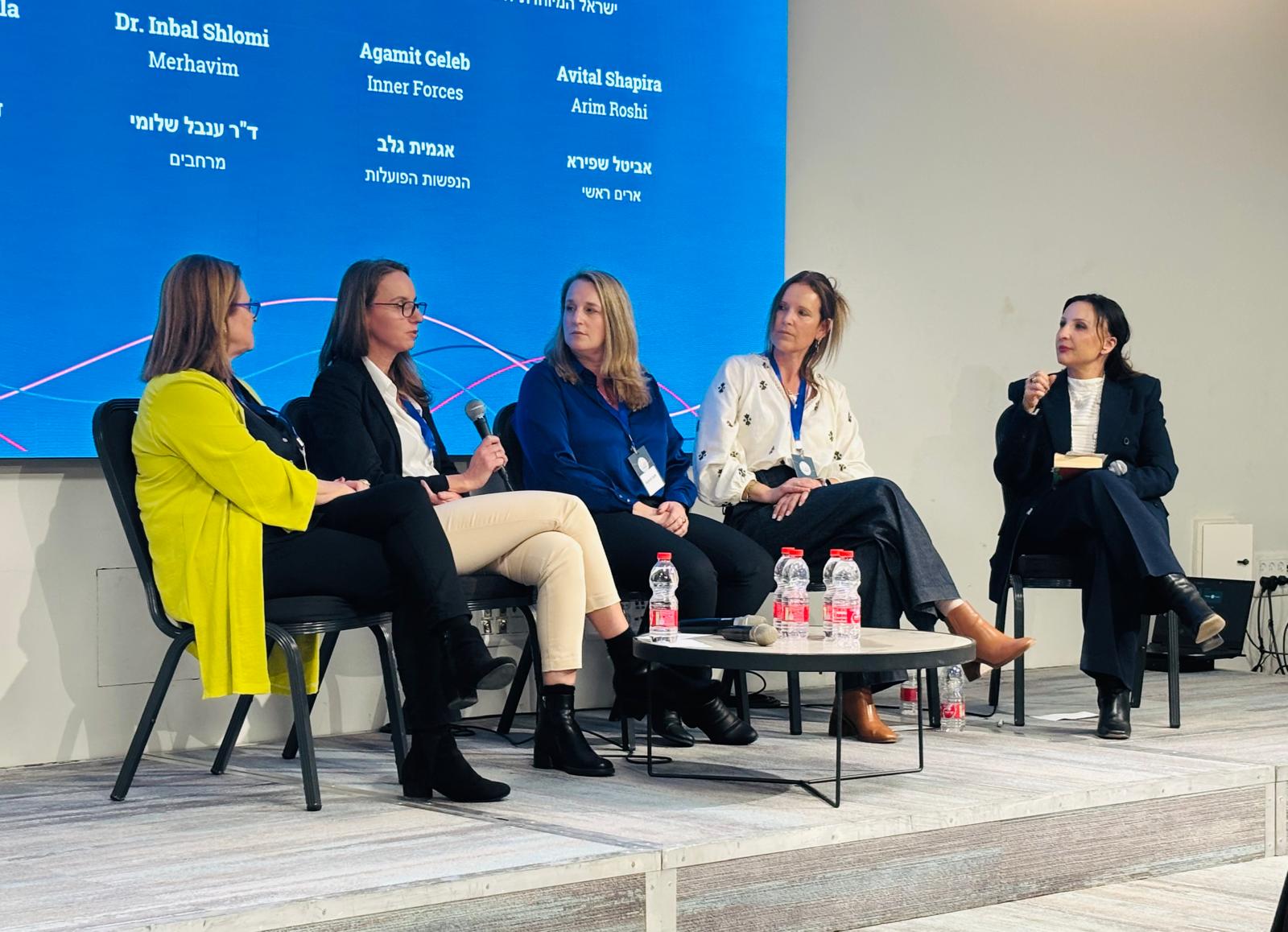
During Sunday’s ICAR (Israel’s Collective Action for Resilience) Summit presentation, Avital Shapira explained that her daughter rejected all available support programs. Initially puzzled by this response, she later understood that existing programs failed to address her daughter’s specific requirements.
“We realized women’s needs are very different from men’s,” Shapira said. “Just like physical health is different for men and women, so is mental health.”
Following decades of fighting for equal treatment in the Israel Defense Forces (IDF), women now serve in combat and police positions alongside their male colleagues. However, while receiving identical field treatment, military approaches to PTSD prevention and care frequently overlook gender-based differences.
Recent Ynet statistics reveal that women comprised approximately 20% of IDF combat personnel during the latest conflict, totaling over 65,000 female service members. These women participated in border protection, counterintelligence, and additional frontline operations. Similar to their male colleagues, many now face post-traumatic challenges.
Latest data from the Ministry of Defense rehabilitation department indicates that among more than 82,000 wounded personnel under their supervision, 31,000 are managing psychological wounds and post-trauma conditions.
Arim Roshi operates on four foundational elements: community support, therapeutic workshops, individual guidance, and research initiatives.
“Many women think they’re the only ones dealing with this,” Shapira explained. Arim Roshi creates a safe space where members can connect, share their experiences, and support one another.
The group conducts workshops incorporating movement, artistic expression, aquatic therapy, and horse-assisted treatment to help women work through trauma using methods beyond conventional talk therapy.
Additionally, Arim Roshi offers individual assistance to help women handle bureaucratic processes, manage family relationships, and complete Ministry of Defense recognition procedures.
The organization also monitors results and collects information about effective methods, aiming to support broader research efforts and enhance care for women with military-related PTSD.
Shapira joined other speakers addressing women and warfare issues during a panel led by Israel’s special envoy for trade and innovation, Fleur Hassan-Nahoum. The discussion examined distinctive wartime challenges facing women and institutional improvements needed to better serve them.
“The health of women is not just related to gynecology,” said Dr. Michal Sela of NOGAFem, a center for health innovation and policy. “We are different in every way.”
Despite this awareness, Sela noted that research and information about female fighters’ wartime experiences remains insufficient.
“The information is lacking,” Sela said.
The consequences reach well beyond frontline female personnel.
Dr. Inbal Shlomi from the Merhavim Medical Center for Brain and Mind Care described nationwide trauma levels as “unbelievable.”
“Even though most of us were not in Gaza or on the frontline, we all experienced unbelievable levels of trauma,” Shlomi explained. Social media exposure and constant interaction with people directly affected by the attacks contributed to widespread secondary trauma.
Furthermore, hundreds of Israeli women suffered sexual assault and abuse by Hamas terrorists on October 7 and during captivity. Shlomi explained that women with previous sexual abuse experiences might have experienced intensified symptoms, renewed flashbacks, or worsening PTSD after learning about their peers’ experiences that day.
She shared details about one patient who explained that before October 7, she considered the world evil but thought she might be wrong and attempted to challenge that viewpoint. Following October 7, she stated that nobody could persuade her otherwise.
Mothers also experienced profound trauma.
Agamit Gelb, who founded Inner Forces, described becoming a mother, sister, and aunt to fighters on October 7. While sending family members into combat, she realized she was experiencing complex emotions that seemed unrecognized by others.
Initially, few anticipated the conflict would continue for nearly two years, keeping loved ones on frontlines for extended durations. However, prolonged conflicts aren’t unprecedented for Israel. Gelb observed that her 70-year-old mother has served as a fighter’s mother, grandmother, and aunt throughout her life, yet remained overlooked in national discussions.
Gelb understood that mothers and other female relatives required support and clear information. However, the State failed to recognize their need for these resources.
She responded by establishing Inner Forces, a program designed for female family members of fighters. Working with Ruppin Academic Center, she researched 400 mothers. Results demonstrated that many women dismissed as simply anxious or concerned were actually experiencing trauma. About 20% of survey participants lost employment due to wartime challenges of being a soldier’s mother.
“The family is what provides resilience,” Gelb said, noting that keeping these women strong was essential.
Gelb reported that when asking mothers about their coping strategies, many would start crying. However, they frequently felt guilty about expressing distress because their sons hadn’t been killed or kidnapped.
“I was just a mom of someone in the field,” Gelb said, describing how she felt lost because she viewed her own trauma as less significant than others’.
Through Inner Forces, she established a community providing resilience programming, psychoeducation, and crucially, a gathering place for mothers to connect and support each other throughout the war.
As increasing numbers of women assume combat responsibilities and serve in critical IDF positions, understanding mental health protection becomes increasingly vital, Shapira emphasized. She noted that many women work in frontline positions not officially designated as combat roles, yet potentially expose them to equivalent trauma levels.
Nevertheless, she expressed optimism.
Her own daughter, who had suffered significantly, recently delivered her second child. She observed that many women who experienced early war trauma are now contributing to what she called a “baby boom.”
“There is hope,” she told the room. “You can live with PTSD,” she added, “and it can even be transformed into post-traumatic growth. That is our hope.”
Health authorities in South Carolina documented 12 new measles infections between Friday and Tuesday, pushing the state’s total confirmed cases to 962, according to data released by state health officials.
The Tuesday announcement marks a continued climb in what has become a significant outbreak, with health department leaders cautioning that the spread of the highly contagious disease may continue for weeks or even months to come.
Officials point to insufficient vaccination rates as a key factor allowing the outbreak to persist and expand throughout the state. The measles virus spreads rapidly in communities where immunization coverage falls below protective levels.
A pharmaceutical company announced Tuesday it will move forward with standard federal approval procedures for its rare disease medication after the Food and Drug Administration turned down its application for expedited review.
Disc Medicine revealed that federal regulators declined to approve bitopertin through the agency’s accelerated review system. Last month, Reuters reported exclusively that FDA officials had delayed the drug’s evaluation by two weeks due to questions about clinical trial information and concerns regarding potential misuse.
The medication had been under consideration through the FDA’s national priority voucher system, which reduces review time to one or two months compared to the standard 10-12 month timeline.
Company CEO John Quisel noted that policy discussions surrounding accelerated drug approvals have continued through several presidential administrations, with recent regulatory actions indicating federal officials are taking a more cautious approach to such expedited approvals.
The pharmaceutical firm indicated it anticipates receiving final-stage trial results during the fourth quarter of this year.
A Massachusetts pharmaceutical company announced Tuesday that its investigational treatment for a serious eye condition outperformed an existing approved medication in advanced clinical testing.
Ocular Therapeutix revealed that their experimental drug demonstrated superior effectiveness compared to Regeneron’s established treatment Eylea in helping patients preserve their eyesight during late-stage trials.
According to the company, this marks the first instance where an investigational medication for wet age-related macular degeneration has delivered better outcomes than an FDA-approved therapy in trials conducted under rigorous regulatory standards.
This progressive eye condition represents a primary factor in vision loss among older adults, resulting in fuzzy sight or dark spots within a person’s field of vision. The disease impacts approximately 1.7 million people across the United States, the company reported.
The clinical study included 344 participants recently diagnosed with wet AMD and showed that Ocular’s medication, called Axpaxli, delivered better results than Eylea, which ranks among the most commonly prescribed therapies for this condition.
Results showed that roughly 74% of participants receiving one 0.45 mg injection of Axpaxli retained their vision after 36 weeks, while approximately 56% of those given a single 2 mg injection of Eylea achieved the same outcome. At the one-year mark, close to 66% of Axpaxli recipients maintained their vision, compared to less than half in the comparison group.
Despite gaining nearly 39% in value during 2025, Ocular’s stock price dropped approximately 25% during pre-market trading following the announcement.
Needham analyst Serge Belanger noted that eye specialists may find the data encouraging, though investors might feel let down by “the much narrower difference” between the treatments and increased rates of eye floaters and cataracts.
The experimental medication also showed improved management of eye fluid accumulation, which serves as an important indicator of disease control.
The company reported that numerous Axpaxli patients avoided needing additional “rescue” treatments for nearly twelve months, indicating the therapy could potentially decrease required medical appointments.
Ocular Therapeutix stated they intend to review the trial data with federal regulators and anticipate filing for marketing approval based on these findings.
An Indian pharmaceutical company is working to bring a significantly more affordable version of a popular weight loss medication to market, potentially offering substantial savings for patients.
Dr Reddy’s Laboratories revealed Tuesday that it intends to offer a generic alternative to Novo Nordisk’s widely-used weight loss treatment Wegovy, with pricing approximately 60% below the brand-name version, according to co-chairman and managing director GV Prasad speaking with Reuters.
The pharmaceutical manufacturer secured authorization from India’s drug regulatory authority last month to produce and distribute a generic equivalent of the diabetes medication Ozempic, another blockbuster drug from Novo Nordisk. The company indicated it is currently waiting for similar regulatory clearance for its proposed Wegovy alternative.
The development comes as demand for these types of medications continues to grow, with many patients seeking more affordable options for weight management and diabetes treatment.
Compass Pathways announced Tuesday that its experimental depression treatment successfully achieved its primary objectives in a comprehensive late-stage clinical trial, causing the company’s stock price to surge nearly 30 percent.
The pharmaceutical company tested its therapy, known as COMP360, across two extensive clinical trials that included over 1,000 participants suffering from treatment-resistant depression.
The innovative treatment utilizes psilocybin, a psychedelic substance, and represents a potential breakthrough as a short-duration, periodic treatment option that could replace daily antidepressant medications.
According to the company’s findings from the most recent trial, participants who received two higher-strength doses administered three weeks apart demonstrated significantly greater improvement in their depression symptoms over a six-week period compared to those who received smaller doses.
Nearly 40 American healthcare executives recently completed a groundbreaking tour of Israeli medical research facilities, exploring how breakthrough discoveries are transforming from laboratory concepts into worldwide healthcare solutions.
The delegation arrived at the Weizmann Institute of Science in Rehovot during February, where they witnessed firsthand the resilience of Israeli innovation. Despite visible damage from an Iranian missile attack that destroyed numerous laboratories months earlier, researchers continued their vital work developing next-generation medical technologies.
The week-long visit was coordinated by Israel Tech Mission working alongside 8400 The Health Network, bringing together investors, company founders, advisors and healthcare operators from across the United States and international markets.
“I feel so proud and happy about what is occurring here and what’s coming out,” Al Kinel shared with The Media Line. “I’m excited to be able to help take those innovations and get them out to the world and help let people learn about them.”
Kinel, who operates a health technology consulting company called Strategic Interests and heads the New York Israel Chamber of Commerce, focuses his efforts on bridging Israeli medical breakthroughs with American healthcare systems. His work involves promoting commercial and research partnerships between the two nations.
“There are people that are going to be supportive and helpful and we will figure out how to work with them to help us be successful, and then there’s the undecided,” Kinel explained. “I want them to understand the value of the innovation of Israel and how it’s changing the world in Tikkun Olam.”
Acknowledging current global tensions, Kinel remained focused on productive collaboration. “Unfortunately, we’re in a spot in a world where there’s people that are going to hate us and will never want to listen,” he noted. “That’s not our audience.” His strategy centers on engaging those willing to consider evidence-based partnerships. “If we can align, we will probably be even way more impactful than we each could in our own individual way,” he added.
Sam Moed, serving on the global board of 8400 The Health Network, outlined the organization’s dual mission approach.
“We are very focused on supporting and strengthening the healthcare system in Israel,” Moed explained to The Media Line, “but at the same time, we are building bridges globally.”
These international connections serve practical purposes, according to Moed. While Israel produces substantial early-stage medical innovations, successful scaling demands access to worldwide capital and markets. “The United States is the largest source of life sciences capital in the world,” he emphasized. Without connecting to that financial ecosystem, promising technologies risk stalling before reaching patients who need them.
Moed expressed optimism about current developments. “I am very optimistic about the magnitude of disruptive innovation that is coming out of Israel,” he stated. His vision involves establishing healthcare as a cornerstone industry alongside Israel’s established cyber and defense sectors. “We want healthcare to be one of those pillars.”
Local challenges often generate globally applicable solutions, Moed observed. Referencing trauma care and mental health innovations, he noted how direct experience has shaped technologies now gaining international attention. “Some of the innovation agenda is driven by the problems we face here,” he said. This approach has transformed national constraints into exportable expertise.
Throughout the week, participants visited research institutions, nonprofit innovation centers and private companies. Discussions emphasized practical implementation: transforming discoveries into products, navigating regulatory requirements, and scaling companies effectively.
At the Weizmann Institute, conversations focused on translational pathways. Researchers described designing studies starting from proof of concept and regulatory milestones rather than beginning with curiosity alone. These discussions prioritized practical execution and commercialization strategies.
Lee Shapiro, co-founder of Chicago-based 7wire Ventures, has observed Israeli health technology evolution for over twenty years. He recalled early advantages that positioned Israeli companies ahead of global competitors.
“Israel had a very organized longitudinal record for every citizen in Israel, kind of cradle to grave health information that existed,” Shapiro remembered. This infrastructure enabled data-driven innovation long before it became standard elsewhere.
Today, Shapiro sees Israeli companies maintaining their competitive edge. “There really is very little comparison,” he stated. “Israeli companies and their technology base are far advanced from where European companies have been and what we see coming out of Asia.” However, he believes public awareness hasn’t kept pace with reality. “We need more stories told about the life-saving technologies,” he said. “I don’t think people realize that some of the great medications that they’re using every day have come from Israel.”
These medications, devices and digital platforms now operate within health systems throughout North America, Europe and Asia. Their effectiveness shows in improved survival rates, earlier diagnoses and more efficient care delivery. Shapiro connected this impact to cultural values. “The spirit of Tikkun Olam in terms of healing the world is something that is part of the ecosystem here and is something that’s used in a way that can not only create great markets but also do good for the rest of the world,” he explained.
Discussions at Startup Nation Central expanded the scope to infrastructure development: mapping innovations, connecting investors with startups, and supporting regulatory approval and market entry internationally.
Dr. Daniel Kraft, founder of Exponential Medicine and a physician-scientist working where technology meets healthcare, emphasized the accelerating pace of change.
“The future of health and medicine is coming faster than you think,” Kraft told The Media Line. “It’s not the technology, it’s often the convergence of a new operating system for the future of health and medicine.”
Kraft argued that ecosystems like Israel’s benefit from density – the close proximity of artificial intelligence, digital health, diagnostics and clinical systems within a concentrated area. This closeness speeds up development cycles. “Health and medicine is a universal need and collecting point,” he suggested, noting that healthcare collaboration often advances even during strained political relationships.
Rob Cronin, founder of a New York-based communications firm specializing in health technology, sees innovation carrying diplomatic implications.
“What I see as the opportunity and the ultimate form of diplomacy and the mechanism by which we can fight anti-Semitism is an economic, innovation-based form of tikkun olam,” Cronin told The Media Line. “It’s about improving people’s lives.”
Michelle Garland, founder and CEO of Soul Search Partners, has spent over twenty years placing executive teams in venture-backed health technology companies. Beyond products and capital, she was impressed by human resources.
“The talent here is exceptional and the ideas are brilliant,” Garland told The Media Line. She emphasized that lasting collaboration depends equally on relationships and financing. “We have to build more bridges.”
By week’s end, her reflection became personal. “I have a bigger tribe than I knew of,” she said, clearly moved. Her comment highlighted an underlying theme throughout the formal meetings: the connection between professional goals, personal identity and global health mission.
Participants consistently described an ecosystem that remains compact yet internationally focused, technically rigorous yet commercially practical. Israeli medical innovation develops with global implementation as the target. Treatments enter international clinical trials. Digital platforms integrate into foreign health systems. Medical devices move through supply chains extending far beyond national boundaries.
For Moed, this international orientation remains essential. “We want Israel to be seen as a global healthcare innovation powerhouse,” he stated. Success measures not by visibility alone, but by integration into worldwide health systems.
The week’s overall impression centered less on individual companies and more on systematic architecture. A nation with fewer than ten million residents has built a concentrated network of research institutions, capital access and translational expertise that consistently supplies global markets. In practice, this structure gives concrete form to Tikkun Olam – not as abstract concept, but through deployed therapies, adopted systems and treated patients extending well beyond Israel’s borders.