
During Mental Health Awareness Month this May, scientists worldwide continue studying how creating flourishing garden spaces can provide healing benefits.
Research demonstrates that working with plants helps rebuild hand coordination and muscle tone, enhances heart health, decreases stress and worry, reduces depressive symptoms, and creates a greater sense of purpose. The Old Farmer’s Almanac notes that even bacteria found in dirt naturally boost mood.
Those who tend plants can enhance their wellness practices by growing varieties that offer calming properties—such as soothing herbs that thrive inside homes.
Plants including lemon balm, catnip and holy basil fall into the category of “nervine herbs” because they influence the nervous system to create gentle relaxation—diminishing tension through pleasant tastes and scents while helping pollinating insects.
The Almanac provides guidance for raising and utilizing peaceful herbs that encourage daily wellness:
Lemon balm
Research indicates that lemon balm can enhance recall abilities and learning capacity. Furthermore, touching its foliage releases a calming mint-like scent, and rubbing crushed leaves on skin may repel bugs.
Create a soothing beverage using either fresh or dried tart leaves. Add 1 cup of hot water to 5-6 fresh leaves or 1 teaspoon of dried material. Allow to sit for 5-7 minutes. Filter out plant matter and include honey or mint as preferred. Consume multiple times daily.
For a cooling, citrus-flavored beverage, simply mix crushed leaves into chilled water.
This returning plant reaches 1-2 feet in height when grown in sunny to partially shaded areas, needs quality soil, and sprouts easily from seeds. Because it belongs to the mint plant group, contain it within a container without a bottom or bordered garden area to prevent spreading throughout your yard. Cut the upper portion before flowering begins and suspend for drying.
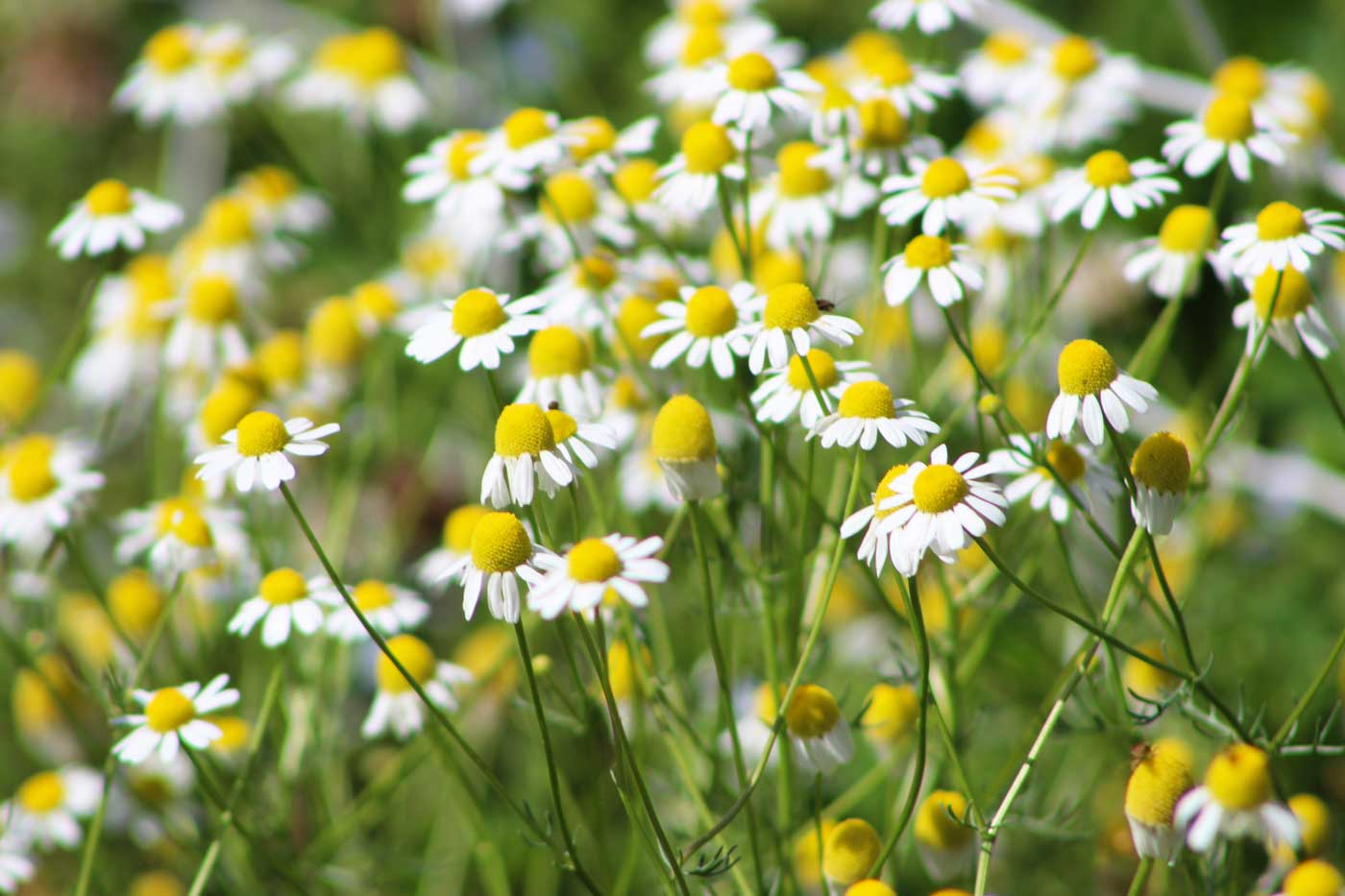
Chamomile
Chamomile can calm upset stomachs and reduce feelings of sadness and worry when incorporated into contemporary plant-based remedies. It’s recognized for helping with sleeplessness, loosening tight muscles, and calming irritated or swollen skin.
Prepare a peaceful beverage using fresh or dried flower heads. Add 1 cup of hot water to 1 teaspoon of plant material. Let sit for 5-7 minutes, or extended time for stronger calming properties.
Chamomile can also be added to bath water for a peaceful experience, and you can fill a small bag or clean fabric sock with chamomile to place in clothing storage areas.
This yearly plant can reach 2 feet in height, prefers bright sunlight, and grows easily from seeds. Collect and dry the flowers when they reach full bloom.
Lavender
Lavender creates mild calming, comforting and sleep-inducing effects when its fragrance is breathed in. Scent therapy using lavender may help decrease nervous system activity, enhance sleep quality and focus, encourage relaxation and lessen worry.
Prepare a peaceful beverage by heating 8 ounces of water. Put 4 teaspoons of fresh lavender flower buds into a tea strainer or small bag. Combine the strainer and heated water in a cup, and allow to sit for 10 minutes.
This returning plant originates from the Mediterranean region and can be difficult to cultivate in certain areas. It prefers dry, basic soil with low-to-moderate nutrients—avoiding overly rich or moist conditions. Collect stems before buds open and suspend for drying.
Catnip
Beyond feline entertainment, this aromatic, mint-family plant with white blooms can help settle nerves, comfort digestive issues, and create mild sleepiness.
Consume as a beverage 2-3 times daily to experience its effects. Add 1 cup of hot water to 2 teaspoons of dried catnip leaves or flowers. Allow to sit for 10-15 minutes. Include lemon juice and honey if wanted.
This returning plant grows easily from seeds, reaches approximately 3 feet tall, thrives in bright sun, and performs well in poor, dry earth. Preserve some for colder months by cutting the upper portion before blooming starts and hanging to dry. Allow some stems to flower for pollinating insects.
Holy basil
Tulsi or holy basil demonstrates mood-lifting and worry-reducing qualities. Unlike the sweet variety used on pizza, it offers a strong, spicy taste.
Utilize fresh or dried leaves for beverage preparation. Add boiling water to ½-1 teaspoon of plant material per cup of water. Let sit for 5-7 minutes, or longer for stronger taste and more beneficial elements.
As a warm-season yearly plant, it grows easily from seeds, thrives in bright sun to partial shade, and reaches 2 feet tall in fertile, damp soil. It can be grown in containers to move indoors during winter.
The Virginia Cooperative Extension publications page offers a useful resource on herb growing and usage.