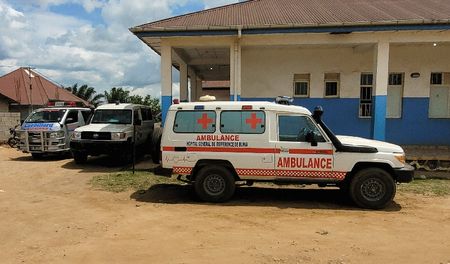

The World Health Organization has officially designated an Ebola outbreak affecting the Democratic Republic of Congo and Uganda as a public health emergency of international concern, following reports of 80 suspected fatalities and nine confirmed laboratory cases.
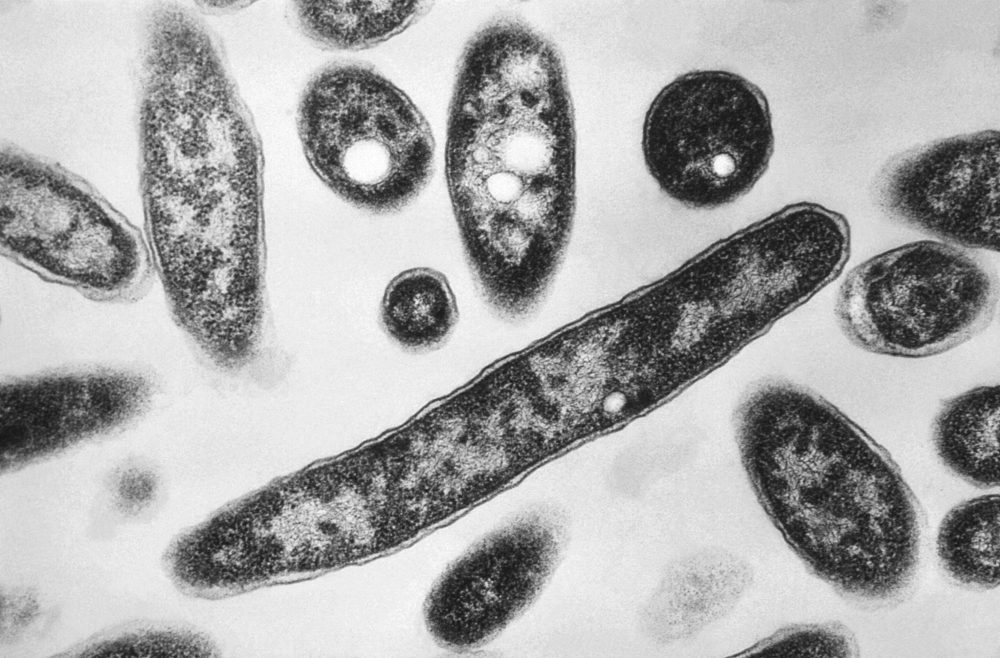
According to the WHO, this outbreak stems from the Bundibugyo virus and while it doesn’t qualify as a pandemic emergency, nations that share borders with the DRC face elevated risks for additional transmission.
The U.N. health agency reported on Sunday that as of Saturday, officials documented 80 suspected deaths, eight confirmed laboratory cases, and 246 suspected cases within the DRC’s Ituri province spanning multiple health zones, including Bunia, Rwampara and Mongbwalu.
M23 rebels confirmed a ninth case in Goma, located in eastern Congo.
The DRC health ministry announced on Friday that 80 individuals had perished in this latest outbreak within the eastern province.
This marks the 17th outbreak in the country where Ebola was initially discovered in 1976, and the WHO suggests the actual scope could be significantly larger due to high positivity rates in initial testing and growing numbers of suspected cases.
The WHO characterized this outbreak as “extraordinary” because no approved treatments or vaccines exist specifically for the Bundibugyo virus, unlike the Ebola-Zaire strains. Nearly all previous outbreaks in the country resulted from the Zaire strain.
The agency stated that the DRC-Uganda outbreak creates public health risks for neighboring countries, with documented evidence of international transmission already occurring. The WHO recommends nations activate disaster and emergency management protocols while implementing border screenings and monitoring major internal roadways.
In Kampala, Uganda’s capital, health officials reported two unconnected laboratory-confirmed cases on Friday and Saturday, including one fatality, involving travelers from the DRC.
Additionally, the WHO confirmed a laboratory case in Kinshasa, the DRC capital, from someone returning from Ituri.
The WHO stated that individuals with Bundibugyo virus-disease contacts or cases should avoid international travel unless requiring medical evacuation.
The agency recommends immediate isolation of confirmed cases and daily contact monitoring, with restricted domestic travel and no international travel for 21 days following exposure.
However, the WHO cautioned countries against closing borders or imposing travel and trade restrictions based on fear, as this could force people and goods through unmonitored informal border crossings.
The DRC’s thick tropical forests serve as a natural habitat for the Ebola virus.
Jean Kaseya, director general of the Africa Centres for Disease Control and Prevention, stated he had sought technical guidance and recommendations regarding the potential declaration of this outbreak as a public health emergency of continental security.
According to the Africa Centres for Disease Control and Prevention, the frequently deadly virus causes fever, body aches, vomiting and diarrhea, and transmits through direct contact with infected individuals’ bodily fluids, contaminated materials, or deceased persons who died from the disease.