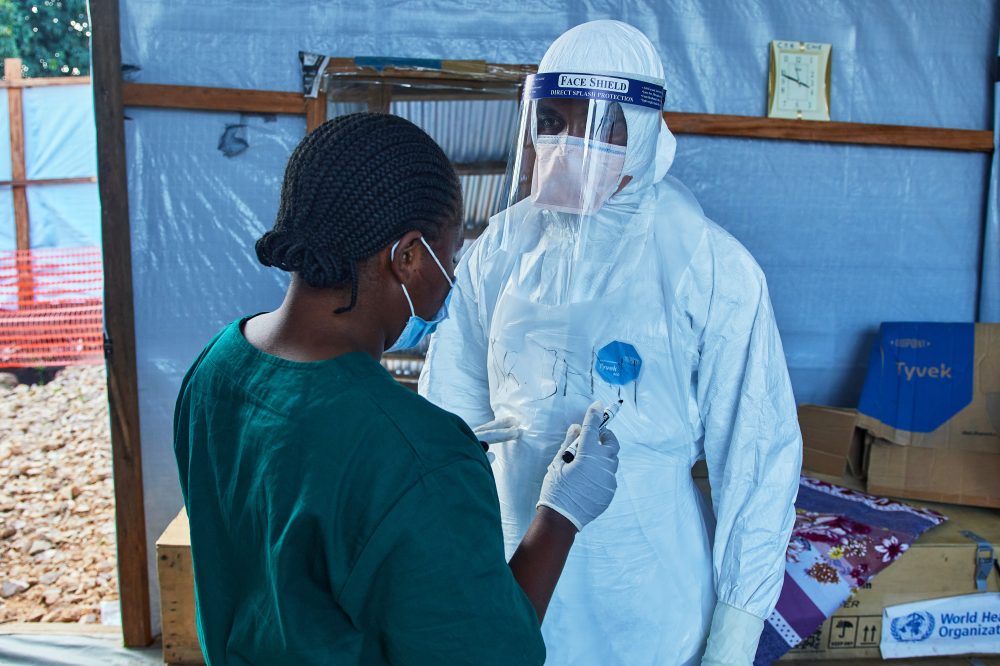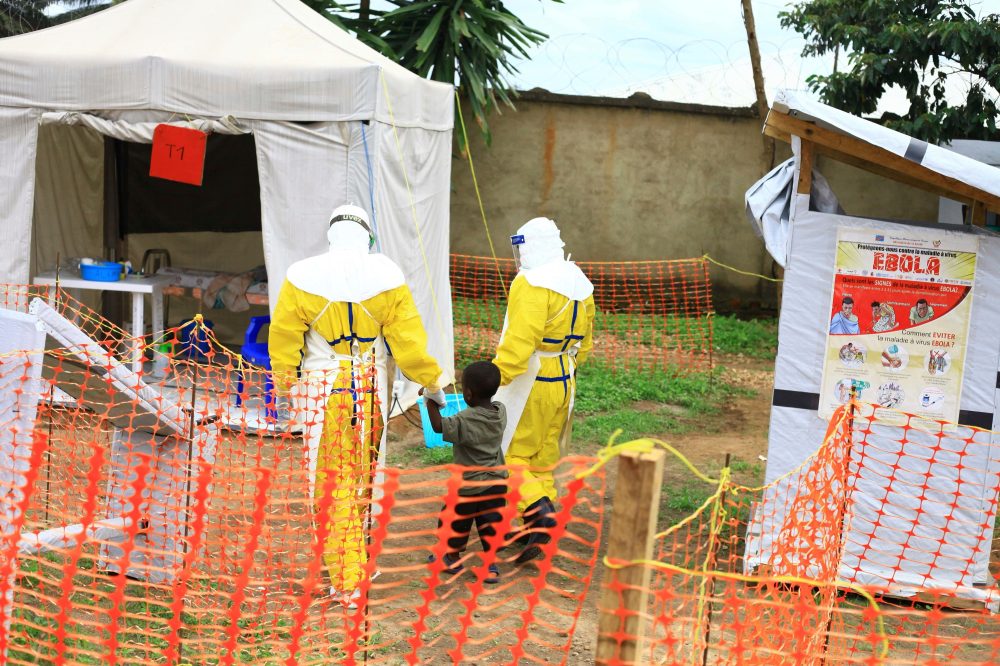

Health officials across Africa announced Friday that a fresh Ebola outbreak has emerged in Congo’s isolated Ituri province, where authorities have documented 246 suspected cases and 65 fatalities.
According to the Africa Centres for Disease Control and Prevention, the majority of deaths and suspected infections have occurred within the Mongwalu and Rwampara health zones.
“Four deaths have been reported among laboratory-confirmed cases. Suspected cases have also been reported in Bunia, pending confirmation,” the agency said.
The deadly virus spreads easily through contact with bodily fluids including vomit, blood, or semen. While uncommon, the illness it triggers is serious and frequently leads to death.
This recent outbreak emerges approximately five months following the end of Congo’s previous Ebola crisis, which claimed 43 lives before being declared over.
The current situation represents the nation’s 17th occurrence since the virus initially surfaced in Congo during 1976. A particularly devastating outbreak between 2018 and 2020 in the country’s eastern region resulted in over 1,000 fatalities.
Located in a distant area of Congo with inadequate transportation infrastructure, Ituri sits more than 1,000 kilometers (620 miles) away from Kinshasa, the nation’s capital.
This health emergency adds to the challenges facing the Central African nation, which continues fighting multiple armed factions in its eastern territories, including the M23 rebel group that began an aggressive campaign in January of last year and has captured important urban centers.
The Ituri region specifically confronts ongoing attacks from the Allied Democratic Force militant organization, which maintains connections to the Islamic State and has killed numerous people throughout the eastern areas.
As Africa’s second-largest nation by territory, Congo regularly encounters operational difficulties when addressing disease outbreaks. During the previous year’s three-month outbreak, the World Health Organization initially struggled considerably with vaccine distribution due to restricted access and insufficient funding.