
Health authorities in Congo’s eastern Ituri province report that fatalities from a fresh Ebola outbreak have climbed to at least 80, as medical teams work urgently this weekend to expand screening efforts and track contacts to stop the virus from spreading further. The outbreak was initially disclosed on Friday with 65 fatalities and 246 suspected infections.
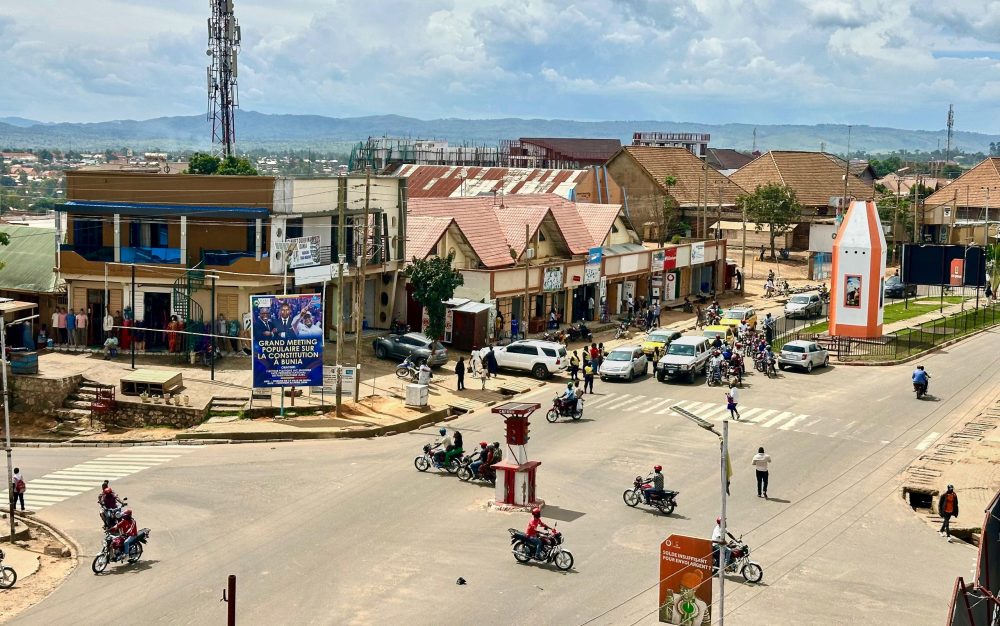
Associated Press reporters in Bunia, the provincial capital, spoke with local residents who described their terror and the relentless funeral processions taking place.
“Every day, people are dying … and this has been going on for about a week. In a single day, we bury two, three, or even more people,” said Jean Marc Asimwe, a resident of Bunia. “At this point, we don’t really know what kind of disease it is,” said Asimwe.
Congo’s Health Minister Samuel-Roger Kamba announced Friday evening that laboratory testing has verified eight cases, including four fatalities.
Laboratory analysis identified the Bundibugyo virus, a strain of the disease that has appeared less frequently in Congo’s previous outbreaks. This represents Congo’s 17th outbreak since Ebola was first discovered in the nation in 1976.
Ebola spreads easily and can be transmitted through body fluids including vomit, blood, or semen. The illness it produces is uncommon, but serious and frequently deadly.
The believed first case in this latest outbreak is a nurse who passed away at a medical facility in Bunia, Kamba stated. He indicated the case traces back three weeks to April 24.
He did not specify whether specimens from the nurse underwent testing, but noted the individual showed signs consistent with Ebola.
Congo possesses expertise in handling Ebola outbreaks but frequently encounters logistical obstacles in delivering specialists and materials to impacted areas.
As Africa’s second-largest nation by territory, Congo’s provinces are distant from each other and primarily dealing with armed conflict. Ituri, for example, sits approximately 1,000 kilometers (620 miles) from the country’s capital, Kinshasa, and suffers from attacks by Islamic State-affiliated fighters.
The illness has been verified in three health districts within Ituri province, including the capital Bunia, plus Rwampara and Mongwalu where the outbreak is most concentrated.
Just 13 blood specimens have undergone testing at the National Institute of Biomedical Research, with eight testing positive for the Bundibugyo strain. The other five samples could not be examined because of inadequate sample volume, the health minister explained.
In Bunia, Ituri’s primary city, commerce and routine activities at public locations seemed normal on Friday.
Resident Adeline Awekonimungu expressed hope the outbreak would be swiftly controlled. “My recommendation is that the government take this matter seriously and that it takes charge of the hospitals so that this matter can be brought under control,” she said.
Uganda has also verified an Ebola case that officials described as “imported” from Congo. The individual died at a medical facility in Uganda’s capital, Kampala.
The Africa Centres for Disease Control and Prevention expressed worry about the potential for additional spread because of how close the affected regions are to Uganda and South Sudan.