
Pharmaceutical giant Eli Lilly announced Thursday that participants in a major clinical trial of its experimental obesity medication retatrutide achieved weight loss of more than 28% over an 18-month period, setting the stage for the company to pursue regulatory approval and potentially bring the drug to market next year.
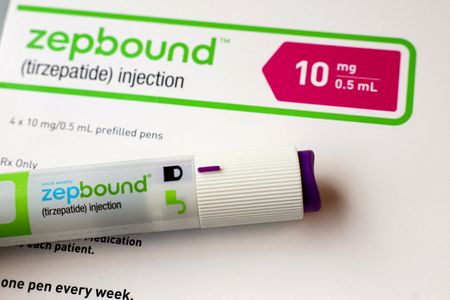
The advanced-stage study followed weight reduction in participants diagnosed with obesity who did not have diabetes, representing another step in Lilly’s effort to capture a larger share of the rapidly expanding obesity treatment market, which includes its current injectable medication Zepbound and competitor Novo Nordisk’s Wegovy.
The experimental medication retatrutide stands out as Lilly’s first obesity treatment to target three different hormone receptors simultaneously – GLP-1 for appetite suppression, GIP for improved insulin production, and glucagon for enhanced fat metabolism – which has led researchers to call it ‘triple G.’ Earlier studies have demonstrated that it produces greater weight reduction than existing medications from both Lilly and its Danish competitor.
During this advanced trial involving adults with obesity or those who were overweight with at least one related health condition, researchers discovered that participants receiving the maximum 12-milligram dose of retatrutide achieved an average weight reduction of 28.3% during the 80-week study period. Additionally, more than 45% of trial participants lost 30% or more of their body weight.
‘That’s really a threshold that’s historically been associated with bariatric surgery,’ said Kenneth Custer, Eli Lilly’s president of cardiometabolic health, said in an interview. ‘To have that available in a medicine is a pretty big deal.’
Custer indicated the company aims to bring the medication to market next year.
The trial outcomes matched analyst predictions. RBC Capital Markets researchers noted Tuesday that they anticipated 28-30% weight loss from the study.
Trial participants with appropriate body mass index who continued the medication for a complete two-year period achieved an average weight loss of slightly more than 30%, according to the company.
Study participants who received a lower 4-milligram dose experienced 19% weight reduction over the 80-week trial period, Lilly reported.
A previous study released in December showed that retatrutide helped participants with obesity and knee osteoarthritis achieve an average 28.7% weight loss over 40 weeks while also reducing knee discomfort. In March, Lilly reported that another trial demonstrated the drug’s ability to lower blood sugar and produce an average weight loss of 15.3%.
Side effects included dysesthesia, an unusual skin sensation, which affected 12.5% of patients receiving the 12-milligram dose, compared to 0.9% of those receiving placebo.
Financial analysts from J.P. Morgan have previously noted that retatrutide showed higher rates of adverse effects compared to Lilly’s other diabetes medication, Mounjaro, which somewhat diminished the drug’s benefits.
When questioned about side effects, Custer stated the medication performed comparably to other GLP-1 treatments.