
CAPE TOWN, South Africa (AP) — Health authorities in Congo have confirmed a fresh Ebola outbreak in the Central African nation, reporting at least 246 suspected cases and 65 fatalities.
The deadly disease, which frequently proves fatal, was initially discovered in 1976 following two rapid outbreaks in present-day South Sudan and Congo, the World Health Organization reports.
Every significant Ebola outbreak has occurred in sub-Saharan Africa, the native region for the viruses responsible for the disease. The most devastating episodes have struck West and Central Africa.
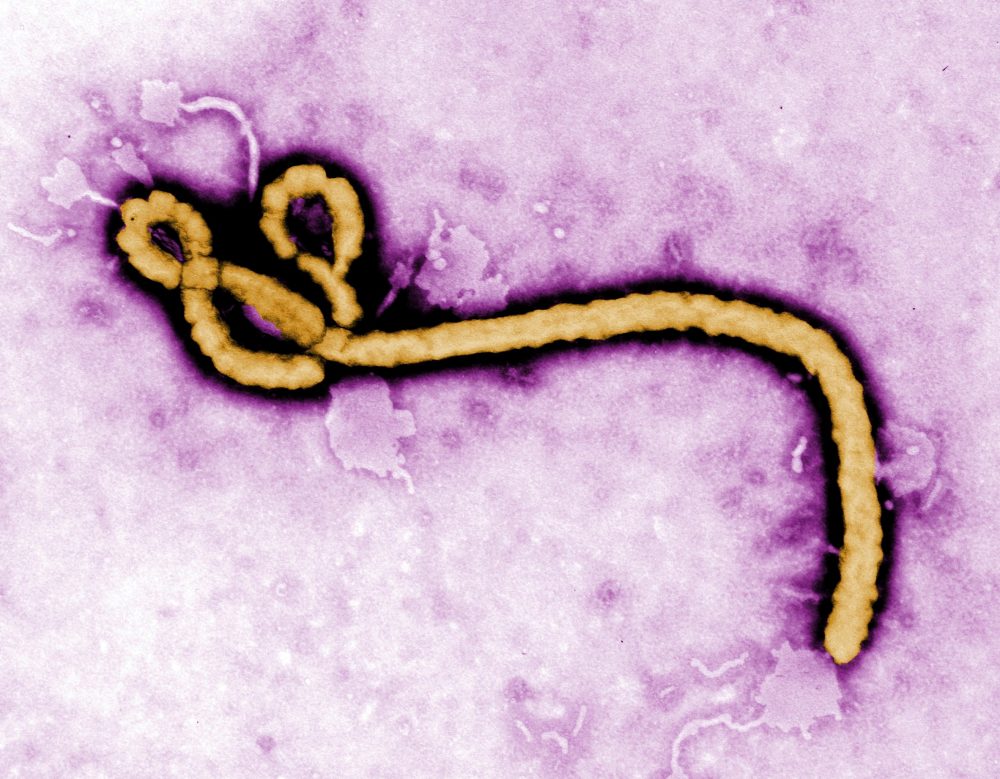
A collection of viruses causes Ebola disease. WHO identifies three known to trigger major outbreaks: Ebola virus, Sudan virus and Bundibugyo virus.
Fruit bats are considered the natural carriers of Ebola-causing viruses, while apes and monkeys can also become infected, WHO states.
Humans can contract the infection from these animals, and transmission between people occurs through contact with bodily fluids such as blood, feces or vomit from infected individuals, or contaminated surfaces.
Signs of illness emerge anywhere from two days to three weeks following exposure, though they typically appear within approximately one week, the U.S. Centers for Disease Control and Prevention notes.
Initial symptoms resemble flu, featuring fever, body aches, exhaustion and throat pain. Subsequently, patients may develop digestive issues, skin rashes, seizures and hemorrhaging.
WHO reports Ebola’s average death rate stands at roughly 50%, with previous outbreaks ranging from 25% to 90% fatality rates.
Approved vaccines and treatments exist solely for the Ebola virus.
A decade-old outbreak spanning multiple West African countries holds the record as the most severe.
More than 28,000 cases and over 11,000 deaths occurred as the highly transmissible disease spread extensively through Guinea, Liberia and Sierra Leone, affecting neighboring countries. Limited cases also appeared in the United States, the U.K., Italy and Spain, connected to African travelers or healthcare workers returning from outbreak assistance.
Researchers believe the epidemic began in southeastern Guinea when a child — “patient zero” — encountered infected fruit bats.
The second-largest outbreak in recorded history followed shortly after in Congo’s North Kivu, South Kivu and Ituri provinces, with some cases reaching neighboring Uganda. Friday’s newly announced outbreak is also located in Ituri, along the Ugandan border.
That outbreak eight years ago recorded over 3,400 reported cases and more than 2,200 deaths, achieving a 66% fatality rate, CDC data shows.
Similar to the 2013-2016 outbreak, Congo’s epidemic resulted from the Ebola virus.
Congo has experienced more than a dozen notable previous outbreaks, including one as recently as late 2025.
An outbreak in Uganda recorded 425 reported cases and 224 deaths, this time caused by the Sudan virus.
East African country officials received recognition for their rapid outbreak response and containment efforts. Community initiatives focused on public education about the disease and correcting misinformation regarding transmission methods.
Uganda has also experienced multiple outbreaks.
Ebola’s first documented outbreak happened 50 years ago in towns within former Sudan, now part of South Sudan. Scientists suspect it began in a cotton facility where employees encountered bats in storage areas, though the origin remains unconfirmed. The Sudan virus caused this outbreak.
At least 151 deaths and 284 cases were documented — many occurring after patients were hospitalized and transmitted the disease to medical staff and others while the illness remained unidentified, subsequent research revealed.
An outbreak months afterward in northern Congo — then called Zaire — resulted in 280 deaths with an exceptionally high fatality rate and first enabled scientists to identify the Ebola virus. This outbreak originated in an isolated village near the Ebola River, from which the disease takes its name.
The first documented Ebola infection beyond Africa happened that same year when a British laboratory worker accidentally punctured himself with a needle while examining samples. He survived.
Extremely few cases have been documented outside Africa since Ebola’s identification.