Federal health regulators made a groundbreaking decision Tuesday by approving the nation’s first fruit-flavored electronic cigarettes for commercial sale, representing a major departure from previous policy positions.
The Food and Drug Administration granted marketing approval to Los Angeles company Glas Inc for several flavored vaping pods, including Classic Menthol, Fresh Menthol, Gold and Sapphire varieties. The small manufacturer employs specialized technology designed to prevent underage users from accessing their devices.
“The FDA’s rigorous, scientific review of these products found that the applicant sufficiently demonstrated that Glas’s device access restriction technology, combined with FDA-required marketing restrictions, is expected to effectively mitigate the ability of youth to use the product,” the regulator said.
The approval comes as reports surfaced that President Trump criticized FDA Commissioner Marty Makary over the weekend for moving too slowly on flavored vaping product approvals, according to the Wall Street Journal.
Federal authorities have historically refused to license flavored vaping products, with the FDA maintaining that companies must provide substantial proof that flavored products benefit adult smokers while avoiding appeal to minors, particularly those resembling fruit or candy.
The agency has recently modified its stringent stance on flavored vaping devices following increased lobbying efforts from tobacco companies and growing political pressure to expand market access for these products.
This latest approval brings the total number of FDA-authorized e-cigarette products available in the United States to 45.
A grocery chain based in Eugene, Oregon has pulled one of its prepared salad products from shelves after discovering it contains sesame without proper labeling.
Market of Choice announced the voluntary recall on May 5, 2026, affecting its 9.5-ounce Vegan Kale Caesar Salad due to unlisted sesame ingredients. The company warns that customers who suffer from sesame allergies or sensitivities could experience dangerous or potentially fatal reactions if they eat the contaminated product.
The recall notice comes as food allergies continue to pose serious health threats to millions of Americans, with sesame being recognized as one of the major allergens requiring disclosure on food labels.
Customers who have purchased the affected salad are advised not to consume it and should return the product to the store for a full refund.
WASHINGTON — Federal health regulators made a groundbreaking announcement Tuesday, granting approval for the first fruit-flavored electronic cigarettes designed for adult smokers. This represents a dramatic policy reversal following months of lobbying efforts directed at President Donald Trump by vaping manufacturers.
The authorization is expected to face strong opposition from public health advocates and parent groups, who have consistently argued that flavored products drive youth vaping across the nation. However, this federal decision comes at a time when teenage vaping has reached its lowest point in a decade, while industry leaders have pressed the Republican administration to ease product restrictions.
Vaping manufacturers have consistently argued their products could significantly reduce the devastating impact of traditional smoking among adults. Conventional cigarettes are responsible for approximately 480,000 deaths each year in the United States from cancer, lung disease, and heart conditions. While these battery-operated devices have been available since 2007, concerns about their benefits have been overshadowed by widespread use among middle and high school students.
The recently approved electronic cigarettes feature mango, blueberry, and two menthol varieties. California-based manufacturer Glas Inc. will sell these flavors as Gold, Sapphire, Classic Menthol, and Fresh Menthol, according to federal documentation.
Until now, the FDA had only permitted tobacco or menthol-flavored vaping products. Most previously approved e-cigarettes came from major manufacturers like Juul and Altria.
Tuesday’s decision does not constitute a full approval or endorsement, with the FDA emphasizing that Glas products are exclusively intended for adults seeking to quit or reduce cigarette consumption.
Regulators highlighted the company’s digital age-verification technology as a barrier preventing underage access. Users must validate their age using government identification through their mobile device. The e-cigarettes only function when connected via Bluetooth to the verified user’s phone.
The FDA’s approval of these fruit-flavored products will serve as “a key test case,” according to Kathy Crosby from the Truth Initiative, an organization dedicated to fighting tobacco use.
“Ultimately, it’s critical that we remain vigilant in protecting young people, including closely monitoring the use of authorized products,” Crosby stated in an email.
During his campaign, Trump promised to “save” vaping and received support from e-cigarette companies, retailers, and enthusiasts.
The Biden administration previously rejected over one million applications for candy and fruit-flavored products, as part of broader enforcement efforts credited with reducing teen vaping following a 2019 spike. Trump’s initial presidency established the first flavor limitations on e-cigarettes and increased the minimum purchase age for all tobacco products from 18 to 21.
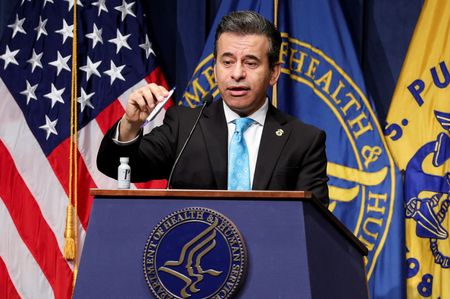
However, vaping and tobacco policy initiatives have taken a secondary role under FDA Commissioner Marty Makary, who has prioritized other issues including COVID-19 vaccine restrictions, eliminating artificial food coloring, and accelerating innovative drug approvals.
Organizations like the Vapor Technology Association have recently met with administration officials advocating for expanded flavor options.
In March, the FDA issued its inaugural industry guidance on flavors, indicating that menthol, coffee, mint, and spice varieties could attract adult smokers. The same document reinforced concerns about sweeter flavors that appeal to teenagers, including fruit, candy, and dessert options.
Most American teenagers who vape still use unauthorized fruit and candy-flavored products, based on recent federal statistics. While technically prohibited, these items remain widely accessible through inexpensive, disposable brands typically manufactured in China.
CAPE TOWN, South Africa — A fatal hantavirus outbreak claimed three lives aboard an expedition cruise ship over several weeks before health officials identified the rare disease, according to the World Health Organization and cruise operator records.
The timeline reveals nearly four weeks elapsed between the first passenger’s death in the South Atlantic and laboratory confirmation of hantavirus infections in South Africa — located over 2,100 miles away.
Three travelers have died, one remains in critical condition at a South African hospital, and three others aboard the vessel are showing symptoms while awaiting medical evacuation. The MV Hondius carries nearly 150 passengers and crew members from 23 nations and is currently positioned off West Africa’s coastline.
Hantavirus spreads through rodent contact, with humans contracting the disease through exposure to infected rodent saliva, urine or feces. The virus typically doesn’t transmit between people, though some medical experts say human-to-human spread remains possible.
Although laboratory tests have confirmed only two hantavirus cases connected to the vessel, WHO suspects the remaining cases also involve the virus and is managing the situation as an outbreak. Officials continue investigating the infection source.
Dutch company Oceanwide Expeditions operates the MV Hondius, offering “expedition cruises” to Antarctica and remote South Atlantic islands for travelers seeking Earth’s most isolated destinations.
These voyages extend a month or longer, with prices ranging from $6,000 to $25,000 based on cabin selection.
The MV Hondius departed southern Argentina on April 1.
A 70-year-old Dutch passenger developed fever, headache and mild diarrhea on April 6, WHO reported.
The man died aboard the ship on April 11 after experiencing breathing difficulties. Ship tracking data shows the vessel was sailing between British territories South Georgia and St. Helena in the South Atlantic. Oceanwide Expeditions said the death’s cause remained undetermined.
The cruise continued for nearly two weeks, making a stop near Tristan da Cunha before reaching St. Helena, where the Dutch man’s remains were removed on April 24. His 69-year-old wife disembarked with the body and flew to South Africa, while her husband’s remains stayed behind.
The woman, already experiencing symptoms, deteriorated during the April 25 flight and collapsed at a South African airport. She died at a hospital on April 26, WHO stated.
A British passenger became ill after the ship departed St. Helena for tiny Ascension Island, approximately 800 miles north. He experienced high fever, breathing problems and pneumonia signs, according to WHO, and was airlifted from Ascension Island to South Africa on April 27. He remains in intensive care at a South African medical facility.
The third death involved a German woman who died Saturday aboard the ship as it sailed toward Cape Verde. She died four days after becoming sick and also showed pneumonia symptoms, WHO said, which hantavirus can cause. Her body remains on the vessel.
South African health officials eventually tested the hospitalized British man for hantavirus after other comprehensive tests proved negative. They received positive hantavirus results on Saturday, 21 days after the initial passenger death.
WHO announced Sunday it was investigating a suspected hantavirus outbreak on the ship, which had reached Cape Verde waters by then.
The British man’s positive test prompted South African authorities to posthumously test the Dutch woman’s body for hantavirus. That test returned positive results on Monday.
WHO stated the ship outbreak is being controlled and global risk remains low since hantavirus doesn’t easily spread between people, though officials are tracing passengers who flew between St. Helena and Johannesburg, South Africa, with the Dutch woman.
Oceanwide Expeditions announced Tuesday that aircraft were flying to Cape Verde to evacuate two people requiring urgent medical attention and one passenger traveling with the German woman who died Saturday. They were heading to the Netherlands, though arrival timing remained unclear.
The ship would then sail to Spain’s Canary Islands, approximately a three-day journey, the company said.
Spanish officials reported they were monitoring the situation but hadn’t confirmed any plans as of Tuesday evening.
Passengers and crew remain isolated in cabins with “maximal physical distancing,” WHO said, creating a lockdown similar to COVID-19 pandemic restrictions.
WHO says it continues investigating how this relatively rare human virus reached the ship. Officials noted the Dutch man and his wife — identified as the first two cases — had traveled through Argentina and other South American locations before boarding.
WHO reports that Andes virus, a specific hantavirus type, exists in South America, mainly in Argentina and Chile.
Federal health regulators have prevented the release of multiple research studies that confirmed the safety profiles of commonly administered COVID-19 and shingles vaccines, according to a Tuesday report from the New York Times.
The research projects, which cost taxpayers millions of dollars to fund, involved scientists from the federal agency collaborating with data analysis companies to examine millions of medical records from patients.
According to the report, the research conclusions demonstrated that severe adverse reactions occurred extremely infrequently.
When contacted by Reuters for a statement, the Department of Health and Human Services, which supervises the FDA, had not provided an immediate response.
A California-based food manufacturer has issued a nationwide recall for several varieties of its kimchi products after discovering they contain unlisted fish ingredients that could trigger dangerous allergic reactions.
Downey, California company Ocinet, Inc. is pulling all varieties of its “…And Kimchi” brand sliced kimchi from store shelves. The affected products include three different UPC codes: 8541200408, 8541200409, and 8541200411.
The company discovered that the fermented vegetable products contain anchovies, a fish ingredient that was not disclosed on product packaging. This poses a significant health threat to consumers who suffer from fish allergies or sensitivities, who could experience severe allergic reactions if they consume the products.
The Food and Drug Administration announced the recall as part of its ongoing food safety monitoring efforts. Consumers who have purchased any of the affected kimchi products are advised to dispose of them immediately and contact the company for refund information.
Anyone with fish allergies who may have consumed these products should monitor themselves for allergic reaction symptoms and seek medical attention if needed.
A transatlantic cruise has turned into a floating quarantine zone after three passengers died and another was hospitalized with Hantavirus, leaving 149 travelers from 23 nations confined to their ship under emergency health protocols.
The MV Hondius, operated by Oceanwide Expeditions, has implemented stringent isolation procedures following confirmation that two of the three deaths were linked to the deadly virus. Among the fatalities were a married couple from the Netherlands and a passenger from Germany, with the Dutch woman testing positive for Hantavirus.
A 69-year-old British traveler who contracted the illness was airlifted to a South African medical facility, where he remains in critical care. Additionally, two crew members who had direct contact with the deceased German passenger were removed from the vessel as a precautionary measure.
The vessel’s journey began over a month ago when it left Ushuaia, Argentina. According to MarineTraffic vessel monitoring data, the Dutch-registered ship first visited Antarctica before returning to Argentina for a brief stop and departing again on April 1st. The ship later made a port call at Saint Helena, a British territory, before anchoring near Praia this past Sunday.
Cape Verde officials blocked the ship from docking Tuesday due to health safety concerns, forcing the vessel to remain at sea while containment protocols continue.
According to the Centers for Disease Control and Prevention, Hantavirus typically spreads through exposure to infected rodent waste, urine, or saliva. A particularly dangerous variant called Andes virus can transmit between humans and is commonly found in Chile and Argentina, where the cruise originated.
The infection can progress to hantavirus pulmonary syndrome, a life-threatening respiratory condition with high mortality rates. This same disease claimed the life of Betsy Arakawa, widow of deceased actor Gene Hackman, in the previous year.
World Health Organization European Regional Director Hans Kluge sought to calm public concerns, stating: “There is no need for panic or travel restrictions.” Health authorities emphasized that the outbreak poses no wider threat to public safety.
FDA Commissioner Dr. Marty Makary stood by his agency’s choice to reject a cancer treatment application from Replimune on Tuesday, as the pharmaceutical company’s stock price fell in response to the regulatory setback.
During a CNBC television interview, Makary pointed to the agency’s formal documentation explaining their reasoning. “If you read our what we call our complete response letter, you will see the details of the FDA logic,” the commissioner stated.
The rejection of Replimune’s advanced skin cancer therapy sent the company’s shares tumbling 5% during morning stock market activity on Tuesday.
HARRISBURG, Pa. — State officials in Pennsylvania have filed legal action against an artificial intelligence company, alleging that its digital chatbots falsely represent themselves as licensed physicians and mislead users into believing they’re receiving legitimate medical guidance from qualified professionals.
The legal action, submitted on Friday to the Commonwealth Court, seeks to compel Character Technologies Inc., which operates Character.AI, to cease allowing its chatbots to participate in “the unlawful practice of medicine and surgery.”
According to court documents, a state investigator from Pennsylvania’s professional licensing agency established a user profile on the Character.AI platform, conducted a search using the term “psychiatry,” and discovered numerous virtual characters, including one that presented itself as a “doctor of psychiatry.”
The court filing states that this particular character claimed it could evaluate the investigator “as a doctor” with valid Pennsylvania licensing credentials.
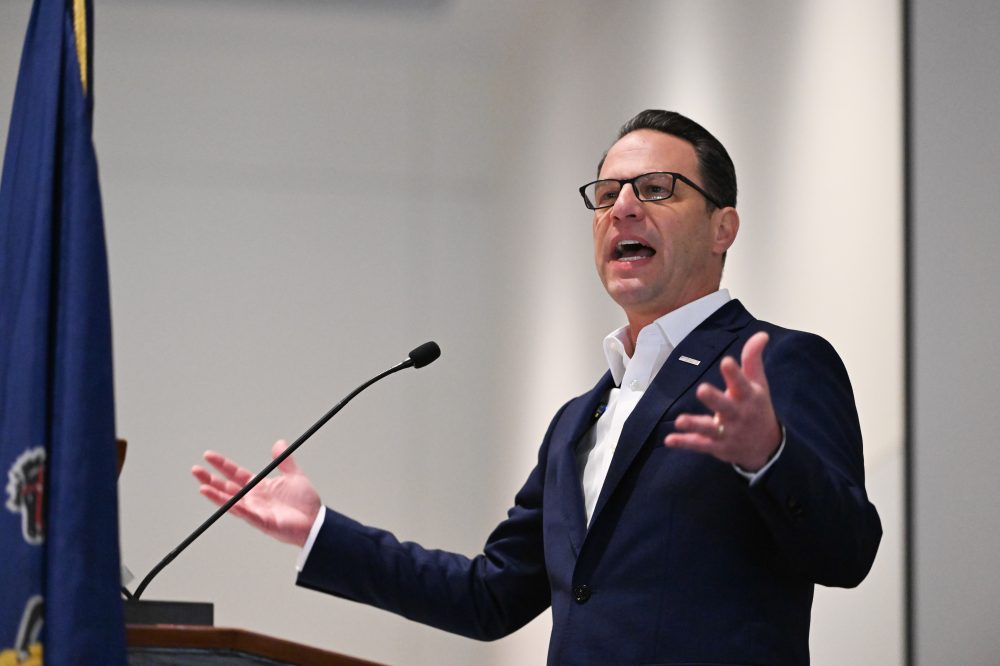
“Pennsylvanians deserve to know who — or what — they are interacting with online, especially when it comes to their health,” Gov. Josh Shapiro said in a statement. “We will not allow companies to deploy AI tools that mislead people into believing they are receiving advice from a licensed medical professional.”
Character Technologies has not provided a response to requests for comment as of Monday.
The technology firm has previously encountered multiple legal challenges related to child protection issues. Earlier this year, both Google and Character Technologies reached a settlement agreement with a Florida mother who claimed that one of the company’s chatbots encouraged her teenage son to take his own life. During the fall, Character.AI implemented restrictions preventing minors from accessing its chatbot services due to mounting concerns about how artificial intelligence interactions might impact young users.
A groundbreaking survey has revealed that artificial intelligence chatbots are becoming the preferred confidants for young Europeans struggling with mental health challenges, with almost half choosing digital conversations over human counselors.
The comprehensive study conducted by Ipsos BVA examined responses from 3,800 individuals between ages 11 and 25 across France, Germany, Sweden, and Ireland during early 2026. The research was funded by France’s privacy oversight agency CNIL and insurance company Groupe VYV.
Results showed that 51% of participants found it “easy” to share mental health concerns and personal struggles with chatbots, compared to just 49% who felt comfortable with medical professionals and only 37% with psychologists. Close personal relationships remained most trusted, with 68% preferring conversations with friends and 61% with parents.
The study highlighted alarming mental health trends among youth, discovering that 28% of participants showed signs consistent with generalized anxiety disorder.
Approximately 90% of survey participants had previous experience with artificial intelligence tools, drawn to their round-the-clock accessibility and lack of judgment. More than 60% characterized AI as serving roles of “life adviser” or “confidant” in their lives.
Despite growing popularity, mental health experts are raising red flags about potential psychological consequences of relying on AI for emotional guidance. Earlier this year, a Florida family filed a lawsuit against Google, claiming the company’s Gemini AI chatbot played a role in their relative’s developing paranoia and subsequent suicide.
Ludwig Franke Föyen, a psychologist and digital health researcher from Stockholm’s Karolinska Institutet, said the survey outcomes were predictable. Speaking with Reuters, Franke Föyen explained that modern language models generate sophisticated responses, noting his research indicates even trained professionals may find it difficult to differentiate between AI-created guidance and human expert advice.
However, Franke Föyen cautioned against depending solely on chatbots for mental health assistance, emphasizing that general AI systems prioritize user engagement and corporate objectives may conflict with proper mental healthcare delivery.
“AI can offer information and support, but it should not replace human relationships or professional care,” Franke Föyen said.
“If someone turns to a chatbot instead of speaking to a parent, a friend, or a mental health professional, that is a concern. We do not want technology to make people feel more alone,” he added.
Nearly 150 passengers and crew aboard a cruise ship anchored off Cape Verde remain locked in their cabins following a deadly hantavirus outbreak that has claimed three lives and sickened at least four others, according to exclusive footage obtained by The Associated Press.
The Dutch vessel MV Hondius, which embarked on a multi-week polar expedition from Argentina bound for Antarctica and remote South Atlantic islands, has been stranded at sea after Cape Verde officials blocked passengers from coming ashore due to health safety concerns.
Video from the ship reveals eerily vacant decks with only scattered individuals wearing face masks moving about the vessel. Passenger areas sit completely empty as travelers remain isolated in their rooms. The footage captured at least five individuals dressed in full hazmat suits – complete white coveralls, protective boots, and masks – boarding a smaller boat to leave the ship.
On Monday, the World Health Organization announced that travelers have been instructed to remain in their quarters and “limit their risk while disinfection and other measures are being taken.”
Cape Verde has deployed medical teams including doctors, surgeons, nursing staff, and laboratory experts to assist the stranded vessel.
Local officials in Praia, Cape Verde’s capital city with fewer than 200,000 residents, have implemented enhanced security measures around the harbor area as protection against the rodent-carried disease, which the WHO notes can occasionally spread person-to-person, though such transmission is uncommon.
The timeline for evacuating ill passengers remains uncertain, though the WHO indicated late Monday that sick individuals would soon be transported to the Netherlands for treatment.
Oceanwide Expeditions, the Netherlands-based cruise operator, has indicated it may redirect the ship to Spanish territories including Tenerife or Las Palmas port if evacuation to Cape Verde proves impossible.
Speaking to reporters in Geneva on Tuesday, Dr. Maria Van Kerkhove, the WHO’s director of epidemic and pandemic preparedness, outlined current plans for the vessel “to continue on to the Canary Islands.”
“We’re working with Spanish authorities, who will welcome the ship,” Kerkhove said.
Van Kerkhove emphasized that no additional passengers are displaying symptoms and noted that “once the two sick individuals on board are medically evacuated, then the ship can move.” Cape Verde authorities had previously reported three people aboard the vessel showing mild symptoms.
However, Spain’s health ministry issued a statement Tuesday saying it was “conducting close monitoring, together with the World Health Organization and other involved countries, of the situation on the ship … (and) the most appropriate port of call will be decided. Until then, the Ministry of Health will not adopt any decision, as we have informed the World Health Organization.”
In a Monday evening statement, Oceanwide Expeditions reported that conditions aboard the ship “remains calm, with passengers generally composed” and confirmed their emergency response has reached the highest level, including quarantine procedures, sanitation protocols, and continuous health monitoring.
The cruise departed from Ushuaia in southern Argentina on April 1, according to Argentine regional officials.
While health authorities in Ushuaia confirmed no travelers showed hantavirus signs at departure, the disease can manifest up to eight weeks following exposure, explained Juan Facundo Petrina, epidemiology director for Tierra del Fuego province, in an AP interview from Ushuaia.
The WHO reported Monday evening that no new cases have emerged aboard the vessel, but the situation remains under “careful monitoring” for any changes.
“The outbreak is being managed through coordinated international response, and includes in-depth investigations, case isolation and care, medical evacuation and laboratory investigations,” the WHO stated.
Angela Gomes, Cape Verde’s National Director of Health, told state broadcaster Radiotelevisao Caboverdiana that officials are committed to ensuring “the maximum level of safety” for local residents.
“And for this reason, all assistance is being provided with personal protective equipment, with maximum protection, both to our medical team but also to the entire team that assists the medical team in transporting it to the vessel,” said Gomes.
A groundbreaking HIV prevention injection is slowly gaining ground among patients, though healthcare providers across the nation report significant barriers preventing wider adoption of the twice-yearly treatment.
Gilead Sciences’ Yeztugo, which launched in June, has seen growing prescription numbers, but medical professionals say insurance coverage problems and patient preferences are limiting its reach compared to traditional daily pill options.
Dr. Barry Zingman, who leads the Montefiore AIDS Center in New York, expressed mixed feelings about the uptake. “We have close to 75 people who are on Yeztugo right now, which is not as many as we expected or hoped,” Zingman noted. His facility treats approximately 700 patients with pre-exposure prophylaxis medications, known as PrEP.
Federal health officials gave their approval to Yeztugo for high-risk adults and teenagers after clinical trials demonstrated nearly perfect effectiveness in blocking HIV transmission. Other available options include Gilead’s daily Descovy pills, generic versions of the older medication Truvada, and Viiv Healthcare’s Apretude injection administered every two months.
Prescription tracking data from IQVIA shows more than 9,000 Yeztugo injections were prescribed during the first three months of 2024. This compares to roughly 461,000 Descovy prescriptions, 32,000 Apretude injections, and 4,400 Truvada prescriptions during the same period. Notably, total weekly PrEP prescriptions have remained flat.
Market researchers project Yeztugo revenue could exceed $5 billion annually by 2032, while Gilead has set a target of $800 million in sales for 2026. The pharmaceutical company expressed satisfaction with early adoption rates and emphasized that most insured patients face minimal personal costs.
Federal health data indicates roughly 600,000 of the 2.2 million Americans who would benefit from PrEP medication currently receive such treatment. Expanding access to those not yet protected while transitioning current patients to the new injection presents a substantial challenge, particularly as more individuals obtain pills through mail-order services advertising convenience without doctor visits or needles.
Telehealth provider MISTR filled approximately 19% of all U.S. PrEP prescriptions in 2024, a dramatic increase from just 2% in 2020, according to research published in JAMA medical journal.
Despite operating seven physical locations where Yeztugo could be administered, MISTR has chosen not to offer the injection until more insurance companies agree to cover pharmacy administration costs. “The last thing we want to do is introduce Yeztugo and then have 9 out of 10 people get rejected for it based on insurance,” explained MISTR CEO Tristan Schukraft.
While Gilead reports that over 90% of insurers provide Yeztugo coverage, the medication is frequently classified as a medical benefit rather than a pharmacy benefit. This classification requires healthcare providers to purchase the drug upfront and can subject patients to copayments or deductibles.
Each twice-yearly injection carries a U.S. list price exceeding $14,000, while generic daily pills cost approximately $350 annually, representing the most affordable prevention option.
Dr. Rachel Presti, who works at Washington University’s HIV clinic in St. Louis, reported significant patient interest in the new injection. Her facility operates an on-site pharmacy with expertise in securing drug coverage. However, she noted limitations: “If your insurance doesn’t cover a pharmacy benefit, we can’t give it.”
Most PrEP patients at Montefiore continue using daily Descovy pills or lower-cost generic Truvada, which research has proven effective when used as needed. “Many people just don’t want something in their body for weeks or months on end,” Zingman observed. “For a fair number of people that fits their lifestyle and their risk profile better.”
Dr. Howard Grossman, medical director at Spectrum Medical Center in Phoenix, reported that about 200 of their more than 1,000 PrEP patients had transitioned to Yeztugo by early April, with numbers expected to continue climbing.
As a nonprofit organization, Spectrum receives a reduced price of $10,100 per dose, Grossman said. However, UnitedHealthcare, the nation’s largest health insurer, reimburses providers only $6,000 to $7,000 under certain plans. UnitedHealthcare declined to provide comment on their reimbursement policies.
Qualified patients can access assistance through Gilead or other programs to help cover cost differences. Meanwhile, standardized coverage remains uncertain. The federal panel responsible for determining free preventive care access recommended in 2023 that high-risk individuals receive HIV prevention drugs, but this guidance has not been updated to include Yeztugo.
Consequently, patient expenses for Yeztugo vary by individual insurance plans, UnitedHealthcare confirmed via email, while noting that their commercial plans provide older HIV prevention medications at no cost to patients.
CVS Health, which operates the country’s largest pharmacy benefit manager, stated that employer and union clients can establish plan terms favoring clinically comparable but less expensive alternatives to Yeztugo. The company acknowledged achieving “a significant discount on Yeztugo” through negotiations with Gilead, though the discounted price remains substantially higher than other effective options.
Michael Weinstein, president of the AIDS Healthcare Foundation, predicted Yeztugo “will be a game-changer for individuals who want to be on a drug permanently.” However, he acknowledged that some patients dislike needles, while others worry about visible nodules that the slow-release medication can create under the skin.
“There is a lot of marketing muscle behind it, but it’s not a slam dunk,” Weinstein concluded.
When Krista Catwood was searching for an enjoyable way to stay active, she came up with an idea that would transform ordinary mall-walking into a vibrant community event. Her solution involved creating an exercise group where participants dress up in bright 1980s-inspired clothing while getting their steps in.
The group, known as the Food Court 5000, makes their rounds through Portland’s Lloyd Center, completing two loops on each floor during their Sunday gatherings. What started as a simple fitness concept has grown into a popular intergenerational activity that attracts participants of all ages.
The colorful exercise phenomenon has seen remarkable growth throughout the past year, with the combination of nostalgic fashion and accessible fitness proving to be an irresistible draw for community members looking to add some excitement to their workout routines.
A Pennsylvania-based snack food manufacturer has pulled certain potato chip products from store shelves nationwide due to potential allergen contamination.
Utz Quality Foods, LLC, which operates as a division of Utz Brands, Inc., announced the voluntary withdrawal of select Zapp’s and Dirty brand potato chip varieties from the U.S. market. The company’s Hanover, Pennsylvania headquarters made the decision after learning that a flavoring ingredient containing dried milk powder may not have been properly disclosed on product packaging.
The recall specifically targets limited varieties of both chip brands, though the company has not yet provided a complete list of affected products or lot numbers. Consumers with milk allergies or lactose sensitivities could face serious health risks if they consume the recalled items without knowing about the undeclared dairy ingredient.
Food safety officials typically recommend that anyone who has purchased potentially affected products should check their pantries and discard any matching items. Customers seeking refunds or additional information are advised to contact the manufacturer directly.
This type of allergen-related recall has become increasingly common in the food industry as manufacturers work to ensure accurate labeling and protect consumers with food sensitivities.
International health authorities announced Monday that a deadly hantavirus outbreak has struck passengers aboard a luxury cruise vessel stationed off the West African coastline, with the majority of travelers hailing from Britain, the United States, and Spain.
According to the World Health Organization’s latest update, the situation has escalated to include multiple casualties and critical cases. “As of 4 May 2026, seven cases (two laboratory confirmed cases of hantavirus and five suspected cases) have been identified, including three deaths, one critically ill patient and three individuals reporting mild symptoms,” WHO officials stated.
The health emergency unfolded on what was supposed to be a luxury vacation for the international passengers, turning the cruise into a medical crisis that has prompted immediate response from global health authorities.
Mirum Pharmaceuticals announced Monday that their investigational medication volixibat successfully achieved its primary objective in a clinical trial focused on alleviating intense itching experienced by patients suffering from a rare liver condition.
The research involved 158 participants who received either volixibat at a dosage of 20 mg twice per day or a placebo treatment. Researchers focused their primary analysis on 111 patients experiencing moderate to severe itching symptoms, while an additional 47 participants with mild symptoms were evaluated in a separate analysis.
Primary sclerosing cholangitis, commonly referred to as PSC, is a condition that triggers inflammation and creates scar tissue in the bile ducts, causing them to narrow. This process results in bile accumulation, damage to the liver, and can progress to complete liver failure.
Among the primary study group, participants taking volixibat experienced a reduction in itching severity scores of 2.72 points compared to their baseline measurements, while those receiving placebo saw only a 1.08-point decrease. This created a statistically meaningful difference of 1.64 points favoring the experimental treatment, according to Mirum’s findings.
The pharmaceutical company stated that these outcomes demonstrate volixibat’s potential to become the initial approved therapy specifically targeting cholestatic pruritus in PSC patients.
“The takeaway here is very straightforward – trial is clearly positive & data is in line with expectations,” commented Evercore ISI analyst Gavin Clark-Gartner.
Mirum has arranged a preliminary meeting with the U.S. Food and Drug Administration for summer 2026 and intends to submit their application for regulatory approval during the latter half of that year.
Delaware environmental officials are organizing their inaugural public forum to address the recent discovery of Chronic Wasting Disease affecting the state’s white-tailed deer population.
The Department of Natural Resources and Environmental Control has scheduled the community gathering for Wednesday evening, May 13th, beginning at 6 p.m. at the Baldcypress Nature Center located within Trap Pond State Park in Laurel.
Residents who cannot participate in person will have the opportunity to join the discussion through a virtual meeting platform.
Global health authorities are working to contain a hantavirus outbreak aboard an expedition cruise vessel sailing in the Atlantic Ocean, after six passengers contracted the rare rodent-transmitted disease and three have died.
The MV Hondius, operated by Netherlands-based Oceanwide Expeditions, is currently dealing with what the company describes as “managing a serious medical situation” while positioned near Cape Verde, an island chain off the west coast of Africa.
The polar expedition departed from Argentina approximately three weeks ago carrying roughly 150 passengers, making stops in Antarctica and other destinations before reaching its current location, according to news reports.
Hans Kluge, the World Health Organization’s regional director for Europe, emphasized Monday that authorities see no cause for alarm. “The risk to the wider public remains low. There is no need for panic or travel restrictions,” Kluge stated.
Kluge explained that the WHO is responding rapidly to assist with the medical emergency and is collaborating with affected nations to provide medical treatment, evacuation services, investigation support, and public health risk evaluation.
“Hantavirus infections are uncommon and usually linked to exposure to infected rodents. While severe in some cases, it is not easily transmitted between people,” Kluge noted.
A representative from the Dutch Foreign Ministry verified that two Dutch nationals among the passengers have died, though no additional information was provided.
According to WHO communications on social media, one infected passenger is currently receiving intensive care treatment in South Africa. Sky News identified this patient as British, citing information from South Africa’s Department of Health.
Laboratory testing has positively identified hantavirus in one of the six affected individuals, health officials confirmed.
CAPE TOWN, South Africa — A Dutch cruise vessel carrying approximately 150 passengers remains stranded off the coast of Cape Verde in the Atlantic Ocean following a deadly outbreak of suspected hantavirus that has claimed three lives and left several others critically ill, according to the World Health Organization and the ship’s operating company.
The MV Hondius, which had been conducting an extended polar expedition from Argentina to Antarctica before visiting remote South Atlantic islands, sought assistance from local health officials after arriving at Cape Verde off West Africa’s coast. However, passengers and crew have been prohibited from leaving the vessel, the cruise company announced Sunday evening.
The first casualty was a 70-year-old Dutch passenger who developed symptoms including fever, headache, stomach pain and diarrhea before dying aboard the ship near Saint Helena, a British territory located approximately 1,200 miles from the African coastline, South African health officials reported. His remains were removed at that location and are awaiting transport home.
The man’s 69-year-old spouse was transported to South Africa but suffered a medical emergency at Johannesburg’s airport and passed away at a local hospital, the health department confirmed.
The vessel subsequently traveled to Ascension Island, another remote Atlantic location roughly 800 miles northward, where a British passenger was evacuated. Laboratory results later confirmed he had contracted hantavirus, a uncommon infection transmitted through rodents that can trigger severe lung complications or bleeding disorders, health authorities stated.
The British passenger remains in critical condition under isolation protocols at a South African medical facility’s intensive care unit, officials said.
The identity of the third deceased individual has not been released publicly, though the body remains aboard the cruise ship, according to the operating company.
WHO representatives indicated the remaining five suspected cases have not yet received laboratory confirmation for hantavirus infection.
The timeline of the deaths remains unclear. Maritime tracking data shows the vessel departed Ascension Island on April 27 bound for Cape Verde, located approximately 1,700 miles to the north.
Two crew members currently aboard the Hondius require immediate medical attention, Netherlands-based Oceanwide Expeditions stated in their announcement.
Oceanwide acknowledged managing a “serious medical situation” aboard the vessel but declined to provide additional details or confirm whether passengers are under quarantine measures.
“Local health authorities have visited the vessel to assess the condition of the two symptomatic individuals,” the cruise operator said Sunday evening. “They are yet to make a decision regarding the transfer of these individuals into medical care in Cape Verde.”
The World Health Organization confirmed its collaboration with local officials and ship operators to complete a “full public health risk assessment” while coordinating evacuation efforts for the two ill individuals.
“Detailed investigations are ongoing, including further laboratory testing, and epidemiological investigations,” WHO stated. “Medical care and support are being provided to passengers and crew. Sequencing of the virus is also ongoing.”
The Dutch Foreign Ministry verified that two victims held Dutch citizenship and indicated they are examining options for evacuating additional people from the vessel.
Hantaviruses, present worldwide, comprise a virus family transmitted primarily through contact with urine or waste from infected rodents such as rats and mice. These viruses gained public attention following the death of actor Gene Hackman’s wife, Betsy Arakawa, from hantavirus infection in New Mexico last year.
Hackman passed away approximately one week later at their residence from cardiac complications.
Person-to-person transmission of hantavirus infections can occur in exceptional circumstances, WHO noted. No specific treatment or vaccine exists, though prompt medical intervention can improve survival rates.
According to the U.S. Centers for Disease Control and Prevention, hantaviruses cause two severe conditions: hantavirus pulmonary syndrome, which impacts the lungs, and hemorrhagic fever with renal syndrome, which affects kidney function.
The CDC notes that lung-related illness occurs more frequently in hantavirus cases throughout the Americas.
“While severe in some cases, it is not easily transmitted between people,” Dr. Hans Henri P. Kluge, WHO Regional Director for Europe, said Monday. “The risk to the wider public remains low. There is no need for panic or travel restrictions.”
South Africa’s Department of Health confirmed the ship had departed from Ushuaia in southern Argentina for an expedition that included stops in Antarctica, the Falkland Islands, South Georgia and other isolated South Atlantic locations.
Although Oceanwide Expeditions did not specify the exact voyage, the company promotes 33-night or 43-night “Atlantic Odyssey” expeditions aboard the 351-foot Hondius on their website, following similar routes and offering passengers access to some of Earth’s most remote islands.
The Hondius features 80 passenger cabins with capacity for 170 travelers, the company reported. Standard operations include 71 crew members, including medical personnel.
While authorities have not identified the potential source of the suspected outbreak, a previous hantavirus incident in southern Argentina during 2019 resulted in at least nine fatalities. That outbreak led a judge to mandate dozens of residents in a remote community remain in their homes for 30 days to prevent further transmission.
South Africa’s National Institute for Communicable Diseases is conducting contact tracing in the Johannesburg area to determine if other South African residents were exposed to infected cruise passengers. The 69-year-old woman who died had been attempting to board a flight at Johannesburg’s airport for her return journey to the Netherlands when she collapsed.
“There is no need for (the) public to panic,” South Africa’s health department stated, adding that WHO is “coordinating a multicountry response with all affected islands and countries to contain further spread of the disease.”
A deadly outbreak linked to a rodent-transmitted disease has claimed three lives and infected several others aboard a cruise ship, health officials report.
The suspected culprit is hantavirus, a dangerous pathogen that has existed for hundreds of years with documented cases across Asia and Europe. In those regions, the virus typically causes severe bleeding disorders and kidney damage. However, in the early 1990s, medical experts identified a different strain in America’s Southwest that triggers a deadly lung condition called hantavirus pulmonary syndrome.
The virus drew public attention recently when Betsy Arakawa, widow of renowned actor Gene Hackman, succumbed to a hantavirus infection in New Mexico last year.
According to a Sunday statement from the World Health Organization, comprehensive investigations into the cruise ship incident continue, with additional laboratory analysis and disease tracking studies underway. Scientists are also working to decode the genetic makeup of the virus strain involved.
The disease primarily transmits through exposure to infected rodents or their bodily fluids and waste products, especially when these materials become airborne after being disturbed. Most infections occur in residential settings like homes, cabins, or storage buildings, particularly during cleanup activities in poorly ventilated spaces or when exploring areas contaminated with mouse droppings.
While uncommon, the WHO notes that hantaviruses can occasionally pass directly from person to person.
Federal health authorities at the Centers for Disease Control and Prevention started monitoring this virus following a 1993 outbreak in the Four Corners area where Arizona, Colorado, New Mexico, and Utah converge.
Dr. Michelle Harkins, a lung specialist at the University of New Mexico Health Sciences Center who has spent years researching the disease and treating patients, credits a sharp-eyed Indian Health Service doctor with first recognizing the deadly pattern among young victims.
Western states report the majority of American cases, with New Mexico and Arizona serving as primary hotspots, according to Harkins, who attributes this to increased opportunities for rodent-human contact in remote areas.
The infection can quickly worsen and become deadly. Medical experts explain that initial signs include fever, chills, body aches, and possibly headaches.
“In the beginning stages, distinguishing between hantavirus and influenza can be nearly impossible,” explained Dr. Sonja Bartolome from UT Southwestern Medical Center in Dallas.
Signs of hantavirus pulmonary syndrome typically appear one to eight weeks following exposure to an infected rodent. As the disease advances, patients may feel chest constriction as their lungs accumulate fluid.
The alternative form of hantavirus illness — hemorrhagic fever with kidney complications — generally manifests within one to two weeks after contact.
Mortality rates depend on the specific hantavirus strain causing the infection. The lung form proves fatal in approximately 35% of cases, while the kidney-related version kills between 1% and 15% of patients, CDC data shows.
No targeted treatment or cure exists, though prompt medical care can improve survival odds.
After years of investigation, Harkins acknowledges many unanswered questions remain, including why some patients experience mild symptoms while others face severe illness, and how the body develops protective antibodies. She and fellow researchers continue tracking patients over extended periods hoping to discover effective treatments.
“There are still many puzzles to solve,” she noted, emphasizing that scientists have confirmed rodent contact as the crucial factor.
Preventing infection requires limiting contact with rodents and their waste. Health officials recommend using protective gloves and bleach solutions when cleaning rodent droppings. Public health authorities warn against sweeping or vacuuming contaminated areas, as these actions can release the virus into the air.
A deadly outbreak aboard a Netherlands-operated cruise vessel has claimed three lives and sickened three others, with authorities confirming hantavirus as the suspected cause, according to reports released Sunday.
The virus, which derives its name from South Korea’s Hantan River region where scientists first identified it during the 1970s, is mainly transmitted through rodent contact, though human-to-human transmission can occur in unusual circumstances, the World Health Organization reports.
Infection typically happens when contaminated particles from rat or mouse waste, saliva, and urine become airborne during cleaning activities like sweeping areas where rodents have lived.
This viral family causes two distinct conditions – one targeting lung function and another affecting kidney systems. The respiratory form draws significant medical attention due to its devastating mortality rate of approximately 40 percent.
The lung-affecting variant, known as hantavirus pulmonary syndrome, appears most frequently throughout North and South American regions. Canadian health officials estimate roughly 200 cases of the pulmonary illness emerge globally each year.
A notable recent case involved concert pianist Betsy Arakawa, married to actor Gene Hackman, who succumbed to hantavirus pulmonary syndrome in New Mexico during 2025, autopsy findings confirmed.
Initial symptoms mirror common flu indicators including exhaustion and elevated body temperature, typically appearing one to eight weeks following exposure, Centers for Disease Control officials note.
Within four to ten days, patients develop respiratory distress including persistent coughing, breathing difficulties, and lung fluid accumulation. Medical professionals find early diagnosis challenging within the first three days, as symptoms closely resemble influenza.
No targeted treatment exists for hantavirus infections, leaving doctors to provide supportive measures such as adequate rest and hydration. Severe cases may require mechanical ventilation assistance.
Health experts recommend preventing exposure by controlling and removing rodent populations from human environments. They advise against vacuuming or sweeping dried animal droppings, which can release virus particles into the air.
Three passengers have died and multiple others have become seriously ill from what health officials believe is a hantavirus outbreak aboard a cruise ship sailing in the Atlantic Ocean, the World Health Organization announced Sunday.
The WHO confirmed to The Associated Press that investigators are looking into the incident, with laboratory testing verifying at least one hantavirus case. The virus spreads through contact with contaminated urine or droppings from infected rodents, particularly rats and mice.
According to the United Nations health agency, one patient remains in critical condition at a South African medical facility, while officials work to remove two additional symptomatic passengers from the vessel.
“Detailed investigations are ongoing, including further laboratory testing, and epidemiological investigations,” WHO said. “Medical care and support are being provided to passengers and crew. Sequencing of the virus is also ongoing.”
Health officials explain that hantavirus typically transmits through exposure to waste from infected rodents. Though uncommon, the WHO notes the virus can pass between humans and may cause serious respiratory complications.
No targeted therapy exists for hantavirus, though prompt medical intervention can improve survival rates.
While the WHO did not name the ship, South African news outlets reported the outbreak occurred on the MV Hondius during its voyage from Argentina toward Cape Verde near West Africa’s coast.
Maritime tracking systems show the Dutch-registered passenger vessel docked in Praia, Cape Verde’s capital city, Sunday evening.
South African health department representative Foster Mohale told local media that the initial fatality was an elderly male passenger who died aboard the ship. His spouse subsequently passed away at a South African medical center, according to Mohale’s statements.
The virus gained recent attention following the death of Betsy Arakawa, widow of late actor Gene Hackman, from hantavirus infection in New Mexico last year. Hackman died one week after his wife at their residence.
A New Zealand-based dairy company announced Monday that it is pulling three batches of infant formula from American stores after laboratory testing revealed the presence of a dangerous toxin.
The company, a2 Milk, initiated the voluntary recall of its a2 Platinum baby formula products following the discovery of cereulide, a harmful substance known to trigger vomiting in infants. According to a company statement, the contaminated formula was produced by Synlait Milk, which serves as an associate manufacturing partner for a2 Milk.
Company officials emphasized that no cases of illness have been documented in connection with the affected batches. The firm stated it is working closely with the U.S. Food and Drug Administration as the recall process moves forward.
The recall specifically targets products distributed within the United States market, with parents and caregivers advised to check batch numbers on their formula containers against the company’s recall notice.
Health authorities announced Sunday that a deadly outbreak of hantavirus aboard an Atlantic Ocean cruise ship has claimed the lives of three passengers, according to the World Health Organization.
Officials confirmed that six passengers were impacted by the health crisis, which resulted in three deaths and left one person hospitalized in intensive care at a South African medical facility.
The WHO verified that laboratory testing confirmed at least one case of hantavirus among those affected during the maritime incident.
BOULDER, CO – The a2 Milk Company announced on May 2, 2026, that it is voluntarily pulling three specific batches of its a2 Platinum Premium infant formula from American store shelves after discovering the presence of cereulide in the products.
The recalled formula is specifically the a2 Platinum Premium USA label version designed for infants aged 0-12 months. This particular product line is distributed exclusively within the United States market.
Cereulide is a heat-resistant toxin that poses potential health risks to infants who consume contaminated formula. The company initiated the recall as a precautionary measure after detecting this substance during quality testing.
Parents and caregivers who have purchased a2 Platinum Premium infant formula should check their product batch numbers against the recalled lots. The company advises consumers to stop using any formula from the affected batches immediately.
This recall affects only the specific batches identified by the company and does not extend to other a2 Milk Company products or different lot numbers of the same formula.
A Michigan snack food manufacturer has announced a voluntary product recall due to potential allergen contamination that could pose serious health risks to consumers with specific food sensitivities.
Second Nature Brands, based in Madison Heights, Michigan, is pulling certain 10-ounce containers of their SECOND NATURE KETO CRUNCH SMART MIX from store shelves. The company discovered that these products may contain cashews, pistachios, and cherries that are not properly disclosed on the packaging labels.
This undeclared ingredient issue creates significant health concerns for people who suffer from tree nut allergies or have severe reactions to these specific ingredients. Consumers with such allergies could experience dangerous reactions if they consume the product without knowing about the presence of these allergens.
The recall affects only specific batches of the 10-ounce packaging size of the keto snack mix product. Customers who have purchased this item should check their packages and avoid consumption if they have relevant food allergies.
President Donald Trump announced Friday that Medicare will begin covering GLP-1 medications used for weight loss and diabetes treatment starting July 1st.
The President made the announcement while speaking in The Villages, Florida, stating that the federal government is taking steps to make these drugs accessible to elderly Americans enrolled in the Medicare program.
The move would expand coverage for medications that have gained popularity for their effectiveness in treating both diabetes and obesity among seniors.
OTTAWA – Canadian health authorities announced Friday they have given approval to a second generic alternative to the popular diabetes medication Ozempic, expanding treatment options for patients across the country.
The regulatory approval went to Apotex, a Canada-based pharmaceutical company, for their version of semaglutide, the active ingredient in Ozempic. This marks the second time Canadian officials have authorized a copycat version of the highly successful diabetes treatment originally developed by Danish pharmaceutical company Novo Nordisk.
The decision by Canadian health regulators could provide patients with more affordable access to the diabetes medication that has gained widespread attention not only for blood sugar management but also for its weight loss effects.
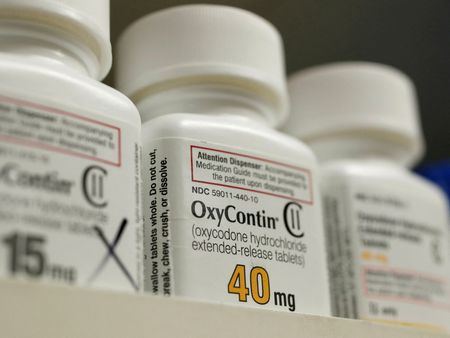
The pharmaceutical company responsible for OxyContin announced Friday that it has officially shut down operations and finished its bankruptcy process, transforming into a nonprofit organization dedicated to fighting opioid addiction under new leadership featuring government and healthcare professionals.
The company, which entered Chapter 11 bankruptcy proceedings in 2019, had previously outlined plans to become the new nonprofit entity Knoa Pharma through a $7.4 billion bankruptcy agreement designed to direct all company resources toward addressing opioid crisis damages. Thousands of legal cases targeted the pharmaceutical giant for its contribution to America’s opioid epidemic, and the company has admitted guilt twice to federal criminal charges related to OxyContin marketing practices.
The completion of the company’s criminal sentencing earlier this week cleared the last obstacle for implementing the bankruptcy restructuring plan.
During Tuesday’s sentencing proceedings, numerous opioid crisis survivors shared personal accounts of addiction struggles, family losses, and heartbreak. Court documents reviewed by Reuters and victim interviews highlighted significant dissatisfaction with the bankruptcy settlement’s complicated payment process for those harmed, with approximately 40% of individual compensation requests already denied.
In 2020, the company admitted guilt to charges involving misleading federal oversight agencies about efforts to prevent illegal OxyContin abuse and acknowledged providing financial incentives to physicians to increase drug prescriptions. This followed a previous 2007 guilty plea for deceiving medical professionals and regulators about OxyContin’s addictive properties.
The new nonprofit’s board of trustees features Rahul Gupta, former director of the White House Office of National Drug Control Policy during the Biden administration; Paul Rothman, previous Johns Hopkins University School of Medicine CEO; and David Saltzman, Atria Health and Research Institute co-founder.
The transformed organization plans to distribute overdose reversal medications and addiction treatment drugs at production cost or below.
“Through not-for-profit access to overdose reversal medicines and treatments for opioid use disorder, Knoa Pharma is committed to providing care and saving lives in communities most affected by the opioid crisis,” Rothman said in a statement.
The majority of settlement funds will be distributed to state and municipal governments that absorbed opioid addiction costs in their areas, while $865 million has been designated for individual claimants who developed opioid dependencies or lost family members.
The pharmaceutical company responsible for manufacturing OxyContin will cease operations and transform into a public-focused organization as a comprehensive legal agreement involving thousands of opioid lawsuits becomes active this Friday.
This agreement represents one of the most significant in a string of legal resolutions addressing the devastating impact of opioid addiction in recent years. The case has drawn particular attention because many experts trace the origins of America’s opioid crisis to the aggressive marketing campaigns surrounding OxyContin, a potent prescription pain medication that entered the market in 1996.
Federal statistics indicate that opioid overdoses have claimed more than 500,000 American lives since 1999. The crisis initially stemmed from prescription painkillers, later shifted to heroin, and has now reached its deadliest phase with fentanyl-related deaths.
The Purdue agreement mandates a minimum payment of $7.4 billion. The majority of these funds—no less than $6.5 billion—will come directly from Sackler family members who previously held ownership of the company. The family relinquished control of the pharmaceutical manufacturer before its 2019 bankruptcy filing and has surrendered all ownership stakes. The settlement creates Knoa Pharma as Purdue’s replacement, featuring a state-appointed board dedicated to combating the opioid epidemic.
Analysis from the Opioid Settlement Tracker shows that total opioid litigation settlements have reached an estimated $50 billion since 2019. Companies that have reached agreements with state and local authorities include drug manufacturers, distribution companies, pharmacy chains, and consulting firms. Settlement terms typically require that most funds address epidemic-related issues.
Purdue’s settlement payments will be distributed over an 18-year period, with larger amounts scheduled for the initial years.
The Department of Justice investigation into Purdue resulted in criminal charges against three individuals and a corporate guilty plea by the company.
In 2024, five Supreme Court justices rejected an earlier settlement version, determining that Sackler family members would have inappropriately gained personal lawsuit protection through the corporate bankruptcy proceedings. The final agreement allows groups that decline payments to pursue legal action against family members.
A 2019 audit revealed that Sackler family members collected $10.8 billion from Purdue between 2008 and 2018, with no distributions received since that time. Nearly half of those funds went toward taxes the Sacklers paid on the company’s behalf. Congressional analysis in 2021 estimated the family’s combined net worth at $11 billion.
The settlement requires the release of 30 million company documents to the public. Similar to other opioid industry materials, these records will be housed at the University of California San Francisco and Johns Hopkins University.
Individuals who can demonstrate harm from prescribed Purdue opioids may receive up to $48,000 in compensation, along with survivors of those affected. Other major industry settlements do not provide direct payments to victims.
Connecticut has enacted new legislation that eliminates religious exemptions for state-mandated vaccinations, a move that legal experts anticipate will face court challenges. The law removes the ability for families to cite religious beliefs when seeking to exempt their children from required immunizations.
The new statute includes specific provisions stating that Connecticut’s Religious Freedom Restoration Act cannot be invoked to avoid vaccination requirements for students attending public or private educational institutions. Legal experts suggest the Trump administration may launch an investigation into Connecticut regarding this new vaccination policy.
Delaware seniors who rely on Medicare Advantage plans should prepare for potential reductions in supplemental benefits such as fitness memberships, vision care, and dental coverage starting next year, according to industry analysts and investment professionals.
Federal officials announced this month that payments to insurance companies operating Medicare Advantage programs for individuals 65 and older or those with disabilities will increase by an average of 2.48% for 2027. Dr. Mehmet Oz, who leads the Centers for Medicare & Medicaid Services, has been working to reduce federal healthcare program expenditures.
Insurance company leaders have indicated in recent weeks that these payment rates, despite being higher than initially proposed, remain insufficient. Humana specifically announced Wednesday that benefit reductions would be necessary.
Supplemental services such as vision, hearing, dental care, fitness programs, meal delivery, and transportation support have successfully attracted approximately half of the nation’s 70 million Medicare beneficiaries to choose managed care options over the government’s traditional fee-for-service model.
Industry observers expect benefit reductions and potential market exits from certain regions could help Humana and competitors like UnitedHealth Group’s UnitedHealthcare and CVS Health’s Aetna manage increased expenses, according to five investment professionals.
Medicare Advantage programs represent 80%, 33%, and 12% of total revenue for Humana, Aetna, and UnitedHealthcare respectively.
“All insurers are likely to cut back on benefits, but Humana will be cutting back the most,” stated Kevin Gade, chief operating officer at Bahl and Gaynor.
Reducing these supplemental benefits tends to encourage expensive members with higher medical utilization to switch to different plans, Gade explained.
A CVS Health representative said, “Aetna continues to offer quality insurance coverage in a manner that is sustainable for our clients and our business.” UnitedHealth chose not to provide comment.
During a Wednesday conference call with analysts and investors, Humana CEO Jim Rechtin explained that benefit cuts would be necessary to achieve profitability goals, though the company would attempt to preserve the most valued member benefits.
“We will adjust benefits to remain on track to deliver our 2028 commitment of returning to a sustainable margin of at least 3%,” Rechtin stated.
Bobby Hunter, who oversees government programs at UnitedHealthcare, mentioned earlier this month that Medicare Advantage funding remains below expectations for 2027, but did not indicate specific benefit reductions.
An AHIP spokesperson, representing the insurance industry trade organization, commented: “As health plans incorporate recently released policies, they will continue to focus on keeping coverage and care as affordable as possible.”
Morningstar analyst Julie Utterback noted that Humana has been providing more comprehensive benefits in its 2026 offerings compared to competitors.
“Potential benefit changes in 2027 may just be a matter of leveling the playing field for Humana relative to peers,” Utterback observed.
Medicare Advantage insurers typically wait until June to reveal plan modifications, she noted. Given UnitedHealth’s recent statements, Utterback suggested changes are “not out of the question.”
Investment professionals indicated that Medicare Advantage companies would distinguish themselves through quality, or “Star” ratings, which influence bonus payments and enhance profitability.
“You have to be very particular within managed healthcare right now, especially companies with high government exposure and average ‘Star’ ratings, which is where Humana sits,” said Stephanie Link, chief investment strategist at Hightower Advisors, which holds less than 1% of UnitedHealth shares.
Medicare Advantage enrollment begins in October, coinciding with U.S. midterm elections that will decide whether Republicans maintain Congressional control. Voter frustration over increasing costs typically impacts the governing party.
“When Medicare Advantage funding doesn’t keep pace with costs, seniors pay the price. We’ve seen it play out year after year,” said Susan Reilly, vice president of communications at Better Medicare Alliance, a coalition supporting these plans.
Senior citizens consistently vote in substantial numbers.
Alex Mills, a professor at Baruch College’s Zicklin School of Business, suggested customers might be caught off guard by rising out-of-pocket expenses, potentially creating political pressure.
“It would not be shocking if there’s somewhat of a backlash,” said Bill Smead, founder and chief investment officer of Smead Capital.
A concerning movement known as ‘looksmaxxing’ is gaining traction among teenage boys and young men, prompting child development experts to sound the alarm about potentially harmful practices being promoted online.
This emerging trend focuses on maximizing physical attractiveness through various methods, but specialists warn that some techniques being promoted can pose serious health risks to impressionable young people seeking to improve their appearance.
Mental health professionals and pediatric experts are now encouraging parents to engage in open conversations with their sons about developing a healthy relationship with their body image and understanding the difference between safe self-improvement and dangerous practices.
The phenomenon has caught the attention of researchers who study adolescent behavior, as social media platforms continue to amplify content that may influence young people’s perceptions of ideal physical standards.
Experts emphasize the importance of fostering positive self-esteem in young men while teaching them to critically evaluate online content that promotes unrealistic or potentially harmful beauty standards.
Nebraska launched new Medicaid work requirements on May 1st, marking the first implementation of rules that will soon affect most states across the nation.
The new mandate requires many Medicaid recipients in Nebraska to demonstrate employment as a condition of maintaining their healthcare coverage. This change comes as a result of President Trump’s budget legislation, which establishes similar work verification requirements that other states must begin enforcing starting in January.
The implementation has generated concern among healthcare advocates and beneficiaries who worry about potential coverage gaps for vulnerable populations who may struggle to meet the employment documentation standards.
Delaware State University doctoral candidates have earned a spot in the final round of a prestigious national competition focused on compassionate healthcare initiatives.
The students advanced to the concluding phase of the Robert Wood Johnson Foundation’s Compassion Challenge, a competitive program that highlights innovative approaches to improving health and wellness in communities across the country.
The foundation’s challenge seeks to identify and support groundbreaking ideas that demonstrate how compassion can be integrated into healthcare practices and community health solutions.
Delaware State University’s doctoral program participants now compete alongside other finalists from institutions nationwide for recognition and potential funding of their compassionate healthcare proposals.
WASHINGTON – Federal health officials are facing scrutiny after a government database inadvertently made healthcare workers’ Social Security numbers available to the public, according to an investigation published Thursday by the Washington Post.
The security breach involved a Medicare database that fed information into a physician lookup tool launched last year by the Centers for Medicare and Medicaid Services. The directory was designed to assist elderly patients in locating medical providers in their area.
According to the Post’s findings, the compromised database could be accessed by anyone and contained sensitive personal information including Social Security numbers that were connected to healthcare providers’ names.
Officials with the Centers for Medicare and Medicaid Services have not yet provided a response regarding the data exposure incident.
A cutting-edge Israeli company is revolutionizing mental health treatment through what it calls ‘automation therapy’ – an innovative approach that combines artificial intelligence with gentle physical movements to help people overcome stress and trauma.
Emanuel Natanov, co-founder of the biofeedback company ARHIMOTION, believes modern society has created a dangerous mismatch between human biology and contemporary life demands. People are naturally designed as social creatures who thrive in communities built on trust, but today’s world has replaced these foundations with digital isolation and relentless technological pressures that our nervous systems weren’t built to handle.
“We are forced into a high-paced global competition where the demand for speed, higher salaries, and mercantile achievement creates unbearable pressure,” Natanov told The Media Line. “We see this clearly in our stress-driven economy, where the constant push for immediate results and wealth generation keeps workers in a state of chronic hyperarousal, while the overwhelming flood of information paralyzes our ability to make decisions, essentially eroding our spiritual foundation.”
Natanov further explained that “by prioritizing economic velocity over human well-being, we have created a world of global tension where we are running faster than our biology allows, leaving us materially ambitious but spiritually and emotionally exhausted.”
The solution, according to Natanov, lies in nervous system regulation – helping individuals sleep better, respond less impulsively, and feel physically secure. He views this individual transformation as the building block for broader societal improvement.
“When we transform a stressed, reactive individual into a calm, balanced parent, partner, or colleague, that ripple effect creates the tolerance and collective well-being we envision,” Natanov explained. “Ultimately, success is normalizing ‘mental fitness’ so that happiness becomes a sustainable state, not just a fleeting moment.”
Medical research has extensively documented how prolonged stress can trigger severe health complications and debilitating symptoms, including persistent headaches, exhaustion, irritability, and emotional instability.
Several years ago, shortly before the October 7 massacre, Natanov – who had spent over 15 years working in the technology sector – came to a startling realization. He noticed that society frequently employs technology to boost productivity while ignoring the human element. This insight sparked his desire to reverse that trend and make technology work in service of human health and wellbeing, “because we cannot truly succeed if our mental well-being is broken.”
This epiphany led to ARHIMOTION’s creation – a biofeedback enterprise that merges clinical neuroscience, sophisticated robotics, and artificial intelligence. Traditional biofeedback devices monitor involuntary bodily responses like heart rate and skin temperature, then transform this data into visual or auditory signals.
When Hamas launched its attack on Israel, the company hadn’t yet obtained the funding necessary for expansion or completed its regulatory testing programs. This limitation restricted how many people they could assist during this crucial time period.
Nevertheless, the massacre and continuing conflict motivated the team to accelerate their efforts. The company rapidly opened its facilities to offer complimentary therapy sessions to those impacted, and encouraging outcomes quickly emerged.
“This [October 7] situation proved to me, not just as a founder but as a daily user of the technology, that the urgency is 1000% real,” Natanov said. “We witnessed a nation in trauma facing a severe shortage of therapists, a gap that our robotics were designed to fill. If we had the resources to deploy even just 15 additional automated units, we could have treated thousands more, effectively providing an ‘army’ of automated support.”
Understanding ARHIMOTION’s Technology
ARHIMOTION operates on the principle of ‘automation therapy,’ where artificial intelligence systems function as supportive companions by helping individuals restore internal balance.
According to Natanov, automation therapy “transforms the user from a passive recipient into an active creator of their own care.” He differentiated it from wearable devices that simply monitor information and from applications that provide unchanging content. ARHIMOTION merges therapeutic treatment and diagnostic capabilities into one comprehensive, adaptive system.
“We are building a platform where advanced AI doesn’t just deliver a pre-set treatment; it allows us to ‘teach’ it,” Natanov said. “Users and therapists can program their own therapeutic sessions, customizing movements and sensory inputs, and share them with a community. In this model, the AI acts as a student and an optimizer. Through advanced data analysis and policy learning, it observes which user-generated sessions are most effective, learning from our collective wisdom to continuously refine and create the ‘best’ therapy protocols. … The therapy evolves faster than any static medical device ever could.”
More specifically, ARHIMOTION consists of a biofeedback system that, in its present form, is integrated into a mattress with potential for expansion into additional formats. During what the company terms a ‘therapeutic session,’ patients recline on the bed and initially receive guidance from a therapist’s voice until the movement itself assumes control and leads the person into profound relaxation.
During an ‘active biofeedback session,’ which ARHIMOTION refers to as ‘mental fitness training,’ patients actively engage with the system while receiving real-time feedback. In this configuration, the AI operates similarly to a personal fitness coach.
Therapists can also utilize the system’s ‘creator mode,’ lying on the bed and directing the AI to develop new treatment protocols instantly, training the system to recognize specific biological markers for future patients. As explained on the Mayo Clinic’s website, biofeedback devices ‘mirror’ physiological processes. This enables individuals to immediately observe the effects of changes they’re implementing through actions like controlled breathing and improved management of bodily functions such as heart rate and muscle responses.
“We aren’t rewriting biology; we are simply speaking its language,” Natanov said. “The mechanisms we activate are deeply rooted in our nature, much like the instinct to rock a crying baby to soothe them. We leverage scientifically validated methods like vestibular stimulation, which has extensive research supporting its ability to regulate emotions, along with bilateral stimulation and vibration therapy, which are well-known for releasing muscle tension and calming the nervous system. These are primal, effective pathways that the human body already understands and trusts.”
Natanov describes this approach as ‘body biofeedback.’
The company has progressed beyond theoretical concepts and is now preparing for clinical validation through active partnerships with hospitals to prove the technology’s effectiveness. Natanov stated that ARHIMOTION is pursuing funding, has already developed the testing protocol, and has established a partnership with Tel Aviv’s Hormesis health and wellness center.
“Think of our system like automated robotic surgery: the robotics provides the physical intervention, while the AI acts as the ‘surgeon’s brain,’” Natanov explained. “The Internet of Medical Things is the nervous system that binds them into a living, learning entity. It doesn’t just connect the parts; it creates a continuous value loop.”
He expanded on this concept, explaining that on an individual basis, the system enables remote therapy sessions, allowing verification of the device’s mechanical performance and enabling therapists to conduct sessions from distant locations. On a broader scale, it powers the company’s data analysis capabilities. Collecting anonymous information across thousands of sessions enables ongoing protocol improvement and can even provide regional or national perspectives on mental health patterns. This capability gives the system predictive abilities similar to diagnostic applications, but based on direct physiological responses.
Natanov emphasized that the specific algorithms controlling how the system adapts remain confidential, but he stated the ultimate objective is for the system to actively train patients to manage their own stress responses.
Regarding people suffering from post-traumatic stress disorder (PTSD), insufficient clinical evidence currently exists. Natanov mentioned the team has received input from psychiatrists suggesting that the platform shows effectiveness for acute trauma, particularly sleep disruptions, which are often fundamental to PTSD.
“By physically resolving that immediate physiological tension and restoring the ability to sleep, we are directly addressing the acute root of the trauma, not just managing long-term stress,” Natanov said.
He noted that, on a community level, the number of people utilizing the system could serve a vital function.
“Take, for example, soldiers dealing with PTSD or people suffering from anxiety due to the war and geopolitical situation. When the society around them is also highly stressed, it becomes less tolerant and has no patience for their pain,” Natanov said. “This creates a dangerous downward spiral: the person is already suffering, and the lack of societal support makes their condition even worse. We focus on stress because if we can lower the general pressure, we don’t just heal the individual; we build a more tolerant society that gives people the space they need to actually recover.”
Consider Eden, who shared her experience through video with ARHIMOTION and requested that her complete name not be disclosed. Eden, who also works in the technology sector, had tried various treatments to help her better cope with life’s pressures. Yet she stated, “I never experienced anything like ARHIMOTION.”
Eden reported that an 18-minute session felt like an hour, as she became so deeply relaxed that time appeared to slow down.
“I felt like I was healing, letting go of my whole body,” she said. When the session concluded, Eden described her body as “full of strength. I felt like I could run a marathon, even though I have never run before. I felt so much energy.”
This feeling persisted for hours following the treatment.
While many users approach the technology with skepticism and the experience may sound too promising to believe, Natanov explained that people are willing to attempt it because their need for relief is so urgent. Since the technology is medication-free, non-invasive, and physically resembles a comforting massage, there are relatively few obstacles to beginning treatment.
He observed that the greater challenge involves earning the confidence of the investment community, which is more familiar with digital applications and pharmaceutical solutions. Investors frequently have difficulty understanding the economic potential and urgency of this type of therapy.
“We find ourselves constantly having to educate the market on why this tangible, robotic revolution is the inevitable next step for mental health,” Natanov commented.
Natanov has published extensively on his company’s blog about how robots can support therapeutic care, from interactive systems that engage directly with patients to technologies that provide remote assistance or companionship.
He stressed that robots can offer more accessible, consistent, and ‘non-judgmental’ therapy for people who struggle with traditional cognitive therapy methods.
This doesn’t mean concerns don’t exist. Natanov recognized fears that people using tools like his for treatment might become overly dependent on technology. Simultaneously, he argued that some alternatives may be even more concerning, pointing to what he described as the world’s ‘opioid and benzo crisis.’
According to research published by the National Institute on Drug Abuse, combining opioids and benzodiazepines can increase overdose risk because both drug types can cause sedation and suppress breathing. In 2021, the institute documented that more than 10% of overdose deaths involving opioids also involved benzodiazepines.
Natanov noted that dependency isn’t exclusive to machines. It’s also a recognized issue in traditional psychotherapy, where patients can become excessively reliant on their human therapists.
The use of robots in therapy also presents ethical considerations, particularly concerns about the potential for emotional attachment to machines. Natanov stated he believes the most ethical approach is one that works with nature rather than against it. “Because our solution is based on natural mechanisms, like rocking or vibration, it creates an intuitive, subjective experience where consent is felt physically. We see this clearly in our data: about 90% of users naturally adapt and surrender to the motion, while 10% instinctively feel it isn’t for them, preferring options like medication, yoga, or sport. We respect that completely. We don’t believe in a single universal solution.”
Looking ahead, ARHIMOTION plans to develop additional automation therapy solutions, including applications for neurological disorders, complex rehabilitation, and physiotherapy.
Natanov stated Israel will continue serving as the company’s research and development center. In the United States, the device is already being utilized as a flexible exploration platform, rigorously testing diverse body biofeedback configurations to refine its models in a different cultural environment. The company has also contacted an institute in Germany to help facilitate entry into the European market.
“We are proud to be the pioneers defining this category, proving that the most effective way to treat stress in a chaotic world is through intelligent, automated physical intervention,” Natanov concluded. “We plan to lead this revolution, believing that even a small improvement in individual resilience can create a massive ripple effect for society.”
Mississippi Governor Tate Reeves announced Wednesday the formation of a new state office dedicated to managing the distribution of nearly $206 million in federal funding designed to enhance rural healthcare services.
The newly created office will operate under the governor’s supervision with certified public accountant Richard Grimes serving as its director. Alongside the office launch, Reeves introduced a public website intended to offer citizens clear visibility into state healthcare initiatives, available funding, and program advancement.
“This is a massive step forward for healthcare in Mississippi,” Reeves stated in a press release. “By establishing a dedicated office and launching this website, we are putting the structure and transparency in place to deliver real, lasting improvements for our rural communities.”
Mississippi received the substantial funding allocation in December through the federal Rural Health Transformation Program. The nationwide $50 billion initiative provides payments to states across a five-year period, specifically targeting support for rural healthcare facilities and helping offset anticipated challenges from federal budget reductions approved by Congress during the summer.
The governor’s administration spearheaded Mississippi’s funding application last fall and maintains control over how the money gets distributed. The state’s comprehensive strategy encompasses a statewide rural health evaluation along with programs focused on care coordination, workforce development, establishing a statewide health information network, expanding telehealth services, and upgrading infrastructure.
Several state lawmakers have voiced dissatisfaction with their limited involvement in both the application process and fund allocation decisions, criticizing what they view as insufficient transparency from Reeves regarding program management.
“If you haven’t received a personal invitation from the governor, you have no input at all,” Senate Public Health Chairman Hob Bryan, a Democrat from Amory, previously told Mississippi Today.
State legislators approved oversight legislation in March designed to ensure rural communities receive the program funding and mandate spending reports to the Legislature. However, Reeves rejected the bill, contending it might threaten the state’s funding access by creating delays in distribution and potentially costing up to $1 billion over the five-year period. Lawmakers were unable to successfully overturn his veto.
In Wednesday’s announcement, Reeves emphasized that the funding will face scrutiny from the Centers for Medicare and Medicaid Services along with federal procurement regulations.
“Governor Reeves and his staff worked to address and push back on proposed state legislation that could have introduced unnecessary complexity or slowed implementation, ensuring the State remains well-positioned to execute its vision effectively,” the press release stated.
The Centers for Medicare and Medicaid Services is currently reviewing states’ program budgets. Mississippi’s budget remains pending approval, according to the state’s program website.
The website indicates that funding application information will be published once final details are confirmed. Mississippi must utilize the $206 million federal award by September 2027, or the funds will be reallocated to other states per CMS requirements.
The Trump administration has filed a legal appeal seeking to reverse a federal court ruling that halted efforts to reduce childhood vaccination recommendations across the nation.
Wednesday’s appeal comes as a delayed response to a March 16 court decision that prevented Health Secretary Robert F. Kennedy Jr. from eliminating widespread vaccination recommendations for children. The blocked changes would have ended routine recommendations for flu shots, rotavirus, hepatitis A and B vaccines, certain meningitis protections, and RSV immunizations for kids.
Federal Judge Brian Murphy also halted proceedings for a vaccine advisory committee that Kennedy had restructured. The court-imposed freeze remains active during the appeals process.
The administration’s brief appeal filing offered no explanation for why the court’s block should be removed. Federal health officials have not provided comment on the filing or explained the six-week delay in submitting their appeal.
This legal challenge stems from a lawsuit initiated in July by the American Academy of Pediatrics along with other medical organizations. The original case focused on Kennedy’s decision to discontinue COVID-19 vaccination recommendations for most children and expectant mothers.
Medical groups expanded their legal challenge as Kennedy implemented additional policy changes that concerned healthcare professionals. The updated lawsuit sought court intervention to prevent the reduction of the national childhood immunization schedule and address Kennedy’s modifications to the Advisory Committee on Immunization Practices.
Kennedy, who was a prominent vaccine critic before assuming his current role as the country’s chief health official, dismissed all 17 members of the advisory panel and appointed replacements that include multiple vaccine skeptics.
Judge Murphy, appointed by former Democratic President Joe Biden, determined that Kennedy’s committee restructuring likely broke federal regulations. The court suspended both the new appointments and any decisions made by the reformed panel.
The Republican administration recently modified the committee’s charter to expand member qualification criteria, potentially allowing Kennedy supporters to join. However, this change has not resolved the ongoing legal dispute, according to Richard Hughes IV, legal counsel for the pediatrics organization.
Hughes expressed disappointment this week over the government’s decision to appeal but voiced confidence in ultimately winning the case. He vowed to stop Kennedy’s “steady destruction of vaccine policy and public health.”
A 30-year-old woman named Justene Bologna is struggling with more than $200,000 in educational debt from her undergraduate and graduate studies, creating significant mental health challenges alongside financial strain.
“I have severe stress and anxiety,” Bologna explained.
Bologna’s financial struggles extend beyond her educational loans. After welcoming twins several years ago, she also faces mounting medical bills. The combined debt burden has restricted her daily spending power, making it difficult to purchase groceries and cover essential expenses while also straining her personal relationships.
“Sometimes people underestimate the way that these big financial stresses impact all of the aspects of our lives,” explained Helen Colby, a professor at Indiana University.
Following the pandemic pause on federal student loan payments, over 40 million Americans have resumed making payments on their educational debt. The combination of higher living costs and increasing debt in other areas is creating widespread difficulties.
Financial experts recommend three approaches for managing the mental health effects of educational debt:
When debt becomes all-consuming and interferes with long-term planning, Colby suggests designating specific periods to step away from financial concerns and concentrate on broader life objectives.
“Sometimes we can give ourselves permission to stop worrying about those other things and focus on the big picture if we delineate the time,” Colby noted.
During these broader planning sessions, some individuals may discover they need to change careers for better income opportunities, while others might consider relocating to areas with lower living costs to free up money for debt payments. Regardless of the specific strategy, creating dedicated time for planning can provide relief even during stressful periods, according to Colby.
Managing finances effectively requires understanding your total debt load and creating a repayment strategy. However, when the prospect of reviewing those numbers feels overwhelming, Colby recommends using mental bootstrapping techniques.
“It’s this idea that, if you’re doing to do something you really don’t want to do, either giving yourself a reward afterwards or doing something fun and then going to do that thing that you really don’t want to do,” Colby described.
This might involve watching an hour of an uplifting television program before spending time on budget review, or enjoying a favorite treat after dedicating several hours to debt repayment planning.
Combining enjoyable activities with stressful financial tasks can make challenging goals more manageable to accomplish.
Since debt often creates feelings of isolation, discussing your situation with trusted family and friends can benefit your overall well-being.
“In many situations, I talk with people and their family doesn’t know they’re struggling, their friends don’t know, their boss doesn’t know,” Colby observed. “And you don’t necessarily have to share everything.”
Opening up about financial concerns to whatever degree feels comfortable can help reduce the stress burden you’re carrying.
A Minnesota healthcare worker’s financial stability crumbled when medical emergencies struck her family twice. Jennifer Vall watched her debt pile up after her son received a leukemia diagnosis in 2020, followed by her own thyroid cancer discovery a year later.
Despite starting with excellent credit and no existing debt, the 37-year-old Department of Human Services training specialist found herself drowning in medical expenses totaling thousands of dollars.
“I was able to utilize my credit to survive because one thing with cancer is (that) bills don’t stop just because somebody gets sick,” Vall explained.
The financial burden took a severe toll beyond her bank account. Vall prioritized medical care and debt payments while neglecting her mental health needs.
Certified financial therapist Ashley Agnew warns that monetary stress manifests in physical symptoms. “When you’re under a great deal of financial stress, it does present physically in forms of insomnia, migraines, and relational troubles,” Agnew noted.
After struggling for years to reduce her medical debt, Vall eventually partnered with a debt management company to address her remaining $21,000 balance.
Financial experts recommend three essential steps for those facing similar healthcare debt challenges:
Begin by calculating your total debt amount, Agnew advises. Understanding exactly what you owe creates the foundation for developing an effective repayment strategy.
“It’s important to take a deep dive in. What parts of that are accumulating interest? How far out is the debt in the 30, 60, or 90-day cycle?” Agnew added.
Getting a comprehensive picture of your financial situation allows you to craft a specific debt elimination plan. Consider contacting organizations that specialize in creating manageable payment arrangements if needed.
During her son’s treatment, Vall purchased everything he wanted to comfort him through his difficult journey. Though her son has recovered, she now questions some of those spending decisions.
“At the time, it was rightfully so,” Vall said. “And looking back, I don’t know that I would have changed that. But part of me regrets doing that, (given) that he is here and there is more to be given to him.”
Agnew encourages people in similar situations to practice self-compassion instead of dwelling on past financial choices. Remember that you made the best decisions possible given your circumstances at the time.
While working toward debt freedom, consider defining your future relationship with money. This might involve setting concrete objectives like homeownership or focusing on intangible goals such as creating meaningful memories with loved ones.
“When you really take a deep dive into your money story and into your relationship with money, what’s really fulfilling?” Agnew said. “Sometimes it’s not a thing but an experience or a feeling.”
A young soccer instructor had already blocked access to sports betting applications when he discovered prediction market platforms.
A tax professional described experiencing “the same high” from these trading sites that he felt while gambling. “That was how I relapsed — with Kalshi and Polymarket. I lost a bunch of money.”
The explosive expansion of prediction markets has ignited an intense regulatory battle unfolding in courtrooms and state capitals nationwide. Platform operators argue they should face oversight similar to stock exchanges due to federal regulations and their peer-to-peer trading structure, while sports betting companies and state authorities believe they require the same supervision as gambling platforms.
As this dispute continues without resolution, mental health professionals treating gambling disorders express growing concern about patterns they observe in their patients. In treatment settings, sports betting and prediction markets produce nearly identical outcomes.
Two individuals struggling with gambling addiction who shared their experiences with The Associated Press — the soccer instructor and tax professional — describe experiencing relapses on prediction platforms after taking legal steps to shield themselves from sports betting temptation. They are identified by profession due to the sensitive nature of their circumstances. Their experiences mirror what specialists report seeing among their clients.
“There may be real differences in how these products are defined or regulated, but in the therapy room, we are often seeing the same cycle of anticipation, action and reaction play out again and again,” said Dr. Cynthia Grant, the vice president of clinical for Birches Health, which operates a national network of providers for treating gambling addiction.
“I sometimes think of it like different doors into the same room. The label on the door may change, but once someone’s inside, the experience can feel very familiar.”
Sports betting sites and prediction markets provide many comparable wagering opportunities. Bets on games, player statistics and various outcomes. However, their operational structures differ.
Sports betting platforms employ internal specialists who establish odds determining payouts for successful wagers. It’s the house competing against bettors. Prediction market participants exchange contracts based on yes-or-no propositions, with gains and losses determined by market dynamics. Successfully holding a “yes” position on an event where most traders chose “no” yields larger returns. Prediction markets typically generate revenue through contract fees.
For those battling addiction, these represent two routes to identical consequences.
The soccer instructor who contacted the AP began gambling at age 16. Small wagers with neighborhood friends in New York, covering everything from card games to basketball and tennis. Upon turning 18, he frequented casinos and placed bets through sportsbooks. Facing increasing losses, he turned to prediction markets.
“I would be in all this debt and get a paycheck for $2,000 on a Friday and it would be gone by Saturday or Sunday,” said the instructor, 21. “I wouldn’t have money to fill up my gas tank.”
He struggled with loans and maxed-out credit cards while working and attending college before stepping away in January to address his addiction issues, which also included marijuana use.
He joined Gamblers Anonymous and was instructed to avoid associating with people who gamble.
“For a younger crowd, that’s difficult because it’s everywhere,” the instructor said. “My friends from childhood — most of them all gamble.”
Both the instructor and tax professional had formally excluded themselves from sportsbooks before beginning to trade on prediction markets. Self-exclusion programs allow gamblers to ban themselves from gambling establishments and betting applications. Many states offer these as part of gambling regulations, but no comprehensive national system exists.
The self-exclusion landscape becomes even more complicated when prediction markets are considered. Kalshi launched a voluntary opt-out program when it introduced a customer protection center in March 2025, joining several platforms — including Polymarket — collaborating on a national self-exclusion system for prediction markets. Whether this program would integrate with state gambling regulator systems remains unclear.
The accountant, 33, said his gambling issues began after New York launched legalized mobile sports betting in January 2022. He accumulated “a boatload of debt” by August 2023 when he disclosed his situation to his then-fiancée.
She proceeded with their marriage. Seeking to reduce expenses after their wedding, they moved into a rental property owned by his parents. He excluded himself from sportsbooks. Following the couple’s pregnancy loss, the accountant began day-trading before registering with Kalshi.
“Prediction markets are the same thing packaged in a different way,” the accountant said. “It’s a dangerous loophole. … How can you do all that and say you’re not a sportsbook?”
Tennis became his preferred sport — he appreciated the match pace — before entering rehabilitation in Virginia last year.
He experienced a setback in December when he downloaded Polymarket and placed a complimentary $10 wager. His wife, who had access to his email through her phone, confronted him and contacted his sponsor.
Although no comprehensive research exists on prediction markets’ impact on sports gambling addiction, the experiences of the instructor and accountant are familiar to treatment specialists.
“You’re seeing a lot of the same behaviors, whether it’s a prediction market or it’s gambling,” said Jody Bechtold, the CEO of The Better Institute, a Pennsylvania practice that works with people impacted by gambling disorders. “You’re seeing, you know, wagering more and more. Chasing losses, so ‘Oh, today was a bad day, I have to work tomorrow at the prediction markets to get my money back.’ … The lies, the secrecy, and that it’s impacting everyday life.”
Kalshi representative Elisabeth Diana emphasized its responsible trading programs — including trading pauses and self-imposed limits — and mentioned ongoing development of additional measures to promote healthy trading practices.
Compared to casinos, Diana stated, Kalshi is “fairer, more transparent, and less predatory.”
“There is no house that wins when customers lose,” she said. “This means that Kalshi doesn’t hook losers and penalize winners.”
Polymarket did not respond to requests for comment.
Sports have emerged as a significant category for prediction markets. Kalshi recorded over $2 billion in total trading volume during this year’s NCAA men’s basketball tournament, according to Diana. Michigan’s 69-63 championship victory over Connecticut generated $10.6 million in volume on Polymarket.
The U.S. market for sports-focused event contracts could reach approximately $1.1 trillion in annual volume, according to a Bank of America analysis.
“A year ago, if you said prediction markets, I mean I don’t know what that is, I don’t see it,” said Dr. Timothy Fong, the co-director of the UCLA Gambling Studies Program. “Now we’re starting to see it more and more in our patients that come into the clinic. And it’s usually not one, it’s multiple platforms they’re betting on, right? … When you have something that’s available, that’s accessible, that’s anonymous, is super easy to use, multiple times in a day, of course that’s going to raise the risk of addiction for any human on Earth.”
Multiple active lawsuits involve states and prediction markets, with consequences from the legal dispute affecting various levels.
Marlene Warner, the CEO of the Massachusetts Council on Gaming and Health — a private nonprofit health organization providing educational gambling programs and other services — described the prediction market situation as feeling “a bit like the wild, wild west right now.”
“We’re very used to like going to our state regulator or, you know, seeing a process go through where all of a sudden now you’re like, ‘OK, a piece of legislation has outlined what is appropriate for a licensed sports betting operator to do,’” Warner said. “And then you see the regulation come into place. And so you can track it. But right now, nobody knows kind of what the limits are.”
In most states with legal sports gambling, participation is restricted to ages 21 and older, while prediction markets accept 18- to 20-year-olds with some exceptions. Prediction markets also operate in states where sports betting remains illegal, including Texas and California.
“I don’t know enough frankly, we don’t know enough, nothing’s been studied about them, I can’t tell you whether they’re more less or exactly the same in terms of risk level,” Warner said. “But what I do know is they’re in a very gray, unregulated space and that alone makes it difficult.”
Prediction markets operate under federal Commodity Futures Trading Commission jurisdiction, which maintains regulations prohibiting event contracts “that involves, relates to, or references terrorism, assassination, war, gaming, or an activity that is unlawful under any state or federal law.”
CFTC chairman Michael Selig supports prediction markets in their legal battles against multiple states, claiming the commission’s “exclusive jurisdiction over these markets.”
While this debate continues, the soccer instructor and tax professional work to rebuild their lives — remaining vigilant about their addictions.
“You have to face this stuff or it just keeps getting worse,” the instructor said.
An Iraq War combat veteran has discovered an unexpected approach to managing post-traumatic stress disorder through the art of bourbon appreciation and mindful tasting techniques.
Fred Minnick, who served in Iraq, struggled like many returning veterans to find effective ways to cope with what he eventually recognized as PTSD. His path to healing came through developing what he terms “taste mindfulness” while exploring bourbon.
Minnick recently hosted a bourbon tasting event at Cordelia restaurant in Cleveland’s historic area as part of promoting his latest book, “Bottom Shelf: How a Forgotten Brand of Bourbon Saved One Man’s Life.”
The veteran’s approach combines traditional mindfulness practices with the sensory experience of bourbon tasting, creating a unique method for finding calm and focus. His story highlights how veterans sometimes discover unconventional but effective ways to address the mental health challenges that can follow military service.
Through his book and speaking engagements, Minnick shares how this unexpected combination of bourbon appreciation and mindful practice helped him process his wartime experiences and find a sense of peace.
Federal health authorities announced Wednesday that American baby formula contains minimal levels of harmful substances following an extensive contamination study described as the most comprehensive analysis ever conducted.
The examination was part of the Food and Drug Administration’s Operation Stork Speed initiative, which officials characterized as the most thorough investigation of its kind. Results indicated the nation’s infant formula supply poses no safety concerns, according to agency representatives and independent specialists.
“There’s no reason not to use any available formula” in the U.S., said Dr. Steven Abrams, a pediatrics professor at the University of Texas at Austin who reviewed the findings.
Between 2023 and 2025, FDA researchers examined more than 300 commercial infant formula samples, screening for heavy metals like lead, arsenic, cadmium and mercury. The investigation also looked for pesticides, plastic-related chemicals called phthalates, and PFAS compounds, commonly referred to as “forever chemicals.”
All contamination levels registered as either undetectable or extremely minimal, officials reported. Heavy metal concentrations fell significantly below Environmental Protection Agency standards for drinking water. Pesticides were absent in 99% of tested samples. Among 30 different PFAS compounds examined, 25 showed no presence whatsoever.
Independent specialists largely supported the government’s conclusions, explaining that trace amounts of substances like heavy metals occur naturally in the environment. However, other compounds including phthalates and PFAS are manufactured.
“These chemicals are completely synthetic,” said Dr. Sheela Sathyanarayana, a pediatrics professor at UW Medicine and the Seattle Children’s Research Institute. “The detection of some of these compounds at all is concerning.”
She emphasized the importance of continued formula monitoring and broader food supply oversight.
The Trump administration initiated Operation Stork Speed in March 2025, pledging to examine infant formula safety and quality standards for the first time in decades.
This effort expanded upon earlier FDA investigations into substances like heavy metals in baby foods, which can harm brain development, learning capabilities and behavior in children, Abrams explained.
Currently, the FDA lacks enforceable heavy metal limits for infant formulas, unlike the European Union, Canada and Australia.
Consumer advocacy organizations have pressed the FDA for years to establish concrete contamination limits. Last year, Consumer Reports analyzed 41 American infant formulas and suggested many contained troubling levels of heavy metals and other contaminants.
That analysis applied its own safety standards, setting thresholds far stricter than European Union requirements. The report received widespread attention and caused some parents to abandon commercial formula even when medically necessary, Abrams observed.
Abrams urged the FDA to maintain ongoing formula monitoring and publish findings regularly.
Abbott, among the country’s major formula manufacturers, encouraged the FDA to establish scientific contamination standards for infant formula.
“We believe that producing infant formula at scale in the U.S. is a matter of national security,” Abbott spokesman John Koval said in an email. “These results affirm the safety of our current domestic supply.”
Federal health officials announced Wednesday that comprehensive testing confirms baby formula sold throughout the United States meets safety standards for infant consumption.
The Food and Drug Administration examined over 300 samples from 16 different manufacturers distributed across the country, according to their latest report.
Investigators looked for dangerous substances including heavy metals like arsenic, cadmium, lead and mercury, along with pesticides, synthetic chemicals, and phthalates.
Most samples showed either no detectable contamination or extremely minimal levels, federal officials reported.
Health Secretary Robert F. Kennedy Jr. has been working to minimize chemicals in food products and initiated a comprehensive review of infant formula nutrition standards last year. Earlier this year, federal health authorities documented 28 confirmed cases of infant botulism connected to ByHeart formula through February — marking the first global outbreak of this type linked to baby formula, according to the FDA.
Although contamination levels remained low overall, certain samples required additional examination, the FDA noted. Regulators examined powdered formulas, ready-to-use liquids and concentrated liquid products.
Test results showed mercury was absent in 95% of samples, lead was undetectable in 20% of samples, 99% showed no measurable pesticides and most PFAS chemicals were not found.
Officials also examined a limited number of breast milk samples, discovering that most contained at least one measurable contaminant, while 15% showed no contamination.
Trace amounts of contaminants may occur naturally in food products, including baby formula and breast milk, or may enter through environmental contact during manufacturing processes.
Federal health agencies launched Operation Stork Speed last year, a program designed to verify the quality, safety and nutritional standards of domestically produced infant formula.
The FDA announced it will maintain ongoing testing and release findings from additional surveys, while Secretary Kennedy plans to conduct a roundtable discussion with industry leaders in May.
“Producing infant formula at scale in the U.S. is a matter of national security, and these results affirm the safety of our domestic supply,” Abbott, maker of Similac, said on Wednesday, adding its U.S. formulas meet heavy metal limits set by the EPA, the European Commission and Health Canada.
Advocates for unpasteurized milk are working to expand access to the controversial product nationwide, despite ongoing health concerns and a recent E. coli outbreak that has affected nine people, including several young children.
Legislative efforts supporting raw milk sales have emerged in 18 states during the current session, with more than 40 bills aimed at making unpasteurized dairy products easier to purchase and distribute. Research conducted using bill-tracking software found these measures span both Democratic and Republican-controlled states.
The movement has gained momentum from high-profile supporters and social media campaigns. Health Secretary Robert F. Kennedy Jr. publicly consumed raw milk at the White House last year and has previously vowed to end what he called “aggressive suppression” of the product. Online posts promoting unsubstantiated health benefits of raw milk have increased significantly in recent months.
These developments concern public health authorities, who have consistently cautioned that non-pasteurized dairy can contain harmful bacteria. The latest outbreak, connected to raw milk cheddar cheese produced by California’s Raw Farm, has infected nine individuals with E. coli, with half of those affected being children under age 5.
Current legislative proposals vary in scope. Some bills would authorize human consumption sales in states that currently prohibit it, while others aim to streamline or expand existing legal sales. Over three dozen states already permit raw milk sales for human consumption.
Federal lawmakers are also considering related legislation. A bipartisan House bill would prohibit federal agencies or courts from restricting raw milk transportation between states where sales are already legal.
Donald Schaffner, a food science professor at Rutgers University, warned that increased availability will likely lead to more disease outbreaks.
Medical experts and scientists continue to advise against consuming raw milk. The FDA and Centers for Disease Control and Prevention maintain websites documenting risks of severe illness from bacteria including campylobacter, listeria, salmonella, and E. coli.
CDC data shows more than 200 outbreaks linked to unpasteurized milk between 1998 and 2018, affecting over 2,600 people and resulting in 225 hospitalizations. Additional research indicates raw dairy products cause 840 times more illness and 45 times more hospitalizations compared to pasteurized alternatives.
Children face particular vulnerability to these illnesses due to developing immune systems and frequent milk consumption, according to Alex O’Brien, safety and quality coordinator for the Center for Dairy Research in Madison, Wisconsin. However, adults can also experience severe complications.
Mari Tardiff of Ashland, Oregon, spent five months hospitalized after consuming campylobacter-contaminated raw milk in 2008. Medical professionals diagnosed her with Guillain-Barré syndrome resulting from the bacterial infection. She required ventilator support and experienced temporary paralysis and loss of speech.
“Your whole life is completely blown apart,” Tardiff, now 70, reflected.
Raw milk supporters welcome the increasing availability. Even where retail sales for human consumption remain prohibited, consumers can access products marketed for pets or participate in “herd share” programs where they purchase partial ownership in dairy operations.
Producers emphasize their commitment to safety protocols. Ben Beichler of Creambrook Farm in Middlebrook, Virginia, which operates through herd shares, noted his family’s daily consumption of their own product.
“My family and my wife, who’s currently pregnant, drink about a gallon of our own raw milk every single day,” Beichler explained. “So if there’s anybody who has a vested interest in making sure our milk is safe, it is us.”
Beichler described his 150-cow operation’s safety measures, including veterinary oversight, regular herd inspections, and weekly laboratory testing for common pathogens.
As raw milk gains market presence, stakeholders across the debate increasingly support regulatory frameworks.
“It’s kind of like legalization of weed, right?” Schaffner observed. “If people want it, we should find a way to regulate it and do it safely.”
Advocates for unpasteurized milk are working to expand availability of the controversial product nationwide, despite ongoing health concerns and recent illness outbreaks affecting American children.
The Associated Press discovered that state lawmakers have introduced more than 40 pieces of legislation supporting expanded raw milk access. An increasing number of states are legalizing sales of the product, with dairy producers reporting they struggle to maintain inventory despite prices reaching $10 to $20 per gallon.
High-profile government figures and social media personalities are fueling this trend. Health Secretary Robert F. Kennedy Jr. consumed raw milk at the White House last May and has previously vowed to end what he calls “aggressive suppression” of the product. Social media discussions about unpasteurized milk have increased dramatically in recent months, frequently promoting unsubstantiated health benefit claims.
These developments concern public health authorities, who have consistently cautioned that unpasteurized milk may contain dangerous bacteria. A recent outbreak connected to raw milk cheddar cheese from California’s Raw Farm has infected nine individuals with E. coli, including five children under age 5. One patient developed severe complications that could permanently damage kidney function.
Washington University biology professor Petra Anne Levin questioned the product’s popularity.
“If you wouldn’t lick a cow’s underneath, why would you drink raw milk?” she said. “There’s a reason pasteurization is around.”
The pasteurization process eliminates harmful bacteria by heating milk to at least 161 degrees Fahrenheit for a minimum of 15 seconds. Scientists emphasize this treatment doesn’t significantly affect milk’s nutritional value and has prevented millions of foodborne illnesses.
However, some consumers prefer unpasteurized milk despite known dangers. Both supporters and opponents increasingly advocate for federal oversight of the product.
“People want access,” said Mary McGonigle-Martin, co-chair of Stop Foodborne Illness, a consumer advocacy organization. “Public health has lost the battle on raw milk.”
Eighteen states have introduced pro-raw milk legislation during current sessions, spanning both Democratic and Republican-controlled legislatures.
The AP examined legislation across all states using Plural bill-tracking software, analyzing proposals that expand or simplify access to unpasteurized milk and related products. More than 40 bills introduced through late April would facilitate purchasing, selling, or consuming raw milk.
Several proposals would authorize raw milk sales for human consumption for the first time. New Jersey’s Senate bill would establish a raw milk licensing program.
“You can buy cigarettes. You can buy alcohol. You can buy quote-unquote legalized marijuana,” said Republican state Senator Michael Testa, who sponsors the legislation. “Why shouldn’t someone be able to consume raw milk?”
If enacted, New Jersey would join over three dozen states permitting raw milk sales. Rutgers University food science professor Donald Schaffner predicts broader access will likely increase outbreak frequency.
Additional bills aim to manage or expand existing legal sales. Iowa House legislation would help farmers sell unpasteurized products by allowing sales at farm stores alongside items like meat.
Republican state Representative Chad Ingels, the bill’s sponsor, initially opposed legalizing raw milk due to safety worries.
“But it’s law now, and I’m very pro-local foods,” said Ingels, who expects his current bill to pass. “I just thought it made sense to allow those farm businesses to sell all their products in one location.”
Missouri has two bills permitting unpasteurized dairy sales in grocery stores, farmers’ markets, or similar venues, provided products include warning labels about potential harmful bacteria and herds undergo testing.
“We just want to make it more accessible, so that way, people have the freedom of choice,” said Republican state Representative Bryant Wolfin, who sponsored one proposal.
The legislation specifically references the Raw Milk Institute, defining standards based on the California organization’s guidelines or requiring farms to obtain institute certification.
Raw Farm owner Mark McAfee leads the organization, which claims to improve raw milk safety and quality. While Wolfin supports this approach, Schaffner argues the institute emphasizes advocacy over risk management, noting McAfee’s farm has been connected to multiple outbreaks.
The number of raw milk bills that will pass this year remains uncertain, but federal legislation is also under consideration.
A bipartisan House bill would prevent federal agencies or courts from restricting raw milk movement between states where sales are legal. Kentucky Republican Thomas Massie and Maine Democrat Chellie Pingree introduced the Interstate Milk Freedom Act in March.
Legal experts say the federal government could take additional steps to increase raw milk availability regardless of congressional action. The FDA could eliminate interstate sales restrictions or establish national standards while encouraging state enforcement.
FDA officials didn’t respond to inquiries about the likelihood of such measures.
Despite raw milk’s growing popularity, scientists and public health professionals advise against consumption. FDA and CDC websites document serious illness risks from various bacteria, including campylobacter, listeria, salmonella, and E. coli.
CDC research identified more than 200 raw milk-related outbreaks between 1998 and 2018, sickening over 2,600 people and hospitalizing 225 individuals.
Separate analysis revealed raw dairy products cause 840 times more illnesses and 45 times more hospitalizations compared to pasteurized alternatives.
Alex O’Brien, food safety coordinator for Wisconsin’s Center for Dairy Research, explained that children face particular vulnerability due to developing immune systems and frequent milk consumption.
Before milk safety standards were implemented over a century ago, approximately 25% of American foodborne illnesses involved dairy consumption, O’Brien noted. Currently, dairy products account for roughly 1% of such illnesses. Historical research shows 19th-century infant mortality rates were 30-60 times higher than today, with thousands dying annually from “summer diarrhea” primarily caused by heat-worsened bacterial milk contamination.
O’Brien, who grew up on a farm and has consumed raw milk, said drinking it once might not cause harm, but risks increase with repeated exposure.
Consumer advocate Martin believes understanding raw milk risks has become more challenging in today’s political environment.
“They can’t grasp it, or they think it’s so rare it won’t happen to them,” she said.
Martin’s son Chris nearly died in 2006 after consuming E. coli-contaminated raw milk from Organic Pastures, Raw Farm’s former name. For two decades, Martin has worked to educate people about dangers and hold suppliers responsible.
Mari Tardiff of Ashland, Oregon, spent five months hospitalized after drinking campylobacter-contaminated raw milk in 2008, seeking what she called “a natural probiotic.”
Doctors diagnosed Tardiff with Guillain-Barré syndrome from her campylobacter infection. She required ventilator support, experienced temporary paralysis and speech loss, and later used a wheelchair and hospital bed at home, needing her husband’s help turning every two hours to prevent pressure sores.
“Your whole life is completely blown apart,” she said.
Despite her experience, the 70-year-old said she wouldn’t advise other adults about raw milk consumption, though she worries about children receiving it.
“If you make a mistake, it’s one thing to come to terms with when you’re the one dealing with the consequences,” Tardiff said. “But holy moly … if I did something like that and one of my kids or my grandchildren was going through what I went through, I would never forgive myself.”
Raw milk supporters celebrate increasing availability. Even where retail sales for human consumption are prohibited, consumers can purchase products marketed for pets or join “herd share” programs that provide partial dairy herd ownership.
“I’ve been involved in raw milk for roughly 14 years,” said Ben Beichler of Creambrook Farm in Middlebrook, Virginia, which operates through herd shares. “To see how public perception and political perception has altered over the years with raw milk is quite exciting.”
Beichler emphasized safety as paramount.
“My family and my wife, who’s currently pregnant, drink about a gallon of our own raw milk every single day,” he said. “So if there’s anybody who has a vested interest in making sure our milk is safe, it is us.”
Beichler’s 150-cow operation works with veterinarians for regular herd examinations and maintains safety protocols including weekly laboratory testing for common bacteria.
In Foristell, Missouri, Tony Huffstutter said his family conducts daily bacterial testing in an on-site laboratory at Twisted Ash Farm & Dairy, where they maintain 15 cows and sell raw milk for $29 per gallon.
“You can’t just go out there, throw a bucket under the cow and start milking it,” he said. “There are so many steps in doing it right.”
He argued raw milk shouldn’t be regulated differently from other natural products like spinach, which has caused previous foodborne outbreaks.
“They don’t pasteurize the salad,” he said. “They don’t force you to only buy cooked salad.”
With raw milk gaining ground, Martin believes FDA regulation as strict as pasteurized dairy oversight might be the best approach.
McAfee agrees. “High standards and testing should be part of that,” he said.
Food safety expert Schaffner also supports regulation. While he has serious concerns about giving raw milk to children, he describes himself as “a raw milk libertarian” regarding adult consumption.
“It’s kind of like legalization of weed, right?” he said. “If people want it, we should find a way to regulate it and do it safely.”
However, he noted there’s already a reliable method for making raw milk safe.
“It’s called pasteurization,” he said. “And it works really well.”
Health centers treating HIV patients across Senegal are experiencing a significant decline in visits as widespread arrests of LGBTQ individuals create fear among those seeking care, according to health officials and government records obtained by Reuters.
The West African nation recently strengthened its anti-LGBTQ legislation, extending maximum prison sentences for same-sex relationships from five to 10 years. Officials also established penalties of up to 10 million CFA francs ($18,000) for promoting such activities, despite homosexuality already being prohibited in the country.
Since early February, when President Bassirou Diomaye Faye’s administration began preparing the enhanced legislation, human rights advocates and news organizations report that 86 individuals have been detained. A particularly large operation on April 19 resulted in 18 arrests in Linguere, located 186 miles northeast of the capital Dakar.
Two people have already been convicted under the strengthened legislation.
Authorities have charged those detained with “acts against nature,” with some facing additional accusations of intentionally transmitting HIV to others. Government officials have not confirmed the total number of people arrested.
Information from Senegal’s National Council for the Fight Against AIDS (CNLS) indicates that patients are avoiding essential antiretroviral medications that both treat HIV and prevent transmission, driven by concerns about potential arrest or mistreatment.
Government representatives, police officials, and lawmakers who supported the legislation did not respond to requests for comment.
Dr Safiatou Thiam, who previously served as health minister and currently leads CNLS, noted that some Senegalese news organizations have taken the unprecedented step of publishing complete names and HIV status information of arrested individuals, potentially exposing them to additional discrimination and harm.
“We certainly fear, and this has been confirmed, that this wave of arrests will have repercussions for our work,” she stated, emphasizing that healthcare providers remain dedicated to protecting patient privacy and encouraging law enforcement to follow similar practices.
According to UNAIDS data, Senegal stands among only four nations in West and Central Africa where new HIV cases have increased in recent years.
A community health worker who previously distributed HIV testing materials and prevention resources in Dakar now remains confined to their home out of fear.
“I don’t dare leave the house anymore, so I’m literally holed up inside. I double-lock all the doors and windows just to avoid being found,” the worker said, requesting anonymity due to safety concerns.
“I’m afraid there will be more deaths related to HIV… people will be afraid to show or keep their medication. Some won’t even want to continue their treatment for fear of being seen or associated with it.”
Reuters previously reported that Senegalese supporters of the anti-LGBTQ legislation coordinated with a U.S.-based “pro-family” organization that characterizes homosexuality as a public health risk.
CNLS surveyed 22 HIV treatment facilities over three days in late February, following concerns that the arrests would reduce HIV testing and disrupt ongoing treatment programs.
Survey results revealed that 1,803 patients received care in February, compared to 2,425 in January – representing a 25.6% decrease.
Additional interviews conducted by CNLS with more than 50 men who have sex with men revealed they were staying away from treatment sites due to fears of being reported, arrested, or experiencing verbal and physical abuse.
Dr. Cheikh Bamba Dieye, who heads the research division at CNLS, confirmed that the unpublished findings clearly demonstrate a connection between the arrests and reduced patient numbers.
While Senegal’s overall HIV rate of 0.3% remains much lower than the most affected countries in southern Africa, new infections have risen by 36% from 2010 to 2024, according to UNAIDS statistics.
When patients discontinue treatment, the virus becomes more easily transmissible to others.
HIV cases in Senegal are primarily concentrated among key populations, particularly men who have sex with men, where government data shows a prevalence rate of 27.6%.
The World Health Organization has recently cautioned about emerging HIV outbreaks among men who have sex with men and has called on governments to eliminate punitive legislation, decrease discrimination, and combat anti-LGBTQ violence.
Responding to Senegal’s new law, UNAIDS stated: “Evidence shows that criminalization causes people to turn away from health services.”
While the HIV treatment centers surveyed by CNLS provide care to all HIV patients, certain groups appear more likely to experience treatment interruptions.
The National Alliance Against AIDS (ANCS), an organization serving key populations, sent a February 23 email to partners announcing it was “suspending interventions aimed at the groups most exposed to HIV/AIDS, in particular MSM and transgender people.”
The message, reviewed by Reuters, cited “the difficult working environment” created by the arrests as the reason for this decision.
The new legislation includes language stating that health organization activities will not be considered illegal.
While some men who have sex with men have relocated to neighboring countries including Mauritania, Gambia, and Ivory Coast, others who remain in Senegal have adopted a low-visibility approach.
“We’ve seen a lot of people lost to follow-up care in hospitals because they think, ‘as soon as I go to a hospital to pick up my medication, I’ll be labeled a homosexual’,” explained the community health worker.
“I’m exhausted, emotionally and physically. It’s draining me, and I expect to be arrested at any moment – for helping my community access healthcare, for creating an organization that works for the well-being of LGBTQ people… and simply because I’m gay.”
A legal dispute heading to the Supreme Court could have major implications for prescription drug prices nationwide, potentially making medications more expensive for patients everywhere.
The nation’s highest court is preparing to consider the case Hikma v. Amarin, which involves a patent dispute over fish oil medications. Legal experts warn that the outcome could fundamentally change how generic pharmaceutical companies conduct their business operations.
The case represents a broader battle over drug patent rights that could determine whether patients will face higher costs at the pharmacy counter. Generic drug manufacturers are closely watching the proceedings, as the decision may reshape their ability to bring lower-cost alternatives to market.
While the dispute specifically involves fish oil-based medications, the ruling’s effects could extend far beyond that single category of drugs, potentially impacting the entire pharmaceutical industry’s approach to patent challenges and generic competition.
When race cars zoom around tracks at 200 miles per hour, drivers need powerful neck muscles to maintain focus and control. This physical demand has made neck conditioning a cornerstone of Formula 1 training programs.
As drivers prepare for Sunday’s Miami Grand Prix, many will pack specialized equipment designed to strengthen their necks. These athletes use weighted harnesses and intensive body-weight exercises to keep their heads stable while experiencing forces up to five times stronger than gravity during high-speed turns.
While office workers don’t face such extreme conditions, sports medicine expert Dr. Neeru Jayanthi from Atlanta believes F1 training methods could address a growing problem among computer users. Simple changes like improving screen posture and incorporating neck-focused workouts might reduce discomfort for people suffering from what’s commonly called ‘tech neck.’
Performance coach Antti Kontsas, who trained four-time F1 champion Sebastian Vettel and other racing stars, acknowledges the difference in requirements. “Does a normal person need to have a neck like an F1 driver? Probably not,” Kontsas said.
However, he told The Associated Press that “the healthy foundations are the same for the normal person and for the driver. Where you would start is exactly the same.”
Safety remains paramount when attempting any neck conditioning program. Medical consultation is essential, particularly for individuals with previous injuries or unexplained neck discomfort. Understanding personal limitations is crucial before beginning any exercise routine.
“It’s just knowing the loading, exposing gradually. That’s the safe way to progress,” Kontsas explains.
Modern F1 has evolved dramatically from earlier eras when drivers would smoke and drink before races. By the 1990s, seven-time champion Michael Schumacher from Germany demonstrated how cardiovascular fitness and strength training contributed to success, understanding that exhaustion leads to costly errors.
Kontsas emphasizes including neck muscles, or the cervical spine, when developing back and core exercise routines. Simple movements like maintaining head alignment during side planks can provide benefits. Another basic exercise involves lying flat.
“The most simple thing is lying on your back on a bench with your head hanging and then holding your head in a complete horizontal line. You’re holding your head still and seeing how long you can hold that. That’s a good way to train, particularly, the front musculature,” Kontsas said.
Professional drivers advance to resistance bands or weighted head harnesses for increased difficulty. The time commitment remains manageable – even F1 competitors typically dedicate just 10 to 15 minutes per session, two or three times weekly, according to Kontsas.
For desk workers, better neck health begins with posture awareness and simple movements like chin tucks to counter forward head positioning while viewing screens.
Jayanthi explains that ‘computer neck,’ which triggers pain in the neck, shoulders, and back, develops when “your head sits in different positions off the spine” during work.
“You sit in front of the computer for two, three, four hours, and you never realize that your head was in the wrong position the entire time,” he said. “So we can go back to positioning our neck and actually doing chin tucks and isometrics to push your head in the correct position on the spine. Just remind yourself every 30 to 60 minutes.”
Research suggests neck and trunk strength benefits extend beyond comfort, Jayanthi notes. Neck conditioning represents “one of the most accessible, least expensive” approaches for concussion recovery and prevention. Similarly, spinal strength can predict injury prevention in tennis players.
While measuring fitness impact on driving performance proves difficult, the prominence of Angela Cullen, seven-time champion Lewis Hamilton’s longtime personal physiotherapist, highlights the importance of physical preparation in Formula 1’s recent history.
The physical demands can overwhelm newcomers to elite racing. British driver Oliver Bearman, 18, made his F1 debut in 2024 with just two days’ notice, replacing Ferrari’s Carlos Sainz Jr. after emergency surgery. Despite fitness from Formula 2 competition, the F1 experience proved overwhelming.
When asked about his post-race condition, Bearman responded: “Destroyed.”
“Physically it was a really difficult race. … I think especially my lower back and my neck, it’s hurting,” Bearman added.
Federal health officials are actively recruiting new members for a critical medical advisory group that determines which preventive healthcare services Americans receive without charge.
The Department of Health and Human Services announced Tuesday it is accepting nominations for the Preventive Services Task Force, which has remained largely dormant for more than twelve months. The panel, normally composed of 16 healthcare professionals, has been operating with significant gaps after five volunteer positions became vacant in December.
Health Secretary Robert F. Kennedy Jr. recently criticized the group’s performance during congressional testimony earlier this month, stating: “That task force has been lackadaisical. It’s not been doing its job.”
Federal officials are specifically looking for medical professionals and researchers from various fields including heart specialists, cancer doctors, women’s health physicians, children’s doctors, family practitioners, and health economics experts. Those interested in submitting nominations have until May 23 to apply.
Healthcare professionals have expressed concern that the panel’s inactivity has created significant delays in updating important medical screening recommendations for cancer detection, cardiovascular disease prevention, and other vital health conditions.
The task force’s recommendations directly impact insurance coverage decisions, determining which preventive services must be offered to patients at no additional cost under current healthcare laws.
The well-known Ghirardelli Chocolate Company, based in San Leandro, California, has issued a voluntary recall of specific powdered drink mixes over concerns they may contain salmonella bacteria.
The company’s decision to pull these products comes after California Dairies, Inc. recalled milk powder ingredients due to potential salmonella contamination issues.
Salmonella contamination can pose serious health risks to consumers, particularly vulnerable populations such as young children, elderly individuals, and those with compromised immune systems.
Customers who have purchased the affected Ghirardelli powdered beverage products are advised to stop using them immediately and contact the company for further instructions.
Delaware is expanding mandatory health insurance coverage for chiropractic and physical therapy services as part of efforts to reduce opioid dependence among chronic pain patients.
Currently, Delaware law requires all health insurance plans in the state — including individual policies, group coverage, state employee benefits, and Medicaid — to provide unlimited chiropractic and physical therapy visits for chronic back pain treatment. However, this coverage has been limited to specific areas of the spine.
A recent evaluation by the Patient Centered Care Subcommittee, part of the Addiction Action Committee within Delaware’s Department of Health and Social Services, revealed important gaps in the current system. The subcommittee surveyed Delaware-based chiropractic and physical therapy practitioners to assess how well the existing coverage requirements were working.
While the survey results indicated that unlimited coverage has enhanced care for chronic pain sufferers, researchers discovered the benefits were restricted to only two spinal regions: the thoracic area (middle spine from neck base to rib bottom) and the lumbar region (lower back area).
Health officials noted that comprehensive chiropractic and physical therapy care can help patients avoid both opioid medications and costlier medical interventions. However, the current limitations on which body areas receive coverage may reduce treatment effectiveness and restrict patient recovery potential.
The new legislation addresses these concerns by expanding coverage requirements to include the entire spine plus other neuromusculoskeletal areas, including arms and legs, without annual or lifetime visit restrictions.
Insurance companies will need to comply with these enhanced coverage mandates for any policies that are issued, renewed, or modified after December 31, 2026.
The legislation also includes technical language updates to align with current Delaware legislative drafting standards.
A comprehensive investigation has uncovered how companies previously focused on boarding schools for wealthy troubled teens have shifted their attention to a vulnerable new market: adopted children.
Despite representing only 2% of children nationwide, adopted youth comprise an estimated 25-40% of those placed in the loosely regulated network of for-profit residential treatment facilities, wilderness programs, and boarding schools that experts call the “troubled teen industry.”
Former residents shared with investigators their belief that they became trapped in what amounts to a hidden orphanage system, where children face the exact outcome adoption was meant to prevent — instead of permanent loving homes, they found themselves warehoused for years in harsh and sometimes abusive institutions.
Former participants described these programs as prison-like environments, despite having committed no crimes and facing no formal sentences or judicial oversight. Parents typically make unilateral decisions about sending children away and determining the length of their stay.
Investigators spoke with numerous program participants, families, former staff members, government officials, lawyers and specialists, while reviewing hundreds of official documents and business records to understand how adopted children end up in these facilities despite their troubling histories.
These institutions command fees reaching $20,000 monthly by marketing themselves as specialists in treating adopted children for reactive attachment disorder, commonly known as RAD. They present themselves as solutions for overwhelmed adoptive parents, claiming children’s behavioral issues stem from an inability to form healthy relationships with caregivers that can be corrected through distant treatment.
However, mental health professionals assert that most teenagers in these facilities likely don’t suffer from RAD, and the treatments provided wouldn’t address the condition even if they did have it.
According to Brian Allen, a psychologist who directs the mental health program at Penn State’s Center for the Protection of Children, the diagnosis applies to young children who experienced such severe early neglect that forming bonds with caregivers becomes difficult.
Allen explained that the condition was originally identified in severely understaffed foreign orphanages where infants received minimal human contact or affection. The Diagnostic and Statistical Manual of Mental Disorders specifies it affects children under 5 who become so emotionally withdrawn they don’t seek comfort when frightened or upset. The condition is exceptionally uncommon and doesn’t apply to older children who experienced early neglect but exhibit behavioral problems years later.
Yet some practitioners broadly apply RAD diagnoses to virtually any adopted pre-teen or teenager displaying behavioral challenges, Allen noted. His clinic examined 100 adopted and foster children referred for treatment and found that while roughly 40% had received RAD diagnoses, none actually met the clinical criteria.
Allen advocates removing RAD from official diagnostic manuals, arguing the diagnosis has become too “corrupted.” Nevertheless, numerous facilities continue advertising RAD treatment services.
“Often what sweeps in is this overpromise, a very seductive promise from residential treatment centers,” explained Sloan Nova, a University of California San Francisco psychologist who was adopted from South Korea in the 1980s and later placed in a treatment facility as a teenager.
“So it just sounds almost too good to be true.”
The investigation identified significant financial incentives driving the targeting of distressed adopted children. Researchers found at least 80 private facilities marketing services for adoption-related issues.
Many operations began as small programs using behavioral modification methods historically based on Christian principles, according to experts. Today, public and private investment firms attracted by substantial profit potential and steady client flow have been purchasing centers and commercializing treatment approaches.
This dependable revenue stream enables investors to enter “into these markets risk free,” according to Raj Kumar, a healthcare analyst at financial services firm Stephens.
Kumar noted that residential treatment centers promise attractive 20% profit margins by minimizing staff expenses and maximizing treatment duration. This approach succeeds partly because these facilities face far fewer regulations than other residential healthcare settings like nursing homes.
Family Help & Wellness, a private equity-backed company operating more than a dozen facilities nationwide, currently faces multiple abuse-related lawsuits.
In a statement, the company said its programs operate independently and that it supports stronger industry regulations while working to enhance oversight and improve care quality aligned with current best practices.
“The safety, well-being, and long-term success of every young person and family are our priority,” the company stated. “We recognize this is an area of increasing public attention and scrutiny, understandably so, given the real impact on young lives.”
The consequences can be severe: Two of the company’s North Carolina facilities closed in the past two years following student deaths.
Kate, whose full name is being withheld due to her status as a sexual assault victim, spent most of her adolescence in institutions, including two later acquired by Family Help & Wellness. She reports being sexually assaulted by another student at Asheville Academy before transfer to Utah’s Uinta Academy.
Kate was 13 upon arriving at Uinta Academy. During her first night, she experienced a panic attack when her roommate extinguished her night light. She had feared darkness since the assault at her previous facility and ran to curl up while crying and hyperventilating.
Three staff members approached her, but instead of offering comfort, they forced her face-down onto the carpet while shouting that she was “OIC” — “out of instructional control.” For approximately an hour, they restrained her with one person on each arm and a third holding her legs.
Kate described screaming “I can’t breathe” as mucus ran from her nose. Eventually she fell silent from exhaustion and was released to sleep without her night light.
Students were required to follow all instructions without question while maintaining neutral facial expressions — no sighing, frowning, or crying permitted. Rule violations resulted in hours of scrubbing floors with toothbrushes while kneeling, or outdoor labor in 100-degree heat raking moldy hay and pulling weeds. The smell of freshly pulled weeds continues to nauseate her.
“We were afraid all of the time,” she recalled.
Her experience reflects broader patterns documented in a congressional investigation led by U.S. Senator Ron Wyden of Oregon, which found that facilities nationwide suffered from chronic understaffing leading to inappropriate physical restraints, inadequate mental healthcare, and widespread physical, sexual, and emotional abuse. The report, titled “Warehouses of Neglect,” detailed pervasive use of improper restraints, insufficient mental health services, and extensive abuse.
The investigation concluded that these facilities often operated more like detention centers for troubled youth rather than therapeutic environments where vulnerable children could heal.
German pharmaceutical company Boehringer Ingelberg announced Tuesday that their investigational weight loss medication achieved remarkable results in a major clinical study, with participants shedding an average of 16.6% of their body weight.
The comprehensive Phase III clinical trial tracked patients for 76 weeks and found those receiving survodutide experienced substantial weight reduction compared to just 3.2% weight loss among participants who received a placebo treatment.
The study focused on adults who were either obese or overweight but did not have type 2 diabetes as a complicating factor.
The German pharmaceutical giant obtained exclusive development and marketing rights for survodutide in 2011 through an agreement with Denmark-based Zealand Pharma, which will receive royalty payments from worldwide sales of the drug.
Complete findings from the Phase III study, designated as SYNCHRONIZE-1, are scheduled to be unveiled at the American Diabetes Association’s 2026 Scientific Sessions conference, taking place June 5-8.
The medication works by copying the effects of GLP-1, an appetite-reducing hormone found in the digestive system that is also targeted by injection treatments like Novo Nordisk’s Wegovy. However, survodutide also mimics glucagon, another digestive hormone, creating a dual-action approach that researchers believe may enhance weight reduction results.
Another pharmaceutical company, Altimmune, is also working on a treatment that harnesses these same two hormone pathways.
Earlier this year, survodutide showed encouraging results in middle-stage trials for treating fatty liver disease, also called metabolic dysfunction-associated steatohepatitis or MASH.
The pharmaceutical giant responsible for manufacturing OxyContin stands on the brink of dissolution this week as a sweeping legal agreement addressing thousands of lawsuits nears implementation.
On Tuesday, a federal judge is anticipated to hand down criminal penalties against the company, fulfilling the final requirement needed for the comprehensive settlement to move forward following a Department of Justice investigation.
However, individuals who have struggled with opioid addiction or mourned family members lost to these substances plan to urge the judge to reject the negotiated penalties, claiming the agreement fails to deliver genuine accountability.
The Connecticut-based pharmaceutical company struck an agreement with federal prosecutors in 2020 to settle both criminal and civil investigations it was confronting.
Purdue acknowledged it lacked adequate safeguards to prevent its potent prescription pain medications from reaching illegal markets, despite assuring the Drug Enforcement Administration otherwise.
The company also confessed to compensating physicians through speaker programs to promote prescriptions and funding an electronic health records firm to provide doctors with patient data that promoted increased opioid prescribing.
Criminal charges were filed solely against the corporation, not against individual executives.
The corporate admission of guilt and civil resolution with federal authorities carried $8.3 billion in asset forfeitures, financial penalties and fines. However, federal officials agreed through negotiations to accept only $225 million in return for the company securing a separate resolution to thousands of legal claims from state, municipal and tribal governments, plus additional organizations.
Following years of complex legal proceedings and over $1 billion in attorney and professional costs for all parties involved, a bankruptcy court judge gave approval to the broader agreement in November.
Implementation cannot proceed until criminal penalties are imposed. Federal District Judge Madeline Cox Arleo has scheduled consideration for Tuesday at a Newark, New Jersey courthouse.
Judge Arleo had initially planned to conduct last week’s sentencing through video conference exclusively.
Individuals affected by the opioid epidemic, which has contributed to over 900,000 fatalities nationwide since 1999, were set to deliver victim impact testimony.
The judge postponed proceedings after several dozen protesters—including those with addiction histories and bereaved family members—demonstrated outside the courthouse. She explained her desire to provide them an opportunity to speak and announced a one-week delay while offering in-person attendance options.
Over 54,000 individuals with personal injury claims supported the litigation settlement, while approximately 200 opposed it.
Critics have maintained vocal and persistent opposition.
Michele Wagner, whose son died from an overdose, expressed outside the courthouse last week her desire to see Sackler family members who control Purdue face criminal prosecution. “Justice to me looks like more than just money,” she said.
Kara Trainor, who is recovering from addiction that started with an OxyContin prescription in 2002 and participated on a settlement committee, supports approving the sentence because she believes it can provide resolution.
“For me to be the best version of myself in my own recovery, I had to start healing and gravitate away from the anger I felt,” she said. “The anger itself was poisonous to me. It was destroying my mental health.”
According to Purdue, if the judge delivers the criminal sentence Tuesday, the settlement could become effective by Friday.
The agreement requires Sackler family owners to provide up to $7 billion across 15 years. The majority of funds will support government efforts to combat the opioid crisis.
This represents one of the largest among numerous recent settlements involving drug manufacturers, distributors and pharmacies—and the only significant agreement including compensation for individual victims or their families.
Individual victim payments are projected to range between approximately $8,000 and $16,000.
Collectively, these settlements total more than $50 billion, with most funding designated to address the overdose crisis.
The Purdue agreement would protect Sackler family members from opioid-related litigation by those accepting payments. Family members withdrew approximately $10.7 billion from the company between 2008 and 2018, though they claim nearly half went toward business tax obligations.
Under settlement terms, Purdue would dissolve and transform into Knoa Pharma, a new entity with state-appointed leadership focused on addressing the opioid crisis. Millions of internal company documents will become publicly available.
Sackler family members have also committed not to challenge removal of their names from museums and other institutions they have funded.
Federal health regulators announced Monday their intention to revoke approval for a medication manufactured by Amgen that treats uncommon autoimmune conditions, following discoveries of serious safety issues and questionable approval processes.
The Food and Drug Administration’s drug evaluation division determined the medication, known as Tavneos, failed to demonstrate adequate effectiveness while also containing false information in its original approval submission.
Safety concerns escalated in March when federal investigators documented 76 instances of liver damage potentially linked to the medication. Among these cases, seven patients developed vanishing bile duct syndrome, a serious condition that can result in irreversible liver harm. Tragically, eight fatalities occurred within this group of affected patients.
The proposed withdrawal represents a significant regulatory action against the pharmaceutical company, highlighting ongoing concerns about drug safety monitoring and approval processes for treatments targeting rare medical conditions.
Federal health authorities are reporting a concerning outbreak of salmonella infections connected to backyard chickens and other poultry, with 34 confirmed cases across 13 states showing troubling resistance to standard antibiotic treatments.
The U.S. Centers for Disease Control and Prevention announced that the infections occurred between February 26 and March 31, resulting in 13 hospitalizations. Patients range from 1 to 78 years old, though children under age 5 represent more than 40% of those affected.
Cases have emerged in Florida, Illinois, Indiana, Kentucky, Maryland, Maine, Michigan, Mississippi, New Hampshire, Ohio, Tennessee, Wisconsin and West Virginia. Health officials warn additional cases may surface in other states as investigations continue.
Birds such as chickens, ducks, geese, guinea fowl and turkeys can harbor salmonella bacteria that causes human illness. Nearly 80% of patients interviewed had been in contact with backyard poultry, and over 90% of poultry owners had acquired their birds since January from sources including farm supply retailers.
Laboratory testing reveals bacterial samples from all 34 patients show potential resistance to at least one standard salmonella treatment drug. Some samples demonstrated resistance to four additional commonly prescribed antibiotics. When infections cannot respond to antibiotic therapy, patients face increased risk of severe complications or death.
This represents the latest in a series of similar outbreaks investigated by the CDC in recent years. A 2025 outbreak affected more than 500 individuals across 48 states, hospitalizing 125 people and causing two fatalities.
Young children, elderly adults and individuals with compromised immune systems face the highest risk of severe illness from these bacteria. Health officials emphasize thorough handwashing after handling poultry, their feed or equipment as the most effective prevention method. The CDC strongly advises against kissing or cuddling backyard birds.
Elias Shimon still feels overwhelmed when reflecting on his combat service in Gaza following the October 7 attacks.
The 29-year-old reservist with the Paratroopers Brigade participated in multiple combat operations against Hamas, fighting alongside fellow soldiers he described as courageous and strong, several of whom lost their lives in the conflict.
Shimon recalled engaging the enemy “under intense fire.”
While he didn’t receive a formal PTSD diagnosis, Shimon acknowledged that his combat experience fundamentally altered him, as it has countless other Israelis.
“As Israelis, it is one event after another, one tragedy after another,” Shimon told The Media Line. “We have been at war for almost three years. People cannot even begin to understand what we went through and how much we need to stop and deal with ourselves before we go on.”
Looking for an opportunity to work through his experiences, Shimon traveled to Montana through an initiative operated by Healing in Nature (HiN), an Israeli nonprofit organization that assists Israel Defense Forces combat veterans by providing therapeutic experiences in peaceful, natural environments throughout the United States. The initiative also uses cutting-edge research techniques and technology to establish a comprehensive healing atmosphere.
During his Montana retreat, Shimon spent 10 days in comparative solitude, removed from everyday stresses and responsibilities.
His experience included equestrian activities, cold water immersion, breathing techniques, and athletic pursuits, alongside consultations with licensed psychiatrists and social workers.
“We started a healing process,” Shimon said.
Co-founders Omri Barkin and Roei Friedberg established HiN to assist Israeli combat veterans in healing, reconnecting, and reconstructing their lives using natural environments, technology, and community support. The initiative combines nature-focused therapy, comprehensive healing methods, advanced research, and practical coping strategies.
According to Barkin, each participant undergoes an extensive months-long screening process that starts with a comprehensive one-hour questionnaire to collect preliminary information. After completing this assessment, participants engage in an evaluation conversation with one of HiN’s professionals to better understand their background and confirm the retreat’s appropriateness.
“We’re going to places that are so remote, so far away, we want to ensure the safety of the participants,” Barkin explained.
After initial screening, participants meet with a therapist for a preliminary session. They then participate in a comprehensive evaluation day at Tel Aviv University. This approximately four-hour session incorporates questionnaires, eye-tracking technology, and additional biofeedback measurements to better understand each participant and customize the program accordingly.
“That all happens before the 10-day retreat,” Barkin added. “When they return to Israel, they go through another evaluation day at Tel Aviv University. That one is about a month after their return.”
Participants typically come from the same military unit or share comparable combat backgrounds, even if they served in different capacities. For instance, a group might consist of lieutenant colonels who served in Gaza or Lebanon.
“It is important to create that organic feeling before they go on the retreat, so they can feel as comfortable as they can during the retreat,” he told The Media Line.
Program activities differ but primarily take place outdoors and encompass fishing, hiking, swimming in rivers or therapeutic springs, and peaceful reading near water.
“We start every morning with our alternative therapist for mind-body work,” Barkin said, noting that participants also engage in cold-water exposure, Tai Chi, and journaling. Group sessions with professionals including social workers and psychologists are also conducted.
A distinctive aspect of the program is what Barkin terms “organized free time,” where participants can choose their activities, provided they remain outdoors.
“I want them to be outside … in nature as much as they can,” Barkin added.
Many retreat locations are so isolated that cellular service and internet access are unavailable, enabling participants to completely disconnect without interruptions. Each evening, the group gathers to discuss the day’s experiences and complete brief feedback surveys.
What distinguishes HiN, according to Barkin, is not just the natural environment but also the scientific foundation of the program. Beyond the pre- and post-retreat assessments, participants engage in several months of continued monitoring. This involves responding to brief questionnaires three times daily for two weeks before and after the program to help researchers monitor their responses and progress following the retreat, and to evaluate the effectiveness of the tools provided.
Upon program completion, participants have a final summary conversation with their therapist.
“The main goal is really to check in on the participants to make sure they all return home in a good way,” Barkin said.
After all data collection is complete, information is compiled and forwarded to HiN researchers at Tel Aviv and Cambridge universities for examination. Several months later, participants receive individualized reports showing their progress compared to their initial assessment.
“We understand that creating a long-lasting effect is important,” Barkin said, explaining that HiN maintains an alumni network that remains connected and provides support to members, particularly when soldiers are recalled for reserve service.
Nimrod Hertz serves as HiN’s principal researcher. He explained to The Media Line that comprehensive research already demonstrates nature’s ability to provide a peaceful environment for recovery, and can help diminish hyperarousal and other trauma-related symptoms. He said the team expands upon this existing knowledge, along with research on the advantages of stepping away from routine life, and providing people space to heal by eliminating environmental stress factors.
“The premise was that there are a lot of great mental health initiatives in Israel aimed at veterans, especially workshops that focus on processing combat experiences,” Hertz explained. “The problem is that we don’t have enough evidence and scientific measurement to actually show, first of all, that these sorts of projects and programs are effective, and also we don’t have enough data showing the ways in which they are effective, meaning what the direct effects that these programs have are. What we wanted to do here is use science.”
Hertz explained that the research enables the team not only to better customize the program for participants’ requirements but also to refine and enhance it over time as additional information becomes available.
“We also believe that combining science gives us the opportunity to also use what we do in order to communicate knowledge further so that the effects of the program will not be just for the participants but also other people, the scientific community, the clinical community, the therapeutic community, not only in Israel but around the world. We see this as an opportunity to expand the effects beyond the program itself.”
Participants are monitored for approximately six months, spanning the period before and after the retreat. One significant discovery, according to Hertz, is that initial trauma responses don’t necessarily indicate long-term outcomes. In certain instances, symptoms naturally diminish over time.
“It very much resembles the entire clinical thinking or diagnostic thinking of trauma, where you don’t diagnose trauma over the first month because you know that in the first month, you can have a lot of different reactions that then can either relax over time or maybe they remain fixed, and then you develop PTSD,” he told The Media Line.
Hertz, working with other researchers from Israel, the UK, and the United States, published findings in the journal Elsevier demonstrating that some individuals who initially presented in severe condition improved over time without intervention.
“Which means sometimes that even if someone comes back and you are very concerned about them, so of course give them your attention, monitor them, make sure that you are there for them, but also hold the place in your mind to sort of wait and see if it naturally relaxes because it often happens. We also sometimes see the opposite trajectory, that people who started very low in terms of symptom severity all of a sudden are exacerbated over those two months.”
The team also examines how trauma impacts attention, observing that people frequently become more hypervigilant and develop increased sensitivity to potential dangers.
To better comprehend these reactions, researchers combine standard questionnaires with sophisticated tools. Artificial intelligence is integrated into clinical interviews, and facial recognition technology is utilized to evaluate biological indicators. This information is then examined alongside the content of participants’ interviews.
“For example, if a person is sharing an anecdote from their service and then we detect, for example, a heightened heart rate when they’re talking about it, it gives us a clue that this might be a trigger for that person, and even if that person doesn’t tell it as such or does not admit it,” Hertz said.
“One message that we want to send out is about the importance of being evidence-based and of measurement,” Hertz added.
He emphasized another crucial point is the necessity to differentiate between experiencing trauma and developing PTSD.
“There are traumatic exposures, and this by itself has an effect on people. It doesn’t need to qualify all the way to a full-blown post-traumatic stress to be distressing,” he said.
Barkin explained to The Media Line that he initially conceived the idea for HiN in 2016 following his participation in Operation Protective Edge. Though he sustained no physical injuries and didn’t develop PTSD, he said his father observed that he was having difficulties.
He eventually traveled in 2016 to visit family friends, the Wallis family of Missouri, who own a ranch in Montana. The visit proved profoundly therapeutic and motivated him to help others similarly. However, at that time, he was uncertain how to bring a group of reservists from Tel Aviv to Montana.
This changed following October 7. When his unit deployed to Gaza and he couldn’t participate due to a medical condition, he felt driven to take action. One month after the attack, he collaborated with Friedberg, who now chairs HiN, and together they decided to make the concept a reality. The Wallis family also joined the effort, providing their location and initial financing. The complete program costs approximately $10,000 per soldier.
Shortly afterward, the Jewish Federations of St. Louis, Minneapolis, Atlanta, and other private contributors became involved.
The initial group consisted of 15 reservists. Since then, over 100 have participated, and the waiting list has expanded to more than 600.
HiN doesn’t need to promote the program due to high demand. Barkin explained that the team carefully selects participants to maximize the program’s impact. The objective is to reach soldiers from underserved units and support them early, before symptoms deteriorate or create a broader community burden.
“The sooner we provide them with help and the tools that they need in order to heal, the better off our country is going to be in the long term,” he told The Media Line. “History will judge if we did it properly or not.”
He added, “I’m just trying to do my little good in this world.”
Shimon recognized that recovering from his wartime service is an ongoing process, but said HiN provided a crucial foundation.
“The Healing in Nature journey did not only help me with what I went through in Gaza, but in general,” he told The Media Line. “The program helped us look at our service and everything we have gone through in our lives and gave us space to talk … and leave the pain behind.”
He said he continues applying the techniques he learned from the program in his everyday life.
“I am building a better life and developing more and more as a person,” Shimon concluded. “I am a much better person than I was before I started the HiN journey.”
Health authorities in South Carolina announced Monday that the state’s devastating measles outbreak has officially concluded, marking the end of what became the nation’s most severe outbreak in more than three decades.
The declaration came after South Carolina reached the 42-day milestone on Sunday without any new cases connected to the outbreak. Since the crisis began in October, a total of 997 individuals contracted the highly preventable disease, with at least 21 requiring hospital care according to voluntary state reporting. Officials estimate the response efforts carried a price tag of $2.1 million.
“The outbreak was predominantly contained to one area of one county and never went statewide, thanks to timely investigations, identification of those exposed, and people’s willingness to stay home,” stated Dr. Edward Simmer, who serves as interim director of the South Carolina Department of Public Health.
Among the most infectious viruses in medical science, measles typically causes high fever, cough, runny nose and a distinctive rash, with most patients making full recoveries. However, vulnerable populations including very young children and immunocompromised individuals face serious risks including pneumonia, brain inflammation or death. The disease can also trigger long-term health complications for survivors. Two doses of the measles vaccine provide 97% protection and are considered safe.
The outbreak primarily affected northwestern Spartanburg County and represented the fastest-spreading measles crisis the United States has witnessed in recent decades, according to state health authorities. Public health workers documented over 650 cases during January alone, rapidly surpassing the 2025 West Texas outbreak that infected at least 762 people and claimed the lives of two school-aged children.
However, an earlier-than-expected drop in new cases brought relief to medical professionals and public health workers. Dr. Brannon Traxler, the state health department’s chief medical officer, noted several factors may have contributed to the decline. While natural immunity from recovered patients played a role, increased vaccination rates also helped slow transmission.
Despite initial hesitation, vaccination efforts gained momentum as public health teams, medical practices and pharmacies delivered nearly 82,000 measles vaccines between October and March. This represented a 30% jump compared to the same timeframe the previous year, with Spartanburg County experiencing a remarkable 94% surge in vaccinations.
State health workers mounted extensive containment efforts, issuing nearly 2,300 quarantine notifications, conducting over 1,670 case investigation phone calls, and collaborating with seven school systems to quarantine 874 students.
Despite South Carolina’s success, measles remains active across the country. This year has already produced 1,792 cases nationwide—representing nearly 80% of 2025’s record total—along with 22 separate outbreaks. Florida has documented 134 cases while Texas reports 180, based on Centers for Disease Control and Prevention data.
The most concerning situation currently involves an outbreak that began along the Arizona-Utah border before spreading throughout much of Utah. Since August, 607 Utah residents have contracted measles, while Mohave County, Arizona has recorded 282 cases. Genetic testing suggests the outbreak may have started six weeks earlier than initially detected and could be significantly larger than current reports indicate, according to research shared at a recent CDC conference.
While case numbers have decreased somewhat, it remains premature to predict an end to Utah’s outbreak, explained Dr. Ellie Brownstein, a Utah pediatrician serving as president-elect of the state’s American Academy of Pediatrics chapter. State records show southwestern Utah continues leading with 258 cases, though all 13 local health districts have reported at least one infection.
“It has marched through the state and is everywhere,” Brownstein observed.
South Carolina’s victory provides only temporary relief for health officials. A recent case connected to international travel in Saluda County, located west of Columbia, has forced 41 people into quarantine.
“We are certainly not letting our guard down, and I don’t think that South Carolinians who are still vulnerable to the virus, that don’t have immunity, should let their guard down,” Traxler emphasized.
The current surge follows a major outbreak that began in Canada during fall 2024, spreading throughout the Americas. Childhood vaccination rates against measles have declined for years across the United States as increasing numbers of parents choose to skip required school immunizations. International health authorities will decide in November whether the U.S. has lost its measles elimination status, which has been maintained since 2000.
Dr. Martha Edwards, who leads the South Carolina chapter of the American Academy of Pediatrics, described mixed emotions about the outbreak’s conclusion.
“I’m angry that many children and their parents had to worry about contracting or suffering through a disease that should have been nearly 100% preventable,” she stated.
Health authorities in South Carolina announced Monday that the state’s devastating measles outbreak has officially ended after going 42 days without any new cases connected to the epidemic.
The outbreak infected 997 individuals with the highly contagious, vaccine-preventable illness starting in October, making it the most severe measles crisis the nation has experienced in more than three decades. At least 21 patients required hospitalization according to voluntary reporting data, and state officials estimate the response efforts carried a $2.1 million price tag.
“The outbreak was predominantly contained to one area of one county and never went statewide, thanks to timely investigations, identification of those exposed, and people’s willingness to stay home,” stated Dr. Edward Simmer, who serves as interim director of the South Carolina Department of Public Health.
Measles ranks among the most highly transmissible viruses in medical science. While most patients recover after experiencing high fever, persistent cough, runny nose and the characteristic rash, serious complications can occur. Young children and immunocompromised individuals face risks of pneumonia, brain inflammation, and death. The disease can also trigger long-term health issues for survivors. Two vaccine doses provide 97% protection and are considered safe.
The epidemic was concentrated in northwestern Spartanburg County and represented the most rapidly spreading measles outbreak the country has witnessed in recent decades, according to state health authorities. Public health teams verified over 650 infections during January alone, quickly surpassing the 2025 West Texas outbreak that affected at least 762 individuals and resulted in two pediatric fatalities.
However, cases declined faster than experts anticipated, bringing relief to medical professionals and health workers. Dr. Brannon Traxler, the state health department’s chief medical officer, suggested several factors may have contributed to this trend last week. The outbreak may have naturally subsided as more people contracted the illness, but vaccination rates also improved significantly.
Despite initial reluctance, public health teams, medical practices, and pharmacies delivered nearly 82,000 measles vaccines between October and March. This represented more than a 30% jump compared to the previous year’s same timeframe. Spartanburg County experienced a dramatic 94% surge in vaccination rates.
The public health department implemented aggressive containment measures, distributing nearly 2,300 quarantine notifications, conducting over 1,670 case investigation phone calls, and collaborating with seven school districts to quarantine 874 students.
Measles transmission persists across the country. The United States has recorded 1,792 cases this year so far — representing nearly 80% of 2025’s record-breaking numbers — along with 22 new outbreaks. Florida has documented 134 cases this year while Texas reports 180, based on Centers for Disease Control and Prevention data.
The most pressing concern involves an outbreak that began along the Arizona-Utah state line and has now expanded throughout much of Utah. Since August, 607 people have contracted the disease in Utah, while Mohave County, Arizona has documented 282 cases. Genetic testing suggests the outbreak may have started six weeks earlier than initially detected and could be significantly larger than current reports indicate, according to research shared at a recent CDC conference.
While case numbers have decreased somewhat, it remains premature to predict an end to the Utah outbreak, explained Dr. Ellie Brownstein, a Utah pediatrician and incoming president of the state’s American Academy of Pediatrics chapter. State records show southwestern Utah continues reporting the highest case count at 258, though all 13 local health districts have documented at least one infection.
“It has marched through the state and is everywhere,” Brownstein noted.
South Carolina health workers have only brief respite following their outbreak’s conclusion. A case connected to international travel in Saluda County, located west of Columbia, emerged last week and resulted in 41 people requiring quarantine.
“We are certainly not letting our guard down, and I don’t think that South Carolinians who are still vulnerable to the virus, that don’t have immunity, should let their guard down,” Traxler emphasized.
The virus has experienced a resurgence throughout the Americas following a major outbreak that originated in Canada during fall 2024. Childhood vaccination rates against measles have declined for years across the United States as increasing numbers of parents choose to skip required school immunizations. International health officials will decide in November whether the U.S. has forfeited its measles elimination status, which has been maintained since 2000.
Dr. Martha Edwards, who leads the South Carolina chapter of the American Academy of Pediatrics, described feeling both grateful and frustrated about the outbreak’s end.
“I’m angry that many children and their parents had to worry about contracting or suffering through a disease that should have been nearly 100% preventable,” she expressed.
Most of us have experienced that uncomfortable moment when we realize we’ve shared too much personal information at the wrong time. Picture this scenario: after a few drinks, you tell your work supervisors about an embarrassing bathroom incident that happened while you were performing on stage in front of hundreds of people.
Harvard business professor Leslie John thought this exact situation would end her career. However, the opposite occurred.
“Those two grand poo-bahs, they became my closest mentors,” John explained. She’s the author of “Revealing: The Underrated Power of Oversharing.” “And it’s not in spite of my having shared my embarrassing story with them, because they’ve told me it’s because of it.”
While John admits she may have been fortunate since her transparency made her stand out among other junior faculty members, the incident demonstrated an important principle.
According to John, most individuals focus on the dangers of revealing too much personal information, but research shows that being open typically creates trust and strengthens connections. She emphasizes this advice applies to face-to-face interactions, as digital sharing presents different challenges.
The question becomes: how can you determine whether you’re revealing too much or not enough?
Rutgers University communications professor Kathryn Greene has researched what academics call “disclosure” for decades, beginning in the 1980s. She notes that people often don’t recognize how frequently they decide whether to share personal information.
“We’re constantly making these evaluations in all of our relationships and reassessing as it goes along,” Greene explained.
According to Greene, situation matters tremendously. Discussing a sexually transmitted infection with your physician differs vastly from bringing it up with your employer.
While personal openness can create bonds between people, revealing excessive information too quickly will push others away.
Greene used dating as an illustration. When two people begin a romantic relationship, they initially share small amounts of information to determine whether their beliefs match.
“There’s a pretty predictable pattern as we test for a positive rather than neutral or negative reaction,” she noted. “It’s going to lead to us potentially sharing more.”
John recommends examining your motivations for sharing and considering whether you’re choosing the appropriate person and moment, which “requires a lot of self-honesty.”
During her pregnancy amid the pandemic, she disclosed the news to her landlord because she craved human connection. The landlord, seemingly concerned about having tenants with children, listed the property for sale the following day, forcing John to relocate.
“If I had been honest with myself, why do I want to reveal this? Because I want love and excitement,” she reflected. “Well, the landlord is not the right person to reveal to.”
However, John points out that people seldom consider the dangers of sharing too little. Without opening up to casual acquaintances, those relationships will never develop into close friendships. Failing to express love to someone special creates missed opportunities that are difficult to repair.
Conversely, revealing too much information can be fixed. John maintains that when you feel you’ve overshared, the solution is to communicate more, not less.
For example, if you believe you may have upset a coworker, this creates a chance to visit their workspace and resolve the misunderstanding.
“What feels like overcommunicating is just communicating,” she stated.
Greene identified one type of oversharing that proves ineffective: when someone overwhelms another person with personal details without allowing them to respond.
Eventually, this imbalance will damage the relationship.
“Most people will try to distance themselves if they’re finding time after time that this balance doesn’t ever shift,” she said.
Gossip represents another problematic form of sharing. John’s studies include examining “spontaneous trait transference.” This means when you share someone else’s private information or speak negatively about them, the listener will unconsciously connect those negative qualities with you and your character.
“It happens automatically, outside of conscious awareness,” John said. “Literally, it makes you look bad.”
However, she believes everything else is acceptable to share, particularly when the objective is feeling more understood. Additionally, sharing creates positive feelings.
John referenced research demonstrating that brain pleasure centers activate when people reveal personal information about themselves.
“Nature has a way of making what’s good for us pleasurable,” she concluded. “In moderation.”
Delaware environmental and health officials are encouraging residents to take protective measures against tick encounters as warmer weather draws more people outside for spring and summer activities.
The Delaware Department of Natural Resources and Environmental Control, working alongside the Division of Public Health, is emphasizing the importance of prevention strategies to help residents avoid tick bites and lower their chances of contracting tick-related diseases.
Health authorities are particularly focused on three tick varieties that pose ongoing threats to Delawareans throughout all seasons: the blacklegged tick, lone star tick, and American dog tick. These species maintain their activity levels year-round across the First State, making vigilance essential regardless of the season.
The advisory comes as Delaware families and outdoor enthusiasts prepare to spend increased time in parks, trails, and other natural areas where tick encounters are more likely to occur.
Health authorities in South Carolina have officially concluded a devastating measles outbreak that infected 997 individuals across a six-month period, representing the most extensive single-location outbreak since measles elimination was achieved in the United States.
The epidemic started in October 2025 and primarily affected school-aged children who lacked vaccination protection, state health department officials reported.
Officials documented the final infection on March 15, then observed a 42-day waiting period—double the disease’s longest incubation timeframe—before officially announcing the outbreak’s conclusion.
Federal health experts from the Centers for Disease Control and Prevention collaborated with local officials throughout the emergency response, providing data analysis support.
Among all documented infections, 932 individuals had never received measles vaccination. Spartanburg County experienced over 90% of all cases, while students between ages 5 and 17 represented the hardest-hit group with 639 infections.
The health crisis required approximately $2.1 million in state resources and forced 874 students into quarantine measures spanning 33 educational facilities.
Public health leaders noted that outbreak response efforts sparked significant increases in measles immunizations, with over 81,000 vaccine doses distributed throughout the state—representing a 31% jump from 2025 levels.
This outbreak occurred during escalating national measles activity. The CDC documented 2,288 confirmed infections nationwide in 2025, the highest yearly count since 1991, with 1,792 additional cases recorded through April 23 of this year.
Federal authorities declared measles eliminated from American soil in 2000, indicating the virus no longer maintained continuous domestic transmission.
That elimination designation now faces scrutiny, with the Pan American Health Organisation postponing its review decision until November.
Swiss pharmaceutical giant Novartis announced Monday that European regulators have granted approval for Rhapsido, a new oral medication targeting chronic spontaneous urticaria (CSU), a condition that causes persistent hives.
The European Commission’s approval on April 27 marks a significant milestone for patients suffering from this chronic skin disorder. According to the pharmaceutical company, this represents a breakthrough in treatment options.
“Rhapsido is the first oral targeted treatment approved for CSU, offering a unique approach to CSU treatment in a pill taken twice daily without any lab monitoring required,” the company said in a statement.
The new medication provides patients with a convenient treatment option that doesn’t require regular laboratory testing, potentially improving quality of life for those dealing with chronic hives symptoms.
School districts across the nation are grappling with how to educate students who receive the classification of “emotionally disturbed,” with many choosing to place these children in separate learning environments away from their classmates.
While every educational institution deals with challenging student behaviors, those who receive the emotional disturbance designation under special education law often find themselves removed from mainstream classroom settings.
The separation of these students raises questions about whether isolation helps or hinders their educational and social development, according to education experts studying the issue.
Students like Walter, a 19-year-old at Central Senior High School in St. Paul, Minnesota, represent thousands of young people navigating the special education system while dealing with emotional and behavioral challenges.
The debate continues over the most effective methods for supporting students with emotional disturbances while ensuring they receive appropriate educational opportunities alongside their peers.
Medical professionals nationwide are expressing concern about what could develop into a severe year for diseases transmitted by ticks, following reports of an abnormally high number of bites occurring earlier than typical.
Emergency departments across the nation are documenting tick bite cases at rates not seen this early in the season since 2017, prompting health officials to issue warnings.
“If you have a lot of exposures, there will probably be more cases of tick-related infections,” said Dr. Alina Filozov, an infectious disease doctor at Middlesex Hospital in Middletown, Connecticut.
The Centers for Disease Control and Prevention released an unusual early-season alert this week, urging Americans to protect themselves against tick encounters.
While tick bite incidents normally reach their peak in May, CDC Lyme disease specialist Alison Hinckley noted that current information suggests immediate action is needed. “Ticks are out and people are getting bitten,” Hinckley stated.
Although available information remains limited, initial indicators are concerning health officials.
Data from the CDC’s monitoring network reveals that emergency room visits for tick bites are occurring at the highest weekly rates for this period since 2017. This pattern is evident nationwide, with the exception of south-central states.
Approximately 85% of American hospital emergency departments contribute information to this monitoring system, though it doesn’t account for individuals who don’t seek hospital treatment.
Researchers will need several months to complete systematic tick population studies to determine actual changes in tick numbers. Additionally, since not every bite leads to infection, medical professionals will require time to assess whether there’s a genuine increase in Lyme disease or other related illnesses.
These bloodsucking parasites are small, eight-legged arachnids that typically feed on animals but sometimes attach to humans.
Several elements influence tick population fluctuations throughout the year. Climate change is generally considered a contributing factor, as these creatures thrive in warm, humid conditions and tend to be more active following mild winters. The availability of deer and mice for feeding may also play a role.
Certain ticks carry pathogens that can transmit serious illnesses, including Lyme disease, Rocky Mountain spotted fever, and alpha-gal syndrome, which causes red meat allergies. Lyme disease represents the most frequent tick-borne illness, with approximately 476,000 Americans receiving treatment annually, according to CDC estimates. These infections typically respond to antibiotic treatment.
This year, most ticks observed in northeastern regions have been large adult specimens. However, in coming weeks, smaller juvenile nymphs will become more prevalent. The appearance of nymphs, combined with increased outdoor activities, contributes to May typically being the peak month for tick encounters. The tiny size of nymphs makes them harder to detect when attached to people, often resulting in longer attachment periods and higher infection risks, according to experts.
Connecticut holds historical significance in tick-borne disease research, as Lyme disease derives its name from a Connecticut town. Earlier this month, the Connecticut Agricultural Experiment Station reported that residents were already submitting approximately 30 ticks daily for laboratory analysis.
State authorities also noted that an unusually high proportion of submitted specimens — 40% — tested positive for the bacteria responsible for Lyme disease.
Multiple factors are contributing to expanding tick populations, including exceptionally high mouse populations over the past two years, according to Scott Williams, a tick researcher at the Connecticut Agricultural Experiment Station.
Current data represents only an early indication, noted Megan Linske, a wildlife biologist with the same organization. She anticipates the situation will continue deteriorating, with increasing tick populations spreading across broader geographic areas.
Health experts recommend that people venturing outdoors pay attention to wooded areas and grassy locations that border forests. Ticks typically position themselves on vegetation at ankle height with their front legs extended, waiting to grab onto passing dogs or humans.
Protective measures include staying in the center of walking paths, wearing light-colored clothing treated with permethrin insecticide, and applying EPA-approved insect repellents.
If you discover a tick, remove it immediately. Medical attention isn’t necessary unless you believe the tick remained attached for days or if you develop a rash or other symptoms, experts advise.
Several Planned Parenthood locations across the country have turned to offering cosmetic procedures, including Botox injections, as a way to generate revenue following federal funding cuts.
The healthcare organization began exploring alternative income sources after former President Trump and Congress reduced specific Medicaid funding allocations to Planned Parenthood through last year’s budget legislation.
At a Sacramento, California facility on B Street, registered nurse Samantha Pohlman recently administered a cosmetic treatment to patient Christine Ruiz, demonstrating how the organization is adapting its service model.
These aesthetic treatments represent a strategic shift for Planned Parenthood clinics seeking to maintain their operations while facing reduced federal support. The cosmetic services are being implemented alongside traditional healthcare offerings to help facilities remain financially viable.
The expansion into cosmetic procedures marks a significant adaptation for the healthcare provider as it works to offset the impact of federal funding reductions on its ability to serve patients nationwide.
Every morning at 6:30 AM across Japan, millions of people begin their day with a synchronized fitness ritual that has endured for nearly a century.
Known as Radio Taiso, which translates to Exercise Radio, this nationwide tradition involves broadcast calisthenics performed by participants in parks, offices, schools, and homes throughout the country. The routine consists of basic movements set to gentle piano music and simple spoken directions.
First established in 1928 during Emperor Hirohito’s coronation year, Radio Taiso has maintained its popularity because the exercises accommodate people of all ages and fitness levels while requiring no special equipment or training.
The 10-minute workout includes fundamental movements like reaching skyward for stretching, torso twists, hip bends, arm swings, shoulder rolls, and stationary jogging or jumping. Participants can adjust the intensity to match their abilities while following the soothing musical accompaniment.
Health experts point to this daily practice as one contributing factor to Japan’s exceptional longevity rates, which rank among the highest globally for both physical health and social connection.
The routine is available on YouTube with instructions in multiple languages including English. Approximately twelve core exercises can be performed either standing or sitting, encouraging continuous movement throughout the brief session.
The program consists of three segments lasting about three minutes each, with gradually increasing difficulty levels that remain accessible to beginners. Regular participants typically memorize the sequences, while newcomers can easily follow along without prior experience.
Starting with arm movements including lifting, rotating, and side-to-side stretching, the routine progresses to waist bends and twists. Shoulder raises combine with light jumping movements and marching in place, incorporating neck stretches, chest expansions, and small squats for leg strength.
Each exercise repeats four to eight times with ongoing reminders to maintain relaxed breathing and controlled inhalation and exhalation.
At Tokyo’s expansive Kiba Park in the eastern district, 88-year-old Mieko Kobayashi joins a dedicated group almost daily for the morning session.
“If it’s cold or raining, I don’t go,” she said. “By moving my body, I feel better.”
Kobayashi and her 77-year-old companion Yoshiko Nagao explained that many daily participants live alone, making this gathering an essential social connection, especially for elderly community members.
“Laughing and chatting while taking a walk after (the exercise) is also good,” Nagao added. “We come even on New Year’s Day.”
Kenji Iguchi, 83 years old but appearing decades younger, has maintained his routine for approximately two decades.
“It’s for my joints, mainly the knees and back, because of my age,” Iguchi said.
“I get up a 5 a.m. anyway,” he added. “I come to the park about 6 and do a round of walking ahead of the Radio Taiso session. Most of the faces are familiar, and coming here and getting together with them is also one of the things I look forward to.”
Japan maintains one of the world’s highest life expectancy rates at approximately 85 years, surpassed only slightly by Hong Kong. This compares to roughly 79 years in the United States. Experts attribute Japanese longevity to dietary habits, healthcare access, and cultural practices that keep elderly citizens engaged and active.
Government statistics released last year revealed that 99,763 Japanese citizens had reached 100 years or older, marking the 55th consecutive year of record-breaking centenarian numbers. The count included 87,784 women (88%) and 11,979 men (12%). Japan holds the global record for centenarians relative to its total population of about 122 million.
The concept originated from a similar American radio program sponsored by Metropolitan Life Insurance Company a century ago. According to the Japan Radio Taiso Federation, postal ministry officials who visited the United States in the 1920s brought the idea back to Japan.
Within ten years, millions were participating in the daily routine. Postal workers initially led the program’s expansion by distributing informational materials and conducting training workshops.
Following Japan’s 1945 World War II defeat, American occupation forces prohibited the exercises, viewing the group activities as potentially “totalitarian” with military overtones.
Popular demand restored the group sessions in 1951, just before the American occupation concluded in 1952.
A 2023 federation survey found that more than 20 million Japanese people participate in Radio Taiso at least weekly.
The practice has spread internationally, gaining particular popularity in Brazil, which hosts the world’s largest Japanese diaspora community outside Japan.
WASHINGTON — Federal health regulators announced Friday they will expedite reviews of three experimental psychedelic medications designed to treat mental health disorders, marking the latest step in the Trump administration’s push to advance these controversial treatments.
The decision follows an executive order signed by President Trump last weekend that instructed the Food and Drug Administration and other federal agencies to accelerate access and reduce barriers for psychedelic substances, which currently remain federally prohibited.
According to the FDA, priority review vouchers were granted to two pharmaceutical companies researching psilocybin — the psychoactive compound found in magic mushrooms — as a treatment for severe depression cases. A third company received expedited status for methylone, a substance similar to MDMA, targeting post-traumatic stress disorder. The agency chose not to identify the specific companies in its announcement.
While these vouchers don’t ensure final approval, they signal that federal reviewers will work to compress their evaluation process from several months down to just weeks.
This shift toward psychedelic medicine aligns with increasing enthusiasm for these consciousness-altering substances among Trump’s base, particularly military veterans and supporters of the Make America Healthy Again initiative led by Health Secretary Robert F. Kennedy Jr.
During congressional testimony last July, Kennedy stated his department’s goal to make psychedelic treatments accessible for challenging psychiatric conditions within twelve months. Several of Kennedy’s key advisors and team members advocate for these substances.
Senior health adviser Calley Means, who previously worked on Kennedy’s campaign, has written extensively about what he calls the “mind-blowing” potential of psychedelics and has disclosed plans to invest in companies developing these drugs.
The FDA’s preferential treatment of psychedelic research is expected to spark renewed criticism of its expedited review program, officially called the Commissioner’s National Priority Voucher program.
Congressional Democrats have pointed out that vouchers often go to companies with political connections to the administration, including those that have agreed to reduce medication costs.
In a related development, the FDA approved preliminary testing of a substance derived from ibogaine, a potent psychedelic extracted from an African plant, for treating alcohol addiction. Though ibogaine can trigger dangerous heart complications, it has gained popularity among combat veterans seeking relief from trauma and substance abuse.
The company behind this research, DemeRx, is headed by a Florida-based scientist who began ibogaine studies in the 1990s before federal officials withdrew public funding. DemeRx’s compound is a modified version of ibogaine that the company claims eliminates the original drug’s safety concerns.
A White House gathering on psychedelics held Saturday revealed how Trump’s political supporters influenced his administration’s priorities on this issue.
Podcaster Joe Rogan, who attended the Oval Office event, revealed he sent Trump a text message about ibogaine, which he frequently discusses on his program. According to Rogan, the president responded immediately: “Sounds great. Do you want FDA approval? Let’s do it.”
White House staff credit Rogan’s endorsement of Trump just before the November 2024 election as crucial to the president’s victory.
During his show this week, Rogan explained he discovered ibogaine through Ed Clay, a mixed martial arts coach and business owner who operates treatment retreats in Mexico.
Nearly all psychedelic substances, including LSD, psilocybin, and MDMA, fall under Schedule I classification, reserved for high-risk drugs with no recognized medical applications.
For years, pharmaceutical companies avoided these substances due to the legal complexities of researching federally banned drugs.
However, numerous smaller drug companies, many backed by Silicon Valley investors, have recently entered the competition to secure FDA approval for various psychedelics. Tech entrepreneur Peter Thiel — who has financially supported both Trump and Vice President JD Vance — has invested in AtaiBeckley, a firm researching MDMA and other psychedelic compounds.
Delaware lawmakers are considering legislation that would significantly extend how long physical therapists can treat patients without requiring a doctor’s referral.
Senate Bill 110 proposes changing current state law to allow physical therapy treatment for up to 90 days before a physician consultation becomes mandatory. Under existing regulations, physical therapists must obtain a doctor’s referral after treating a patient for 30 days.
The proposed change aims to improve patient access to physical therapy services and ensure uninterrupted care, according to the bill’s language. Physical therapists would continue operating under their established professional training and expertise guidelines.
The legislation also addresses administrative matters by updating license renewal and reactivation procedures for physical therapists and athletic trainers. These changes would align the licensing process with standards used by other professional regulatory boards in Delaware and the Division of Professional Regulation.
The bill specifically targets Title 24 of the Delaware Code, which governs the Examining Board of Physical Therapists and Athletic Trainers.
ASHEVILLE, NC – A North Carolina chocolate manufacturer has announced a product recall affecting certain bonbon collections that may contain unlisted walnut ingredients.
French Broad Chocolates PBC issued the recall on April 23, 2026, for their Bette’s Bake Sale Bonbon Collection. The recall covers boxes containing 6, 12, and 24 pieces with batch numbers 260414 and 260417.
The company initiated the recall after discovering the chocolates may contain walnuts that are not listed on the product labeling. This poses a serious health threat to individuals who suffer from walnut allergies or sensitivities, who could experience dangerous allergic reactions if they consume the product.
Customers who purchased the affected bonbon collections are advised to check their batch numbers and discontinue use immediately if they match the recalled items. Those with walnut allergies should be particularly cautious and seek medical attention if they have already consumed the product and experience symptoms.
Newark residents will have the chance to safely dispose of unwanted prescription medications this Saturday during a community collection event hosted by local police.
The Newark Police Department is teaming up with the U.S. Drug Enforcement Administration for the 30th National Take Back Initiative, scheduled for Saturday, April 25th, running from 10 a.m. until 2 p.m.
The program gives community members a secure way to get rid of expired, unused, and unwanted prescription medications from their homes, helping to reduce the risk of pill abuse and medication theft.
Officials encourage residents to bring any potentially dangerous medications they no longer need to help protect their families and community from prescription drug misuse.
Mary Anne Blanton watched her mother Tammy’s life fall apart over years of opioid use that began with migraine treatments, leaving her isolated from family and unable to work before her accidental death in 2017 at age 58.
Medical records show Tammy received opioid prescriptions from various doctors for decades, averaging more than 200 pills monthly during a two-year stretch. A medical examiner determined that oxycodone and extended-release morphine, combined with alcohol and anti-anxiety medications, led to her death.
When Purdue Pharma filed for bankruptcy protection in 2019, Blanton thought her mother’s case would qualify for compensation from the company whose OxyContin painkiller has been widely blamed for sparking the opioid epidemic. Purdue admitted wrongdoing and promised to pay those who suffered harm.
Although opioid-related lawsuits have produced over $57 billion in settlements primarily going to government entities, Purdue’s bankruptcy agreement stands alone in dedicating substantial funds—approximately $865 million—directly to individuals affected by opioids.
This compensation fund represents the final opportunity for opioid crisis victims to receive individual payments. The extensive legal battles that once targeted major drug manufacturers, distributors and pharmacy chains have mostly concluded, with no similar individual victim fund expected in the future.
However, Blanton and countless others now find their hopes fading. A Reuters investigation examining six years of bankruptcy records, including hundreds of court documents, over 100 victim letters, and interviews with eight affected individuals and attorneys, reveals how the lengthy legal process created significant obstacles for those seeking compensation.
Blanton joins many who may receive nothing because they cannot document that Purdue specifically manufactured the pills they or their family members used, rather than generic alternatives. Numerous individuals initially filed claims without supporting documentation, only to discover years later that necessary records had been destroyed.
Proving use of Purdue-manufactured opioids presents major challenges years after the fact. Medical records typically note the prescribed drug but not its manufacturer. Insurance providers often direct patients toward generic versions for cost savings. Pharmacies may change suppliers frequently, and most states don’t require doctors, hospitals, pharmacies or insurers to maintain records beyond several years.
“To me, it’s irrelevant whether Purdue manufactured her specific prescription — it ultimately came from them,” Blanton said. Purdue told “everybody that they were safe and not addictive. They created this mess.”
The Sackler family, which owned Purdue, directed inquiries to the company. Purdue declined repeated requests for comment.
The documentation requirement was built into the bankruptcy plan Purdue negotiated with creditors, reflecting the company’s position that it should only be liable for harm directly linked to its products.
Victims and their attorneys argue that Purdue and the Sackler family should bear broader responsibility for igniting an opioid epidemic through aggressive and deceptive marketing that promoted widespread prescription painkiller use, including generics, with many patients eventually turning to illegal substances.
Purdue has pleaded guilty twice to federal criminal charges related to OxyContin marketing, acknowledging it misled regulators, doctors and patients about addiction risks while engaging in illegal practices to increase opioid sales.
When the company entered Chapter 11 bankruptcy, people claiming harm from its opioid medications became creditors in the case, placed in the same legal category as states, cities and other governments that had sued the company.
In March 2021, when Purdue unveiled its initial bankruptcy plan, board chairman Steve Miller called it “historic” and said it would have “a profoundly positive impact on public health by directing critically-needed resources to communities and individuals nationwide.”
Purdue urged individuals to submit claims. Nearly 140,000 people did so by the September 2021 deadline, completing a seven-page form that didn’t require detailed documentation. Some claims came from attorneys representing multiple clients, but many were filed by people battling addiction or unable to afford legal representation.
Purdue’s bankruptcy then stretched on for years, becoming entangled in appeals that ultimately reached the U.S. Supreme Court. The settlement was negotiated privately through confidential mediation sessions as part of a complex bankruptcy that generated more than 9,000 court filings.
In May 2025, nearly four years after the claim filing deadline passed, a trustee appointed to manage the fund requested for the first time that people provide records proving Purdue manufactured the drugs that caused their harm. He established a 60-day deadline. The extended delay increased the likelihood that requested documents would no longer be available from doctors, pharmacies or insurers, which typically only retain records for a few years.
An earlier plan version would have allowed people without prescription records to qualify for a $3,500 payment by signing a sworn statement saying they used the drug. People with records and more severe harm could qualify for up to $48,000, according to court documents. But after the appeals process, the revised deal restricted payouts only to people with records. The change wasn’t discussed publicly in court, which ProPublica first reported Thursday.
Ed Neiger, an attorney who helped represent approximately 30,000 victims, said plaintiffs’ lawyers tried to make proof requirements as flexible as possible but faced demands from other attorneys negotiating the bankruptcy settlement that claimants provide evidence similar to what would be required in a lawsuit. “We couldn’t get it to a point where you could get recovery without a prescription. And the option was either, you know, blow up the settlement or take the concessions that you were able to extract.”
Despite its limitations, the Purdue settlement provides an easier compensation path than traditional litigation, Neiger said. Individual lawsuits against Purdue or the Sackler family would likely take years, cost substantial amounts and require far more detailed evidence, with no guarantee of success. No individual has ever successfully sued the Sacklers or Purdue over personal opioid addiction.
Nevertheless, U.S. District Judge Sean Lane in White Plains, New York, who oversees Purdue’s bankruptcy, has already rejected more than 40% of filed claims.
Even for those whose claims receive approval, compensation is expected to be relatively modest. Purdue estimated in December that eligible individuals could receive approximately $8,000 or $16,000, depending on how long opioids were prescribed. These figures are estimates and could increase if fewer claimants ultimately meet documentation requirements, since the money pool would be divided among fewer people.
Purdue sold extended-release morphine under the MS Contin brand and later extended-release oxycodone as OxyContin—the same drugs Blanton said her mother consumed in large quantities over decades. She said in an interview that she knows her mother took some Purdue-manufactured pills but couldn’t prove Purdue made the morphine or oxycodone her mother used. While Purdue developed and first marketed both drugs, many other companies later received approval to sell generic versions.
Following her mother’s death, Blanton began searching for records from doctors, hospitals and pharmacies to support her claim but said much of the required information either no longer exists or was never recorded initially. Tammy’s primary care physician had legally destroyed her records, Blanton said, and hospital records she obtained often didn’t identify the manufacturer. She was also unable to obtain records from Arizona’s Medicaid program, which paid for most of her mother’s prescriptions, because of documentation hurdles tied to proof of next-of-kin status and privacy rules.
Purdue says it has adopted a flexible documentation approach, accepting various evidence including prescription records, references to Purdue opioids in other qualifying documents, or photographs of prescription bottles. In a January court filing, the company described its requirements as “flexible and far less onerous” than the proof a plaintiff would need in a lawsuit.
Michele Capozzi-Pollock, a 59-year-old Massachusetts resident whose husband died after years of opioid use, laughed when told pill bottles could be used as claim proof. “Like I’m going to save 16 years’ worth of prescription bottles,” she said in an interview.
Capozzi-Pollock said she was told the claim would be denied because she didn’t respond to the documentation request sent last summer and addressed to her husband three years after his death.
“How much time do I put towards this, and energy and money, just to get to the end and then have them say, ‘No, denied’?”
When Purdue asked the bankruptcy court in January to dismiss more than 57,000 claims from people who didn’t respond to the trustee’s May 2025 documentation request, hundreds of victims sent protest letters to the court.
Their letters describe not only difficulty obtaining records but basic confusion about how the settlement operates.
“I am at a loss and do not know what to do,” wrote Terry Hughes, an inmate at Huttonsville Correctional Center in West Virginia, in a February 20 letter to the bankruptcy court. Hughes said the pharmacy where he filled opioid prescriptions had closed years ago.
Michael Galipeau, a 41-year-old Red Hook, New York resident, received an email in January with the subject line: “Purdue Pharma L.P., et al., Case No. 19-23649 Omnibus Claims Objection to Unsubstantiated Claims,” almost six years after filing his claim.
Galipeau, who has battled opioid addiction for nearly two decades, became dependent on painkillers prescribed for a broken wrist in 2007, served prison time for drug dealing, and now counsels people recovering from addiction.
Only after reaching page 3,024 of a 17,101-page PDF attachment did he see the words: “Claimant failed to provide information to substantiate claim.”
In an interview, Galipeau, who attended a February 26 court hearing in White Plains, said he tried to argue to Lane, the presiding judge, that the settlement’s documentation requirements were too restrictive. Lane interrupted him and moved on to other speakers, including dozens who joined by Zoom.
During the hearing, the judge acknowledged the frustration many people expressed—over bureaucratic complexity and a sense that the process had left ordinary victims without guidance or recourse. Still, he agreed to Purdue’s request to dismiss nearly all of the 57,000 claims.
Lane declined to comment.
The hearing, which Reuters monitored by phone, was one of several scheduled for this spring and summer as the court considers whether to dismiss tens of thousands of remaining claims.
Not everyone will be excluded. Jill Cichowicz, a 47-year-old Richmond, Virginia resident who lost her twin brother Scott to an overdose in 2017, said she has records showing he was prescribed OxyContin and expects to qualify for payment. She said Scott kept detailed notes about the drugs he was taking and that her family hired an investigator and saved pill bottles listing Purdue as the manufacturer after his death—advantages she said many families lack. “I don’t think the average person that’s battling addiction is keeping, you know, copious records and Excel spreadsheets of everything they’re taking,” Cichowicz said. “I think they’re just trying to survive.”
A Vancouver senior citizen is speaking out after she claims medical staff at a Canadian hospital suggested physician-assisted suicide as her initial treatment option when she sought care for intense back pain. Miriam Lancaster, 84, told the Western Standard that after providing her basic medical information, hospital workers inquired whether she would consider ending her life. Lancaster declined the suggestion and ultimately received proper medical care for what was diagnosed as a hairline fracture in her pelvis. The incident has sparked anger among Canadian organizations that oppose assisted suicide.
Cannabis industry officials are analyzing the potential consequences of federal marijuana rescheduling for both patients and businesses nationwide. NPR host Michel Martin recently spoke with Gillian Schauer, who serves as executive director of the Cannabis Regulators Association, about what immediate changes consumers and the industry might expect.
The conversation centered on how shifts in federal cannabis classification could reshape the landscape for medical marijuana users and the companies that serve them. Industry leaders are closely monitoring these developments as they could significantly alter how cannabis is regulated and accessed across the country.
A worldwide vaccination campaign has successfully immunized over 100 million children since its launch in 2023, according to the World Health Organization and vaccine alliance Gavi announced Thursday.
The program, called “The Big Catch-Up,” was created during World Immunisation Week in 2023 to address vaccination shortfalls that occurred during the COVID-19 pandemic. The effort targeted children between ages 1 and 5 across 36 nations and wrapped up in March of this year.
According to the health organizations, approximately 12.3 million children who had never received any vaccinations were protected against diseases including diphtheria and polio. An additional 15 million children received measles vaccinations for the first time through this program.
Although complete statistics are still being gathered, officials say the worldwide effort is expected to achieve its goal of reaching at least 21 million children who were either unvaccinated or under-vaccinated.
This vaccination drive occurs as funding challenges emerge, with some longtime supporters like the United States reducing financial assistance despite millions of babies continuing to miss essential immunizations annually. These children remain at risk for preventable illnesses including measles, diphtheria and polio.
Ephrem Lemango, Chief of Immunization at UNICEF, warned that recent significant reductions in global health funding have “seriously affected delivery of immunization services” and could “likely reverse hard earned progress.”
In 2023, U.S. Health Secretary Robert F. Kennedy Jr., who has expressed skepticism about vaccines, reduced financial backing for Gavi, an organization that assists in purchasing vaccines for the world’s most impoverished nations. Kennedy has alleged the organization overlooks safety concerns regarding the immunizations it distributes.
Approximately 14.5 million children failed to receive basic vaccinations in 2023, with nations experiencing armed conflicts showing some of the most severe declines in immunization rates.
A Michigan-based snack company has issued an urgent recall for one of its trail mix products after discovering it contains allergens not listed on the packaging.
Ferris Coffee & Nut Co., located in Grand Rapids, Michigan, announced the voluntary recall of a specific production batch of Frederik’s by Meijer Vanilla Bourbon Trail Mix sold in 9-ounce containers. The company discovered the product contains wheat and soy ingredients that were not disclosed on the product label.
Health officials warn that individuals with allergies or severe reactions to wheat or soy face the possibility of dangerous or potentially fatal allergic responses if they consume this product.
Consumers who purchased this trail mix are advised to check their packages and avoid eating the product if they have sensitivities to the undeclared ingredients. Those with questions about the recall can contact the company directly.
Federal health authorities have blocked the release of research that examined whether COVID-19 vaccines were effective at preventing hospitalizations among adults.
A spokesperson for the Department of Health and Human Services confirmed Wednesday that officials decided to prevent the study’s publication, pointing to disagreements over the research methodology used.
The blocked research was scheduled to be published in the Morbidity and Mortality Weekly Report, which serves as the Centers for Disease Control and Prevention’s primary publication.
Researchers typically evaluate COVID-19 vaccine effectiveness by examining patients who end up in hospitals or emergency departments. Scientists determine vaccination status and compare positive COVID-19 test rates between vaccinated and unvaccinated individuals.
Multiple respected medical journals, including Pediatrics and the New England Journal of Medicine, have published studies using this same research approach after thorough expert review.
The blocked study used identical methods and found that vaccines reduced emergency room visits and hospital admissions among healthy adults by approximately 50 percent during the previous winter, according to The Washington Post, which initially reported the cancellation.
HHS officials declined to specify their exact concerns with the methodology but suggested that previous infections, patient behavior, and variations in healthcare-seeking patterns could influence outcomes.
However, the broader scientific community doesn’t share these worries, and numerous researchers have successfully employed this approach, according to Dr. Fiona Havers, an Atlanta physician who formerly worked at the CDC. She explained that the methodology is designed to account for healthcare-seeking differences, and prior infections shouldn’t significantly impact results given widespread coronavirus exposure among Americans.
While no research design is flawless, HHS officials haven’t suggested an alternative approach “that’s realistic and ethical for getting real-time estimates of how well vaccines are working each year,” Havers stated. She previously directed a CDC hospital surveillance network team focused on COVID-19 and other respiratory illnesses.
Public health advocates previously expressed concerns during President Donald Trump’s initial term that political appointees were attempting to influence MMWR publications.
These worries resurfaced after Trump’s return to office when MMWR publication was briefly halted. While it resumed, the publication has remained significantly reduced from its previous scope.
“Health care professionals rely on the MMWR for timely, objective and fact-based information about the nation’s public health,” stated U.S. Senator Dick Durbin, an Illinois Democrat who raised concerns when CDC communications were previously suspended.
“Muzzling scientists and doctors on how to prevent Americans from being hospitalized can have deadly consequences. The CDC must abandon plans to place a political gag order on this critical research,” Durbin said Wednesday.
A groundbreaking new study reveals that approximately 4,400 fewer American teenagers and young adults lost their lives to suicide than researchers anticipated during the initial two-and-a-half years following the introduction of the 988 mental health crisis hotline, indicating the program’s effectiveness despite ongoing funding concerns.
According to research published Wednesday in JAMA, suicide fatalities among individuals aged 15 to 23 dropped 11% below projected numbers from July 2022 — when the crisis line began operations — through December 2024.
“The 988 program is one of the largest federal investments in suicide prevention in U.S. history — roughly $1.5 billion cumulative — and our findings suggest that investment has translated into measurable reductions in young adult suicide deaths,” said Dr. Vishal Patel, a clinical fellow at Harvard Medical School and the paper’s lead author.
To conduct their analysis, researchers examined nationwide death certificate data spanning from 1999 to 2022 to create projections for suicide mortality rates had the 988 hotline never been established. These estimates were then measured against actual death statistics.
While researchers acknowledge they cannot definitively attribute the decrease solely to the 988 service, and overall U.S. suicide rates have generally declined, they conducted multiple comparative analyses to validate their conclusions, Patel explained.
Their investigation revealed that the ten states experiencing the most significant increases in call volume after 988’s debut also demonstrated substantially larger differences between projected and actual suicide deaths. The reductions were more pronounced among younger demographics compared to individuals over 65, who utilize the service less frequently. Additionally, no comparable changes were observed in England, which lacked a similar hotline during the research timeframe.
These findings align with earlier research studies.
“Studies show that after speaking with a trained crisis counselor, most people who contact the 988 Lifeline are significantly more likely to feel less depressed, less suicidal, less overwhelmed and more hopeful,” a spokesperson for the Substance Abuse and Mental Health Services Administration, which funds the hotline, said in response to the study.
Jill Harkavy-Friedman, who directs the American Foundation for Suicide Prevention’s research program and was not part of the study, described the findings as “very heartening and very positive.” While she hopes to see additional research confirming these results, she praised the authors for conducting a “great deal of work” to eliminate other potential factors contributing to the decline.
The comprehensive mental health system plays a crucial role in reducing suicide rates, Harkavy-Friedman emphasized. The 988 hotline’s ability to guide users through this system, assist with safety planning, connect callers to local crisis intervention teams, and provide referrals for extended care has resulted in “extraordinary” outcomes, she noted. Having immediate access to support during a crisis moment can also prove life-saving.
“That is the strength of the crisis line,” Harkavy-Friedman said. “When you call, it de-escalates the crisis so the person has greater capacity to address whatever it is that’s driving their emotions at the moment.”
Mental health experts emphasize that the current combination of federal and state funding for call centers remains inadequate to address the actual level of demand.
Health Secretary Robert F. Kennedy Jr.’s federal budget proposal maintains consistent 988 funding at $534.6 million for fiscal year 2027, anticipating 11 million contacts during the coming year.
While the hotline “is not a panacea for preventing suicide death,” the number of lives it has preserved “is a really big deal and underscores the need for sustained investment in 988 from federal, and especially state, lawmakers,” said Jonathan Purtle, a New York University mental health policy researcher.
During a Capitol Hill hearing Tuesday, Sen. Tammy Baldwin urged Kennedy to fulfill a “legal requirement” to reinstate 988’s specialized line for LGBTQ+ youth. The administration suddenly terminated the program last summer, despite research showing this population experiences disproportionately elevated suicide rates.
“Yes, we are working on getting it up now,” Kennedy responded to the Wisconsin Democrat. Representatives from the Substance Abuse and Mental Health Services Administration and the Department of Health and Human Services did not immediately provide The Associated Press with a timeline or specifics regarding the restoration.
Patel emphasized that specialized services for high-risk populations — including the LGBTQ+ line — are essential components of the program’s success.
“Our findings should be read as evidence that this is a program worth preserving and expanding, not one to scale back,” he said.
EDITOR’S NOTE: This story discusses suicide. If you or someone you know needs help, the national suicide and crisis lifeline is available by calling or texting 988.
During a Senate budget hearing on Wednesday, Health Secretary Robert F. Kennedy Jr. denied any personal involvement in the Food and Drug Administration’s recent decision to reject a cancer treatment for advanced skin cancer.
Kennedy was appearing before senators to discuss President Donald Trump’s proposed budget for the Department of Health and Human Services for fiscal year 2027 when he addressed the controversial drug decision.
“I had nothing to do with this decision,” Kennedy stated, explaining that the choice rested with FDA Commissioner Dr. Marty Makary.
The FDA rejected Replimune’s experimental treatment called RP1 earlier this month, citing concerns about the company’s research methodology. Federal regulators criticized the pharmaceutical company for conducting a study without a proper control group, demanding evidence from a more rigorous controlled trial to prove the drug’s effectiveness.
Kennedy defended the agency’s position, saying: “This decision comes out of FDA, and we trust the process there. And I’ve been told by Marty Makary that every panel that looked at that drug unanimously voted against it… because it does not appear to work.”
The rejection has devastated Replimune’s market value, with company shares dropping almost 70% since the FDA’s announcement. This marks the second time in two years that federal regulators have turned down the cancer treatment.
However, the stock rebounded 15% on Wednesday after a Wall Street Journal editorial challenged Kennedy’s characterization of the drug’s effectiveness. The opinion piece criticized FDA drug division head Vinay Prasad, who announced his departure from the agency last month.
The editorial quoted cancer specialists involved in the drug trials who argued the treatment showed promise. It also criticized Kennedy for previously stating at a Capitol Hill hearing that Makary “made the correct decision to not approve that drug.”
“Denying patients a life-saving medicine for inexplicable reasons is the wrong kind of change. If Dr. Makary doesn’t understand that, the FDA needs a change in leadership,” the editorial argued.
Following the April 10 rejection, Replimune expressed disagreement with the FDA’s assessment, claiming the agency contradicted positions it had taken during a September meeting about the drug’s approval pathway.
An HHS spokesperson defended the decision, stating that “FDA career scientists and senior office leadership in the Center for Biologics Evaluation and Research unanimously determined that the current evidence for (Replimune’s drug) does not meet the evidentiary standards required for regulatory approval.”
Replimune did not respond to requests for comment about the ongoing controversy.
DOVER, Del. — Healthcare professionals, state lawmakers, and community advocates came together Monday for a significant milestone in Delaware’s fight against cancer.
The Delaware Cancer Consortium held its biennial retreat on April 20th, welcoming 124 participants to commemorate the organization’s 25th anniversary. The gathering focused on the consortium’s ongoing mission of driving change, fostering innovation, and ultimately saving lives throughout the First State.
The retreat brought together key stakeholders from across Delaware’s medical community and government to discuss the organization’s progress over the past quarter-century and chart a course for future cancer prevention and treatment initiatives.
Since its founding, the Delaware Cancer Consortium has worked to coordinate statewide efforts in cancer research, prevention, and patient care, establishing itself as a cornerstone of the state’s public health infrastructure.
The leader of Europe’s top drug regulatory body issued a stark warning Wednesday that the continent stands at a pivotal moment for maintaining access to breakthrough medications, as American pricing strategies continue to disrupt the global pharmaceutical landscape.
Emer Cooke, who heads the European Medicines Agency, addressed concerns at a pharmaceutical conference in Barcelona, Spain, noting that new drug introductions across Europe have plummeted by more than one-third following the implementation of President Trump’s pricing initiative last May.
“I think we’re at a very critical point at the moment,” Cooke stated during the Reuters Pharma Europe 2026 gathering.
“Everybody’s struggling with what the impacts of the U.S. policy on pricing will be. And that’s not just on pricing, it’s on where you do your clinical trials, where you market, where you launch.”
The Trump administration’s “most-favored-nation” approach seeks to reduce American drug costs by tying them to the lower prices paid by other developed nations, particularly European countries. However, industry experts report this strategy has prompted pharmaceutical companies to either seek higher European prices or postpone product launches there entirely.
Bill Coyle, who leads biopharma operations at consulting firm ZS, explained the industry’s reluctance at the conference: “MFN is creating a huge hesitation to launch here in Europe if it exposes price in the U.S., which, of course, is the major driver of profit for the entire industry.”
When questioned about pharmaceutical companies’ claims that European markets no longer provide sufficient financial returns, Cooke revealed she recently hosted senior industry executives at the EMA to explore ways the regulatory body could better support innovation and accelerate drug approvals.
Despite the challenges, Cooke emphasized Europe’s strengths as the world’s second-largest pharmaceutical market with comprehensive healthcare coverage, describing it as being in a “very strong place in terms of access” while advocating for coordinated purchasing negotiations across EU member states.
The pharmaceutical sector has increasingly criticized European regulators, arguing that companies now prefer investing and conducting research in the United States and China over Europe, where drug prices remain lower, regulatory processes more complex, and innovation incentives less compelling.
Cooke pushed back against these criticisms, highlighting ongoing European reform efforts including new pharmaceutical legislation covering joint procurement mechanisms for newly approved medications and a comprehensive life sciences strategy emphasizing innovation and market competitiveness.
“We have a lot of very positive things going on in Europe,” she emphasized.
Regarding upcoming regulatory decisions, Cooke indicated that European approval for the first in a new class of weight-loss medications would come “very soon,” suggesting action within weeks or months before the summer institutional slowdown period.
Two oral weight-loss drugs from Eli Lilly and competitor Novo Nordisk, which could significantly impact the profitable weight management market, have already received U.S. approval for launch this year.
Addressing recent upheaval at the U.S. Food and Drug Administration since Trump’s second term began, Cooke noted that Europe has begun attracting American scientific professionals.
“I think we’re getting some already – quietly,” she disclosed.
While maintaining that FDA relationships remain solid, Cooke acknowledged that leadership transitions have required the EMA to establish new working relationships with American counterparts.
The interview also covered European initiatives to address medication shortages and the importance of training EMA personnel in responsible artificial intelligence use, ensuring human oversight remains central to regulatory decision-making processes.
GUTACH, Germany (AP) — In Germany’s scenic Black Forest, visitors navigate waterlogged pathways that plunge their feet into ankle-deep mud and water, demanding cautious movement. Thousands of miles away in northern Arizona’s ponderosa pine forests, walkers must carefully balance across tree stump stepping stones along a sandy route.
These two locations, separated by nearly 6,000 miles, share one unique characteristic: both trails encourage visitors to remove their shoes and socks entirely.
These shoeless pathways exist worldwide, offering people enhanced connections to the natural environment through tactile experiences and sounds. The sensation of cool mud between toes, contact with pine needles, and exploration of meditation spaces, aromatic stations, and darkened chambers turn ordinary hikes into engaging sensory adventures.
Medical professionals and barefoot advocates suggest that walking without shoes across different textures may improve emotional wellness and foot health overall.
The concept of barefoot benefits has grown popular among athletes and runners in recent years, along with environmental advocates and those seeking alternative mental health approaches, though the practice dates back more than a century.
Sebastian Kneipp, a German Catholic priest from the 1800s who pioneered naturopathic medicine, advocated for nature exposure, water treatments, and shoeless walking as exercise methods to boost circulation and general health, including immune system function. He suggested walking barefoot across “dew-wet grass” or snow and reportedly described shoes as “foot-bending machinery.”
His beliefs inspired trail development throughout Europe, where some are called Kneipp paths, and to some degree in America. Throughout Asia, reflexology pathways constructed with stones, pebbles, and grass aim to activate acupressure points on foot soles, connecting to traditional healing practices.
Germany’s Park mit allen Sinnen, meaning “park with all senses,” represents the Black Forest region’s broader wellness tourism focus. This area spans over 2,317 square miles where tourists can enjoy mountain air, thermal baths, and spa treatments featuring local vegetation and herbs.
The park requires admission fees. According to its website, walking barefoot along the 1-mile trail’s varied surfaces “is ideal for exercising your back and spine, and at the same time, it’s a perfect foot reflexology massage in the fresh air.”
Leah Williams, who owns The Barefoot Trail park near Flagstaff, Arizona, established her 1-mile manicured trail near Route 66 two years ago following a European family vacation. While tickets are necessary, Williams runs the facility as a nonprofit charitable organization.
Williams explained that her German mother encouraged childhood barefoot activities like tree climbing and forest exploration around Seattle — habits Williams maintained into adulthood and shared with her children. During their Netherlands residence, the family experienced a barefoot trail in Belgium.
“I loved everything about it. I saw all ages, and I loved seeing older people at the park because you don’t see that here in the United States,” Williams said. “I thought, ‘Wow, when I get back to the United States, I’m going to build one of these parks myself.’”
She provides educational resources for schools, summer programs, and camps when children visit her facility.
“Being good stewards of nature is really our job as human beings, and we have taken 13 acres of land at our park for our community enjoyment, … for local, statewide and regional enjoyment,” Williams said, her eyes moist with emotion.
Since most people rarely walk outdoors without footwear, exposing sensitive feet to various textures, temperatures, and surface contacts requires adjustment.
“You should see people’s faces when they start walking,” Williams said, chuckling at the thought.
Although many barefoot trail parks encourage shoeless walking, bare feet aren’t mandatory. Visitors with neuropathy, diabetes, or other foot medical issues are welcome to maintain their footwear at both the Arizona and German locations.
Certain barefoot trails incorporate multiple sensory elements.
At Park mit allen Sinnen, a German sign reading “Please be quiet” marks a meditation cave location. Inside, visitors find a lengthy bench facing large windows with forest views while soft music emanates from concealed speakers.
Other park areas feature red bulbs that visitors squeeze to release papaya or apricot fragrances, or boxes filled with wild boar fur for tactile exploration.
Additional European nations including Austria, Denmark, France, Hungary, Switzerland, and the United Kingdom feature barefoot trails. Some serve local communities rather than tourists, making discovery challenging. Searching “barefoot” or “barefoot paths” in native languages may assist location efforts.
Public parks in Hong Kong, Singapore, and Japan include pebble walkways with smooth stones set in cement for reflexology and foot massage purposes.
The United States has wellness parks and informal barefoot hiking on standard trails, but their rarity motivates Williams to expand The Barefoot Trail concept nationwide.
The foundation recently acquired approximately 20 acres in Lawrence, Kansas’s commercial and residential college town area to develop a park similar to her Arizona location.
“The park will be one of the components of a larger commercial space being developed,” Williams said. “It’s about integrating those natural environments into people’s daily lives and providing those safe spaces for people to enjoy.”
Swiss pharmaceutical company Roche announced Wednesday that it has filed regulatory submissions for its investigational multiple sclerosis treatment fenebrutinib with health authorities around the world, despite clinical trial data showing patient fatalities during testing.
The drugmaker achieved its primary objectives in advanced-stage clinical trials, but newly released information revealed that seven participants died while taking the experimental medication during research studies.
Roche had previously disclosed results from trials involving patients with primary progressive multiple sclerosis (PPMS), but Wednesday’s announcement included additional details about the drug’s performance in treating relapsing multiple sclerosis (RMS).
According to Chief Medical Officer Levi Garraway, fenebrutinib demonstrated superior efficacy compared to teriflunomide, an existing oral medication manufactured by French company Sanofi. The experimental treatment more than doubled the duration patients remained free from disease relapses, Garraway stated.
However, the safety profiles between the two drugs showed significant differences. Sanofi’s established medication, which has been commercially available for 13 years, recorded one patient death representing 0.1% of study participants. In contrast, fenebrutinib was associated with seven deaths during trials (0.9%) plus an additional fatality afterward.
“There are a couple of cases where the investigators did think the deaths were related to the study drug and both of those were infections,” Garraway explained during an interview, noting that the connection between the medication and other deaths remained uncertain.
Garraway emphasized that none of the fatalities were connected to liver-related complications, and he indicated that serious liver toxicity rates were comparable to those seen with the competing treatment.
Investment analysts at Jefferies expressed doubt in February about fenebrutinib’s prospects for regulatory clearance, citing concerns about liver side effects. They also suggested that analyst projections of peak sales reaching approximately three billion Swiss francs ($3.85 billion) might be overly optimistic.
Despite these concerns, Garraway maintained that the company views the drug’s overall risk-benefit assessment as positive and anticipates regulatory approval if authorities reach the same conclusion. While declining to discuss sales forecasts, he noted that the company does not anticipate fenebrutinib will supersede Roche’s current multiple sclerosis medication Ocrevus.
At the Berlin Zoo, 86-year-old Christel Krueger gazed through the thick glass enclosure, watching in wonder as a hippo mother and baby rested together on a sandy island in the murky water.
Krueger and her daughter participated in a special zoo visit designed for individuals with dementia, organized by Malteser Deutschland, which is affiliated with the global Catholic charitable organization Malteser Order of Malta.
During the same outing, fellow participant Ingrid Barkow observed elephants wandering their enclosure from her wheelchair, while 85-year-old Monika Jansen stretched up on her toes for a clearer look at the rhinoceros exhibit.
“When I get home, I’ll still be thinking about it,” said Jansen, 85. “Maybe even at night, while I’m sleeping and dreaming about it.”
These three women represent a portion of approximately 1.6 million Germans currently living with dementia, according to the Office of the National Dementia Strategy. Projections indicate this number could reach 2.8 million by 2050.
Cultural venues and museums worldwide have increasingly introduced accessible programming and specialized guided experiences in recent years, with some innovations enabled by technological developments.
Such offerings encompass sign-language interpretation for deaf and hearing-impaired visitors, tactile experiences for individuals with visual impairments, and specialized programming for people with autism.
Last year, the Berlin branch of Malteser Deutschland launched a cultural initiative in the German capital specifically targeting people with dementia.
“People with dementia aren’t very visible in our society. It’s still a major taboo subject, yet it actually affects a great many people and it’s important that they continue to be at the heart of society,” project coordinator Christine Gruschka said. “They have a right to participate, just like everyone else.”
Dementia affects millions globally, involving progressive deterioration of memory, thinking abilities, language skills and other mental functions. Individuals may experience personality changes, difficulty controlling emotions, and altered visual perception. While Alzheimer’s disease represents the most commonly known form, numerous other types exist with distinct symptoms and biological causes.
Malteser Berlin currently conducts dementia-focused visits at four venues: the zoo, the Museum of Natural History, Britzer Garden and Charlottenburg Palace, with plans to add additional sites.
“‘Normal’ tours — so-called normal tours — are often too fast, too loud, with too many people and too many distractions,” Gruschka said. “That’s why we’ve made it our goal to create programs specifically for people with dementia: Where they still feel seen, where they feel comfortable, and where they can still show that they’re still here and can still be part of it.”
Tour coordinator Carola Tembrink guided Krueger, Jansen and Barkow through the Berlin Zoo, joined by their daughters and a caregiver.
Rather than attempting to cover the zoo’s extensive attractions, Tembrink concentrated on just the hippo, rhino and elephant areas to prevent participants from becoming fatigued or overstimulated.
“The zoo is a wonderful place for tours like this because almost everyone who grew up in Berlin has been here as a child,” Tembrink said. “And especially for people with dementia, childhood memories are often still present — they just need to be jogged a bit — and that happens naturally when they see the animals, smell the air as they enter the zoo, or when they go into the rhino house and catch a different scent.”
These specialized tours provide crucial support for caregivers and family members. During challenging and sometimes frustrating periods of caring for someone with dementia, such programs offer opportunities to connect with others facing similar experiences.
While Krueger received her official dementia diagnosis last year, her daughter Kerstin Hoehne noted that symptoms had emerged more than two years earlier.
“What’s nice is that it’s also with, let’s say, like-minded people, that you’re not alone, but that you have a sense of belonging because everyone else might have the same problem,” Hoehne said.
Manuela Grudda, Barkow’s daughter, described how the zoo visit strengthened their relationship. Grudda pushed her mother’s wheelchair throughout their visit, gently touching Barkow’s shoulders and directing her attention to various animals.
“I can’t really communicate with her in a normal way, of course, but I see that when I show her something, she looks at it, she’s paying attention, and that’s important,” Grudda said. “And it just makes me happy that she’s not just in her own world, but also in this one.”
State wildlife officials have documented the initial occurrence of Chronic Wasting Disease (CWD) in Delaware’s wild deer population, marking a significant development for the First State’s wildlife management efforts.
The Department of Natural Resources and Environmental Control announced that testing has revealed one confirmed case of the neurological disorder in a wild white-tailed deer located in Sussex County. Additionally, laboratory results show a second deer has returned preliminary positive findings for the same condition.
Although research has not demonstrated any transmission of CWD from deer to people, state environmental officials are implementing protective measures and urging both hunting enthusiasts and community members to adopt recommended safety protocols to help limit the disease’s expansion.
The discovery represents Delaware’s first documented instance of this wildlife disease, which affects the nervous system of deer and related species. State authorities are now working to monitor the situation and prevent further spread throughout the region’s deer population.
A fresh study from the Pew Research Center reveals that numerous mothers and fathers are concerned about how much time their teens dedicate to platforms like TikTok, Snapchat, and Instagram. According to the research, many parents believe these social networking sites are detrimental to their children’s psychological well-being. Additional research has demonstrated that social media represents a largely unmonitored environment where young people may encounter explicit content, human trafficking schemes, and other hazardous situations while browsing without adult oversight.
Delaware residents may enter the next cold and flu season without clear federal guidance on COVID vaccinations and updated influenza shots following a federal court decision that has frozen the nation’s key vaccine advisory committee.
U.S. District Judge Brian Murphy in Boston issued a ruling last month that suspended the operations of the Advisory Committee on Immunization Practices, the expert panel that provides vaccination guidance to the Centers for Disease Control and Prevention.
The judge determined that the majority of committee members selected by Health Secretary Robert F. Kennedy Jr. lacked proper qualifications and ordered their decisions suspended. This action effectively restored the earlier childhood vaccination schedule that Kennedy and his supporters had attempted to overhaul.
The court’s decision has left the CDC operating without a working advisory committee to provide recommendations on new vaccines or updated applications for existing immunizations.
“It’s just uncharted territory,” said Dr. Demetre Daskalakis, who previously served as director of the CDC’s National Center for Immunization and Respiratory Diseases before departing the agency last year in opposition to Kennedy’s vaccine policy changes.
According to Dr. William Schaffner, an infectious disease specialist at Vanderbilt University and long-serving committee advisor, vaccines that receive FDA approval but lack committee recommendations may face insurance coverage issues and exclusion from federal vaccination programs, despite being legally available for prescription.
Kennedy has not announced whether he plans to restructure the advisory panel using his revised committee charter to work around the court decision, challenge the judge’s ruling through appeals, or pursue both strategies.
The Department of Health and Human Services, under Kennedy’s leadership, has not responded to inquiries regarding future plans for the advisory committee or the current status of vaccine recommendations.
Fall Vaccination Season in Question
The most significant uncertainty involves updated COVID-19 vaccines for the upcoming season.
Under typical circumstances, the advisory committee evaluates and updates guidance for influenza and COVID vaccinations during its June session. Annual flu vaccines benefit from established universal recommendations for individuals six months and older, which may eliminate the need for new committee approval this year, according to former CDC officials.
COVID vaccines present a different challenge, as they are also annually updated but target a more recent virus and have a shorter history of use. Under Kennedy’s leadership, the committee has placed particular emphasis on COVID vaccine safety concerns, given his long-standing opposition to vaccination programs.
“You could argue that it’s recommended because it’s on the (immunization) schedule, or that it’s not because the previous recommendations were for the 2025-26 vaccine,” explained a former CDC vaccine official who spoke anonymously regarding COVID shot recommendations.
AHIP, representing health insurance companies, has committed to covering all vaccines recommended by the advisory panel as of September 1, 2025, through the end of 2026 — a timeframe preceding major vaccination schedule modifications.
An insurance industry representative indicated that health plans will continue assessing current medical evidence and clinical recommendations from organizations including the American Academy of Pediatrics, the Infectious Diseases Society of America, and the American College of Obstetricians and Gynecologists.
The judge’s suspension order has also created uncertainty around Merck’s Enflonsia, a monoclonal antibody treatment for RSV prevention in infants that received committee approval in June under Kennedy’s appointees. Merck stated the product was not central to the legal challenge.
“We have not heard of any changes to the availability of Enflonsia,” said Claire Hannan, who leads the Association of Immunization Managers, a national organization representing state and local immunization officials.
Approved Vaccines Await Direction
Multiple vaccines that have received Food and Drug Administration approval are now waiting for committee recommendations. These include three RSV vaccines for adults aged 18-49 at elevated risk for severe illness: Pfizer’s Abrysvo, Moderna’s mResvia, and GSK’s Arexvy.
Current RSV vaccination guidelines apply only to adults 75 and older and those aged 50-74 with high risk factors. The committee was also scheduled to determine whether adults 75 and older who have received one RSV vaccination require a second dose.
Additional committee responsibilities have been suspended, including an ongoing evaluation of whether reduced HPV vaccine doses could maintain effectiveness against cervical cancer.
“That’s the type of work the ACIP should be doing,” said Dr. Jose Romero, who previously chaired the committee. “They may be derailed from that.”
The standstill could also impact vaccines anticipated to receive FDA approval later this year.
The committee’s updated charter, released earlier this month, continues to direct the panel to evaluate new vaccines at their first meeting following FDA licensing. However, without an active panel, vaccines could remain on the market indefinitely without federal recommendations.
This situation affects Moderna’s experimental mRNA-based influenza vaccine, which would be the first of its type in the United States. An FDA decision is expected by early August.
Committee recommendations would be necessary if Pfizer and Valneva’s Lyme disease vaccine receives approval. While the vaccine did not meet its primary effectiveness target, it demonstrated approximately 70% efficacy in late-stage trials, and Pfizer has announced plans to seek FDA authorization.
“If the vaccine is not fully recommended and it’s a newer vaccine, will the payers pay?” asked Michael Osterholm, an infectious disease expert at the University of Minnesota. “We don’t have any guarantee of that.”
Following a tragic mass shooting incident in Shreveport, Louisiana, medical professionals are drawing attention to the broader issues surrounding domestic violence and gun-related deaths.
NPR host Michel Martin conducted an interview with Dr. Megan Ranney, who specializes in gun violence research and works as an emergency room physician. The conversation focused on the recent shooting tragedy and its connection to domestic violence patterns that emergency medical staff frequently encounter.
The discussion comes as communities continue to grapple with the devastating impact of gun violence, particularly in cases involving domestic disputes that escalate to deadly outcomes.
Pharmaceutical company AstraZeneca announced Tuesday that its medication Ultomiris successfully achieved the primary objective in a major clinical study, demonstrating decreased protein levels in urine among patients suffering from IgA nephropathy, an uncommon kidney condition.
According to the company’s preliminary data analysis, the treatment produced statistically meaningful outcomes by the 34th week in adult patients facing potential disease advancement. The pharmaceutical firm noted that protein level reductions became apparent as early as the 10th week of treatment.
IgA nephropathy represents an uncommon inflammatory kidney condition where irregular proteins accumulate within the kidneys, causing inflammation that damages their blood-filtering capabilities. Without proper treatment, this condition can advance to chronic kidney disease and potentially progress to complete kidney failure.
The pharmaceutical company stated its intention to pursue expedited regulatory approval for this new use in major global markets while extending the clinical study to evaluate kidney function changes at the 106-week mark, which serves as the trial’s secondary main objective.
The medication Ultomiris, scientifically referred to as ravulizumab, currently holds regulatory approval across the United States, European Union, and Japan for addressing specific uncommon blood conditions and neurological disorders.
According to company officials, the medication’s safety characteristics remained in line with previously established risk factors, with no additional safety issues emerging during the study.
OxyContin manufacturer Purdue Pharma faces a federal court sentencing Tuesday where a judge will likely order the company to surrender $225 million to the Justice Department, enabling a comprehensive resolution of thousands of opioid-related lawsuits.
The financial penalty stems from a 2020 agreement that resolved federal civil and criminal investigations. Once approved by the court, additional penalties will be waived in exchange for Purdue’s participation in the broader lawsuit settlement.
Following extensive legal proceedings, the settlement received judicial approval last year and is scheduled to become effective May 1. The agreement mandates that Sackler family members who control the pharmaceutical company contribute as much as $7 billion over time to state, local and tribal governments, along with individual victims and other parties.
In November 2020, Purdue entered guilty pleas to three federal criminal counts.
The Connecticut-based pharmaceutical company acknowledged failing to maintain adequate safeguards preventing its potent prescription pain medications from reaching illegal markets, despite assuring the Drug Enforcement Administration otherwise.
The company also confessed to compensating physicians through speaker programs to promote prescriptions and paying an electronic health records firm to provide doctors with patient data designed to increase opioid prescribing.
Although Purdue manufactured only a small percentage of opioid pills that saturated markets during the 2000s, critics have consistently pointed to OxyContin’s aggressive marketing as a catalyst for the crisis. During a 1996 sales meeting, Richard Sackler, who served as a senior executive and later company president, urged staff to create a “blizzard of prescriptions.”
Despite Purdue’s anticipated $225 million payment, federal authorities agreed through the plea arrangement to forgo collecting $5.3 billion in criminal penalties and fines plus $2.8 billion in civil damages. Instead, portions of those amounts are incorporated into the comprehensive settlement, with the federal government receiving a minimal share.
The extensive settlement requires Sackler family ownership to provide up to $7 billion across 15 years. The majority of funds will support government efforts to combat the opioid epidemic.
This represents one of the largest among numerous recent settlements involving pharmaceutical manufacturers, distributors and pharmacies, and stands as the sole major agreement providing compensation for individual victims or their families.
Combined, these settlements exceed $50 billion in value, with most resources designated for addressing the overdose crisis.
The Purdue agreement provides lawsuit protection for Sackler family members regarding opioid claims from parties accepting the settlement terms.
Purdue will dissolve and be succeeded by Knoa Pharma, a new entity operating for public benefit with state-appointed board oversight.
This corporate restructuring ranks among the most complex ever undertaken. By late last year, Purdue had compensated legal firms and other professionals representing all parties more than $1 billion, according to court documents.
Sackler family members have faced widespread criticism as primary figures in the opioid crisis, accused of prioritizing profits despite mounting evidence of OxyContin addiction and overdoses.
However, no family members faced criminal charges.
Between 2008 and 2018, family members collected $10.7 billion from Purdue. Company payments to the family ceased in 2018, and the final family member departed the board in 2019.
The settlement allows for removal of their names from museums and institutions they have supported, a process already underway at various organizations.
More than 54,000 individuals with personal injury claims supported the settlement, while 218 opposed it.
Nevertheless, some victims and relatives continue challenging the agreement, arguing both the settlement and guilty plea fail to deliver adequate justice for a crisis connected to 900,000 American deaths since 1999.
Tuesday’s sentencing provides another opportunity for critics to present their concerns to the court.
Susan Ousterman lost her son Tyler Cordiero at age 24 in 2020 following a fatal overdose involving fentanyl after years struggling with heroin and other opioids. She coordinated other bereaved families to submit victim impact statements before sentencing.
Her goal was convincing the judge to reject the plea agreement and encouraging the Justice Department to pursue individual criminal charges, including against Sackler family members.
“It shouldn’t be going to states and municipalities,” Ousterman stated, highlighting that some governments haven’t utilized received funds while others have spent money on initiatives barely connected to fighting the drug crisis. “They’re not using that money effectively.”
Maryland State Police officials are calling on residents to bring their unwanted prescription medications to collection sites this Saturday as part of a nationwide drug disposal initiative.
The National Prescription Drug Take Back Day event will run from 10 a.m. to 2 p.m. on Saturday, April 25, 2026, at Maryland State Police facilities across the state. Residents can drop off expired or unused medications without any questions being asked.
Due to ongoing construction work, the Forestville Barrack has temporarily moved its operations. Prince George’s County residents should instead visit the College Park Barrack for medication disposal during the event.
Beyond this special event, Maryland State Police facilities maintain secure collection containers that operate around the clock throughout the year. Residents can find their nearest location by visiting the Maryland State Police website at https://mdsp.maryland.gov/Organization/Pages/FieldOperationsBureau/allbarracks.aspx.
The twice-yearly initiative represents a partnership between the Drug Enforcement Administration and police departments across the country. Officials say the program offers residents a secure and confidential method to get rid of potentially dangerous medications while raising awareness about prescription drug abuse.
The previous collection event in October demonstrated strong community participation, with the DEA gathering over 11,000 pounds of medications from 95 locations throughout Maryland, involving 28 different law enforcement agencies. Maryland State Police contributed more than 1,700 pounds to that total.
Individual Maryland State Police facility collections from October 2025 included:
Since launching their participation in 2014, Maryland State Police have facilitated the removal of approximately 36,000 pounds of prescription medications through this program.
Additional information about Maryland’s efforts to address overdose issues can be found at the state’s Office of Overdose Response website: https://stopoverdose.maryland.gov.
Delaware health officials are reporting encouraging news in the fight against cancer, with new statistics showing death rates from the disease have been steadily falling across the state.
The Delaware Division of Public Health announced Monday that cancer mortality rates dropped by an average of 1.5% each year between 2008 and 2022, representing a significant improvement in health outcomes for residents.
The data, released from Dover on April 20, 2026, provides the most recent analysis of cancer trends affecting Delawareans over more than a decade.
State health officials compiled the statistics as part of their ongoing effort to track disease patterns and mortality rates throughout Delaware. The information helps guide public health initiatives and resource allocation for cancer prevention and treatment programs.
The declining death rates suggest that improved screening methods, earlier detection, and advances in cancer treatment may be having a positive impact on patient outcomes statewide.
Additional details about the cancer incidence and mortality findings are available through the state’s public health alerts system, according to the Division of Public Health announcement.
The widespread adoption of GLP-1 weight loss medications is creating unexpected changes in America’s $40 billion cannabis industry, forcing dispensaries to modify their approach to customer service and product recommendations.
Cannabis users taking these weight loss drugs have been sharing experiences online about reduced appetite and questions regarding how the medications might alter marijuana’s traditional effects, especially the hunger-inducing sensation commonly called “the munchies.”
Dispensaries are responding to these customer concerns despite limited scientific research on the interaction. Stoops NYC, located in Manhattan’s Flatiron area, reports they now frequently suggest lower-dose edibles, vaping products, or liquid tinctures for clients using GLP-1 treatments.
A significant concern involves how these medications affect digestion. Since GLP-1 drugs reduce the speed of stomach emptying, cannabis edibles may take longer to produce effects, potentially causing users to consume additional doses prematurely and experience unexpectedly intense results.
“As (GLP) adoption accelerates, we are exploring ways to provide clearer guidance at the point of sale,” explained Wendy Bronfein, co-founder and chief brand officer at Curio Wellness.
Scientific investigation into this connection is beginning to expand. The National Institute on Drug Abuse has approved a clinical study this year examining tirzepatide, the main component in Eli Lilly’s weight loss treatments, as a possible therapy for cannabis dependency.
Dr. Nora Volkow, the agency’s director, reported that reviews of patient medical records revealed diabetic individuals prescribed GLP-1 medications like semaglutide showed notably improved outcomes regarding cannabis use disorders compared to those receiving alternative diabetes treatments.
Brigham and Women’s Hospital plans to launch an additional research study before the year ends.
Customer habits appear to be evolving in additional ways. According to Steph Woods, vice president of sales at SōRSE Technology, some consumers are replacing alcohol with cannabis, while others are moving toward more purposeful usage for managing sleep issues or reducing stress.
Information from Realm of Caring, a cannabis education nonprofit, reveals increased consumer interest in understanding connections between marijuana and metabolism. Throughout 2024, their cannabis helpline’s most frequent inquiries have included searches for “THC for weight loss,” “weed strains that suppress appetite,” and “edibles that don’t make you hungry.”
Industry professionals recommend proceeding carefully, emphasizing that much current evidence comes from personal accounts rather than controlled studies. “There is no one plus one equals two scenario here,” stated Michael Flemmens, executive vice president of research at SōRSE Technology, highlighting that individual metabolism, dosage amounts, tolerance levels, and specific GLP-1 drug types all influence outcomes.
Growing fascination with mind-altering drugs has sparked a new industry trend: multi-day psychedelic retreats where participants pay thousands for drug-assisted experiences promising mental health benefits and spiritual growth.
Across the globe, hundreds of companies now operate these retreat centers, but recent research published in JAMA Network Open reveals significant safety gaps in an unregulated industry. Scientists who examined dozens of these operations found they carry “potential for physical, psychological, and interpersonal harms” despite many having safety protocols.
The timing is notable as President Donald Trump recently signed an executive order Saturday directing federal agencies to fast-track reviews of psychedelics for treating conditions like PTSD. The order also instructs law enforcement to reduce restrictions on any psychedelic drugs approved by the FDA.
So far, only MDMA has undergone FDA review, but regulators rejected it as a PTSD treatment in 2024 over safety and effectiveness concerns. Currently, no psychedelic substances have received federal approval in the United States.
“The sheer visibility of psychedelics has led to more demand for these retreats,” explained Brad Burge, who has spent nearly two decades working with psychedelic organizations, pharmaceutical companies and retreat operators. “That growing market has allowed retreats to expand their services, hire more medical and coaching staff and take safety more seriously than we’ve ever seen in the past.”
Dr. John Krystal from Yale School of Medicine, who studies this field, emphasized that psychedelics should be treated as “a serious medical procedure that carries risks that must be carefully managed.”
Most substances offered at these retreats remain federally illegal, including psilocybin mushrooms, ayahuasca, MDMA and LSD. While some retreat operators claim protection under religious exemptions, only select groups like the Native American Church have obtained legitimate legal status for ceremonial peyote use.
Many retreats operate in countries with different drug laws, particularly Peru and Brazil, where Indigenous communities have used ayahuasca – a plant-based psychedelic brew – for hundreds of years.
The lack of industry standards creates challenges for potential participants, according to Joshua White, who founded the Fireside Project, a support hotline for people experiencing difficult psychedelic episodes.
“If there is no regulation, what does that mean about the quality of care you’re going to have?” White questioned. “I certainly fear that there could be a race to the bottom where there is no liability or accountability.”
Amy McGuire, a biomedical ethics expert at Baylor College of Medicine who co-authored the research study, stressed the importance of thorough investigation before attending any retreat.
“It’s really important that somebody interested in a psychedelic retreat do their research, talk to the organizers or facilitators to get more information about what is being offered and how,” McGuire advised.
The research team documented varying practices across retreat centers, with some offering multiple psychedelic substances during single programs. While many employ healthcare professionals, their duties and qualifications often remain unclear. Concerning practices include medical staff participating in drug experiences alongside clients, potentially compromising their ability to handle emergencies.
Essential questions for evaluating retreats include whether staff possess emergency medical training and equipment, proximity to hospitals with reliable transportation, and adequate time devoted to participant preparation and post-experience support.
Medical screening presents another critical safety concern. Over half the surveyed retreats exclude individuals with mental health conditions like schizophrenia, which experts say is appropriate since psychedelics can worsen psychotic symptoms.
“Psychedelic drugs may worsen symptoms of psychotic disorders, such as schizophrenia,” Krystal noted. “It is important that patients are carefully screened to ensure that appropriate patients enter treatment.”
However, all surveyed retreats depend entirely on participants honestly reporting their medical histories and health conditions – a potentially problematic approach.
“When you’re really desperate and hoping to access something that you think could help you, there’s an incentive not to be truthful,” McGuire observed.
Nearly 90% of retreat centers require or suggest participants discontinue certain medications, particularly antidepressants, before psychedelic experiences. These “washout periods” range from one day to six weeks, but medical experts warn that safely reducing antidepressants like Prozac requires six to 12 weeks under professional supervision.
Dr. Jeffrey Lieberman, a Columbia University psychiatrist, cautioned that “the patient needs to realize that by going off their medicine they’re at greater risk of recurrence or exacerbation of their symptoms. They should be monitored regularly to make sure nothing bad happens.”
While retreat operators cite research showing dangerous serotonin interactions between antidepressants and psychedelics, McGuire suggests business motivations may also drive medication discontinuation policies.
“There’s a business rationale for wanting people to have the maximum experience when they show up and they’re paying for these retreats,” she explained.
Pharmaceutical giant AstraZeneca announced Monday that their investigational drug tozorakimab successfully achieved a “meaningful reduction” in serious flare-ups among patients with chronic obstructive pulmonary disease during a major clinical trial, adding to encouraging results from previous studies.
The medication successfully achieved its primary objective in the “MIRANDA” clinical study, providing a “statistically significant and clinically meaningful” decrease in yearly rates of moderate-to-severe COPD episodes among both active smokers and those who had quit smoking.
During the trial, participants who kept experiencing moderate-to-severe episodes while on standard inhaled treatments received either 300 mg doses of tozorakimab or an inactive placebo administered every two weeks alongside their regular therapy.
These latest findings strengthen investor confidence in the treatment’s potential following tozorakimab’s success in achieving primary endpoints in two additional late-stage studies conducted in March, where it similarly demonstrated effectiveness in reducing COPD flare-ups.
Bringing friends and family together for celebrations, holidays, or casual dinners creates valuable opportunities for human connection, though many people avoid hosting due to anxiety about preparing delicious meals and maintaining pristine homes.
Mental health professionals and experienced party hosts argue there are compelling reasons to organize gatherings and effective methods to minimize entertaining stress. As remote work increases and digital communication replaces face-to-face conversations, adults face growing risks of loneliness and social isolation.
“Oftentimes, we expect someone else to reach out to us. But if the vast majority of people are expecting someone else to do it, then it’s going to become a rare thing,” said Julianne Holt-Lunstad, a psychology professor at Brigham Young University and the lead author of a 2023 U.S. surgeon general’s report on the widespread health risks of loneliness.
Experienced event organizers recommend focusing on creating genuine interactions rather than achieving perfection to reduce hosting anxiety. They suggest planning engaging activities for guests, keeping menus straightforward, and requesting assistance to ensure everyone can participate and have fun.
“When we are more socially connected, we are not only happier, but we’re healthier and live longer,” Holt-Lunstad said.
Madeline Johnson, 24, shares party recipes, decorating advice, and backyard celebration ideas on social media as Madeline May. She began hosting events because she craved social connections.
“As an only child, I always wanted community,” said Johnson, who organized approximately twelve large gatherings with friends and five intimate family events last year. “I started to realize if I wanted that village around me that I would have to build it on my own.”
Johnson now encourages others to develop confidence in inviting guests and facilitating relationships between them.
“There’s just way too much unnecessary pressure that makes people feel like the bar to host is up here when it’s much lower,” Johnson said.
Being naturally introverted, she prefers organizing activities like painting flower vases or answering trivia questions to ease initial social anxiety, particularly when groups include strangers.
Having guests contribute different dishes or assigning collaborative tasks like table setting can stimulate conversation while reducing the host’s workload, Holt-Lunstad explained.
“In the U.S., we are so time deprived and have over-scheduled everything that it is difficult to sit down and be present, but a meal allows us to do that. We should not underestimate the power of what food can do,” she said.
Communal appetizers including charcuterie and grazing platters, along with make-ahead dishes such as casseroles and soups, are streamlining modern entertaining by minimizing day-of kitchen time and simplifying service and cleanup.
Oregon-based chef and cookbook author Josh McFadden, recognized for transforming seasonal produce into accessible, shareable meals, discusses in his writing how grazing-style dining originated from communal farm tables.
Butter boards, featuring softened or whipped butter spread on platters and topped with honey, herbs, or spices for dipping with bread and crackers, represent a contemporary variation that has become trendy.
“You can put a lot of variety and textures and different flavors into things in an easier way, showing off the seasonality of the food. It becomes a mobile meal,” McFadden said in an interview with The Associated Press. “It also creates conversation, and it’s just a fun way to eat.”
Arranging food on platters for communal picking provides efficient guest service, he noted. McFadden also recommends incorporating store-purchased items and asking guests to contribute specific dishes or drinks as additional ways hosts can reduce their responsibilities.
Katie Eu, 26, who resides in New Hampshire, enjoys “bring your own” style gatherings, particularly since hosting expenses can accumulate without potluck arrangements or friend groups taking turns as hosts.
“It is pretty low pressure because what you are providing is not the food, but the space for people to gather,” Eu said.
Creating an environment for social connection holds more importance than food quality, decorative elements, or home size, according to Richard Slatcher, a social psychology professor at the University of Georgia.
“The other stuff is a bonus,” Slatcher said. “It’s really about the people.”
Opening your home to first-time visitors can feel emotionally risky since guests may form impressions about the host’s preferences, hobbies, and values through color choices, bookshelf contents, and displayed artwork and keepsakes.
Remember that vulnerability serves as a crucial component in developing genuine human relationships, noted Slatcher, who collaborated with Holt-Lunstad on research examining how attending live events can address loneliness.
Guests bear responsibility for making social gatherings meaningful for themselves and their hosts, Holt-Lunstad emphasized.
“If you’re passively being an attendee, you are not going to feel connected,” she said.
For Johnson, guests failing to confirm attendance, arriving late, or not appearing at all create significant stress.
“I put my heart and soul into everything,” she said. “If you want to truly be a good guest, put the invitation on your calendar, don’t double book yourself and try to show up on time.”
Guests demonstrate respect for hosts by cleaning up appropriately and avoiding overstaying their welcome, according to Eu.
“Hosting is hard, so being aware of space that you’re coming into and space you’re taking up” matters, she said.
Investment companies specializing in real estate are acquiring thousands of nursing homes, assisted living centers, and medical facilities nationwide, creating concerns about patient care quality.
These real estate investment trusts operate as property owners for long-term care facilities, with some taking active roles in selecting facility managers while maintaining close oversight of operations. However, when problems with patient care emerge, these investment companies frequently reject accountability for substandard treatment.
Leslie Adams experienced this issue firsthand when his mother Shirley developed serious infected bedsores while staying at a rehabilitation facility, ultimately leading to her death according to legal documents he filed. A court ruled in favor of the family, granting them $17 million in damages, though Adams continues working to collect the awarded funds.
The growing trend of investment trusts entering the healthcare property market has created a complex web of ownership and management responsibilities, often leaving families struggling to determine who bears responsibility when care falls short of acceptable standards.
Former dairy farmer Bryan Vander Dussen has discovered an unexpected new business venture. After transitioning to beef ranching, he and his wife now transform organ fat from their livestock into skincare balms that customers eagerly apply to their faces.
The biggest challenge? Developing formulations that don’t leave users smelling like dinner.
“You see it everywhere, so we were like, ‘Why don’t we do this?’” Vander Dussen explained. “Some of the feedback is, ‘We don’t want to smell like beef,’ so we add things like lavender and wild orange to kind of counter that potential beef smell.”
Animal-derived skincare products, ranging from beef tallow moisturizers to salmon DNA facial treatments, have captured consumer attention in recent years. These products are being marketed as natural substitutes for synthetic alternatives and are appearing everywhere from social media feeds to luxury spas, farmers’ markets, and home kitchens.
Some researchers link this trend to growing concerns about chemical exposure and messaging from the Make America Healthy Again movement promoting animal-based products.
“There’s been a movement in the last couple of years to embrace animal-based foods,” noted Norah MacKendrick, an associate professor of sociology at Rutgers University who studies consumer concerns about chemicals in personal care items. “I think some of that is probably spilling over into the cosmetic world.”
Natalee Keenan, 31, was searching for natural skincare options when she decided to experiment with tallow. While her initial purchase felt heavy and had a meaty texture, the western Pennsylvania resident recently discovered a whipped tallow balm with coconut scent that feels much lighter on her skin.
“I use it sparingly,” Keenan said, noting that a small amount keeps her skin feeling smooth.
However, medical professionals express caution about the lack of scientific evidence supporting these products’ effectiveness.
The cosmetics industry abandoned many animal-derived ingredients decades ago due to concerns about animal testing and disease outbreaks like mad cow disease, according to Perry Romanowski, an independent cosmetic chemist who studies skincare ingredient formulation.
These concerns, combined with the rise of vegan beauty products, led many brands to eliminate animal-based ingredients entirely. Recently, however, some of these materials have returned to skincare products, often marketed as natural alternatives.
Jamie Moody, founder of Sonoma Mountain Beef in Northern California, began creating tallow products to minimize waste. “Since the trend toward clean products remains strong, I believe the market will continue to grow,” she said.
Vander Dussen, the California rancher, acknowledged he and his wife are “just kind of jumping onto the fad that’s already there.” He added: “In today’s world, it’s very important not only what you are putting on your face but where it comes from.”
Kelly Pratt, who operates a spa in Tampa, Florida, reports increased demand for treatments like salmon DNA facials because clients notice improvements over time. Cassandra Hutchison, an aesthetician providing these treatments at the spa, says the ingredient aims to repair skin and reduce inflammation. She claims it enhances hydration, improves skin appearance, and repairs damage to the protective outer layer that retains moisture and blocks irritants.
While pricing varies, a container of tallow balm at Target costs approximately $15 more than petroleum jelly. Although some salmon-based products like masks are available for home use, many require professional spa application, increasing costs. Despite this, consumer interest remains high, with Google searches for terms like “beef tallow for skin” increasing significantly in recent years.
Converting animal waste into usable products represents a form of sustainability, experts acknowledge.
However, neither beef tallow nor salmon DNA have substantial medical research supporting their effectiveness, according to Dr. Angelo Landriscina, a New York City dermatologist who uses social media to address skincare misinformation.
Dr. Heather Rogers, a Seattle dermatologist, agrees there’s no medical evidence supporting tallow’s skin benefits. She warns it can become rancid and difficult to apply, while additives used to improve scent may cause irritation.
Romanowski, the cosmetic chemist, advises consumers to maintain realistic expectations. He notes only a few skincare ingredients, including retinol (a vitamin A derivative used for reducing fine lines and wrinkles) and niacinamide (a form of vitamin B3 that helps with redness and strengthens skin), have strong scientific backing. Other ingredients may provide only minor benefits that consumers might not notice.
Corrin Dial, 32, operates Lowcountry Family Farms with her husband in South Carolina. Neither grew up farming, but they decided to pursue it after his military service ended.
Dial began experimenting with whipped tallow about two years ago while seeking a natural balm for her baby. She believes many people choose these products to avoid chemicals, citing a customer with cancer whose doctor advised caution with topical products. “A lot of people are moving away from the chemical stuff, they’re trying to get into healthy eating and using more products where they know exactly where it came from,” she said.
MacKendrick, the Rutgers sociologist, suggests that mothers, who have become increasingly concerned about chemical effects on children, may be driving the shift toward animal-based cosmetic products.
“We find that mothers are making these decisions for the household,” MacKendrick explained. “Buying cosmetics for children or personal care products for children is considered high-stakes work.”
Landriscina observed that ingredients like salmon-based skincare being promoted as “the hottest new thing” can stem from beliefs that other cultures, particularly in places like Korea, are more advanced or innovative in skincare. This differs from the “back to basics” mindset that attracts people to ingredients like beef tallow. Regardless of whether people prefer traditional or novel approaches, he emphasizes that skincare decisions should be based on scientific evidence.
Romanowski notes the beauty industry faces constant pressure to introduce new products.
“You should think of the cosmetic industry more like the fashion industry because you can only do so much with the shirt, right?” Romanowski explained. “You can change the color, you can do some aesthetics thing, but it’s still a shirt and it’s the same thing with cosmetics.”