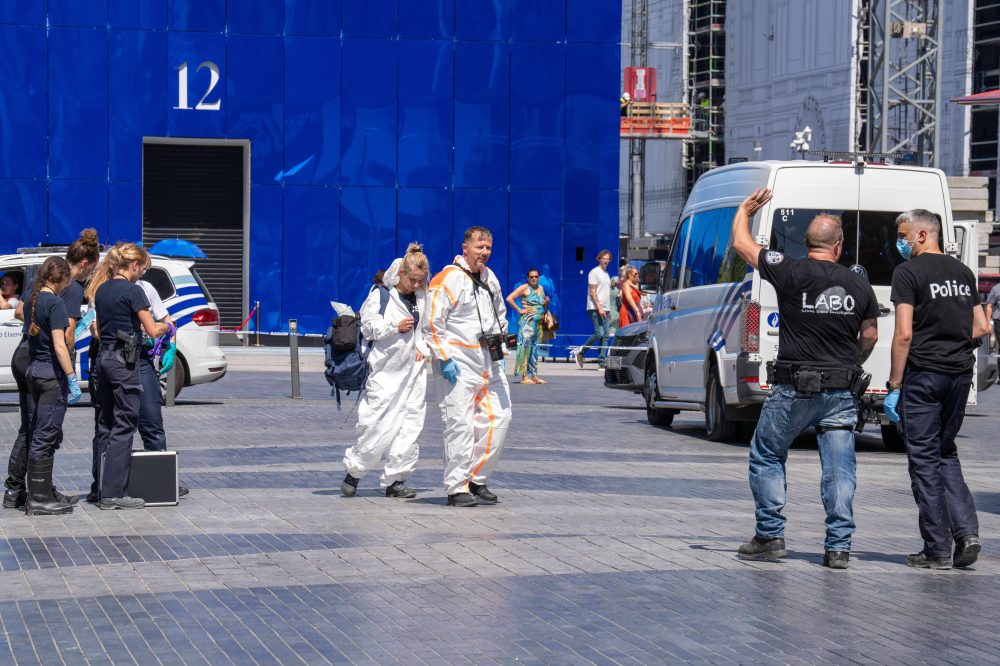

KINSHASA, Congo — Congo’s health ministry announced Tuesday that the nation’s latest Ebola outbreak has resulted in at least 131 fatalities and more than 500 suspected infections in eastern regions, prompting the World Health Organization’s top official to voice alarm about the “scale and speed of the epidemic.”
Medical experts and humanitarian workers report the disease circulated without detection for several weeks following the initial death, and this delayed identification is now hampering containment measures.
Samuel Roger Kamba, Congo’s health minister, reported 513 suspected infections and 131 fatalities, though he noted “these are suspected deaths, and investigations are underway to determine which ones are actually linked to the disease.” These figures represent a dramatic jump from Monday’s count of 300 suspected infections and reveal the largely uncertain magnitude of the crisis.
Tedros Adhanom Ghebreyesus, the World Health Organization’s director-general, stated he is “deeply concerned about the scale and speed of the epidemic” and announced the U.N. health agency will assemble its emergency committee later Tuesday.
He identified the appearance of infections in city areas, healthcare worker fatalities, substantial population movement in the region, and absence of vaccines and treatments as primary concerns “for further spread and further deaths.”
Medical authorities report this outbreak, initially verified Friday, stems from the Bundibugyo virus, an uncommon strain of Ebola disease lacking approved treatments or vaccines. The WHO designated the Ebola outbreak a public health emergency of international concern on Sunday.
Confirmed infections have emerged in Bunia, North Kivu’s rebel-controlled capital of Goma, Mongbwalu, Butembo, and Nyakunde. Uganda has also documented one infection and one fatality in individuals who traveled from Congo.
Dr. Jean-Jacques Muyembe, medical director of the country’s National Institute of Bio-Medical Research, confirmed an American physician is among the infected in Bunia, Ituri province’s capital. Dr. Peter Stafford contracted symptoms while caring for patients at a local hospital, according to a statement from Serge, his employing organization.
Three additional Serge staff members were stationed at the same medical facility — including Stafford’s spouse — but remain symptom-free.
Congo officials state the initial victim succumbed to the virus on April 24 in Bunia, with the remains transported to the Mongbwalu health zone, a mining region with substantial population density.
“That caused the Ebola outbreak to escalate,” Kamba, the health minister, explained.
Following another person’s illness on April 26, specimens were dispatched to Kinshasa for analysis, the Africa Centers for Disease Control reported.
Congolese officials said specimens from Bunia underwent initial testing for Zaire, the more prevalent Ebola strain. Dr. Richard Kitenge, the Health Ministry Incident Manager for Ebola, said the results returned negative, leading local officials to conclude it wasn’t Ebola.
On May 5, the WHO received notification of approximately 50 fatalities in Mongbwalu, including four medical workers, which triggered additional testing. Initial Ebola confirmation occurred on May 14.
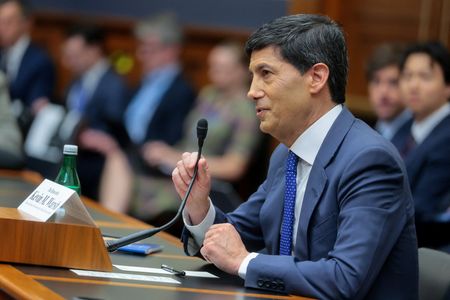
Matthew M. Kavanagh, director of the Georgetown University Center for Global Health Policy and Politics, stated that due to the incorrect negative results, “we are playing catch-up against a very dangerous pathogen.”
He condemned the Trump administration’s previous decision to exit the WHO and implement significant foreign aid reductions — “the exact surveillance system meant to catch these viruses early,” he stated.
The U.S. State Department dismissed criticism on Monday, asserting it responded immediately and has already allocated $13 million in response assistance.
Esther Sterk from the Medecins Sans Frontieres aid organization told the AP: “The situation is quite worrying and is evolving pretty quickly. It was detected quite late.” However, she noted this frequently occurs with Ebola outbreaks, which present symptoms similar to other tropical illnesses.
Ebola spreads easily through contact with bodily fluids including vomit, blood, or semen. The resulting disease is uncommon but serious and frequently deadly.
In a major Ebola outbreak more than ten years ago that claimed over 11,000 lives, many contracted the infection while cleaning bodies at community burial ceremonies.
“Ebola is very much a disease of compassion in that it impacts the people who are more likely to be taking care of sick folks,” explained Dr. Craig Spencer, an associate professor at the Brown University School of Public Health who recovered from Ebola over a decade ago after becoming infected in Guinea.
The U.S. CDC lists symptoms including fever, headache, muscle pain, weakness, diarrhea, vomiting, stomach pain and unexplained bleeding or bruising.
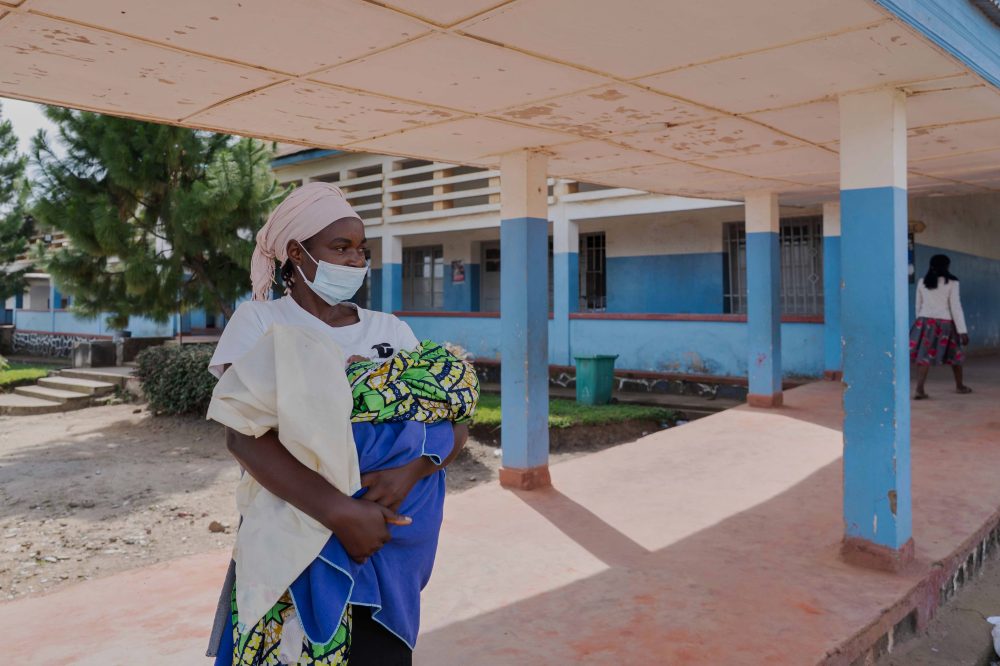
The serious nature of symptoms and climbing infection numbers are creating increasing fear in Bunia’s communities.
“I know the consequences of Ebola, I know what it’s like,” said Noëla Lumo, a Bunia resident. She previously resided in Beni, an area affected by past outbreaks. Upon learning of the current outbreak, Lumo started creating protective masks manually.
Ituri’s Mongbwalu sits in isolated eastern Congo with inadequate transportation infrastructure more than 1,000 kilometers (620 miles) from Kinshasa, the capital.
Eastern Congo has long faced humanitarian challenges and threats from armed groups that have killed dozens and forced thousands to flee in Ituri over the past year.
A Bunia-based U.N. official, speaking anonymously due to lack of authorization for public statements, said U.N. personnel have been instructed to work remotely and avoid physical contact and crowded locations.
According to U.N. data, Ituri contains more than 273,000 displaced individuals from a total population of 1.9 million.