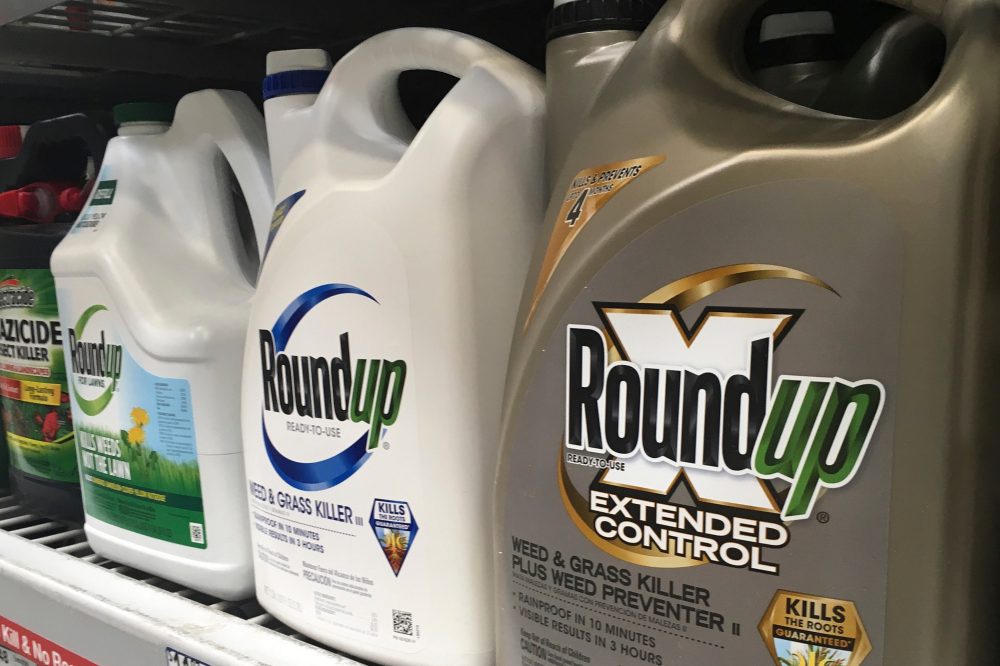

A massive $7.25 billion settlement agreement intended to resolve thousands of cancer-related claims against the manufacturer of Roundup weed killer may face significant delays due to ongoing legal challenges.
Legal counsel opposing the settlement submitted documents on Friday seeking to transfer the proceedings from Missouri state court to federal jurisdiction, potentially disrupting the June 4 deadline for individuals to withdraw from the settlement agreement. This jurisdictional dispute over which court should oversee the proposed resolution may interfere with established timelines and postpone any final decision on approval.
This legal maneuvering occurs while the U.S. Supreme Court considers a separate case that might prevent thousands of state court lawsuits against Bayer, the agrochemical company that obtained Roundup through its 2018 purchase of Missouri-headquartered Monsanto. Bayer argues that state-level claims alleging inadequate cancer risk warnings should be prohibited since the company complied with federal labeling requirements that don’t mandate such warnings.
The German-based corporation also challenges claims that glyphosate, Roundup’s primary active component, causes non-Hodgkin lymphoma.
The Environmental Protection Agency has concluded that the substance is unlikely to cause cancer in humans when used according to instructions. However, plaintiffs reference a 2015 determination by the World Health Organization’s International Agency for Research on Cancer, which designated the chemical as “probably carcinogenic.”
The Supreme Court case represents John Durnell, who claims he developed non-Hodgkin lymphoma following more than two decades of applying Roundup in a St. Louis community garden. While Durnell isn’t included in the proposed class-action settlement, his lawyer, Ashley Keller, submitted objections withdrawing several other clients from the settlement before also filing documentation to transfer the settlement case to federal jurisdiction.
“This is a huge settlement that is extinguishing the rights of tens of thousands of cancer victims,” Keller stated on Friday. “It was rushed in to state court.”
The federal court transfer attempt will likely encounter resistance.
Christopher Seeger, the attorney designated as a potential claimants’ representative in the settlement, criticized the court transfer as “a baseless delay tactic that should be promptly denied.”
Bayer issued a statement calling the move one that “has no merit,” and indicated it would work to maintain the proceedings in state court.
The proposed nationwide settlement was submitted in February to St. Louis Circuit Court in Missouri. The agreement aims to resolve most current Roundup litigation, plus any future cases filed by individuals exposed to Roundup in coming years. However, Bayer maintains the option to withdraw from the settlement if too many claimants choose to opt out.
A settlement hearing is set for July 9 in state court. The Supreme Court is anticipated to render its decision in Durnell’s case before the end of June.
Under the proposed settlement terms, Bayer would contribute annual payments to a designated fund for up to 21 years, reaching a maximum of $7.25 billion. Individual compensation amounts would differ based on Roundup usage patterns, age at diagnosis, and the severity of their non-Hodgkin lymphoma condition.
Agricultural, industrial, or turf workers with extensive Roundup exposure would receive approximately $165,000 if diagnosed with an aggressive form of the disease before age 60, based on the proposed settlement structure. However, those diagnosed at 78 years or older would receive approximately $10,000.