U.S. Health Secretary Robert F. Kennedy Jr. has directed an American woman to remain in quarantine against her will and contrary to medical guidance, the Wall Street Journal reported Tuesday.
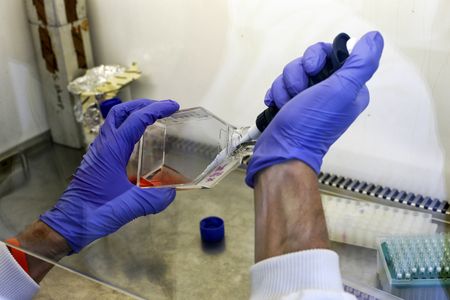
The woman, Angela Perryman, 47, is one of 18 Americans who were placed in quarantine at a Nebraska facility after Andes hantavirus cases were identified aboard a cruise ship earlier this year.
A Department of Health and Human Services official told Reuters that the 42-day monitoring period will be completed at midnight on June 21. The remaining passengers at the Nebraska quarantine unit are expected to depart on June 22. That 42-day window began when the group returned to the United States on May 10, the official said.
Eight U.S. residents from the hantavirus-affected MV Hondius were released to their home states after three weeks of observation at the National Quarantine Unit at the University of Nebraska Medical Center, according to the facility. Ten others continued to be monitored.
The Centers for Disease Control and Prevention had previously requested that all individuals from the cruise ship remain at the quarantine unit through May 31.
The New York Times reported that some passengers were permitted to complete their quarantine at home through June 22, as long as local health authorities agreed to have law enforcement or a community health worker check on them. The World Health Organization recommends a 42-day monitoring and quarantine period for high-risk contacts following exposure.
Perryman wanted to return to her home in Florida, but state officials there declined to provide the required monitoring, according to both the Wall Street Journal and the Times. The CDC said during a quarantine hearing that she should be permitted to return home for the rest of the quarantine period, and a CDC medical review noted that her chances of developing symptoms were decreasing over time, the Journal reported.
Perryman told both publications that a copy of an order from Kennedy was slipped under her room door, informing her she could not go home. The order stated that despite the doctor’s findings, Perryman was reasonably believed to have been infected with or exposed to the disease, according to the Journal.
Reuters was unable to reach Perryman at the facility by phone.
A cyber extortion group is claiming responsibility for a massive data theft targeting Novo Nordisk, the Danish pharmaceutical company behind popular diabetes and obesity drugs including Ozempic and Wegovy — and says it tried to squeeze $25 million out of the company after the breach.
The group, known as FulcrumSec, posted a lengthy statement to its website Tuesday saying it spent more than two months quietly moving through Novo Nordisk’s computer networks, making off with what it described as more than a terabyte of sensitive information. According to the group, the stolen data includes company source code, details on both released and unreleased medications, clinical trial records, employee and patient information, data related to company production facilities, and internal artificial intelligence model data.
Novo Nordisk had already disclosed a cybersecurity incident on June 11, acknowledging that unauthorized parties had gained access to a limited number of internal IT systems and certain personal data. The company did not immediately respond to a request for comment regarding FulcrumSec’s specific claims, and Reuters was unable to immediately confirm whether the data the hacking group posted was authentic. FulcrumSec also did not respond to a request for comment.
After Novo Nordisk declined to pay the $25 million demand, FulcrumSec said it is now “exploring private sales” for some of the stolen data tied to certain drugs and other internal company information.
Thomas Willkan, who leads research at cybersecurity company Lab-1 and has closely followed FulcrumSec since the group appeared in October 2025, offered some context on the group’s credibility. He described FulcrumSec as “usually quite legit in terms of both their capabilities and also their claims.”
Despite threatening to sell some data, the group said it would hold back certain categories of information. That includes personal data belonging to thousands of company employees and physicians, as well as records for roughly 11,500 clinical trial patients whose identities had been partially obscured. FulcrumSec also said it would not release data connected to the machinery and software used at Novo Nordisk’s manufacturing facilities, describing that decision as part of a “harm-reduction strategy.”
The cybersecurity blog DataBreaches.net reported on June 15 that FulcrumSec told the site on June 14 that it first broke into Novo Nordisk’s network back in March. The blog also shared what it described as correspondence between FulcrumSec and Novo Nordisk beginning June 1, which included a file list of more than 700,000 items totaling approximately 1.3 terabytes of data.
Separately, the malware research site VX-Underground reported Monday that an unnamed hacker had also compromised Novo Nordisk. FulcrumSec addressed that report directly, stating that its own attack is a separate, unrelated incident.
NEW YORK (AP) — The rate at which babies in the United States die before their first birthday has dropped to its lowest level ever recorded, according to early government figures released this year.
The Centers for Disease Control and Prevention reports that in 2025, the infant mortality rate came in at just under 5.4 deaths for every 1,000 live births. That’s a step down from roughly 5.5 in 2024 and approximately 5.6 during each of the two years before that. Though the change may seem minor, health researchers say it carries real statistical weight — amounting to hundreds fewer infant deaths annually.
Pinpointing exactly what is behind the improvement is challenging, but Dr. Michael Warren, chief medical and health officer for the March of Dimes, called it a positive sign. “This is an encouraging data point, and we hope that this trend will continue,” he said.
Infant mortality tracks how many babies die before reaching their first birthday. Because the number of births changes from year to year, researchers use rates rather than raw numbers to make meaningful comparisons over time.
The total count of infant deaths is also trending downward. Provisional CDC figures show approximately 19,350 babies died in 2025 — down from around 20,050 in 2024 and about 20,160 in 2023. Those preliminary numbers may shift slightly as further analysis is completed, but the overall direction is expected to hold.
Over the past three decades, the U.S. rate has gradually improved, falling from 7.5 deaths per 1,000 births — a decline credited to advances in medicine and public health campaigns. Even so, the U.S. continues to perform worse than other high-income countries. A study published last year found that in 2022, the American infant mortality rate was nearly double that of several comparable wealthy democracies, including Italy, Japan, Spain, and Sweden. Experts point to poverty, limited access to prenatal care, and other systemic issues as contributing factors.
That 2022 figure was notable for another reason — it marked the first statistically significant increase in the U.S. infant mortality rate in roughly two decades. Health officials linked that spike to a resurgence of RSV and flu infections among infants.
In response, U.S. health authorities in 2023 began recommending two new protective measures: a lab-created antibody shot designed to help infants’ immune systems fight RSV, and an RSV vaccine for pregnant women between 32 and 36 weeks of pregnancy. A March of Dimes expert stated last year that these interventions likely played a role in the improvement seen in 2024.
Warren also noted that a drop in sudden infant death syndrome cases may be connected to growing awareness and education around safe sleep practices for babies.
The CDC posted its 2025 preliminary data in late May. On Tuesday, the agency released a more detailed breakdown of 2024 infant mortality figures. Key findings from that report include:
— Death rates fell for both the youngest infants — those under 28 days old — and for slightly older babies. Preliminary 2025 data suggest those declines have continued.
— Racial disparities in infant mortality remained pronounced in 2024. Babies born to Black women died at more than twice the rate of infants born to Hispanic, white, and Asian American women.
— Researchers observed a drop in the mortality rate for full-term infants born at 39 to 40 weeks gestation, though rates for other gestational age groups did not change significantly.
— Among individual states, Mississippi recorded the highest infant mortality rate at 9.65 deaths per 1,000 births, while New Hampshire had the lowest at just under 3 per 1,000.
Warren addressed the wide variation between states, saying: “These differences are reflective of a variety of reasons related to access to care, community factors, and policies that improve health and outcomes.”
BEIJING — China’s National Disease Control and Prevention Administration rolled out a revised Ebola prevention and control plan on Tuesday, tightening procedures for tracking close contacts, strengthening oversight at medical facilities, and expanding monitoring at the country’s borders.
The updated plan was prompted by recent Ebola outbreaks in the Democratic Republic of the Congo and Uganda, according to a statement from the administration.
Under the new guidelines, anyone considered a close contact — meaning someone who has had direct exposure to the blood, bodily fluids, secretions, excrement, or contaminated belongings of a confirmed or suspected Ebola patient — must be tracked and placed under quarantined medical observation for 21 days starting from their last point of contact with the infected person or contaminated item.
Medical facilities, disease control agencies, and customs offices at every level are required to report both suspected and confirmed Ebola cases through a designated online system within two hours of identification.
The scope of surveillance is also being broadened. In addition to existing port health checks and domestic disease tracking, monitoring will now include alerts from international health organizations, testing conducted by domestic laboratory institutions, and wastewater screening on aircraft arriving from abroad.
Travelers arriving in China from Ebola-affected countries or regions — or anyone who has visited such areas within the past 21 days — will be required to monitor their own health for 21 days after entering the country.
Disease control agencies at the provincial level have been directed to work with relevant government departments to follow up with individuals who have traveled to Ebola-affected regions, maintaining contact until the 21-day monitoring period is complete.
There’s nothing quite like pushing yourself on a long hike through the woods, breathing in fresh air and soaking up the peace and quiet. But too often, that healthy feeling disappears the moment you get back to camp and reach for a packaged hot dog stuffed into a white bread bun with a slice of processed cheese.
It doesn’t have to be that way, according to Aaron Owens Mayhew, a dietitian and long-distance hiker based in Orcutt, California.
“It always made me sad that people who train so hard, they exercise, they eat well at home, and then they go backpacking and pick up honey buns,” Owens Mayhew said.
Spending time outdoors is widely known to benefit both mental and physical health — but campers and hikers frequently undo some of that good by relying on heavily processed foods packed with saturated fat, salt, and sugar.
So how do you rethink what’s on your camp menu?
Most people understand that a little processed food isn’t going to hurt, especially when you’re burning extra calories on the trail. The real issue, said Owens Mayhew, is how the body handles it. She founded Backcountry Foodie, a website focused on bringing better nutrition to outdoor adventures.
Simple carbohydrates — think sugary baked goods and candy bars — can send blood sugar spiking and then crashing, leaving hikers feeling more worn out than before. Heavily processed foods tend to be calorie-dense but short on the vitamins, minerals, and protein your body needs to keep performing.
Eating well in the wild, on the other hand, can deliver steady energy all day long and help your body recover faster.
“I like to think of food as one variable that can be controlled, unlike a sprained ankle or bad weather,” Owens Mayhew said.
Her advice? Keep eating what you normally eat at home. Instead of frying bacon and eggs over a fire just because that’s a camping tradition, bring the bran cereal you have every morning — this time paired with powdered milk, which you can find in the baking aisle at the grocery store.
Many of the recipes on her website are healthier takes on family classics, including tuna casserole, garlic-Parmesan noodles, and sweet potato casserole. She also recommends packing instant brown rice, quinoa, and couscous to serve alongside grilled meat or fish. These options are lightweight, nutritious, and only require boiling water to prepare.
For extra flavor, try adding fresh ginger, herbs, or garlic and onion powder. Tossing in nuts, dried mushrooms, grated Parmesan, sun-dried tomatoes, or dried fruit can transform a simple starch into a satisfying full meal.
Planning ahead is everything when it comes to camp cooking, said Rashad Frazier, founder of Camp Yoshi, a gourmet adventure outfitter. Trying to figure it out on the fly usually doesn’t end well.
Long before your trip, take time to map out your meals and prep as many ingredients as possible. Chop your onions and grate your ginger at home, then store them in zip-top bags or containers. That way, when you’re out there, you can spend your time watching the sunset instead of doing prep work.
“There’s no extra bonus points for cutting onions and making mango chutney at camp,” Frazier said.
His cookbook, “Cook Out,” includes a whole section on pantry staples you can prepare before you leave. His universal spice mix, salsa verde, chutneys, curry paste, and pickled onions are all flavor-packed additions that don’t pile on extra calories. Mix and match them with whatever meat, vegetables, or grains you have on hand, he said.
Frazier also strongly recommends having a backup meal ready for when weather or other unexpected problems throw off your plans. His go-to is a Bolognese sauce he keeps frozen until it’s time to head out. But a homemade pureed soup or even a peanut butter and jelly sandwich can save the day.
“Have that one dish that’s always like, in the event of emergency, break glass, eat this,” he said.
Here are two recipes to help take your campsite cooking up a notch:
Universal Camping Spice Mix From the cookbook “Cook Out”
1 tablespoon kosher salt 1 teaspoon fresh cracked black pepper 1 teaspoon smoked paprika 1 teaspoon thyme 1/2 teaspoon garlic powder 1/2 teaspoon onion powder 1/2 teaspoon cayenne (adjust to your heat preference)
Mix everything together at home and store in a sealed container. Rub onto any meat, fish, or vegetable before grilling on a well-oiled surface.
Parmesan Pesto Ramen One serving — From Backcountry Foodie
1 package ramen noodles 2 tablespoons pine nuts or almonds 1 tablespoon dried basil (or 2 tablespoons fresh, if you have it) 1/8 teaspoon garlic powder 1/8 teaspoon table salt 2 tablespoons grated Parmesan cheese 3 tablespoons olive oil 6 oz water
Before you leave home, throw away the ramen’s high-sodium seasoning packet. Make a pesto packet by combining the nuts, herbs, garlic, and cheese in a small bag. At camp, boil water, cook the noodles until tender, drain the water, then stir in the pesto packet and olive oil. Add fresh basil if you have it.
Planned Parenthood has filed a lawsuit seeking to strike down an Alaska state law that mandates women visit a doctor in person before they can obtain abortifacient drugs. The organization’s regional branch, Planned Parenthood Great Northwest, argues that requiring an in-person medical visit is too burdensome for women living in Alaska.
The state’s attorney general’s office has responded by announcing it will fight to uphold the law. Planned Parenthood, which is the largest abortion provider in the United States and a major distributor of abortion pills, is leading the legal challenge against the requirement.
India has moved to restrict the sale of cough syrups strictly to licensed pharmacies, particularly in rural areas, putting an end to over-the-counter sales through general retail outlets. The decision comes as the country’s drug regulators have been under growing pressure to tighten oversight following child deaths connected to contaminated medicines.
Previously, certain cough syrups were included on an exemption list under India’s drug regulations, which allowed them to be sold as common household remedies without the stricter requirements that apply to other medications. This meant vendors holding limited retail licenses — often operating in small towns or villages with populations of no more than 1,000 and no nearby pharmacy — were permitted to sell these products. Customers frequently purchased the syrups without a prescription, sometimes from stores that had nothing to do with pharmaceuticals.
As of a government notification dated June 15, cough syrups have been removed from that exemption list. Pills, tablets, and lozenges will continue to be covered under the relaxed rules.
India’s Health Ministry issued a statement explaining the change: “Consequently, the sale and dispensing of cough syrups in smaller villages will now be required to take place only through duly licensed pharmacies in accordance with the provisions of the Drugs and Cosmetics Act.”
The ministry added: “The measure is expected to promote responsible distribution and sale of cough syrups while ensuring greater compliance with regulatory standards across the country.”
A health ministry official, speaking without attribution, noted that in urban areas, cough syrups were already required to be sold through registered pharmacies under existing rules.
India’s pharmaceutical industry, which is largely made up of smaller manufacturers and is projected to reach a value of $130 billion by 2030, has faced mounting criticism over quality control in recent years. Since 2022, cough syrups manufactured in India have been connected to the deaths of more than 140 children in Africa and Central Asia, dealing a significant blow to the country’s standing as the so-called “pharmacy of the world.”
Last October, a syrup called Coldrif, made by Sresan Pharmaceutical, was linked to the deaths of 24 children. The country’s drug regulatory agency reported in February that it had completed inspections of nearly 90% of cough syrup manufacturers and had taken action against those found to be out of compliance.
Tushar Tayal, a doctor at CK Birla Hospital in Gurgaon, voiced support for the new policy. “We have seen people with chronic cough resorting to self-medication,” he said, noting that the latest action is necessary in light of ongoing safety and quality concerns.
Medical technology company iRhythm reported Monday that it experienced unauthorized access to data stored on certain third-party applications last week, though the company says it has found no evidence that its products, medical devices, or patient safety have been compromised.
According to a regulatory filing by the company, here is what is known so far:
iRhythm first detected the unauthorized activity on June 8 and immediately brought in outside cybersecurity specialists to investigate the breach.
The very next day, on June 9, the company received a demand for payment from a so-called “threat actor” who claimed to have taken proprietary company data, protected patient health information, and other personal details.
By June 10, iRhythm determined the incident was significant enough to be considered material, citing the large volume of data that may have been compromised.
The company says that based on its ongoing investigation, the cyberattack has not disrupted its manufacturing or distribution operations, its financial reporting systems, or its ability to continue serving patients.
Investigators found that the stolen data was obtained through social engineering tactics and came from certain business applications hosted by third-party providers. iRhythm stressed that its clinical systems, medical device infrastructure, and customer connections were not involved in the breach, and that it does not retain individual financial account or payment card data.
As of now, the company has not found any evidence that unauthorized access to its systems is continuing, though the investigation into the full scope of the incident and who may have been affected remains ongoing.
iRhythm also indicated it does not expect the incident to have a material impact on its financial condition or results, and noted that its cybersecurity insurance coverage may offset some of the losses stemming from the attack.
NAIROBI — The African Export-Import Bank has scrapped plans for its annual meeting, which had been scheduled to take place at the Egyptian resort of El Alamein next week. The decision comes in response to joint measures adopted by Egypt and the African Union following a surge in Ebola cases in central Africa.
The Democratic Republic of Congo has recorded 782 Ebola cases since an outbreak was officially declared one month ago, raising significant concerns about travel throughout the region for meetings and other gatherings. Neighboring Uganda has also reported confirmed infections.
The Cairo-based bank, known as Afreximbank, announced it will instead carry out shareholder business through “correspondence,” according to a statement reviewed by Reuters on Monday. The bank also noted that the Egyptian government has postponed other international events that had been planned for this month.
“These decisions were taken on public health and safety grounds in light of the evolving health situation in parts of the continent,” the lender stated.
Afreximbank is owned by a combination of African governments, regional financial institutions, and private shareholders.
The African Development Bank held its own annual meeting last month in Brazzaville, in the Republic of Congo — shortly after the Ebola outbreak was declared by its neighbor, the DRC.
KINSHASA, Congo — Health authorities in Congo have recorded one of the largest single-day jumps in Ebola infections since the current outbreak began, with ongoing obstacles such as inadequate contact tracing, regional instability, and financial shortfalls continuing to slow efforts to contain the disease.
Congo’s Ministry of Health announced Sunday that 72 new cases were confirmed within a single 24-hour window, pushing the total number of confirmed infections to 782. That same report included 32 additional deaths, bringing the confirmed death toll to 181.
Officials believe the true number of cases is likely even greater. The outbreak was officially confirmed on May 15, several weeks after it is thought to have actually started. Additionally, the rate of contact tracing coverage has dropped to just 56%, a notable decline from the previous week.
This outbreak is being driven by the rare Bundibugyo strain of the Ebola virus. Unlike the Zaire strain — which was responsible for the majority of Congo’s 16 previous Ebola outbreaks — the Bundibugyo virus currently has no approved vaccine or treatment available.
So far, 56 patients have recovered from the disease. The current fatality rate stands at 23%, according to the ministry.
The World Health Organization said Sunday that it is stepping up testing, contact tracing, and treatment efforts in response to the escalating situation.
Africa’s leading health organization also announced it is sending technical specialists and bolstering laboratory systems, active case identification, and community outreach to speed up the overall response to the outbreak.
The head of the Africa Centers for Disease Control and Prevention, Jean Kaseya, issued a call to action, stating: “We remain committed to supporting affected countries until transmission is stopped. We call on partners and donors to urgently mobilize resources to strengthen the response and save lives.”
The vast majority of cases — more than 90% — are located in Congo’s eastern Ituri province. Additional cases have been identified in the North Kivu and South Kivu provinces, and the disease has crossed the border into neighboring Uganda.
Containment efforts in Ituri face enormous challenges. According to the United Nations humanitarian office, nearly one million people have been displaced in the region due to armed conflict, making it extremely difficult to track the movements of those who may have been exposed to the virus. People are frequently on the move, either fleeing violence or relocating across a vast province characterized by thick forests, poor road infrastructure, and remote villages that can require days of travel to reach.
Contact tracing is further complicated by the presence of thousands of artisanal miners who routinely travel between isolated work sites throughout the mineral-rich region.
Legal challenges are now underway in New York and Illinois as advocacy groups push back against laws that allow terminally ill patients to end their lives with a physician’s assistance.
The lawsuits were filed by a coalition made up of disability rights organizations and patient advocacy groups. The coalition contends that these assisted suicide laws put people with disabilities at a disadvantage, arguing they are more vulnerable to being coerced into choosing to end their own lives.
Beyond the discrimination concerns, the groups also claim these laws run afoul of the U.S. Constitution and specific federal civil rights statutes, setting the stage for what could be a significant legal battle over the future of physician-assisted death in those states.
What if the key to becoming a better cook was already sitting in your refrigerator or on your counter — just waiting to be thrown out?
Dishes like fried rice, bread pudding, and homemade broth all have one thing in common: they begin with ingredients that most people casually toss in the trash without a second thought.
A closer look at how we handle leftovers suggests that changing your mindset about food scraps could have a big impact on your cooking. Rather than seeing yesterday’s rice or stale bread as waste, treating them as a starting point opens the door to a whole new approach in the kitchen.
Life Kit explored how rethinking the way we view leftovers can shift cooking habits for the better — turning what many consider garbage into the foundation for flavorful, satisfying meals.
Congo’s Ministry of Health announced Sunday evening via social platform X that the country’s ongoing Ebola outbreak has now reached 782 confirmed cases, with 181 people having lost their lives to the disease.
Health officials believe the actual number of infections is likely far greater. The outbreak wasn’t officially confirmed until May 15 — several weeks after it is thought to have first taken hold — and the rate of contact tracing has dropped to just 56%, a significant decline from the previous week.
This outbreak is being driven by the rare Bundibugyo strain of the Ebola virus, for which there is currently no approved vaccine or treatment available. This sets it apart from the Zaire strain, which was responsible for the majority of Congo’s 16 previous Ebola outbreaks and for which medical countermeasures exist.
The Ministry reported that 56 patients have recovered so far, and the current death rate stands at 23%.
The hardest-hit area is Congo’s eastern Ituri province, which accounts for over 90% of all cases. Additional cases have been recorded in the North Kivu and South Kivu provinces, and the disease has also crossed the border into Uganda.
Efforts to contain the spread face enormous obstacles. According to the United Nations humanitarian office, nearly one million people in Ituri have been uprooted by ongoing conflict, making it extremely difficult for health workers to track potential exposures. People frequently move through a vast region characterized by dense forests, poor road infrastructure, and remote villages that can take days to reach.
Thousands of small-scale miners who regularly travel between remote sites in the mineral-rich area also present a significant challenge to tracing efforts.
Health workers on the ground are also dealing with hostility from some local residents, widespread skepticism about the outbreak, and ongoing armed conflict in affected areas — all of which continue to hamper the response.
Last month, U.S. officials announced that Americans who are exposed to Ebola while overseas would be sent to a newly established facility in Kenya rather than being returned to the United States. The planned center, to be located at Laikipia Air Base with space for 50 quarantine beds, sparked protests over the proposal. A court later moved to halt the project.
Danish drugmaker H. Lundbeck announced Sunday that its experimental treatment asedebart demonstrated promising results and was well tolerated in a small mid-stage clinical study targeting Cushing’s disease, a rare disorder affecting the body’s hormonal balance.
The findings were unveiled at a medical conference held in Chicago, representing a significant step for Lundbeck as the company broadens its reach into rare diseases beyond its longstanding specialty in brain-related conditions like depression and migraine.
Data gathered from 12 trial participants revealed that following dose adjustments, urinary free cortisol — a measure of how much of the stress hormone cortisol the body produces in a single day — returned to normal levels in seven out of eight patients whose results could be evaluated. This normalization is considered a positive indicator in treating Cushing’s disease.
The drug, which is delivered intravenously, was reported to be generally well tolerated, with no unexpected harmful effects and no new safety concerns identified by researchers.
Johan Luthman, the company’s executive vice president and head of research and development, told Reuters: “All the adverse events we see are very, very consistent with the mode of action of the drug.”
Cushing’s disease is caused by a non-cancerous tumor on the pituitary gland that triggers the body to chronically overproduce cortisol. Asedebart targets this problem by reducing abnormal spikes in a hormone called ACTH, which in turn helps lower cortisol production.
Lundbeck said it intends to move to a new group of trial participants to study the drug when delivered via subcutaneous injections rather than intravenously, according to Luthman. A late-stage trial is expected to launch in the first half of 2027.
Asedebart has already been granted orphan drug designation — a special regulatory status reserved for treatments targeting rare diseases — for congenital adrenal hyperplasia in both the European Union and Japan.
KINSHASA — Government data released Sunday shows the Democratic Republic of Congo’s ongoing Ebola outbreak has grown to 782 confirmed cases, following a surge of 72 new infections recorded within a single 24-hour period — one of the largest one-day increases seen during this outbreak.
The government’s most recent situation report also confirms that 181 people have died from the disease among those confirmed cases.
According to the data, this outbreak — the country’s 17th — continues to be limited to three eastern provinces: Ituri, North Kivu, and South Kivu.
However, the report reveals that Ebola has now been detected for the first time in two additional areas: the Nia-Nia health zone in Ituri province and the Mabalako health zone in North Kivu province.
The disease has now spread to 20 of Ituri’s 36 health zones and 10 of North Kivu’s 34 health zones, along with one health zone in South Kivu.
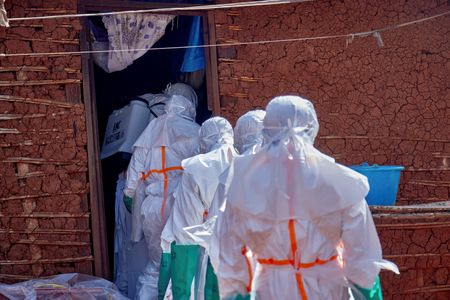
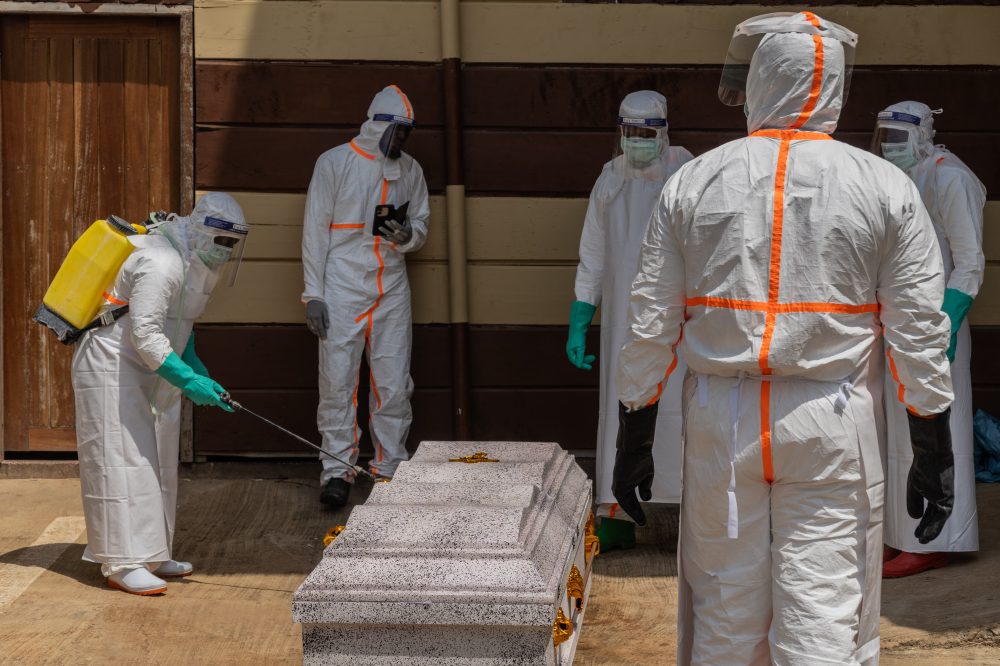
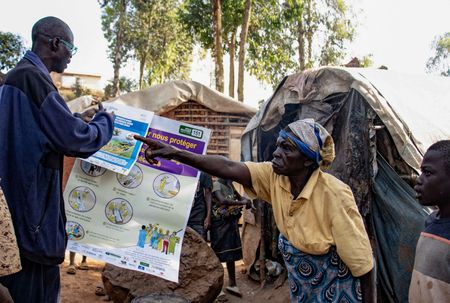
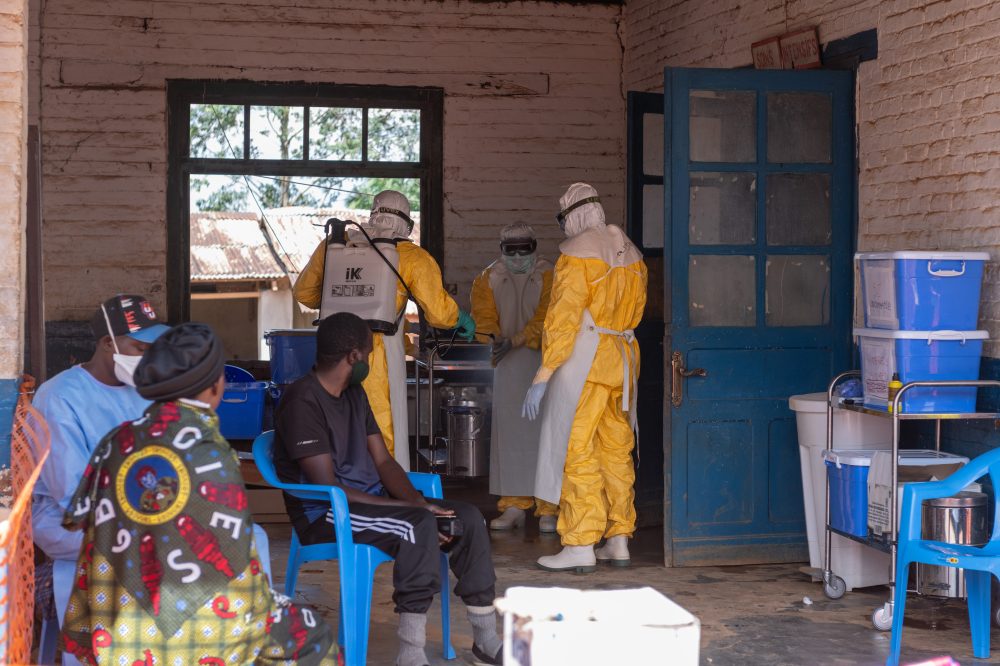
NIZI, Democratic Republic of Congo — Two weeks ago, the Kpangba displacement camp became the first in this part of conflict-ravaged Congo to see Ebola claim lives. Health teams immediately moved in to track down anyone who had been in contact with the deceased, hoping to stop the virus from spreading further.
Those efforts were quickly shut down. Residents of the camp drove away workers from the provincial health ministry, the World Health Organization, and other aid organizations, refusing to accept that the two women had died from Ebola. That’s according to Jean-Claude Lonzama, the chief doctor for the Nizi health zone — a densely populated mining region.
“Up to this day, we are not able to follow up on the contacts of these cases,” Lonzama told Reuters on Saturday.
That standoff has left health officials essentially operating in the dark as they attempt to prevent an Ebola surge inside a camp housing approximately 30,000 people, the vast majority of whom fled inter-ethnic violence in surrounding communities.
“We have 22 displaced persons sites in the Nizi health zone … with around 81,124 residents,” Lonzama said. “This is also our great worry because no preventive measures have been put in place in these sites aside from a few educational messages.”
The current outbreak was declared a month ago, and since then, several treatment facilities have come under attack. Some residents believe Ebola is a fabrication, while others are furious that traditional burial practices have been restricted to prevent the virus from spreading.
Aid organizations are particularly alarmed about the conditions inside displacement camps, where hundreds of residents may share a single toilet and open defecation is widespread. Those conditions could accelerate what is already shaping up to be one of the largest Ebola outbreaks ever recorded.
More than 5 million displaced people live across the three affected provinces — Ituri, South Kivu, and North Kivu — all of which have suffered through decades of armed conflict.
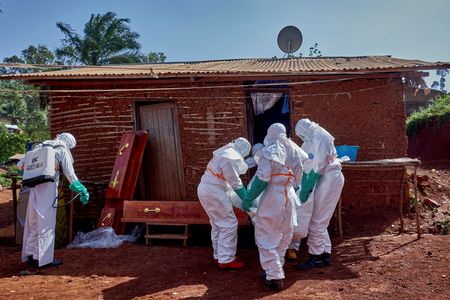
Throughout eastern Congo, health workers are running into the same wall: deep distrust of both the government and outside organizations. The attacks on treatment sites echo violence seen during a 2018-2020 Ebola outbreak in the same region, which claimed the lives of more than 25 health workers.
The two deaths in Kpangba happened on May 31 and June 1, though they weren’t publicly reported until a U.N. refugee agency document was released Thursday. A Congolese health ministry report reviewed by Reuters revealed that the first victim — a 60-year-old woman — had tested positive for Ebola on May 30, but had already left quarantine and could not be found by that point.
Health experts say the combination of community mistrust, shortages of essential supplies, and ongoing armed conflict across much of the affected region has left them gravely concerned about whether this outbreak can be brought under control.
Federal health officials announced Saturday that Nara Organics has pulled its organic baby formula from shelves after a multistate outbreak of infant botulism was linked to the product.
According to the U.S. Food and Drug Administration, three infants between 2 and 5 months old fell ill in April and May after drinking Nara Organics Whole Milk Organic Powdered infant formula. The babies were from California, Pennsylvania, and Washington. All three were hospitalized and received the FDA-approved treatment for infant botulism.
The formula is sold at Target stores across the country and on Nara.com. It is manufactured in Europe but distributed exclusively in the United States.
Infant botulism is a rare but potentially dangerous condition that affects babies under one year of age. Because infants have underdeveloped gut microbiomes, they are vulnerable to bacteria with spores that release a toxin inside the digestive system.
Parents and caregivers should watch for warning signs that include constipation, poor feeding, drooping eyelids, weak muscle tone, trouble swallowing, and breathing difficulties. Any baby showing these symptoms requires immediate medical care.
The only available treatment is BabyBIG, an intravenous medication derived from the blood plasma of individuals who have been immunized against botulism.
The U.S. Centers for Disease Control and Prevention issued a statement urging anyone who has the formula to stop using it right away. The CDC also recommended that those with an opened can take a photo of the label, write down the lot number and use-by date, and monitor their infant closely.
“Label it ‘DO NOT USE’ and keep it stored in a safe place away from other items you feed your baby for at least a month,” the CDC advised. “If no symptoms appear after a month, throw the leftover formula away.”
The FDA noted that Nara Organics Whole Milk Organic Infant Formula accounts for less than one percent of all baby formula sold in the U.S., and the recall is not expected to cause any shortage concerns for families.
People around the world can’t seem to get enough protein in their diets — but the dairy industry is having a hard time keeping up with that demand.
For years, athletes and older adults have relied on whey protein concentrate — a powdered substance left over from the cheese-making process — to help build and preserve muscle through smoothies and shakes. Now, food manufacturers are adding it to a wide range of everyday products, including breakfast cereals, Pop-Tarts, potato chips, bagels, tortillas, and even certain Starbucks beverages, all in an effort to satisfy shoppers who are paying close attention to what goes into their food.
According to market research firm NielsenIQ, the average American supermarket now carries 38,708 products that promote their protein content. But that rush to capitalize on the protein trend is straining the supply of food-grade whey protein and driving prices to historic highs.
“Demand is very firm and seemingly outpacing supply for right now,” said Kathleen Wolfley, vice president of Ever.Ag Insights, a data and consulting firm serving the agriculture sector.
Wolfley noted that wholesale whey protein prices started climbing in 2024, with the increases picking up speed last year and continuing into this year. Whey protein concentrate with 80% protein content — commonly used by food producers and supplement makers — is now trading on the dairy commodities market at more than $13 per pound in the United States, a jump of 250% compared to a year ago, according to Ever.Ag. A more refined version called whey protein isolate, which contains at least 90% protein, is selling for 150% more than it did a year ago.
Those wholesale increases are working their way to store shelves. U.S. retail prices for whey protein concentrate powder have climbed roughly 15% over the past year, while the pricier whey isolate powder has seen even steeper increases, according to price-tracking company Datasembly.
The situation in Europe is similar. In late May, 80% whey protein concentrate reached a new record average price of 26,450 euros — about $30,518 — per metric ton, more than double the price from less than a year earlier, according to DCA Market Intelligence, a commodity pricing firm based in the Netherlands.
To understand why supplies are so tight, it helps to know how whey is made. Milk naturally contains two proteins: casein and whey. When cheese is produced, the casein forms solid curds and is separated from the liquid whey, which is then dried into a powder. According to the U.S. Department of Agriculture, every pound of cheese produced generates nine pounds of whey.
While Americans have been drinking less milk for decades, their love of cheese has stayed strong, Wolfley said. That cheese consumption produced large amounts of whey protein, and in the past, a significant portion of the surplus was shipped overseas — particularly to China. But now, growing domestic appetite for high-protein snacks and meals is keeping more of that whey at home, either as a food additive or a nutritional supplement. U.S. exports of 80% whey protein concentrate and whey protein isolate to China dropped 47% from January through April compared to the same stretch a year earlier, according to Vesper, an Amsterdam-based commodity tracking company.
“There simply isn’t enough product for the U.S. customer, and exports have therefore been paused as much as possible,” said Jasper Endlich, a dairy analyst at Vesper.
Endlich added that China is now turning to Europe to fill its whey protein needs — but Europe is also experiencing shortages, partly because of the reduction in American exports.
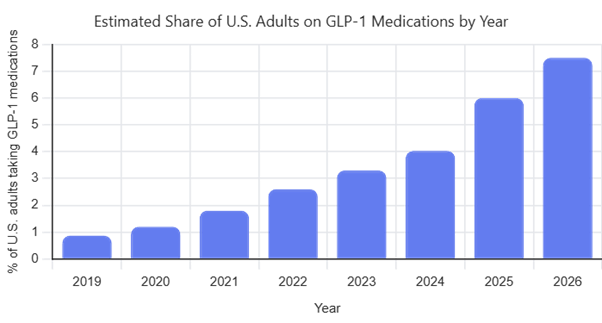
One major driver of the surge in demand is the growing use of GLP-1 weight-loss medications, Wolfley said. Drugs such as Wegovy and Zepbound work by suppressing appetite, meaning the people who take them need to make every bite count nutritionally. Experts advise GLP-1 users to eat enough protein to stay full longer and to protect muscle mass during weight loss.
According to an estimate from investment bank Morgan Stanley, roughly 6% of obese and diabetic patients in the U.S. and 2% of such patients worldwide were using GLP-1 drugs last year. Some estimates place overall GLP-1 use as high as 12% of the U.S. adult population, since many users are not obese or diabetic.
Food and nutrition companies are racing to develop protein-enriched products to appeal to GLP-1 users as well as people who turn to protein shakes as a meal replacement for weight management.
The squeeze on supplies has forced some manufacturers to raise their prices. Now Foods, an Illinois-based maker of health foods and nutritional supplements, said whey protein powder tubs are consistently its top-selling sports nutrition item. After two years of rising raw ingredient costs, the company increased its whey protein product prices earlier this year.
Bryan Morin, the sports brand manager at Now Foods, said the company does not expect to raise whey protein powder prices again this year and is instead trying to absorb some of the added costs by scaling back on discounts. The company is also exploring whether to add products made with milk protein concentrate — a powder that contains less whey and costs less — to its lineup.
“From our perspective, broader market dynamics continue to indicate a tight and evolving protein landscape,” Morin said.
Wolfley said manufacturers are putting money into expanding whey protein production, which should eventually ease the shortage — but not right away. Glanbia, an Irish nutrition company, announced in November that it plans to boost whey protein isolate production at its New Mexico facility, though that added capacity won’t come online until 2027. In February, Canadian dairy company Agropur said it intends to ramp up whey protein manufacturing at plants located in Quebec, Nova Scotia, South Dakota, and Wisconsin.
In the meantime, Wolfley said, higher prices may push some consumers to stop buying whey protein products altogether — especially as grocery costs rise across the board. If retail demand softens, that could help ease the shortage at the wholesale level.
“The supply-demand dynamics could start to improve, but I don’t know if that’s a tomorrow dynamic or within a year. Some of these things are going to take time,” Wolfley said.
Health authorities are working to educate the public about a dangerous condition many people haven’t heard of: a potentially fatal meat allergy that develops after being bitten by ticks.
This condition, called alpha-gal syndrome, was initially connected to a specific tick species approximately 15 years ago. However, medical professionals are seeing more patients experiencing reactions like skin rashes, stomach problems, and severe itching after consuming even small amounts of red meat and sometimes dairy products. The allergy doesn’t affect people’s ability to eat fish or birds like chicken, turkey, and eggs remain safe to consume.
Traditionally, doctors have told patients to stay away from foods derived from cattle, swine, and sheep while keeping emergency epinephrine shots available. However, federal regulators have recently given approval to the first medication specifically for this syndrome, with additional treatments potentially coming.
The syndrome differs from other tick-related diseases like Rocky Mountain spotted fever because it’s not triggered by bacteria or viruses. The condition develops when a person’s immune system creates an allergic reaction to a specific sugar molecule called alpha-gal.
This sugar exists in the meat of most mammals, excluding humans and other primates. It’s also present in the saliva of certain tick species.
While consuming this sugar through food is typically safe, tick bites can deliver it straight into a person’s bloodstream. This direct exposure causes the immune system to create antibodies that learn to recognize and attack alpha-gal molecules.
“It turns out that the skin is a fantastic way to make an allergic response,” said Dr. Scott Commins, an alpha-gal syndrome researcher at the University of North Carolina. “If this all happened orally, and we were eating alpha-gal like we do with steaks or barbecue, then we wouldn’t become allergic.”
Individuals who develop these antibodies typically experience severe allergic reactions several hours after eating meat or dairy. The condition can take weeks or months to manifest, with symptoms often becoming more severe as time passes.
Medical experts attribute rising case numbers to better recognition among healthcare providers and the general population.
“I think part of it is more people have learned about it and are on the watch for this syndrome,” said Maria Diuk-Wasser, a Columbia University researcher who studies tick-borne diseases.
However, increasing cases also mirror the growing territory of the lone star tick, which is the main carrier of this condition in America. This tick, recognizable by a white mark on its back, is typically found in eastern and southern states. Recently, it has appeared in previously unaffected areas, including regions around the Great Lakes and extending north to Martha’s Vineyard in Massachusetts.
Scientists are concerned that additional tick species, including blacklegged ticks, might also begin transmitting the condition.
According to a 2023 Centers for Disease Control and Prevention study, approximately 450,000 Americans are believed to have developed this allergy.
Patients typically seek medical care after experiencing concerning symptoms like skin rashes, lightheadedness, breathing difficulties, and swelling in the lips, throat, tongue, or eyelids. Others may only have digestive symptoms including diarrhea, abdominal pain, vomiting, and nausea.
Medical professionals identify the allergy using blood test results, patient-reported symptoms, and other information including recent insect bites.
The blood test identifies alpha-gal antibodies, though not everyone with positive results develops the syndrome. The test can sometimes produce incorrect results.
“The blood test in and of itself is great, but you can’t rely on that just for diagnosis. You need the actual symptoms too,” Commins said. “In the allergy world, we have a lot of trouble with false positives on blood tests.”
Physicians typically recommend patients eliminate beef, pork, lamb, and other mammalian meats from their diets. Some individuals can still consume dairy items like milk, cheese, and butter from these animals. Those with extremely severe reactions might need to avoid products containing animal byproducts such as gelatin, found in marshmallows and gummy bears.
One unusual exception exists: meat from a limited number of genetically altered pigs that don’t produce alpha-gal. The Food and Drug Administration approved these pigs for human consumption in 2020, as they were developed for experimental organ transplantation research. Eliminating the alpha-gal gene was essential to prevent human immune systems from rejecting transplanted organs. Meat from these “GalSafe” pigs is sold by a company called Amaroo Hills.
People with this syndrome may also need to avoid certain medical devices and implants, as many heart valves are manufactured using cow or pig components.
The allergy may disappear in some patients after multiple years. Commins has observed this improvement in roughly 15% to 20% of his patients. However, preventing additional tick bites remains essential.
In 2024, the FDA authorized an injectable medication called Xolair for various food allergies, including alpha-gal syndrome. While the drug doesn’t cure the condition, it helps minimize severe allergic reactions following accidental meat consumption.
This medication received initial approval over two decades ago for patients with difficult-to-manage asthma. It functions by reducing the release of biological substances that trigger inflammation and allergic reactions.
Commins and fellow researchers hope to investigate other existing medications as potential treatment options for patients.
“There are certain (biologic drugs) out there nowadays that interfere with the allergic signaling,” Commins said. “We think that if you were on one of those — or if you got one quickly enough after a tick bite — perhaps it could interfere with the entire allergic response process.”
KINSHASA, June 13 – Health authorities in the Democratic Republic of Congo report that confirmed Ebola infections have climbed to 710 cases, with 149 people losing their lives to the disease, according to official government statistics released Saturday.
The figures reflect the cumulative total of verified cases through Friday, based on a health ministry situation report that recorded 21 additional infections during the preceding day.
A New York-based company has issued a voluntary recall of its entire line of powdered baby formula products due to concerns about potential bacterial contamination.
The manufacturer, based in New York, NY, announced it is pulling all lots of its organic powdered infant formula from store shelves as a precautionary measure. The company cited the possibility of Clostridium botulinum contamination as the reason for the recall.
According to health officials, infant botulism is an uncommon but serious condition that can be life-threatening.
When Ricky Resendez began using e-cigarettes during his eighth-grade year, the habit quickly escalated to daily use throughout high school.
“It was just kind of normal,” explained Ricky, now 17 and a recent graduate from Superior, Wisconsin. “Kids were vaping in class, in the bathrooms, wherever.”
Federal statistics reveal that approximately 6% of middle and high school students nationwide — totaling 1.63 million young people — reported electronic cigarette use in 2024. While this represents a decline from earlier years, e-cigarettes continue to be the top tobacco product choice among teenagers, with nearly 9 out of 10 youth selecting flavored varieties.
Medical professionals express concern that youth vaping numbers could climb again following the Food and Drug Administration’s recent approval of the first fruit-flavored vapes designed for adults seeking to quit or reduce traditional cigarette use. This policy change followed months of vaping industry appeals to President Donald Trump. An FDA document released this week indicated these fruit-flavored e-cigarettes show no significant advantage over tobacco-flavored versions in helping smokers quit.
“I understand the goal of giving adult smokers a less harmful off-ramp, but fruit and sweet flavors are precisely what draw young people in,” stated Dr. Scott Hadland at Mass General Brigham for Children and Harvard Medical School. “I worry this could erode the hard-won progress that brought teen vaping to its lowest level in roughly a decade.”
Medical professionals say parents have effective methods to combat e-cigarette appeal, educate children about vaping risks, and support quitting efforts.
Dr. Devika Rao regularly treats young patients with vaping-related breathing issues, including persistent coughing, aggravated asthma, bronchitis, and more serious lung conditions.
Research indicates teenagers who vape experience increased wheezing, breathing difficulties, and decreased exercise tolerance. Gaby Cuadra from Miami, who vaped for nine years beginning at 15, recalls how the habit damaged her high school track and field abilities.
“As the years kept going on and I would keep vaping, the distances that I used to be able to run, I, like, couldn’t do them anymore,” said Cuandra, now 25. “I would run out of breath.”
Although e-cigarette vapor lacks most of the 7,000 chemicals found in tobacco smoke, the majority of vapes “emit numerous potentially toxic substances,” according to a thorough 2018 consensus report from the National Academies of Sciences, Engineering and Medicine. Scientists noted that e-cigarettes’ long-term health impacts remain unclear.
Nicotine addiction represents one of vaping’s most serious risks, potentially disrupting developing brains and impacting attention, learning, and emotional regulation.
“The addiction factor cannot be overstated enough,” emphasized Rao at Children’s Health in Dallas. “Adolescent brains are primed for addiction.”
Medical professionals recommend beginning with questions. Parents might introduce the topic by mentioning a new vape shop they’ve noticed.
“Start open-ended conversations,” Rao advised.
Inquire about your child’s vaping knowledge and understanding of its dangers, whether they’ve encountered e-cigarettes, and if their peers use them.
If you discover your child is already vaping, Rao stressed staying calm and avoiding shouting. Maintain a non-judgmental approach.
Consider your child’s social media exposure, where some influencers promote nicotine as a “hack” for managing stress. Research shows many people mistake the relief of nicotine withdrawal symptoms for genuine stress or anxiety reduction, and that cessation actually decreases stress. A 2025 study in the journal Tobacco Control found vaping may connect to negative mental health outcomes, with those who quit experiencing “fewer urges to vape, reduced anxiety, and stabilized mood.”
Teen choices often depend on peer influence and social acceptance, noted Anthony Alberg of the University of South Carolina, who served on the expert committee creating the National Academies vaping report. Remind your teenager they can resist peer pressure and that genuine friends won’t base friendship on vaping participation.
Younger children, Alberg suggested, might respond better to health-focused arguments, such as describing vaping as “putting poison in your system.”
Providing children with information proves more effective than simply restricting vape access, experts noted, since age limits frequently fail to prevent youth acquisition.
“Most teens get e-cigarettes from friends, older peers or online sellers rather than buying them in a store,” Hadland explained.
Ricky initially tried e-cigarettes using his older cousin’s device. Subsequently, an older friend purchased e-cigarettes for him and his peer group. He especially enjoyed blue raspberry, strawberry, watermelon, and kiwi flavors.
Initially, he believed vaping assisted with his ADHD symptoms.
“What I didn’t realize is that because I was addicted to nicotine, when I didn’t have it, I’d be anxious and really couldn’t focus,” he explained. “Instead of being something that helped me, it just made things worse.”
Vaping also depleted his energy, disrupted his sleep, aggravated his asthma, and hindered his football and wrestling performance.
Eventually, school and parental consequences followed his vaping and selling vapes to classmates. He began working with a school social worker and participated in the American Lung Association’s Not On Tobacco program for teen cessation.
The initial weeks proved extremely challenging. However, he gradually reduced his vaping thoughts and permanently quit in 2022.
Similar to Ricky’s experience, research shows most middle and high school vaping students desire to quit.
Parents can assist by first consulting their doctor, who can arrange counseling or free text-based quit programs for young people.
For heavy vaping youth, Hadland noted doctors might consider medications like Chantix or nicotine replacement therapy within supervised cessation plans.
Cuandra quit after abandoning e-cigarettes for Lent, supported by a free program created by Truth Initiative and Mayo Clinic called EX, which offers text message support, guidance, and encouragement.
“The best thing I ever did for myself was quit vaping,” said Cuandra, who now shares her experience on social media.
Since abandoning vaping, Ricky also shares his lessons learned. Typically, he asks peers about their vaping triggers and avoidance strategies, as he practiced.
“I tell them, like, ‘I’m not here to judge you,’” he said. “‘I’m here to help you.’”
A retired physician is preparing for an extraordinary birthday celebration that would challenge adventurers half his age. Art Ulene, who will turn 90 next month, has set his sights on reaching the summit of Mount Kilimanjaro, the tallest mountain on the African continent.
NPR’s Elissa Nadworny recently interviewed the retired doctor about his ambitious plans to tackle Tanzania’s famous peak as a way to commemorate his milestone birthday. The challenging climb represents an unusual way for someone approaching their tenth decade to mark such a significant occasion.
Federal health officials have unveiled a new proposed regulation designed to create a lasting structure for Medicare prescription drug price negotiations that would take effect in 2029.
The U.S. Centers for Medicare and Medicaid Services announced the framework on June 12, with officials stating the goal is to reduce medication costs for millions of Americans while giving pharmaceutical companies more predictability in the negotiation process.
According to the proposal, the new regulation would establish guidelines for both initial negotiations and future renegotiations of prices for expensive medications that come from single sources.
A food manufacturer based in Hayward, California has announced a voluntary recall of its seasoned octopus products due to concerns about undeclared fish allergens.
Azuma Foods International Inc., U.S.A. is pulling 545 cases of its Tako Wasabi product from retail locations. The recalled items are sold as 3-packs containing 5.3-ounce packages of Azuma Foods Brand Tako Wasabi- Seasoned Octopus with Wasabi.
The company issued the recall after discovering the products may contain fish ingredients that are not listed on the packaging labels. This poses a potential health hazard for consumers who have fish allergies or severe sensitivities, as they could experience serious allergic reactions.
Jazz Pharmaceuticals announced Friday that its cancer treatment Zepzelca did not achieve its primary objective of extending patient survival in a comprehensive late-stage clinical trial, putting its existing regulatory approval at potential risk.
The pharmaceutical company’s stock price dropped almost 2% during pre-market trading following the announcement.
Jazz Pharmaceuticals reported that it has provided the study findings to the U.S. Food and Drug Administration and plans to engage in discussions about future requirements related to the medication’s second-line treatment designation.
The drug currently maintains accelerated FDA approval for treating patients with advanced small cell lung cancer (SCLC) when used as a second-line therapy, meaning it’s given after initial treatments have proven unsuccessful.
Small cell lung cancer represents an particularly aggressive cancer type that has the ability to metastasize throughout the body, including to bone marrow tissue.
The comprehensive confirmatory study evaluated Zepzelca’s effectiveness both when administered alone and when combined with traditional chemotherapy treatments.
Study results showed that patients receiving Zepzelca as a standalone treatment survived for a median duration of 8.7 months, while those receiving the combination approach lived for 10.9 months, compared to 10.7 months for participants in the control group.
Additionally, federal regulators had granted Zepzelca approval in 2025 for use alongside Roche’s immunotherapy medication Tecentriq as a maintenance treatment for adult patients with extensive-stage SCLC whose condition remained stable following initial chemotherapy.
A widely-used supplement taken by many Americans for joint discomfort may accelerate the development of dementia, according to new research that could reshape treatment recommendations.
Scientists examined health records spanning from 2012 to 2024 for nearly 60,000 individuals experiencing different levels of cognitive decline. Their findings revealed that consistent glucosamine usage correlated with a 25% increased risk of transitioning from mild cognitive decline to full dementia.
The research, published in Nature Metabolism, also discovered that among patients already diagnosed with dementia, those taking glucosamine faced a 25% greater chance of dying during the study period.
Interestingly, patients with only minor cognitive issues showed no increased mortality risk, indicating that glucosamine’s harmful effects may intensify as brain deterioration advances, according to the study authors.
Laboratory tests on animals revealed that glucosamine worsens a destructive brain process known as hyperglycosylation, where sugar molecules improperly bind to brain proteins and interfere with essential neurological operations.
“The electronic health record data are very provocative,” said study coauthor Matt Gentry of the University of Florida. “While it’s an association and not proof of causality, it does raise an important clinical question that now deserves much more attention.”
An accompanying analysis suggested that the dementia deterioration linked to enhanced glycosylation from glucosamine consumption indicates glycosylation “is a targetable pathway for combating this disease.”
In separate research challenging conventional medical advice, scientists found that controlled screen exposure might actually benefit children recovering from head injuries.
The study, featured in the British Journal of Sports Medicine, showed that moderate daily screen usage on specific devices during the initial three days after concussion led to faster healing compared to complete screen avoidance.
“These findings support that moderate screen time – not too little or too much – may support concussion recovery,” explained study leader Jingzhen Ginger Yang, of Nationwide Children’s Hospital in Columbus, Ohio.
“A median of 141 minutes of screen time each day was associated with a 35% faster recovery, compared to 260 minutes of screen time each day,” Yang noted. “Youth who use screens for more than four hours per day or less than two hours per day may be at risk for slower concussion symptom resolution.”
The research team tracked 80 teenagers with concussions using wearable technology that monitored their after-school screen exposure across smartphones, televisions, computers, tablets, and gaming systems.
Device type proved significant in recovery outcomes. Approximately two hours daily of smartphone and television usage promoted quicker healing, while computer, tablet, and gaming activities showed no meaningful connection to symptom improvement.
“While clinical trials are needed to keep moving forward, this study shows a potential development in concussion treatment practices, contrary to previous guidance that recommended total avoidance of screens,” said study coauthor Dr. Thomas Pommering, also of Nationwide Children’s.
The United Nations refugee agency has confirmed that two people have died from Ebola at a displacement camp in eastern Congo, raising alarm among aid workers about the potential for rapid disease transmission in overcrowded refugee facilities.
Both victims were displaced individuals residing at the Kpangba camp, which provides shelter for 30,000 refugees, according to a UNHCR report released Thursday.
Since the World Health Organization designated this outbreak as a public health emergency of international concern on May 17, the virus has now reached three provinces.
The affected provinces — Ituri, South Kivu and North Kivu — have endured decades of warfare and currently shelter more than 5 million displaced individuals.
A relief worker informed Reuters that the fatalities involved a mother and her daughter, who passed away on May 31 and June 1 respectively. The World Health Organisation conducted Ebola testing on both victims following their deaths.
“It’s a highly populated area so the risks of transmission are obviously higher and worrying,” the source said. “These are tents with tarp walls, where do you isolate if you have symptoms?”
Relief organizations describe overcrowded camp environments with inadequate sanitation infrastructure, where hundreds of individuals may share a single toilet facility and open defecation occurs.
“We are all really worried that Ebola in these camps will spread extremely quickly and that there will be panic and people will flee all over whether or not they’re contacts, whether or not they’re ill,” Caitlin Brady, interim country director for the Danish Refugee Council in Congo, told Reuters.
By Friday, Congo had documented 676 confirmed cases and 136 fatalities in this outbreak, which has also reached neighboring Uganda, where authorities have reported 19 cases.
This outbreak involves the uncommon Bundibugyo strain of Ebola, for which no approved treatment or vaccination currently exists.
The illness remained undetected for several weeks, and emergency responders acknowledge they are working to catch up with the situation.
CHICAGO — Elite professional athletes and their medical teams report that an updated version of established surgical equipment is cutting recovery periods by weeks for specific injuries. Leading physicians believe this represents just the start of broader applications.
Cy Young recipients Tarik Skubal and Blake Snell allowed physicians to utilize the device on their valuable elbows. Connor Hellebuyck, who earned the 2025 Hart Trophy as NHL MVP, relied on it for knee problems. Multiple NFL athletes have also adopted its use.
The device is known as the NanoNeedle scope 2.0, a smaller, bendable adaptation of the standard arthroscope. While still in early stages with limited published studies on this model, it has gained a notable group of supporters.
“Each time I’ve utilized it, including during my initial laboratory work, new procedure possibilities come to mind,” stated Dr. Neal ElAttrache, who serves as head team physician for the Los Angeles Dodgers and Los Angeles Rams.
An arthroscope functions as a pencil-sized tube containing a camera that enters joints, fills the space with salt water or saline, and displays images on a monitor. Surgeons then insert additional instruments in the same location to complete the surgical work.
The reduced dimensions — measuring 1.9 millimeters across versus 4 millimeters for standard scopes — allow the NanoNeedle to minimize pain, swelling and tissue harm, resulting in quicker healing. It requires significantly less fluid than conventional scopes and has proven valuable for determining injury severity.
“We can achieve anatomical work and repairs while causing much less surgical trauma,” ElAttrache explained.
ElAttrache employed the NanoNeedle when removing a loose body from Skubal’s left elbow on May 6, and again during Snell’s comparable elbow procedure on May 19.
After Skubal — a two-time AL Cy Young Award recipient who becomes eligible for free agency following this season — joined the injured list, the Detroit Tigers announced their star pitcher would miss two to three months. However, he’s scheduled to return Saturday after throwing five scoreless innings during a rehabilitation appearance Sunday — approximately 5 1/2 weeks total.
ElAttrache has utilized the NanoNeedle scope with four patients but chose not to name the other two cases. Snell underwent a more extensive procedure that included spur removal, though ElAttrache remains hopeful about the left-hander’s timeline for rejoining the Dodgers.
“I believe his time away will be roughly half the typical duration,” ElAttrache said.
Hellebuyck, a three-time Vezina Trophy recipient as the NHL’s premier goaltender, underwent arthroscopic surgery on his right knee November 22. Doctors projected a four to six-week absence, but he returned to the net for the Winnipeg Jets after just three weeks.
Dr. James Voos, head team physician for the Cleveland Browns, has incorporated the NanoNeedle into procedures on five Browns athletes, including center Luke Wypler’s ankle fracture operation.
“Ankles and elbows represent areas where it has shown excellent utility and quick acceptance,” said Voos, who also leads the NFL Physicians Society. “We continue discovering additional applications for knees and shoulders.”
Beyond his Browns responsibilities, Voos chairs the orthopedics departments at University Hospitals and Case Western Reserve University in Cleveland. He has already observed advantages in treating younger athletes.
“Some very difficult elbow injuries in gymnasts and baseball players couldn’t accommodate the previous cameras, which were too big for the joint,” Voos explained. “They’re built for adult joints. The smaller camera lets us see and operate in these tighter spaces. In pediatrics and adolescence, that was more difficult and potentially caused additional damage previously, including more soft tissue harm.”
Arthrex, a Florida-based medical supply manufacturer, developed the NanoNeedle. Voos serves as an educational consultant for Arthrex, while ElAttrache has collaborated with the company for over three decades.
The original version debuted in 2019, according to Ryan Kellar, a senior product manager at Arthrex. Another version launched in 2023 before the current model — featuring improved visualization, processing and imaging — arrived in August.
“This represents our third version,” Kellar noted. “Our fourth version arrives this fall. That fourth version will offer everything conventional scopes provide with all the less invasive advantages of nano arthroscopy. We truly believe nano represents the next foundation of minimally invasive orthopedic treatment for the general population and a gold standard for athletes.”
Dr. Kyle Hammond, head team physician for the Atlanta Falcons and chief orthopedic surgeon for the Atlanta Hawks, has used the NanoNeedle in educational settings as an orthopedic surgeon at Emory Healthcare and assistant professor at Emory University School of Medicine. He hasn’t yet used it on patients.
Hammond noted that other companies have created similar needle arthroscopy devices, but he commended the NanoNeedle’s camera quality, video feed clarity, and user-friendliness.
“It has essentially become very comparable to our standard arthroscopy equipment,” he said. “Just in a smaller format.”
The current NanoNeedle version is disposable, creating questions about expenses compared to sterilization costs for reusable traditional arthroscopes. Like any scientific advancement, Hammond said, extended use and research are necessary to evaluate the new design’s benefits against standard scope versions.
“To establish if they offer genuine advantages over standard care, they must be used extensively over time with data collection and statistical proof,” Hammond said.
Dr. Brian Cole, head team physician for the Chicago Bulls, said adoption rates will largely depend on clinicians’ willingness to integrate the scope into their practices.
“There’s an economic analysis combined with a healthcare analysis happening simultaneously,” said Cole, who also consults for Arthrex. “But I’d say directionally, this is our destination. Less invasive, cost-effective, predictable, eliminating potential problems with existing technology. In that respect, this is very innovative in my view, and aligns with our current direction.”
Global HIV prevention efforts experienced a devastating setback in 2025, with preliminary data from UNAIDS revealing that significantly fewer people accessed crucial prevention services compared to the previous year.
According to the agency’s Friday report, the number of individuals who received pre-exposure prophylaxis, known as PrEP, dropped by 38% across 62 nations when comparing 2025 to 2024 figures. This translates to 1.2 million fewer people accessing the preventive medication, with totals falling from 3.3 million to 2.1 million across various countries including Nigeria, Cameroon and Uganda.
The situation became even more dire for other prevention methods, as funding for condoms plummeted by over 90% in certain nations, according to the findings.
Winnie Byanyima, who leads UNAIDS, described the current crisis in stark terms. “We are undergoing perhaps the most serious disruption of HIV services since the HIV response started,” Byanyima stated. “We can’t sit here thinking that the impact isn’t so dramatic.”
According to Byanyima, the reduction in available services stems from a combination of decreased funding and growing opposition to supporting key at-risk groups, particularly LGBTQ people. She warned that without intervention, these access barriers will result in increased infection rates and fatalities in coming years.
The 2025 data showed a modest decrease in new infections compared to 2024, dropping by approximately 100,000 cases to reach 1.2 million total new infections. Yet Byanyima cautioned that HIV testing decreased by 22% in countries with high infection rates, making it difficult to assess the complete scope of the situation.
Treatment access showed more positive trends, with the number of people receiving antiretroviral medications increasing by 2.7% year-over-year, reaching 32.1 million individuals by December 2025.
While this growth rate fell short of the typical 4% annual increases seen previously, UNAIDS noted it demonstrated that nations and local communities had mobilized to address treatment gaps and prevent worst-case outcomes that some experts had anticipated when funding decreased. However, the data indicated that prevention services faced greater challenges in adapting to reduced financial support.
The report highlighted that several countries increased their domestic HIV funding for the first time since the COVID-19 pandemic began. Despite this progress, the agency expressed concern about widespread closures of community-based organizations that form the foundation of HIV response efforts and depend heavily on international financial support.
UNAIDS made this information public in advance of an upcoming high-level HIV/AIDS meeting scheduled at the UN in New York this month, emphasizing the need for international cooperation. The agency faces its own uncertain future, as UN leadership has suggested shuttering UNAIDS in 2026 due to budget constraints.
Byanyima indicated that the agency is currently undergoing a “transformation” process, with a comprehensive report expected in October.
“What I’m certain about is that the United Nations will not drop its leadership role in the global response,” she emphasized.
British health officials announced Friday they will provide meningococcal B disease protection to thousands of students through a special vaccination initiative, responding to what authorities called the nation’s most severe outbreak of the illness recorded this year.
The March outbreak in Kent, located in southeastern England, resulted in two fatalities and represented the most extensive and rapidly spreading MenB incident British health officials have documented.
Health authorities reported Friday that this year has seen an unusually high number of disease clusters, with each outbreak proving larger than anticipated.
The emergency vaccination effort beginning this summer aims to shield individuals facing the greatest immediate danger from the illness while officials evaluate new data to decide if additional vaccine distribution measures are necessary.
The two-shot program will focus on all Year 13 students (ages 17-18) throughout England, plus individuals under 25 who will be entering university or residential continuing education programs for the first time this fall.
Officials designed the initiative specifically to safeguard students beginning their university experience this autumn.
Students face disproportionate MenB risk because the disease spreads more easily through the close and extended contact typical in dormitory living situations and social gatherings.
While British teenagers currently do not receive routine meningitis B vaccinations like their counterparts in numerous other nations, the country has provided infant vaccination against the disease since 2015.
India’s pharmaceutical pricing authority has implemented a significant 50% increase in price limits for two essential cancer medications following severe shortages triggered by escalating raw material expenses, according to government documentation reviewed by Reuters.
The National Pharmaceutical Pricing Authority utilized emergency provisions to implement the rate adjustments after securing federal government authorization based on public interest considerations, as outlined in documentation dated June 11.
Healthcare facilities across the world’s most populous nation have been struggling with insufficient supplies of platinum-containing cancer medications cisplatin and carboplatin, with government-operated medical centers particularly affected by the shortages.
These medications, which are essential for treating ovarian, lung and bladder cancers, operate under government-imposed pricing restrictions and oversight.
The maximum allowable price for cisplatin increased from 7.26 rupees to 10.89 rupees ($0.1144) per milliliter, while carboplatin pricing rose from 60.49 rupees to 90.74 rupees ($0.9530) per milliliter, excluding applicable taxes, the documentation revealed.
“The authority noted concerns regarding shortage and supply disruptions of carboplatin and cisplatin formulations, which are essential oncology medicines used in the treatment of various cancers,” the NPPA stated, emphasizing that consistent availability of these medications is vital for public health.
Multiple pharmaceutical companies produce these medications, including Cipla, Intas Pharmaceuticals and specialized oncology manufacturers such as Naprod Life Sciences and Venus Remedies.
The pricing adjustment represents a temporary measure that will undergo evaluation after six months, according to the NPPA. India relies significantly on platinum imports for use across multiple industries including automotive, jewelry, chemical and pharmaceutical sectors.
Deliveries of the precious metal from major producing nations like South Africa have decreased due to increasing costs, while Middle East conflicts have created additional supply chain complications and elevated production expenses, according to medical professionals and industry leaders who spoke with Reuters.
The enhanced price limits provide assistance to pharmaceutical manufacturers who had temporarily suspended production as platinum costs more than doubled due to limited availability, high demand and reduced stockpiles.
Pharmaceutical company Amgen has enlisted an independent research organization to conduct a fresh examination of data supporting its medication Tavneos, following federal regulators’ move to pull the drug from the marketplace.
The medication received approval in October 2021 for treating severe active ANCA-associated vasculitis, an uncommon condition that causes inflammation in small blood vessels and can harm vital organs including the kidneys and lungs.
Federal health officials proposed in April to revoke Tavneos’ market authorization, pointing to insufficient evidence of the drug’s effectiveness and misleading information provided in the initial approval request.
One month before that action, regulators documented 76 instances of liver damage caused by the medication, with evidence pointing to Tavneos as the cause, resulting in eight patient deaths.
According to a June 1 correspondence filed in regulatory records, Amgen reported that the Duke Clinical Research Institute started conducting an independent, objective analysis in February of information from the primary advanced-stage clinical study that led to Tavneos’ initial approval.
The pharmaceutical manufacturer stated it intends to provide comprehensive data to federal regulators by June 29, maintaining that Tavneos’ therapeutic value exceeds its dangers and that removing the medication would harm patient welfare.
The company has not yet provided a response to media inquiries regarding the correspondence.
Amgen obtained Tavneos when it bought ChemoCentryx for $3.7 billion in 2022.
Japanese health authorities reported approximately 20 fatalities connected to severe liver problems among patients using the medication, according to a safety alert released by partner company Kissei Pharmaceutical in May.
A nutrition company based in Deer Park, New York has broadened its voluntary recall of moringa supplement capsules over concerns they may contain salmonella bacteria.
Total Nutrition Inc. is expanding the recall of its TNVitamins and Doctor’s Pride Ultra Potent Complete Green Superfood Moringa Capsules after an ongoing investigation into its supply chain revealed additional potential contamination risks.
The company initially issued a recall but has now widened the scope following further review of its supply sources.
Delaware has passed legislation to participate in an interstate agreement designed to make it easier for respiratory therapists to work across state boundaries.
The newly enacted law establishes Delaware’s participation in the Respiratory Care Interstate Compact, which aims to streamline licensing requirements for healthcare professionals in this field. The agreement will become active once seven states have passed similar legislation.
According to the legislative documentation, five states have already enacted this compact as of January 2026, while six additional states have introduced comparable bills.
The compact addresses challenges faced by the nation’s roughly 130,000 licensed respiratory therapists, who currently encounter substantial obstacles when attempting to provide care in states other than where they originally obtained their licenses. These barriers persist even when practitioners meet all necessary qualifications to work in different states.
The new agreement is designed to remove unnecessary licensing obstacles that prevent multi-state practice while simultaneously strengthening public safety through improved information sharing between state regulatory bodies.
Parents preparing to return to their jobs after taking time off for a new baby face a challenging transition that requires careful planning and realistic expectations. Expert guidance suggests focusing on schedule management, setting appropriate expectations, and building strong support networks during this significant life change.
The transition back to the workplace represents a major adjustment period for new parents who must balance professional responsibilities with their expanded family duties. Successfully navigating this period often depends on having the right strategies and resources in place before returning to work.
Federal health regulators have blocked drug imports from a Dabur India manufacturing facility following a recent inspection that uncovered serious safety violations, the company announced Thursday.
The U.S. Food and Drug Administration took action against the plant located in India’s western Dadra and Nagar Haveli region after discovering problems with data integrity and facility maintenance during their review.
According to a Reuters report from last month citing the inspection findings, investigators discovered that crucial manufacturing documentation had been falsified to hide the fact that equipment designated for specific products was being used to make multiple different items.
Inspectors also discovered unsanitary conditions at the facility, including a live bird and bird waste in the raw materials storage area, located approximately 30 feet away from packaging supplies.
Under FDA import alert procedures, any product from the flagged facility can be held at the border without physical inspection unless the importing company proves it has resolved the cited violations.
Dabur India represents one of the country’s most established and largest consumer goods manufacturers, billing itself as a leading global provider of Ayurvedic products with more than 140 years in business. The company markets various over-the-counter and health products in the United States, including treatments for coughs and colds, antifungal medications, pain relief products, and oral care items.
Company officials stated that the FDA’s action will not create financial or operational consequences, noting that products sold domestically remain unaffected by the restriction.
The manufacturer indicated it is working with U.S. regulators by submitting “corrective and preventive action plans” while implementing measures to address the identified problems.
WASHINGTON — Internal documents show that fruit-flavored electronic cigarettes recently approved by federal health regulators didn’t perform significantly better at helping people quit smoking compared to tobacco-flavored versions, raising fresh concerns about the agency’s controversial authorization.
Last month, the Food and Drug Administration granted approval to its first fruit-flavored vaping products, effectively backing them as safer alternatives to traditional cigarettes. The approval contradicted the agency’s long-held stance that fruit flavors attract young users and should demonstrate additional health advantages before receiving adult approval.
Lawmakers and health advocacy organizations swiftly criticized the move and demanded explanations from the agency.
An FDA document released this week offers additional insight into the agency’s reasoning. The six-page memo shows regulators seemingly avoiding their earlier warnings about sweet vaping flavors while recognizing flaws in research provided by vape company Glas Inc.
Under federal requirements, manufacturers must prove their products benefit overall public health. This typically involves showing that their vaping devices help adult smokers transition away from or stop using cigarettes without encouraging teenage use.
According to the memo, smokers using Glas vaping products showed much higher rates of completely switching away from cigarettes during a three-month research period.
However, the information revealed no “statistically significant differences” between adults who used the company’s mango and blueberry varieties versus those who used tobacco-flavored electronic cigarettes.
This means the newly approved vapes didn’t meet the same standards as other flavored products the FDA had previously approved, including menthol-flavored devices from Juul and NJOY. Those manufacturers demonstrated that adults using menthol products were significantly more likely to reduce or eliminate cigarette use compared to those using tobacco-flavored vaping products.
In another section, FDA officials stated that the Glas flavored products “did not have to demonstrate added adult benefit” since young people would be unlikely to access them. Glas requires customers to unlock each electronic cigarette through an age-verification smartphone application.
The agency’s decision also contradicts recent FDA guidance telling manufacturers that fruit and dessert flavors must meet “a high evidentiary burden” for adult approval due to youth risks. Tobacco-flavored products typically don’t appeal to teenagers and usually face less stringent FDA review processes.
The FDA memo is also notably short compared to similar documents.
Typical FDA memos regarding new vaping products span dozens of pages. Last year’s authorization document for Juul’s menthol electronic cigarettes exceeded 90 pages and contained comprehensive scientific information from studies involving 50,000 participants.
The brief Glas memo omits important information, including the number of smokers included in the company’s research.
The FDA typically publishes such documents immediately following authorization announcements. The Glas document appeared on the agency’s website more than a month after officials approved the products.
Congressional members have questioned the agency about this decision. Last month, 10 Democratic senators wrote to the agency seeking additional details about the authorization, describing it as a “shortsighted and reckless decision.”
The Glas application, which covered menthol and tobacco-flavored vapes as well, took a complicated route to approval. The small Los Angeles-based manufacturer submitted its marketing application to the FDA in 2021, and officials initially denied it.
In February, FDA scientists reversed their position and approved multiple flavors. However, a senior official under then-FDA Commissioner Marty Makary blocked that decision, according to internal documents the agency later made public.
The mango and blueberry-flavored products received final approval during Makary’s final full week as agency head. He left the position following months of criticism from industry groups, including tobacco manufacturers that have pressured President Donald Trump’s Republican White House for relaxed vaping flavor regulations.
A company representative was not available for comment when contacted Thursday morning.
Britain’s drug regulatory authority granted approval Thursday for a new oral weight-loss medication from Novo Nordisk, providing patients with an injection-free option for treating obesity while strengthening the Danish pharmaceutical company’s competitive position ahead of U.S. competitor Eli Lilly.
This regulatory clearance offers a more user-friendly treatment choice for over 10 million residents of England as pharmaceutical companies compete to broaden the reach of these medications, which have revolutionized the weight-loss treatment market and transformed the drug industry landscape.
The Medicines and Healthcare products Regulatory Agency has cleared the Wegovy pill for adult patients dealing with obesity who maintain a body mass index of 30 or higher, as well as individuals with BMI readings from 27 to 30 who also have at least one obesity-related health condition.
Following this regulatory clearance, Britain’s National Institute for Health and Care Excellence will conduct its own evaluation before the medication becomes accessible through the NHS healthcare system.
In the interim, patients may obtain the pill from private healthcare providers. Novo anticipates the medication will become accessible through private prescriptions in the coming weeks.
Danielle Brightman, clinical director at digital healthcare platform Numan, stated that clearing oral medication means “better access for more people battling obesity”.
Current NHS England data indicates that obesity impacts approximately 30% of adults in England, representing roughly 13 million to 14 million individuals.
The Novo pill features semaglutide, the identical active compound found in the company’s highly successful injectable medications Wegovy for weight management and Ozempic for diabetes treatment.
Health officials are sounding the alarm about deadly summer heat after revealing that more than 200,000 Europeans lost their lives to heat-related causes during the past four years, according to the World Health Organization’s Europe office announced Thursday.
The warning comes as forecasters predict another summer of above-normal temperatures, which pose serious health risks including heat exhaustion and potentially fatal heat stroke.
“The impacts of climate change are a clear and present danger, and its most immediate and lethal manifestation is extreme heat,” stated Dr. Hans Kluge, director of the WHO’s Europe office. “Heatwaves are no longer freak weather anomalies. They are now a recurring crisis inflicting suffering, claiming lives and fracturing our health systems and infrastructure.”
The WHO’s European division is pushing for nations and organizations to develop comprehensive heat response strategies, including establishing cooling centers and adjusting work schedules to protect employees from dangerous midday temperatures.
“Our goal is clear and our ambition is bold: zero heat-related deaths,” Kluge declared.
Adding to concerns, weather experts announced Thursday that El Nino has developed in the Pacific Ocean and may reach record-breaking intensity. Scientists warn this natural warming pattern will amplify global temperatures already rising due to fossil fuel emissions and could intensify severe weather worldwide.
Health experts recommend these essential steps to prevent heat-related illness:
Avoid outdoor exposure during peak heat hours of the day. When venturing outside at midday becomes necessary, limit physical exertion and find shade where temperatures feel cooler. Try to spend two to three hours daily in air-conditioned spaces and monitor local heat advisories.
During daylight hours, keep windows closed and use blinds or shutters for coverage. Once evening arrives and outdoor temperatures drop below indoor levels, open windows for ventilation. Program air conditioning units to 81 degrees Fahrenheit (27 degrees Celsius) and use fans to enhance cooling effects. Communities with limited resources often face greater heat risks due to inadequate housing and limited access to cooling systems.
Maintain proper hydration by consuming one cup of water hourly and take cool baths or showers. When bathing isn’t available, use damp cloths or spray bottles on skin. Choose light-colored, loose clothing and breathable bedding materials. For outdoor activities, wear wide-brimmed hats, sunglasses and sunscreen.
Vehicles must never be used to leave children or pets unattended, as interior temperatures can reach dangerous levels rapidly. Cover baby strollers with thin, damp fabric rather than dry materials that trap heat, and consider portable fans for additional cooling. Pay special attention to adults over 65 and individuals with disabilities or heart, lung, or kidney conditions. Those living alone may also need extra monitoring.
Workers in manual labor and outdoor jobs face heightened heat illness risks, particularly when work schedules cannot be adjusted for extreme temperatures.
A Japanese pharmaceutical company announced Thursday that its experimental treatment for psoriasis, developed using artificial intelligence technology, demonstrated superior performance against an existing medication in a major clinical study.
The drugmaker said its investigational once-daily pill, zasocitinib, successfully met the primary endpoint of a late-stage trial involving adults with moderate-to-severe plaque psoriasis, showing better skin clearance results than Bristol Myers Squibb’s approved medication Sotyktu following 16 weeks of treatment.
Plaque psoriasis represents a chronic immune-mediated condition affecting the skin, resulting in red, scaly, and inflamed patches across the body.
The development of zasocitinib utilized artificial intelligence technology, part of an increasing movement within the pharmaceutical sector to employ AI for accelerating drug discovery, reducing clinical trial durations, and minimizing animal testing requirements.
According to the company, zasocitinib delivered complete skin clearance for 35% of trial participants after 16 weeks, representing more than 2.5 times the success rate observed with Sotyktu.
The pharmaceutical firm also reported that zasocitinib’s safety profile remained consistent with previous studies, with no additional safety concerns identified during the trial.
The daily oral medication provides a practical treatment alternative for plaque psoriasis patients, joining Bristol Myers’ Sotyktu and Amgen’s Otezla in a therapeutic area primarily controlled by injectable treatments.
The company views zasocitinib as a potentially major revenue generator to help compensate for anticipated income losses from upcoming patent expirations for its inflammatory bowel disease treatment Entyvio, which faces key patent losses by the decade’s end.
Last year, the drugmaker projected that zasocitinib, pending regulatory approval, could achieve peak yearly sales between $3 billion and $6 billion.
The pharmaceutical company obtained zasocitinib through its acquisition of Nimbus Therapeutics in 2022, in a transaction worth up to $6 billion.
The company stated it plans to share comprehensive trial data at future medical conferences and continues working toward submitting FDA approval applications for zasocitinib as a plaque psoriasis treatment during this fiscal year.
The Canadian Pediatric Society has appointed Natasha Johnson as its new president, a decision that has generated debate due to her strong stance supporting gender transition surgeries for minors.
Johnson’s appointment has raised eyebrows among critics who question her advocacy for these procedures in young patients. When addressing concerns about whether adolescents possess the maturity to make informed choices regarding life-altering medical interventions, Dr. Johnson characterizes these worries as “overstated.”
Johnson previously established a gender diversity clinic at McMaster’s Children’s Hospital in Hamilton, Ontario, where she has worked to expand access to gender-related medical services for young patients.
During sweltering summer days, DeAnna Brandon enjoys watching her three dogs run around while she cools off in a backyard kiddie pool alongside her grandchildren. The 48-year-old blood cancer survivor treasures these precious moments — while questioning whether she’ll experience them in future years.
Brandon, a Rockwell, North Carolina resident, fears that upcoming Medicaid work requirements beginning next year might threaten her healthcare coverage. While she anticipated qualifying for a medical frailty exemption, fresh guidance issued by President Donald Trump’s administration last week has created uncertainty about her eligibility.
The interim final rule published by the Centers for Medicare and Medicaid Services indicates that Brandon’s severe fatigue and memory problems from her treatments might not suffice to avoid the new work requirements. She must declare and subsequently demonstrate that these symptoms “significantly impair” her capacity to meet the new mandates.
Should the government reject her application, she risks losing her coverage — along with the bi-monthly maintenance chemotherapy that maintains her multiple myeloma in remission. Employment remains “outside of the realm of possibility for me,” she explained during an interview.
“I was always a push-through-it person — you know, ‘Oh, you’re tired. Push through,’” Brandon stated. “It’s hard to explain to people you can’t push through it.”
Healthcare analysts have raised concerns about the Republican Trump administration’s latest guidance, which diverges from state expectations. Specialists warn it will increase the number of Americans at risk of losing health insurance and force states to scramble in their already rushed implementation efforts.
“This will mean more paperwork for Medicaid patients — specifically for the sickest Medicaid patients,” stated Adrianna McIntyre, a professor at Harvard University’s school of public health. This development, she noted, “is going to push in the direction of more people needlessly losing coverage.”
The new Medicaid restrictions formed part of Trump’s comprehensive tax and policy law in 2025. The modification impacts those covered through an expansion that most states adopted, providing additional lower-income individuals access to the government’s safety net healthcare program.
Expansion participants between ages 19 and 64 must demonstrate they work or perform community service for at least 80 hours monthly or attend school at least half-time. Exceptions exist for those deemed medically frail or enrolled in addiction treatment programs, among other categories.
Last week’s CMS announcement surprised states with a revised definition of medical frailty. The law had specified that medically frail individuals include those with substance use disorders, disabilities or serious medical conditions. However, the CMS rule went beyond this, stating someone’s condition must “significantly impair” their capacity to work, volunteer or attend school at required rates to receive an exemption.
During 2027 and once in 2028, patients can declare they meet this definition. However, when seeking coverage renewal in 2028, they must provide proof.
Advocates express uncertainty about what documentation could establish that standard. They suggest physician notes might be necessary — something some providers feel uncomfortable providing. Medicaid participants battling illness may bear the administrative burden.
Brandon, who previously attempted to prove work incapacity for disability benefits during active cancer treatment and was unsuccessful, worries about the obstacles she and fellow patients might face.
“It’s not that easy — you may have to go through four doctors,” Brandon explained. “If you’re already battling an illness like this, you don’t have the physical or the mental or the emotional energy to do that all the time.”
States have planned to utilize Medicaid claims data and additional data sources to automatically exempt qualified participants whenever feasible.
CMS Administrator Dr. Mehmet Oz during a reporter call last week supported this strategy, expressing hope that most individuals would receive assistance “without ever having to talk to anybody.”
When asked to explain rule implementation, CMS informed The Associated Press via email that the agency “chose not to allow states to categorically exclude individuals from work requirements based solely on a diagnosis or condition type.” For 2028 renewal, it stated, “verification through claims data or other documentation will generally be required.”
State Medicaid officials and consultants report that Medicaid claims data cannot prove significant work impairment, and they’re unaware of existing data that does. This has created confusion about complying with the government’s rule.
“States are going to be asked to make a determination using information that doesn’t exist in their systems,” explained Kinda Serafi, a partner at consulting firm Manatt Health who assists states with these changes.
Nebraska began implementing new Medicaid work requirements early. However, it utilized diagnostic codes to identify medically frail individuals, likely requiring system modifications, according to Sarah Maresh, healthcare access program director at advocacy group Nebraska Appleseed.
Maresh expressed concern that rural state physicians already hesitant to accept Medicaid patients might cease participation entirely.
“They’re already drowning in paperwork, so to require them to do an additional step of certifying whether someone is able to work, I think is concerning,” she noted.
Preparing for the January 1 launch represents an enormous and costly undertaking. A $200 million federal allocation supports states, and CMS has collaborated with technology companies to offer free and discounted services, but expenses for additional technology requirements and staffing will likely surpass $1 billion, according to an AP analysis. This additional cost will be shared between federal and state tax dollars.
Republicans supporting the new rules describe them as commonsense measures to eliminate government freeloading and preserve benefits for those most in need. Oz last week, referencing a conservative American Enterprise Institute think tank report, claimed able-bodied Medicaid recipients spend an average of 6.1 hours daily “watching TV or just hanging out.”
“This is a concern, not a criticism,” he stated. “Work requirements are going to turn this around, we hope.”
Current participants who don’t meet work requirement thresholds say this mischaracterizes their experiences.
Mids Meinberg, a 42-year-old freelance writer from New Jersey living with chronic depression and diabetes, said that despite health challenges, he takes pride in establishing a meaningful career. However, his conditions prevent him from working 80 hours monthly. He believes many disabled individuals are “too disabled to work but not disabled enough for the state to think they can’t work.”
Brandon, in North Carolina, wants the government to recognize she’s “not just sitting around wasting time or being a drain on society.”
“I’m pouring into my grandchildren,” she said. “We’re valuable, and we can still contribute to our communities even if it’s not working.”
Health investigators in the Democratic Republic of Congo are examining a tragic chain of events that may have sparked the country’s current Ebola epidemic – beginning with a damaged wooden casket that cracked during a bumpy truck ride across rural terrain.
The investigation centers on the February 4 funeral of Pastor Paluku Makundi Denis, a 44-year-old Congolese clergyman whose body was transported from a morgue in Bunia to the remote gold-mining community of Mongbwalu for burial.
During the three-hour journey across Ituri province, the aging Nissan SUV carrying the coffin bounced violently over broken dirt roads, potholes, and rocky terrain. Young family members riding in the vehicle sat directly on top of the wooden casket during the rough trip.
When the truck finally arrived in Mongbwalu that February afternoon, the coffin had collapsed and cracked under the weight, according to four experts working on the health ministry’s investigation into the outbreak’s origins.
What followed has become the focus of investigators searching for “patient zero” – the earliest infection in an epidemic that has now caused approximately 635 confirmed cases and at least 127 deaths across eastern Congo, with health officials warning the actual numbers could be significantly higher.
The rare Bundibugyo strain of Ebola currently spreading has no available vaccine or treatment and proves fatal for 30% to 50% of those infected. A surveillance epidemiologist working on the inquiry believes this particular strain had been spreading undetected for four to six months before Congo officially confirmed the outbreak on May 15.
Hospital records show that Makundi had been diagnosed with peritonitis, a serious abdominal infection, at a Bunia medical facility on February 3. Three doctors and a nurse from the hospital confirmed that no Ebola testing was conducted because Congolese health authorities were unaware of any outbreak at the time.
An infectious-disease professor at the London School of Hygiene and Tropical Medicine, David Heymann, explained that peritonitis can be a symptom of severe Ebola infection, though determining the actual cause of Makundi’s death would be impossible without proper testing.
When the damaged coffin reached Mongbwalu – a transient community of roughly 130,000 residents – dozens of mourners had already assembled at a family compound for the funeral service.
The pastor’s 70-year-old father, Pascal Kibali, known locally as Paka, examined the broken casket in the dimming afternoon light. Makundi, called Paluku by friends, had been a respected leader in Mongbwalu’s ethnic Nande community and helped establish the area’s charcoal cooperative before moving to Bunia to pursue religious work.
Kibali later recalled his thoughts upon seeing the damaged coffin: “My eldest son cannot be buried in such a coffin.”
Family members quickly purchased a replacement casket from a local craftsman. Community members then transferred the body from the broken coffin to the new one before sunset, with residents handling the remains directly – a potentially dangerous situation if Makundi had been infected with Ebola, since victims’ bodies remain highly contagious.
The wake took place at the family compound, followed by a cemetery burial. Traditional Congolese funeral customs often involve mourners touching and kissing the deceased, though it remains unknown whether these practices occurred during Makundi’s service.
More than 80 relatives, friends, and neighbors gathered at the local cemetery that evening, according to Edmond Kambale Katuwene, who leads Mongbwalu’s Nande community. A priest conducted prayers, encouraging attendees to contemplate life’s fragility and prepare for their own mortality, Katuwene reported.
Within days of the funeral, several community members began showing signs of illness, according to Mongbwalu’s Mayor Sesereki Mandro Israel. Nearly 50 deaths occurred within two weeks of the burial, with many victims displaying classic Ebola symptoms including fever, vomiting, and bleeding.
Pastor Makundi’s brother Idi became one of the first casualties. The 36-year-old miner died on February 16 from what was diagnosed as suspected appendicitis, according to a May 16 situation report from the provincial health authority. Within weeks, another brother and a relative also died from suspected hemorrhoids and tuberculosis respectively, with the bulletin noting these deaths required additional investigation.
These family deaths preceded at least 108 additional fatalities in Mongbwalu between April and May, according to the same Ituri authority report. Patients in family groups collapsed with fever, vomiting, diarrhea, and sometimes hemorrhaging symptoms.
The investigation report identifies these deaths as potentially connected to the Ebola spread, with Makundi’s case representing the earliest suspected infection. The document suggests the disease may have circulated undetected in Mongbwalu for months.
Congo’s health ministry announced on June 9 that at least 40 people in Mongbwalu had been confirmed dead from Ebola, though aid workers caution that limited testing capabilities may mean official figures are incomplete.
As deaths mounted throughout the community, frightened residents sought explanations for the tragedy. Many focused not on medical causes but on the unusual circumstances surrounding Pastor Makundi’s burial.
After the cemetery service concluded and families departed in the warm evening air, word spread that someone had set fire to the damaged original coffin.
None of six relatives and local residents interviewed claimed to have witnessed the burning, though all reported seeing the coffin’s charred remains. Pastor Makundi’s father and uncle attributed the fire to intoxicated young people but provided no additional details. The entire family remained shocked and confused by the incident.
Community leader Katuwene explained that residents viewed the burned coffin as an insult to ancestral spirits.
Tensions escalated during the burial of Tsongo Kenda Kenda, Makundi’s younger brother, when local police had to intervene in a family dispute over opening the coffin, according to the May 16 provincial authority situation report.
Katuwene said family members had argued about where to hold the pre-burial wake, leading one relative to remove and replace the coffin lid in protest. Many community members consider such actions disrespectful to the deceased.
For some residents, neighborhood chief administrator Joseph Payi Mute explained, the subsequent deaths were interpreted not as viral disease but as punishment from ancestors angered by the disrespectful treatment surrounding both brothers’ burials.
Jeremy Rayan Tamelegu, who worked as a mining-geology consultant in the same neighborhood as the pastor’s family, said the unexplained surge in illness and death reinforced the curse narrative. He witnessed people in the area suddenly becoming sick and dying within days.
The story quickly spread across social media throughout Mongbwalu and surrounding areas. Dark humor emerged among the anxious population, even inspiring a local music group to record a song about the rumors.
One verse stated: “We hear a coffin is wandering Mongbwalu, leaving devastation in its wake.”
The song sparked a TikTok trend across eastern Congo, with users posting videos showing coffins apparently moving independently along dirt roads or floating above terrified residents.
When provincial health investigators from the patient-zero inquiry reached Mongbwalu in early May, curse rumors had spread widely and some residents had become hostile toward health workers and officials, one investigator reported.
The mistrust has escalated to violence, similar to previous Ebola outbreaks where many locals blamed the disease on modern medicine.
On May 22, an unspecified number of young people in the nearby village of Mabilindey attacked a response team collecting information about a confirmed Ebola case, according to the epidemiologist on the patient zero inquiry. The following day, attackers set fire to an isolation tent that aid workers had erected at Mongbwalu General Hospital.
Medical personnel are not the only targets of blame.
Pastor Makundi’s father, Paka Kibali, said his family has been unfairly accused by some locals of causing the outbreak due to the events surrounding both burials.
“They vandalized my son’s coffin and blamed me for the deaths that followed,” he said through tears. “Yet I am the victim – it was my son’s coffin that was desecrated.”
Companies across the nation are preparing to eliminate insurance coverage for popular weight loss medications next year, even as pharmaceutical manufacturers reduce prices for these treatments.
Research from the Business Group on Health reveals that approximately 10% of companies currently providing coverage for GLP-1 weight loss drugs intend to discontinue this benefit in 2027. A separate study conducted by benefits consultancy Mercer found that 5% of large companies – those with workforces exceeding 500 people – are making similar plans.
Current coverage rates vary between studies, with Mercer reporting that 44% of large companies provide obesity drug benefits, while the Business Group on Health indicates 67% of major employers offer GLP-1 coverage in 2026.
Health insurer Cigna recently stopped providing weight-loss medication coverage for its own workforce beginning in July, directing employees to purchase these medicines through alternative sources.
Pharmaceutical companies now offer both newer pill forms and traditional injections through their direct-to-consumer websites at reduced rates, facilitated by arrangements with the Trump administration’s TrumpRx.gov platform.
Novo introduced its Wegovy pill option in January, followed by Lilly’s launch of Foundayo pills in April. Both oral medications begin at approximately $149 monthly.
Lauren Remspecher, who serves as a director at Purchaser Business Group on Health, explained that many companies remain frustrated by their inability to secure the same cost reductions through pharmacy benefit managers that individual cash-paying customers receive.
“One advantage of having the direct-to-consumer and some of the government-negotiated pricing more transparent is that now employers can see how much more they’re paying and where there is an opportunity for improvement,” Remspecher stated.
The introduction of oral alternatives has significantly boosted medication demand this year, attracting individuals who previously avoided GLP-1 treatments, which continues to drive up employer expenses according to five industry specialists.
Multiple experts noted that companies are observing longer treatment durations and expanded patient populations compared to other medical interventions.
Clinical trials demonstrate that Foundayo and Wegovy pills achieve weight reductions of 11% and 14% respectively, showing less effectiveness than injectable versions but appealing to patients who prefer avoiding needles.
“Even though we have seen the unit cost come down, the patient population keeps growing,” explained Louis Zollo, a pharmacy practice leader at healthcare consultancy Segal.
Benefits consultancy Aon has documented both existing injectable users switching to oral formulations and new patients selecting pill options. Aon also anticipates reduced GLP-1 coverage in the coming year.
Dan Mendelson, CEO of Morgan Health, a healthcare division of JPMorgan, predicted that pill options will drive down individual treatment costs this year.
“But every year there’s going to be market growth,” he noted. “There’s going to be more people taking these drugs, so on aggregate this still represents a major cost driver for employers.”
Scientists at Ben-Gurion University of the Negev and collaborating institutions announced Wednesday that reducing deep belly fat through lifestyle changes can offer long-lasting protection against type 2 diabetes, even when people put weight back on years later.
The research, which appeared in the American Heart Association’s journal Circulation, drew from extended follow-up data spanning two clinical studies that tracked how dietary changes and exercise influence fat distribution and metabolic wellness. Study participants were monitored for five and 10 years following 18-month intervention programs, providing scientists with an unusual extended perspective on outcomes after structured weight management efforts conclude.
The investigation centered on visceral adipose tissue, which represents fat deposits located deep within the abdominal cavity surrounding vital organs. This type of fat differs from subcutaneous fat found beneath the skin, and earlier research has established strong connections between visceral fat and insulin resistance, inflammation, heart disease, and type 2 diabetes development.
Scientists discovered that decreasing visceral fat showed stronger connections to lasting metabolic improvements compared to general weight reduction. According to the research, a 10% decrease in visceral fat corresponded with a 28% reduction in type 2 diabetes development risk throughout the follow-up period. Study participants who achieved visceral fat reduction also demonstrated enhanced blood glucose control, better insulin function, and additional positive cardiovascular and metabolic indicators.
Researchers noted that similar long-term protective benefits were not observed for reductions in liver fat, pancreatic fat, or subcutaneous fat deposits.
These results contribute to expanding research evidence indicating that body composition and fat placement can be equally important as, or more significant than, scale weight. Medical professionals have traditionally relied on body weight and body mass index as general health risk indicators, but these metrics cannot reveal fat storage locations or metabolic activity levels.
The research indicates that lifestyle modification programs focusing on enhanced nutrition and increased physical activity could deliver enduring health benefits even when weight reduction is not permanently sustained.
A major obstetrics and gynecology organization issued its own vaccination guidelines Wednesday, creating recommendations that contradict current federal health guidance.
The vaccination schedule targets pregnant women, new mothers, and those who are breastfeeding. These recommendations mirror previous guidance from the U.S. Centers for Disease Control and Prevention, prior to modifications implemented during the Trump administration under Health Secretary Robert F. Kennedy Jr.
The American College of Obstetricians & Gynecologists left a CDC vaccine advisory panel earlier this year following these policy shifts, which have resulted in court challenges.
“So now for the first time, ACOG has made the decision to formally release its own immunization schedule to provide and communicate clear evidence-based guidance and to address the growing vaccine misinformation that is circulating,” said Dr. Christopher Zahn, the OB-GYN group’s chief of clinical practice.
Thirteen additional professional and medical organizations have backed the new guidelines. Other groups, including the American Academy of Pediatrics, have also issued vaccination schedules this year that diverge from CDC recommendations.
The organization recommends four vaccinations during pregnancy:
— Influenza vaccination, available during any trimester throughout the year, though early fall timing is preferred.
— COVID-19 vaccination, which can be administered during any trimester year-round, with earliest possible timing during pregnancy being optimal.
— Tetanus, diphtheria, and pertussis (Tdap) vaccination, ideally given as early as possible within the 27 to 36-week window.
— Respiratory syncytial virus (RSV) vaccination, administered between 32 and 36 weeks during first pregnancies, typically from September through January across most U.S. regions. Women who received RSV vaccination in previous pregnancies don’t need repeat doses, though their newborns should receive antibody shots after delivery. Babies can receive this shot as an alternative to maternal vaccination.
Additional vaccines for pneumococcal disease, meningococcal disease, hepatitis A, and hepatitis B may be necessary for women with specific risk factors. The organization advises discussing these options with healthcare providers.
Three additional vaccines are suggested either before conception or following delivery, providing protection against human papillomavirus; measles, mumps and rubella; and chickenpox.
The most significant departure from federal guidance concerns COVID-19 vaccination.
Kennedy declared last May that COVID-19 vaccines would no longer be recommended for healthy pregnant women and children — a decision that drew immediate criticism from multiple public health professionals.
Representatives from the U.S. Department of Health and Human Services did not provide immediate responses to requests for comment.
Healthcare professionals addressed vaccination concerns during the guideline announcement event.
“Vaccine hesitancy is huge in this country right now,” said Carol Hayes of the American College of Nurse Midwives. “Patients come in all the time saying I’ve done my own research, and sadly, they’re doing research and they’re getting information that is not scientifically based.”
Sarah Vaillancourt of the National Association of Nurse Practitioners in Women’s Health reported similar experiences among her organization’s membership. Social media platforms are contributing to the confusion, she noted.
Given this environment, she described the OB-GYN group’s effort to deliver reliable information to patients as “really useful.”
As soccer enthusiasts across the globe celebrate and commiserate over World Cup games throughout North America, public health authorities are maintaining vigilant watch for potential disease outbreaks.
While extreme heat presents the most apparent health risk, contagious illnesses can rapidly transmit through large crowds. Health experts are closely monitoring sewage systems, emergency room data, and social media platforms to detect early indicators of possible disease transmission.
The highly transmissible measles virus tops the list of health concerns, prompting an alert this week from the Pan American Health Organization. With nearly six weeks of crowded stadiums, entertainment venues, and tourist attractions across 16 cities, authorities are tracking numerous potential infections, including norovirus and mosquito-transmitted dengue fever.
“This is truly a marathon,” said Palak Raval-Nelson, Philadelphia’s health commissioner.
These large-scale events occur during a challenging period for financially constrained health agencies nationwide. The Centers for Disease Control and Prevention, significantly impacted by staffing reductions during the Trump administration, is simultaneously managing an expanding Ebola outbreak in central Africa and a cruise ship hantavirus situation. Although CDC officials have provided guidance to state and local health departments, their anticipated World Cup disease monitoring dashboard remained “in final development” just days before competition started, according to the Department of Health and Human Services.
“Our public health professionals are pretty stretched,” said global health specialist Rebecca Katz of Georgetown University, who is leading an unusual new hub to help.
The Health Security Operations Center, a collaborative initiative between Georgetown and MedStar Health, is examining information from nationwide sources to notify health officials and emergency departments about potential warning signs. This facility distributes daily situation updates regarding disease patterns near World Cup venues and team training facilities to hundreds of local and federal health organizations, emergency coordinators, hospital administrators, and other registered recipients.
“It’s important that we don’t become alarmist,” said MedStar emergency medicine specialist Dr. Shane Kappler. “We’re trying to be the insurance policy.”
More than 2,000 Americans have contracted measles this year, approaching the total count from the previous year, CDC data shows. Infected individuals can transmit measles before developing the characteristic rash and recognizing their illness. Previously, the United States rarely encountered measles cases except through international travel by unvaccinated individuals.
Currently, with regular domestic outbreaks occurring, “actually a lot of our international partners are worried about measles being exported to them after the games,” said Georgetown’s Katz.
Canada is also experiencing measles transmission, while Mexico has recorded over 11,000 cases, according to PAHO. The organization encourages soccer fans to verify their vaccination status through a health initiative warning that one measles patient can infect up to 18 vulnerable individuals.
Brown University’s Dr. Craig Spencer, who recovered from Ebola during his work in the West Africa outbreak more than a decade ago, noted frequent inquiries about Ebola risks during the World Cup — but “for me, Ebola is not the No. 1 or No. 2 or even No. 3 threat.”
“I am concerned about importation of measles, I am much more concerned about the importation of other infectious threats that may not seem as scary to us as Ebola,” Spencer said.
Most health professionals concur that Ebola transmission risk in the United States remains minimal. This assessment stems partly from government travel screening procedures and restrictions on individuals recently present in outbreak zones. Additionally, Ebola spreads through contact with infected bodily fluids from symptomatic patients, rather than airborne transmission like measles or respiratory infections.
“One fortunate thing about this virus is you’re most contagious when you’re really quite ill. It’s not like COVID, where you could be sitting next to someone who doesn’t even know they’re infected and perhaps contract the virus,” said Jennifer Nuzzo, director of Brown’s Pandemic Center.
Individuals carrying certain viral or bacterial infections release genetic traces detectable through advanced sewage testing, creating an early alert system. For instance, measles evidence can emerge in wastewater several days before emergency departments encounter initial patients.
Current surveillance updates from Katz’s center indicate that recent wastewater analysis identified diarrhea-causing rotavirus, hepatitis A, and norovirus in various U.S. regions — developments worth monitoring as soccer audiences gather.
Dallas authorities have intensified wastewater monitoring, including at the international airport, employing broad screening rather than targeting specific diseases, explained Dr. Phil Huang, director of Dallas County Health and Human Services.
His department is also expanding routine mosquito surveillance, testing not only for West Nile virus commonly found domestically but also for infections more prevalent in other nations like dengue and chikungunya.
Health officials have spent months preparing, Philadelphia’s Raval-Nelson explained, conducting practice emergency exercises and establishing communication networks with colleagues nationwide.
“I don’t want to send a message that there’s one key thing,” she said. “We have the frameworks in place to carry out what we need to.”
BUNIA, Congo (AP) — Motorcycle taxi drivers in eastern Congo organized a public awareness campaign Tuesday to educate communities about Ebola prevention as distrust and violence against medical personnel continue to obstruct efforts to control the deadly outbreak.
The drivers donned white shirts reading “Stop Ebola” and carried educational materials and visual guides about disease prevention while traveling through Bunia and Rwampara, communities located in Congo’s eastern Ituri province where the outbreak is concentrated.
Ituri province represents over 90% of all recorded cases. Additional cases have been documented in North Kivu and South Kivu provinces, plus several instances reported across the border in Uganda.
Congolese officials reported late Tuesday that 115 people have died from confirmed cases of the disease among at least 598 total confirmed infections.
However, the outbreak response continues to face community doubt and false information, with some residents questioning the existence of the outbreak or strongly resisting strict burial protocols implemented by medical teams to limit disease transmission.
Ituri province residents have conducted no fewer than three assaults on medical facilities while demanding the return of deceased patients’ remains. In total, more than 520 incidents affecting healthcare workers have been documented, according to Marie Roseline Darnycka Belizaire, WHO’s emergency director for Africa.
Motorcycle taxi operators can help communicate that healthcare workers are simply working to prevent disease spread, explained Jacques Maliro, the World Health Organization’s Risk Communication and Community Engagement Officer, who helped organize the caravan.
“Response teams have been attacked in some areas, and that is one reason why we chose to involve motorcycle taxi drivers. They are an important group because they transport both sick and healthy people, so they too need to be informed and engaged,” Maliro said.
False information circulating throughout Ituri communities has prevented residents from following health guidance or getting medical treatment, according to health officials. When the outbreak began, certain churches informed their members that the outbreak was fabricated and that religious faith eliminated the need for medical intervention.
“Those who do not believe in it need to understand that it is real,” said Josue Mbabona, a motorcycle taxi driver from the caravan, adding that he has already lost three family members to Ebola.
Healthcare workers on the front lines, working with minimal compensation or rest periods, have also been prevented from accessing certain communities isolated by fighting with armed rebel groups.
Eastern Congo has experienced years of violence from numerous separate rebel and militant organizations, some connected to neighboring Rwanda or the extremist Islamic State group.
Supply shortages have also complicated response efforts. Bunia residents and local leaders cited Wednesday a lack of water necessary for the regular handwashing protocols recommended to reduce virus transmission.
This Ebola outbreak stems from the uncommon Bundibugyo virus, which lacks approved vaccines or treatments unlike the “Zaire virus,” which caused most of Congo’s previous 16 disease outbreaks.
“The vaccine needs to be available so that we can protect ourselves, move forward, and return to normal life,” David Kasimwa, a student participating in the caravan said. “This disease has disrupted many activities: We are no longer able to travel freely because we are afraid,” he added.
Three potential vaccines are currently under development. Africa’s leading public health organization announced last month it plans to make a vaccine and treatment for Bundibugyo virus available before year’s end.
At the same time, multiple nations have established travel limitations or increased screening protocols for passengers arriving from Ebola-affected regions, although WHO has not recommended widespread travel prohibitions.
Secretary of State Marco Rubio on Tuesday urged European countries to tighten travel restrictions on people arriving from Ebola-affected countries in Africa, warning that failure to do so could lead to stricter U.S. travel measures for arrivals from Europe, including during the World Cup.
There are relatively few direct flights between Africa and the United State per day but more than 300 direct daily flights between Europe and the United States.
NEW CASTLE – As the First State experiences multiple consecutive days with temperatures soaring beyond 90 degrees, the Delaware Department of Health and Social Services (DHSS) has opened cooling centers to help residents escape the dangerous heat.
State health facilities are now serving as cooling centers beginning today, available June 10, 11 and 12 starting at 8:30 a.m. for anyone seeking respite from the sweltering conditions.
Testing for Ebola has ground to a halt at three laboratories in Democratic Republic of Congo after facilities ran out of essential supplies, according to the World Health Organization.
The WHO reported Tuesday that testing facilities in Bukavu and Lwiro located in South Kivu province, along with a lab in Goma in North Kivu, have depleted their inventory of reagents needed to conduct virus tests. Officials said these laboratories are waiting for new shipments of the chemical substances required to process accumulated samples.
The health agency has not yet responded to inquiries about the number of samples waiting to be processed or whether new supplies have been delivered since the June 7 data collection.
The Congolese government announced Tuesday evening that the current Ebola outbreak has produced nearly 600 confirmed infections and claimed more than 115 lives. The epidemic has also spread across the border, with 19 cases and two fatalities reported in neighboring Uganda. The WHO has designated this outbreak as an international public health emergency.
Initial testing efforts faced delays because standard Ebola diagnostic tools could not identify the Bundibugyo virus strain. However, testing capabilities have expanded significantly under the leadership of specialists at the Institut National de Recherche Biomédicale in Kinshasa. Security concerns and armed conflicts in the most affected regions continue to create access difficulties.
Professor Jean-Jacques Muyembe, director of INRB, stated that diagnostic capabilities have substantially improved, with regional laboratories now able to provide same-day results.
During a Wednesday online briefing, he expressed concern that other aspects of the outbreak response are lagging behind, especially efforts to build trust with affected communities and help them implement protective measures. Drawing from experience with 16 previous Ebola outbreaks in the country, he emphasized this as a crucial lesson.
“For the moment I am a bit disappointed, because I don’t see in practice these experiences on the ground,” he said. “It seemed we have to learn again how to involve the community in this outbreak.”
A newborn infant has died from Ebola at a religious orphanage in eastern Congo, underscoring the heightened dangers the deadly virus poses to children during the ongoing outbreak.
The baby, named Buswaza, arrived at the church-operated facility in Bunia after losing her mother in late May. Nuns caring for the infant noticed she had developed a fever, and within several days, the newborn succumbed to what was later confirmed as Ebola.
Following Buswaza’s death, medical staff and caregivers reported that six additional infants at the 69-child orphanage in Bunia became suspected Ebola cases. The city sits in Ituri province, which has become the center of the Democratic Republic of Congo’s current outbreak.
Medical personnel transported the six babies to a hospital facility, where five eventually received negative test results and were released from isolation on Tuesday. Staff wearing complete protective equipment handed the infants over to joyful nuns at the Evangelical Medical Centre (CME).
“We thank the hospital staff, we are very grateful,” said Sister Clarisse, carrying a baby in a pink hooded gown.
However, one infant remains hospitalized with confirmed Ebola – an orphaned triplet girl under one year old who goes by the nickname “Cherie” or “darling,” according to medical professionals and caregivers who spoke with Reuters.
Dr. Freddy Kibwana, who heads the CME, reported on Wednesday that the child’s condition had worsened over recent hours. “The intensive care team and paediatricians are evaluating her,” he said. He noted that a nun from the orphanage is also receiving treatment at the medical center for Ebola and shows minimal disease symptoms.
Young children and infants can readily spread the illness through bodily fluids including vomit, waste, and saliva, which become highly contagious when individuals contract Ebola.
Beyond the hospitalized infant, three caregivers who looked after the deceased newborn, including one nun, have received positive Ebola test results, aid organizations and medical staff confirmed.
The sisters working at the orphanage, which Belgian nuns founded during the colonial period, are offering prayers for those affected.
“We are nuns but we are also humans and it has been very emotional,” one sister told Reuters, requesting anonymity due to concerns about Ebola-related stigmatization.
Buswaza, whose life lasted fewer than two weeks, represents one of the youngest casualties in the epidemic that has infected nearly 600 individuals and claimed at least 115 lives throughout Congo.
Beyond fluids such as blood and saliva, the World Health Organization reports Ebola has been found in amniotic fluid and placental tissue, suggesting her mother could have passed the virus to her before birth or during delivery.
Should the mother have contracted the virus following childbirth, transmission to her child might have occurred through breast milk, where medical experts have also identified the virus.
Children currently represent nearly one-fifth, approximately 17% of confirmed Ebola cases in this outbreak, according to preliminary data from the U.N. children’s charity (UNICEF). The U.S. Centers for Disease Control and Prevention has warned this outbreak could exceed the 2014-2016 West Africa epidemic. The number of child fatalities remains unknown.
Although young children comprise a smaller percentage compared to other age categories, the World Health Organization indicates they may face elevated risks of serious complications and death.
However, limited information exists regarding this uncommon virus strain, Bundibugyo, and how it affects children, the organization stated.
UNICEF expresses concern that children’s survival prospects could be compromised by existing health issues in a region marked by widespread malnutrition and incomplete vaccination coverage.
A 2023 study in Ituri documented a chronic global malnutrition rate of 52.1% among children under five years old. Many youngsters at the orphanage have survived armed conflicts throughout eastern Congo.
“In this fragile context, children could deteriorate more quickly if they become infected,” said UNICEF’s Douglas Noble, who leads on health emergencies and visited Bunia last month.
Buswaza received burial in late May inside a sealed, waterproof body bag designed to prevent disease transmission.
The International Federation of Red Cross and Red Crescent Societies reports maintaining supplies of child-sized body bags to perform safe and respectful burials for children in the region.
Medical teams now conduct daily visits to the orphanage to monitor both children and staff members.
“This epidemic has hit an area already in humanitarian crisis,” said Babou Rukengeza, a senior health adviser with Save the Children aid group. “This place is the only refuge for these children.”
The U.S. Food and Drug Administration announced Wednesday that it has broadened the approved applications for an arthritis medication manufactured by Organon, allowing doctors to prescribe the drug for dangerous immune system reactions in cancer patients and severe COVID-19 cases requiring respiratory assistance.
Key details of the FDA’s decision include:
• Federal regulators expanded approval for Tofidence, which mimics Roche’s Actemra, to address severe or potentially fatal cytokine release syndrome in certain cancer patients, as well as COVID-19 cases where patients require oxygen therapy or mechanical breathing assistance along with systemic corticosteroids.
• Cytokine release syndrome occurs when the human body produces too many inflammatory proteins.
• Organon announced that Tofidence is now authorized for use in adults and pediatric patients starting at age two for both newly approved medical conditions.
• The medication is classified as a biosimilar, which means it closely replicates Roche’s Actemra that doctors use to treat various forms of arthritis, another condition for which Tofidence already has regulatory approval.
• “In the U.S., biosimilar adoption may help reduce the affordability burden of high-cost brand biologics on the health care system,” said Jon Martin, U.S. commercial lead, biosimilars and established brands, at Organon.
• Organon noted that federal regulators granted Tofidence approval in 2023 as the first American biosimilar alternative to Actemra.
• This past April, India’s Sun Pharmaceutical Industries announced plans to acquire Organon through an all-cash transaction worth approximately $11.75 billion including debt, representing the largest international purchase by an Indian pharmaceutical corporation.
The Cleveland Clinic Foundation has reached a settlement agreement with the Trump administration that will end its provision of gender transition services to minors. Under the terms of the deal, the medical organization will discontinue assistance to children seeking to transition to a different gender identity and will contribute $2 million toward helping individuals who wish to reverse previous transitions.
Federal officials had been examining potential fraudulent billing practices related to the clinic’s gender-transition care for minors. As part of the resolution, the medical facility has committed to permanently ending sex-change surgeries and the administration of puberty-blocking medications to young patients.
Pharmaceutical giant Sanofi announced on June 10 that it has discontinued a major clinical trial for its experimental drug riliprubart following disappointing interim results that indicated the treatment would not demonstrate adequate effectiveness.
The discontinued study, known as the MOBILIZE trial, was testing riliprubart as a potential treatment for chronic inflammatory demyelinating polyneuropathy, specifically targeting patients who had not responded to conventional therapies for this rare neurological disorder.
According to the company’s announcement, an independent data monitoring committee conducted the interim review and determined no safety concerns were associated with the experimental treatment during their analysis.
Sanofi indicated it will now assess whether to continue other ongoing studies involving riliprubart, including another Phase 3 trial called VITALIZE.
The pharmaceutical company stated that ending this trial will not result in substantial financial losses or alter its projected financial outlook for 2026.
Health authorities in the Democratic Republic of Congo announced Tuesday that confirmed Ebola infections have reached 598 cases, prompting increased efforts to educate communities about critical prevention measures.
Officials declared the outbreak of the Bundibugyo strain on May 15, but authorities later acknowledged the virus had been spreading undetected for several weeks, putting health workers at a disadvantage in controlling the epidemic.
The outbreak represents one of the most significant Ebola emergencies globally, affecting three provinces plagued by ongoing armed violence: Ituri, North Kivu and South Kivu.
According to the government’s most recent update posted on X, the confirmed case count has reached 598, with 115 fatalities recorded.
Health officials also reported that 22 individuals have successfully recovered from the illness, while noting that recent infections have not expanded into additional health districts.
The epidemic has affected 17 health districts within Ituri province, along with seven districts in North Kivu and one district in South Kivu.
“If you have a fever, vomiting, diarrhea, or severe weakness, you should go to the nearest health center immediately,” the government statement advised, encouraging residents to cooperate with medical personnel and refrain from violent acts against them.
Community distrust and opposition have created significant obstacles for the emergency response, with documented assaults on burial crews and medical facilities.
Healthcare workers are also facing shortages of essential protective equipment needed to maintain safety and limit disease transmission, according to more than a dozen physicians, aid workers and public health experts.
The International Rescue Committee issued an appeal Tuesday for financial support necessary to control the outbreak in Ituri province and prevent its expansion to other areas.
Delaware State University recently organized its second symposium dedicated to strengthening the workforce that provides care for elderly populations.
The event focused on enhancing skills and knowledge among professionals who work with geriatric patients and older community members.
This marks the second time the university has hosted such a gathering, demonstrating an ongoing commitment to improving care for aging populations through workforce development initiatives.
NEW CASTLE – State officials are warning food assistance recipients to take preventive measures against benefit card fraud after seeing a rise in theft incidents targeting Electronic Benefit Transfer cards.
The Delaware Department of Health and Social Services Division of Social Services is advising Supplemental Nutrition Assistance Program participants to be proactive in securing their EBT cards and benefits amid growing reports of fraudulent activity and benefit theft.
Officials stress that safeguarding SNAP benefits requires vigilance from recipients as criminals continue to target these essential food assistance programs.
Scientists at Ben-Gurion University of the Negev have released findings from two comprehensive studies examining more than 264,000 pregnancies, concluding that widely-used pain relief medications during pregnancy do not increase the likelihood of birth defects.
The research, which appeared in PLOS Medicine and Human Reproduction Open, was spearheaded by Dr. Sharon Daniel and utilized twenty years of medical data from the siPREG (Southern Israeli Pregnancy Registry), a database that monitors health outcomes for mothers and babies.
The first investigation looked at Non-Steroidal Anti-Inflammatory Drugs (NSAIDs), such as ibuprofen medications like Advil and Nurofen, when taken during early pregnancy. Scientists analyzed 264,858 pregnancies recorded at Soroka University Medical Center from 1998 to 2018, with over 20,000 cases involving NSAID use.
While birth abnormalities seemed somewhat more frequent initially among mothers taking NSAIDs, scientists noted that this difference vanished when they accounted for variables like fever, pain conditions, inflammatory disorders, chronic health issues, and maternal demographic factors.
“The results showed that NSAID medications are safe to use during the first trimester and are not associated with the development of congenital malformations,” Dr. Daniel stated.
The companion study examined acetaminophen, commonly known as paracetamol and available under brand names like Acamol and Tylenol. Scientists looked for possible connections between pregnancy exposure and various outcomes such as birth abnormalities, stillbirth, underweight babies, poor Apgar scores, newborn kidney problems, and early closure of the ductus arteriosus.
Medical records showed paracetamol use in 15.5% of first-trimester pregnancies and 14.1% of third-trimester pregnancies. Scientists discovered no independent connection between the drug and negative pregnancy results after controlling for medical and pregnancy-related variables.
“At first glance, raw data might suggest a slight increase in birth defects among women who took these medications,” said Dr. Daniel. “However, our analysis revealed that the risk was actually tied to the mother’s underlying condition—such as a high fever, infection, or chronic illness—rather than the painkillers themselves.”
To tackle worries about unreported non-prescription medication usage, the research team performed supplementary analyses.
“We had to ensure that ‘real-world’ habits didn’t skew our results,” said co-author Dr. Ariel Hassidim. “We demonstrated that the volume of unreported use would have to be impossibly high.”
The collaborative research team consisted of scientists from Ben-Gurion University, Soroka University Medical Center, Schneider Children’s Medical Center, and Ariel University.
Medical aid organization Doctors Without Borders reported Tuesday that a devastating cholera crisis in Nigeria’s northeastern region has claimed 74 lives and sickened over 7,000 individuals since beginning in early May.
The deadly outbreak has spread across 14 of the 27 local government areas within Borno state, striking communities already weakened by almost 20 years of violent conflict with the extremist organization Boko Haram.
Cholera regularly affects Nigeria during certain seasons, particularly problematic given that government statistics from 2020 show just 14% of the nation’s more than 200 million residents can access properly managed clean water services.
Conditions prove even more challenging throughout Borno state, including the crowded capital city and isolated areas where poor sanitation and cleanliness standards persist partly due to limited oversight from health officials.
Doctors Without Borders reported caring for 7,439 cholera cases at their medical facilities, averaging 185 new patients daily. The organization documented 500 cases on a single Friday last week, marking the highest one-day total since the outbreak began.
“Open defecation is making it worse also, and there is less partners (on the ground),” explained Jessie Kurnurkar, who coordinates projects for the medical charity, commonly referred to by its French initials MSF.
“By the time we know the cases in the community, the local transmission has happened, and it is difficult to respond, because the spread has become more,” Kurnurkar stated.
The Associated Press interviewed patients receiving care at an MSF treatment facility in the state capital about their experiences during the health crisis.
Aisha Ibrahim, currently being treated for cholera at the center, described experiencing continuous diarrhea since falling ill and remaining hospitalized for over four days.
“When they discharged me, the vomiting stopped, and when I got home, I started stooling again, and it became severe (so) I was rushed back to the center,” Ibrahim explained.
June 5, 2026 – A Maryland dairy operation has issued a voluntary recall of its cheese products over concerns about bacterial contamination that could pose serious health risks.
Clover Hill Dairy, located in Mechanicsville, Maryland, is pulling all of its Soft Ricotta/Requeson Cheese from the market due to potential contamination with Listeria monocytogenes. This dangerous bacteria can lead to severe and potentially deadly infections, particularly affecting young children, elderly individuals, and those with weakened immune systems.
WILMINGTON, DE — Delaware’s Child Protection Accountability Commission convened on May 20, 2026, to issue its quarterly assessment of child welfare cases across the state.
During the meeting, commission members examined and approved findings from 26 cases as part of their mandated duty to investigate child deaths and near deaths resulting from abuse or neglect.
The cases reviewed by the commission are organized into two categories, according to the quarterly report released following the May session.
This quarterly review represents one of the commission’s key legal obligations in monitoring child welfare and protection efforts throughout Delaware.
Federal health officials announced Tuesday they have approved the first new sunscreen ingredient for American consumers in over 25 years, opening access to a protective compound that has been available in Europe and other regions for decades.
The Food and Drug Administration determined that bemotrizinol meets agency requirements for shielding skin from harmful ultraviolet radiation while producing minimal irritation or penetration into the skin. Officials stated the compound is safe for use by adults and children six months of age and older.
The ingredient will debut in American stores through Dutch company DSM Nutritional Products, marketed as Parsol Shield with an anticipated release later this year. Following an 18-month exclusive period, other manufacturers will gain access to use the ingredient in their products.
The introduction of new sunscreen formulations has faced significant delays for years due to the FDA’s complex administrative process for updating approved nonprescription drug ingredient lists. Bemotrizinol represents the first compound to navigate a faster approval pathway that Congress established in 2020.
Industry specialists indicate bemotrizinol addresses a significant gap in the American sunscreen market by defending against both ultraviolet A and B radiation without creating the white residue typical of mineral-based products.
“For decades, Americans have used outdated sunscreen tech while the rest of the world moved forward,” said David Andrews of the Environmental Working Group. “The approval of bemotrizinol will help change that.”
Andrews’ organization has consistently advocated for the FDA to strengthen sunscreen regulations and approve additional ingredients for consumer use.
According to FDA regulations, all sunscreen products must defend against UVB radiation, which creates most sunburn damage, plus UVA radiation that presents the highest risk for skin cancer and aging effects.
Chemical-blocking compounds currently on the market typically protect against only one type of radiation. Manufacturers usually combine multiple chemicals to create “broad spectrum protection.”
Mineral-based compounds, such as zinc oxide, block both UVA and UVB radiation but create a white, chalky appearance on skin.
European regulators approved bemotrizinol in 1999, and the compound was initially submitted to the FDA for evaluation in 2005.
“The FDA is committed to ensuring the American consumer has access to the most effective and safe therapies, including over-the-counter products like sunscreens,” said Dr. Mike Davis, acting director of FDA’s drug center.
The FDA has been progressively revising its sunscreen regulations. In 2011, officials prohibited misleading terms such as “waterproof” and mandated that all products filter both UVA and UVB radiation. Previously, some formulations protected only against UVB rays.
In 2021, the FDA suggested additional changes including limits on SPF ratings and enhanced UVA protection requirements, though these proposals remain incomplete.
WASHINGTON — Federal officials have issued warnings to over 500 hospitals across the nation for not making basic medical pricing information available to the public, claiming this secrecy keeps healthcare expenses unnecessarily high.
The Associated Press exclusively received the roster of medical facilities that have gotten warning notices or been asked to submit compliance plans since April. Medical centers that ignore these warnings could face annual penalties reaching $2 million each if they fail to develop plans for posting clear cost information.
These notices aim to address a core issue where patients, businesses and insurance companies often remain unaware of expenses for blood tests, imaging procedures or other medical services beforehand, resulting in higher costs than necessary. AP has published the complete hospital list.
A high-ranking administration official, speaking anonymously to share the information, indicated that President Donald Trump intends to strengthen enforcement of pricing disclosure rules established through a 2019 executive order he signed. Additional hospitals will likely receive similar notices about missing cost data, the official stated.
These warnings represent another instance of Trump emphasizing his administration’s efforts to address healthcare costs that can devastate household finances. This strategic messaging comes before November midterm elections when affordability ranks as a primary voter concern. However, Trump faces vulnerability on healthcare issues, since his administration let insurance subsidies expire for people purchasing coverage through the 2010 Affordable Care Act, commonly called Obamacare.
Only 29% of American adults supported Trump’s healthcare policies in the latest Associated Press-NORC Center for Public Affairs Research poll on this topic. The president performed somewhat worse on healthcare in the December survey compared to his ratings on economic policy, immigration or federal government oversight.
This transparency initiative could significantly affect Republican stronghold states including Texas, Florida, Indiana, Alabama and Louisiana, which rank among states with the most hospitals failing to provide sufficient medical service cost details.
Texas led with 42 hospitals receiving warnings. Baptist Medical Center in San Antonio, Texas, one of the state’s largest facilities with 1,585 beds, got a letter, along with the University of Texas MD Anderson Cancer Center in Houston.
Ascension, a Missouri-headquartered system among the nation’s largest hospital networks, had 13 facilities across various states receive letters. Republican-controlled Indiana received 34 hospital warnings, nearly matching the 38 in Democratic-controlled California, despite California having five times Indiana’s population.
Administration officials interviewed for this story pointed out that Christiana Hospital in Biden’s home state of Delaware also got a warning notice.
These letters highlight contrasting Republican and Democratic approaches to managing escalating healthcare expenses, which also threaten the federal government’s financial stability.
Biden’s administration emphasized record Obamacare enrollment numbers that boosted the percentage of insured Americans. Biden also enacted legislation allowing government negotiation of certain Medicare drug prices directly with pharmaceutical manufacturers. This program, continuing into Trump’s second term, has reduced list prices for some of Medicare’s most expensive medications.
The Trump administration instead focuses on providing pricing details — like promoting the TrumpRx prescription drug website — believing this approach will improve healthcare spending efficiency through better data analysis.
Critics argue Trump’s negotiated prescription drug prices may not deliver real savings for many insured Americans, while the administration projects savings exceeding $500 billion across 10 years.
Through various hospital pricing lists, the administration wants providers to simplify file access and guarantee accurate information rather than estimates or missing data for important procedures.
The House Committee on Energy and Commerce has scheduled a Wednesday hearing on price transparency.
“Transparency is the foundation of a healthcare system that rewards competition based on cost and quality,” Shawn Gremminger, CEO of the National Alliance of Healthcare Purchaser Coalitions, plans to state in his prepared testimony.
A collaborative effort between the Delaware Farm Bureau (DEFB) and the University of Delaware (UD) Cooperative Extension brought mental health awareness to the forefront on May 27 through a complimentary workshop. The educational session was part of the Delaware Agricultural Museum’s Lecture Series and focused on providing valuable resources for Delaware’s farming community.
Participants gained knowledge about identifying indicators of stress, exhaustion, and depression through Maria Pippidis from UD Cooperative Extension, who presented the “Observe, Engage, Share” framework. This approach teaches people how to spot warning signs of mental health challenges and help connect those in need with appropriate support services. Workshop attendees also received details about available local resources, including the 988 Suicide and Crisis Lifeline.
Pippidis stressed that mental wellness fluctuates daily and differs among individuals. She noted that shifts in typical behavior patterns could signal emerging mental health concerns and warrant reaching out to check on someone.
“We tend to think of mental health as an illness, but that’s not really the case,” said Pippidis. “Mental health exists on a continuum, from flourishing to severely impacting daily life. It’s important to understand this when talking about mental health.”
Agricultural workers and rural residents continue facing challenges from stress, social isolation, and financial instability, highlighting the crucial need for mental health education and available resources. These types of educational events work to eliminate stigma while promoting honest discussions about psychological wellness.
Pippidis advised individuals experiencing difficulties to seek help and maintain connections within their communities. She also encouraged participants to watch over friends, neighbors, and coworkers, suggesting they reach out when someone’s actions appear unusual and reminding everyone that assistance remains accessible.
DEFB Promotion and Engagement Chair Maci Dickerson showcased special stickers created through a collaboration between DEFB and the Delaware Department of Agriculture featuring the 988 Suicide and Crisis Lifeline. These stickers are meant for placement in prominent areas, acting as reminders that assistance is constantly available and motivating people to seek help when needed.
“In recognition of Mental Health Awareness Month, we wanted to offer this seminar to equip attendees with resources to help keep our community strong and resilient,” said Dickerson.
Additional details about DEFB Promotion and Engagement Committee initiatives or future events can be found at defb.org.
After three decades as a professional dancer and choreographer, Bengie Santos could have easily retired when she reached the age where most performers step away from the spotlight. Instead, she launched a new chapter as a fitness instructor.
Santos, now 72, has spent 14 years leading classes at the YMCA of Greater Seattle, where she’s developed a devoted group of older participants — including many in their 80s and 90s — who attend her stretching, dancing and weight-lifting sessions several times weekly.
Her classes feature everything from Doris Day classics to hip-hop beats and country line dancing, getting participants moving with kicks, pops and spins.
Several of Santos’ participants note that younger instructors — while skilled — don’t connect with them quite the same way.
YMCA coordinators and fitness experts emphasize that older instructors often serve as effective role models, communicating with their age group in ways that make working out more enjoyable.
Sharon Ruff, 81, was drawn to Santos’ sessions because of the diverse musical selections and appreciates the instructor’s vigor and positive attitude. During her teaching career, she rarely exercised consistently. “I didn’t really like it, because it wasn’t fun,” she says.
Her companion Ann Kashiwa, 91, frequently attends back-to-back hour-long sessions. She began participating in Santos’ classes during the pandemic and continued even while receiving pancreatic cancer treatment.
“She is not only a fantastic teacher, but she gets people together,” says Kashiwa, whose YMCA connections have provided support during difficult periods.
Santos describes the motivation as mutual. Her participants encourage her to continue, she explains, and “I’m hoping I inspire them to keep going.”
Physical activity and social interaction are essential for healthy aging, making it important to find ways to make these activities appealing.
“Everybody has to figure out what their barriers are” and develop approaches to make physical activity rewarding, says Daniel E. Lieberman, an evolutionary biologist at Harvard and author of several books, including “Exercised: Why Something We Never Evolved to Do is Healthy and Rewarding.”
Having someone to encourage movement, whether an instructor or companion, can help overcome natural reluctance.
“People who stay active as they get older are important role models for everyone,” Lieberman says.
Harry King, an 83-year-old personal trainer in Greenville, South Carolina, acknowledges that finding motivation for that initial step is challenging for many, becoming even more difficult as mobility decreases.
King maintained an active lifestyle — kayaking, hiking and playing basketball — but after retiring from his career as an insurance executive and business coach, he found himself drawn to relaxing in front of the television. That quickly became tedious, so when he noticed a Help Wanted sign at Planet Fitness, he applied and eventually became a trainer.
The majority of his clients are 50 or older.
“I’ve heard people say I set a good example and I try to,” he says. “At my age, if I can exercise, why can’t other people too?”
The Seattle YMCA recognizes the benefits of having older instructors lead senior programs.
“We don’t put an age limit on our applicants,” says program executive Kerry Ashby, who began there as a younger instructor for the Active Older Adults program. The Y does recruit from within the older adult classes, and a lot of instructors are former participants.
“We know it’s more than just fitness for the majority of our active older adults,” Ashby says. “It’s also the mental and emotional aspect.”
Tom Kleinecke, 67, has belonged to the Y for 18 years and has tried various classes. Younger instructors, he observes, tend to teach their classes, while Santos leads and inspires.
Kleinecke reports that his fitness and stamina have improved significantly since he began attending three of Santos’ weekly classes. Despite being in good shape, he finds it challenging to match her pace.
One session includes a high-energy dance class not specifically designed for older participants. Initially, some movements were difficult to master, he noted, but soon he learned all the choreography, from mambo to moonwalk.
“If you’re worried about being out of sync and uncoordinated, don’t worry about it because nobody is paying attention to you,” Kleinecke says. They’re all watching the instructor.
Now, he and his wife enjoy dancing on weekends.
Santos explains that she considers her students’ ages and experiences when selecting music for her exercise classes.
“I always tell other instructors it isn’t your class, it’s their class,” she says.
She also conducts smaller sessions at three senior living facilities. Those participants range from 80 to 102.
“The caregivers wheel them out. I play their music. It triggers their memory,” from Judy Garland to Louie Armstrong, Santos says. “When they see me they think they’re going to party.”
A federally-commissioned research project examining alcohol’s impact on health has finally been released through an independent publication after the Trump Administration decided against using its conclusions to shape new U.S. drinking recommendations issued this year.
The research, now published in the Journal of Studies on Alcohol and Drugs, reveals that minimal alcohol consumption can elevate health dangers. According to the findings, Americans who consume one alcoholic beverage daily face a lifetime death risk from alcohol-related incidents, including accidents and injuries, of at least 1 in 1,000. This risk jumps dramatically to 1 in 100 for individuals consuming two daily drinks.
For American men specifically, the study determined that consuming two drinks daily – commonly considered moderate consumption – creates a 1 in 25 lifetime risk of death from alcohol-related causes.
The research also linked single daily drinks to heightened risks of specific cancers and injuries.
Critics from the alcohol industry and certain U.S. lawmakers have challenged the study’s approach, claiming its methods were unclear and problematic. They argue the research process contained bias and conflicts of interest, led by scientists who oppose alcohol consumption.
Instead of using this study, the Trump Administration relied on separate research from the non-profit National Academies of Sciences, Engineering and Medicine for their alcohol guidance updates. That alternative study concluded that moderate drinking correlates with reduced risk of death from any cause.
Earlier in 2025, six U.S. health officials had been working on a proposal to restrict alcohol recommendations to one drink daily for all Americans, changing from the previous guidelines of two drinks for men and one for women in the 2020-2025 Dietary Guidelines. The Trump Administration ultimately issued new guidance encouraging Americans to reduce drinking for improved health, though without specific serving recommendations.
The U.S. Department of Health and Human Services had originally commissioned the Alcohol Intake and Health Study to inform alcohol recommendations in the 2025-2030 Dietary Guidelines for Americans, which were released in January.
While a preliminary version of the study appeared in January 2025, the Trump Administration excluded its conclusions from their updated alcohol guidance and declined to release the complete study version, which has now been published independently.
MAIDUGURI, Nigeria – A devastating cholera epidemic that started in early May has claimed at least 74 lives and sickened more than 7,800 people in Nigeria’s northeastern Borno state, according to the international aid organization Médecins Sans Frontières, which announced the figures on Tuesday.
As of June 7, MSF reported that 7,850 suspected cases have been documented across 14 local government areas, with the state ministry of health reporting that new infections are climbing dramatically each day.
The epidemic is putting enormous pressure on an already weakened healthcare infrastructure in an area that has been devastated by a 17-year Islamist insurgency, massive population displacement, and inadequate water and sanitation systems, creating conditions that could lead to broader transmission if efforts to control the disease fail.
In response to the crisis, MSF has partnered with the state ministry of health to establish a cholera treatment facility in the regional capital Maiduguri.
“Every day, we see more people arriving with severe watery diarrhoea and dehydration, many of whom have travelled long distances to reach care,” stated Bienfait Tombola, MSF project medical coordinator for the surge response in Maiduguri.
MSF reports treating 7,439 patients, with an average of approximately 230 new admissions daily. The organization recorded more than 500 cases on June 5 alone, marking the highest single-day admission count since response efforts began.
The waterborne illness flourishes in environments where clean water and proper sanitation are unavailable. According to MSF, officials are preparing a vaccination initiative while the aid organization continues expanding treatment capabilities, hygiene measures, and disease monitoring to stop the outbreak’s spread.
Researchers published an alcohol health study independently on Tuesday after the Trump administration opted not to incorporate their findings into updated dietary guidelines, following resistance from the alcohol industry and a House committee.
Published in the Journal of Studies on Alcohol and Drugs, the research aligns with previous scientific work, concluding that health dangers increase with as little as one daily drink and that no amount of alcohol provides mortality protection. The scientists determined that even consumption levels deemed “moderate” elevate risks for early death and over 200 conditions, including cardiovascular disease and cancer.
This research represented one of two federal reviews intended to guide new dietary recommendations. The guidelines, issued earlier this year, recommended drinking “less alcohol for better overall health.” However, the study’s authors argue this guidance lacked specific practical information about drinking dangers.
An official from the study commissioned under President Joe Biden’s Democratic administration claimed President Donald Trump’s Republican administration “sidelined” the work — a charge the Trump administration disputes.
Robert Vincent, a former alcohol policy official with the Substance Abuse and Mental Health Services Administration who spearheaded the multi-year project, leveled these accusations in an editorial accompanying the study. Vincent lost his position last year during government workforce reductions.
“The challenges confronting alcohol policy today are not rooted in scientific uncertainty,” Vincent wrote. “What remains contested is whether evidence will meaningfully inform policy when it conflicts with commercial interests.”
This controversy highlights growing tensions between medical and scientific communities and the Trump administration, which has challenged established science in policy decisions, dismissed numerous veteran federal scientists, and reduced scientific funding that supporters claim keeps America leading in medical breakthroughs.
Following the researchers’ draft report release last year, the alcohol industry organized opposition, launching efforts to undermine the work’s credibility. The House oversight committee also criticized the research, issuing a report this year labeling it “fraught with bias” and claiming authors reached predetermined conclusions based on previous work and associations.
Emily Hilliard, a spokesperson for the U.S. Department of Health and Human Services, rejected suggestions the study wasn’t evaluated.
HHS and the U.S. Department of Agriculture “reviewed the study alongside the broader body of available scientific evidence and followed the established process for developing the 2025–2030 Dietary Guidelines for Americans,” she said. “The Guidelines are informed by the totality of the scientific record, not any single report or analysis.”
Vincent told The Associated Press during an interview that researchers underwent thorough conflict screening and the results were scientifically valid. He stated that during his time in the Trump administration, he was “asked to kill the study” but refused. HHS did not immediately address this allegation.
The Trump administration released new dietary guidelines earlier this year recommending consuming “less alcohol for better overall health.” The researchers stated they don’t challenge this advice but believe their results support more detailed and stronger recommendations that current adult drinkers limit consumption to one drink or less daily.
“I’m glad that they had a message that corresponds with our science, and that is that less is best,” said Dr. Timothy Naimi, director of the University of Victoria’s Canadian Institute for Substance Use Research and one of the study’s authors. “But giving people quantity information is necessary to make a truly informative guideline.”
The study contrasted with other government-commissioned research used to inform dietary guidelines, which found moderate alcohol consumption linked to reduced all-cause mortality risk but increased disease risks.
Priscilla Martinez-Matyszczyk, one of the new study’s authors and a deputy scientific director at the Public Health Institute’s Alcohol Research Group, explained their research focused on alcohol-attributed mortality rather than all-cause mortality to eliminate confounding variables.
Martinez-Matyszczyk also responded to concerns raised by Centers for Medicare and Medicaid Services Administrator Dr. Mehmet Oz regarding the new guidelines: that drinking serves as “a social lubricant that brings people together” and while abstinence is preferable, socializing offers health advantages.
“I don’t know of any studies that have teased out the social effect from the health effect,” she said.
The new results are “in line with the latest science that basically shows less is better when it comes to health,” Naimi said.
For instance, a 2019 Lancet study determined that moderate drinking marginally increased stroke and hypertension risks while providing no health protection.
Moderate consumption was previously believed to benefit heart health, but improved research methods have debunked this notion. Earlier studies compared groups based on consumption levels rather than randomly assigning drinking habits, preventing cause-and-effect conclusions. When researchers controlled for factors like education, income, and healthcare access, the benefits typically vanished.
Approximately half of Americans aged 12 and older consumed alcohol within the past month, researchers noted, making it the nation’s most widely used addictive substance. One drink equals roughly one 12-ounce beer, a 5-ounce wine glass, or one liquor shot.
Health officials working to contain an Ebola outbreak in the Democratic Republic of Congo say their contact tracing efforts are making progress but remain significantly below necessary levels, the World Health Organization reported Tuesday.
The latest WHO data shows 550 confirmed Ebola cases with 101 fatalities, plus an additional 94 suspected cases.
Health authorities first declared the outbreak on May 15, though officials now acknowledge the Bundibugyo strain of Ebola had been spreading undetected for several weeks, making containment more challenging.
Speaking to reporters in Geneva from Bunia in the DRC, Dr Abdi Mahamud from the WHO explained the current situation. “We have reached 62% of contacts, but our target is 90-95%,” he stated.
“It is slow steady progress, but we have not reached where we want to be,” Dr Mahamud continued, emphasizing how crucial it is for healthcare workers to establish community trust to properly identify cases, make referrals, and conduct contact tracing.
“With the ramp up of contact tracing and community workers, we hope to achieve that target in the coming weeks,” he added.
Response efforts have faced significant obstacles from community distrust and opposition, including violent incidents targeting burial teams and treatment facilities.
The most recent violence occurred Sunday when attackers targeted a burial team at the Nyamurongo cemetery in Bunia, leaving two people with serious injuries and damaging two vehicles, according to a source with knowledge of the government’s response.
The Africa Centers for Disease Control and Prevention released additional data Tuesday showing contact tracing success varies dramatically by location, reaching 78% in Bunia while achieving 0% coverage in certain health zones.
Medical breakthroughs using the mRNA technology that powered rapid COVID-19 vaccine development are demonstrating significant progress against aggressive cancers, including melanoma and previously untreatable pancreatic and brain tumors.
These promising developments in cancer vaccine research – considered among the most rapidly expanding areas of cancer treatment studies – are emerging even as federal officials have sent mixed messages regarding the technology’s value and safety profile.
Over 130 research presentations focusing on these therapeutic approaches were shared at this month’s American Society of Clinical Oncology conference held in Chicago.
Leading the field are Moderna and Merck, whose combined treatment using a potent immunotherapy medication alongside an individualized mRNA cancer vaccine has successfully prevented melanoma recurrence for five years – marking a significant achievement in developing customized vaccines that teach immune systems to target cancer cells.
Both companies are currently conducting mRNA-based therapy trials across nine major and intermediate-sized studies targeting lung, kidney, bladder and pancreatic cancers, with potential preliminary data from their comprehensive melanoma confirmation trial expected within the year.
Meanwhile, extensive early-stage research conducted at academic institutions and medical facilities has advanced to development phases at pharmaceutical companies such as Roche and BioNTech.
Vision Research Reports, a market analysis firm, projects that the personalized cancer vaccine market, primarily driven by mRNA technology, could generate $8.5 billion in annual revenue by 2034.
Traditional vaccines for infectious diseases work by training immune systems to identify and combat viruses, providing extended protection.
“That principle can now be applied to cancer, and that’s a big advance,” stated Merck Chief Medical Officer Eliav Barr.
These developments occur despite the U.S. Department of Health and Human Services, under the leadership of anti-vaccine activist Robert F. Kennedy Jr., eliminating $500 million from mRNA vaccine initiatives. Kennedy has challenged mRNA vaccine safety and effectiveness without supporting evidence while making inflated statements regarding adverse effects.
However, the National Cancer Institute continues working with the Foundation for the National Institutes of Health through a $200 million public-private collaboration funding trials for promising cancer vaccines, including mRNA-based options.
Scientists warn that separating mRNA research into isolated categories could hinder progress in a technology that has been safely administered to over 700 million individuals during the COVID pandemic.
“We have to be able to innovate around technologies that are going to improve healthcare for all,” explained Dr. Elias Sayour, who leads an RNA engineering laboratory at the University of Florida and advises the NCI’s cancer vaccine initiative. “If we don’t do it, other countries will.”
HHS did not provide a response to requests for comment.
Ten years ago, Dr. Vinod Balachandran from Memorial Sloan Kettering Cancer Center was among pioneering researchers who recognized mRNA’s potential for treating even the most lethal cancers.
He observed that occasionally, certain patients managed to survive pancreatic cancer, a condition researchers thought remained hidden from immune system detection.
Research showed that in these instances, patients’ immune systems successfully identified and attacked their tumors. The challenge was determining how to make this occurrence more frequent.
Balachandran theorized that mRNA, which can be produced rapidly, could create personalized vaccines based on unique mutations found exclusively in patients’ tumors following surgical removal.
A phase 1 study involving 16 patients began in December 2019, testing a combination of chemotherapy, Roche’s immunotherapy Tecentriq, and a custom-made mRNA vaccine from BioNTech that targeted mutated proteins specific to individual patients’ tumors.
During April’s American Association for Cancer Research meeting, Balachandran reported that among eight pancreatic cancer patients whose immune systems responded to the vaccine, seven remained alive up to six years following treatment.
A 260-patient international phase 2 trial is currently ongoing to validate these findings.
“What a breakthrough it would be if mRNA was the technology that finally was able to achieve an immune response that was clinically meaningful,” commented Dr. Robert Vonderheide, director of Penn Medicine’s Abramson Cancer Center and AACR’s president-elect.
Messenger ribonucleic acid, or mRNA, exists naturally within every body cell. Its function involves transporting genetic instructions from cell nuclei to cellular components that produce specific proteins.
University of Florida’s Sayour describes mRNA as the human body’s software. It can be reprogrammed for various functions, including creating proteins that train immune systems to attack infectious agents or abnormal cancer cells, he explained.
This research is being conducted at Mount Sinai, where Brian Brown, director of the Icahn Genomics Institute, has created a method for designing lipid nanoparticles – the fatty capsules that transport mRNA into cells – to control their destination within the body.
Research published in Nature Biotechnology during April indicates mRNA could be enhanced or reduced to strengthen immune responses or decrease harmful reactions, potentially leading to more effective cancer treatments or novel approaches for autoimmune diseases.
Sayour has created a vaccine involving injections of lipid nanoparticle clusters into glioblastoma patients, rather than the single nanoparticle approach used in COVID vaccines.
Administered through intravenous delivery, the goal is to rapidly stimulate immune systems to combat the aggressive brain cancer, which has a five-year survival rate below 7%.
Targeting a cancer like glioblastoma represents a significant challenge for any vaccine, Sayour acknowledged. However, he stated, “if it can cure or even make a dent in glioblastoma, the implications for all forms of human cancer, in my mind, are extraordinary.”
Healthcare professionals worldwide are finding artificial intelligence helpful in their daily work, but a new study reveals that most say they’re not getting adequate training on these emerging technologies.
The research, conducted as part of the Future Health Index study, surveyed over 2,000 healthcare workers and more than 20,000 patients in 10 countries to examine how AI is being used in medical settings.
Medical professionals are turning to artificial intelligence for various tasks, including using it as a conversational partner for work-related discussions, converting voice recordings into written clinical notes, and managing patient appointment schedules.
On the medical treatment side, the technology can alert providers about potentially harmful medication interactions, recommend possible diagnoses when presented with patient symptoms, and assist in reviewing medical imaging like X-rays and scans.
The time-saving benefits are substantial, according to the findings. Nearly half of all surveyed healthcare workers reported saving at least 132 hours each year on average, while 50% indicated that AI has expanded their ability to treat more patients.
Medical professionals, including nurses and physicians, reported that artificial intelligence helps them work with greater accuracy and attention to detail, stay current with medical research and developments, and analyze patient cases more thoroughly.
However, the study uncovered a significant gap between individual adoption and institutional support. About 64% of healthcare workers said they resort to using personal AI applications when their workplace tools don’t meet their requirements.
“The organizations aren’t moving fast enough to provide the tools and the training,” said the Chief Innovation Officer at the company that conducted the research, speaking to Reuters.
A striking 70% of healthcare professionals indicated that their workplaces either don’t offer AI training or provide instruction that is limited or inconsistent.
The study’s authors emphasized that “expanding structured, role-specific training will help clinicians develop the digital skills and clinical judgment needed to work effectively with AI.”
Despite embracing the technology, healthcare workers remain cautious about AI’s role. Nearly all participants – 90% – stressed the importance of maintaining human involvement as artificial intelligence continues to advance, while 86% believe that all AI-generated results need human review and oversight.
Medical care at a correctional facility in New York remains in crisis as nursing personnel continue to leave their positions, compounding existing problems with healthcare delivery and compensation for medical staff.
The facility’s healthcare challenges persist despite recently transitioning to a new medical service provider following the financial collapse of the previous vendor, which declared bankruptcy.
The ongoing departures of nursing staff represent a new layer of difficulty for the jail, which has been battling to maintain proper medical services for inmates while also addressing payment issues affecting healthcare workers.
SECUNDA, South Africa — Witnessing HIV’s destructive impact on her family and neighbors motivated 19-year-old Olwam Plaatjie to begin taking preventive HIV medication three years ago.
“Sometimes they’d lose weight, they would get sick and have to go to the clinic, and I didn’t want that for me,” she told The Associated Press. “I’d see the people I live with taking (antiretroviral) pills for HIV every day, and I knew I wouldn’t be able to handle that life.”
Plaatjie joined thousands of South Africans participating in clinical studies for lenacapavir, a groundbreaking injectable drug administered twice yearly that overcomes the challenges associated with taking daily oral prevention medication.
Even though she experienced night sweats and other adverse reactions, she continues taking the treatment after South Africa launched the program this month, making it among the first nations worldwide to offer the drug.
At a stadium event announcing the medication’s introduction, President Cyril Ramaphosa described lenacapavir as a “turning point” for South Africa, the nation with the globe’s largest HIV population.
However, health advocates argue the country should receive significantly more doses given South Africa’s essential contributions to the research that made this breakthrough medication available worldwide.
More than 8 million South Africans are infected with the virus. Officials hope lenacapavir will reduce annual new infections, which currently number between 140,000 and 170,000.
“If South Africa can deliver it equitably and at scale, it could make a meaningful contribution to reducing new HIV infections,” said Leila Mansoor, a senior scientist at the University of KwaZulu-Natal’s Center for the AIDS Program of Research in South Africa.
Researchers in South Africa and Uganda tested lenacapavir’s effectiveness in clinical studies. The drug was created by Gilead Sciences. A pivotal trial conducted in Johannesburg found the six-month injection provided complete protection against HIV infection.
“It was a groundbreaking finding,” said Dr. Nkosi Ndlovu, senior clinician at the research institute Wits RHI.
South Africa’s government has obtained enough doses to treat 456,000 individuals for one year, supported by a $29 million Global Fund grant. Following this period, Health Minister Aaron Motsoaledi stated South Africa plans to finance its own program with donor assistance.
Several South African advocacy groups criticize the distribution strategy as insufficient, arguing that at least 2 million annual doses are needed to substantially impact new infection numbers.
While Ramaphosa has promised to reach 3 million South Africans within three years, he hasn’t provided specific implementation details.
Questions remain about South African access to the drug despite the nation’s vital role in making lenacapavir available, according to Tian Johnson, health strategist for the Johannesburg-based health advocacy group African Alliance.
“Our communities participated in the research, our clinics hosted the trials and our scientists helped produce the data,” Johnson said. “Yet we are still waiting for Gilead to determine how much of the product we receive, when it arrives and how quickly access can expand.”
The health minister reported that Gilead agreed to provide a voluntary manufacturing license to a South African company after granting six licenses to other nations last year. This arrangement enables production of less expensive generic versions for lower-middle-income countries at $40 per person yearly, compared to the initial $28,000 cost.
Manufacturing will begin in South Africa once a committee selects the appropriate company, he explained.
The initial shipment of 37,920 doses is being delivered to 360 healthcare facilities across six provinces with elevated HIV rates.
South Africa is initially targeting high-risk populations, including people who inject drugs, sex workers, transgender individuals, young women between 15 and 24, and pregnant or breastfeeding women.
Reaching these groups presents challenges. Extensive U.S. funding reductions by the Trump administration resulted in closure of many specialized facilities these populations preferred for HIV treatment.
“Key populations, sex workers, people who use drugs, they don’t normally use public clinics” because of challenges like long lines and staff attitudes, said Bellinda Thibela, international policy and advocacy coordinator for the Health Global Access Project.
“So it means that we’re going to lose them unless the government acts fast and ensures that they put the resources to reach those people,” Thibela said.
South Africa’s health minister explained that patients from the 12 closed U.S.-funded clinics were moved to existing government facilities, with ongoing efforts to train personnel and establish private consultation areas.
“What we have lost is that confidentiality, where they were going to these clinics that are very special to them, where they feel very safe,” Motsoaledi said. “So we are trying to train our doctors to take over.”
BUNIA, Congo (AP) — Health officials report that no fewer than 100 individuals have lost their lives to Ebola in under four weeks since authorities announced the disease outbreak in Congo’s eastern region.
Violence directed at medical personnel by frustrated community members, distrust from certain local populations, and ongoing armed violence in affected areas continue to hamper efforts to contain the disease’s transmission.
According to Monday evening’s most recent status update, 550 confirmed disease cases have been documented through Sunday, resulting in 101 fatalities and 19 people who have recovered. Officials believe the actual case count exceeds these figures due to the delayed confirmation of the outbreak by several weeks, with response efforts further complicated by the absence of any authorized vaccine or therapeutic treatment for this virus strain.
This current Ebola disease emergency stems from the uncommon Bundibugyo virus strain, which lacks any sanctioned vaccine or medical treatment, unlike the Zaire virus strain that has been responsible for Congo’s previous 16 disease outbreaks.
BENI, Congo (AP) — For Vianney Kambale Kombi, simply hearing the word Ebola brings back a flood of painful recollections.
The eastern Congo resident vividly recalls the terror and suffering that gripped his community in Beni during the devastating 2018-2020 Ebola epidemic, which became the second-largest outbreak in history with more than 3,400 confirmed cases and over 2,200 fatalities. That outbreak was eventually controlled through vaccination efforts.
Kombi also recalls widespread doubt about the disease’s existence, violent incidents targeting healthcare personnel, and patient resistance that he believes accelerated the virus’s transmission.
“We thought it was witchcraft,” said Kombi. “The community had not accepted that this disease existed and it had not accepted that we could recover from it.”
In Beni, a thriving trade center located near the Uganda and Rwanda borders, residents worry that repeating past errors from Congo’s previous epidemics and the absence of an authorized vaccine could complicate efforts to combat the current outbreak.
The ongoing epidemic, caused by the uncommon Bundibugyo virus strain of Ebola, has resulted in 515 confirmed infections, with 91 fatalities and 12 people who have recovered.
Kombi described becoming infected after contact with other carriers of the virus. He explained that information about the illness was scarce then, and while many attributed it to supernatural causes, others called it a “Western conspiracy for funding reasons.”
“The community had not accepted that we could recover from this disease, that’s why reintegrating into the community at first was a bit difficult,” he said.
“When a pandemic hits here in Congo, we initially think it’s a political issue,” said Bienfait Wanzire, who also survived after becoming infected during the 2018 outbreak.
“At first, we thought it was a spiritual illness,” he said. “Then because there were election campaigns, we believed it was political.”
Dr. Babah Mutuza Lusungu, a physician at “Dieu Est Grand” Medical Center in Beni, recalled losing his uncle and two colleagues while attempting to persuade people that the outbreak was genuine.
“There was very strong resistance,” said Lusungu. “And so there was a climate of mistrust that took place between the population, the authorities, the partners too, right, and the health workers.”
Young people were excluded from response activities at that time, he noted, encouraging local officials to collaborate more effectively with youth leadership to educate communities about the disease.
“If we wait until they have so many declared cases to start making an effective response, we will have totally missed the target,” he said.
Esperance Masinda, who was employed by the U.N. children’s agency in Beni during the 2018 outbreak, described the exceptional challenges of caring for children orphaned by Ebola.
She became ill while caring for her physician husband. Despite both recovering, the vaccine that helped save their lives created distance between them and their community.
“When we were in the community, we were told that you’re not going to make it even five years, you’re going to die with that medication that you took there,” Masinda said.
“And today, when they see us, these people no longer stigmatize us,” she said. “We are all humans, even though we have been victims of Ebola, all of us are humans.”
A pet food company based in Cottonwood Heights, Utah has widened a recall that was initially announced in February to encompass another batch of its freeze-dried chicken dog food product.
Go Raw LLC announced on June 8, 2026 that it is extending its February 17, 2026 recall to cover one additional lot of Steve’s Real Food Freeze-Dried Chicken Recipe. The company cited concerns about insufficient thiamine levels in the affected product.
Thiamine, also known as Vitamin B1, is a crucial nutrient for pet health. The recall expansion indicates that testing has revealed the additional product lot may contain inadequate amounts of this essential vitamin.
The international vaccine alliance Gavi announced Monday it expects to receive $600 million in restored United States funding that will primarily support malaria vaccination programs and other immunization initiatives.
The funding, originally authorized by Congress for fiscal years 2025 and 2026, had been blocked by U.S. Health Secretary Robert F. Kennedy Jr., who questioned the organization’s safety protocols last June without offering supporting evidence. The United States also has not committed additional resources for Gavi’s future operations.
Last week, U.S. Secretary of State Marco Rubio indicated the government was ready to resume cooperation and confirmed the $600 million allocation would be transferred to Gavi in the near future, though he did not provide a specific timeline. Questions remain about whether the U.S. will provide additional funding beyond this amount.
According to a Gavi representative, obtaining these congressional funds along with commitments from other international donors remains essential. The spokesperson emphasized that insufficient funding would significantly impact the organization’s malaria vaccination work, its capacity to conduct disease prevention campaigns for illnesses such as cholera, and its ability to maintain adequate global vaccine reserves.
“Securing these Congressional appropriations, as well as pledges from other donors, will be critical,” said a Gavi spokesperson, pointing to the impact a lack of funding would have on the group’s malaria work, as well as its ability to support preventive campaigns for diseases like cholera and keep global vaccine stockpiles replenished.
Earlier this year, Gavi reported a significant $1.9 billion budget shortfall for the 2026-2030 period, warning that this gap would limit access to new malaria vaccines for children across sub-Saharan Africa.
The restored funding will also help accelerate Gavi’s transition to two alternative vaccines that do not include thimerosal, a mercury-containing preservative. Kennedy had made eliminating thimerosal a requirement for continued U.S. support.
Anti-vaccination organizations, including one established by Kennedy, have spent decades asserting connections between thimerosal and autism or other developmental conditions, despite extensive scientific research worldwide finding no evidence of such safety concerns.
The vaccine alliance intends to transition toward supporting nations with an updated meningitis vaccine and an expanded immunization that guards against six diseases instead of five, providing enhanced protection. Both newer formulations are manufactured without thimerosal.
Gavi’s chief executive stated last week that the organization had already begun planning this transition prior to Kennedy’s demands, as part of its ongoing commitment to provide countries with the most advanced tools available, though U.S. financial support would facilitate the changeover.
Summer vacation planning takes on new urgency as weather forecasters predict temperatures will climb above normal levels this season.
Weather experts warn that higher-than-typical temperatures may dominate the summer months, with a developing El Nino pattern potentially bringing even hotter conditions later this year or next summer. These blazing temperatures present more than just discomfort – they pose serious health risks including heat exhaustion and potentially fatal heat stroke.
Vacation planning should incorporate heat safety measures to ensure enjoyable trips, experts advise.
“The same way that we prepare for more extreme travel in the cold, we should start to consider those tips to keep us safe in the summer months,” said Dr. Alexander Azan with NYU Langone Health, who co-directs the Project HEATWAVE initiative.
Prior to departure, travelers should research both daytime and nighttime temperatures as well as heat index readings, which factor in humidity levels, Azan advised.
When forecasts show extreme heat, maintain scheduling flexibility. Consider moving to cooler coastal areas or higher altitude destinations. Schedule demanding outdoor activities such as hiking or extended walking during early morning or late evening periods, avoiding peak heat times. Indoor alternatives like theaters, museums, or cafes work better during midday hours.
Verify that accommodations feature dependable air conditioning and research whether the destination has experienced recent electrical outages or power reductions. Research public cooling facilities and keep emergency contact numbers accessible.
Consider travel companions’ health needs alongside packing lists. Certain medical conditions and medications can increase heat vulnerability during travel.
“A lot of the prescription drugs that we take for common conditions like high blood pressure, anxiety, depression, they actually interrupt our body’s ability to thermoregulate,” said Ashley Ward, director of the Heat Policy Innovation Hub at Duke University.
Seniors, pregnant individuals, young children, and babies face heightened risk – requiring modified plans. Carrying infants close to the body increases heat transfer, for instance.
Essential items include refillable water containers and light-colored, breathable garments for temperature control. Include sunscreen, sunglasses, wide-brimmed hats, and cooling towels. Portable fans help in moderate temperatures but become counterproductive in extreme heat by circulating hot air.
Road trip preparations should include vehicle maintenance several weeks ahead, focusing on engine cooling systems and battery condition. International travelers should confirm rental vehicles include air conditioning.
Stock vehicles with water and snacks for passengers and animals, planning regular stops for hydration and movement – never leaving children, pets, or elderly passengers unattended in vehicles, even briefly.
Maintain vehicle coolness by seeking shaded parking and using windshield protectors. When entering hot vehicles, activate air conditioning without recirculation initially to expel stale air. Crack windows slightly, then close them and engage recirculation once cooling begins.
Prevent roadside emergencies by maintaining fuel levels above one-quarter tank, advised AAA senior automotive manager David Bennett. If stranded with a functioning engine, cycle it periodically for air conditioning access. Avoid walking roadside in dangerous heat – remain in the vehicle or nearby shade with reflectors or cones positioned for visibility. Keep car chargers available for emergency calls.
Vacation behavior changes can amplify heat dangers. Extended outdoor exposure, intensive activities, or increased alcohol consumption elevate heat-related health risks.
Problems arise when people disregard environmental conditions and physical warning signs. “They think they can push through. That is a mistake,” Ward said.
During daily activities, use partner systems to monitor heat illness symptoms including dizziness, nausea, muscle cramps, and cool, clammy perspiration. When feeling unwell, move to shade, sip water slowly, and loosen restrictive clothing.
Serious symptoms requiring immediate medical attention include slurred speech, unconsciousness, severe confusion, or hot skin temperature – indicating possible heat stroke.
When extreme temperatures make travel impossible, cost recovery options exist. Cancel-for-any-reason travel insurance provides partial reimbursement for heat-related cancellations. Services like Sensible Weather and WeatherPromise offer reimbursement for travel and lodging costs when trips are disrupted by rain, heavy snow, or excessive heat. These weather guarantees require additional fees when booking through participating travel and hotel partners.
As temperatures rise, health experts emphasize that vacationers must prioritize body awareness and maintain flexible planning.
Through vigilant monitoring, cooling measures, and plan adjustments when needed, travelers can maintain both safety and enjoyment during their trips.
BUNIA, Congo (AP) — Physical affection was off-limits, warm embraces were forbidden, and the dance floor remained nearly empty. Yet romance prevailed.
Congo continues fighting an Ebola disease outbreak that has claimed close to 100 lives among more than 500 confirmed infections, prompting local officials to implement stringent controls to contain the virus, including restrictions on public events and mandatory physical distancing.
Jean Claude Érable and his new wife Solange Hahati found themselves marking their Saturday wedding ceremony under these challenging circumstances, which meant several family members and friends could not attend their special celebration.
“We had planned 300 guests (but) only 50 people were allowed to enter,” Hahati told The Associated Press. “It was really difficult because we wanted to celebrate with our friends.”
The current Ebola disease outbreak, triggered by the uncommon Bundibugyo virus, has centered in Congo’s eastern Ituri province. Health officials in Congo report 515 confirmed infections, with 91 fatalities. The actual case count is suspected to be greater since the outbreak’s confirmation came weeks behind schedule, and containment efforts face additional hurdles due to the absence of an approved vaccine or therapeutic treatment for this virus strain.
In efforts to reduce transmission, regional officials have encouraged residents to minimize physical interaction, maintain frequent hand hygiene, and promptly notify authorities of any suspected infections.
Inside the Catholic Church located in Bunia, Ituri’s capital city, where Érable and Hahati exchanged vows, the religious service included multiple couples participating in their wedding ceremonies.
These safety protocols, while not universally followed, are transforming community customs in a nation where marriage celebrations traditionally feature lively, all-day festivities that unite hundreds of family members, friends, and community supporters.
While the choir performed and brides wearing white dresses proceeded down the church aisle, the small gathering of relatives and friends inside maintained proper spacing, offered cheers, and captured photographs. Beyond the church walls, a group gathered to sing with enthusiasm.
“We are adhering to the preventive measures and respecting social distancing,” said Érable, the groom. “I must say that there is no problem, no obstacle, because we are doing our best to respect all the measures dictated by the state.”
His new wife beamed as he placed the wedding band on her hand. Following the wedding service, she joyfully showed off the ring while her husband escorted her to their vehicle.
The newlyweds relocated portions of their celebration to an outdoor setting, providing guests with additional space to maintain distance.
Religious leaders emphasize that adaptation has become necessary.
Several families have already delayed their planned wedding ceremonies due to the new health protocols, according to the Rev. Aimé Lokanabego, who conducted their wedding service.
The church has suspended other religious ceremonies that present greater exposure risks, including baptisms, he explained.
“This is, in a way, how we are dealing with this Ebola epidemic at our level. The situation is critical,” said Lokanabego.
The question of whether someone is taking weight loss medication is becoming more common as these drugs gain popularity.
Each year brings wider acceptance of GLP-1 receptor agonists, medications prescribed for weight management and diabetes control that are also showing potential in other medical applications. These treatments are transforming how Americans look, feel, and eat.
However, these breakthrough medications come with trade-offs. While users may consume fewer calories and better control their weight, nutritional needs remain constant, making each meal choice more significant. The dairy industry argues their products are uniquely suited for this new reality.
The industry points to several key advantages:
Protein content tops the list. Dairy items deliver complete, high-quality protein in compact servings, which matters when medication suppresses hunger. Products like Greek yogurt, milk, and cheese contain all necessary amino acids, helping preserve muscle mass and metabolic function during weight reduction.
Nutritional density extends beyond protein. Dairy supplies 13 vital nutrients, particularly micronutrients that become harder to obtain when eating less. Elements like calcium, vitamin D, potassium, and vitamin B12 support bone strength, nervous system function, and energy processing. Preserving bone health during weight loss remains important, and dairy contributes to this objective.
Convenience also plays a role when portion sizes shrink. When full meals feel too heavy, options like yogurt, cottage cheese, or smoothies become more manageable. These products offer flexibility through combinations with fruit, blended drinks, or as ingredients in other dishes. This adaptability helps people maintain steady nutrition without feeling overwhelmed.
Dairy products also contribute to feelings of fullness and blood sugar management. The mix of protein, fats in certain varieties, and carbohydrates slows digestion and extends satisfaction. For those balancing glucose levels while using GLP-1 treatments, milk and yogurt offer steady, moderate carbohydrate sources that avoid sudden blood sugar increases, working alongside the medication’s glucose-lowering properties.
When hunger decreases, nutritional value per bite becomes paramount. Dairy combines protein, vital nutrients, easy digestion, and lasting satisfaction. For GLP-1 users, these products offer a straightforward method to sustain proper nutrition and support ongoing health goals.
Disease surveillance specialists will spend this summer analyzing sewage systems and social media platforms to protect soccer enthusiasts and communities from serious health threats during the World Cup, which represents one of the most massive and internationally diverse gatherings ever planned.
A Washington D.C.-based public health team intends to track wastewater and online discussions to identify and monitor infectious diseases that might surface in U.S. or Canadian cities welcoming World Cup teams, matches, and millions of visitors, according to event coordinators.
The 39-day tournament begins in Mexico on Thursday. Over 6.5 million soccer enthusiasts from more than 100 nations are anticipated to attend 104 matches across the U.S., Canada and Mexico.
The magnitude of the competition and worldwide travel patterns create elevated risks for swift disease spread during a period when overwhelmed U.S. public health systems are managing domestic and international outbreaks of measles, Ebola and hantavirus, according to health security specialists.
Funding reductions and personnel cuts during the Trump administration, combined with the U.S. exit from the World Health Organization, have intensified these difficulties, according to coordinators of the new disease-monitoring program.
The recently established team of public health specialists has transformed a Georgetown University laboratory into an epidemiological operations center. The setup combines academic institutions, non-profit organizations and private companies supporting government agencies.
The group is currently developing daily status updates to identify emerging threats and any urgent action requirements for hospital emergency coordinators and public health officials at local, state, federal and international levels, plus FIFA, soccer’s governing organization and World Cup coordinator.
The command center, established through partnership with the MedStar Health regional hospital network, serves as a practice run for upcoming events, including the 2028 Summer Olympics in Los Angeles. MedStar operates one of the country’s 13 biocontainment facilities.
Sophisticated wastewater testing, utilizing DNA and RNA sequencing to identify genetic material from various microorganisms without requiring laboratory cultivation, represents a crucial component in tracking infectious disease dangers, explained Rebecca Katz, director of Georgetown’s Center for Global Health Science and Security and leader of the new disease monitoring program.
“It’s incredibly powerful,” Katz said. Her group is currently obtaining such information from collection points in the U.S. and Canada, plus various other health monitoring resources in all three World Cup host nations.
Identifying disease-causing organisms in wastewater can indicate a developing outbreak, providing health authorities time to alert medical professionals to watch for symptoms of illnesses that could otherwise be incorrectly diagnosed, and to encourage the public to take protective measures.
Significant media coverage has concentrated on the ongoing Ebola crisis in Africa. However, Katz described the frequently deadly hemorrhagic fever as presenting a “very low risk to the general public” in North America. The World Cup squad and support personnel from the Democratic Republic of Congo, the nation at the center of the Ebola outbreak, have undergone precautionary isolation in Belgium before traveling to the United States, though most players were in Europe when the outbreak occurred.
Katz indicated her team would focus particularly on measles transmission, which is nearing a record for U.S. case totals this year – approximately 2,000 thus far – and has returned in areas of Mexico and Canada.
Further dangers come from mosquito-transmitted illnesses such as dengue, also called “breakbone fever,” and a related disease, chikungunya. Both emerge from tropical regions and can be transported by infected travelers and then spread by mosquitoes.
Katz recruited 20 colleagues plus donated support and help from 30 additional organizations for her operations facility. These include multiple wastewater monitoring companies that are gathering and examining sewage samples and providing their findings to Katz’s team at no cost.
Additional essential methods include monitoring anonymous information from electronic health records and examining open-source social media sites for details indicating transmission clusters, Katz explained.
She referenced a previous case of public health officials identifying a gastrointestinal illness outbreak through social media discussions about a sudden increase in toilet paper purchases.
The Georgetown team will supplement the efforts of multiple U.S. agencies, including the Centers for Disease Control and Prevention and the Administration for Strategic Preparedness and Response, Katz noted.
Funding for the center has originated from a small family foundation and Georgetown, along with donated contributions from partners such as the University of Nebraska.
A celebrated Australian cancer researcher who transformed himself into a test subject for experimental treatment has passed away at age 59, leaving behind a legacy that revolutionized how doctors treat melanoma.
Richard Scolyer died Sunday night after battling glioblastoma, an aggressive form of brain cancer, according to Australian media reports.
The pathologist and co-medical director of Melanoma Institute Australia received the honor of joint 2024 Australian of the Year alongside his longtime research partner Georgina Long. Their groundbreaking work in immunotherapy transformed advanced melanoma from a death sentence into a manageable condition for countless patients.
After receiving his glioblastoma diagnosis in 2023, Scolyer volunteered for an unprecedented treatment approach that adapted melanoma therapy techniques to target his brain tumor. Long and her research team developed the innovative treatment, which involved using immunotherapy prior to surgical intervention to trigger the body’s immune system to attack the cancer. This groundbreaking approach has since launched a clinical trial in the United States earlier this year.
Throughout his illness, Scolyer maintained a public presence, documenting his journey to shed light on the challenges faced by cancer patients and their families while encouraging continued research innovation. In a posthumous letter, he shared his motivation for transparency during his battle.
“Having dedicated my 35-year working life to patient care, cancer research and improving lives, I wanted to keep contributing, even in my darkest hour,” he wrote.
Prime Minister Anthony Albanese mourned the loss, describing Australia as having lost “one of our brightest lights and one of our biggest hearts.”
“Every day, this remarkable man – the cancer specialist who became his own subject – took us into his confidence, and he lifted us all in the process,” Albanese posted on X, characterizing Scolyer’s public battle as “an act of profound generosity.”
The Prime Minister noted that a newly created Richard Scolyer Chair at Sydney cancer centre Chris O’Brien Lifehouse will honor his memory, stating: “One day when a cure is found, Richard’s name will be spoken.”
Scolyer leaves behind his wife, Dr Katie Nicholl, and three children: Emily, Matthew and Lucy.
Parents preparing to return to their jobs following parental leave can find guidance through a newly released resource offering practical advice for this significant transition.
The guide addresses key challenges including schedule coordination, setting realistic expectations, and building support systems as new parents navigate returning to the workplace after this major life change.
Boehringer Ingelberg announced Sunday that its investigational weight loss medication demonstrated effectiveness in reducing dangerous abdominal and liver fat while better preserving muscle mass during advanced clinical testing, as pharmaceutical companies compete in the expanding obesity treatment market.
The experimental medication, called survodutide, was obtained through licensing from Denmark’s Zealand Pharma. This injectable treatment works by copying GLP-1 and glucagon proteins to produce satiety sensations. Earlier results from April revealed patients achieved average weight reduction of 16.6% during a 76-week treatment period.
Examination of trial participants who underwent MRI scans before and after the 76-week study period revealed survodutide decreased dangerous belly fat by as much as 34% and liver fat by up to 63.1% compared to starting measurements, according to Boehringer’s announcement.
Industry experts noted the weight reduction figures were similar to current GLP-1 treatments from Novo Nordisk and Eli Lilly, though lower than some competing drugs under development, indicating the company must highlight the medication’s unique advantages.
Muscle tissue represented only 10.8% of body composition changes at the maximum 6-milligram dosage, indicating weight reduction primarily came from fat loss rather than muscle deterioration.
The medication’s impact on liver fat elimination and muscle preservation will determine its commercial success, along with patient tolerance and treatment adherence rates. Complete study findings may help Boehringer argue that survodutide should be evaluated based on fat distribution changes, not just total weight loss.
“We believe survodutide will become an important new option at the intersection of obesity and liver disease, two conditions that are deeply connected but rarely addressed together,” said Boehringer executive Shashank Deshpande, who leads the company’s human medicines business.
Boehringer obtained exclusive development and marketing rights for survodutide from Zealand in 2011, with Zealand receiving royalty payments from worldwide sales.
During separate advanced testing involving overweight or obese patients with fatty liver disease known as MASLD, survodutide achieved both primary objectives.
Following 48 weeks of treatment, up to 84.2% of patients receiving the drug experienced liver fat reduction of at least 30%, compared to 24.3% of those receiving placebo. Patients taking survodutide also achieved weight loss of up to 12.2%, versus 1% for placebo recipients.
The medication helped 61% of patients reach normal liver fat levels below 5%, compared to 5.7% of placebo patients.
U.S. biotech company Altimmune is similarly developing a treatment targeting both GLP-1 appetite suppression and glucagon hormones.
Additional advanced studies are ongoing for survodutide, including trials for patients with fatty liver disease and fibrosis.
Healthcare professional organizations have taken legal action against the federal government over recently implemented student loan regulations that affect medical education financing.
The legal challenge centers on new borrowing limitations that impact students pursuing physician assistant and nursing degrees. The organizations are seeking more favorable loan caps for these healthcare training programs.
NPR’s Ayesha Rascoe conducted an interview with Tom Pickard, who serves as president of the American Academy of Physician Associates, regarding the legal proceedings aimed at modifying the current student loan restrictions.
MONGBWALU, Congo (AP) — The medical director of Mongbwalu General Referral Hospital, Dr. Richard Lokudu, has barely received any payment for treating patients during one of Congo’s most devastating Ebola virus outbreaks.
Lokudu works alongside his fellow medical staff throughout the day caring for a surge of patients. Alerts about potential cases arrive even during late evening hours.
“I have not received my allowance (and) what happened to others could happen to me as well,” Lokudu said to The Associated Press. “Despite all the infection prevention and control measures we are implementing, we do not know what may happen.”
Medical officials believe this outbreak caught eastern Congo off guard after it spread undetected for several weeks, beginning in the busy mining community of Mongbwalu in Ituri province.
Mongbwalu has become the center of the unusual Bundibugyo strain. The community draws numerous workers to its extensive gold mining operations featuring muddy gold deposit pools, tight shafts and underground chambers. These workers reside in poor neighborhoods including overcrowded camps with limited access to adequate health measures.
These circumstances heighten the risk of disease transmission, as the virus spreads through direct contact with infected bodily fluids including perspiration, blood, waste and vomit.
Additionally, there has been significant doubt about the disease among residents, complicating medical treatment efforts for Lokudu and his team, while some healthcare personnel and emergency responders have lost their lives to the virus.
“It is one thing to be far away and hear statistics being reported, but what is happening on the ground is enormous,” Lokudu stated. “People are sacrificing their rest and comfort for this cause. There should be recognition that they deserve compensation. These workers should receive their salaries regularly.”
The Congolese government did not respond to a request for comment from the AP.
Congo’s health officials have verified 452 cases with 82 fatalities. On Thursday, the Central African country documented 71 new infections in one day, which officials describe as evidence of “active community transmission.”
The uncommon Bundibugyo strain lacks approved immunizations or treatments, leaving healthcare workers to address symptoms. Government officials report that at least five individuals have recovered from Ebola since Congo’s Ministry of Health officially acknowledged the outbreak on May 15.
The illness “had a big head start,” stated World Health Organization Director-General Tedros Adhanom Ghebreyesus. Regional hospitals lacked the ability to test for the specific Ebola variant that had been circulating weeks before official confirmation.
Medical personnel are managing the disease with limited supplies as organizations work urgently to deliver assistance to the area. Protective masks, gloves, boots and medicines were all scarce initially.
“There has been an erosion of the health system,” explained Heather Kerr, country director for the International Rescue Committee in Congo. “There has not been investment in the health system, and this has been going on for years.”
“During the first week, we did not even have time to go home and eat. The second week was the same. We only eat once a day, what amounts to breakfast in the evening,” stated Alice Bamuhinga, a nurse at the Mongbwalu hospital.
Despite continued skepticism and neglect of health guidelines, many residents are beginning to understand the outbreak’s serious nature.
Asero Jeanne was a mother of five children. Two passed away from the illness within a two-week period. When her daughter fell ill, the family believed it was malaria and community members urged them to stay away from the hospital, claiming “anyone who went there would die immediately,” Jeanne, 52, recalled.
The daughter passed away after three weeks of shuttling between medical facilities and home, followed by a son who died days later. Then Jeanne fell sick.
“I saw about 20 people die,” Jeanne recalled. “I watched them being taken to the morgue, yet God is allowing me to leave here alive. I thank the doctors.”
Tedros, the WHO director-general, announced a $518 million response plan on Friday to fight the outbreak, stating “containing Ebola depends on political commitment, sustained financing, and the trust and engagement of communities.”
Disease containment efforts have also been complicated by fighting between the government and Rwanda-backed M23 rebel group, along with attacks by Islamist militants.
For medical workers battling Congo’s Ebola outbreak on the front lines, their work has grown more challenging as the disease spreads beyond their current treatment capabilities.
“Despite the alerts we receive and the teams we have on site, we lack the means to travel into the field,” Lokudu explained. “As a result, there are alerts we are unable to investigate.”
A recent clinical study has demonstrated that a wearable blood sugar monitoring device can significantly help type 2 diabetes patients who don’t require insulin injections better manage their condition.
The medical device company presented findings at the American Diabetes Association on Saturday showing their continuous glucose monitor G7 provided superior blood sugar management compared to traditional monitoring methods.
The 26-week clinical trial involved 283 diabetic patients not using insulin treatment. Researchers divided participants into two groups – half received the G7 monitoring system while the other half continued with standard blood glucose self-testing. The majority of study participants were taking typical diabetes medications including metformin, GLP-1s and SGLT2s.
Results showed those wearing the G7 device achieved an average 1.6% decrease in blood sugar levels over the study period, representing a 0.9% greater improvement than participants using conventional monitoring methods.
“Our hope is that this will substantially influence (the standard of care) and it’ll improve access for all people with type 2, including those not on insulin to CGMs,” said Tamara Oser, professor at the University of Colorado Anschutz and the study’s principal investigator, in comments to Reuters.
Continuous glucose monitoring devices are worn on the body and track blood sugar levels without requiring finger stick blood tests. These devices are gaining popularity due to increased awareness, expanded insurance coverage and user-friendly design.
The research found that combining the G7 monitor with standard diabetes medications produced even better blood sugar control results.
Participants taking GLP-1 medications who also used the monitoring device experienced a 1.4% drop in blood sugar levels, while the comparison group saw only a 0.2% reduction.
“…it proves without a doubt that there’s significant benefit here for these users. I think both the clinical community as well as the health care system and payers, they will, with this type of result, recognize both the health benefits, as well as the economic benefit,” the company’s CEO Jake Leach told Reuters.
Leach stated in a company announcement that these findings “will help establish a new standard of care in the U.S. and around the world.”
Researchers are currently conducting an additional six-month extension of the study, which will provide effectiveness data covering up to one full year of device use.
A medical facility in Berlin announced Saturday that an American doctor who received treatment for Ebola has been released from the hospital.
The Charité hospital reported that no traces of the virus have been found in the patient since May 30. The doctor, who was previously identified by Serge Christian organization as medical missionary Peter Stafford, was brought to the facility on May 20 after becoming infected with Ebola while caring for patients in the Democratic Republic of Congo.
Hospital officials said the patient’s Ebola symptoms “subsided significantly” following treatment that involved “combined antiviral therapy and additional supportive medical measures.”
“We are very pleased with the successful course of treatment and consider this a significant therapeutic success,” stated Leif Erik Sander, a Charité official.
The hospital also reported that five family members of the patient were placed in quarantine as high-risk contacts at Charité, but none developed any signs of infection.
According to the latest figures as of Friday, the ongoing outbreak in the DRC and Uganda has resulted in 82 confirmed Ebola fatalities.
Pharmaceutical giant Eli Lilly shared encouraging clinical trial data with healthcare professionals on Saturday, revealing that its experimental obesity medication retatrutide delivered multiple health benefits beyond weight reduction, including improvements in sleep breathing disorders and joint pain relief.
During a Phase 3 clinical study, researchers discovered that weekly doses of retatrutide decreased the severity of moderate-to-severe obstructive sleep apnea by 60.6% among obese participants. The company’s existing medication Zepbound has already received regulatory approval for treating this sleep disorder.
The same clinical trial demonstrated that the experimental drug lessened knee osteoarthritis discomfort by as much as 73.1%, according to Lilly’s findings. These research outcomes were shared during an American Diabetes Association medical conference taking place in New Orleans.
The pharmaceutical company had earlier revealed results from the two research studies featured on Saturday, which showed obese participants achieved 28% body weight reduction while adults managing type 2 diabetes saw substantial decreases in their blood glucose measurements.
During one research study, 2% of diabetic participants receiving the medication’s smallest dosage experienced serious cardiovascular complications. However, according to comprehensive findings published in the Lancet on Saturday, these medical events weren’t definitively linked to the drug treatment.
Retatrutide represents Lilly’s investigational “triple G” medication, designed to activate GLP-1 pathways, a secondary obesity-controlling hormone known as GIP, and the body’s receptor sites for a third hormone called glucagon.
The Indiana-headquartered pharmaceutical firm is competing alongside competitors such as Denmark’s Novo Nordisk to capture the rapidly expanding marketplace for obesity and diabetes treatments.
Pharmaceutical company Pfizer released trial results on Saturday revealing their experimental weight-loss medication designed for monthly injections produces side effects comparable to competitor Novo Nordisk’s weekly Wegovy treatment.
The pharmaceutical giant hopes their compound berobenatide will become the first monthly GLP-1 weight-loss medication available, helping distinguish it from popular treatments like Wegovy and Eli Lilly’s Zepbound.
Earlier this year in February, Pfizer announced the medication demonstrated weight reduction of up to 12.3% in non-diabetic patients during their mid-stage VESPER-3 clinical trial.
Industry experts are examining the drug’s adverse reaction patterns to determine its potential market success.
Company representatives reported that most trial participants experienced minimal or moderate side effects, with digestive issues primarily occurring during initial doses and shortly after injection administration. These findings were shared at the American Diabetes Association conference in New Orleans.
“Because of the very long half life here, you get a very smooth profile compared to weeklies,” Pfizer Chief Internal Medicine Officer Jim List said in an interview. “When you give it monthly … it’s very front-loaded. It does not persist through the month.”
List noted that researchers observed increased negative reactions when participants transitioned from weekly to monthly dosing during testing, prompting the company to plan more gradual dose increases in future late-stage studies.
Saturday’s data presentation revealed the average nausea occurrence across all VESPER-3 study groups was approximately 38%, while the average vomiting rate reached about 23.3%.
In May, JP Morgan analyst Chris Schott indicated that investors would be monitoring whether the medication’s vomiting rate stayed “20-25% or lower.”
Approximately 25% of participants taking Novo Nordisk’s Wegovy experienced vomiting in that company’s weight-loss study, while roughly 44% reported nausea symptoms.
This investigational medication represents the cornerstone of Pfizer’s obesity treatment approach following their $10 billion Metsera acquisition in the previous year. The purchase provided the pharmaceutical company with a fresh pipeline of metabolic treatments after being required to halt two of their own weight-loss drug candidates due to liver safety issues.
Pfizer believes monthly berobenatide dosing will set their drug apart from current weekly injection options, maintaining that less frequent administration could enhance patient compliance and appeal to different patient populations.
When the band she loved most stepped onto the stage, Kristin Shires positioned herself right at the front barrier.
The moment Misterwives began their performance, thundering percussion and brass instruments echoed from the massive sound system. Shires absorbed every note — but during her trip home, an unwelcome noise filled her head.
“The half hour after the show my ears were like, ‘Are we okay?’” said Shires, a social media coordinator from Houston. “There was some ringing going on.”
Live music events provide that unique, powerful chance to experience beloved songs performed in person — at maximum volume — while singing along with devoted fans. Using earplugs to lower the sound might appear to defeat the entire purpose.
However, medical professionals explain that earplugs reduce volume levels rather than eliminate them entirely. Growing numbers of younger attendees — including Shires — are adopting this practice, implementing a straightforward measure to safeguard their hearing for countless future shows. To address worries about appearing overly cautious, stylish alternatives featuring attached jewelry and decorative elements help the protective devices blend better with concert outfits.
“People think that we are young and invincible, and that’s true to a certain extent,” said Asia Pon, an audiologist at Keck Medicine of the University of Southern California, who goes to concerts — and wears earplugs at them. “But repeated exposure over time can certainly accumulate and lead to permanent damage in the long run.”
Hearing damage occurs through a mix of excessive noise and duration, medical experts explain. Beginning around 85 decibels — comparable to urban traffic — extended listening over several hours can harm hearing. Sound levels at live performances — from massive amplifiers and cheering audiences — typically exceed this threshold significantly. Higher volume means shorter exposure time needed for ear damage.
Delicate, microscopic hair cells fill the inner ear, transforming sound vibrations into electrical messages transmitted to the brain.
Pon said to think of the those cells like a field of grass. If trampled once, the blades bend over but eventually stand back up. “But if you keep walking across that same area again and again, eventually that grass doesn’t bounce back,” she said.
Hair cells that suffer irreversible harm can cause lasting issues including tinnitus and reduced hearing ability.
Ear ringing occurs when these cells experience temporary strain from excessive noise. However, the absence of ringing doesn’t guarantee no harm has occurred.
Numerous concert halls and music festivals provide complimentary earplugs through their customer service areas, and various non-prescription choices are available at retail outlets and pharmacies.
When selecting earplugs, seek a noise reduction rating, usually marked as NRR on the package, ranging from 15 to 30 decibels. This range provides an effective compromise between musical enjoyment and ear protection.
Proper fit is essential for effectiveness — ensure you find a tight-fitting pair. For foam earplugs, Pon recommends straightening the ear canal by pulling the ear upward and backward. Compress the plug and squeeze it small before inserting it as far as possible. Then, hold the plug in place with your finger until you feel the plug expand.
Once inserted, check a mirror to ensure no large portions are protruding. Test the sound quality by playing music or television at home.
If finding properly fitting store-bought earplugs proves difficult, concert attendees can visit an audiologist for custom-fitted options. Though more costly, these usually feature adjustable filters suited to different venues and can be used repeatedly. Foam varieties should only be used once.
During Shires’ initial experience wearing earplugs at an alternative pop band Valley concert, she felt uncertain about what to anticipate. The adjustment period was brief, but soon everything felt natural and she could distinguish the music clearly while some audience noise was reduced.
“After the first few songs, it’s like they weren’t even there. I was just enjoying the show,” she said. Now, she keeps them in a case attached to her keys and has worn them to see many of her favorite artists including Hayley Williams and Taylor Swift. Many of her concert-going friends wear earplugs too, and she gets asked about them by the friends who don’t wear them.
Should your ears feel blocked or muted, or if ringing continues for days or weeks after a performance, consider consulting an audiologist for a hearing evaluation. Additionally, seek medical attention for more serious symptoms such as dizziness, discomfort, or fluid discharge from the ear.
A minor adjustment to how concerts sound today can maintain hearing capabilities for years ahead. Audiologist Meaghan Reed with Massachusetts Eye and Ear frequently treats patients who report that music no longer sounds as crisp or authentic as before.
“It might have a temporary impact of your enjoyment of the music right now, but it’s offset by saving your ability to hear music in the future,” Reed said.
Argentine health officials announced Friday they are broadening their investigation into a deadly hantavirus outbreak that occurred on a cruise vessel last month, deploying research teams to capture and examine rodents in Mendoza province while awaiting laboratory findings from the southern city of Ushuaia.
Officials from Argentina confirmed that biologists from the U.S. Centers for Disease Control and Prevention will participate in next week’s research mission in Mendoza.
The unusual outbreak aboard the MV Hondius resulted from the Andes hantavirus, an illness transmitted by rodents native to Argentina and Chile and considered the sole hantavirus strain capable of human-to-human transmission under certain circumstances.
Tracing the transmission pathway presents significant challenges, and Argentine officials acknowledge they may never determine precisely where the initial known patients — a Dutch couple who perished in April — became infected before joining the cruise in Ushuaia. However, specialists believe understanding this outbreak will provide crucial insights into how this uncommon virus spreads and offer important guidance for future disease management.
While repatriated cruise passengers from over 20 nations have disembarked and entered specialized isolation facilities, disease investigators are analyzing the 11 confirmed hantavirus infections, including the movements of the three fatalities, to gain better insight into the transmission sequence.
Argentine researchers are attempting to trace the Dutch travelers’ journey, suspecting the shipboard virus originated from the man’s contact with rodent waste during their months-long journey through Argentina and Chile prior to the vessel’s departure. The standard incubation time before symptoms manifest is approximately three weeks but may last up to eight weeks.
Following news of the outbreak, Argentina’s Health Ministry identified Ushuaia as a potential infection source and dispatched investigators from the Malbran government research facility last month to gather rodent specimens from various forested locations surrounding the city.
Local officials in the tourism-reliant city of Ushuaia, known for its position at “the end of the world,” have strongly contested claims that the virus began there. Although the Andes hantavirus affects several dozen individuals annually in Argentina’s northern Patagonian areas, it has never been found in Ushuaia or the broader Tierra del Fuego archipelago.
The Health Ministry stated Friday that laboratory results from those examinations are still pending to establish whether the couple became infected in that location.
Ministry officials announced Friday that experts from Malbran, working alongside U.S. colleagues from the CDC, are preparing to examine rodents for hantavirus in Malargüe, Mendoza from June 8-12.
A representative from the Malbran Institute verified that the Dutch couple traveled through Malargüe while driving across the wine-producing Mendoza region toward the northeastern Misiones province during their final portion of travel in Argentina.
Malbran’s director, Claudia Perandones, conducted meetings with CDC investigators in Argentina on Friday regarding the operation, which she explained will require teams wearing extensive protective gear to collect blood specimens from deceased rodents and transport samples to the primary laboratory in Buenos Aires for analysis. Officials indicated test results may require up to one month.
The World Health Organization has emphasized that due to limited transmission risk, the hantavirus will not develop into a pandemic concern.
Nevertheless, the Andes hantavirus has generated worldwide alarm because of its fatality rate, reaching as high as 30%, and the present absence of treatments and preventive vaccines.
A food distributor has pulled a popular pancake and waffle mix from Puerto Rico stores after discovering the product contains milk and soy ingredients that weren’t listed on the package label.
Ballester Hermanos announced the voluntary recall of a limited number of 5.99-ounce bags of Pearl Milling Company Original Pancake & Waffles Complete mix distributed throughout Puerto Rico.
The company issued the recall because the pancake mix contains undeclared milk and soy, which could trigger serious reactions in consumers who have allergies or severe sensitivities to these ingredients.
People with milk or soy allergies who consume products containing these undeclared ingredients face potential health risks ranging from mild reactions to severe allergic responses.
Federal health authorities warn that the current Ebola crisis in Central Africa may balloon to 20,000 infections or higher, based on how effectively health workers can isolate sick individuals to prevent further transmission, according to fresh analysis from American disease experts.
On Friday, the Centers for Disease Control and Prevention released computer-generated projections showing potential outcomes ranging from 10,000 infections up to more than 20,000. Should the dire predictions prove accurate, the worst-case numbers could rival the most devastating Ebola crisis on record — the 2014-2016 West African epidemic that produced over 28,000 documented infections and claimed more than 11,000 lives.
“Without strong public health interventions, the modeling work suggests an outbreak of that scale is possible,” said Dr. Satish Pillai, incident manager for the CDC’s Ebola response, in a briefing with reporters.
Jennifer Nuzzo, director of Brown University’s Pandemic Center, said the modeling “affirms what we have worried about since the beginning: This outbreak is following dangerous trajectory” if more is not done to stop the spread of Ebola.
However, she warned that forecasting outbreak patterns can be exceptionally challenging. “I wouldn’t read too much into the specific numbers. It’s really hard to make an accurate projection when you have limited data,” she added.
The Africa Centres for Disease Control and Prevention reported Friday that approximately 400 confirmed infections have occurred, resulting in 63 fatalities. Health experts believe additional cases likely exist that remain undiagnosed or unreported.
The pathogens responsible for Ebola disease transmit through contact with bodily fluids such as vomit, blood and semen. No targeted treatments or vaccines exist for the Bundibugyo virus driving the current crisis. The illness frequently proves deadly.
The World Health Organization classified the outbreak as a global health emergency in May. Some specialists think infections may have begun in February, though health workers initially conducted tests for a different Ebola strain.
Response efforts have faced complications from armed conflict between Congo’s government and the Rwanda-backed M23 rebel group, plus attacks by the Islamic State-affiliated group the Allied Democratic Force. The fighting has triggered massive population displacement in affected regions, authorities report.
Earlier this week, Nuzzo indicated the threat to the United States appears minimal. “I don’t think it’s a scenario that it’s going to come here and spread broadly,” she told reporters. The CDC supported that evaluation in Friday’s published analysis.
This assessment stems partly from U.S. government choices to prohibit entry of non-passport holders, plus green-card holders who visited Congo, Uganda or South Sudan within the preceding 21 days. Additionally, American passport holders who traveled to those nations undergo health examinations and processing through four designated airports.
The CDC’s modeling study seeks to forecast potential developments based on various factors — including existing infection and death totals, plus response team effectiveness in rapidly identifying and isolating infected individuals before transmission to others occurs.
Assuming roughly 50 fatalities had occurred with about 20% of infected persons successfully isolated by late May, most simulations indicate at least 20,000 cases and 4,000 deaths will happen in Africa over three months.
Pillai noted the actual isolation rate remains unknown but is believed to fall “on the lower end of the scenarios” that CDC modeled.
Improved isolation rates of 50% or 70% might reduce case numbers closer to 10,000, CDC representatives stated. However, if actual May death counts exceeded current recognition, outcomes could worsen, CDC officials explained.
Some CDC projections during the major West African Ebola outbreak proved wildly inaccurate. The CDC released modeled figures in 2014, as the epidemic spiraled beyond control and international health authorities rushed to organize response measures.
The CDC predicted that in a worst-case scenario with no intervention, as many as 1.4 million people could become infected. That estimate exceeded actual results by more than 50 times.
A Danish pharmaceutical company announced Friday that its experimental weight-loss medication demonstrated better tolerability in clinical testing, potentially offering patients a more comfortable alternative to current obesity treatments on the market.
Zealand Pharma shared new data about its drug petrelintide, developed in partnership with Swiss company Roche, at the American Diabetes Association meeting in New Orleans. The results showed promising signs for patients who struggle with side effects from existing obesity medications.
Key findings from the mid-stage trial include:
• Just 1.5% of patients receiving weekly injections of petrelintide stopped their treatment because of stomach-related problems
• Digestive side effects that did occur were generally mild, with 19.6% experiencing nausea and 3% reporting vomiting, compared to 6.2% nausea in patients receiving placebo
• Less than 7.5% of participants in both treatment and placebo groups experienced diarrhea or constipation
• The medication also showed benefits for heart health, reducing inflammation markers, waist measurements, and triglyceride levels beyond what placebo achieved
Zealand previously announced in March that petrelintide helped patients lose up to 10.7% of their body weight over 42 weeks in a study involving 493 participants. However, those weight-loss results disappointed investors and caused the company’s stock value to drop significantly, particularly after a competing drug from Eli Lilly demonstrated up to 20.1% weight loss in similar testing.
The Danish company is working to establish itself in the profitable obesity treatment market by positioning its medications as having milder side effects than current leading treatments Zepbound and Wegovy, manufactured by market leaders Lilly and Novo Nordisk respectively.
Petrelintide works differently than existing blockbuster drugs. While Wegovy and Zepbound target the GLP-1 hormone to suppress appetite, amylin-based medications like petrelintide activate brain receptors and slow stomach emptying, potentially causing less severe side effects while better preserving muscle mass.
Roche obtained rights to petrelintide through a collaboration and licensing agreement worth up to $5.3 billion that was finalized last year.
A food manufacturer has announced a voluntary recall of pancake and waffle mix products due to the presence of undeclared allergens that could pose serious health risks to consumers with specific food sensitivities.
Ballester Hermanos has issued the recall for a limited quantity of Pearl Milling Company Original Pancake & Waffles Complete mix, sold in 5.99-ounce (170-gram) packages. The Spanish-language product name is listed as “Mezcla Para Panqueques Y Waffles.”
The recall was initiated after it was discovered that the product contains milk and soy ingredients that are not properly disclosed on the packaging labels. These undeclared allergens present a significant health concern for individuals who have allergies or severe reactions to milk and soy products.
The affected products were distributed in Puerto Rico. Consumers who have purchased this product and have milk or soy allergies are advised to avoid consumption, as exposure could result in serious allergic reactions.
A dairy company based in Bayshore, New York has issued a voluntary recall for its Requeson Cheese products over concerns about bacterial contamination.
Nelson & Isa Lacteos LLC is pulling one-pound packages of the cheese from shelves after discovering they could contain Listeria monocytogenes, a harmful bacteria that poses serious health risks.
The contamination is particularly dangerous for vulnerable groups, including young children, elderly individuals, and people with compromised immune systems, who could face severe or potentially deadly infections from exposure to the organism.
Consumers who have purchased the affected cheese products are advised to dispose of them immediately and not consume them.
A groundbreaking cellular treatment initially created to combat blood cancers is now opening doors for kidney patients who previously had no chance of receiving a transplant, according to new research that could transform care for thousands of patients.
Medical researchers have successfully used CAR T-cell therapy to help patients whose immune systems are “sensitized” – meaning they’ve developed antibodies against foreign tissue from prior blood transfusions, pregnancies, or previous transplants. These antibodies typically cause their bodies to reject most available donor kidneys.
Finding compatible donor kidneys for these highly sensitized individuals has traditionally been extremely challenging or completely impossible.
The innovative treatment works by extracting a patient’s immune cells, altering them in laboratory settings to reduce antibody production, then returning the modified cells to effectively restart the patient’s immune response system.
Research teams working independently – one treating two patients at a U.S. medical facility and another caring for one patient in Germany – achieved remarkable results. All three individuals showed significant decreases in the dangerous immune antibodies that normally attack transplanted kidneys.
Consequently, all three patients successfully received kidney transplants, according to findings published Wednesday in The New England Journal of Medicine.
“This is the first demonstration that CAR T cells can be used not only to treat cancer, but also to help patients who previously had no opportunity to receive a compatible donor kidney,” said Dr. Ali Naji of the University of Pennsylvania, who oversaw treatment for the two U.S. patients.
“For patients who have spent years on the kidney transplant waiting list, this approach could be transformative,” Naji added.
The cellular therapy is also demonstrating potential benefits for difficult-to-treat autoimmune conditions, based on four preliminary studies presented at the European Alliance of Associations for Rheumatology conference in London.
In one trial, six individuals with treatment-resistant rheumatoid arthritis received an experimental CAR-T therapy called mivocabtagene autoleucel, developed by Kyverna Therapeutics. All participants showed reduced disease activity, with half achieving lasting remission.
During follow-up periods spanning 24 to 36 weeks, five of the six patients remained free from immunosuppressive medications, reported Fredrik Albach of Charité Universitätsmedizin in Berlin.
In separate research, Yajing Zhang from Beijing GoBroad Boren Hospital in China studied 11 patients with treatment-resistant systemic sclerosis, a serious autoimmune condition causing tissue hardening. Following CD19/BCMA CAR-T cell treatment, both skin thickness measurements and lung scarring showed substantial improvement.
“By effectively targeting both skin fibrosis and lung progression, this immunological ‘reset’ strategy offers true curative potential, paving the way for (mid-stage) trials to redefine the future management of this severe disease,” Zhang stated.
Additional research by Yuichi Maeda of the Friedrich-Alexander-Universität Erlangen-Nürnberg examined an experimental therapy called zorpocabtagene autoleucel from Miltenyi Biomedicine in patients with severe systemic lupus erythematosus, systemic sclerosis, or idiopathic inflammatory myopathy, focusing on improving intestinal bacterial balance.
Harmful bacterial overgrowth “decreased to levels comparable to those of healthy controls after the treatment,” researchers noted, while immune activity driving patient symptoms decreased significantly.
The study authors determined that CAR T-cell therapy modifies gut bacteria in autoimmune disease patients, and these immune-microbial changes may support extended disease remission.
Finally, Xiaobing Wang of Shanghai Changzheng Hospital and research partners documented that CAR-T cell therapy in four patients with systemic lupus erythematosus or systemic sclerosis achieved “deep, tissue-level remission.”
Parents in Michigan previously had to complete mandatory in-person educational sessions before they could exempt their children from required school vaccinations. However, the state has now eliminated this requirement following heightened debate and resistance that emerged after the pandemic.