Motorists using Baynard Boulevard are experiencing intermittent lane restrictions today as construction crews work along the roadway between Concord Avenue and Washington Street.
Delaware Department of Transportation officials report the lane closures will continue through 5 PM this evening. Drivers are advised to plan for potential delays and consider alternate routes if possible.
The construction work is causing periodic lane restrictions rather than full road closures, allowing traffic to continue flowing through the area with some delays expected.
Delaware Department of Transportation crews are working to clean up litter along a stretch of Route 1 southbound today, with operations focused between Exit 119 and the Dover area.
The litter removal work is being conducted on the shoulder of the highway and is expected to wrap up by 4 PM this afternoon. Motorists traveling through the area may notice DelDOT vehicles and crews working alongside the roadway during the cleanup operation.
The state transportation department regularly conducts litter removal activities along Delaware’s major highways as part of ongoing maintenance efforts to keep roadways clean and safe for drivers.
Motorists traveling northbound on Old Orchard Road are encountering traffic delays today as construction crews have shut down the right lane between East Austin Street and the Lewes Georgetown Trail.
The Delaware Department of Transportation reports the lane restriction is scheduled to remain in effect until 5 PM today. Drivers are advised to expect delays and consider alternate routes if possible.
The construction work is taking place along the busy corridor that connects to the popular Lewes Georgetown Trail, a key recreational pathway in the area.
Drivers traveling through the intersection of Coastal Highway (Route 1) and Garfield Parkway (Route 26) should expect delays due to ongoing construction work that has forced the closure of the right turn lane.
According to DelDOT, the lane restriction is currently in place and is expected to continue until 5 PM today. Motorists are advised to plan alternate routes or allow extra travel time when passing through this area.
The construction activity is impacting traffic flow at one of the busier intersections along the coastal corridor, and drivers should exercise caution while navigating around the work zone.
Construction officially began on a major new grain handling facility at Baltimore’s Seagirt Marine Terminal, with Maryland agriculture officials participating in the ceremonial groundbreaking on April 10, 2026.
The facility represents a collaborative effort between Ports America Chesapeake and Frey Commodities at the Helen Delich Bentley Port of Baltimore. The Maryland Department of Agriculture joined the ceremony to mark the start of construction on the transloading operation.
The new facility will be located within the Seagirt Marine Terminal complex, adding to the port’s cargo handling capabilities in the agricultural sector.
Extremist fighters on motorcycles launched a deadly assault on a Nigerian military installation close to the Chad border Sunday evening, resulting in the deaths of seven soldiers including the base commander, according to military officials.
The attack on the 242 Battalion barracks in Monguno was carried out by Boko Haram fighters and members of Islamic State West Africa Province, military sources revealed to Reuters. The incident follows a series of coordinated strikes against military facilities throughout Borno State in recent days.
Among the casualties was the base commander, who was just weeks away from retirement, along with six additional soldiers who died when their vehicle hit an explosive device while rushing to support their fellow troops during the firefight, the sources reported.
Military officials, speaking on condition of anonymity since they lacked authorization to discuss the matter publicly, confirmed that at least 12 attackers were eliminated during the battle at the barracks.
The violence represents an escalation in militant activity across the region, where insurgent groups have intensified their campaigns against military outposts and seized weapons from government forces. This mounting pressure challenges President Bola Tinubu’s pledge to bring an end to the prolonged conflict.
The extremist uprising has persisted for 17 years as militants attempt to establish an Islamic state in Nigeria’s northeast. Humanitarian organizations report that the insurgency has claimed thousands of lives and forced at least 2 million people from their homes, despite extensive military operations aimed at defeating the groups.
Packaged food giant Conagra Brands announced Monday it has chosen a seasoned J.M. Smucker executive to lead the company, marking the end of an era for current CEO Sean Connolly.
John Brase, age 58, will take the reins as chief executive officer on June 1, 2026, while also joining Conagra’s board of directors. The food industry veteran currently holds the position of president and chief operating officer at J.M. Smucker Co, where he manages the company’s domestic retail operations, international divisions, and Away From Home business segments.
Connolly will conclude his tenure on May 31, stepping away from both his executive position and board membership after leading the food manufacturer for more than eleven years.
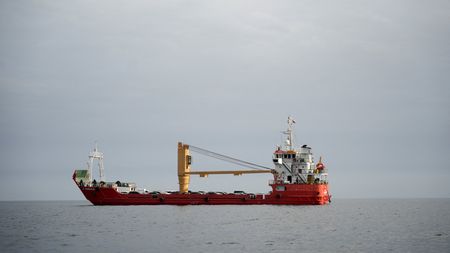
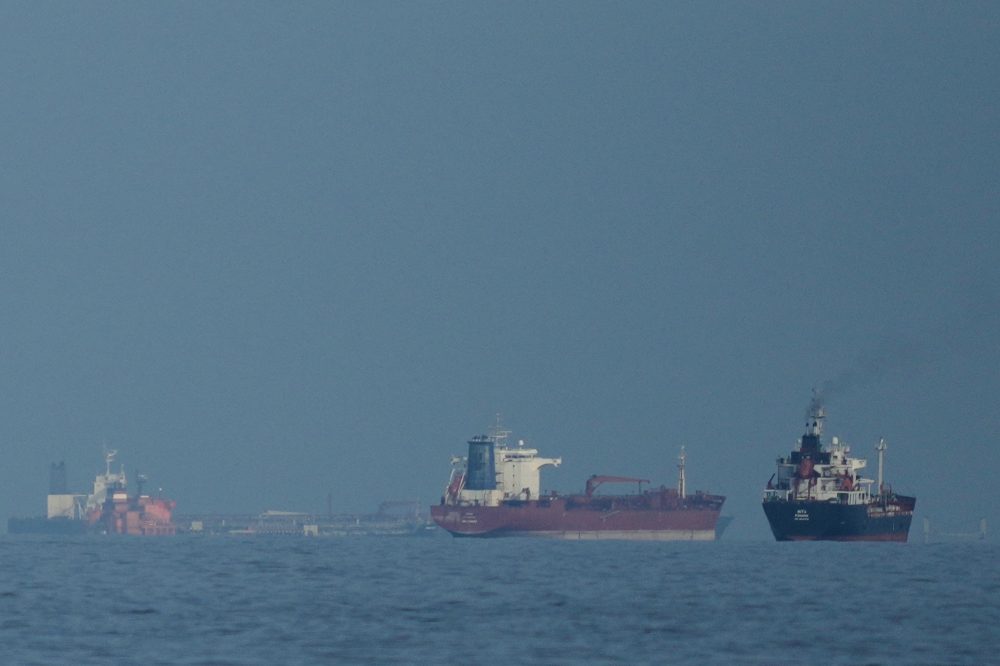
American naval forces have begun implementing a maritime blockade in strategic Middle Eastern waters, according to a military communication obtained by news agencies on Monday.
The U.S. Central Command issued guidance to maritime operators stating that American forces will control shipping traffic in Gulf of Oman and Arabian Sea waters located east of the Strait of Hormuz, with restrictions applying to vessels of all nations.
The naval operation became active at 1400 GMT on Monday, military officials confirmed.
According to the maritime advisory, “Any vessel entering or departing the blockaded area without authorization is subject to interception, diversion, and capture.”
However, the military emphasized that normal shipping routes would remain open, stating “The blockade will not impede neutral transit passage through the Strait of Hormuz to or from non-Iranian destinations.”
The restricted zone covers Iran’s entire coastal region, including major shipping ports and petroleum export facilities, according to the official notice. While commercial traffic faces restrictions, the military indicated that relief supplies such as food, medical equipment, and other critical humanitarian materials would be allowed through following inspection procedures.
The maritime action comes as diplomatic efforts over the weekend failed to produce an agreement to halt ongoing conflicts, putting existing ceasefire arrangements at risk. Iranian officials have warned they may target neighboring Gulf states’ port facilities in response to the blockade.
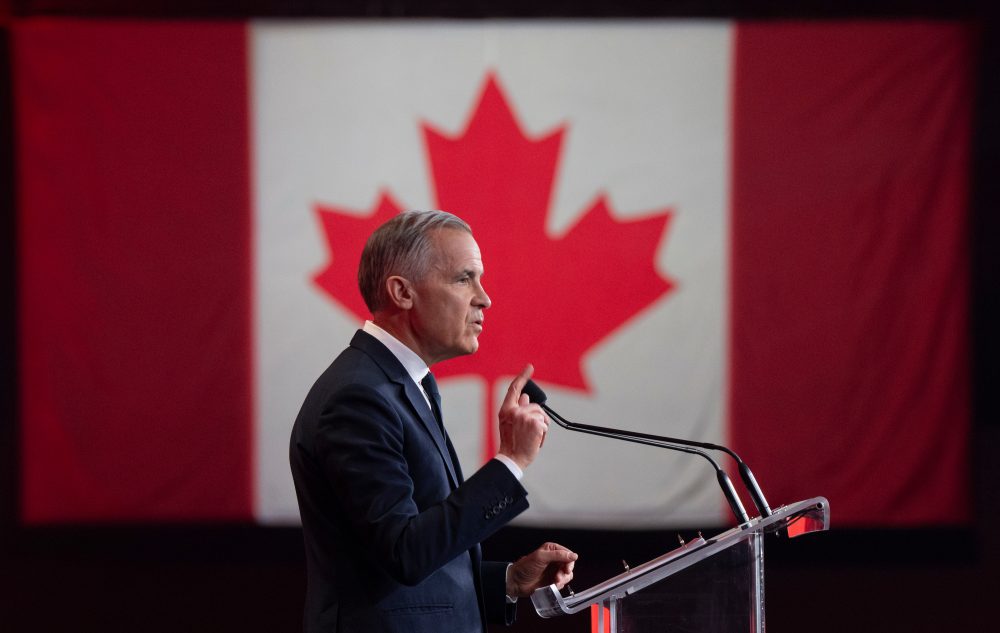
TORONTO (AP) — Monday’s special elections in three Canadian districts could push Prime Minister Mark Carney’s Liberal Party over the threshold needed for majority control of Parliament.
Voters in two Toronto-area constituencies — Scarborough Southwest and University-Rosedale — along with residents of Terrebonne near Montreal, are heading to the polls. Political analysts view the Toronto races as likely Liberal victories, while the Montreal-area contest remains competitive.
The Liberal Party currently holds 171 seats in the House of Commons and requires just 172 for majority status. Achieving this milestone would enable Carney’s government to advance legislation without opposition support and potentially remain in office through 2029 without calling another general election.
Election outcomes are anticipated later Monday evening.
Recent defections from rival parties have positioned the Liberals within striking distance of their goal. Five politicians have switched allegiance to Carney’s party, with four coming from the Conservative opposition.
One defector cited Carney’s recent address at the World Economic Forum in Davos, Switzerland, as influential in their decision-making process. During that appearance, Carney criticized economic intimidation tactics used by powerful nations against smaller states, earning broad acclaim for his statements.
Carney’s electoral success last year stemmed largely from Canadian frustration over President Donald Trump’s territorial acquisition rhetoric targeting their nation.
The former Bank of England governor, who also previously led Canada’s central bank, has shifted the Liberal Party toward more centrist-conservative positions since succeeding Justin Trudeau as prime minister in 2025.
McGill University political science professor Daniel Béland predicts strong Liberal performances in both Toronto constituencies, with reasonable prospects for success in Terrebonne as well.
According to Béland, worsening diplomatic relations between Canada and the United States during Trump’s second presidency has prompted many Canadians, including non-Liberal voters, to support their prime minister.
“Carney has thus far proved that he is an astute politician, despite the fact that he only formally entered the political arena in January of last year,” Béland said.
“The Davos speech has certainly helped boost Carney’s support at home, and he is now significantly more popular than when he became prime minister nearly 13 months ago.”
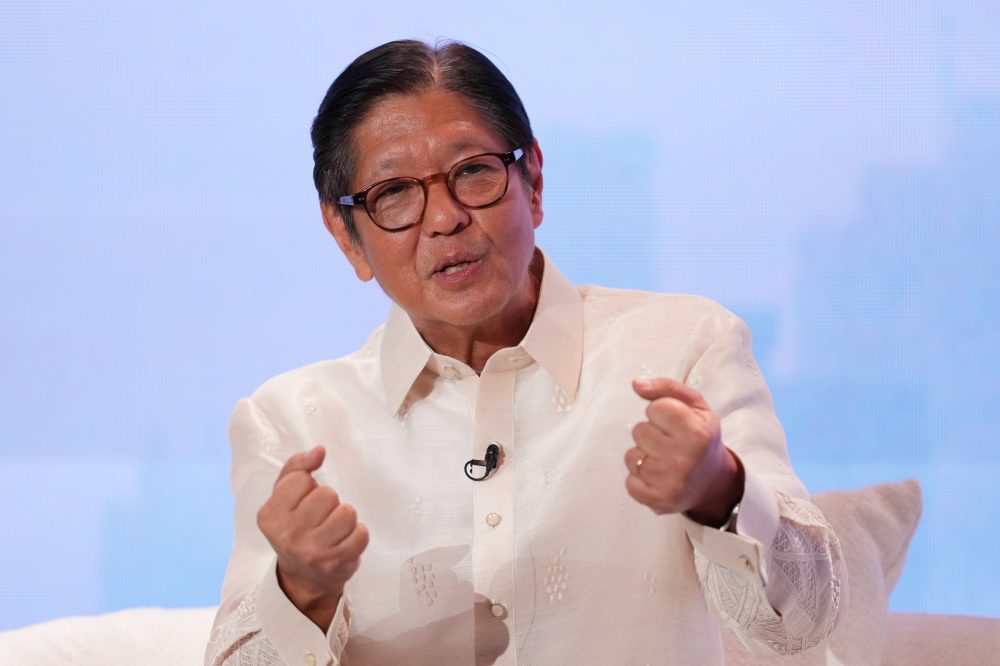
MANILA, Philippines — Philippine President Ferdinand Marcos Jr. staged an unusual public display Monday, performing jumping jacks and a brief jog outside his Manila office to silence persistent speculation about his physical condition.
The 68-year-old commander-in-chief, dressed in business attire complete with reading glasses and leather shoes, conducted the spontaneous fitness demonstration before assembled reporters to address concerns about his wellbeing during a period when citizens face challenges from Middle Eastern conflicts.
“I challenge anyone who are saying that I am sick, that they come and exercise with me,” Marcos declared to the media. “You come to the gym with me. Let’s see who can lift the weights better.”
“Those people who tell you that I’m sick, that I’m paralyzed, they’re all liars,” Marcos stated firmly.
Speculation regarding the president’s physical condition and even false reports of his death have circulated across social media platforms following his temporary absence from public appearances in January. He later revealed through a video statement that medical professionals had treated him for an abdominal condition he attributed to stress and advancing age.
The Philippine leader dismissed reports of his death with laughter and disclosed his diagnosis of diverticulitis, a medical condition characterized by inflamed pouches within the digestive system, typically affecting the colon and causing symptoms including pain, elevated temperature, nausea, and digestive issues.
According to Marcos, his most recent medical examination several months ago confirmed his recovery from the condition. He reported returning to his regular eating habits and maintaining a consistent exercise routine.
Regarding ongoing medical treatment, the president acknowledged taking prescribed medications for gout and elevated blood pressure.
Throughout his presidency beginning in mid-2022, Marcos has confronted numerous challenging situations and political complications.
These obstacles encompass escalating territorial tensions with China over South China Sea disputes, destructive natural disasters including earthquakes, typhoons, and floods, economic pressures, strained relationships with his vice president, and a corruption investigation involving influential lawmakers and political associates that has generated public anger.
Clad entirely in white garments, approximately 1,500 Ethiopian Orthodox believers gathered at Washington DC’s DSK Mariam Church for their Easter observance, chanting hymns in the traditional Ge’ez language and maintaining an all-night prayer vigil.
Known as Fasika in the Amharic language, this celebration of Christ’s resurrection takes place one week following the Catholic and Protestant Easter observances.
“We dress in white so that we are groomed for heaven,” said Archdeacon Getahun Atlaw.
Within the Ethiopian Orthodox faith, Fasika represents the most sacred period of their religious calendar. Religious ceremonies intensify throughout Holy Week, reaching their peak with an eight-hour overnight worship service that concludes with ending a 55-day period of fasting from meat and dairy products.
This year brought additional challenges for some congregation members as Ethiopian communities across America confronted Trump administration attempts to eliminate temporary protected status affecting more than 5,000 Ethiopian nationals. A federal court has since prevented this action.
“It takes a grind and courage to get to where they’re at,” said 18-year-old deacon Jonathan Melaku of the members who founded the church. “Our people will always stay resilient.”
Ethiopian families have migrated to America over five decades, and the Washington congregation now includes both first and second-generation Ethiopian Americans.
“Ethiopians are hard workers, disciplined, mannered, and they know how to come together,” Atlaw said. “We’re not here merely, we bring values.”
The church, officially called Re’ese Adbarat Debre Selam Kidist Mariam Church, belongs to the Ethiopian Orthodox Tewahedo tradition, representing one of Christianity’s most ancient denominations.
Situated in the DC metropolitan region, which hosts America’s largest Ethiopian immigrant population, the congregation ministers to approximately 4,000 weekly attendees.
During this Easter season, roughly 1,500 people participated in the overnight worship that concluded at 3 a.m. Sunday morning.
“The climax is the resurrection because if there was no resurrection, there would be no Christianity. It would just be an empty philosophy,” said Abraham Habte-Sellassie, a “kesis” or priest — who helped lead the Divine Liturgy from midnight to 3 a.m., representing the three hours they believe Christ was on the cross.
Sebawit Yirsaw, who became a church member 16 years ago following her arrival from Ethiopia, explains that worshippers experience profound spiritual connection during Fasika because of their desire for redemption.
“The salvation is always something that we feel like much needed because we all go through a lot of hardship in life,” she said.
During Good Friday services earlier that week, clergy members gathered under dark purple and gold vestments symbolizing Christ’s victory over evil and offering of salvation. The religious leaders chanted together, “Lord have mercy upon me.”
At one moment during the ceremony, church officials extinguished a flame, symbolizing Satan’s defeat.
Throughout these services, both congregation members and clergy performed numerous prostrations.
“We’re living Christ-like as much as we can,” said Atlaw. “The prostration is a passion to Christ’s love. What he has done for us, the sacrifice.”
During the Easter midnight service, lighting is reduced while long, thin wax candles known as tuaf are illuminated to symbolize the resurrection moment when Christ’s light overcame darkness.
The sanctuary filled with voices as religious leaders and worshippers chanted together: “Your resurrection is for us who believe. Send your light upon us, send your light upon us.”
“The celebration is so joyful that you don’t even feel that you’re tired,” said 21-year-old Deacon Amanuel Argaw.
Following the Easter worship, congregation members hurried into the quiet pre-dawn streets, with birds singing softly, attracted by the aroma of doro wat, a traditional Ethiopian spicy chicken dish cooking with aromatic spices.
Standing in small clusters on the sidewalk, worshippers consumed small portions to end their fast before returning home to rest.
Throughout the day, families and friends assembled for Easter meals and completely ended their fast together while sharing doro wat and other customary Ethiopian cuisine.
Preserving these historic traditions in America and passing them to younger generations remains essential for community members.
“This history and value can go wherever Ethiopians go. This is our history. How can we take it lightly? … This is who we are,” said Atlaw. “We have to pass it from generation to generation.”
For Selamawit Tekola, ending the Easter fast alongside her extended Ethiopian family is non-negotiable.
“When Selama says, take off work and show up, it’s not optional,” joked Tekola’s niece, Adey Thomas, as they sat together in a house full of friends and family.
“In the States, it’s very, you know, rush to go, go, go especially in the D.C. area,” Thomas. “This is the one time to stop and celebrate with family.”
On a pleasant Easter Sunday in Virginia, the family gathered as requested. Wearing traditional attire, they assembled around homemade dishes and offered prayers. They shared traditional honey wine called Tej and later enjoyed Ethiopian coffee.
“I was born Orthodox and I respect it, I love it. So that means a lot for us.” said Tekola. “That’s what we are teaching our children.”
NEW DELHI, April 13 – Tehran is maintaining strong communication channels with New Delhi regarding the transit of Indian vessels through the strategically important Strait of Hormuz, Iran’s Ambassador to India Mohammad Fathali announced Monday.
Fathali described the diplomatic coordination as “good contact” and emphasized Iran’s commitment to assisting the Indian government with maritime passage through the vital shipping lane.
The ongoing U.S.-Israeli military conflict with Iran, which commenced in February, has created significant disruptions to maritime traffic through this critical waterway. The strait serves as a crucial transportation route for approximately 40% of India’s crude oil imports, with the current restrictions creating substantial impacts on commercial trade and creating pressure on energy supply chains.
Billionaire hedge fund manager Bill Ackman began marketing efforts Monday for a dual public stock offering involving his investment management firm and a newly created fund.
The marketing campaign launches during volatile market conditions following unsuccessful weekend negotiations between the United States and Iran that failed to produce an agreement to halt the ongoing seven-week conflict.
The newly established fund, called Pershing Square USA, aims to collect between $5 billion and $10 billion through its stock market launch and private investor sales. Each share will be priced at $50.
Private investors have already committed $2.8 billion to the fund, including family investment offices, retirement funds, and insurance firms. These early backers will get 30 shares of Pershing Square for every 100 shares they buy in the new fund.
This marks Ackman’s second attempt at launching the new fund publicly, after abandoning a 2024 debut just days before the planned launch due to multiple obstacles.
Ackman established his hedge fund, Pershing Square Capital Management, in 2004. The firm typically holds positions in about twelve companies including Amazon and Uber, and has gained recognition for its shareholder activism efforts.
The new Pershing Square USA fund will follow a similar strategy to Ackman’s current hedge fund, targeting 12 to 15 undervalued companies listed on North American exchanges. The fund promises faster capital access and eliminates performance fees to attract a broader range of investors.
Both entities will trade on the New York Stock Exchange, with Pershing Square USA using the ticker symbol “PSUS” and Pershing Square trading under “PS.”
“A large and successful PSUS IPO will also likely contribute to our success in launching other closed-end investment companies,” Ackman stated in a letter to Pershing investors last month when announcing the combined public offering.
Major financial institutions Citigroup, UBS Investment Bank, BofA Securities, Jefferies, and Wells Fargo Securities are serving as the primary coordinators and bookrunners for the dual public offering.
Goldman Sachs announced increased first-quarter earnings on Monday, with the major investment bank seeing substantial gains from merger activity and stock trading operations.
Market turbulence stemming from Middle East conflicts has created uncertainty as oil price increases fuel concerns about inflation and potential economic downturn.
The increased market instability has driven clients to reevaluate their investment portfolios and seek protection against potential losses, which typically benefits trading operations at major financial institutions.
“The geopolitical landscape remains very complex – so disciplined risk management must remain core to how we operate,” Goldman Sachs CEO David Solomon said in a statement.
The bank’s stock trading and financing division generated record revenues of $5.33 billion, marking a 27% increase, while income from bonds, currencies and commodities decreased 10% to $4.01 billion.
Earnings available to shareholders increased to $5.4 billion, equivalent to $17.55 per share, compared to $4.58 billion or $14.12 per share during the same period last year.
Industry leaders anticipate robust merger and acquisition activity this year despite ongoing Middle East uncertainty, as anticipated regulatory changes under President Donald Trump’s administration and artificial intelligence growth are expected to drive deal-making.
Worldwide merger volumes reached $1.38 trillion during the first quarter, based on Dealogic statistics. Jefferies analysts reported that global merger advisory fees increased 19% annually to $11.3 billion, with Goldman maintaining the largest market position.
The firm participated in major transactions during the quarter, including providing counsel to Unilever regarding the planned combination of its food division with McCormick to establish a $65 billion entity, and Equitable’s proposed merger with Corebridge to create a $22 billion insurance company.
Investment banking fee income climbed to $2.84 billion in the first quarter, representing a 48% increase from the previous year.
The financial giant’s stock price has gained more than 3% year-to-date, following a surge of over 53% in 2025.
Initial public offering activity has faced renewed challenges due to geopolitical tensions affecting investor appetite for equities, though certain companies, particularly in industrial and defense sectors, have continued with listing preparations.
Goldman has obtained a position as a lead underwriter for SpaceX’s anticipated IPO scheduled for June, according to Reuters sources. The Elon Musk-controlled company could potentially raise $75 billion at a $1.75 trillion valuation.
This offering is projected to trigger additional major public listings throughout the year, potentially including IPOs from OpenAI and Anthropic.
Goldman served as a joint book-running manager for PayPay’s $880 million U.S. public offering, which assigned the SoftBank-supported company a $10.7 billion valuation.
The bank’s asset and wealth management division saw revenues grow 10% to $4.08 billion. Goldman has emphasized this business segment to create more consistent income streams, decreasing dependence on the more unpredictable trading and investment banking revenues.
The company’s private credit fund within this division avoided industry-wide withdrawal pressures last week, with investors requesting to redeem slightly less than 5% of shares in the first quarter – redemptions that remained within established limits.
Concerns that artificial intelligence might impact software company profits and compromise debt servicing capabilities have disrupted the multi-trillion-dollar private credit sector, leading investors to seek liquidity through increased withdrawals.
Goldman finalized its purchase of exchange-traded fund provider Innovator Capital Management earlier this month, bringing its total ETF assets under management to $90 billion.
Allogene Therapeutics announced Monday that preliminary results from a clinical trial demonstrate their investigational blood cancer treatment successfully lowered the likelihood of disease recurrence in patients.
The biotechnology company conducted testing on their ready-to-use CAR-T treatment in individuals diagnosed with blood cancer who still showed signs of the disease following their first course of conventional therapy.
The experimental treatment, called cema-cel, works by taking white blood cells called T-cells from healthy volunteer donors.
Scientists then modify these donor cells in laboratories to transform them into specialized cancer-fighting immune cells that can be stored and given to patients immediately when needed.
This approach represents a significant departure from existing CAR-T treatments currently on the market, which involve harvesting a patient’s own immune cells, genetically altering them in a laboratory, and then returning them to the patient several weeks later.
Moscow officials announced Monday that Russia wants to establish shared food stockpiles with BRICS partner nations and former Soviet states as ongoing Middle East conflicts threaten worldwide food supplies.
Alexander Maslennikov, who serves as deputy secretary of Russia’s Security Council, stated that fertilizer supply disruptions have created serious concerns for agricultural production globally. Approximately half of the world’s food production depends on fertilizer, with one-third of global fertilizer trade previously moving through Iran’s Strait of Hormuz shipping corridor, which has faced major disruptions since regional conflicts intensified.
“To ensure food security, it is highly important to expand cooperation with friendly countries, primarily the member states of the Eurasian Economic Union and BRICS, including through the creation of joint food reserves,” Maslennikov told Russian news outlets.
The Security Council, headed by President Vladimir Putin, plays a key role in shaping Russia’s major national security policies. Putin was scheduled to meet with Indonesian President Prabowo Subianto on Monday, with food security expected to be a primary discussion topic.
Maslennikov warned that continued fertilizer shortages extending into early summer could slash major crop production by 50 percent, potentially triggering the most severe global food price increases seen in recent years. He projected that worldwide hunger could affect a record 673 million people.
International financial institutions including the World Bank, International Monetary Fund, and United Nations World Food Programme issued warnings last week about escalating oil, natural gas, and fertilizer costs from Middle East warfare inevitably leading to higher food prices and increased food insecurity.
As the world’s top wheat exporter, Russia produces and ships significant amounts of fertilizer but cannot substantially boost production capacity this year. The country aims to increase agricultural exports by 50 percent before 2030.
While acknowledging risks to Russia’s domestic food security, Maslennikov described the current crisis as creating long-term export opportunities for Russian agricultural producers.
“Russia is in a strong position to increase food exports to the countries of the Middle East, as well as to Asia, Africa and Latin America,” he explained.
Egypt leads BRICS nations in purchasing Russian wheat, while Russia also supplies food to China and India, the trading bloc’s largest economies. Russia heads the Eurasian Economic Union alongside grain-producing Kazakhstan, Belarus, Armenia, and Kyrgyzstan.
A Delaware-based pharmaceutical company announced Monday that their experimental treatment for ulcerative colitis showed promising results in reducing inflammation during a mid-stage clinical trial.
Spyre Therapeutics reported that their investigational medication, SPY001, successfully achieved its primary endpoint by decreasing key inflammation markers at the tissue level following 12 weeks of treatment.
Ulcerative colitis affects patients with chronic inflammation that creates swelling and sores throughout the colon and rectum lining.
During the clinical trial, researchers found that 40% of participants reached clinical remission while 51% demonstrated noticeable improvements in their intestinal tissue condition.
According to Spyre, SPY001 is engineered to enhance the effectiveness of Takeda Pharmaceutical’s existing treatment Entyvio, offering extended duration of action and improved initial dosing protocols.
The safety profile remained favorable, with only six participants experiencing treatment-related adverse reactions during the initial treatment phase. One serious adverse event occurred but was determined to be unconnected to the study drug. Back pain emerged as the most frequently reported side effect, affecting two study participants.
The ongoing mid-stage clinical trial consists of two distinct phases: an initial open-label segment followed by a randomized, placebo-controlled portion that will evaluate multiple Spyre medications both individually and in combination therapies.
The FDA granted approval for Takeda’s Entyvio to treat moderate to severe ulcerative colitis in May 2014, with a subcutaneous formulation receiving approval in September 2023.
Motorists traveling on Janice Road should expect delays this afternoon as construction work has forced the closure of one southbound lane.
The Delaware Department of Transportation reports that the affected stretch runs between Nassau Commons Boulevard and Siham Road, with the lane restriction scheduled to lift at 4:30 PM today.
Drivers are advised to use alternate routes or allow extra travel time when navigating through the construction zone.
Motorists should plan alternate routes as eastbound Lighthouse Road remains impassable between Madison Avenue and Dukes Avenue due to construction activities.
According to DelDOT traffic officials, the roadway closure will continue through 5 PM this evening while crews complete necessary work in the area.
Drivers are advised to use alternative routes to avoid delays and allow extra travel time for their commute.
Motorists should expect delays on Kenton Road this afternoon as construction crews have closed one lane of southbound traffic.
The lane restriction affects the stretch of Kenton Road running between Burning Tree Road and Carnoustie Road, according to DelDOT traffic reports.
Officials indicate the construction-related closure will remain active until 5 PM today. Drivers are advised to plan alternate routes or allow extra travel time when passing through the area.
Delaware Department of Transportation crews are currently working to remove litter from the median strip along Interstate 95 northbound, according to DelDOT traffic reports.
The cleanup operation extends along the northbound lanes from the Delaware Welcome Center all the way to the Pennsylvania border. Motorists traveling through the area may notice DelDOT vehicles and crews working in the median during the litter removal efforts.
DelDOT has not provided details about the expected duration of the cleanup operation or any potential traffic impacts.
Motorists using Holland Glade Road are experiencing periodic lane restrictions today as construction work continues in the area.
The intermittent lane closures affect the stretch of roadway running between Hebron Road and Coastal Highway, also known as Route 1. Delaware Department of Transportation officials indicate the construction activity and associated lane restrictions are expected to conclude by 4 PM today.
Drivers are advised to plan for potential delays and consider alternate routes if possible during the construction period.
Drivers using Cherry Lane are being advised to plan for potential delays as construction crews continue work along a busy stretch of roadway.
According to Delaware Department of Transportation officials, the section of Cherry Lane running from Lukens Drive to the railroad tracks will experience periodic lane restrictions throughout the day. The construction-related closures are scheduled to remain in effect until 7 PM this evening.
Motorists are encouraged to seek alternate routes when possible or allow extra travel time if they must use this corridor during the affected hours.
Drivers using Ingleside Road are experiencing periodic lane restrictions today as construction crews work along a stretch of the roadway.
The temporary lane closures are affecting the section of Ingleside Road that runs between South Dilwyn Road and Stafford Avenue, according to DelDOT traffic information.
The construction-related traffic pattern is expected to continue until 6 PM this evening, when normal traffic flow should resume.
Motorists are advised to plan for possible delays and consider alternate routes if traveling through the area during the construction period.
TEL AVIV, Israel (AP) — A comprehensive study released Monday by Tel Aviv University reveals that 2025 became the most lethal year for anti-Jewish violence in more than 30 years, claiming 20 lives across multiple continents.
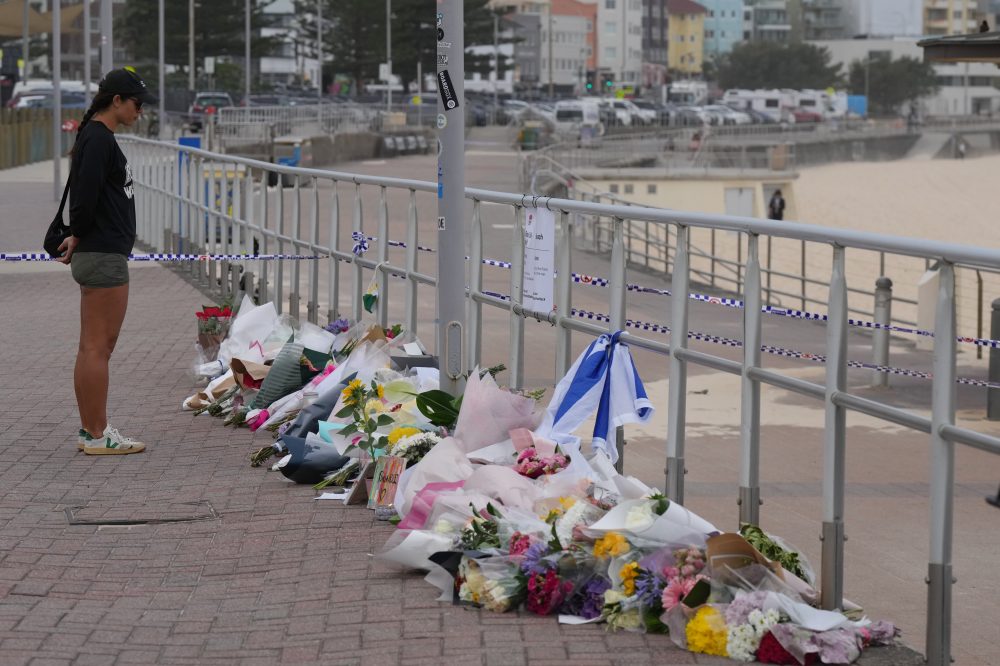
Researchers documented fatal incidents spanning three continents, with the most devastating occurring during a December Hanukkah gathering at Sydney’s Bondi Beach, where 15 people lost their lives. Additional deadly attacks struck Washington D.C. and Colorado in the United States, while Britain witnessed two fatalities during a Yom Kippur service at a Manchester synagogue.
The surge in lethal violence represents a continuation of trends that emerged following Hamas’s October 7, 2023 assault and the ensuing Gaza conflict, according to the study’s authors.
“The data raise concern that a high level of antisemitic incidents is becoming a normalized reality,” said Uriya Shavit, the chief editor of the widely cited annual report.
The research indicates that 2025 surpassed all previous years for anti-Jewish fatalities since 1994, when a bombing targeting a Jewish community center in Argentina resulted in 85 deaths and over 300 injuries. Iranian involvement through its Hezbollah affiliate has been determined by Argentine courts in that earlier attack.
Beyond fatal incidents, investigators documented rising numbers of physical assaults, including beatings and stone-throwing incidents targeting Jewish individuals and communities.
While overall incident numbers showed modest growth compared to 2024, the totals represent a dramatic escalation from 2022 levels, before the Gaza war commenced. The study encompasses various forms of hostility, from physical violence and property damage to online harassment and verbal intimidation.
“The peak in the number of incidents was recorded in the immediate aftermath of the Oct. 7 attack, after which we began to see a downward trend — but unfortunately, that trend did not continue in 2025,” Shavit said.
Country-specific data shows the United Kingdom recording 3,700 incidents in 2025, up slightly from 3,556 the previous year. Canadian statistics jumped from 6,219 incidents in 2024 to 6,800 in 2025, representing more than triple the 2022 figures.
Even following the Gaza ceasefire implementation last October, hostile incidents continued climbing compared to the same timeframe in the previous year. Australian data shows incidents rising from 492 between October and December 2024 to 588 during the corresponding 2025 period. This contrasts sharply with the 472 total incidents recorded across all of 2022 in Australia, before the Israel-Hamas conflict began.
Carl Yonker, the study’s research director, noted that most physical assaults were perpetrated by individuals acting independently, making prevention efforts particularly challenging. He observed that attackers typically fell into categories of white supremacist extremists or radical Muslims, often sharing characteristics of unemployment and financial hardship.
The annual assessment comes from Tel Aviv University’s Center for the Study of Contemporary European Jewry in partnership with the Irwin Cotler Institute for Democracy, Human Rights and Justice. The timing coincides with Israel’s Holocaust Remembrance Day, which begins Monday evening to honor the 6 million Jewish victims of the Holocaust.
Data compilation draws from law enforcement reports, government agencies, and Jewish community organizations worldwide.
NEW YORK (AP) — Throughout American history, presidents have traditionally steered clear of any appearance that they might financially benefit from their position in office.
Former President Harry Truman declined to attach his name to any commercial ventures, even after leaving the White House. Richard Nixon grew so concerned about potential conflicts involving his brother that he authorized surveillance of his phone calls. George W. Bush sold off his individual stock portfolio before assuming the presidency.
President Donald Trump has chosen a markedly different path.
The Trump family’s real estate empire is experiencing its most rapid international growth since the company’s establishment 100 years ago, with each new venture potentially influencing decisions on trade policies and military assistance.
Under the leadership of Eric Trump and Donald Trump Jr., the family enterprise has ventured into digital currencies through projects that generated billions in revenue while raising concerns about whether major investors received preferential government treatment.
The Trump sons have also acquired interests in multiple companies seeking government contracts with the administration their father leads. Recently, they secured ownership positions worth millions in a military drone manufacturer pursuing Pentagon contracts and deals with Gulf nations under Iranian threat who rely on U.S. military protection led by their father.
Both the White House and Trump Organization reject claims of ethical violations. When questioned about these issues at a recent cryptocurrency conference, Donald Jr. responded, “Frankly, it’s gotten old.”
While conflict of interest concerns date back to Trump’s initial presidential campaign a decade ago, ethics specialists and historians contend the situation has become more urgent as conflicts accumulate during his second presidency, which they describe as unprecedented, flagrant and threatening to democratic principles.
“I don’t think there’s any line right now between policy decisions and political calculations and the interest of the Trump family,” said Julian Zelizer, a presidential historian at Princeton University.
During Trump’s initial presidency, the Trump Organization completed no international deals. Within just over a year of his return to office, the company has finalized eight such agreements, all reportedly adhering to the organization’s self-imposed guideline against direct business with foreign governments.
However, governments in authoritarian and single-party nations typically maintain significant control over business activities — particularly when those businesses belong to a sitting president.
In Qatar, a Trump golf facility and residential project involves development by a company with Qatari government ownership. In Vietnam, where The New York Times documented government displacement of farmers to accommodate a Trump resort, the nation’s deputy prime minister formally endorsed the project at a signing ceremony. In Saudi Arabia, a proposed “Trump Plaza” resort along the Red Sea coast is being constructed by a Saudi developer with close royal family connections.
While determining whether these deals influenced U.S. policy changes favoring these nations remains nearly impossible, each country achieved its desired outcomes — Qatar gained access to advanced American technology, Vietnam received tariff reductions, and Saudi Arabia obtained fighter aircraft.
The Trump Organization also benefited significantly: tens of millions in licensing fees.
When asked about these projects, the Trump Organization stated it has avoided government deals, emphasizing that the Saudi partner operates privately and clarifying it is “collaborating” rather than forming a “partnership” with the Qatari entity that would violate its self-imposed restrictions.
Another potentially conflicting arrangement first emerged in a Wall Street Journal report in January — one year after the deal’s completion.
Just before inauguration, the Trump family sold nearly half of its World Liberty Financial cryptocurrency venture to a UAE government-connected firm managed by a UAE royal family member for $500 million.
A separate UAE entity, a government investment fund, placed $2 billion worth of a digital currency called a stablecoin into the offshore cryptocurrency exchange Binance through World Liberty. This arrangement allowed the Trump company receiving the funds to invest in secure options like bonds or money market accounts while retaining tens of millions in interest earnings.
Soon afterward, the Trump administration lifted a Biden-era limitation and authorized UAE access to advanced American semiconductors. Binance founder Changpeng Zhao subsequently received a Trump pardon despite pleading guilty to failing to prevent criminals from using his platform for money transfers related to child exploitation, drug trafficking and terrorism.
Zhao’s attorney denied any connection between Binance’s Trump family business relationship and the presidential pardon.
“Any claim of a quid pro quo by Binance or CZ, or preferential financial treatment by Binance, is a clear misstatement of the public record,” said Teresa Goody Guillen in an email to the AP, referring to Zhao by his initials.
Regarding the pardon, the White House stated federal authorities had unjustly penalized Zhao in what it termed “The Biden Administration’s war on crypto.”
World Liberty rejected conflict suggestions, asserting the UAE agreement had no relationship to presidential semiconductor policy.
World Liberty has also generated additional revenue for a new Trump limited liability company through “governance token” sales that provide buyers certain voting privileges in its operations, though not ownership shares, raising $2 billion last year. This translates to hundreds of millions for the Trumps through their World Liberty stake and a separate arrangement granting them a portion of sales proceeds.
One major token purchaser was Justin Sun, a cryptocurrency billionaire who, as a foreign national, faces U.S. legal prohibitions on political donations to American politicians. Between Trump’s election victory and inauguration, Sun invested $75 million in the tokens.
In February of last year, a federal lawsuit accusing Sun of investor fraud was suspended before reaching a $10 million settlement last month.
Additionally, commemorative “meme” coins featuring Trump’s image went on sale days before he assumed office last year.
Over the following four months, these coins generated $320 million, primarily benefiting Trump-related entities, according to blockchain tracker Chainalysis. This amount exceeds double the revenue collected during four years of operating his Washington D.C. hotel during Trump’s first presidency.
Unlike lobbyists or campaign contributors attempting to influence Trump, coin purchasers can buy anonymously. One who chose to publicize his purchase was Sun, who spent $200 million on the coins and gained Trump access at a gala event he hosted for major buyers.
Another family cryptocurrency venture, American Bitcoin, went public in September, providing Donald Jr. and Eric approximately $1 billion in paper wealth at that time. Months earlier, their father announced a new national bitcoin reserve, driving cryptocurrency prices to record levels.
Trump businesses aren’t entirely protected from crypto’s infamous volatility. Bitcoin and other digital token values have since plummeted, unsettling investors. Both American Bitcoin stock and Trump’s commemorative meme coins have dropped 90% from their peaks.
Last month, Trump announced another dinner with new top meme coin holders, temporarily boosting the coin before it declined again.
“Whatever constraints there were in the first term appear to have completely disappeared,” says Columbia University historian Timothy Naftali. “Do you want future presidents to be open to the highest bidder?”
When asked to comment, the White House said Trump operates in an “ethically-sound manner” and that any contrary suggestions are either “ill-informed or malicious.” It emphasized that his assets are managed by a trust overseen by his children and stated he has “no involvement” in family business transactions.
“There are no conflicts of interest,” said spokesperson Anna Kelly.
In a separate statement, the Trump Organization said it remains “fully compliant with all applicable ethics and conflicts of interest laws” and added, “The implication that politics has enriched the Trump family is unfounded.”
Trump told The New York Times in January that regarding potential conflicts of interest, “I found out that nobody cared, and I’m allowed to,” referencing a presidential exemption from federal statutes prohibiting federal officials from maintaining financial interests in businesses affected by policies they help create.
His assessment of American attitudes may be accurate, though they appear to be shifting even among Republicans. A Pew Research Center poll in January showed 42% of Republican voters expressed confidence in Trump’s ethical conduct in office, declining from 55% at the beginning of his second term one year ago.
Forbes estimates Trump’s current net worth at $6.3 billion, rising 60% since returning to office, a remarkable development considering the Trump Organization’s previous struggles.
The Trump International Hotel in Washington never achieved profitability before being sold. Two Trump hotel brands targeting middle-class travelers during his first presidency closed due to insufficient demand. Condominium buildings removed the Trump name from their exteriors after discovering it deterred rather than attracted buyers.
No new American condominiums are displaying the Trump name during his second presidency, but his brand holds value in Washington where individuals conduct federal government business.
Donald Jr. launched a private club in Georgetown, Washington, charging initiation fees up to $500,000 for founding members.
One of the few clubs with comparable fees, Montana’s Yellowstone Club, provides access to multiple resorts, 50 ski slopes and over a dozen restaurants across a members-only area matching Manhattan’s size.
Donald Jr.’s club operates from a building’s basement but offers something different — proximity to political power.
The club’s name is “Executive Branch.”
Other presidents and their families have pursued profit in ways that tarnished the office’s dignity.
Hunter Biden received payment as a Ukrainian gas company director while his father served as vice president. The Clinton Foundation accepted foreign donations, though after Bill Clinton left office. Jimmy Carter’s brother Billy capitalized on the family name by marketing beer.
In Trump’s situation, the president himself markets merchandise, including $59.99 “God Bless the USA” Bibles, $399 sneakers marked “Never Surrender” and electric guitars priced up to $11,500 — shipping excluded — for presidential autographed models.
During the initial months of Trump’s second year back in the White House, this momentum continues.
In January, the Trump Organization announced its third Saudi Arabian deal in under a year, this time a “collaboration” with a company more directly connected to the government through ownership by the country’s sovereign wealth fund chaired by Crown Prince Mohammed bin Salman. When the AP asked whether the project outside Riyadh for Trump residences, a hotel and golf course violated the company’s commitment to avoid foreign government deals, the Trump Organization said it doesn’t “conduct business with any government entity” but didn’t address the project specifically.
Meanwhile, as the two eldest brothers’ new drone company pursues Pentagon contracts, other government contractors in which one or both have acquired ownership stakes this past year are receiving tens of millions in new taxpayer funding. This includes a rocket motor manufacturer, an AI chip supplier and a data analytics company, according to government contracting records.
When asked about potential conflicts following the drone deal announcement, Eric said, “I am incredibly proud to invest in companies I believe in.” A Donald Jr. spokesman said he doesn’t “interface” with the government regarding portfolio companies, adding that “the idea that he should cease living his life and making a living to provide for his five kids just because his dad is president, is quite frankly, a laughable and ridiculous standard.”
A new investment firm that the brothers joined as advisers last year has raised $345 million in an initial public offering to acquire stakes in American companies designed to support their father’s manufacturing revival goals. After the AP inquired about Trump’s chief business lawyer regarding language in a regulatory filing stating the firm would target companies seeking federal grants, tax credits and government contracts, he submitted a new document with that language deleted.
Zelizer, the Princeton historian, expects future presidents will demonstrate greater restraint in self-enrichment but worries about Trump’s message.
“He has shown politically there is no price to be paid to making money,” he said. “You know you can go there.”
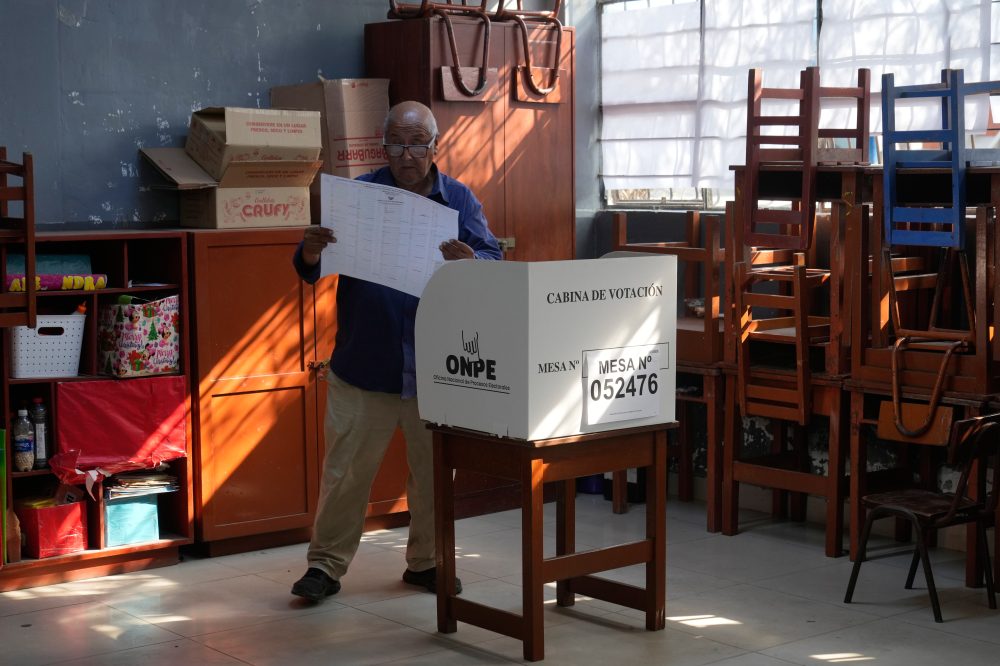
LIMA, Peru – Election officials in Peru continue tallying votes from a chaotic weekend election as conservative candidate Keiko Fujimori maintains a slim advantage in the country’s crowded presidential contest.
Distribution problems with voting materials forced election authorities to keep polls open through Monday for thousands of citizens who couldn’t vote Sunday when numerous polling locations opened late.
According to Peru’s national electoral office ONPE, the former congresswoman commands approximately 17% of ballots cast, with half of all votes now processed. Right-wing former Lima mayor Rafael Lopez Aliaga trails closely in second place with roughly 15%, while center-left contender Jorge Nieto holds third position at around 13%.
Sunday’s exit polling had indicated Fujimori would take the early lead, though Lopez Aliaga temporarily surged ahead during earlier vote counting phases, highlighting just how competitive and unpredictable this election has become.
Fujimori is the daughter of former President Alberto Fujimori, who is currently serving a prison sentence for human rights violations during his time in office.
Financial markets worldwide experienced turbulence Monday as crude oil prices surged past $100 per barrel following President Donald Trump’s decision to implement a naval blockade around Iranian ports in the strategically important Strait of Hormuz.
The dramatic market response came after weekend peace negotiations in Islamabad ended without agreement, prompting Trump to escalate military pressure by deploying U.S. Navy forces to the Persian Gulf region. The blockade officially began at 10 a.m. Eastern time Monday.
Both Brent and WTI crude benchmarks crossed the $100 threshold, though they remain below peak levels reached before last week’s temporary ceasefire announcement. The energy surge contributed to a broader market selloff, with Wall Street futures declining nearly 1% before trading opened and European stock markets posting losses.
The uncertainty surrounding the collapsed negotiations has raised questions about whether the two-week ceasefire declared last week will hold, with Trump’s naval intervention already reversing much of the previous week’s market recovery.
Oil prices have climbed approximately 40% since the Middle East conflict began, creating significant concerns for American consumers at the gas pump. In a Sunday statement, President Trump acknowledged that fuel costs may remain elevated through November’s midterm elections and could potentially rise further.
“That acknowledgement suggests the pressure of domestic politics alone is unlikely to secure an early end to the Middle East conflict,” according to market analysts.
The conflict’s impact on inflation became evident in last Friday’s consumer price data, which showed U.S. prices increased by the largest margin in nearly four years during March. Annual inflation reached 3.3%, with gasoline costs driving most of the monthly increase.
Meanwhile, significant political changes occurred in Europe as Hungary’s long-serving leader Viktor Orban suffered a decisive electoral defeat after 16 years in power. Opposition candidate Peter Magyar’s party secured a landslide victory, gaining a two-thirds parliamentary majority that will enable constitutional reforms and improved relations with the European Union.
The Hungarian forint currency and government bonds rallied sharply on the election results, with approximately 18 billion euros in previously frozen EU funding now potentially available to the country.
Corporate earnings season begins in earnest today with Goldman Sachs reporting first-quarter results. Industry analysts expect S&P 500 companies to post earnings growth of roughly 14% compared to the same period last year, despite ongoing geopolitical tensions.
By Friday, an estimated 10% of S&P 500 companies will have released quarterly results, with major corporations including Netflix, Johnson & Johnson, and PepsiCo scheduled to report this week.
Other significant events Monday include the release of March existing home sales data and the start of the World Bank and International Monetary Fund Spring Meetings in Washington. OPEC will also publish its monthly oil market assessment.
The dollar strengthened against major currencies in early trading but gave back some gains later in the session, while Asian stock markets closed lower across the board.
Investment banking giant Morgan Stanley announced Monday it will stick with its earlier oil price predictions, anticipating Brent crude to hit $110 per barrel during the second quarter of 2026 and $100 per barrel in the third quarter, before declining to $80 per barrel in 2027.
The financial institution warned that oil distribution networks will need several months to return to normal operations, even if access through the Strait of Hormuz can be restored.
According to Morgan Stanley’s primary projection, shipments through the strategic waterway will remain limited throughout April, regain approximately 70% of previous volume levels from May through July, and achieve normal operations by October.
Crude oil values surged back beyond $100 per barrel Monday as the U.S. Navy prepared to intercept vessels traveling to and from Iran through the Strait of Hormuz, which could limit Iranian petroleum exports following unsuccessful negotiations between Washington and Tehran to resolve ongoing conflicts.
By 0810 GMT, Brent crude futures reached $102.23 per barrel while U.S. West Texas Intermediate was trading at $103.88.
At the same time, oil-producing nations in the Middle East, including Kuwait and Iraq, have significantly increased their official pricing for Asian markets in May.
Saudi Arabia established its Arab Light crude pricing for Asia at an unprecedented premium of $19.50 per barrel above the Oman/Dubai benchmark.
Market experts anticipate that disruptions to worldwide oil production will create a supply shortage this year, contrasting with earlier projections that predicted abundant oversupply before the current crisis began.
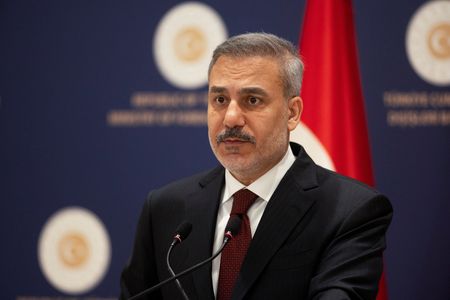
ANKARA, Turkey – Turkey’s top diplomat voiced alarm Monday over the possibility that Iran or the United States might implement fresh restrictions governing passage through the Strait of Hormuz, while expressing skepticism about plans to reopen the crucial waterway using an international military presence.
Foreign Minister Hakan Fidan – who maintains regular communication with American, Iranian and Pakistani mediator officials – told the state-run Anadolu Agency that diplomatic solutions should be pursued to reopen Hormuz following unsuccessful weekend negotiations between Washington and Tehran that failed to produce a war-ending agreement.
The minister emphasized that negotiators must employ “convincing methods” when engaging with Iran and stressed the urgent need to reopen Hormuz quickly, noting that “nobody wants” the strategic passage to become entangled in the ongoing conflict.
“There are many difficulties to intervening here with an international armed force. Especially as the war continues, how much will it narrow, expand? We see many countries are not keen on this,” Fidan stated.
“The problem is whether there will be proposals on new regulations from now on, particularly from Iran,” which might choose to become “more active” regarding the strait, he explained.
Iran effectively sealed off Hormuz in response to American-Israeli military strikes, blocking approximately one-fifth of worldwide energy shipments and causing fuel costs to surge dramatically.
Beginning Monday, American military officials announced plans to implement a comprehensive blockade targeting all shipping traffic entering and leaving Iranian ports and coastal regions. The United States has requested assistance from international partners to help reopen the strait, though allies have shown little enthusiasm for the proposal.
Fidan characterized both American and Iranian negotiators as “sincere” during ceasefire discussions, but warned they might face obstacles if they take an “all-or-nothing” approach to addressing Iran’s nuclear enrichment activities.
According to sources, Fidan held discussions Sunday with American and Pakistani representatives participating in the diplomatic talks.
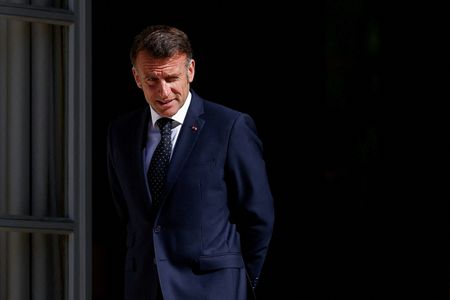
The United Kingdom and France are preparing to lead international discussions this week focused on reopening the critical Strait of Hormuz shipping corridor, with plans for what French President Emmanuel Macron called a strictly defensive maritime operation.
The diplomatic meetings aim to unite Britain, France, and other willing nations in creating a peaceful international coalition designed to restore open navigation through the strategic waterway.
“This strictly defensive mission, which will be separate from the warring parties, is intended to be deployed as soon as the situation allows,” Macron wrote on X.
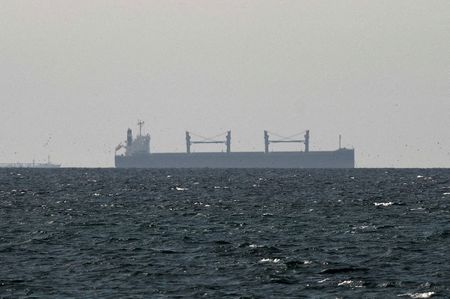
Gulf region tensions have escalated following the United States’ announcement of a maritime blockade targeting Iranian port traffic, while Iran has essentially closed the strait, a critical passage that handles approximately 20% of global oil shipments.
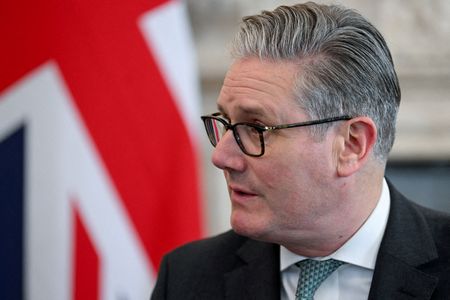
UK Prime Minister Keir Starmer emphasized that the ongoing Strait of Hormuz closure is severely harming international commerce and contributing to rising living expenses worldwide.
“This week the UK and France will co-host a summit to advance work on a coordinated, independent, multinational plan to safeguard international shipping when the conflict ends,” Starmer posted on X.
Previously, Britain has organized meetings with representatives from more than 40 nations who support reopening navigation through the waterway. The United States did not participate in those earlier discussions.
Russian officials announced Monday their desire to maintain diplomatic relationships with Hungary’s incoming government after longtime ally Viktor Orban was defeated in recent elections by center-right candidate Peter Magyar.
Moscow’s spokesperson Dmitry Peskov addressed reporters, stating that Russia honors the decision made by Hungarian voters and seeks to preserve positive relationships with Hungary and broader Europe. Peskov described the current diplomatic relationship as “pragmatic ties” that the Kremlin wishes to continue under the new administration.
The electoral outcome marks a significant shift for Hungary, as Orban had maintained close partnerships with Russian leadership during his time in office.
Authorities in Noida, India deployed tear gas Monday to disperse factory workers whose labor demonstration entered its fourth day and escalated into violent confrontations, according to local police reports.
The industrial suburb near India’s capital witnessed scenes of chaos as demonstrators overturned and burned vehicles while hurling rocks at law enforcement officers throughout the satellite city.
Noida ranks among Asia’s most significant planned industrial centers, hosting thousands of manufacturing facilities across its territory.
The unrest comes amid rising living expenses worldwide, attributed to supply chain disruptions from ongoing conflicts affecting fuel availability. Similar worker demonstrations in Haryana state’s automotive sector recently prompted government officials to approve a 35% increase in minimum wage standards.
Vinay Mahoti, a 30-year-old employee from Bihar state working at a local textile manufacturer, explained his participation in the movement began within his workplace before joining street demonstrations with workers from other companies.
“Duty hours should be fixed, overtime hours should be paid, and companies…should adhere to the guidelines laid by the federal government,” he stated when outlining the protesters’ demands.
Video footage captured dozens of demonstrators marching through streets while chanting demands as riot-equipped security forces monitored the situation.
Additional recordings showed burning overturned vehicles and protesters attempting to breach police barriers while throwing projectiles.
Law enforcement officials confirmed they employed “minimum force” tactics to preserve public order, while Narendra Kashyap, a regional legislator representing Uttar Pradesh state, encouraged demonstrators to pursue dialogue with government representatives.
“Senior police and administrative officials are making persistent efforts to counsel the workers and urge them to maintain peace and restraint,” Gautam Budh Nagar police stated in their official announcement.
SEOUL – South Korean authorities announced Tuesday they will prohibit the hoarding of medical syringes and needles in an effort to ensure healthcare facilities maintain adequate supplies, according to the nation’s finance ministry.
Government officials met with syringe and needle manufacturers last week to assess current inventory levels and explore options for ramping up production amid growing supply chain concerns linked to the conflict in Iran, the industry ministry reported.
Rising costs for plastic materials used in medical equipment and packaging have resulted from disrupted oil and petrochemical supply chains, creating fears about potential shortages and excessive stockpiling behavior.
Canadian Prime Minister Mark Carney appears positioned to gain a parliamentary majority for his Liberal administration following Monday’s special elections, a development that would strengthen his ability to advance his policy priorities amid growing global uncertainty.
Monday’s voting takes place in three districts across Ontario and Quebec, with two of these areas having historically supported Liberal candidates. Securing victory in just one district would provide Carney with the majority he needs, while polling data suggests the Liberals may claim at least two seats.
Carney has indicated this parliamentary control would enhance his capacity to address ongoing trade disputes with the United States under President Donald Trump’s administration. The Liberal Party currently holds 171 positions in Canada’s 343-member House of Commons.
Achieving a parliamentary majority would grant Carney greater governing flexibility and strengthen his leadership position through 2029, when the next national elections are scheduled.
“He will be able to pass legislation without having to go to the opposition to secure enough votes,” explained Andrew McDougall, who teaches Canadian politics at the University of Toronto. The Liberal government has depended on occasional Conservative Party support to advance economic and trade-related bills over the past year.
McDougall noted that majority control would also allow Carney to determine when future elections occur. Minority governments face the constant threat of sudden elections if they fail confidence votes and typically survive less than two years.
Carney’s position has been bolstered by five opposition lawmakers who joined the Liberal Party over five months, providing him with a more substantial margin beyond a single-seat majority. Only governments under Canada’s first prime minister John A. Macdonald and Jean Chretien have experienced more defections to the ruling party.
This past Wednesday, veteran Conservative politician Marilyn Gladu announced her switch to Carney’s government, stating Canada requires “a serious leader who can address the uncertainty that has arrived due to the unjustified American tariffs.”
Gladu, a former chemical engineer who has faced criticism for promoting unverified scientific treatments during COVID-19, opposing conversion therapy bans, and suggesting military intervention against Indigenous pipeline protests, expressed gratitude to Carney for welcoming her into “the large Liberal tent.”
Speaking Thursday, Carney emphasized that fundamental Liberal Party principles including inclusivity, diversity, and protecting Charter of Rights and Freedoms remain unchanged, with government caucus membership requiring support for these values.
However, Yves-Francois Blanchet, who leads the separatist Bloc Quebecois party, criticized the development, saying “the ideological differences between the Liberals and Conservatives are getting thinner and thinner by the minute.”
The Bloc Quebecois faces an extremely close contest with the Liberals in Terrebonne, Quebec. While the Liberals won this district by a single vote in the previous federal election, Canada’s Supreme Court invalidated the result due to a printing error on a voter’s envelope.
The remaining two contested seats are located in Ontario, including one left vacant by former Deputy Prime Minister Chrystia Freeland and another previously occupied by former Liberal member Bill Blair, who stepped down after receiving appointment as ambassador to the United Kingdom. Analysts expect the Liberals to retain both positions.
“What we’re seeing right now is a change of focus for the Liberal party,” observed Laura Stephenson, who chairs the political science department at the University of Western Ontario.
Stephenson noted that while Carney’s predecessor Justin Trudeau moved the party leftward and emphasized Indigenous reconciliation, minority rights, and immigration, Carney faces more immediate challenges as a more centrist leader.
“He is focused on helping Canada survive the economic turmoil, not remaking society,” she explained. “When we’re in tough times like this, there are different calculations being made.”
New polling data from Nanos indicates more than half of Canadians favor Carney as prime minister, with only 23% supporting Conservative leader Pierre Poilievre. Before Carney assumed Liberal Party leadership last year, Poilievre was projected to win the next election by over 20 percentage points.
“Carney has done a fairly good job showing Canadians he can handle Trump,” McDougall from the University of Toronto said. “He’s shown Canadians he’s a competent manager of the economy and the country. And so far Canadians have not been overly impressed by the alternatives.”
KAMPALA, Uganda — In an unprecedented legal proceeding, Uganda launched its first mobile court session Monday as Christopher Okello Onyum faced charges for allegedly murdering four children at a nursery school.
The historic trial took place inside a large tent erected on church property, located near the scene where the horrific crime occurred on April 2. President Yoweri Museveni had specifically ordered this public court format to allow community members direct access to the proceedings.
Onyum entered a not guilty plea to all four murder charges during Monday’s session. Prosecutors allege he carried out a machete attack at the Gaba Early Childhood Development Program in a Kampala suburb, though authorities have not determined his motivation for the shocking assault.
According to witness accounts, the defendant posed as a parent to gain entry to the school facility. After speaking briefly with staff members, he reportedly secured the entrance gate before launching his attack on the children.
Following the incident, an enraged mob attempted to kill Onyum before police intervened to take him into protective custody. If found guilty, he faces potential execution under Uganda’s laws.
The mobile court concept has sparked significant debate since President Museveni ordered the expedited public trial. Critics argue this approach risks turning a tragic case into a spectacle while compromising the defendant’s legal rights.
The Uganda Law Society issued a sharp rebuke of the president’s directive, calling it governmental overreach that jeopardizes fair trial protections. “This is not justice,” the organization stated. “It’s a judicial lynching rally.”
Hundreds of spectators gathered to observe the proceedings, marking the inaugural use of mobile courts after formal operational guidelines were established in March.
Court officials have defended the innovative approach, describing it as demonstrating their “commitment to taking justice closer to the people through innovative approaches.”
BUDAPEST (AP) — Hungarian voters delivered a stunning blow to Prime Minister Viktor Orbán’s 16-year reign, decisively choosing pro-European candidate Péter Magyar in what many are calling a political earthquake that could reshape the nation’s future.
Magyar, a reformist leader who campaigned on restoring Hungary’s relationship with Europe, secured a commanding victory that has left citizens across the country wondering what comes next after more than a decade of increasingly authoritarian rule.
Crowds of jubilant supporters, including many young Hungarians, flooded Budapest’s streets late Sunday to celebrate what they see as a turning point toward greater freedom and a return to European democratic values.
Among the celebrants was Adrien Rixer, who traveled from London specifically to cast his ballot. “Because I really wanted to make my vote count, and I’m over the moon,” Rixer explained during the festivities.
“Finally I can say that I’m a proud Hungarian, finally after 16 years,” he said.
Throughout his campaign, Magyar committed to reversing Hungary’s alignment with Russia and rebuilding relationships with European partners. He told voters that following 16 years of authoritarian leadership and weakened legal institutions under Orbán, he would eliminate corruption and establish a “peaceful, functioning and humane” Hungary.
The specifics of these promised changes remain unclear. Throughout his lengthy tenure, Orbán wielded a two-thirds legislative supermajority that enabled him to enact a new constitution, overhaul election laws, and restructure the court system.
Magyar’s Tisza party achieved precisely that level of control Sunday, capturing 138 out of 199 parliamentary positions, providing extensive power to reverse much of the policy framework that enabled Orbán to influence the courts, distort electoral processes, restrict media freedoms, and target LGBTQ+ rights.
Numerous Hungarians, along with European observers who monitored the election closely, worried that a simple Tisza majority would prove insufficient to genuinely reform Orbán’s established system. Others express concern about the implications of such sweeping authority, questioning whether transferring a supermajority from Orbán to his rival is wise.
“Its hard to see that with two-thirds that it’s going to be a fair government, but we will see,” said celebrant Dániel Kovács. “Lets hope that it’s going to be a promising four years.”
Magyar has criticized Orbán and his administration for poor economic and social service management, along with widespread corruption that he claims has enriched a select group of political allies while neglecting average citizens.
The incoming leader has committed to addressing these alleged violations and intends to establish an Office for the Recovery of National Assets to retrieve what he characterizes as improperly obtained wealth by Orbán’s associates.
A central campaign theme for Magyar involved promising to secure billions of euros in frozen European Union funds that were withheld from Hungary due to corruption and legal system concerns during Orbán’s leadership. He has also committed to adopting the euro currency by 2030 — a move Orbán’s administration consistently opposed.
Budapest resident Imre Végh stated early Monday that Orbán had constructed an “illiberal system” that contradicted Hungary’s core principles.
“We are Europeans and we want to stay in Europe,” he said.
Armed attackers targeted a police vehicle escorting polio vaccination workers in Pakistan’s northwestern region on Tuesday, resulting in the death of one officer and injuries to four others, according to law enforcement officials. Police forces engaged the assailants, killing two of them during the firefight.
The assault took place in Hangu district within Khyber Pakhtunkhwa province, which shares a border with Afghanistan, as reported by local police official Mahmood Alam. The incident coincided with Pakistan’s launch of its second countrywide polio prevention initiative this year.
Although no organization has taken credit for the attack, authorities suspect involvement by the Pakistani Taliban or regional extremist factions known for conducting similar assaults throughout the area. According to the World Health Organization, Pakistan and Afghanistan are the sole remaining nations where polio transmission continues.
During the weeklong immunization effort targeting more than 45 million children under age 5 nationwide, First Lady Aseefa Bhutto Zardari called on families to have their children vaccinated. She emphasized that the initiative will coordinate with Afghanistan to prevent cross-border disease spread and address remaining coverage gaps.
The First Lady, whose parents are President Asif Ali Zardari and the late Prime Minister Benazir Bhutto—who was assassinated by militants in 2007 after championing polio elimination efforts—issued a statement declaring that “Pakistan stands at a crucial moment in the fight against polio.” She noted that despite being closer to eradication than ever before, “the final stretch remains the most challenging.”
She pointed to progress made, citing 31 polio cases documented across Pakistan in 2025 compared to just one case recorded this year, while cautioning against overconfidence.
Pakistan’s vaccination strategy involves teams visiting homes directly to immunize children, contrasting with Afghanistan’s approach of operating fixed vaccination centers where families bring their children for shots.
In Afghanistan’s capital, Ministry of Public Health spokesman Sharafat Zaman announced the start of the country’s first annual polio vaccination drive, conducted alongside international organizations to immunize approximately 12.6 million children under 5 years old. He noted that harsh weather conditions have caused delays in certain regions.
Zaman appealed to parents, religious leaders, and community figures to maximize campaign participation, emphasizing that vaccination remains the sole method of polio prevention.
Pakistan’s anti-polio efforts have continued for years despite ongoing threats to health workers and their police escorts from militants who spread false claims that vaccination programs represent Western plots to harm children’s fertility.
Security forces have positioned thousands of officers to safeguard workers after receiving intelligence about potential attacks. Since the 1990s, more than 200 polio vaccination workers and their police protectors have lost their lives in Pakistan, according to government figures.
Venezuela is making a renewed push to bring international mining companies back to develop its mineral wealth, but the effort faces significant obstacles from criminal organizations that have taken control of mining operations over the past two decades.
The South American nation’s government has gained support from the Trump administration for its initiative to draw foreign investment to extract gold, iron and bauxite deposits. However, nine local miners, residents and community advocates interviewed by Reuters expressed doubt that international firms can make meaningful investments without substantial security improvements in Bolivar state.
Local sources report that criminal organizations operate alongside Colombian rebel groups in the region, while government security forces have been accused of working with criminals to support illegal gold mining operations.
“The (crime) syndicates control the mines. They’re the ones who set the rules and enforce the law in many of the mines where we work. Depending on the situation, they impose punishments and can be very violent,” said Ines Garcia, a 51-year-old informal miner in El Callao municipality. “You look after yourself, because even talking is a risk.”
The Trump administration has endorsed efforts by Venezuela’s acting president, Delcy Rodriguez, to draw investors since she assumed power in January. This includes backing for mining legislation approved in April by the ruling party-controlled national assembly, led by Rodriguez’s brother Jorge. The new law permits foreign and private companies to form partnerships for extracting gold and strategic minerals.
Venezuela’s economy, heavily reliant on oil, has suffered for years from extreme inflation, widespread emigration of skilled workers, international sanctions, crumbling oil infrastructure and widespread corruption. The country urgently needs revenue to finance Rodriguez’s commitments to enhance public services and increase wages after Washington ousted former president Nicolas Maduro in January. Mining investments could provide additional sources of tax revenue, royalties and jobs.
During a March visit, U.S. Interior Secretary Doug Burgum stated the legislation would create business opportunities and that Rodriguez would guarantee company security. The United States has already issued permits authorizing specific transactions involving Venezuelan gold, including deals with state-owned mining firm Minerven.
“You have guarantees, you have legal certainty, political security, stability and peace of mind so your investments can be developed fully — not only in the hydrocarbons sector, where there are many opportunities, but also in the mining sector,” Rodriguez told visiting investors at a March event. The government has not disclosed specifics about its security strategy for Bolivar.
Canadian-listed Gold Reserve, which has announced plans to restart mining operations in Venezuela and participated in the Burgum delegation, subsequently received a U.S. license providing 30 days to negotiate with the government. Gold Reserve did not respond to Reuters inquiries about whether it was pursuing the return of its Brisas mine, which the government seized in 2009.
Swiss commodities trader Trafigura is already collaborating with Venezuela’s state gold mining company Minerven on a responsible sourcing initiative announced last month, stating the work complies with U.S. Treasury licensing requirements. Mining firms Hartree, Peabody Energy, Ivanhoe and TechMet, identified in local media as part of the Burgum delegation, did not respond to Reuters questions.
While many international mining companies have extensive experience handling security challenges, residents and workers in the Orinoco Mining Arc—four municipalities in Bolivar designated by Rodriguez’s predecessor for mining development—view corporate interest as premature.
“For real investment to take place it is essential to resolve supply-chain transparency, security — because this is a hot zone with armed groups present — and oversight of the socio-environmental impact of operations,” said an engineer who worked for Minerven for a decade and requested anonymity due to fear of retaliation.
According to sources, Colombia’s National Liberation Army (ELN) rebels and former members of the disbanded Revolutionary Armed Forces of Colombia (FARC) operate in Bolivar, along with local criminal organizations including Tren de Guayana and 3R, plus unnamed groups led by individuals known as ‘Juancho’ and ‘Fabio.’
Criminal networks have provided mining equipment, fuel and weapons in the area while extracting gold for years, according to Pedro Yepez, 61, who has worked in mining in El Callao and Sifontes municipalities for two decades. “There is no way they can do that without the government’s complicity and permission,” he said.
A community activist who has documented human rights abuses in the area for decades and requested anonymity for safety reasons confirmed that armed groups control mining operations with government complicity. Other residents and community leaders shared similar concerns, with several telling Reuters that criminals routinely extort businesses while authorities ignore the situation.
Venezuela’s communications ministry, which manages all government press inquiries, did not respond to detailed questions about allegations of military complicity, regional security plans or investor contacts.
The military’s ‘Operation Roraima,’ designed to combat illegal mining in Bolivar, launched in 2023 and has continued since, with senior officials publicly showcasing the destruction of illegal mining camps and equipment through social media posts featuring controlled explosions.
The U.S. Department of the Interior did not respond to detailed questions regarding regional security concerns.
A 2022 UN Human Rights Council fact-finding mission report accused both military forces and armed groups of involvement in killings and disappearances, along with other rights violations in the region. The report also expressed serious concern about worker exploitation, child labor, human trafficking, Indigenous rights violations and environmental damage.
The Organization for Economic Co-operation and Development noted in a separate 2021 report that gold exports from Venezuela have steadily increased since Maduro established the Arc in 2016, driven mainly by informal and illegal mining. The report highlighted human rights abuses, environmental destruction and military collaboration with armed groups connected to the industry.
Sixteen local non-governmental organizations criticized the new mining law in an open letter published in late March, arguing it would provide “a veneer of legality” to “severe environmental degradation and ongoing human rights violations.” They expressed particular concern about continued military oversight.
“Military presence in mines has historically been associated with human rights violations, corruption and the creation of hybrid governance structures,” the letter stated.
Even if foreign mining companies successfully established operations in Bolivar, some activists and residents remain concerned about community impacts and what international presence would mean for small-scale and informal miners, including Indigenous groups in the region.
“You have to put the term ‘benefit’ in quotation marks — who benefits? Because the same state that negotiates and seeks investors forgets all the problems that exist,” said Italo Pizarro, an activist from Sifontes municipality, who warned that Indigenous communities could face particular risks.
A Bolivar geologist with over 40 years of industry experience said removing tens of thousands of informal miners working in the region, along with criminals who profit from extortion, would be challenging: “This won’t be simple.”
Foreign ministers from Southeast Asian nations issued a joint appeal Monday for Washington and Tehran to maintain diplomatic efforts toward a lasting peace agreement, while ensuring current ceasefire terms are properly enforced.
The Association of Southeast Asian Nations held a virtual meeting to address ongoing Middle Eastern tensions and their worldwide effects. During the session, ministers emphasized the importance of keeping maritime and air traffic flowing freely through the strategically important Strait of Hormuz.
The diplomatic gathering revealed growing concerns about how the conflict affects regional stability beyond immediate security threats, particularly regarding energy supplies and food distribution networks.
Leaders from the 11-nation organization emphasized the critical importance of maintaining energy access for member countries when international crises emerge.
The ministers renewed their pledge to strengthen existing partnerships with China, Japan, and South Korea designed to address food shortages, price volatility, and supply chain interruptions across the region.
Philippine Foreign Affairs Secretary Ma. Theresa Lazaro told reporters that discussions included coordinated strategies for obtaining fertilizer and other essential agricultural materials.
Lazaro also revealed that ministers considered creating a rapid-response communication system for ASEAN foreign ministers during emergency situations.
The Philippines, currently serving as ASEAN chair, plans to move forward with the leaders’ summit scheduled for May, which will concentrate on food and energy security issues along with protecting citizens abroad, Lazaro confirmed.
Ghanaian officials report that France has signaled willingness to participate in discussions regarding reparations for the transatlantic slave trade, following diplomatic meetings held in Paris last week.
Ghana’s President John Dramani Mahama met with French President Emmanuel Macron on Wednesday, accompanied by Foreign Minister Samuel Okudzeto Ablakwa and additional government representatives.
Following the diplomatic session, Ablakwa posted on social media platform X that Macron demonstrated France’s readiness to engage in conversations about reparations. These discussions would encompass returning stolen cultural artifacts, tackling worldwide economic disparities, and eliminating institutional racism.
A spokesperson from the Élysée Palace confirmed on Sunday that both nations discussed France’s initiatives to repatriate culturally important items and human remains, along with the legal structures governing such returns.
However, the French official made no reference to the broader measures that Ablakwa described.
This diplomatic encounter occurred after the United Nations passed a resolution last month, spearheaded by Ghana, that designated slavery as the “gravest crime against humanity” while demanding reparations. France joined other European nations in abstaining from the vote.
France’s UN representative explained the abstention stemmed from worries that the resolution seemed to “establish a hierarchy among crimes against humanity.”
Despite the abstention, Ablakwa stated that Macron expressed France’s readiness for an “open and honest dialogue” on the issue.
France acknowledged transatlantic slavery as a crime against humanity in 2001. However, similar to most European countries, it has not issued a formal apology for its participation or pledged to provide reparations.
Between the 15th and 19th centuries, European vessels kidnapped and forcibly transported at least 12.5 million Africans who were then sold into slavery. Historical records from the Slave Voyages database indicate France was responsible for trafficking approximately 1.3 million people.
Macron announced last year his intention to establish a commission to investigate France’s historical relationship with Haiti.
While demands for reparations have gained global support in recent years, opposition has also intensified, with critics contending that contemporary nations should not bear responsibility for past injustices.
A diplomatic crisis has erupted between South Korea and Israel following inflammatory social media posts by South Korean President Lee Jae Myung that drew parallels between Israeli military operations and the Nazi Holocaust.
The international incident began Friday when President Lee posted on the social platform X, stating that “wartime killings” conducted by Israeli Defense Forces were “no different from the Jewish massacre” carried out by Nazi forces during World War Two. He also shared video footage claiming it depicted Israeli soldiers torturing and forcing a Palestinian off a building rooftop.
Israel’s Foreign Ministry responded sharply on Saturday, posting that Lee “for some strange reason, chose to dig up a story from 2024.” Israeli officials explained the incident happened during a military operation targeting what they termed “terrorists” and underwent complete investigation.
The ministry condemned Lee for the “trivialization of the massacre of Jews on the eve of Holocaust Remembrance Day in Israel,” declaring his statements were “unacceptable and warrant strong condemnation.” Israel observes Yom HaShoah on Monday, honoring the six million Jews killed by the Nazis.
Israeli military officials acknowledged in 2024 they were examining the incident shown in the videos, calling the soldiers’ behavior serious and inconsistent with military standards.
These Friday remarks represent an unusual foray into international affairs on social media for Lee, occurring while his administration deals with rising energy costs following American and Israeli military strikes against Iran. Iran has blocked tanker passage through the Strait of Hormuz, significantly impacting South Korea as a major global oil and gas importer.
While Lee’s posts didn’t reference the Iran conflict directly, he mentioned South Koreans currently experiencing “immense pain and national hardship.”
On Saturday, the president expressed disappointment over Israel’s criticism, saying it was normal to feel sympathy for those who are suffering.
South Korea’s foreign ministry subsequently stated it was unfortunate that Israel “misunderstood” Lee’s comments, which focused on universal human rights principles.
The controversy has also divided domestic opinion in South Korea.
Conservative opposition parties criticized Lee for lacking diplomatic prudence and accused him of applying double standards by remaining silent about North Korean human rights violations. Meanwhile, Lee’s Democratic Party commended him for defending universal human dignity values.
The influential Joongang Ilbo newspaper editorial on Monday suggested Lee should recognize the significant impact of presidential statements and the potential for miscommunication when making unfiltered social media posts about delicate international conflicts.
Welsh welterweight champion Lauren Price is making her case for an immediate blockbuster matchup with American boxing sensation Claressa Shields, arguing that both fighters are at their peak and there’s no benefit in postponing the bout.
The 31-year-old British fighter recently successfully defended her WBC, WBA and IBF championship belts against Stephanie Pineiro in Cardiff earlier this month. Following that victory, Price had a dramatic face-off with undisputed heavyweight champion Shields inside the ring, igniting speculation about a future showdown between the two stars.
Price revealed that pursuing fights against elite competition has been her goal ever since capturing Olympic gold at the 2021 Tokyo Games.
“I want to be involved in the biggest fights, to create a legacy. I’m in my prime. She’s in her prime. We’re at a similar age. So why should we wait? Why should I wait until towards the end of my career?” the 31-year-old told Reuters.
“If I’m here now and feeling good, I’m like, ‘yeah, let’s make the fight’. I’ll fight anyone. I think it’s a great fight. Our accolades speak for themselves.
“I’ve got an Olympic gold medal. She’s got two. She’s a great, great fighter and I would love to share the ring with her. It’s the biggest fight out there.”
WEIGHT DIFFERENCE POSES NO CONCERN
The potential matchup would require significant weight adjustments, as Shields competed at 174 pounds during her February victory over Franchon Crews-Dezurn, while Price weighed just over 146 pounds for her recent win against Pineiro. Such a bout would necessitate the Welsh fighter moving up multiple weight divisions.
Price outlined her strategy to compete at 154 pounds initially, then step up to 160 pounds to face Shields.
“That’s not an issue. I’ve boxed big girls before in the past. I’m in this game to become a multi-weight world champion,” she stated.
According to ESPN reports from last week, promoter Ben Shalom discussed the possibility of the fighters agreeing to a two-bout contract, featuring one match in the United Kingdom and another in the United States.
“Location wise, I think she can see by my fan base and the country I’ve got behind me. It makes it exciting to box in Wales,” Price explained.
“Not just for myself, for her as well. Because with the fan base I got, and we sell out the stadium, then we’re both going to get a good payday afterwards as well.
“I’ve also said I’ll go to America. Let’s make it a double-header, let’s make it a trilogy, whatever.”
SEEKING FINANCIAL SUCCESS
Shields recently secured an $8 million multi-year agreement with Salita Promotions and Wynn Records in November, reportedly representing the most lucrative contract in women’s professional boxing history.
This development reflects the expanding popularity of women’s boxing, leading to increased financial backing and larger prize purses for top-tier athletes. The trend is exemplified by the highly publicized trilogy between Katie Taylor and Amanda Serrano.
“Obviously, there’s a way to go, but I do believe women’s boxing has come on massively. Fair play to Taylor and Serrano, they’ve had three fights, they’ve made a fortune. They’ve got the Netflix deal,” Price noted.
“That’s what I want to head towards, that’s my focus. I live the life of an athlete and I want to get my reward at the end. Boxing is my life.”
Good morning, Delmarva! We’re looking at a pleasant start to the work week with partly sunny skies and a comfortable high around 81 degrees today.
You’ll want to keep an eye on the sky this afternoon – there’s a slight chance of brief rain showers between 4 and 5 PM, but we’re only looking at a 20% chance, so most of you will stay dry. The bigger story today is the wind! Southwest winds will be gusty at 10 to 15 mph with gusts reaching up to 30 mph, so secure any loose outdoor items.
Tonight looks nice with partly cloudy skies and temperatures dropping to a comfortable 60 degrees – perfect for opening those windows!
Tuesday is shaping up beautifully with mostly sunny skies and temperatures climbing to 84 degrees. It’ll be a great day to get outside and enjoy the spring weather. Tuesday night remains pleasant with partly cloudy skies and lows around 65.
Overall, it’s a fantastic couple of days ahead for the peninsula. Stay safe out there, and have a wonderful Monday!
A startling new analysis reveals that approximately 442 private colleges nationwide may be facing serious financial difficulties that could lead to permanent closure.
The sobering projection emerges as Sterling College in Craftsbury Common, Vermont, prepares to conclude operations at the end of the current academic term. First-year students Izzy Johnson and Jack Beatson are among those directly affected by their institution’s decision to permanently close its doors.
The research suggests that more than one-fourth of private higher education institutions across the country are experiencing financial strain severe enough to threaten their continued existence. This represents a significant portion of the private college landscape facing an uncertain future.
The findings highlight growing challenges within private higher education, as institutions struggle with various pressures that have intensified in recent years. The closure of Sterling College serves as a concrete example of what hundreds of other schools may potentially face.
Aviation authorities are taking the uncommon step of requiring airlines to reduce their flight schedules at Chicago’s O’Hare International Airport this summer in response to operational conflicts between major carriers.
The Federal Aviation Administration’s directive comes as tensions escalate between two primary airlines that maintain major hubs at O’Hare, creating potential scheduling conflicts that could lead to significant delays and cancellations during the busy summer travel period.
This type of federal intervention in airline scheduling is considered highly unusual, as carriers typically manage their own flight operations and capacity planning. The move highlights the severity of the operational challenges facing one of the nation’s busiest airports.
O’Hare serves as a critical hub for American Airlines and United Airlines, both of which operate extensive networks from the Chicago facility. The airport handles millions of passengers annually and serves as a major connection point for domestic and international travel.
The scheduling conflicts and resulting federal intervention could impact travelers planning summer trips through Chicago, potentially leading to fewer flight options and higher ticket prices as airlines adjust their operations to comply with the new requirements.
Spanish Prime Minister Pedro Sánchez has arrived in China this week for his fourth visit in four years to the globe’s second-largest economy, as Spain works to build stronger political and economic relationships with Beijing.
The visit occurs during a complicated international period, with European leaders attempting to help end the U.S.-Israeli conflict in Iran. Spain’s relationship with the United States has become tense, particularly because of Sánchez’s strong criticism of the U.S.-Israeli military actions in Iran.
Speaking at Beijing’s Tsinghua University on Monday, Sánchez called on China to take a larger leadership role in a multipolar world, one day before his scheduled meeting with Chinese President Xi Jinping.
“For example, by demanding … that international law be respected and that the conflicts in Lebanon, Iran, Gaza and the West Bank and Ukraine cease,” Sánchez said.
Spain has stated its goal to expand political relationships with major global powers, including Beijing.
Spanish government officials have indicated they want to increase Chinese investment and boost exports to China, despite the fact that trade negotiations are handled by the European Union on behalf of all 27 member nations, including Spain.
The southern European country, which produces more than half of its electricity through renewable energy sources, requires Chinese essential raw materials, solar panels and clean energy technologies — much like other European nations moving away from fossil fuels.
From a political standpoint, this visit happens as Spain has emerged as Europe’s most outspoken opponent of U.S. and Israeli military operations in the Middle East, with Sánchez’s administration recently closing Spanish airspace to U.S. aircraft being used in Iran and denying the U.S. access to jointly operated military facilities in southern Spain.
“Given the increased frictions with the U.S. administration, these annual meetings have taken on an increased importance,” said Eric Sigmon, a Madrid-based political analyst and a former U.S. national security adviser, about Sánchez’s latest trip to China.
Sánchez’s visit to China runs from April 13-15, and will include meetings Tuesday with Xi, Premier Li Qiang and China’s top lawmaker, Zhao Leji, who ranks third in the ruling Communist Party leadership.
Spain, which has the eurozone’s fourth-largest economy, has maintained a less confrontational approach toward China compared to other EU nations in recent years. The country has worked to restructure trade relationships with China, whose exports to Spain significantly exceed those from the Iberian nation of 49 million people to China, which has over 1.4 billion residents.
According to the American Enterprise Institute think tank’s China Global Investment Tracker, while Chinese investment in major EU economies like France and Germany has declined over the past five years, it has increased in Spain since 2019, though investment levels remain lower than several other European countries.
As a medium-sized political power, Spain under Sánchez has expressed its desire to develop stronger bilateral relationships with major global powers and economies, including China and increasingly India, alongside its U.S. relationship.
In November, Spain’s King Felipe VI also conducted an official visit to China, marking the first time in 18 years that a Spanish monarch had done so, highlighting the nation’s commitment to strengthening connections with Beijing.
“The economic and commercial part of the relationship is the most important part. Spain needs foreign capital and it needs investment and it likely sees China as a potential source for that,” said Sigmon.
For China, Spain represents “a more friendly and conciliatory partner in Western Europe,” he noted, adding that the unequal nature of the relationship may make it challenging for Spain to persuade Chinese negotiators to make concessions regarding technology or other areas the Spanish government has shown interest in.
Chile’s government-owned copper mining corporation Codelco has been penalized by workplace safety officials following a fatal underground incident at its El Teniente facility last year, with three subcontracting companies receiving even steeper financial sanctions, according to regulatory documents obtained through public information requests.
The penalties, which had not been previously made public, were issued in the months after a July 31 underground seismic event caused a catastrophic rock collapse at El Teniente, the planet’s biggest underground copper mining operation. The disaster claimed the lives of six contract employees and left others wounded.
The documentation was secured from Chile’s labor department via freedom of information filings. Under Chilean law, these financial penalties are communicated directly to companies and may be contested or reduced through administrative processes, though they typically aren’t announced publicly.
Following the incident, then-Labor Minister Giorgio Boccardo announced that his department and the mining oversight agency, Sernageomin, would probe what triggered the accident and determine if workplace safety regulations were violated.
The underground tremor, registering approximately 4.3 on the seismic scale, forced a complete suspension of all subterranean activities at the massive mining facility while rescue operations and safety evaluations took place.
The incident resulted in substantial financial losses for Codelco. Company officials stated that halting underground work at El Teniente and the gradual resumption of operations reduced copper production by tens of thousands of metric tons, affecting deliveries during a period when global supplies were already constrained.
The tragedy also highlighted the geological dangers confronting Chile’s older underground mining facilities.
The documentation reveals that the three subcontracting firms received combined penalties totaling approximately $87,000, while Codelco faced roughly $20,000 in fines. This disparity reflects Chile’s shared-responsibility system for outsourced operations.
Although the primary company – Codelco – may face sanctions for broad safety shortcomings, subcontractors maintain direct accountability as employers for incident reporting, hazard evaluation, employee assignments and other regulatory obligations under Chilean employment law.
In one violation, workplace inspectors determined that Codelco lacked comprehensive written protocols detailing how seismic alerts were utilized to determine whether operations should cease or be limited.
Following the accident, regulators also discovered that Codelco breached employment regulations when workers were discovered accessing, or preparing to access, underground sections while the facility-wide shutdown was still active, according to separate penalty documentation.
Under Chilean employment regulations, certain severe or fatal workplace violations can result in fines up to 150 UTM, a Chilean inflation-adjusted tax measurement, equivalent to roughly $11,000 at present rates, per violation. The regulatory body imposed a 340 UTM fine, approximately $26,000 in current values, on a company following a deadly construction site collapse in 2007.
Worker advocacy groups and occupational safety experts have raised concerns about whether such modest penalties provide sufficient deterrent effect for large corporations.
“It is essential to raise the size of fines in order to effectively deter companies from violating mining safety regulations,” stated a Chilean House of Representatives investigative commission report in 2011 following a mining catastrophe.
Legislative proposals since that time to increase penalties for serious or fatal workplace incidents have failed to advance.
Following the collapse, Codelco announced it had strengthened safety protocols for resuming operations at El Teniente, incorporating safety meetings at shift beginnings, enhancing underground communications, increasing monitoring of employee locations and reassessing protective gear.
The company later revealed that an independent review panel headed by a former Anglo American CEO was analyzing what led to the incident and whether wider management or workplace issues contributed.
In a response to media inquiries, Codelco stated that its seismic warning response system was operational on the day of the incident, and that it had contested the labor ministry’s fine.
The company added that there was an “ongoing legal proceeding related to the oversight of worker entry during the work stoppage” and that it was awaiting authorities’ determination.
Codelco announced in August that El Teniente facility manager Andres Music would step down from his position, and in February revealed the exit of three senior executives following an internal review that discovered inconsistencies and cover-up activities related to a separate rock collapse at the facility several years prior.
Among the three penalized contracting companies, Zublin, a subsidiary of Strabag, was sanctioned for failing to notify authorities of a worker’s death within the required 24-hour period. Inspectors determined that while the company learned of the fatality within two hours, it didn’t contact labor officials until the next evening.
Prompt reporting is vital to establish emergency safety protocols to safeguard remaining employees, the documentation stated.
The Austrian corporation did not provide an immediate response to requests for comment.
A division of Chilean construction company SalfaCorp also received sanctions after one of its employees perished in the mine’s Andesita section. Inspectors found the company failed to promptly notify authorities of the fatal incident, among other violations.
The records additionally noted that Salfa’s hazard evaluation didn’t properly consider seismic risks and that the company didn’t do enough to safeguard workers’ safety.
SalfaCorp did not provide an immediate response to requests for comment.
Chile’s labor oversight agency also penalized Constructora Gardilcic, the privately-held contractor whose employees were killed and injured in the mine’s Recursos Norte section.
Inspectors found the company filed late accident reports, delayed submitting injury documentation and demonstrated inadequate safety planning.
Officials also determined Gardilcic failed to properly assess the danger of explosive rock bursts beyond designated hazard areas and assigned some workers to positions they weren’t qualified to perform.
Gardilcic did not provide an immediate response to requests for comment.
Codelco has stated that the sections most severely affected by the incident will continue under strict limitations while criminal, regulatory and technical investigations proceed.
The corporation has committed to a phased, regulator-approved reopening, creating uncertainty about when the complete facility can return to standard operations.
Gonzalo Martinez, a 37-year-old educator, dreams of the day he can check his banking app without seeing red numbers staring back at him.
The Buenos Aires teacher represents a troubling trend across Argentina, where an increasing number of families are defaulting on bank loans as their buying power erodes due to soaring prices and reduced government assistance programs.
Fresh statistics from Argentina’s central banking authority reveal household loan defaults jumped to 10.6% this past January, climbing from 9.3% the previous month and representing a dramatic surge from just 2.8% in December 2023 when President Javier Milei assumed power.
Since taking office, Milei has implemented aggressive spending reductions he calls “chainsaw” cuts aimed at controlling runaway price increases, successfully delivering the nation’s first balanced budget in over ten years. However, these belt-tightening policies have sparked public demonstrations, with university students and senior citizens protesting cuts to educational funding and retirement benefits.
Economic experts speaking to Reuters explained that the surge in unpaid loans stems from declining real wages, as salary increases have failed to match inflation rates while the administration has eliminated subsidies for essential services including power, natural gas, and public transit.
“Rising utility bills have squeezed household budgets, making it increasingly difficult for families to manage their debt obligations,” explained Pablo Besmedrisnik, an economist who heads the VDC consulting firm.
Martinez, who calls Buenos Aires home, described how credit card balances have piled up as his teaching income hasn’t grown with inflation.
“I expected what I’d be paying on the card to represent a smaller share of my income, but it hasn’t,” he said.
While yearly price increases have declined substantially under Milei’s leadership — dropping from 211.4% in 2023 to 117.8% in 2024 and finishing 2025 at 31.5% — economic analysts note this progress hasn’t restored families’ spending power.
Month-to-month price increases have actually accelerated recently, jumping from 1.5% last May to 3% this past March, according to central bank market forecasts published Wednesday.
“Rising loan defaults mirror the financial squeeze hitting Argentine households,” said Pablo Moldovan, an economist who directs C-P Consultora.
Nahuel, a 37-year-old government worker who requested his surname not be published, described taking out a vacation loan and then needing additional borrowing to cover the payments.
He now carries five past-due loans.
Financial experts predict default rates will continue climbing as higher international energy costs drive up domestic prices.
“We see no indication this pattern will reverse,” Moldovan stated.
Multiple consulting firms and economists cautioned that default rates on loans from non-traditional lenders — including private loan companies — may be two to three times higher than official banking figures show.
During his flight to Algeria on Monday, Pope Leo informed Reuters that he remains committed to his anti-war stance despite facing direct criticism from President Donald Trump regarding his leadership of the world’s 1.4 billion Catholics.
The pontiff made these remarks while beginning a 10-day journey across four African nations, marking the first such papal visit by an American pope. Leo expressed concern that Christian teachings are being misappropriated for inappropriate purposes.
“I don’t want to get into a debate with him,” Leo stated to Reuters. “I don’t think that the message of the Gospel is meant to be abused in the way that some people are doing.”
The pope emphasized his determination to maintain his peace advocacy efforts. “I will continue to speak out loudly against war, looking to promote peace, promoting dialogue and multilateral relationships among the states to look for just solutions to problems,” he declared in English.
Leo highlighted the human cost of global conflicts, stating: “Too many people are suffering in the world today. Too many innocent people are being killed. And I think someone has to stand up and say there’s a better way.”
Following their journey to the 2025 WNBA Finals, the Phoenix Mercury made official Sunday the contract renewals of four veteran players: Kahleah Copper, Alyssa Thomas, DeWanna Bonner, and Sami Whitcomb.
The 31-year-old Copper put up 15.6 points per game along with 2.9 rebounds, 1.5 assists, and 1.1 steals while playing 26.9 minutes across 28 regular season contests (starting every game) during her sophomore campaign in Phoenix. During the team’s playoff run, the guard elevated her scoring to 17.8 points per game through 11 postseason starts.
General manager Nick U’Ren praised Copper’s contributions in a statement: “Kahleah is a true leader, on and off the court, one of the most explosive athletes in our game and competes with a relentless edge and toughness. Her impact on both ends of the court and ability to deliver in the biggest moments make her truly special.”
According to ESPN’s reporting, Copper’s new deal spans two seasons.
The four-time All-Star’s career statistics show 12.8 points, 3.6 rebounds, 1.5 assists across 24.1 minutes per contest over 319 total games (starting 203) with stops in Washington (2016), Chicago (2017-23), and Phoenix (2024-present).
Originally drafted seventh overall by Washington in 2016 from Rutgers University, Copper earned WNBA Finals MVP honors when Chicago captured the 2021 championship.
The 38-year-old Bonner brings six All-Star selections and championship experience from Phoenix’s title runs in 2009 and 2014. She earned All-WNBA first team recognition in 2015 and second team honors in 2020, plus three consecutive Sixth Player of the Year awards (2009-11).
After Indiana released Bonner on June 25, 2025, Phoenix quickly signed her on July 8.
Last season, she contributed 9.8 points and 4.2 rebounds over 23.6 minutes in 33 total appearances (four starts), with 24 of those games (one start) coming in a Mercury uniform.
U’Ren emphasized Bonner’s value to the organization: “Having DeWanna back in a Mercury uniform is incredibly meaningful to our organization. She brings a championship mindset, elite skillset and the kind of leadership that defines winning teams.”
Bonner currently sits third in WNBA history for career points (7,807), games played (535), and free throws made (1,938).
Throughout her career with Phoenix (2009-19, 2025), Connecticut (2020-24), and Indiana (2025), Bonner has averaged 14.6 points, 6.0 rebounds, 2.2 assists, 1.2 steals over 30.0 minutes per game.
Thomas, 34, delivered 15.4 points, 8.8 rebounds, 9.2 assists, 1.6 steals, and 31.3 minutes per game while starting all 39 regular season games during her inaugural Phoenix season in 2025. The forward maintained her production in the playoffs with 16.9 points, 9.0 rebounds, and 8.8 assists across 11 postseason starts.
The six-time All-Star has earned All-WNBA first team selection three times and made the All-Defensive first or second team seven times throughout her career.
Thomas established new WNBA single-season records in 2025 with eight triple-doubles and 357 total assists.
U’Ren highlighted Thomas’s impact on the team’s success: “Alyssa is a generational player, natural leader and one of the fiercest competitors our sport has seen, and we’re excited to have her back in Phoenix. Her ability to control the game on both ends and elevate her teammates helped fuel our run to the finals last season.”
The 37-year-old Whitcomb averaged 9.1 points while shooting 38.5% from the field and 36.1% from three-point range, leading the team with 86 made three-pointers across 43 games (20 starts) with Phoenix.
Over her career spanning Seattle (2017-20, 2023-24), New York (2021-22), and Phoenix, Whitcomb has posted 7.2 points per game on 39.2% field goal shooting and 36.1% three-point accuracy in 307 games (89 starts). The guard won championships with Seattle in 2018 and 2020.
Economic forecasters anticipate China’s financial performance will demonstrate renewed strength during the opening months of the year, driven primarily by robust international trade activity, according to a comprehensive survey of 50 economists conducted by Reuters.
The world’s second-largest economy is projected to achieve 4.8% growth compared to the same period last year, representing an uptick from the disappointing 4.5% recorded in the final quarter of the previous year – marking the weakest performance in three years.
However, analysts warn that this positive trajectory may not sustain itself throughout 2026. Economic expansion is anticipated to decelerate to 4.7% during the second quarter, ultimately resulting in annual growth of 4.6% for the full year, down from 5.0% in the previous year. This forecast aligns closely with Beijing’s official target range of 4.5% to 5.0%.
While China has managed to weather the initial economic impact from the Iranian conflict with relatively minor disruptions – thanks to substantial petroleum reserves, varied energy sources, and strict price regulation – economists caution that sustained elevated oil costs are already increasing production expenses and reducing company profits during a period when domestic consumer spending remains sluggish.
The nation’s export sector, which serves as a crucial economic foundation, faces potential challenges if the regional conflict continues and weakens the global marketplace, experts note.
“Higher oil prices would hit China’s economy through terms of trade shock and downstream margin squeeze,” analysts at Morgan Stanley said in a note.
“But unlike many other net oil importing countries, which face production disruptions owing to energy shortage and constrained policy space amid elevated inflation, China is better positioned.”
Warning signs are beginning to emerge within the Chinese economy. Manufacturing prices increased in March for the first time in over three years, indicating that energy-related cost pressures are infiltrating the economy and potentially threatening already narrow profit margins for businesses.
Upcoming economic data scheduled for release Tuesday is expected to reveal that China’s export growth weakened in March as international buyers pursuing artificial intelligence-driven opportunities face the harsh realities of Middle Eastern warfare.
When measured quarterly, economic growth is forecast at 1.3% for the January through March period, slightly higher than the 1.2% recorded in the previous quarter.
Chinese officials will publish first-quarter economic data alongside March activity statistics on April 16 at 0200 GMT.
Beijing has established a budget deficit target of approximately 4% of gross domestic product for 2026 and prepared substantial bond offerings to bolster economic growth. Meanwhile, the central bank has committed to maintaining supportive monetary policy despite having restricted ability to reduce interest rates as inflation begins to rise.
“With the 2026 growth target set at 4.5–5%, a strong first-quarter print should give policymakers room to hold off major stimulus at the late-April Politburo meeting despite Middle East-related energy risks,” analysts at Societe Generale said in a note.
The Politburo, representing the Communist Party’s primary decision-making authority, is scheduled to convene later this month to evaluate economic prospects.
Government leaders have recognized a significant disparity between robust production capacity and insufficient consumer demand, promising to substantially increase household spending’s portion of the overall economy during the next five years, though specific numerical goals have not been established.
Financial analysts surveyed by Reuters anticipate the central bank will maintain the primary one-year lending rate at current levels through the end of 2026, while reducing banks’ reserve requirements by 20 basis points during the third quarter.
Consumer price inflation is projected to accelerate to 1.0% in 2026 from zero growth in 2025, before stabilizing in 2027, according to the survey results.
In Denver, a recently formed musical group is demonstrating the remarkable therapeutic effects of singing for individuals experiencing memory challenges.
The choir, specifically designed for those dealing with memory loss conditions, is creating moments of happiness and connection through the power of song. This innovative program highlights how music can serve as a bridge to joy and healing for people navigating the difficulties of dementia and related conditions.
The initiative represents a growing recognition of music therapy’s potential to improve quality of life for individuals facing cognitive challenges, offering both participants and their families a source of hope and community connection.
The federal government under the Trump administration is making a push to assume control of three historic public golf courses located in the nation’s capital, creating uncertainty about the future management of these recreational facilities.
The administration is currently engaged in a legal battle to wrest control of the golf courses away from the National Links Trust, which currently oversees operations at the Washington, D.C. properties.
The outcome of this federal takeover attempt could significantly impact public access to these longstanding recreational venues in the District of Columbia.
Listen to the Morning Delmarva Farm Report Update — April 13, 2026
DELMARVA — The region’s poultry industry is confronting some of the most challenging operating conditions in recent years as feed costs continue to climb while disease pressures intensify, forcing producers to rethink their nutrition and health management strategies.
The combination of narrow profit margins and sustainability demands means every operational decision now requires careful calculation of its impact on the bottom line.
Meanwhile, livestock producers across the region are preparing for warm-weather challenges. As cattle move to summer pastures, fly populations become more than just nuisances. Horn flies, face flies, house flies, and stable flies can seriously compromise animal welfare, disrupt feeding patterns, and drag down herd performance during grazing season.
Markets
Chicago Board of Trade corn futures are trading at $5.08 per bushel. Soybeans are at $10.74. Wheat is at $5.62.
Forecast
Expect partly sunny skies today with a high near 77° and southwest winds 10-15 mph. Overnight lows drop to 57° under partly cloudy skies. Tuesday looks mostly sunny with temperatures climbing to 80° and light southwest winds under 5 mph. Dry conditions hold through midweek before rain chances return late Wednesday night.
This article is based on the Delmarva Farm Report Update Morning Edition, April 13, 2026. Hosted by Tom Bradley.
Maritime traffic through the critical Strait of Hormuz has come to a complete stop, according to intelligence reports, while petroleum prices surged on Monday following President Donald Trump’s social media declaration that America would implement a naval blockade of the strategic waterway.
The U.S. Central Command subsequently clarified that the blockade would target vessels entering or leaving Iranian ports and coastal regions, while permitting ships traveling between other nations’ ports to continue using the strait – a modification from Trump’s initial threat to completely seal off the entire passage.
Trump validated the timeline and certain aspects of CENTCOM’s announcement through a post on his social media platform early Monday morning.
Iran’s Revolutionary Guard declared the waterway remained under Tehran’s “full control” and stayed accessible to civilian vessels, though military ships would face a “forceful response,” according to reports from two semi-official Iranian media outlets.
These developments followed extensive U.S.-Iran ceasefire negotiations in Pakistan that concluded without reaching any accord, creating conditions for a potential confrontation.
Iranian parliament speaker Mohammad Bagher Qalibaf, who headed Iran’s negotiating team, delivered a direct message to Trump upon returning to Iran: “If you fight, we will fight.”
The ongoing conflict, now in its seventh week, has resulted in thousands of casualties and disrupted international markets.
Japan voiced backing for the weekend U.S.-Iran discussions held in Pakistan and stated it continues monitoring developments while hoping for swift de-escalation.
Chief Cabinet Secretary Minoru Kihara informed reporters Monday that Tokyo believes achieving de-escalation, including guaranteeing safe transit through the Strait of Hormuz, remains paramount.
“We hope a final agreement will be reached swiftly through diplomatic efforts,” Kihara stated.
When questioned about Japan potentially deploying warships for minesweeping operations in the vital waterway, Kihara indicated no decisions had been made.
Southeast Asian nations called on Washington and Tehran Monday to continue peace talks, implement a ceasefire, and reestablish secure passage for vessels, maritime workers, and aircraft through the Strait of Hormuz.
Foreign ministers from the Association of Southeast Asian Nations issued this urgent appeal during an emergency video conference – their second in recent weeks – to evaluate the Middle East conflict’s impact, including rising fuel costs, and explore cooperative responses to global crises.
The 11-member organization emphasized “the obligations of all states to resolve their differences through peaceful means, to respect the sovereignty and territorial integrity of all nations, to protect civilians and civilian infrastructure in armed conflicts.”
It demanded “the full and effective implementation of the ceasefire, aimed at preventing further suffering and loss of lives, ensuring maritime security and freedom of navigation and overflight.”
Tehran issued warnings against Persian Gulf and Gulf of Oman ports following America’s announcement of blocking Iranian ports and coastline.
“Security in the Persian Gulf and the Sea of Oman is either for everyone or for NO ONE,” stated the Islamic Republic of Iran Broadcasting. “NO PORT in the region will be safe,” Iranian military officials declared.
Petroleum prices began rising and Asian financial markets largely fell Monday as U.S. military forces prepared to block ships traveling to or from Iranian ports through the Strait of Hormuz.
Monday saw benchmark U.S. crude oil surge $6.71, nearly 7%, reaching $103.28 per barrel. Brent crude, the global benchmark, climbed $6.20, or 6.5%, to $101.40 per barrel.
Oil costs have been increasing as shipping through the strait has virtually ceased since late February. Brent crude oil has risen from approximately $70 per barrel before the conflict began in late February to over $119 at peak times.
Japan’s benchmark Nikkei 225 dropped 0.7% to close at 56,502.77. Australia’s S&P/ASX 200 declined 0.4% to 8,926.00. South Korea’s Kospi fell 0.9% to 5,808.62. Hong Kong’s Hang Seng slipped 1.1% to 25,613.85, while Shanghai Composite remained nearly flat, rising less than 0.1% to 3,988.56.
Iraq’s petroleum exports collapsed in March to 18.6 million barrels, dropping from 99.87 million in February due to the Strait of Hormuz closure, official data released Monday revealed.
The government-run Organization for Marketing of Oil reported revenues also plummeted to merely $1.95 billion, down from over $6.81 billion.
Data indicated that Kurdistan Region exports through Turkey’s Ceyhan port also fell to 1.27 million barrels, declining from 5.55 million barrels in February.
LONDON – British Prime Minister Keir Starmer declared Monday that the United Kingdom will resist being pulled into armed conflict with Iran, regardless of mounting international pressure, and will not support closing off the Strait of Hormuz.
During an interview with BBC Radio 5 Live, Starmer emphasized the critical importance of ensuring the waterway remains accessible for international shipping.
“It is, in my view, vital that we get the Strait open and fully open, and that’s where we’ve put all of our efforts in the last few and we’ll continue to do so,” Starmer said.
The Prime Minister’s comments come amid rising tensions in the strategically important shipping corridor, which serves as a major route for global oil and gas transportation.
Toronto’s playoff drought is officially over after the Raptors dominated the Brooklyn Nets 136-101 on Sunday, securing their first postseason berth in two years.
Scottie Barnes led the charge with a stellar triple-double performance, contributing 18 points, 12 rebounds, and 12 assists. This marked Barnes’ third triple-double this season and ninth of his professional career, helping Toronto (46-36) lock up the fifth seed in the Eastern Conference playoffs.
The Raptors will now face the fourth-seeded Cleveland Cavaliers in their opening playoff series, with Game 1 scheduled for Saturday in Cleveland.
Toronto received strong offensive support from multiple players in the blowout victory. RJ Barrett led all scorers with 26 points, while Brandon Ingram contributed 25 points. Ja’Kobe Walter and Jakob Poeltl each added 11 points, and A.J. Lawson chipped in 10 points. Immanuel Quickley managed four points and five assists before sitting out the second half due to hamstring tightness.
For Brooklyn (20-62), which has already been eliminated from playoff contention, Chaney Johnson posted 16 points and 13 rebounds. Tyson Etienne topped the Nets’ scoring with 20 points, E.J. Liddell added 17 points, and Ben Saraf contributed 15 points while fouling out.
76ers 126, Bucks 106
Tyrese Maxey exploded for 16 of his game-high 21 points during the third quarter, powering host Philadelphia past Milwaukee in what may have been Doc Rivers’ final game coaching the Bucks.
According to league sources, Milwaukee and the 64-year-old Rivers are exploring the possibility of him transitioning to a front office role for the 2026-27 season after coaching parts of three seasons with the franchise. Rivers is set to be inducted into the Naismith Memorial Hall of Fame as a coach this August. Quentin Grimes knocked down four three-pointers and scored 20 points for Philadelphia, which has won consecutive games and earned a spot in the play-in tournament. The seventh-seeded 76ers will host eighth-seeded Orlando on Wednesday. Star center Joel Embiid remained sidelined while recovering from appendix surgery.
Milwaukee’s AJ Green made history by draining five three-pointers to finish the season with 232 made threes, surpassing Ray Allen’s franchise single-season record of 229 set in 2001-02. Green shot 7-of-10 from the field and 5-of-8 from beyond the arc in the first half for 19 points but was held scoreless after intermission.
Celtics 113, Magic 108
Baylor Scheierman erupted for a career-best 30 points, leading Boston past visiting Orlando in both teams’ regular season finale.
Having already locked up the second seed in the Eastern Conference playoffs, Boston rested eight players, including their top seven scorers. The Celtics’ first playoff opponent will be determined by the play-in tournament, facing either the Magic or Philadelphia 76ers for the seventh seed. Boston fielded an unusual starting lineup of Ron Harper Jr., Max Shulga, Jordan Wash, Luka Garza, and Scheierman.
The defeat snapped Orlando’s five-game winning streak and three-game road winning streak. The Magic earned the eighth seed in the play-in tournament and will travel to face the seventh-seeded 76ers on Wednesday. The victor advances to face Boston, while the loser will host the winner of Friday’s 9/10 matchup.
Heat 143, Hawks 117
Bam Adebayo delivered 25 points and 10 rebounds as host Miami cruised past Atlanta in both teams’ regular season closer.
Miami also received 26 points and five assists from Jaime Jaquez Jr., plus 25 points from Norman Powell, who returned after missing time with a groin injury. The Heat will next travel to Charlotte for their opening play-in tournament game. Miami, which went 5-10 over their final 15 contests, is making their fourth consecutive play-in appearance.
Atlanta, having already secured their first playoff spot since 2023, rested their entire starting five plus three bench players. Veteran Buddy Hield paced the Hawks with a game-high 31 points, while Corey Kispert added 21 points.
Rockets 132, Grizzlies 101
Clint Capela delivered a double-double in his third start of the season while Tari Eason and Reed Sheppard combined for 39 points as host Houston concluded the regular season with a victory over undermanned Memphis.
The Rockets finished their campaign winning nine of their final 10 games. With the fifth seed in the Western Conference already secured, Houston rested four starters for their finale: Kevin Durant, Alperen Sengun, Amen Thompson, and Jabari Smith Jr. Capela posted a season-high 23 points on 9-of-11 shooting to go with 13 rebounds and three blocks. Eason contributed 20 points and eight rebounds while Sheppard added 19 points.
Memphis played with just seven available players. Dariq Whitehead scored a career-high 26 points, while Rayan Rupert (21 points, 12 rebounds) and Jahmai Mashack (11 points, 11 assists) both recorded double-doubles for the Grizzlies, who finished the season losing 21 of their final 23 games.
Nuggets 128, Spurs 118
Denver’s Nikola Jokic tallied 23 points and eight rebounds in just over 18 minutes of action — all in the first half — as the visiting Nuggets rolled past San Antonio in both playoff-bound teams’ regular season finale.
The Nuggets secured the third seed in the Western Conference and will host sixth-seeded Minnesota for the opening two games of their best-of-seven first-round series. Denver concluded the regular season with 12 consecutive victories and won three of four meetings against the Spurs this year. Jokic played the minimum required minutes to reach the league’s 65-game threshold for postseason award eligibility.
Victor Wembanyama sat out for San Antonio, which had already clinched the second seed in the West and had little incentive to play their star. The Spurs will host the winner of Tuesday’s 7/8 play-in game between Phoenix and Portland for the first two games of their opening playoff series. San Antonio saw their three-game winning streak end but finished with a 62-20 record, their best mark since going 67-15 in 2015-16.
Cavaliers 130, Wizards 117
Nae’Qwan Tomlin scored a career-high 26 points and rookie Tyrese Proctor collected 22 points, 11 rebounds, and eight assists as playoff-bound Cleveland defeated visiting Washington.
Jaylon Tyson contributed 18 points and rookie Tristan Enaruna had a season-best 15 points for Cleveland, which earned the fourth seed in the Eastern Conference. The Cavaliers will have home-court advantage over fifth-place Toronto in their opening playoff series.
Rookie guard Jamir Watkins scored a career-high 24 points for Washington, which finished with the league’s worst record. Bub Carrington scored 20 points and dished nine assists, while Sharife Cooper added 20 points and six assists off the bench. Cleveland had eight players reach double figures in scoring.
Pistons 133, Pacers 121
Eastern Conference champion Detroit completed just the third 60-win regular season in franchise history, leading from start to finish in a victory over Indiana in Indianapolis.
With the East’s top seed and home-court advantage throughout the NBA playoffs already secured, Detroit limited their entire starting lineup to under 26 minutes in the regular season finale. That was sufficient time for Paul Reed to make franchise history, becoming the first Pistons player ever to score 25-plus points on perfect field goal shooting. Reed scored a game-high 26 points on 11-of-11 shooting.
The Pacers concluded the worst season by winning percentage in franchise history. Quenton Jackson and Obi Toppin each led Indiana with 21 points, Kobe Brown added 20, and Ethan Thompson contributed 18. Micah Potter finished with a 15-point, 11-rebound double-double.
Hornets 110, Knicks 96
Brandon Miller, LaMelo Ball, and Coby White each scored 19 points as visiting Charlotte secured the ninth seed in the Eastern Conference play-in tournament with a victory over New York.
The Hornets will host Miami in a No. 9 vs. No. 10 play-in game on Tuesday. Kon Knueppel finished with 14 points, six rebounds, and five assists.
New York had nothing at stake after already clinching the East’s third seed. With most regulars resting, the Knicks started Miles McBride, Jose Alvarado, Mikal Bridges, Mohamed Diawara, and Ariel Hukporti. Bridges extended his consecutive games played streak to 638 — eighth-longest in NBA history — with a 23-second appearance. New York will face sixth-seeded Atlanta in a first-round series beginning Saturday.
Mavericks 149, Bulls 128
Ryan Nembhard recorded the second-most assists in a single game in franchise history as Dallas defeated visiting Chicago.
Nembhard narrowly missed a triple-double in the season finale, posting 15 points, nine rebounds, and 23 assists. Only current Dallas coach Jason Kidd, with 25 assists in a double-overtime game in February 1996, has more for the Mavericks. Cooper Flagg scored 10 points before his outstanding rookie season ended with 10:11 remaining in the second quarter after he sprained his left ankle on an awkward landing while pursuing an offensive rebound.
Rob Dillingham led Chicago with 25 points. Collin Sexton added 19, Leonard Miller had 17, and Lachlan Olbrich recorded a triple-double with 10 points, 15 rebounds, and 10 assists.
Timberwolves 132, Pelicans 126
Rookie big man Joan Beringer set career highs with 24 points and 13 rebounds as Minnesota held on for a victory over New Orleans in Minneapolis.
Terrence Shannon Jr. scored 26 points for the Timberwolves, who relied heavily on young players and reserves in their regular season finale. Zyon Pullin contributed 19 points off the bench, while Joe Ingles capitalized on a rare start to post a double-double with 15 points and 10 assists. Minnesota was already locked into the sixth playoff seed in the Western Conference and will face third-seeded Denver, beginning Saturday in Colorado.
Rookie Jeremiah Fears scored 36 points on 12-of-29 shooting to pace New Orleans. Fellow rookie Derik Queen finished with 30 points and 22 rebounds, and Micah Peavy scored 21 points.
Suns 135, Thunder 103
Jamaree Bouyea scored a career-high 27 points to help Phoenix close the regular season with a road victory over Oklahoma City as both teams, with their playoff positions already determined, rested most of their starters and key rotation players.
Phoenix’s Ryan Dunn scored a season-high 20 points, shooting 8-of-11 from the field with a career-high-tying 11 rebounds and career-high five assists. Koby Brea added 20 points off the bench for the Suns. Brea had scored just 25 points total in his first 11 NBA appearances. Rookie center Khaman Maluach had career highs of 18 points and tied his career high with 14 rebounds off the bench.
Branden Carlson tied his career high with 26 points to lead Oklahoma City while also grabbing 10 rebounds. Payton Sandfort added 23 points off the bench. The Thunder earned the top overall seed in the NBA playoffs. Phoenix is the seventh seed and will open the play-in tournament at home Tuesday against eighth-seeded Portland.
Lakers 131, Jazz 107
Rui Hachimura and Deandre Ayton each posted 22-point, 10-rebound double-doubles to help Los Angeles defeat visiting Utah in their regular season finale.
LeBron James completed his 23rd regular season, finishing with 18 points in 17 minutes for the Lakers, who earned the fourth seed in next week’s Western Conference playoffs and will face Houston in the opening round. Dalton Knecht scored 17 points, Nick Smith Jr. added 12, and Bronny James chipped in 11 for Los Angeles, which finished with their most wins in a season since the 2010-11 campaign (57).
Oscar Tshiebwe led Utah with 29 points and 17 rebounds, while Ace Bailey and Brice Sensabaugh each added 15 points. Cody Williams and Bez Mbeng both scored 14 points and Blake Hinson had 10 for the Jazz, which recorded their second 60-loss season in franchise history and second consecutive.
Clippers 115, Warriors 110
Los Angeles sent a message to their play-in opponent, riding Bennedict Mathurin’s 20 points and strong defense to a home victory over Golden State in an otherwise meaningless regular season finale.
The Clippers lost a tiebreaker with eighth-place Portland and dropped to ninth for play-in purposes, where they’ll host the 10th-place Warriors on Wednesday. The loser will be eliminated from playoff contention.
John Collins supported Mathurin with 18 points, and both Mathurin and Collins grabbed a game-high nine rebounds, while Mathurin also dished a game-high eight assists. In just his third game after missing 27 straight with a sore right knee, Stephen Curry led Golden State with a game-high 24 points.
Trail Blazers 122, Kings 110
Deni Avdija recorded 25 points, 10 assists, and six rebounds as Portland secured the eighth seed in the Western Conference with a victory over visiting Sacramento in both teams’ regular season finale.
Jrue Holiday added 23 points and seven rebounds for Portland, which will play beyond the regular season for the first time since the 2020-21 season. The Trail Blazers will visit seventh-seeded Phoenix on Tuesday in the play-in round. The winner advances directly to the Western Conference playoffs against second-seeded San Antonio while the loser gets a second chance on Friday.
Precious Achiuwa registered 27 points and 11 rebounds and Nique Clifford added 24 points and seven rebounds for Sacramento. Maxime Raynaud had 21 points and nine rebounds for the Kings (22-60), which finished with the second-most losses in franchise history. Sacramento went 17-65 in 2008-09.
Philippine security officials announced Monday that they detected deadly cyanide aboard Chinese vessels near a contested reef in the South China Sea.
Laboratory analysis verified the toxic chemical was present in containers confiscated by Philippine naval forces during operations at Second Thomas Shoal in the previous year, according to government authorities.
Security leaders cautioned that the dangerous substance posed significant threats to ocean ecosystems and could weaken the coral formation that supports a Philippine warship intentionally run aground at the site to strengthen territorial claims.
“We wish to underscore that the use of cyanide in Ayungin Shoal is a form of sabotage that seeks to kill local fish populations, depriving Navy personnel of a vital food source,” National Security Council spokesperson Cornelio Valencia stated during a news briefing, using the Philippine designation for the reef. Valencia further explained that the toxic chemical could harm the coral structure and “ultimately compromise” the vessel’s foundation.
Chinese Embassy representatives in Manila have not yet provided a response to requests for comment on the allegations.
Manila has previously criticized Beijing for interfering with supply operations to military personnel aboard the grounded vessel, including a June 17, 2024, clash that escalated to violence and left one Filipino serviceman with a severed finger. Chinese officials have rejected claims of hostile behavior during such encounters and maintain that Philippine forces are illegally entering Chinese territorial waters.
Following the June altercation, both nations reached a temporary agreement regarding supply missions to the stationed vessel.
Last month, Beijing and Manila conducted senior-level discussions about South China Sea issues, examining initial steps toward energy sector collaboration and trust-building initiatives at sea, including communication protocols between their maritime enforcement agencies.
The Philippine foreign ministry clarified Monday that coast guard cooperation would have restricted parameters and “does not contemplate cooperation in sensitive operational areas,” noting that joint patrol operations were never discussed.
Beijing asserts sovereignty over virtually the entire South China Sea, including territories also claimed by Brunei, Malaysia, the Philippines and Vietnam.
An international arbitration court determined in 2016 that China’s extensive territorial assertions lacked legal foundation under international maritime law, though Beijing dismisses this ruling. The strategic waterway facilitates over $3 trillion worth of maritime trade annually.
High-end fashion retailers in Dubai are experiencing devastating financial losses as the ongoing Iran conflict continues to impact one of the luxury industry’s most profitable markets, according to exclusive industry data.
Major luxury retailers at Mall of the Emirates, among Dubai’s premier shopping destinations, saw revenue plummet between 30-50% during March compared to the previous year, industry sources revealed. These previously unreported numbers highlight the severe economic impact on the $400 billion global luxury sector.
The timing proves particularly challenging as industry giants LVMH, Kering and Hermes prepare to release quarterly earnings reports this week, with investors closely watching for conflict-related impacts.
Customer traffic at Mall of the Emirates, which houses prestigious brands including Louis Vuitton, Dior, Gucci, Cartier, Chanel and Rolex alongside unique attractions like an indoor skiing facility and wellness center, decreased by 15% in March, sources confirmed.
The situation appears even more severe at Dubai Mall, the region’s largest shopping complex and major tourist destination, where visitor numbers dropped approximately 50%, suggesting potentially larger revenue losses across luxury retailers.
In Abu Dhabi, which relies less heavily on tourism spending, the Galleria shopping center showed greater resilience but still recorded roughly 10% sales decreases across all luxury brands, according to industry insiders.
Representatives from all three shopping centers declined to provide comments when contacted. Similarly, LVMH, Kering and Hermes did not respond to requests for information regarding their Middle Eastern operations and conflict-related impacts.
The Middle East had emerged as a critical growth region for luxury brands, particularly as the industry struggles through a challenging period that began when the luxury boom ended in 2022. China’s slow recovery from COVID-19 restrictions and overall economic deceleration have contributed to significant market challenges.
LVMH and Kering have collectively lost over 100 billion euros in market value since 2022, representing more than 25% of their combined worth. Industry-wide annual sales contracted by 2% last year, according to consulting firm Bain & Company analysis.
Carole Madjo, Barclays’ head of luxury research, explained that the Middle East represented approximately 5% of global luxury spending and had been delivering double-digit annual growth in recent years. “It was definitely a strategic region. Everything was okay,” Madjo stated.
However, Dubai’s carefully maintained reputation for glamour and security has been significantly damaged by the conflict that escalated with U.S. and Israeli military actions against Iran beginning February 28.
Iranian drone strikes have targeted several Dubai landmarks and critical infrastructure, including the iconic Burj Al Arab luxury hotel and sections of the city’s major airport facility.
Industry experts predict recovery will require considerable time, even if diplomatic initiatives successfully resolve the conflict in the near term.
Bernstein analysts warned in a recent report that the conflict’s broader economic consequences, including increased oil and travel expenses, inflation pressures, and potential stock market volatility, could “easily disrupt” consumer spending beyond the Gulf region, particularly affecting the United States market.
Christopher Rossbach, portfolio manager at London-based J Stern & Co, expressed concerns about delayed recovery timelines. “If it now turns out that whatever luxury recovery we were hoping for in 2026 is not going to happen, and it’s going to be postponed at best into the second half or into next year, I don’t think anybody can be surprised by it,” Rossbach commented.
LVMH, the world’s largest luxury conglomerate, will announce first-quarter results Monday, with Gucci-owner Kering and Hermes following later this week. Kering has scheduled its capital markets presentation for Thursday.
While the Middle East’s relatively modest market size will limit immediate quarterly impact, Rossbach noted that profit effects could prove far more substantial when companies report semi-annual results.
Dubai’s appeal to luxury retailers stems from its exceptional profitability advantages, including minimal rental and labor expenses, premium pricing capabilities exceeding other regions, and virtually tax-free operations.
For major brands like Louis Vuitton, Hermes and Chanel, annual revenue per square meter in Dubai can exceed several hundred thousand euros, representing multiple times the global average, according to sources familiar with Mall of the Emirates performance data.
Poland’s Prime Minister Donald Tusk celebrated Hungary’s recent election outcome on Monday, describing it as evidence that Europe can resist the spread of authoritarian governance after Viktor Orban’s 16-year reign came to an end with the victory of the center-right Tisza party.
Speaking during an official trip to South Korea, Tusk told Polish state news agency PAP that many had worried about a growing trend of authoritarian and corrupt leadership across the region.
“Everyone feared there was a trend toward authoritarian, corrupt regimes,” Tusk stated. “That’s not the case. First Warsaw, then Bucharest, Chisinau, now Budapest.”
The Polish leader referenced recent democratic victories across Eastern Europe, including Romania’s 2025 presidential election won by centrist candidate Nicusor Dan and Moldova’s pro-European party’s decisive triumph over Russia-backed opposition forces.
Tusk has been a vocal opponent of Orban’s administration, particularly criticizing its strong connections to Moscow over the years.
“I’m glad that this part of Europe is showing that we are not doomed to corrupt and authoritarian governments, because that’s what Victor Orban’s government unfortunately became after many years in power,” he remarked.
The two neighboring countries share deep historical connections, substantial trade relationships, and work together within both the European Union and NATO frameworks.
Tusk revealed he had already contacted Tisza party leader Peter Magyar to offer his congratulations on the electoral victory.
“We briefly discussed his visit to Warsaw,” Tusk explained. “As you know, he long ago chose Warsaw as his first visit for quite obvious reasons. I think our relationship will be absolutely exceptional.”
WASHINGTON – While ongoing Middle East conflicts capture headlines at this week’s global finance meetings in Washington, World Bank President Ajay Banga is raising concerns about a much larger challenge ahead: a massive shortage of employment opportunities for young people worldwide.
Banga warns that developing nations will face a staggering 800 million job shortfall over the coming decade and a half. With 1.2 billion individuals expected to enter the workforce in these countries during the next 10 to 15 years, current economic projections suggest only 400 million positions will be created.
The former Mastercard executive acknowledges the difficulty of maintaining focus on long-range planning while dealing with immediate global disruptions. Since the COVID-19 pandemic, a series of economic shocks have challenged world leaders, with the latest being the ongoing Middle East conflict.
Despite these pressing short-term issues, Banga remains committed to keeping global finance leaders concentrated on fundamental long-range problems including employment generation, electrical grid expansion, and clean water accessibility.
“We have to walk and chew gum at the same time. Short-velocity cycle is what we’re going through. Longer velocity is this jobs circumstance or water,” Banga explained during a Friday interview.
Thousands of international finance representatives are convening in Washington this week for the World Bank and International Monetary Fund’s spring conferences. The meetings occur amid tensions from the U.S.-Israel conflict with Iran, which threatens to dampen global economic growth and increase inflation rates.
Economic impacts will largely depend on how long the two-week ceasefire announced by President Donald Trump last week holds. Trump had threatened devastating strikes against Iran just hours before the truce was declared.
While the ceasefire has reduced most attacks, Iran continues its effective closure of the Strait of Hormuz, creating unprecedented disruptions to worldwide energy supplies. Additionally, fighting between Israel and Iran-supported Hezbollah forces in Lebanon continues.
The World Bank’s Development Committee has outlined strategies to collaborate with developing nations on improving policy and regulatory frameworks that have historically hindered investment and job creation.
Planned discussions will address permit transparency, anti-corruption measures, labor regulations, land ownership laws, business startup obstacles, logistics improvements, enhanced trade systems, and removing non-price trade barriers, according to Banga.
The World Bank leader expresses optimism about finding solutions that provide both employment and dignity for young workers while creating opportunities for private enterprises serving their needs.
“I don’t know that you can ever get to a situation of utopia and everybody is taken care of in the coming 15 years. I would doubt that’s going to happen, but if you don’t do it, the implications are quite severe in terms of illegal migration and instability,” Banga stated. United Nations statistics indicate more than 117 million people worldwide were displaced as of 2025.
Banga highlighted that companies from developing countries are beginning to expand internationally, citing examples like India’s Reliance Industries and Mahindra Group, along with Nigeria’s Dangote.
His conversations with officials from developing nations reveal strong interest in generating more and higher-quality employment opportunities for upcoming generations.
Beyond job creation, water access represents another major priority. The World Bank, working alongside other development institutions, plans to announce an initiative ensuring one billion additional people gain reliable access to clean water. This builds on existing programs connecting 300 million African households to electricity and improving healthcare services.
During last fall’s IMF and World Bank meetings, the institution emphasized human and physical infrastructure necessary for job creation. This fall’s Bangkok meetings will continue this focus while emphasizing private sector investment attraction, Banga noted.
The bank has identified five sectors suitable for investment that don’t rely on global trade or outsourcing from developed nations: infrastructure development, small-scale agriculture, primary healthcare, tourism, and value-added manufacturing. These areas are less vulnerable to immediate artificial intelligence disruptions, he explained.
“The problem is, we can’t do this alone. We’ve got to get this snowball to roll downhill, gathering a lot of snow as it goes along, to reach that amazing number of 800 million,” he concluded.
A prominent Chinese artificial intelligence company is restructuring its international business operations to meet new government requirements as it prepares for a public stock offering in Hong Kong, according to three industry sources.
StepFun, based in Shanghai, is dismantling what’s known as an offshore incorporation structure following recent guidance from China’s securities regulator targeting so-called “red-chip” companies. These are businesses registered in foreign countries, typically tax havens, while maintaining their primary assets and operations in China through equity arrangements.
Last month, China’s financial oversight body directed several red-chip companies to eliminate these structures, a move that industry analysts warn could postpone some stock market debuts as firms rush to relocate their legal headquarters back to China. Some companies may abandon their public offering plans entirely due to the potentially prohibitive costs of restructuring.
Sources familiar with StepFun’s decision said the company, which creates general-purpose foundation models for artificial intelligence applications, determined that a domestic corporate structure would be more suitable given its substantial backing from state investment funds. Company records show StepFun’s previous structure included entities in the Cayman Islands.
The sources requested anonymity because details about StepFun’s corporate restructuring have not been made public. StepFun representatives did not respond to requests for comment from Reuters.
StepFun’s financial backers include investment funds from Shanghai’s municipal and district governments, along with Qiming Venture Partners and Chinese technology conglomerate Tencent Holdings, according to public filings and media coverage.
Former Microsoft Vice President Jiang Daxin established StepFun in April 2023, and the company has emerged as one of China’s premier AI startups successfully developing large-language foundation models.
StepFun’s restructuring demonstrates how Chinese companies are scrambling to align with new regulatory requirements while maintaining their prospects for overseas stock listings and capitalizing on strong investor interest in shares from Chinese AI and semiconductor companies.
Following a record-breaking year for Hong Kong’s stock market in 2025, when fundraising jumped 231% to $37 billion, more than 530 companies had submitted listing applications as of last month, with most being Chinese firms, according to stock exchange records.
The exact number of red-chip companies among these applicants remains unclear. However, data from Chinese law firm Hankun shows that last year, one-fifth of the 131 Hong Kong listings China approved involved offshore holdings, with most using the red-chip structure.
Chinese business publication Caijing reported in February that StepFun intended to raise between 2 billion yuan ($293 million) and 3 billion yuan in pre-IPO funding at a valuation reaching $6 billion. The report indicated the company planned to submit its Hong Kong IPO application by the end of June, targeting a $10 billion valuation for anchor investors.
Since launching in February, StepFun’s Step 3.5 Flash has maintained a position among the three most popular models on OpenClaw, the widely-used AI agent platform, competing alongside MiniMax M2.5 and Kimi K2.5.
The company has integrated its models into mobile phone and automotive operating systems through partnerships with OPPO and Geely, based on public announcements.
In February, StepFun brought on Yin Qi, who founded facial recognition firm Megvii Technology, as president to strengthen its executive leadership.
The increased scrutiny of red-chip structures has prompted numerous Chinese companies, particularly in the technology sector, to consider whether they should follow regulatory guidance and relocate their legal domicile to China, according to investors and legal professionals.
AI startup Moonshot, for instance, is evaluating whether to dismantle its offshore incorporation structure but has not reached a final decision, according to three people with knowledge of the deliberations. Corporate records show Moonshot’s structure also involved the Cayman Islands.
Moonshot, which created the popular large language model Kimi, is currently pursuing $1 billion in new funding at an $18 billion valuation and may begin a Hong Kong IPO process later this year, sources said, speaking on condition of anonymity due to the confidential nature of the information.
The company’s most recent fundraising round, completed in February, valued Moonshot at $10 billion, more than doubling its December valuation of $4.3 billion, according to Chinese corporate database Qichacha.
IRBIL, Iraq (AP) — One week following the death of beloved Iraqi vocalist Sajida Obaid, mourning women gathered in black clothing at her family residence in Irbil, tears streaming down their faces. The group included both relatives and devoted admirers who had cherished her music for many years.
Traditional bitter coffee, customary during Iraqi funeral observances, was shared quietly among the mourners. Musical sounds from the street outside provided a backdrop to the grieving voices within.
Male mourners assembled beneath a street tent where a traditional ensemble played the daf drum while some men dabbed at their eyes. According to Iraqi custom, the seventh day represents a final communal farewell before sorrow gradually transforms into remembrance.
The singer passed away April 4 at 68 following her fight against lung cancer. While news of her death was overshadowed by regional conflict spillover from Iran, her supporters experienced profound personal loss — mourning an artist whose performances had provided them brief moments of liberation.
Iraqi women navigate public spaces under constant scrutiny regarding their appearance, behavior, and adherence to social expectations. Recognizing this reality, Obaid created exclusively female gatherings. Every position from disc jockey to servers, security personnel, and event coordinators was filled by women. Photography was prohibited to ensure attendee privacy and protection.
Women who would never consider dancing before male spectators attended these events. They wore clothing of their choosing and rediscovered their capacity for uninhibited movement.
Among the attendees was 68-year-old Virgin Jaji. While most of the Arab world traditionally starts each day with Lebanese vocalist Fayrouz’s ethereal melodies, Jaji explained she had begun every morning for years listening to Obaid — whether driving, at home, or exercising. “Even my parrot only dances to Sajida Obaid’s music.
“At her women’s gatherings we moved without any worries,” Jaji stated through tear-reddened eyes. “We experienced genuine freedom.”
Forty-year-old Mina Mohammed shared, “When I first learned about Sajida’s women-only event, I obtained loans from friends just to attend. Her singing will forever remind me of life’s most joyful times.”
Born in Baghdad in 1957 to a Roma family, Obaid came from the “Kawliya” community in Iraq — a group historically connected to musical performance but marginalized socially for generations. She began performing at age 12, singing at celebrations to support her family financially.
During her teenage years, she had already gained recognition. Her vocal style combined warmth and authority, drawing from Kawliya dance traditions and the gentler Iraqi mawal form. By the 1980s, her reputation had reached Iraq’s most influential and dangerous figures.
Security personnel working for Saddam Hussein would interrupt her performances at private weddings to escort her to sing elsewhere. She performed at Hussein family weddings and birthday celebrations for his children. This represented the complex burden of achieving national fame under authoritarian rule. Her career included global travel, international festival appearances, and sometimes seven weekly performances.
However, the women-exclusive events held particular significance for her, according to her brother and manager, Aayed Awda.
“Female attendees themselves requested those gatherings, including women from highly traditional households, seeking venues where they could dress comfortably, move naturally, and express their authentic selves,” he explained. “Sajida felt strongly about supporting women and providing that environment.”
Some of Obaid’s compositions challenged social conventions, including “Inkasarat al-Sheesha” (“the shisha broke”), addressing a woman who has lost her virginity and must confront her family. “What will I tell my mother?” the song questions. In Iraqi society, this represents a serious concern. Obaid delivered these lyrics powerfully and unapologetically.
Many Iraqi women believe their previously gained rights are diminishing. Parliament approved personal status law modifications last year that critics claim would essentially permit child marriage and weaken women’s divorce and inheritance rights.
“Iraq seems to be regressing, with women’s freedom becoming increasingly restricted,” Mohammed observed, referring to her experience borrowing money for Obaid’s events. She hopes the joyful experiences they provided can “continue somehow, perhaps through women-only DJ events featuring her songs.”
During her final months, the performer who had entertained audiences across five continents lived peacefully in Irbil with her older brother’s family. She remained childless, having married and divorced twice. She seldom ventured out, spending time with loved ones and playing with household children.
“She displayed gentleness and warmth, never harming anyone,” said her 38-year-old niece Sahar Sabti, who lived with her. “She cared for everyone around her.”
Approximately four months before Obaid’s death, physicians discovered her lung cancer, Sabti reported. Despite her condition, she insisted on traveling to Canada for a performance. Upon returning home for initial chemotherapy, her health deteriorated rapidly.
She was admitted to an Irbil hospital, remaining there over two weeks before being discharged with oxygen support. Her family brought her back to the hospital once more, and she did not return home.
Her brother reflected on their four-decade working relationship and their sibling disputes over makeup shades, dress styles and cuts, and party themes.
“We argued about everything,” Awda said with a breaking voice. “And I long for each one of those disagreements.”
During the seventh mourning day, as outdoor drumming ceased and indoor mourners composed themselves, they discussed Obaid as if she had temporarily stepped away.
“For my friends and me, dancing and Sajida mean the same thing,” said 55-year-old Leila Botrus. “She united people wherever she performed through happiness and music.”
Outside under the tent, the musical group concluded their evening performance. Though coffee grew cold in cups, the women remained together longer.
In that room filled with closely seated women, it seemed Sajida had bequeathed exactly what she had always provided them — their own sanctuary.
Ukrainian regional authorities announced Monday that Russian forces killed two civilians and wounded another in the eastern Donetsk region during an Orthodox Easter ceasefire that was supposed to halt fighting through the weekend.
Regional governor Vadym Filashkin reported via Telegram that one death occurred in Kramatorsk while another happened in Druzhkivka on Sunday. The governor did not provide additional specifics about the incidents.
The 32-hour ceasefire was scheduled to run from Saturday afternoon until midnight Sunday, but both nations are now pointing fingers at each other for violating the temporary truce.
Ukraine’s prisoner of war coordination office made additional accusations Monday, claiming that Russian soldiers executed four Ukrainian prisoners of war in the Kharkiv region. A spokesperson for the 14th Army Corps was cited as the source, though officials said they expect Russia to launch a denial campaign.
Russian authorities have not responded to the allegations, and Reuters was unable to independently confirm the claims.
Ukrainian military leadership compiled what they called a comprehensive list of ceasefire breaches, totaling 10,721 Russian violations during the truce period. Their tally included 1,567 artillery bombardments, 119 ground assaults, and 9,035 drone attacks, though they noted no airstrikes were documented.
Moscow’s defense ministry has countered with its own accusations, stating they recorded 1,971 Ukrainian ceasefire violations from Saturday night into Sunday.
A major fitness center chain in the Netherlands disclosed Monday that cybercriminals gained unauthorized access to sensitive customer information belonging to roughly 200,000 gym members.
Basic-Fit announced that the security incident compromised members’ banking information along with personal details including names and contact data. The company made the disclosure on Monday following discovery of the breach.
The incident highlights ongoing cybersecurity challenges facing businesses that store customer financial and personal information in digital systems.
Vietnam’s government is shifting toward Chinese-style governance and technology as the nation’s most influential leader in decades prepares for a key meeting with Beijing officials this week, according to internal government documents and policy sources.
The Southeast Asian nation and China, both Communist countries, have experienced periods of both tension and partnership throughout history. Currently, Vietnam appears to be moving closer to Beijing’s approach as security officials with pro-China views gain influence under party leader To Lam, who previously headed the public security apparatus.
Lam is scheduled to meet with Chinese leader Xi Jinping on Wednesday during his inaugural international visit since assuming the state presidency on April 7. This appointment combines two of Vietnam’s highest offices under one person, mirroring Xi’s consolidation of power and departing from Vietnam’s historical preference for shared leadership.
“Vietnam-China relations have entered a new stage, marked by higher political trust, more substantive defence and security cooperation, deeper and more practical cooperation across sectors,” Lam stated in a joint declaration with Xi following their previous meeting in April 2025.
Officials familiar with the visit plans indicate this week’s meetings will produce numerous cooperation agreements. Although these documents often lack binding commitments, the partnership is becoming increasingly concrete, with Chinese exports to Vietnam reaching unprecedented levels and Chinese manufacturing investment across the border experiencing significant growth.
These sources requested anonymity given the delicate nature of the subject matter.
While Vietnam continues to balance its international relationships by maintaining connections with Washington and other partners, domestically it is adopting governance approaches similar to China’s, particularly regarding state control and regulation, despite concerns from Western nations. This demonstrates China’s growing influence as Lam transforms the government structure.
Vietnam employs “a dual approach of actively learning from the Chinese model while selectively resisting its influence,” according to Nguyen Khac Giang, a visiting fellow at Singapore’s ISEAS Yusof Ishak Institute.
Alexander Vuving from the Asia-Pacific Center for Security Studies in the United States warned that strengthening China ties without proper safeguards “will have a negative impact not only on Vietnam’s security, prosperity, and autonomy, but also on its relations with the U.S. and the West.”
Vietnam’s foreign ministry has not yet responded to requests for comment.
TECHNOLOGY AND STATE OVERSIGHT
Technology represents one of the most obvious indicators of strengthening relations between the two countries.
Vietnam has abandoned previous reservations about incorporating Chinese equipment into its 5G infrastructure, while the nation’s primary internet service provider FPT has announced investments in an undersea cable project to be constructed by a Chinese contractor that the United States believes is connected to sanctioned telecommunications company Huawei. A telecommunications firm under Vietnam’s public security ministry is negotiating with Chinese companies for additional 5G contracts.
Chinese corporations are simultaneously investigating investment opportunities in Vietnamese data centers, which represent critical infrastructure, according to individuals knowledgeable about these discussions.
“Chinese interest in Vietnam’s data-centre market has increased noticeably over the past 18-24 months,” stated Mickael Driol, who leads investment advisory firm Mekong Partners. He attributed much of this interest to manufacturers who relocated their operations to Vietnam from China.
Hanoi is emphasizing government oversight in data regulation, following China’s approach. Western technology companies and the United States government have consistently expressed concerns about data protection regulations developed by Vietnam’s security ministry that restrict international data transfers.
Internal documents reviewed by Reuters reveal Vietnam’s plans to create government-operated data-trading platforms supervised by the public security ministry, reflecting China’s centralized data approach and expanding the state’s capacity to utilize information for monitoring and strategic objectives. In Western nations, such platforms typically operate under private management.
Vietnam is also expanding a nationwide electronic identification system, allowing officials to identify citizens through artificial intelligence camera networks being deployed across the country, creating another similarity with China’s monitoring infrastructure.
“The police’s rising power (in Vietnam) may partly explain a growing interest in Chinese-style social control tactics,” Giang observed.
FOLLOWING CHINA’S ECONOMIC APPROACH
Without constraints from public sentiment that has become less critical of China, Vietnam’s Communist Party is also implementing a more Chinese-style economic framework focused on subsidies, government investment, and major infrastructure developments, sometimes working directly with Beijing on sensitive projects including high-speed railway connections.
This transformation has been strengthened by TikTok’s widespread use in Vietnam, where favorable content about China frequently appears, and by Hanoi’s increasingly restrained criticism of Beijing’s activities in the contested South China Sea.
Vietnam maintains greater openness to foreign investors compared to China and continues to rely significantly on external funding. However, China’s portion of total investments is increasing, and Chinese products are becoming more popular domestically.
China’s impact is also evident in financial policy. Vietnam uses unconventional monetary strategies such as bank lending requirements similar to China’s approach, maintains strict foreign ownership limits in crucial industries, and is addressing a real estate bubble that resembles China’s situation.
Hanoi is now considering more extensive intervention in stock markets. Proposed actions include a government-supported stabilization fund to purchase shares during market declines, an concept explicitly based on China’s model.
“China created one and succeeded in reassuring investors,” stated an internal security ministry document examined by Reuters.
Indonesian defense officials confirmed Monday that talks are underway with Washington regarding potential access for American military planes to traverse Indonesian airspace, though they emphasized no final agreement exists.
According to weekend media reports, the United States has requested comprehensive overnight flight privileges for military aircraft through Indonesia’s airspace, with Indonesian President Prabowo Subianto reportedly giving initial approval to the concept.
Indonesia’s defense ministry clarified in an official statement that negotiations continue over a “Letter of Intent,” with only an early version currently under internal review. Officials stressed the document remains preliminary and carries no legal obligations.
The ministry reaffirmed that Indonesia maintains complete authority over its airspace and emphasized that any international agreements must respect the nation’s sovereignty while complying with Indonesian legal requirements.
A scheduled meeting between US Defense Secretary Pete Hegseth and Indonesian Defense Minister Sjafrie Sjamsoeddin was planned for Monday, according to American government announcements.
London-based financial technology company Wise announced Monday that international money transfer activity surged during the final quarter of its fiscal year, climbing 26% to reach 49.4 billion pounds (equivalent to $66.2 billion in U.S. currency).
The strong performance in cross-border payment volumes has bolstered the company’s confidence that its annual profit margins will land at the higher end of previously issued projections.
Wise revealed plans to finalize its dual stock exchange listing during the current quarter, with trading scheduled to commence on the Nasdaq exchange beginning May 11th. In conjunction with this expansion into American markets, the company announced it will transition to reporting its fiscal 2026 financial results in U.S. dollars using American accounting standards.
The financial technology firm specializes in international money transfers and currency exchange services for both individual consumers and businesses worldwide.
HAVANA — During a scorching hot day in Cuba’s capital city, crowds of people with bicycles, scooters and electric motorcycles lined up at the entrance to the Havana Bay Tunnel. These commuters were waiting for the Ciclobús, a specialized transit vehicle designed to carry passengers and their two-wheeled transportation through the underwater passage connecting Old Havana with the city’s eastern districts.
This diesel-fueled vehicle holds approximately 60 passengers along with their bikes and motorcycles, completing sufficient daily runs to move over 2,000 commuters. The bus design includes passenger seating at the front, while half the metal structure consists of an open cargo area. Travelers board using a special ramp and remain with their vehicles throughout the journey, gripping wall-mounted handholds for stability. Two-wheeled vehicles cannot travel through the tunnel independently.
Although the Ciclobús has operated for years, its importance has reached unprecedented levels as Cuba confronts its worst energy shortage in decades.
Energy restrictions implemented by former U.S. President Donald Trump this past January have compelled the nation to limit gasoline distribution to just 20 liters per vehicle through a complex reservation system requiring weeks or months of waiting, effectively shutting down public transit. Currently, Havana’s roads show few automobiles but overflow with thousands of bicycles and compact electric motorcycles that have become residents’ primary transportation method.
“My husband owns a bicycle, so I’m riding as his companion,” explained Ingrid Quintana, an East Havana resident employed in the historic district, while awaiting the tunnel transport. “It’s an option we have, because there’s no public transportation and we can’t afford to pay for a private taxi, so we ride the Ciclobús.”
The Ciclobús operates the island’s most compact public transit route, spanning 3 kilometers in approximately 15 minutes.
Following departure near the Havana Bay Tunnel in the old city, riders experience a bumpy trip through the dark underwater corridor. The journey concludes in eastern Havana, a vast residential area housing hundreds of thousands of people. The alternative overland path requires navigating around the enormous bay, creating a 16-kilometer journey through sparsely inhabited industrial port zones with poor road conditions.
Ticket prices range between 2 and 5 Cuban pesos (worth pennies in U.S. currency on unofficial markets) based on whether passengers transport bicycles or motorcycles.
For comparison, shared taxi service from eastern neighborhoods through the tunnel costs 1,000 Cuban pesos (approximately $2). Cuban workers typically receive monthly wages of 7,000 Cuban pesos (roughly $14).
Operated by Havana’s government transportation agency, the Ciclobús began service during the 1990s throughout the “Special Period,” the economic crisis following the Soviet Union’s collapse that isolated the island, leading then-President Fidel Castro to distribute Chinese bicycles to citizens.
Eventually, the service became less popular as people returned to conventional buses and shared taxis. However, it now experiences renewed demand as fuel shortages compel more Cubans to depend on bicycles, electric tricycles, scooters and motorcycles for daily travel.
“Most jobs are on the other side, in the city, and that’s why we have to ride it to get across,” stated 32-year-old physical education instructor Bárbaro Cabral, clutching his bicycle as the Ciclobús filled with commuters.
The conflict in Iran is positioning China to gain significant advantages as worldwide energy disruptions push nations toward renewable technologies and away from traditional fossil fuels – sectors where China maintains global leadership.
The majority of oil and natural gas flowing through the now largely closed Strait of Hormuz was destined for Asian markets. Countries across Asia are now working to preserve energy supplies and strengthen diminishing reserves. With a fragile ceasefire in place, fuel costs are surging across the United States and Europe.
Although most Asian countries face serious challenges, China is expected to profit from the fossil fuel shortages despite purchasing more Iranian oil than any other nation. The country dominates worldwide exports of batteries, solar equipment, and electric vehicles, with analysts predicting increased demand for these renewable products.
Prior to the Iran conflict beginning in late February, China had already been expanding its leadership in clean energy technologies. Under President Donald Trump’s administration, the United States reduced its focus on renewable energy while emphasizing its abundant oil and gas resources, promoting energy exports to achieve what Trump called “energy dominance.”
Chinese manufacturing leaders including automaker BYD and battery manufacturer CATL are now strategically positioned to take advantage of rising interest in low-emission energy solutions as nations face the vulnerability of fossil fuel dependence.
“China’s approach to energy sector development and geopolitics has been completely validated by the Iran conflict,” said Sam Reynolds with the U.S.-based Institute for Energy Economics and Financial Analysis.
More than ten years ago, Chinese President Xi Jinping connected energy security with national security priorities. Since then, China has increased its emphasis on renewable energy development, despite fossil fuels remaining dominant in its domestic energy consumption.
According to the International Energy Agency, China produces more than 70% of global electric vehicle manufacturing and approximately 85% of worldwide battery cell production. The nation’s current five-year development plan through 2030 maintains these industries as top priorities.
“They are at the very forefront of this, more so than any other countries in the world, certainly more so than the United States,” said Li Shuo, director of the Asia Society Policy Institute’s China Climate Hub.
As the world’s leading oil producer, the United States has promoted liquefied natural gas development. The American strategy — characterized by Trump as “drill, baby, drill” — emphasizes fossil fuels rather than renewable alternatives.
Reynolds noted that markets were experiencing a “bifurcation” before the conflict began, with the major powers promoting vastly different energy strategies, creating complicated decisions for other nations about which direction to support.
The Iran conflict is increasing demand for Chinese technology, with exports of products like solar panels, batteries, and electric vehicles reaching nearly $22.3 billion in December. This represented approximately 47% growth from the previous year, with significant portions going to Southeast Asia and Europe, according to research organization Ember.
Credit rating agency Fitch Ratings expects increased investment in renewable power and battery storage systems — designed to store energy during periods without sun or wind — particularly in countries that rely heavily on energy imports, including European nations.
Financial markets are anticipating the conflict will increase renewable energy demand. During March, CATL and BYD’s Hong Kong stock prices climbed roughly 24% and 11%, respectively.
In recent years, Chinese automotive companies had already been expanding electric vehicle development and manufacturing while increasing exports more rapidly than American or European competitors, providing less expensive options and establishing stronger positions in areas like Southeast Asia.
These developments are anticipated to accelerate further.
The energy disruption is “going to help the Chinese industry globally and hurt the American car industry globally,” said Amy Myers Jaffe of New York University’s Center for Global Affairs.
However, substantial U.S. tariffs have effectively blocked Chinese electric vehicles from American markets.
Increasing fuel costs may also accelerate BYD’s expansion within China, according to Chris Liu with research firm Omdia.
Families dealing with higher energy expenses are likely to transition to clean power alternatives, said James Bowen of Australia-based consulting company ReMap Research.
Pakistan provides an early demonstration. The country’s renewable energy expansion in 2017 resulted in more than 50 gigawatts of Chinese solar panel imports by December 2025.
Pakistan continues importing one-third of its energy needs. Approximately 80% of its oil traveled through the Strait of Hormuz, while Qatar had been providing a quarter of its liquefied natural gas. However, “the shock isn’t as big as it would have been without solar,” said Nabiya Imran of Renewables First.
If energy prices stay elevated, solar power could save Pakistan $6.3 billion in fossil fuel imports during the coming year, according to research organizations Renewables First and the Centre for Research on Energy and Clean Air.
In the United Kingdom, electric vehicle leasing requests increased by more than one-third during the first three weeks of March compared to a similar February period before the conflict, according to renewable energy company Octopus Energy. Octopus also documented increases in rooftop solar sales and solar-related customer inquiries.
Throughout Southeast Asia, Vietnamese electric vehicle producer VinFast is providing discounts to help customers manage fuel price increases.
Extended fuel price spikes may serve as a future driver for electric vehicle adoption, but changes in purchasing patterns will take time to emerge, partly because consumers are likely waiting to see how the situation develops, said Patrick Tan with energy consulting firm Aurora Research.
Even Indonesia, the world’s largest coal exporter, is making adjustments that could increase its purchases of China’s clean energy technology.
In March, Indonesian President Prabowo Subianto announced an electric vehicle initiative, including plans to manufacture electric cars and expand charging infrastructure.
The vision of electrified transportation is receiving renewed focus, said Putra Adhiguna of Jakarta-based research organization Energy Shift Institute.
Chinese companies maintain significant roles in Indonesia’s clean energy supply chain. They completed more than $54 billion in agreements with the state utility during 2023 and made an additional $10 billion commitment during Prabowo’s Beijing visit in 2024.
“There will be direct financial benefits to Chinese companies,” said Reynolds of IEEFA.
The Anaheim Ducks came agonizingly close to ending their lengthy playoff absence Sunday night, but fell just short in a heartbreaking 4-3 overtime defeat to the Vancouver Canucks at home.
With just 10 seconds remaining in the extra period, Marco Rossi unleashed a powerful slap shot past Ducks netminder Lukas Dostal after receiving a feed from Jake DeBrusk, giving Vancouver their second power-play tally of the evening.
The defeat means Anaheim (42-32-6, 90 points) must wait until Tuesday’s road matchup against the Minnesota Wild for another opportunity to secure their first postseason berth since 2018.
Vancouver received goals from Brock Boeser, Curtis Douglas, and DeBrusk in addition to Rossi’s game-winner, with Rossi contributing an assist as well. Goalie Nikita Tolopilo turned aside 24 shots for the Canucks, who extended their winning streak to two games and improved to 24-48-8 with 56 points.
Anaheim got two goals from Cutter Gauthier and one from Leo Carlsson, while Chris Kreider contributed two assists in the losing effort. Dostal made 22 saves for the Ducks, who were attempting to break their seven-year postseason drought.
In other NHL action:
Flames 4, Utah 1
Brayden Pachal netted his first goal of the campaign and contributed two assists as Calgary defeated Utah at home. Matt Coronato, Connor Zary, and Mikael Backlund also found the net for the Flames, who had dropped three consecutive games and are out of playoff contention. Dustin Wolf recorded 28 saves, and in two victories against Utah this season, Wolf has stopped 56 of 57 shots faced.
Lawson Crouse tallied his 23rd goal of the year for Utah, who have secured a playoff position and hold a three-point advantage over the Los Angeles Kings for the first wild card spot in the Western Conference. Though the Kings have one game in hand, Utah owns the regulation wins tiebreaker 32-21. Vitek Vanecek made 19 saves.
Capitals 3, Penguins 0
Logan Thompson recorded his fourth shutout of the season with 24 saves, while Connor McMichael contributed two goals and one assist in Washington’s victory over visiting Pittsburgh. Trevor van Riemsdyk added his third goal of the campaign for the Capitals, with Martin Fehervary recording two assists and Ryan Leonard, Pierre-Luc Dubois, and Alex Ovechkin each adding one helper. The game may have been the final home appearance for 40-year-old Ovechkin, who has remained silent about his future plans.
Stuart Skinner stopped 23 of 25 shots for Pittsburgh, who suffered their second straight defeat.
Bruins 3, Blue Jackets 2
Sean Kuraly found the net and assisted on two other goals, powering Boston past host Columbus. The Bruins secured an Eastern Conference wild-card position on Saturday and remain in contention with Ottawa for seeding. Henri Jokiharju and Mark Kastelic each recorded one goal and one assist for Boston, which completed a season series sweep against Columbus and ended a five-game winless streak (0-3-2).
Mason Marchment and Adam Fantilli responded for Columbus. The loss significantly damaged the Blue Jackets’ chances for the third seed in the Metropolitan Division. Jet Greaves recorded 19 saves.
Canadiens 4, Islanders 1
Nick Suzuki, Ivan Demidov, and Alex Newhook scored within a 55-second stretch late in the second period for Montreal, which eliminated New York from playoff contention in Elmont, N.Y. Jacob Fowler made 30 saves while Zachary Bolduc scored with 14.7 seconds remaining in the third for the playoff-bound Canadiens, who kept alive their hopes of capturing the Atlantic Division title or finishing second to earn home ice advantage. Montreal sits tied for first with Buffalo, holding a two-point lead over Tampa Bay, though they lack the regulation wins tiebreaker against either team.
Casey Cizikas scored in the third period for the Islanders, who held a playoff position for most of the season before losing nine of their last 13 contests (4-9-0). New York entered the weekend trailing third-place Philadelphia by one point in the Metropolitan Division but saw their hopes further damaged following Saturday’s 3-0 loss to Ottawa.
Devils 4, Senators 3 (OT)
Nico Hischier converted a power-play opportunity with 1:42 left in overtime, giving New Jersey a victory over Ottawa in Newark, N.J. Hischier recorded two goals and one assist for his fifth three-point performance of the season, finishing the play after winning an offensive zone faceoff from Shane Pinto. Jack Hughes registered two assists to reach 50 helpers for the second time in his career as New Jersey improved to 14-7-1 over their past 22 contests.
Ottawa answered New Jersey’s early advantage with three goals in a 6:32 span during the second period. Reimer turned away 26 shots for the Senators, whose four-game winning streak came to an end. Ottawa trails Boston by one point for the first Eastern Conference wild-card spot, though they would win any tiebreaker based on their 37 regulation victories.
Slovakia’s Prime Minister Robert Fico extended congratulations to Hungary’s newly elected leader Peter Magyar on Monday, pledging continued strong partnership between the two neighboring countries following a surprising electoral outcome.
Magyar’s center-right Tisza party secured a decisive parliamentary majority in Sunday’s voting, ending Viktor Orban’s 16-year tenure as Hungary’s leader. Fico, who had previously supported Orban before the election began, acknowledged the dramatic political shift while emphasizing Slovakia’s commitment to maintaining bilateral relations.
“With full respect, I take note of the decision of the citizens of Hungary … and am ready for intensive cooperation with the new Hungarian prime minister, whom I congratulate on the election result,” Fico stated in his official response.
The Slovak leader, who returned to power in 2023, has maintained close ties with Hungary on various issues, particularly regarding energy security and relations with Moscow. Both nations have opposed certain European Union sanctions and continued purchasing Russian energy supplies.
A key priority for both countries has been restoring operations of the Druzhba pipeline, which has remained inactive since late January following damage in Ukraine that Kiev attributed to Russian military action. Fico emphasized that collaborative efforts with Hungary to safeguard energy interests would continue as a primary government objective.
Ukrainian President Volodymyr Zelenskiy announced last week that pipeline restoration work would conclude during the spring months. Despite Russia’s 2022 invasion of Ukraine, both Fico and the outgoing Orban have maintained strained relationships with the Ukrainian leader.
In a Facebook post, Fico praised the unprecedented strength of Slovak-Hungarian diplomatic relations and commended Orban’s leadership in defending national sovereignty and protecting mutual interests during their partnership.
Military officials announced Sunday that U.S. forces destroyed two vessels suspected of transporting illegal narcotics in the eastern Pacific waters, resulting in five deaths.
The operation represents part of the current administration’s continued efforts to combat drug trafficking operations throughout Latin American waters, according to Pentagon officials.
The vessels were targeted after being identified as suspected smuggling craft operating in international waters off the Pacific coast.
Military authorities have not released additional details about the specific location of the strikes or the identities of those killed in the operation.
Pope Leo XIV begins a groundbreaking journey to Algeria on Monday, becoming the first pontiff in history to visit the North African nation as he seeks to foster harmony between Christian and Muslim communities during a period of worldwide tensions.
The historic two-day visit marks the beginning of an ambitious 11-day African journey that will take the first American-born pope to Algeria, Cameroon, Angola, and Equatorial Guinea, regions representing the expanding center of global Catholicism.
Algerian President Abdelmadjid Tebboune will welcome Leo XIV at Algiers’ main airport before hosting him at the El Mouradia presidential palace for official discussions.
The pope’s Monday schedule includes addressing government officials and touring the city’s Great Mosque. His day concludes with an event at Our Lady of Africa basilica, followed by prayers at a memorial dedicated to migrants who perished attempting sea crossings to Europe.
The basilica gathering, held at the Roman-Byzantine church constructed during French colonial control in the late 1800s, will showcase testimonials from a Catholic sister, a Pentecostal worshipper, and a Muslim representative, along with papal remarks.
Vatican officials describe the trip’s theme as promoting peace and interfaith cooperation, centered around Leo’s signature greeting of “Peace be with you,” which serves as the visit’s official slogan.
Algeria’s Catholic population comprises roughly 9,000 individuals, predominantly foreigners, within a predominantly Sunni Muslim nation of approximately 47 million residents, Vatican data shows.
French Cardinal Jean-Paul Vesco, who serves as Algiers’ archbishop, noted that Muslim visitors represent nine-tenths of daily basilica attendance.
“It’s wonderful to be able to show that we can be brothers and sisters together, building a society despite our different religions,” Vesco told The Associated Press before Leo’s arrival. “And that is what our church has been doing since this country gained independence.”
However, the United States has included Algeria on its monitoring list for “having engaged in or tolerated severe violations of religious freedom.” While Algeria’s constitution acknowledges “religions other than Islam” and permits individual worship within public order guidelines, converting Muslims to other faiths remains illegal, and authorities have shuttered some Christian churches.
“I imagine it’s a good thing that a pope is visiting Algeria,” said Selma Dénane, a student from coastal Annaba. “But what will it change afterward? Will Christians be able to say, ‘I am a Christian’ without fear or stigmatization?”
Algeria endured devastating civil conflict during the 1990s, known domestically as the “black decade,” claiming approximately 250,000 lives as government forces battled Islamic militants three decades after achieving independence from France.
The violence claimed 19 Catholic lives, including seven Trappist monks from Tibhirine monastery near Algiers, who were abducted and murdered by Islamic fighters in 1996. Two Augustinian nuns from Leo’s own religious order were also among the victims.
During his initial day, Leo XIV will honor these 19 martyrs and meet with surviving Augustinian sisters who operate community assistance programs from the Algiers basilica, serving people regardless of religious background.
“They gave their lives for God, for Jesus, for the church, for the Algerian people because they didn’t want to leave the country, even in the difficult moments,” said Sister Lourdes Miguelez.
The Catholic Church beatified all 19 individuals as faith martyrs in 2018, marking the first such ceremony within the Muslim world.
Archbishop Vesco frequently mentions that Leo’s papal election occurred on May 8, coinciding with the Catholic commemoration of the 19 martyrs. Vesco extended his invitation for a papal visit immediately following the election.
Leo XIV shares additional ties with the murdered Trappist monks through his adoption of a phrase from Christian de Chergé, the martyred monastery leader, who advocated for “unarmed and disarming peace.” The pope has referenced this concept since his election night.
“Obviously he will speak a lot about peace, it’s urgent and current,” Vesco said.
Beyond pastoral duties, Leo’s Algerian journey holds deep personal significance. His Augustinian religious community draws inspiration from St. Augustine of Hippo, the influential 5th-century theological scholar born in present-day Algeria, where he spent nearly his entire life.
Tuesday’s itinerary includes visiting Annaba, the contemporary location of ancient Hippo where St. Augustine served as bishop for thirty years, allowing Leo to retrace the saint’s path.
From his earliest papal statements, Leo has identified himself as a “son of St. Augustine,” consistently incorporating the church father’s teachings throughout his first year in office.
“I don’t know if I have seen a statement, a homily, an apostolic letter or exhortation that doesn’t reference Augustine,” said Paul Camacho, associate director of the Augustinian Institute at Villanova University, Leo’s former Augustinian university near Philadelphia.
“The shadow that he casts on Western thought, not just the Roman Catholic Church but on Western thought more broadly, is very, very long indeed,” he said.
WAHOO, NE — Fierce winds buffeted Doug Bartek as the fifth-generation farmer made his way into a grain storage facility to move soybeans using a conveyor system. The 60-year-old expressed deep concern as spring planting approached, listing numerous challenges threatening his family’s agricultural operation on their 2,000-acre Nebraska property near Wahoo.
Rising expenses for fuel, machinery, and fertilizer — made worse by the conflict in Iran — along with trade barriers, alleged supplier price manipulation, and depressed soybean values caused by worldwide oversupply are all weighing heavily on Bartek, who serves as chairman of the Nebraska Soybean Association.
“Our biggest struggles are our inputs, be it fertilizer, seed, chemical, parts,” Bartek said. “There has been so much drastic markup in all of these. And I just kind of feel like the farmer’s kind of painted in the corner.”
Bartek’s worries echo throughout the Midwest soybean farming community. Production expenses like equipment have gradually increased while soybean market values remain depressed. Trade barriers imposed by the Trump administration and the subsequent extended trade dispute with China worsened conditions, farmers report. The Iranian conflict then disrupted shipping through the Strait of Hormuz, limiting worldwide fertilizer availability and causing fertilizer costs to surge. A ceasefire agreement announced April 7 offered hope for reduced shipping delays, though the deal’s long-term stability remained questionable.
“A lot of producers are pretty nervous going into this year,” said Justin Sherlock, a soybean farmer and president of the North Dakota Soybean Growers Association. “It looks like we’re going to have another year of negative returns.”
Soybeans serve multiple purposes including animal feed, human consumption, and biofuel production, ranking among America’s leading agricultural exports. This prominence is relatively recent. Prior to the 1960s, soybeans held minor importance in American agriculture, according to Chad Hart, an agricultural economist at Iowa State University. Soybean cultivation didn’t expand significantly until the 1990s when international demand — especially from China — accelerated, making soybeans and corn the dominant crops in American farming.
However, American soybean producers, who commonly also cultivate corn, have encountered financial difficulties for years before the Iranian conflict began. Soybean market prices have remained consistently low recently. The worldwide market has been flooded with soybeans, partially due to Brazil overtaking the United States as the globe’s top soybean producer several years ago.
“If we look at global soybean production over the past several years, it continues to set record, after record, after record,” Hart said. “There’s been just large supplies globally, and that has led to depressed prices.”
Simultaneously, Midwest soybean producers’ expenses have climbed. Total farm operating costs, including seeds and pesticides, have risen over time, according to the U.S. Department of Agriculture. Soybean production operating expenses have remained high since 2020 and are forecast to increase again in 2026, the agency reports.
Land expenses also present a significant challenge for farmers, specialists note. Midwest agricultural land values have appreciated. Most area farmers lease portions of their property, according to Joana Colussi, research assistant professor in the agricultural economics department at Purdue University.
Bartek, who leases three-quarters of his farmland, reported that property owners are raising rental rates, creating additional financial pressure.
“There’s a lot of what I call absentee landowners that have absolutely no idea what goes on on the farm,” he said. “All they know is their taxes went up and you get to make up the difference, some way, somehow.”
“They’re very concerned about negative margins driven by low prices and high cost,” said Paul Mitchell, a professor of agricultural and applied economics at the University of Wisconsin-Madison, of farmers. “There’s just a liquidity cash crunch for a lot of them and they’re just trying to figure out how to deal with everything.”
The total number of farms nationwide has decreased over time and agricultural consolidation represents a long-standing pattern, though farmers’ financial stress from elevated input costs and low commodity values has contributed, Hart explained. Larger operations tend to be more competitive and rely on costly, sophisticated equipment.
“The financial reserves need(ed) on a farm are much greater than they used to be,” Hart said. “We’re a bit more sensitive to the financial conditions these days because so much capital is being utilized within the farm business.”
Market dynamics aren’t the sole concern affecting farmers. Comprehensive trade barriers implemented by President Donald Trump in April 2025 intensified a trade dispute with China, the primary purchaser of American soybeans. China retaliated with counter-tariffs and essentially boycotted American soybeans, eliminating a crucial export market for Midwest producers and further depressing soybean prices.
“When that was announced and soybean prices basically collapsed, if you could afford to hold on to your beans and wait for better times, you were OK,” said Mike Cerny, a soybean, and winter wheat corn farmer in Sharon, Wisconsin. “If you had a mortgage due or payments due or cash flow needs and you had to sell at that point, you were taking it pretty rough.”
The United States and China eventually negotiated an agreement in late 2025. Beijing pledged to purchase 12 million metric tons of soybeans by January and at least 25 million metric tons yearly for three subsequent years. China has fulfilled its initial soybean buying commitment and the Trump administration also implemented a $12 billion temporary assistance program in December to support farmers impacted by the trade dispute.
However, the harm has already occurred, specialists and farmers report. While China’s resumed purchases and federal payments provide help, it’s insufficient to offset farmers’ losses. Even with federal assistance, farmers still lost nearly $75 per harvested soybean acre in the 2025 crop, according to the American Soybean Association. The trade dispute also pushed China toward alternative soybean suppliers like Brazil — accelerating a pattern of declining American soybean exports to China.
“When China decided to stop purchasing, we couldn’t find enough other markets to replace those sales,” Hart said. “We’re still feeling the impacts today. When you look at where soybean exports are today versus where we would normally expect them to be, we’re still running anywhere from 15% to 20% behind normal.”
Joseph Glauber, former chief economist at the Department of Agriculture between 2008 and 2014, noted that global competitors to American soybean farmers benefited from the trade dispute.
“When China has put on tariffs against the U.S. they’ve tended to buy then from Brazil or Argentina, largely Brazil,” Glauber added. “We’re not nearly as dominant in the world as we used to be in terms of the global export market for soybeans.”
Following the February 28 attack on Iran by the United States and Israel, a dramatic reduction in shipping activity through the Strait of Hormuz caused oil prices to spike. The shipping disruption also virtually halted nitrogen fertilizer exports manufactured in the Persian Gulf and restricted access to essential fertilizer components. The cost of urea, the most commonly traded nitrogen fertilizer, soared.
Soybeans don’t need nitrogen fertilizer, but it’s essential for corn and most soybean producers also cultivate corn. Approximately half the world’s urea supply originates from the Middle East, with Qatar and Saudi Arabia ranking among the top sources of American fertilizer imports, according to the American Farm Bureau Federation.
The United States and Iran reached a two-week ceasefire agreement last week that included reopening the Strait of Hormuz, but traffic remained reduced due to disagreements over Israeli operations in Lebanon, and urea prices stay elevated.
Many Midwest farmers purchased their fertilizer far ahead of the spring planting period. However, some farmers who didn’t buy early encounter higher prices. Dave Walton, a corn, soybean, and hay farmer in Iowa and vice president of the American Soybean Association, reported in March that some neighbors lacked available cash last fall to purchase fertilizer and were struggling to budget for fertilizer due to elevated costs.
The conflict also caused gasoline and diesel prices to jump, creating additional problems for farmers. Oil prices declined following the ceasefire announcement, but the war and strait closure will have enduring effects on farmers, said Seth Goldstein, a senior equity analyst at Morningstar, an investment research company. Middle Eastern facilities crucial for exporting chemicals, oil and other commodities suffered damage or destruction during the war and supply chains will need time to recover, he explained.
“Facilities have been hit, like liquid natural gas plants,” Goldstein added. “You are also looking at a big supply crunch in commodity chemicals, which are the inputs for crop chemicals.”
“We burn a lot of diesel fuel,” said Chris Gould, a corn and soybean farmer in Maple Park, Illinois. “It’s hard to say if I’m gonna come out ahead or behind on this whole deal. But I suspect I’m going to come out behind.”
Farmers’ financial troubles are appearing in various indicators. Farm bankruptcies, though still relatively uncommon, continued rising in 2025, according to the American Farm Bureau Federation. In a survey of 400 farmers conducted by researchers at the Purdue Center for Commercial Agriculture in late March, nearly half reported their farm operation is financially worse than one year prior.
Goldstein, the Morningstar analyst, noted farmers’ elevated costs and reduced revenues contributed to the bankruptcy increase between 2024 and 2025. If expenses rise faster than crop prices moving forward, he added, that “would strain farmers again and likely lead to more bankruptcies.”
After 43 years of farming, Bartek said the aroma of fresh soil still excites him for spring planting. But he’s also aware of farmer suicides, bankruptcies and “retirement sales” where farmers are compelled to auction their operations due to financial difficulties. Bartek compares farmers to gamblers who invest “millions of dollars in the dirt” hoping for profits.
Sometimes, Bartek questions his own choice to enter farming. He’s also concerned about his son, who bought a farm several years ago.
Bartek wonders: “Did I do the right thing helping him get into farming?”
LOS ANGELES — The California governor’s race was thrown into upheaval this weekend when Democratic Congressman Eric Swalwell withdrew his candidacy following published reports of sexual assault allegations, prompting his competitors to immediately pursue his former base of support in an already packed primary field.
Swalwell announced the suspension of his gubernatorial campaign on Sunday, just days after the San Francisco Chronicle and CNN published accounts from a woman alleging he sexually assaulted her on two separate occasions, including once while she was employed by him. Despite ending his campaign, the congressman remained combative in a statement posted to social media platform X, declaring, “I will fight the serious, false allegations that have been made — but that’s my fight, not a campaign’s.”
The congressman’s withdrawal immediately sparked a scramble among remaining candidates to capture his supporters in what political observers describe as a wide-open contest with no dominant frontrunner. Mail-in ballots are set to be distributed to voters in early May ahead of the June 2 primary.
Fellow Democrat Katie Porter, considered among the race’s leading contenders, shared a San Francisco Chronicle opinion piece on social media stating, “Democrats can pull victory from the jaws of defeat by coalescing around Porter.” Meanwhile, billionaire activist Tom Steyer announced he had gained the endorsement of Bay Area Representative Jared Huffman.
The primary ballot features seven established Democratic candidates and two prominent Republicans among more than 50 total contenders. Although Swalwell has ended his campaign, election rules prevent removing his name from the ballot.
“Nobody has really caught fire,” observed Democratic strategist Andrew Acosta, who is not affiliated with any campaign. He predicted Swalwell’s supporters “will scatter out to other candidates.”
Swalwell gained national recognition as a House manager during former President Donald Trump’s second impeachment proceedings in early 2021. However, in a media landscape dominated by Trump coverage, the California governor’s race has struggled to capture widespread voter attention.
Following the sexual misconduct allegations becoming public, “I think there are probably more people who know who Eric Swalwell is than can articulate a Tom Steyer position paper,” Acosta noted.
Political analysts had ranked Swalwell among the top contenders alongside Democrats Steyer and Porter, plus Republicans Riverside County Sheriff Chad Bianco and conservative commentator Steve Hilton.
The dramatic turn of events represents a stunning 48-hour collapse for a candidate who had appeared to be building momentum in the race to succeed outgoing Governor Gavin Newsom, who cannot seek a third term under state law.
While Swalwell has denied the allegations, his public statements have appeared to acknowledge personal misconduct. “To my family, staff, friends, and supporters, I am deeply sorry for mistakes in judgment I’ve made in my past,” he wrote. This followed a Friday video message in which he apologized to his wife.
The allegations have reshuffled a gubernatorial contest that already had Democrats concerned about their numerous candidates potentially splitting the vote and being shut out of November’s general election. California’s top-two primary system advances the two highest vote-getters to the general election regardless of party affiliation.
Swalwell had emerged as a target for Democratic rivals as he secured key institutional endorsements. Some opponents had begun referencing unsubstantiated social media rumors about sexual misconduct weeks before the Chronicle’s investigation.
According to the San Francisco Chronicle’s reporting, a woman alleged Swalwell sexually assaulted her in 2019 while she worked for him, and again in 2024. The woman told reporters she did not contact police following either incident because she feared not being believed. She stated she was too intoxicated to provide consent in both instances. CNN published similar allegations that appeared to involve the same accuser, and interviewed additional women who described other instances of alleged sexual misconduct by Swalwell.
Both news organizations protected the woman’s identity, and The Associated Press has been unable to independently confirm her account or identity. Her attorney declined to provide comment.
The alleged 2024 incident reportedly occurred in New York, and the Manhattan District Attorney’s Office confirmed it is conducting an investigation. Prosecutors have encouraged anyone with relevant information to contact their special victims unit.
As Swalwell’s campaign crumbled over the weekend, several California colleagues called for his resignation from Congress, including Representatives Jared Huffman, Ro Khanna, and Sam Liccardo. They were joined by Representatives Teresa Leger Fernández of New Mexico and Pramila Jayapal of Washington state.
“This is not a partisan issue,” Jayapal stated Sunday. “This cuts across party lines. And it is depravity of the way that women have been treated.”
Several lawmakers indicated they would support the extraordinary measure of expelling Swalwell from the House if he refuses to resign voluntarily.
The mounting pressure began when key allies including Senator Adam Schiff and Representative Jimmy Gomez withdrew their support. Gomez, who had been helping manage Swalwell’s campaign, announced he was immediately ending his involvement.
With Congress returning to session Tuesday, the question of potential expulsion could advance rapidly. Representative Anna Paulina Luna, a Florida Republican, announced Saturday she would file a motion to begin the expulsion process.
House expulsions require a two-thirds majority and are extremely rare, but recent precedent exists. Republican George Santos of New York became just the sixth House member in history expelled by colleagues in 2023 due to his conduct.
Representatives Huffman, Jayapal, and Leger Fernández stated they would vote to expel Swalwell, though they also support expelling Representative Tony Gonzales, a Texas Republican who admitted to an affair with a former staff member who later died by suicide.
Swalwell, originally from Iowa, won election in 2012 and represents a House district east of San Francisco. He launched a brief presidential campaign in April 2019 but ended it months later after failing to gain traction with voters.
A devastating hunger crisis continues to worsen across Sudan, where millions of residents are now eating just one meal each day, according to a new study released Monday by several international humanitarian organizations.
The African nation’s brutal civil war between government forces and the paramilitary Rapid Support Forces will mark its third anniversary this Wednesday, creating massive displacement and severe food shortages throughout the region.
Five major relief organizations – Action Against Hunger, CARE International, International Rescue Committee, Mercy Corps, and the Norwegian Refugee Council – collaborated on the alarming assessment.
“In the two areas worst hit by the conflict – North Darfur and South Kordofan – millions of families can only access one meal a day,” their research documented.
The situation has become so dire that families frequently go without food for multiple days at a time, the study noted. Desperate residents have turned to consuming leaves and livestock feed just to stay alive.
Sudan’s military-backed government continues to reject claims that famine conditions exist, while the opposing RSF forces deny causing starvation in territories they control.
Current statistics show that nearly 62% of Sudan’s entire population – approximately 28.9 million individuals – face severe food insecurity, based on humanitarian planning documents for 2026.
The United Nations has documented extensive war crimes and ethnic violence throughout the conflict. Last November, international food security experts officially confirmed famine conditions in the cities of al-Fashir and Kadugli for the first time.
Additional areas reached famine-level malnutrition rates by February, when UN-supported analysis found that Um Baru and Kernoi had crossed critical thresholds. In Um Baru specifically, severe malnutrition among children under five years old reached nearly twice the famine benchmark.
The humanitarian organizations based their findings on direct interviews with local farmers, market vendors, and aid workers operating inside Sudan. Their research shows how the ongoing warfare pushes communities toward starvation through agricultural disruption and deliberate use of hunger as a military tactic, including intentional attacks on farms and marketplaces.
Community food programs struggle to meet growing demand while major international donors have reduced funding, severely limiting relief organizations’ capacity to provide assistance.
Women and girls face particularly severe risks, as they encounter high rates of sexual violence and harassment when attempting to tend crops, shop for food, or gather water. Female-led households experience food insecurity at three times the rate of male-headed families, the report found.
Sanoj Weeratunge believed 2024 would mark the turning point for his Sri Lankan tourism business after years of economic turmoil. Instead, conflict erupting 2,700 miles away in Iran has sent fuel costs skyrocketing 35%, causing his bookings to drop nearly one-third.
“We have had a very difficult road over the past six years to recover and were very hopeful that this would finally be the year where we reach pre-COVID levels,” Weeratunge explained from his Colombo headquarters. “But now this economic shock will affect us.”
Nations including Sri Lanka, Egypt, and Pakistan find themselves among financially vulnerable countries that experts worry are being pushed toward renewed economic distress as energy import expenses climb due to regional warfare.
Although a tentative ceasefire emerged this week in the Gulf region, Colombo has restored fuel subsidies and secured temporary relief from its International Monetary Fund rescue package conditions to provide financial cushioning. Additional nations are expected to seek similar arrangements during next week’s IMF and World Bank spring conferences in Washington.
IMF Managing Director Kristalina Georgieva announced Thursday that the organization stands prepared to deliver emergency assistance ranging from $20 billion to $50 billion in response to the crisis.
Reza Baqir, Pakistan’s former central bank chief who currently counsels governments facing debt difficulties, explains that the conflict has impacted vulnerable nations from multiple directions.
Oil price increases of 40% are driving import expenses higher while remittances from overseas workers in Gulf states appear likely to decline, creating broader economic pressure.
Widening current account shortfalls and weakening currencies — Egypt’s pound has dropped more than 10% since fighting began — make dollar-based purchases of oil, food, fertilizer, and debt servicing increasingly expensive.
These costs must then be managed through foreign currency reserves, additional borrowing, or reducing other imports.
“A credible statement from institutions like the IMF and others that they are ready to backstop these countries” is essential, Baqir emphasized. “And I think the sooner, the better.”
Pakistan’s gross reserves totaled $16.4 billion at March’s end — insufficient to cover three months of essential imports. JPMorgan analysts note the actual figure becomes negative when accounting for the central bank’s foreign currency obligations.
Gasoline prices there have been raised twice, schools remained shuttered for half of March, and government offices operated four-day weeks while being prohibited from purchasing new furniture or air conditioning units.
Islamabad now faces concerns about repaying a $3.5 billion United Arab Emirates loan. Failure to extend the agreement would intensify financial strain given its existing $7 billion IMF program, according to former fund official Jeff Franks.
“I’m sure for Pakistan and Egypt, if they get to meet with the managing director or other top IMF officials next week, they will be stressing just how bad this shock is for stability,” Franks predicted.
Rising prices have generated public frustration in traditionally unstable Pakistan and similar nations.
“Everything has become expensive,” said Maviq Hussain, a Karachi food delivery driver. “It’s difficult to manage daily expenses.”
Egypt faces additional challenges from tourism sector damage, which generated $19 billion in revenue last year, plus potential Suez Canal disruptions and massive debt obligations expected to consume 60% of government revenues this year.
Nearly $30 billion in upcoming payments exceed half of Egypt’s foreign exchange reserves. Approximately $8 billion in foreign investment has departed since the conflict started, Moody’s reported last week.
While the IMF has commended Cairo’s decision to let its currency serve as a “shock absorber,” the doubling of Egypt’s energy import costs suggests it may be among the most active countries seeking assistance in Washington next week.
“It is in no one’s interest to be rigid in the conditionality and allow these countries to fail,” Franks stated.
On local streets, crisis-weary residents simply hope for relief.
Kelum Dissanayaka, a 37-year-old Sri Lankan father of three, starts his ride-sharing and delivery driving job at 4 a.m., but escalating expenses and fuel rationing have forced him to miss his tuk-tuk lease payments for two consecutive months.
The United States military announced plans to implement a comprehensive naval blockade of Iranian ports starting Monday morning, following the collapse of weekend diplomatic negotiations aimed at ending ongoing hostilities between the two nations.
The high-stakes discussions held in Islamabad from Saturday through early Sunday marked the first face-to-face meeting between American and Iranian officials in over ten years, representing the most significant diplomatic engagement since Iran’s 1979 Islamic Revolution. These negotiations occurred during a delicate two-week ceasefire that began Tuesday, designed to halt six weeks of combat that has resulted in thousands of casualties throughout the Gulf region, disrupted critical energy supplies, and raised concerns about broader regional warfare.
According to U.S. Central Command, the maritime blockade will commence at 10 a.m. Eastern Time Monday and will be “enforced impartially against vessels of all nations entering or departing Iranian ports and coastal areas, including all Iranian ports on the Arabian Gulf and Gulf of Oman.”
Military officials clarified that ships traveling through the Strait of Hormuz to reach non-Iranian destinations will not face interference. Commercial shipping companies will receive formal notification with additional details before the blockade takes effect.
On Sunday, President Donald Trump announced that American forces would also stop any vessel in international waters that has paid fees to Iran. “No one who pays an illegal toll will have safe passage on the high seas,” Trump posted on social media, adding: “Any Iranian who fires at us, or at peaceful vessels, will be BLOWN TO HELL!”
Trump also stated that the U.S. Navy would begin clearing mines that Iran had placed in the Strait of Hormuz, a critical passage for approximately 20% of the world’s energy supplies.
While shipping records indicate three oil-laden supertankers successfully passed through the Strait on Saturday, tanker vessels began avoiding the waterway Monday in anticipation of the American blockade.
Global crude oil prices jumped more than 7% to exceed $100 per barrel during Monday morning Asian trading, while the dollar strengthened and U.S. stock futures declined following the blockade announcement.
“Trump wants a quick fix,” commented Dana Stroul, a former senior Pentagon official during the Biden administration who now works at The Washington Institute for Near East Policy. “The reality is, this mission is difficult to execute alone and likely unsustainable over the medium to long-term.”
Following Trump’s Sunday statements, Iran’s Islamic Revolutionary Guards issued a warning that any military vessels approaching the strait would be viewed as violating the ceasefire and would face severe and decisive response, highlighting the potential for dangerous escalation.
A U.S. official revealed that Iran declined Washington’s demands to halt all uranium enrichment activities, dismantle major enrichment facilities, and transfer highly enriched uranium materials.
Tehran also rejected American requirements to stop financial support for Hamas, Hezbollah and the Houthis, while refusing to fully reopen the Strait of Hormuz, the official stated.
Iranian media reported that negotiators found common ground on several matters, but the strait’s status and Iran’s nuclear program remained major obstacles.
Iranian Foreign Minister Abbas Araqchi said Iran faced “maximalism, shifting goalposts, and blockade” when very close to achieving an “Islamabad MoU.”
“Zero lessons learned,” he stated. “Good will begets good will. Enmity begets enmity.”
Even if the ceasefire continues, many experts anticipate that energy shipments through the Gulf will take considerable time to normalize, resulting in elevated fuel costs and increased global inflation.
Trump acknowledged to Fox News’ “Sunday Briefing” program that oil and gasoline prices may stay elevated through November’s midterm elections, representing an unusual admission of potential political consequences from the conflict.
Iran’s Qalibaf shared a map showing Washington-area gasoline prices on social media with the message: “Enjoy the current pump figures. With the so-called ‘blockade’. Soon you’ll be nostalgic for $4–$5 gas.”
Trump expressed belief that Iran would continue diplomatic efforts and described the Islamabad talks as “very friendly.”
“I do believe they’re going to come to the table on this, because nobody can be so stupid as to say, ‘We want nuclear weapons,’ and they have no cards,” he stated.
However, hours later, the president said he was indifferent about whether a “desperate” Iran would resume negotiations.
“If they don’t come back, I’m fine,” Trump told reporters Sunday evening after returning to the Washington area from an overnight trip to Florida.
Qalibaf criticized the U.S. for failing to earn Tehran’s confidence, despite his team presenting “forward-looking initiatives.” Iran’s President Masoud Pezeshkian, who discussed the negotiations in a conversation with Russian President Vladimir Putin, said Tehran sought “a balanced and fair agreement.”
“If the United States returns to the framework of international law, reaching an agreement is not far off,” he told Putin, according to Iranian state media.
Delaware State University’s softball team rallied late to defeat North Carolina Central University 3-1, completing a series sweep against the Eagles.
The Hornets found themselves in a tied game before breaking through in the later innings to secure the victory. The win marked the conclusion of what appears to be a seven-game series between the two teams.
The victory continues Delaware State’s strong performance this season as they advance their record with another conference win. The sweep demonstrates the team’s consistency and ability to perform under pressure in close games.
Delaware State will look to build on this momentum as they continue their season schedule.
NEWARK, DE – Delaware State University’s track and field teams made it two wins in a row at the University of Delaware Invitational, with both men’s and women’s squads taking the top spot after competition concluded April 10th.
The Hornets dominated the two-day event that began April 9th, with their performances leading to improved team rankings. This marks the second straight year that DSU has claimed victory at the invitational meet hosted by their in-state rivals.
The strong showing continues what has been a successful season for the Delaware State track and field program, as they build momentum heading into the final stretch of the outdoor season.
Delaware State University’s track and field programs continued their winning streak this weekend, capturing top honors at the University of Delaware Invitational for the second consecutive year.
The two-day competition concluded on April 10th in Newark, with both the men’s and women’s Hornets squads earning first-place team finishes. The strong performances have also resulted in improved national rankings for the Delaware State programs.
The back-to-back victories at the prestigious invitational highlight the continued excellence of DSU’s track and field programs as they build momentum heading into the remainder of the outdoor season.
Adam Sandler’s daughter Sadie takes center stage in Netflix’s new comedy ‘Roommates,’ while former One Direction star Zayn Malik drops fresh music as part of this week’s streaming lineup.
Entertainment options arriving on various platforms this week include Elle Fanning portraying a struggling single mother who turns to OnlyFans in ‘Margo’s Got Money Troubles,’ a lunar adventure game from Capcom called Pragmata, and the highly anticipated return of Netflix’s award-winning drama ‘Beef’ featuring an entirely new cast for its second season.
Sadie Sandler, Adam’s oldest child, headlines Netflix’s new comedy ‘Roommates,’ which follows a college student dealing with her intrusive dorm neighbor played by Chloe East. The supporting cast features Nick Kroll and Natasha Lyonne as her parents, alongside Francesca Scorsese, Carol Kane and Storm Reid. The series begins streaming Friday, April 17.
Director Edgar Wright has reimagined Stephen King’s 1982 dystopian novel ‘The Running Man’ with Glen Powell in the lead role, arriving on Prime Video Friday, April 17. Despite underperforming at theaters with earnings under $69 million against a $110 million production cost, the film offers Wright’s interpretation of King’s dark vision. Associated Press critic Jake Coyle noted that ‘from the start, the darkest shades of King’s book have been snuffed out of this blandly entertaining remake that swaps out the brutalist 1980s nihilism of the Arnold Schwarzenegger movie for a satirical portrait of America lacking in bite and prescience.’ However, Coyle acknowledged that ‘if there’s one aspect of Wright’s film that feels genuinely connected to today, it’s the movie’s media metaphor.’
HBO Max debuts the R-rated thriller ‘Dust Bunny’ on Friday, April 17, featuring a young girl (Sophie Sloan) who enlists her hitman neighbor (Mads Mikkelsen) to eliminate the creatures she believes consumed her family. This marks the directorial debut of ‘Hannibal’ series creator Bryan Fuller. The New York Times’ Manohla Dargis praised it as ‘a blast of delightful, visually sumptuous nonsense.’
Exactly a decade has passed since Zayn Malik became the first One Direction member to pursue solo work. His 2016 debut ‘Mind of Mine’ showcased his independence through ambitious R&B compositions that highlighted his distinctive breathy falsetto vocals. He continues building on those strengths with ‘Konnakol,’ his fifth solo album releasing Friday, April 17.
Brooklyn R&B and soul artist Yaya Bey follows up last year’s successful ‘do it afraid’ with ‘Fidelity,’ dropping Friday, April 17. Her previous work demonstrated versatility, from ‘Merlot and Grigio’ featuring Bajan dancehall performer Father Philis to the Prince-influenced ‘Dream Girl’ and jazz-infused ‘Raisins.’ The new album serves as an emotional outlet, processing grief and love after losing her father, respected rapper and Juice Crew member Grand Daddy I.U.
Electronic dance music heavyweight John Summit releases ‘Ctrl Escape’ Friday, April 17, through Experts Only and Darkroom Records. The house music superstar has crafted an album appealing to both club-goers and home listeners who enjoy watching festival performances online.
British disco-pop performer Jessie Ware unveils ‘Superbloom’ on Friday, April 17. Her latest work maintains her dance floor appeal, exemplified by the track ‘Ride,’ which samples the 1966 Western film ‘The Good, the Bad and the Ugly’ theme while incorporating her signature sparkling synthesizers. ‘Come be my cowboy, baby, come, let’s ride,’ she croons, ‘You know I want you, I need you tonight, tonight.’
Apple TV’s dramedy ‘Margo’s Got Money Troubles’ stars Elle Fanning as a young mother navigating single parenthood after an affair with her college instructor resulted in pregnancy. She creates an OnlyFans profile to generate income, with Michelle Pfeiffer and Nick Offerman portraying her parents. Based on a popular novel, the series premieres Wednesday.
Peacock presents the second season of ‘Love Island: Beyond the Villa’ on Wednesday, continuing to follow contestants from last summer’s ‘Love Island USA’ after their return from Fiji. The show tracks former winners and ex-couple Amaya Espinal and Bryan Arenales, along with other participants, as their romantic drama continues off the island.
The Emmy-winning anthology series ‘Beef’ returns Thursday, April 16, on Netflix with fresh faces after originally being conceived as a limited series. This season features Oscar Isaac, Carey Mulligan, Charles Melton, and Cailee Spaeny in the lead roles.
Tubi brings back Nicola Coughlan’s dark comedy ‘Big Mood’ for its second season Thursday, April 16. Coughlan and Lydia West reprise their roles as Maggie and Eddie, codependent best friends from East London whose relationship fractured when Maggie stopped her bipolar medication and Eddie felt abandoned. The new season jumps forward one year.
Gamers can explore the moon through Capcom’s Pragmata, set on a lunar facility devastated by a massive moonquake and mysteriously affected by a substance called Lunafilament. Players control Hugh, a weapons expert, and Diana, an android hacker, as they work together to repair the base while battling rogue robots controlled by malicious artificial intelligence. The game launches Friday, April 17, on PlayStation 5, Xbox X/S, Switch 2, and PC.
Nintendo Switch welcomes Tomodachi Life: Living the Dream on Thursday, allowing players to populate an island with customizable Mii characters resembling friends and family. Players must keep their virtual residents content with food, clothing, and furniture while constructing entertainment venues. These digital people will form relationships, fall in love, and start families, with options to visit other players’ islands.
BUDAPEST, Hungary — The stunning electoral loss of Hungarian Prime Minister Viktor Orbán is generating widespread international reaction following his decisive defeat by challenger Péter Magyar in Sunday’s election.
Orbán’s 16-year tenure made him a polarizing figure on the world stage. Supporters praised his approach to restructuring government institutions and protecting national interests against global pressures and immigration. Critics viewed him as undermining European democratic principles and threatening fundamental human rights protections.
Hungarian citizens ultimately chose change, delivering an overwhelming victory to Magyar and ending Orbán’s long hold on power.
International leaders wasted little time responding to the electoral shift.
Ukrainian President Volodymyr Zelenskyy, whose country faced repeated opposition from Orbán regarding aid to counter Russian aggression, expressed optimism about future relations. Orbán had been Moscow’s primary European Union supporter and consistently opposed Ukrainian assistance.
“It is important when constructive approach prevails. Ukraine has always sought good-neighbourly relations with everyone in Europe and we are ready to advance our cooperation with Hungary,” Zelenskyy wrote on social media.
“We are ready for meetings and joint constructive work for the benefit of both nations, as well as peace, security, and stability in Europe,” the Ukrainian leader added.
European Union officials, long at odds with Orbán despite Hungary receiving substantial EU funding, celebrated the outcome.
European Commission President Ursula Von der Leyen, frequently criticized by the outgoing Hungarian leader, posted immediately after his concession: “Europe’s heart is beating stronger in Hungary tonight.”
Major European powers also welcomed the results.
British Prime Minister Keir Starmer described the outcome as “an historic moment, not only for Hungary, but for European democracy. I look forward to working with you for the security and prosperity of both our countries.”
German Chancellor Friedrich Merz reached out directly to Magyar, stating: “Let’s join forces for a strong, secure and, above all, united Europe. Gratulálok, kedves Magyar Péter!”
French President Emmanuel Macron emphasized democratic values, saying “France welcomes the victory of democratic participation, the Hungarian people’s commitment to the values of the European Union, and Hungary’s commitment to Europe.”
Italian Premier Giorgia Meloni offered a more measured response, acknowledging her relationship with the defeated leader. She thanked her “friend Viktor Orbán” for their collaboration, adding “I know that even from the opposition he will continue to serve his Nation.”
France’s far-right National Rally, which had supported Orbán and hopes to challenge Macron in upcoming elections, took a cautious stance following the defeat.
Party president Jordan Bardella posted: “This result, respectfully welcomed by Viktor Orbán, shows that the incessant accusations by European institutions in recent years against Hungarian democracy were unfounded.”
A growing number of American employees are incorporating artificial intelligence into their daily work routines, yet resistance to the technology remains strong across many industries.
A recent Gallup survey reveals that while AI adoption is increasing in workplaces nationwide, concerns about job security have also risen. Many employees who avoid AI cite personal preference for traditional methods, ethical concerns, or data security worries as their primary reasons.
The February survey highlights a clear division in how artificial intelligence is transforming American work environments. Some employees view it as a revolutionary tool for boosting productivity, while others fear its potential negative consequences.
Northern Virginia social worker Scott Segal incorporates AI regularly to locate healthcare resources for his elderly and at-risk clients. Despite recognizing the irreplaceable value of human compassion in his role, he anticipates AI may eventually make his position obsolete.
“I’m planning ahead,” Segal, 53, explained. “I think everyone who works in a replaceable field or trade should be planning ahead.”
The survey found that approximately 30% of workers utilize AI tools frequently, meaning daily or several times weekly. An additional 20% are occasional users, accessing AI resources monthly or yearly.
Gallup’s research indicates that roughly 40% of employees report their companies have implemented AI technologies to enhance organizational operations. Among these workers, about two-thirds describe AI’s impact on their personal productivity and workplace efficiency as “extremely” or “somewhat” positive.
Management-level employees using AI report more positive productivity outcomes compared to individual contributors. Approximately 70% of leaders who use AI at least several times annually say the technology has improved their work efficiency, while just over half of individual contributors report similar benefits.
Louisiana employment attorney Elizabeth Bloch from Baton Rouge utilizes ChatGPT to help “draft letters or emails in a diplomatic way because it’s a very adversarial profession and sometimes you get heated.”
AI technologies demonstrate greater benefits for employees in management, healthcare, and technology sectors compared to service industries. About 60% of workers in these fields using AI report at least “somewhat” improved productivity, compared to 45% in service positions.
Company availability of AI tools doesn’t guarantee employee adoption. Approximately half of American workers use AI once yearly or never, according to Gallup’s findings.
Bloch has experimented with AI for legal research but discovered it tends to hallucinate, or generate false information, even when using specialized legal AI platforms. She worries that attorneys already struggling with proper case law research and citation “are going to be bad at using AI, because you’re not using the right prompts,” potentially leading to judicial sanctions for incorrect citations.
Among workers with access to company AI tools who choose not to use them, 46% prefer maintaining their current work methods. About 40% of non-users cite ethical opposition to AI, data privacy concerns, or doubt about AI’s usefulness for their specific work.
Roughly 25% of these non-users have tried AI at work but found it unhelpful, while about 20% feel unprepared to use AI effectively.
Maryland contract administrator Thuy Pisone, who works for a federal government contractor, uses AI weekly for routine tasks but avoids it for work she can already perform well.
“I have heard from my colleagues that we could use AI to put together our PowerPoint slides,” Pisone noted. “I’m a little biased in that, well, I could put my own PowerPoints together. I don’t need help because it took me time to hone up my skill.”
While less significant as a reason for avoiding workplace AI, the poll also discovered increasing American worker anxiety about technology-driven job displacement.
About 18% of American workers consider it “very” or “somewhat” likely their current position will be eliminated within five years due to new technology, automation, robotics, or AI. This represents an increase from 15% in 2025. Employees at companies that have adopted AI express even greater concern, with 23% viewing job elimination as at least “somewhat” likely in coming years.
A March Fox News poll found that approximately 60% of registered voters believe AI will eliminate more positions than it creates over the next five years. Only about 10% expect it will generate more jobs, while roughly one-third say it’s premature to determine. About 70% of employed voters report being “not very” or “not at all” worried about AI eliminating their current job.
Segal, the Virginia social worker, has developed a backup plan if AI replaces his role: launching a “health care chaperone service” that physically accompanies patients between appointments, particularly when they’ve been sedated and lack family support for transportation.
“I don’t think that’s something that will be replaced for another maybe 10 or 15 years, until robots are embodied with AI,” Segal said. “I do believe that AI is going to displace most people’s employment functions and I question what people will do for livelihood at that point.”
Meanwhile, he’s been consulting AI chatbots for retirement savings strategies.
Gallup’s quarterly workforce surveys used a random sample of adults 18 and older working full-time and part-time for U.S. organizations, drawn from Gallup’s probability-based panel. The most recent survey of 23,717 employed American adults was conducted February 4-19, 2026, with a margin of sampling error of plus or minus 0.9 percentage points.
A historic Memphis church that holds deep significance in civil rights history will receive major federal funding for preservation efforts. Mason Temple, where Dr. Martin Luther King Jr. delivered his powerful final address, has been awarded $1.2 million in federal grants for facility improvements and technology upgrades, officials plan to announce Monday.
The funding represents a portion of approximately $18 million allocated for Memphis historical projects through the congressional appropriations process.
Additional funding of $3.1 million will support restoration work at Clayborn Temple, another historically significant site that served as headquarters for the 1968 sanitation workers strike that drew King to Memphis. That building sustained significant damage from what investigators determined was an intentional fire in April 2025.
Church Of God in Christ leadership and U.S. Representative Steve Cohen, a Memphis Democrat who initially revealed the grant in February, will provide additional details about the Mason Temple funding during a Monday afternoon press conference. The money will support long-term building improvements and technology infrastructure enhancements.
Both churches sit in proximity to the former Lorraine Motel, the location where King was shot and killed on the evening of April 4, 1968. Despite battling illness, King appeared at Mason Temple the previous evening to deliver what would become his final address, the memorable “I’ve Been to the Mountaintop” speech.
During that powerful address, the 39-year-old civil rights leader reflected on his life’s work and appeared to predict his own fate.
“I’ve seen the Promised Land. … I may not get there with you. But I want you to know tonight, that we, as a people, will get to the Promised Land,” King said.
According to a 2018 Associated Press report commemorating the 50th anniversary of King’s death, those present described how King mesmerized the crowded congregation as a thunderstorm raged outside.
“It’s a tin roof, so that’s banging. There’s rafters up there above us, and the rafters are blowing with the wind and hitting each other and hitting the walls from the fierceness of the wind and the rain,” said the Rev. James Lawson, a prominent civil rights activist.
After concluding his remarks, King collapsed into a chair. Mike Cody, one of King’s attorneys, later described him as looking like a “toy that had the air taken out of it.”
“Ministers, men were crying,” the Rev. Jesse Jackson told the AP in the 2018 story.
Mason Temple was constructed in 1945 after fire destroyed the original structure. The building currently functions as global headquarters for the Church Of God in Christ.
More recently, the temple hosted memorial services in January 2023 for Tyre Nichols, the 29-year-old Black man who died following a severe beating by Memphis police officers after he ran from a traffic stop.
WASHINGTON — A weekend election outcome in Hungary is creating major political waves across the United States, as the electoral defeat of Prime Minister Viktor Orbán delivers a significant blow to Donald Trump and his conservative allies.
Trump and numerous American right-wing figures have long championed Orbán, viewing him as a leading figure in the global conservative movement due to his hardline immigration policies. Trump’s political approach mirrors many of Orbán’s tactics for manipulating government institutions, including the press, courts, and voting systems, to maintain his party’s 16-year grip on power.
The former president actively endorsed Orbán’s campaign for reelection and sent Vice President JD Vance to the Hungarian capital just last week to rally support for the embattled leader during the ongoing Iran conflict.
The Hungarian leader’s electoral loss highlights how the current war has weakened Trump’s influence in supporting international political allies, while also demonstrating the challenges leaders face when trying to manipulate democratic processes amid global anti-incumbent sentiment.
“Oppositions can win despite a tilted playing field,” stated Steven Levitsky, a Harvard political science professor who co-wrote “How Democracies Die.” “Democracies are facing many challenges in many parts of the world, but so are autocracies.”
Orbán’s downfall carries immediate worldwide consequences, given his position as Europe’s leader most aligned with Russian President Vladimir Putin and his role in obstructing European Union assistance to Ukraine following Russia’s 2022 military invasion.
Both Democratic and Republican politicians celebrated his defeat on Sunday, with some GOP members criticizing their own party’s administration for so openly backing the Hungarian politician.
“Don’t fiddle-paddle in other democracies’ elections,” Nebraska Republican Representative Don Bacon wrote on social media platform X.
Mississippi Republican Senator Roger Wicker posted: “The freedom-loving people of Hungary have voted decisively in favor of democracy and the rule of law.”
Matt Schlapp, who leads the American Conservative Union, represents the segment of the American right that has embraced Orbán’s leadership style. His organization’s Conservative Political Action Conference hosted its inaugural European gathering in Budapest and regularly features Hungary as a destination.
Orbán delivered a keynote address at the group’s 2022 Dallas conference.
Schlapp offered a straightforward analysis of Orbán’s electoral defeat.
“Eventually, democracies just want change,” he explained. “In democracies, you don’t have kings, and the people in the end speak.”
“The people of Hungary were saying, ‘We’re having a difficult time with inflation, the economy and the war. Let’s try the new guy,’” Schlapp added, while noting his support for Trump’s Iran war policies despite the chaos it has generated, particularly affecting European energy markets and hurting Orbán politically.
Diana Sosoaca, a far-right European Parliament member from Romania, criticized Vance’s Budapest trip on Sunday as “a big mistake” due to widespread European opposition to the Iran conflict.
“You invite a representative of the United States of America, who created the big disorder in this world?” Sosoaca questioned during an interview broadcast on RT, the Kremlin-controlled media outlet. “It was the biggest mistake he could do before the elections.”
Originally an anti-communist activist, Orbán first won the prime minister’s office in 1998 but shifted toward right-wing politics after losing power in 2002. When he regained control in 2010, Orbán and his Fidesz party implemented a comprehensive legal strategy to consolidate power that they had developed during their time in opposition.
Orbán promoted what he called “illiberal democracy,” constructing a wall along Hungary’s southern frontier to prevent African and Asian migrants from traveling through Europe. His administration restricted LGBTQ+ rights, suppressed press freedoms, and weakened judicial independence.
Orbán solidified his control when Fidesz secured enough parliamentary seats during the 2010 economic crisis to completely rewrite Hungary’s constitution. The party restructured the court system to channel judicial appointments through party supporters, redrew voting districts to protect Fidesz candidates from electoral challenges, and facilitated the sale of Hungarian media outlets to business leaders loyal to Orbán.
The European Union has officially classified Hungary as an “electoral autocracy.”
Orbán’s supporters have dismissed claims that the Hungarian leader threatens democratic institutions, and he promptly acknowledged his electoral loss on Sunday. Democrats express concern that Trump may attempt to use presidential powers to influence November’s midterm elections or the 2028 presidential race, similar to his efforts to reverse Democrat Joe Biden’s 2020 presidential victory.
“Most importantly for American voters, even a guy who rigs the system can be defeated when the people unite and turn out against him,” commented Ian Bassin from Protect Democracy, a nonpartisan organization focused on combating authoritarian threats.
California Democratic Representative Ro Khanna used the opportunity to challenge Vance directly: “Your ally Orban conceded. In 2028, will you @JDVance follow suit if you lose?” he posted on X.
Levitsky cautioned that democracy advocates shouldn’t draw excessive encouragement from Orbán’s defeat, pointing out that Trump has employed more severe authoritarian tactics. He referenced Trump’s use of the Justice Department to target political enemies and the fatal shootings of demonstrators by immigration enforcement — actions that Orbán’s administration never pursued, according to Levitsky.
However, Maryland Democratic Senator Chris Van Hollen identified similarities between Trump’s and Orbán’s political strategies, as well as their potential electoral consequences.
“He was essentially doing what Donald Trump is trying to do here in the United States,” Van Hollen said regarding Orbán. “My read of the election is that the people of Hungary rejected that, just like people in the United States are rejecting that here at home.”
Trump remained silent about the Hungarian election results on Sunday.
The Pentagon announced plans to impose a naval blockade on all Iranian ports starting Monday, scaling back from President Trump’s initial threat to completely seal off the vital Strait of Hormuz as vessel movement through the waterway appears to have ceased.
This development follows the collapse of extensive U.S.-Iran peace negotiations held in Pakistan over the weekend, which failed to produce any ceasefire agreement and has set up a potential military confrontation. Tehran’s leadership has promised to respond forcefully to the blockade.
U.S. Central Command stated the port blockade will take effect Monday at 10 a.m. Eastern time (5:30 p.m. Iranian time) and will be “enforced impartially against vessels of all nations.” However, CENTCOM indicated ships traveling between non-Iranian ports would still be permitted to pass through the strait, representing a more limited approach than the president’s original proposal to shut down the entire waterway.
According to Lloyd’s List intelligence, the blockade announcement caused the remaining limited shipping activity in the strait to stop completely. Maritime tracking data shows approximately 40 commercial vessels have passed through since ceasefire talks began, a dramatic decrease from the typical 100 to 135 daily ship transits recorded before hostilities commenced.
On Sunday evening, Trump escalated his criticism of Pope Leo XIV regarding the conflict, posting on Truth Social that the pontiff was “terrible on foreign policy.” This unprecedented attack followed the Pope’s condemnation of the war and his call for political leaders to pursue peaceful negotiations.
The port restrictions appear designed to increase economic pressure on Iran, which has continued exporting substantial quantities of oil throughout the conflict, much of it through covert shipping operations that avoid Western sanctions and monitoring.
Trump seeks to challenge Iran’s dominance over the Strait of Hormuz after demanding the country reopen the critical shipping lane, through which 20% of the world’s oil flowed before fighting erupted. The American blockade threatens to further destabilize global energy markets.
Energy prices jumped following news of the blockade. U.S. crude oil climbed 8% to $104.24 per barrel, while Brent crude, the global benchmark, increased 7% to $102.29. Brent crude traded around $70 per barrel before the war started in late February.
Senior Iranian officials issued strong warnings of retaliation. Mohsen Rezaei, a military advisor and former Revolutionary Guard commander, posted on X that Iran’s military possessed “major untouched levers” to respond to a Hormuz blockade. He declared Iran would not be intimidated by “tweets and imaginary plans.”
Mohammad Bagher Qalibaf, Iran’s parliament speaker who headed the Iranian negotiating team, delivered a direct message to Trump upon returning to Iran: “If you fight, we will fight.”
Iran’s Revolutionary Guard subsequently declared the strait remained under Iranian “full control” and open to civilian ships, while warning that military vessels would face a “forceful response,” according to two semi-official Iranian news outlets.
During the 21-hour weekend negotiations in Pakistan, the U.S. military reported that two destroyers had passed through the strait to conduct mine-clearing operations, marking the first such transit since the conflict began. Iran disputed this claim.
The direct discussions that concluded early Sunday represented the highest-level diplomatic engagement between the adversaries since Iran’s 1979 Islamic Revolution.
Trump blamed Iran’s nuclear ambitions for the talks’ breakdown. Speaking to Fox News, he renewed threats against civilian infrastructure if Tehran refused to abandon its nuclear program.
“In one half of a day they wouldn’t have one bridge standing, they wouldn’t have one electric generating plant standing, and they’re back in the stone ages,” Trump stated.
Vice President JD Vance, who headed the American delegation, said Washington required “an affirmative commitment that they will not seek a nuclear weapon.”
Iranian negotiators were unable to accept all U.S. “red lines,” according to an American official speaking anonymously due to lack of authorization to discuss negotiating positions publicly. These demands included Iran permanently forgoing nuclear weapons, halting uranium enrichment, dismantling key enrichment facilities, allowing removal of highly enriched uranium, reopening the Strait of Hormuz, and ceasing support for Hamas, Hezbollah, and Houthi militants.
Iranian officials blamed the talks’ failure on two or three critical issues, citing what they characterized as excessive U.S. demands. Qalibaf, while acknowledging negotiating progress, said America needed “to decide whether it can gain our trust or not.”
Iran’s foreign minister accused the United States of sabotaging negotiations when they were “inches” from agreement, though he offered no supporting evidence.
“We encountered maximalism, shifting goalposts, and blockade,” Abbas Araghchi wrote on X.
Both Iran and the United States have remained silent about their plans after the current ceasefire ends on April 22.
Pakistani Foreign Minister Ishaq Dar announced his nation would attempt to broker renewed discussions in the coming days. Iran expressed willingness to continue diplomatic efforts, according to state-run IRNA news agency.
Iran’s nuclear program has been a source of tension long before the U.S. and Israel initiated military action on February 28. The conflict has claimed at least 3,000 lives in Iran, 2,055 in Lebanon, 23 in Israel, and more than a dozen across Gulf Arab nations, while damaging infrastructure in six countries.
Tehran has consistently denied pursuing nuclear weapons while asserting its right to civilian nuclear technology. The historic 2015 nuclear agreement, which Trump later withdrew the U.S. from, required over a year of negotiations. Nuclear experts warn Iran’s enriched uranium stockpile, while not weapons-grade, could be quickly converted for military use.
TOKYO — Energy costs soared and stock markets across Asia fell Monday following President Donald Trump’s declaration of an upcoming naval blockade at the Strait of Hormuz, after diplomatic efforts to reach a ceasefire agreement with Iran collapsed in Pakistan.
The planned military action targeting all Iranian ports is scheduled to commence Monday at 10 a.m. Eastern time, according to Pentagon officials. The strategic waterway has seen maritime traffic virtually halted since Iran began disrupting shipping operations when hostilities began in late February.
Energy markets have experienced dramatic volatility since the shipping disruptions began. International Brent crude has skyrocketed from approximately $70 per barrel before the conflict started to peaks exceeding $119.
Monday’s trading session saw dramatic increases in petroleum prices. Domestic crude futures surged $8.38, representing an 8.7% gain to reach $104.95 per barrel. International Brent crude climbed $7.00, or 7.4%, settling at $102.23 per barrel.
Financial markets throughout Asia experienced significant losses. Japan’s Nikkei 225 dropped 1.0% during morning sessions to 56,357.40. Australia’s S&P/ASX 200 declined 0.5% to 8,913.50. South Korea’s Kospi index fell 1.1% to 5,795.15. Hong Kong’s Hang Seng retreated nearly 1.5% to 25,513.42, while Shanghai’s Composite index slipped 0.2% to 3,976.57.
Financial experts anticipate continued market volatility in the coming period.
“The outcome of the talks was not really what people were hoping for, that’s for certain,” said Neil Newman, Managing Director and Head of Strategy at Astris Advisory Japan, speaking from Hong Kong.
“As we stand here at the moment, it doesn’t look very nice. Certainly, the oil prices are a big concern.”
American markets concluded the previous week with consecutive weekly advances. The S&P 500 edged down 0.1% Friday following volatile trading. The Dow Jones Industrial Average declined 0.6% while the Nasdaq composite advanced 0.4%. However, these gains occurred amid weekend optimism regarding the Pakistan negotiations that was subsequently dashed by later developments.
Ten-year Treasury yields increased to 4.32% Friday from the previous day’s close of 4.29%.
Overall, the S&P 500 dropped 7.77 points to close at 6,816.89. The Dow retreated 269.23 points to finish at 47,916.57, while the Nasdaq added 80.48 points to end at 22,902.89.
Currency markets saw the dollar strengthen to 159.74 Japanese yen from 159.25 yen. The euro weakened to $1.1687 from $1.1729.
Spanish Prime Minister Pedro Sanchez called on China to shoulder greater responsibility in addressing global challenges during a speech Monday at Beijing’s Tsinghua University, marking his fourth trip to the Asian nation in recent years.
Speaking to university audiences, Sanchez emphasized that China should expand its involvement in tackling climate change, security matters, defense issues, and efforts to combat worldwide inequality. He noted that European nations must also intensify their commitment as America steps back from leadership positions in various international areas.
The Spanish leader’s current Beijing visit represents part of a broader trend among Western leaders seeking continued diplomatic engagement with China despite ongoing trade disputes and security concerns. Earlier this year, government heads from Britain, Ireland, Canada, and Finland have also traveled to China for similar discussions.
Among European nations, Spain has emerged as a particularly strong advocate for increased trade relationships with China, viewing Beijing as a strategic partner rather than primarily an economic or political competitor.
Sanchez outlined specific areas where China could increase its global contributions, including environmental protection, international health initiatives, responsible artificial intelligence development, and nuclear weapons oversight.
“For example, by demanding as it is doing, that international law be respected and that the conflicts in Lebanon, Iran, Gaza and the West Bank and Ukraine cease,” he said.
“Europe will also have to redouble its efforts, especially now that the United States has decided to withdraw from many of these fronts.”
The Spanish Prime Minister is scheduled to hold talks with Chinese President Xi Jinping on Tuesday, with discussions expected to center on geopolitical matters.
Trade relationships between the two nations remain significantly imbalanced, with Sanchez noting that China represents 74% of Spain’s overall trade deficit. He stressed that enhanced cooperation would be essential for creating a “balanced, globalised economy that generates shared prosperity.”
Spanish officials hope this diplomatic visit will help reduce their country’s trade gap with China, which has more than doubled over four years to reach nearly $50 billion in 2025. Madrid aims to increase agricultural and manufacturing exports to balance the high volume of Chinese imports.
China’s state-run Xinhua news agency reported Monday that Sanchez’s visit would strengthen bilateral relationships and create broader opportunities for stable China-Europe cooperation amid increasing global uncertainties.
The Haitian government announced Sunday it will observe three days of national mourning following a tragic stampede that claimed 25 lives at one of the country’s most visited tourist destinations.
The deadly incident occurred during an annual festival at the Laferriere Citadel, where crowds of students and tourists had gathered for the celebration.
Prime Minister Alix Didier Fils-Aimé announced during a televised address to the nation that the mourning period will commence on Tuesday. The government has also pledged to pay for all funeral costs for those who perished in the tragedy.
Emmanuel Pierre, who leads Haiti’s civil protection agency, confirmed to news outlets that officials have updated the fatality count to 25, down from the original estimate of 30 deaths.
The historic fortress where the stampede took place dates back to the early 1800s and was constructed following Haiti’s liberation from French colonial rule. The site holds UNESCO World Heritage designation.
Taiwan Semiconductor Manufacturing Company, the globe’s top producer of cutting-edge artificial intelligence processors, appears set to achieve its fourth consecutive record-breaking quarter with net earnings jumping 50% during the January through March period, fueled by explosive AI infrastructure demand.
Industry experts indicate that customer appetite for TSMC’s ultra-advanced 3-nanometer chip technology and sophisticated packaging capabilities far exceeds what the company can currently manufacture.
This unprecedented demand has propelled Asia’s most valuable corporation, which serves as a critical supplier to tech giants Nvidia and Apple, to remarkable new peaks. The company’s total market worth now stands at approximately $1.6 trillion, nearly twice that of South Korean competitor Samsung Electronics.
Financial analysts project TSMC will announce quarterly net earnings of T$542.6 billion ($17.1 billion) when results are released Thursday, based on LSEG SmartEstimate calculations from 19 industry analysts. The company will also conduct an earnings conference call at 0600 GMT to share second-quarter projections and revised annual forecasts.
Should profits exceed T$505.7 billion, this would establish a new company record for quarterly earnings and extend the firm’s profit growth streak to nine straight quarters.
The semiconductor manufacturer already reported first-quarter revenue climbing 35% compared to the same period last year, surpassing market expectations.
“We expect higher quarter-on-quarter revenue growth guidance for the second quarter of 2026, driven by sustained AI demand and advanced-node leadership,” stated Arthur Lai, Macquarie Capital’s head of technology research for Asia, in a client advisory.
While ongoing Middle East conflicts pose potential risks to semiconductor production materials like helium and neon supplies, industry observers believe TSMC is well-positioned to navigate these challenges.
“TSMC’s diversified sourcing and safety stock should be sufficient to manage short-term disruptions,” explained Galen Zeng, senior research manager at IDC.
Investors will closely monitor whether TSMC maintains or increases its 2026 capital expenditure plans, as this will signal management’s long-term confidence in artificial intelligence demand sustainability, according to Zeng.
The company is currently investing $165 billion to construct manufacturing facilities in Arizona. Additionally, TSMC has modified its Japanese operations strategy and will now produce 3-nanometer processors there rather than focusing solely on older chip technologies.
TSMC’s Taipei stock exchange shares have climbed 28% year-to-date, outperforming the broader market’s 22% increase.
A source close to the Milwaukee Bucks organization revealed Sunday evening that head coach Doc Rivers will not be returning for another season with the team.
The individual, who requested anonymity since no official statement has been released, confirmed the coaching change to The Associated Press.
According to the source, discussions are still taking place about whether Rivers might remain with the organization in a different role.
ESPN was the first outlet to report Rivers’ departure from the coaching position.
This development concludes a challenging season that saw Rivers earn Hall of Fame recognition while simultaneously guiding one of the NBA’s most underperforming teams. Milwaukee finished with a 32-50 record due to numerous player injuries, ending their nine-year streak of playoff qualifications.
The 64-year-old coach had strongly hinted at his future plans as the season came to a close. Following Sunday’s 126-106 defeat in Philadelphia, Rivers told reporters that “I think you guys pretty much know” his intentions and indicated an announcement would come shortly.
“I have seven grandkids now and they’re all 8 years and under,” Rivers had explained regarding his future plans before an April 7 game against Brooklyn. “And it kills me every time I miss grandparents’ day with each one of them in school. And it’s probably time to go see them more. So, I’ll let you figure out the rest.”
During his two-and-a-half seasons leading Milwaukee, Rivers compiled a 97-103 record. His career coaching record stands at 1,194-866, having surpassed George Karl this season to claim sixth place on the NBA’s all-time wins list.
Rivers trails only Gregg Popovich, Don Nelson, Lenny Wilkens, Jerry Sloan and Pat Riley in total coaching victories.
Rivers’ departure occurs amid ongoing questions about two-time MVP Giannis Antetokounmpo, who brought Milwaukee its first championship in 50 years in 2021 and holds virtually every franchise statistical record.
Trade speculation surrounding Antetokounmpo intensified before the deadline, though he remained with the team. He has since been involved in a dispute with team management regarding his injury status.
Antetokounmpo’s final game this season occurred on March 15. Despite claiming he felt healthy and ready to play in recent weeks, the Bucks continued to sideline him due to a left knee hyperextension and bone bruise. The NBA is currently investigating this situation.
Due to right calf injuries, Antetokounmpo missed significant time and participated in only 36 games. Kevin Porter Jr., the team’s second-highest scorer, played in just 38 contests.
“It’s hard,” Rivers commented Sunday. “I don’t remember guys being out like this, but it makes sense. I haven’t had a lot of this. It’s no fun. Losing, I don’t give a crap what the reasons are, I’m just too competitive. It’s just no fun not winning. It just isn’t.”
Rivers assumed control of the Bucks during the 2023-24 season following the dismissal of first-year coach Adrian Griffin. Despite Griffin’s 30-13 record, team leadership felt an experienced coach was necessary to manage a roster featuring seven-time All-NBA guard Damian Lillard alongside Antetokounmpo.
The hiring also marked a return home for Rivers, who attended Marquette University before his 13-year NBA playing career. His retired No. 31 jersey is displayed at Fiserv Forum, which hosts both Bucks and Marquette games.
However, Milwaukee’s performance declined under Rivers as injury problems persisted with key players.
The Bucks went 17-19 under Rivers during that 2023-24 campaign, secured the Eastern Conference’s No. 3 playoff seed, but fell to Indiana 4-2 in the first round while Antetokounmpo sat out the entire series with a calf injury.
This past season, three-time All-Star Khris Middleton didn’t begin playing until early December following ankle surgeries and was traded to Washington at the deadline. Lillard missed Milwaukee’s final 14 regular season games with deep vein thrombosis in his right calf, returned for Game 2 of their first-round playoff loss to Indiana, but suffered an Achilles tear two games later.
With Lillard unable to play this season due to his injury, the Bucks released him while agreeing to pay his remaining contract over five years. This created salary cap room to sign former Indiana Pacers center Myles Turner.
The roster changes failed to produce the desired results.
“I personally have enjoyed the challenge,” Rivers said following Sunday’s game. “It didn’t go the way I wanted it to go, obviously. I always say I could do a better job. We could have had better health. We could have had all kinds of things. But I’m not a big guy in looking back. All you can do is look forward.”
Rivers captured a championship with Boston in 2008 and guided the Celtics to Game 7 of the NBA Finals two years later, but hasn’t taken a team past the conference semifinals since then. His playoff coaching record is 114-112.
This represents the first complete season Rivers has coached with a losing record since 2006-07, when Boston finished 24-58.
Before joining Milwaukee, Rivers coached the Orlando Magic, Boston Celtics, Los Angeles Clippers and Philadelphia 76ers. He was working as a broadcaster for ESPN and ABC when the Bucks recruited him.
LIMA, Peru (AP) — Election results from Peru’s presidential race have been postponed until at least Monday following widespread operational problems that prevented thousands of citizens from casting their votes on Sunday.
Electoral officials announced they would grant an additional voting day to more than 52,000 residents in Lima, Peru’s capital city. The one-day extension, declared after ballot counting had already commenced Sunday night, will also apply to Peruvian citizens registered in Orlando, Florida, and Paterson, New Jersey.
Officials first stated that 63,300 people would be eligible to vote Monday, but subsequently lowered that number.
Peruvian law requires all citizens between 18 and 70 years old to participate in elections. Those who fail to vote face penalties of up to $32.
The crowded field includes 35 candidates — among them a former government minister, a comedian, and a political heiress — all competing to become Peru’s ninth president in the span of just one decade.
The electoral contest takes place against a backdrop of rising violent crime and corruption scandals that have generated significant voter frustration. Citizens largely perceive the candidates as corrupt and ill-equipped for the presidency. Many contenders have addressed public safety concerns with sweeping policy proposals, including constructing large-scale prisons, reducing prisoner meal provisions, and bringing back capital punishment for severe offenses.
Nurse Heidy Justiniano remained undecided about her vote choice even while standing in line at a Lima public school polling location.
“There’s so much crime, so many robberies on every corner; a bus driver was killed. What matters most to us right now is safety, the lives of every person,” Justiniano, 33, said. “Politicians don’t always keep their promises. This time, we have to choose our president wisely so that he can improve Peru.”
Over 27 million citizens are eligible to participate in the election. Approximately 1.2 million of those voters cast ballots from overseas locations, primarily in the United States and Argentina.
To win the presidency outright, a candidate must secure more than 50% of all votes. Given the fractured electorate and the historically large candidate pool, a runoff election in June appears almost certain.
Citizens are also selecting members of a two-chamber Congress for the first time in over three decades, following recent legislative changes that grant substantial authority to the newly created upper house.
Democratic politicians nationwide are celebrating after Hungarian voters ousted Prime Minister Viktor Orban, a close ally of President Donald Trump who had held power for 16 years.
The Hungarian election saw record turnout as citizens chose center-right opposition leader Peter Magyar, who campaigned on a pro-European Union platform, over the Trump-endorsed incumbent.
Trump had shown strong support for Orban before the election, even making a brief appearance at a Hungarian campaign event last week when Vice President JD Vance called him during a rally appearance.
Democratic leadership wasted no time connecting Orban’s loss to American politics and the upcoming November midterm elections.
“Pay attention, Donald Trump. Wannabe dictators wear out their welcome,” declared Senate Minority Leader Chuck Schumer.
House Minority Leader Hakeem Jeffries also drew parallels to American politics, stating: “Far-right authoritarian Viktor Orban has lost the election. Trump sycophants and MAGA extremists in Congress are up next in November.”
Republican reactions were more nuanced, with some GOP lawmakers like Mississippi Senator Roger Wicker, who leads the Senate Armed Services Committee, interpreting the results as Hungarian voters rejecting “the malign influence of Vladimir Putin” and choosing to “decide their own future.” Orban had maintained close relationships with the Russian leader throughout his tenure.
While Trump remained silent about the Hungarian results despite his active social media presence and public appearances Sunday, some of his supporters expressed disappointment.
Tech billionaire Elon Musk posted on his X platform: “Soros Organization has taken over Hungary,” referencing Democratic megadonor George Soros, a Hungarian-born American businessman frequently criticized by conservative figures.
Throughout his time in office, Orban had frequently clashed with European Union leadership on multiple fronts, including Hungary’s stance on Russia’s conflict with Ukraine.
The defeated Hungarian leader had promoted what he called “illiberal democracy,” implementing policies similar to Trump’s agenda, such as strict immigration restrictions, opposition to international organizations, and criticism of media outlets and academic institutions.
Orban made history as the first European head of government to support Trump’s 2016 presidential campaign.
Just last week, Trump had promised his administration would be prepared “to use the full economic might of the United States to strengthen Hungary’s economy” if Orban secured victory in the election.
Lawmakers from both major political parties extended congratulations to Magyar following his electoral success.
South Korea’s nominee for central bank governor has pledged to take appropriate action if the nation’s currency experiences excessive declines, according to written statements he provided to lawmakers ahead of his confirmation hearing scheduled for Wednesday.
Shin Hyun-song told parliament members that while the dollar-won exchange rate has recently dropped slightly to around 1,480, the currency has fallen more dramatically than others since Middle Eastern conflicts began, creating ongoing uncertainty that requires careful monitoring of foreign exchange markets.
“Although dollar-won exchange rates recently fell slightly to the 1,480 level, their increases since the Middle East war had been bigger than other currencies and uncertainty is still high, so we will closely monitor foreign exchange market conditions,” Shin stated.
The South Korean won dropped as much as 1.1% on Monday, reaching 1,499.7 against the dollar following unsuccessful weekend negotiations between the United States and Iran aimed at ending the regional conflict.
Despite the currency fluctuations, Shin indicated that current dollar-won levels shouldn’t cause alarm given stable market liquidity conditions. He chose not to provide specific predictions about future exchange rate movements when pressed by legislators.
Regarding monetary policy direction, the nominee identified inflation pressures stemming from Middle Eastern conflicts as a primary consideration for upcoming policy decisions, according to reports from Yonhap News Agency.
Shin noted that while economic growth faces some headwinds, strong semiconductor export performance and additional government spending are helping to offset downward pressures on the economy.
Last week, South Korea’s central bank maintained its current interest rate policy while cautioning about an uncertain economic outlook, simultaneously lowering growth projections and raising inflation forecasts.
TAIPEI – A high-ranking Taiwanese security official declared Monday that Taiwan’s administration should take the lead in discussions with China regarding newly proposed trade and tourism relaxations, instead of allowing private political party negotiations to handle such matters.
Beijing announced 10 fresh incentive proposals on Sunday aimed at reducing restrictions on tourism, permitting “healthy” television programming, and streamlining food commerce between the nations. The announcement followed a recent visit by Taiwan’s opposition leadership.
However, Chinese officials maintain their refusal to engage directly with Taiwan President Lai Ching-te’s government, labeling him a “separatist” and consistently rejecting multiple diplomatic overtures.
Tsai Ming-yen, who heads Taiwan’s National Security Bureau, emphasized that direct government-to-government communication should remain the preferred method.
“Only then can the government conduct proper assessments and planning and drive relevant exchanges – rather than conducting private dealings through inter-party exchanges,” he told reporters at parliament.
“Having the government take charge of the relevant planning can therefore also better help avoid unnecessary risks and long-term consequences.”
Chinese officials from the Taiwan Affairs Office have not yet provided comment on these statements.
Tsai noted that such “goodwill measures” from Beijing have historically emerged before electoral periods, targeting particular regions, municipalities, businesses, sectors, or individuals.
“However, this has already become a tool the Chinese communists use to interfere in Taiwan’s elections,” he added.
The island nation faces important municipal elections this November.
Prior to Taiwan’s presidential contest in early 2024, officials accused China of attempting to influence voters through various economic policies, including reassessing preferential tariffs on agricultural products, seafood, industrial machinery, automotive components, and fabric goods.
Taiwan’s leadership continues to reject Beijing’s sovereignty assertions, maintaining that only Taiwan’s citizens can determine the island’s destiny.
Taiwan’s President Lai Ching-te is scheduled to make a diplomatic journey to Eswatini next week, according to an announcement from his office on Monday. The small African kingdom represents Taiwan’s only remaining formal diplomatic relationship on the continent.
The island nation now maintains official diplomatic ties with just 12 countries worldwide, primarily smaller, developing nations across Latin America, the Caribbean, and Pacific regions, including countries like Belize and Tuvalu. China considers Taiwan part of its territory and opposes any nation-to-nation diplomatic relationships involving the island.
According to spokesperson Karen Kuo, Lai’s visit will run from April 22-26 and will coincide with celebrations marking King Mswati III’s 40th year on the throne as well as the monarch’s 58th birthday festivities.
The president will fly directly to the landlocked nation, which sits almost completely within South Africa’s borders, eliminating the need for stopovers that typically complicate Taiwan’s diplomatic travel. This differs from visits to Latin American allies, which require transit through the United States and consistently provoke anger from Chinese officials.
This marks Lai’s first international travel since November 2024, when he made stops in the Marshall Islands, Tuvalu, and Palau, with transit stops in Hawaii and the U.S. territory of Guam.
The previous Taiwanese presidential visit to Eswatini occurred in 2023, when then-President Tsai Ing-wen made the trip. The nation, previously called Swaziland, has a population of approximately 1.3 million people.
Taiwan has provided substantial financial assistance to the absolute monarchy in southern Africa. In 2021, the island nation delivered antiviral treatments to help King Mswati III during his battle with COVID-19.