
The conflict in Iran is positioning China to gain significant advantages as worldwide energy disruptions push nations toward renewable technologies and away from traditional fossil fuels – sectors where China maintains global leadership.
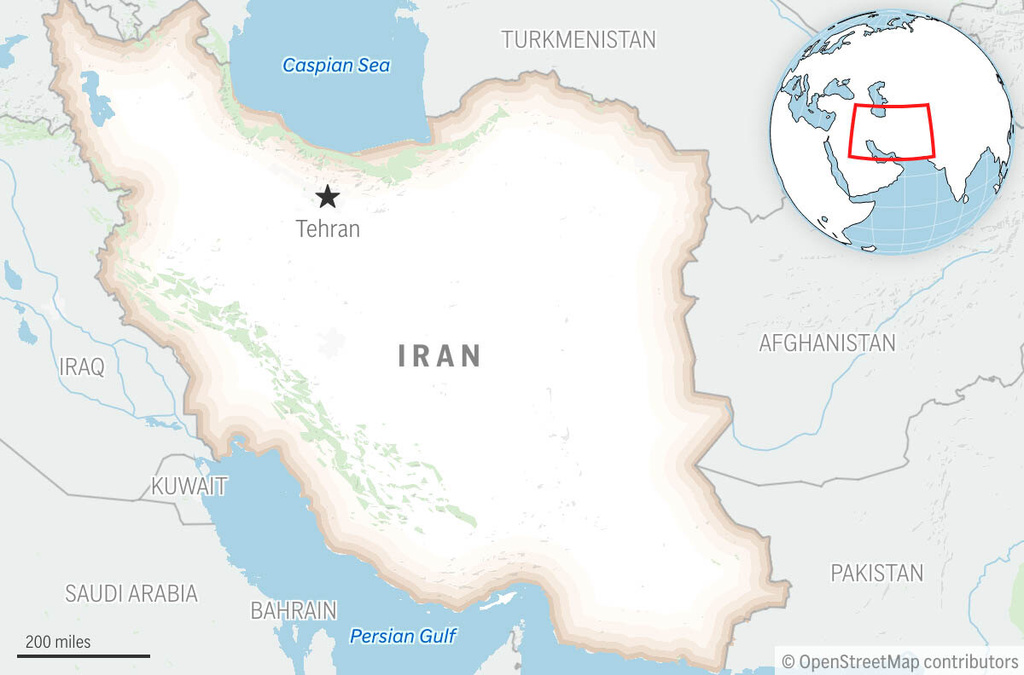
The majority of oil and natural gas flowing through the now largely closed Strait of Hormuz was destined for Asian markets. Countries across Asia are now working to preserve energy supplies and strengthen diminishing reserves. With a fragile ceasefire in place, fuel costs are surging across the United States and Europe.
Although most Asian countries face serious challenges, China is expected to profit from the fossil fuel shortages despite purchasing more Iranian oil than any other nation. The country dominates worldwide exports of batteries, solar equipment, and electric vehicles, with analysts predicting increased demand for these renewable products.
Prior to the Iran conflict beginning in late February, China had already been expanding its leadership in clean energy technologies. Under President Donald Trump’s administration, the United States reduced its focus on renewable energy while emphasizing its abundant oil and gas resources, promoting energy exports to achieve what Trump called “energy dominance.”
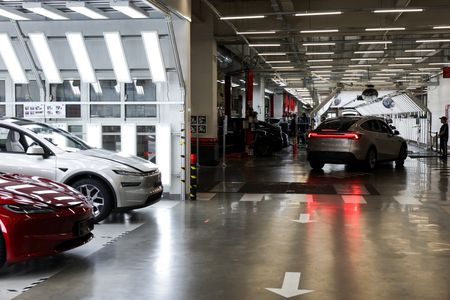
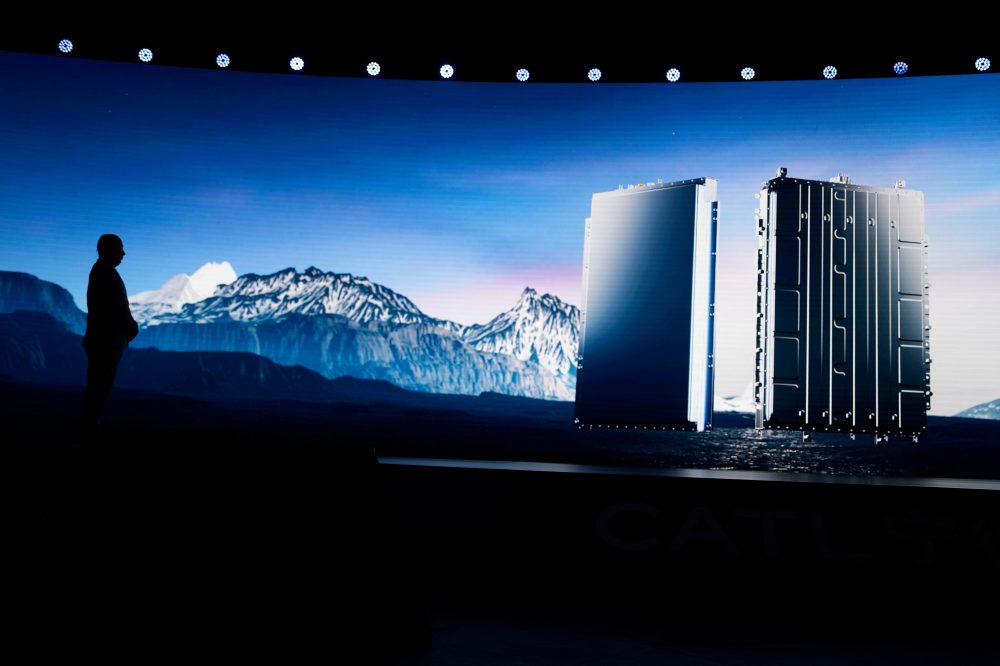
Chinese manufacturing leaders including automaker BYD and battery manufacturer CATL are now strategically positioned to take advantage of rising interest in low-emission energy solutions as nations face the vulnerability of fossil fuel dependence.
“China’s approach to energy sector development and geopolitics has been completely validated by the Iran conflict,” said Sam Reynolds with the U.S.-based Institute for Energy Economics and Financial Analysis.
More than ten years ago, Chinese President Xi Jinping connected energy security with national security priorities. Since then, China has increased its emphasis on renewable energy development, despite fossil fuels remaining dominant in its domestic energy consumption.
According to the International Energy Agency, China produces more than 70% of global electric vehicle manufacturing and approximately 85% of worldwide battery cell production. The nation’s current five-year development plan through 2030 maintains these industries as top priorities.
“They are at the very forefront of this, more so than any other countries in the world, certainly more so than the United States,” said Li Shuo, director of the Asia Society Policy Institute’s China Climate Hub.
As the world’s leading oil producer, the United States has promoted liquefied natural gas development. The American strategy — characterized by Trump as “drill, baby, drill” — emphasizes fossil fuels rather than renewable alternatives.
Reynolds noted that markets were experiencing a “bifurcation” before the conflict began, with the major powers promoting vastly different energy strategies, creating complicated decisions for other nations about which direction to support.
The Iran conflict is increasing demand for Chinese technology, with exports of products like solar panels, batteries, and electric vehicles reaching nearly $22.3 billion in December. This represented approximately 47% growth from the previous year, with significant portions going to Southeast Asia and Europe, according to research organization Ember.
Credit rating agency Fitch Ratings expects increased investment in renewable power and battery storage systems — designed to store energy during periods without sun or wind — particularly in countries that rely heavily on energy imports, including European nations.
Financial markets are anticipating the conflict will increase renewable energy demand. During March, CATL and BYD’s Hong Kong stock prices climbed roughly 24% and 11%, respectively.
In recent years, Chinese automotive companies had already been expanding electric vehicle development and manufacturing while increasing exports more rapidly than American or European competitors, providing less expensive options and establishing stronger positions in areas like Southeast Asia.
These developments are anticipated to accelerate further.
The energy disruption is “going to help the Chinese industry globally and hurt the American car industry globally,” said Amy Myers Jaffe of New York University’s Center for Global Affairs.
However, substantial U.S. tariffs have effectively blocked Chinese electric vehicles from American markets.
Increasing fuel costs may also accelerate BYD’s expansion within China, according to Chris Liu with research firm Omdia.
Families dealing with higher energy expenses are likely to transition to clean power alternatives, said James Bowen of Australia-based consulting company ReMap Research.
Pakistan provides an early demonstration. The country’s renewable energy expansion in 2017 resulted in more than 50 gigawatts of Chinese solar panel imports by December 2025.
Pakistan continues importing one-third of its energy needs. Approximately 80% of its oil traveled through the Strait of Hormuz, while Qatar had been providing a quarter of its liquefied natural gas. However, “the shock isn’t as big as it would have been without solar,” said Nabiya Imran of Renewables First.
If energy prices stay elevated, solar power could save Pakistan $6.3 billion in fossil fuel imports during the coming year, according to research organizations Renewables First and the Centre for Research on Energy and Clean Air.
In the United Kingdom, electric vehicle leasing requests increased by more than one-third during the first three weeks of March compared to a similar February period before the conflict, according to renewable energy company Octopus Energy. Octopus also documented increases in rooftop solar sales and solar-related customer inquiries.
Throughout Southeast Asia, Vietnamese electric vehicle producer VinFast is providing discounts to help customers manage fuel price increases.
Extended fuel price spikes may serve as a future driver for electric vehicle adoption, but changes in purchasing patterns will take time to emerge, partly because consumers are likely waiting to see how the situation develops, said Patrick Tan with energy consulting firm Aurora Research.
Even Indonesia, the world’s largest coal exporter, is making adjustments that could increase its purchases of China’s clean energy technology.
In March, Indonesian President Prabowo Subianto announced an electric vehicle initiative, including plans to manufacture electric cars and expand charging infrastructure.
The vision of electrified transportation is receiving renewed focus, said Putra Adhiguna of Jakarta-based research organization Energy Shift Institute.
Chinese companies maintain significant roles in Indonesia’s clean energy supply chain. They completed more than $54 billion in agreements with the state utility during 2023 and made an additional $10 billion commitment during Prabowo’s Beijing visit in 2024.
“There will be direct financial benefits to Chinese companies,” said Reynolds of IEEFA.