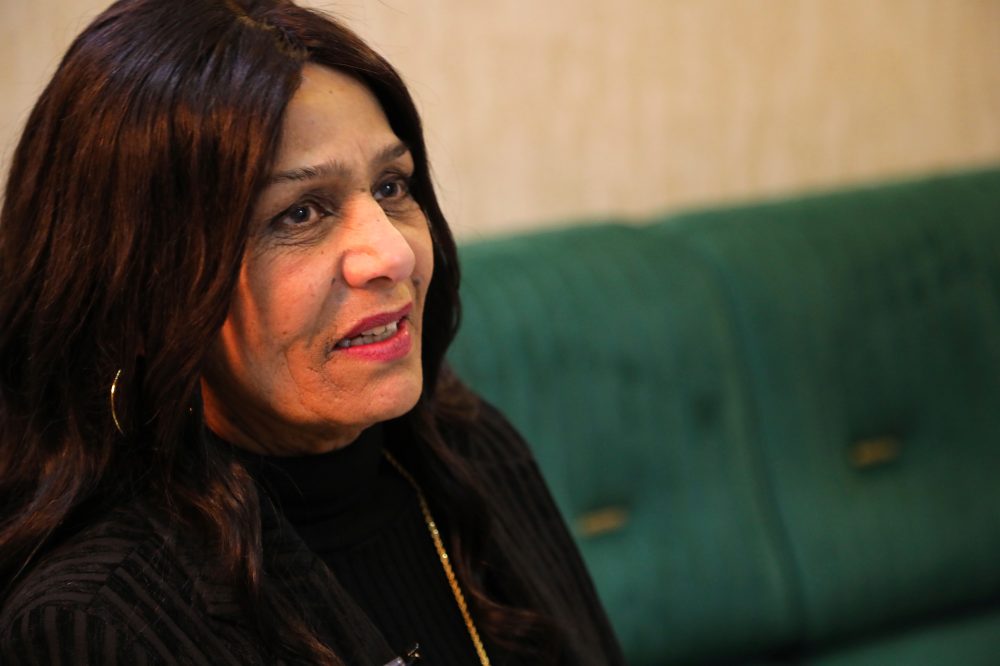

IRBIL, Iraq (AP) — One week following the death of beloved Iraqi vocalist Sajida Obaid, mourning women gathered in black clothing at her family residence in Irbil, tears streaming down their faces. The group included both relatives and devoted admirers who had cherished her music for many years.
Traditional bitter coffee, customary during Iraqi funeral observances, was shared quietly among the mourners. Musical sounds from the street outside provided a backdrop to the grieving voices within.
Male mourners assembled beneath a street tent where a traditional ensemble played the daf drum while some men dabbed at their eyes. According to Iraqi custom, the seventh day represents a final communal farewell before sorrow gradually transforms into remembrance.
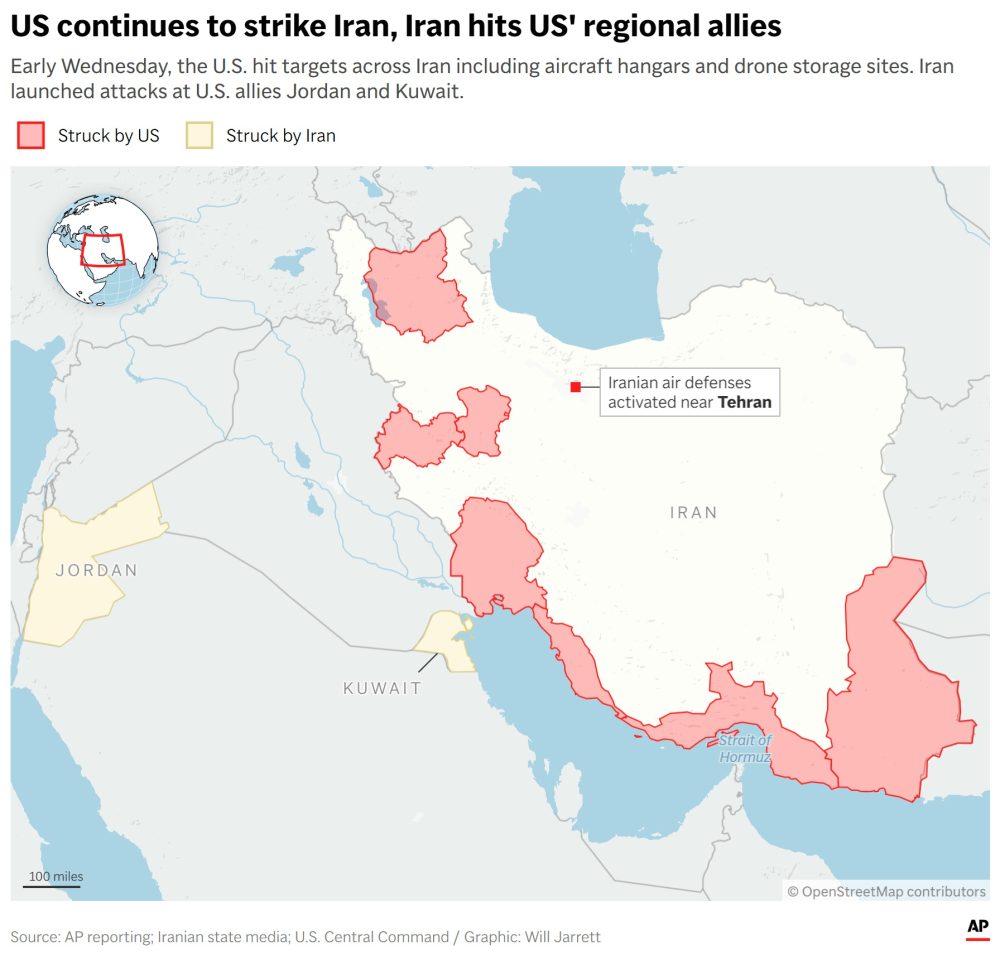
The singer passed away April 4 at 68 following her fight against lung cancer. While news of her death was overshadowed by regional conflict spillover from Iran, her supporters experienced profound personal loss — mourning an artist whose performances had provided them brief moments of liberation.
Iraqi women navigate public spaces under constant scrutiny regarding their appearance, behavior, and adherence to social expectations. Recognizing this reality, Obaid created exclusively female gatherings. Every position from disc jockey to servers, security personnel, and event coordinators was filled by women. Photography was prohibited to ensure attendee privacy and protection.
Women who would never consider dancing before male spectators attended these events. They wore clothing of their choosing and rediscovered their capacity for uninhibited movement.
Among the attendees was 68-year-old Virgin Jaji. While most of the Arab world traditionally starts each day with Lebanese vocalist Fayrouz’s ethereal melodies, Jaji explained she had begun every morning for years listening to Obaid — whether driving, at home, or exercising. “Even my parrot only dances to Sajida Obaid’s music.
“At her women’s gatherings we moved without any worries,” Jaji stated through tear-reddened eyes. “We experienced genuine freedom.”
Forty-year-old Mina Mohammed shared, “When I first learned about Sajida’s women-only event, I obtained loans from friends just to attend. Her singing will forever remind me of life’s most joyful times.”
Born in Baghdad in 1957 to a Roma family, Obaid came from the “Kawliya” community in Iraq — a group historically connected to musical performance but marginalized socially for generations. She began performing at age 12, singing at celebrations to support her family financially.
During her teenage years, she had already gained recognition. Her vocal style combined warmth and authority, drawing from Kawliya dance traditions and the gentler Iraqi mawal form. By the 1980s, her reputation had reached Iraq’s most influential and dangerous figures.
Security personnel working for Saddam Hussein would interrupt her performances at private weddings to escort her to sing elsewhere. She performed at Hussein family weddings and birthday celebrations for his children. This represented the complex burden of achieving national fame under authoritarian rule. Her career included global travel, international festival appearances, and sometimes seven weekly performances.
However, the women-exclusive events held particular significance for her, according to her brother and manager, Aayed Awda.
“Female attendees themselves requested those gatherings, including women from highly traditional households, seeking venues where they could dress comfortably, move naturally, and express their authentic selves,” he explained. “Sajida felt strongly about supporting women and providing that environment.”
Some of Obaid’s compositions challenged social conventions, including “Inkasarat al-Sheesha” (“the shisha broke”), addressing a woman who has lost her virginity and must confront her family. “What will I tell my mother?” the song questions. In Iraqi society, this represents a serious concern. Obaid delivered these lyrics powerfully and unapologetically.
Many Iraqi women believe their previously gained rights are diminishing. Parliament approved personal status law modifications last year that critics claim would essentially permit child marriage and weaken women’s divorce and inheritance rights.
“Iraq seems to be regressing, with women’s freedom becoming increasingly restricted,” Mohammed observed, referring to her experience borrowing money for Obaid’s events. She hopes the joyful experiences they provided can “continue somehow, perhaps through women-only DJ events featuring her songs.”
During her final months, the performer who had entertained audiences across five continents lived peacefully in Irbil with her older brother’s family. She remained childless, having married and divorced twice. She seldom ventured out, spending time with loved ones and playing with household children.
“She displayed gentleness and warmth, never harming anyone,” said her 38-year-old niece Sahar Sabti, who lived with her. “She cared for everyone around her.”
Approximately four months before Obaid’s death, physicians discovered her lung cancer, Sabti reported. Despite her condition, she insisted on traveling to Canada for a performance. Upon returning home for initial chemotherapy, her health deteriorated rapidly.
She was admitted to an Irbil hospital, remaining there over two weeks before being discharged with oxygen support. Her family brought her back to the hospital once more, and she did not return home.
Her brother reflected on their four-decade working relationship and their sibling disputes over makeup shades, dress styles and cuts, and party themes.
“We argued about everything,” Awda said with a breaking voice. “And I long for each one of those disagreements.”
During the seventh mourning day, as outdoor drumming ceased and indoor mourners composed themselves, they discussed Obaid as if she had temporarily stepped away.
“For my friends and me, dancing and Sajida mean the same thing,” said 55-year-old Leila Botrus. “She united people wherever she performed through happiness and music.”
Outside under the tent, the musical group concluded their evening performance. Though coffee grew cold in cups, the women remained together longer.
In that room filled with closely seated women, it seemed Sajida had bequeathed exactly what she had always provided them — their own sanctuary.