
Sanoj Weeratunge believed 2024 would mark the turning point for his Sri Lankan tourism business after years of economic turmoil. Instead, conflict erupting 2,700 miles away in Iran has sent fuel costs skyrocketing 35%, causing his bookings to drop nearly one-third.
“We have had a very difficult road over the past six years to recover and were very hopeful that this would finally be the year where we reach pre-COVID levels,” Weeratunge explained from his Colombo headquarters. “But now this economic shock will affect us.”
Nations including Sri Lanka, Egypt, and Pakistan find themselves among financially vulnerable countries that experts worry are being pushed toward renewed economic distress as energy import expenses climb due to regional warfare.
Although a tentative ceasefire emerged this week in the Gulf region, Colombo has restored fuel subsidies and secured temporary relief from its International Monetary Fund rescue package conditions to provide financial cushioning. Additional nations are expected to seek similar arrangements during next week’s IMF and World Bank spring conferences in Washington.
IMF Managing Director Kristalina Georgieva announced Thursday that the organization stands prepared to deliver emergency assistance ranging from $20 billion to $50 billion in response to the crisis.
Reza Baqir, Pakistan’s former central bank chief who currently counsels governments facing debt difficulties, explains that the conflict has impacted vulnerable nations from multiple directions.
Oil price increases of 40% are driving import expenses higher while remittances from overseas workers in Gulf states appear likely to decline, creating broader economic pressure.
Widening current account shortfalls and weakening currencies — Egypt’s pound has dropped more than 10% since fighting began — make dollar-based purchases of oil, food, fertilizer, and debt servicing increasingly expensive.
These costs must then be managed through foreign currency reserves, additional borrowing, or reducing other imports.
“A credible statement from institutions like the IMF and others that they are ready to backstop these countries” is essential, Baqir emphasized. “And I think the sooner, the better.”
Pakistan’s gross reserves totaled $16.4 billion at March’s end — insufficient to cover three months of essential imports. JPMorgan analysts note the actual figure becomes negative when accounting for the central bank’s foreign currency obligations.
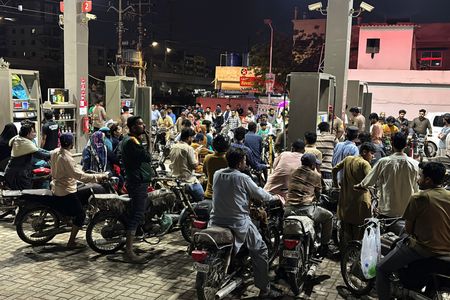
Gasoline prices there have been raised twice, schools remained shuttered for half of March, and government offices operated four-day weeks while being prohibited from purchasing new furniture or air conditioning units.
Islamabad now faces concerns about repaying a $3.5 billion United Arab Emirates loan. Failure to extend the agreement would intensify financial strain given its existing $7 billion IMF program, according to former fund official Jeff Franks.
“I’m sure for Pakistan and Egypt, if they get to meet with the managing director or other top IMF officials next week, they will be stressing just how bad this shock is for stability,” Franks predicted.
Rising prices have generated public frustration in traditionally unstable Pakistan and similar nations.
“Everything has become expensive,” said Maviq Hussain, a Karachi food delivery driver. “It’s difficult to manage daily expenses.”
Egypt faces additional challenges from tourism sector damage, which generated $19 billion in revenue last year, plus potential Suez Canal disruptions and massive debt obligations expected to consume 60% of government revenues this year.
Nearly $30 billion in upcoming payments exceed half of Egypt’s foreign exchange reserves. Approximately $8 billion in foreign investment has departed since the conflict started, Moody’s reported last week.
While the IMF has commended Cairo’s decision to let its currency serve as a “shock absorber,” the doubling of Egypt’s energy import costs suggests it may be among the most active countries seeking assistance in Washington next week.
“It is in no one’s interest to be rigid in the conditionality and allow these countries to fail,” Franks stated.
On local streets, crisis-weary residents simply hope for relief.
Kelum Dissanayaka, a 37-year-old Sri Lankan father of three, starts his ride-sharing and delivery driving job at 4 a.m., but escalating expenses and fuel rationing have forced him to miss his tuk-tuk lease payments for two consecutive months.
“It’s very difficult to live,” he said.