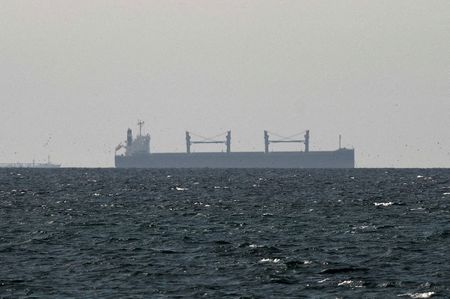

Financial markets worldwide experienced turbulence Monday as crude oil prices surged past $100 per barrel following President Donald Trump’s decision to implement a naval blockade around Iranian ports in the strategically important Strait of Hormuz.
The dramatic market response came after weekend peace negotiations in Islamabad ended without agreement, prompting Trump to escalate military pressure by deploying U.S. Navy forces to the Persian Gulf region. The blockade officially began at 10 a.m. Eastern time Monday.
Both Brent and WTI crude benchmarks crossed the $100 threshold, though they remain below peak levels reached before last week’s temporary ceasefire announcement. The energy surge contributed to a broader market selloff, with Wall Street futures declining nearly 1% before trading opened and European stock markets posting losses.
The uncertainty surrounding the collapsed negotiations has raised questions about whether the two-week ceasefire declared last week will hold, with Trump’s naval intervention already reversing much of the previous week’s market recovery.
Oil prices have climbed approximately 40% since the Middle East conflict began, creating significant concerns for American consumers at the gas pump. In a Sunday statement, President Trump acknowledged that fuel costs may remain elevated through November’s midterm elections and could potentially rise further.
“That acknowledgement suggests the pressure of domestic politics alone is unlikely to secure an early end to the Middle East conflict,” according to market analysts.
The conflict’s impact on inflation became evident in last Friday’s consumer price data, which showed U.S. prices increased by the largest margin in nearly four years during March. Annual inflation reached 3.3%, with gasoline costs driving most of the monthly increase.
Meanwhile, significant political changes occurred in Europe as Hungary’s long-serving leader Viktor Orban suffered a decisive electoral defeat after 16 years in power. Opposition candidate Peter Magyar’s party secured a landslide victory, gaining a two-thirds parliamentary majority that will enable constitutional reforms and improved relations with the European Union.
The Hungarian forint currency and government bonds rallied sharply on the election results, with approximately 18 billion euros in previously frozen EU funding now potentially available to the country.
Corporate earnings season begins in earnest today with Goldman Sachs reporting first-quarter results. Industry analysts expect S&P 500 companies to post earnings growth of roughly 14% compared to the same period last year, despite ongoing geopolitical tensions.
By Friday, an estimated 10% of S&P 500 companies will have released quarterly results, with major corporations including Netflix, Johnson & Johnson, and PepsiCo scheduled to report this week.
Other significant events Monday include the release of March existing home sales data and the start of the World Bank and International Monetary Fund Spring Meetings in Washington. OPEC will also publish its monthly oil market assessment.
The dollar strengthened against major currencies in early trading but gave back some gains later in the session, while Asian stock markets closed lower across the board.