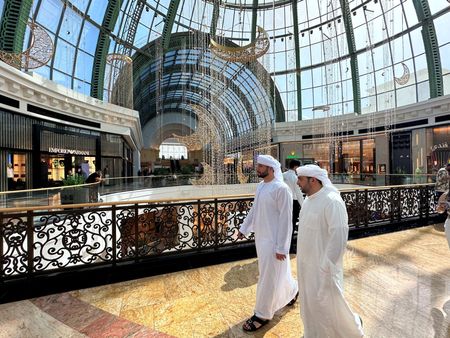

High-end fashion retailers in Dubai are experiencing devastating financial losses as the ongoing Iran conflict continues to impact one of the luxury industry’s most profitable markets, according to exclusive industry data.
Major luxury retailers at Mall of the Emirates, among Dubai’s premier shopping destinations, saw revenue plummet between 30-50% during March compared to the previous year, industry sources revealed. These previously unreported numbers highlight the severe economic impact on the $400 billion global luxury sector.
The timing proves particularly challenging as industry giants LVMH, Kering and Hermes prepare to release quarterly earnings reports this week, with investors closely watching for conflict-related impacts.
Customer traffic at Mall of the Emirates, which houses prestigious brands including Louis Vuitton, Dior, Gucci, Cartier, Chanel and Rolex alongside unique attractions like an indoor skiing facility and wellness center, decreased by 15% in March, sources confirmed.
The situation appears even more severe at Dubai Mall, the region’s largest shopping complex and major tourist destination, where visitor numbers dropped approximately 50%, suggesting potentially larger revenue losses across luxury retailers.
In Abu Dhabi, which relies less heavily on tourism spending, the Galleria shopping center showed greater resilience but still recorded roughly 10% sales decreases across all luxury brands, according to industry insiders.
Representatives from all three shopping centers declined to provide comments when contacted. Similarly, LVMH, Kering and Hermes did not respond to requests for information regarding their Middle Eastern operations and conflict-related impacts.
The Middle East had emerged as a critical growth region for luxury brands, particularly as the industry struggles through a challenging period that began when the luxury boom ended in 2022. China’s slow recovery from COVID-19 restrictions and overall economic deceleration have contributed to significant market challenges.
LVMH and Kering have collectively lost over 100 billion euros in market value since 2022, representing more than 25% of their combined worth. Industry-wide annual sales contracted by 2% last year, according to consulting firm Bain & Company analysis.
Carole Madjo, Barclays’ head of luxury research, explained that the Middle East represented approximately 5% of global luxury spending and had been delivering double-digit annual growth in recent years. “It was definitely a strategic region. Everything was okay,” Madjo stated.
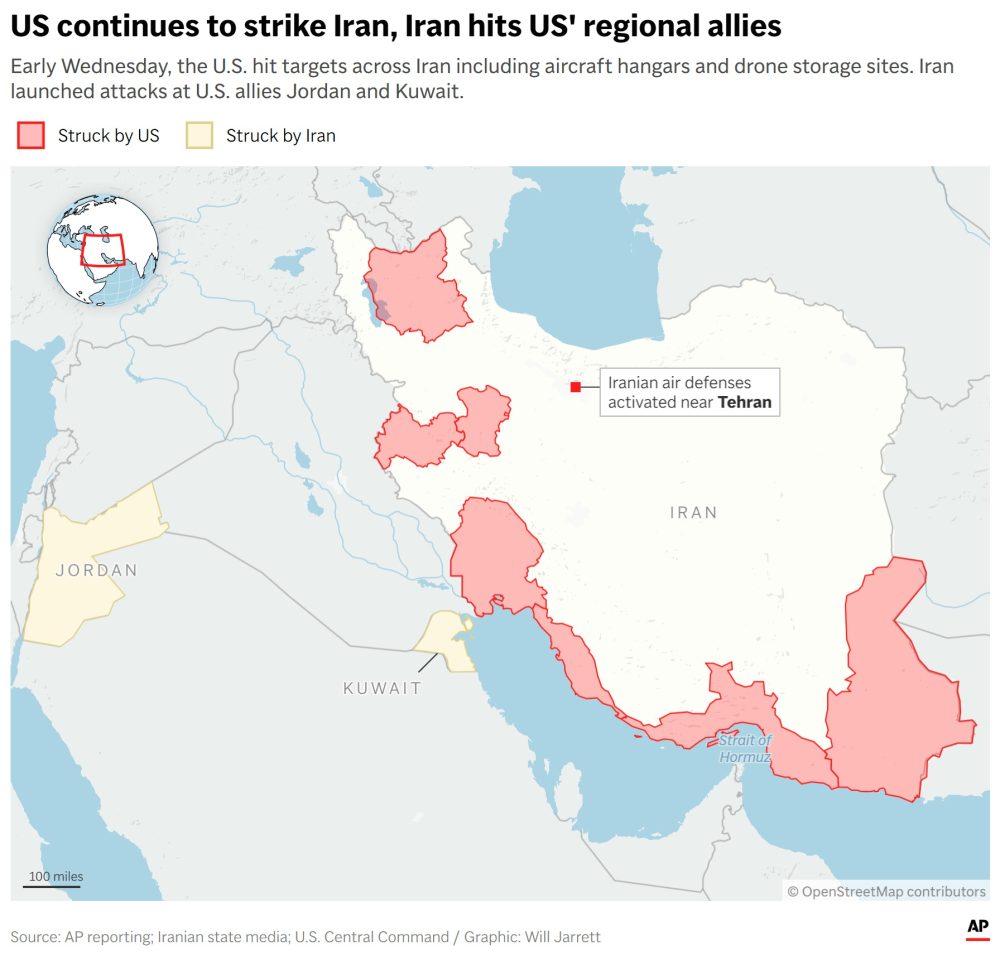
However, Dubai’s carefully maintained reputation for glamour and security has been significantly damaged by the conflict that escalated with U.S. and Israeli military actions against Iran beginning February 28.
Iranian drone strikes have targeted several Dubai landmarks and critical infrastructure, including the iconic Burj Al Arab luxury hotel and sections of the city’s major airport facility.
Industry experts predict recovery will require considerable time, even if diplomatic initiatives successfully resolve the conflict in the near term.
Bernstein analysts warned in a recent report that the conflict’s broader economic consequences, including increased oil and travel expenses, inflation pressures, and potential stock market volatility, could “easily disrupt” consumer spending beyond the Gulf region, particularly affecting the United States market.
Christopher Rossbach, portfolio manager at London-based J Stern & Co, expressed concerns about delayed recovery timelines. “If it now turns out that whatever luxury recovery we were hoping for in 2026 is not going to happen, and it’s going to be postponed at best into the second half or into next year, I don’t think anybody can be surprised by it,” Rossbach commented.
LVMH, the world’s largest luxury conglomerate, will announce first-quarter results Monday, with Gucci-owner Kering and Hermes following later this week. Kering has scheduled its capital markets presentation for Thursday.
While the Middle East’s relatively modest market size will limit immediate quarterly impact, Rossbach noted that profit effects could prove far more substantial when companies report semi-annual results.
Dubai’s appeal to luxury retailers stems from its exceptional profitability advantages, including minimal rental and labor expenses, premium pricing capabilities exceeding other regions, and virtually tax-free operations.
For major brands like Louis Vuitton, Hermes and Chanel, annual revenue per square meter in Dubai can exceed several hundred thousand euros, representing multiple times the global average, according to sources familiar with Mall of the Emirates performance data.