
Ghanaian officials report that France has signaled willingness to participate in discussions regarding reparations for the transatlantic slave trade, following diplomatic meetings held in Paris last week.
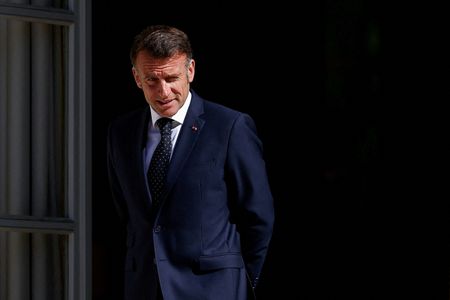
Ghana’s President John Dramani Mahama met with French President Emmanuel Macron on Wednesday, accompanied by Foreign Minister Samuel Okudzeto Ablakwa and additional government representatives.
Following the diplomatic session, Ablakwa posted on social media platform X that Macron demonstrated France’s readiness to engage in conversations about reparations. These discussions would encompass returning stolen cultural artifacts, tackling worldwide economic disparities, and eliminating institutional racism.
A spokesperson from the Élysée Palace confirmed on Sunday that both nations discussed France’s initiatives to repatriate culturally important items and human remains, along with the legal structures governing such returns.
However, the French official made no reference to the broader measures that Ablakwa described.
This diplomatic encounter occurred after the United Nations passed a resolution last month, spearheaded by Ghana, that designated slavery as the “gravest crime against humanity” while demanding reparations. France joined other European nations in abstaining from the vote.
France’s UN representative explained the abstention stemmed from worries that the resolution seemed to “establish a hierarchy among crimes against humanity.”
Despite the abstention, Ablakwa stated that Macron expressed France’s readiness for an “open and honest dialogue” on the issue.
France acknowledged transatlantic slavery as a crime against humanity in 2001. However, similar to most European countries, it has not issued a formal apology for its participation or pledged to provide reparations.
Between the 15th and 19th centuries, European vessels kidnapped and forcibly transported at least 12.5 million Africans who were then sold into slavery. Historical records from the Slave Voyages database indicate France was responsible for trafficking approximately 1.3 million people.
Macron announced last year his intention to establish a commission to investigate France’s historical relationship with Haiti.
While demands for reparations have gained global support in recent years, opposition has also intensified, with critics contending that contemporary nations should not bear responsibility for past injustices.