
A broad coalition of public health groups, pediatricians, and parents took the U.S. Food and Drug Administration to court Tuesday, challenging a recently issued policy that permits certain manufacturers to sell vaping products and nicotine without the government authorization required by law.
The federal lawsuit was filed in U.S. District Court in Maryland and takes direct aim at FDA guidance released in May. That guidance stated the agency would not make enforcement a priority against specific unauthorized e-cigarettes and nicotine pouch products, as long as the companies involved have marketing applications currently under review.
Among those bringing the lawsuit are the Campaign for Tobacco-Free Kids, the American Academy of Pediatrics, the American Cancer Society Cancer Action Network, the American Heart Association, the American Lung Association, Truth Initiative, and Parents Against Vaping. A pediatrician and a parent — whose children developed nicotine addictions after using flavored e-cigarettes — are also named as plaintiffs.
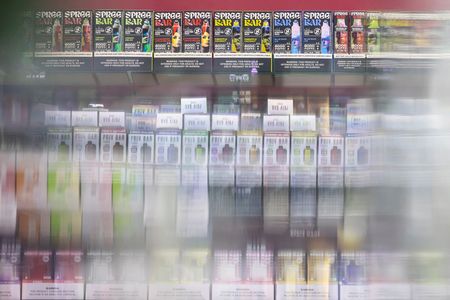
The groups argue the FDA’s new stance illegally allows products to stay on store shelves without the marketing authorization that the Tobacco Control Act requires. They also contend that the policy could open the door for thousands of unauthorized products — including flavored e-cigarettes and nicotine pouches that are especially appealing to young people — to be sold with no clear end date.
Additionally, the plaintiffs allege the FDA failed to follow required public notice and comment procedures under the Administrative Procedure Act and did not adequately explain the reasoning behind the policy change.
The lawsuit also challenges the FDA’s stated intention to publish a list of products it does not plan to pursue for enforcement violations, with plaintiffs arguing such a list would essentially help facilitate the sale of products that were never legally approved.
The case will be heard in the same Maryland court that overturned a prior FDA policy back in 2017 — a policy that had similarly allowed numerous e-cigarettes to remain available to consumers without proper authorization.
The FDA had not responded to a request for comment at the time this report was filed.