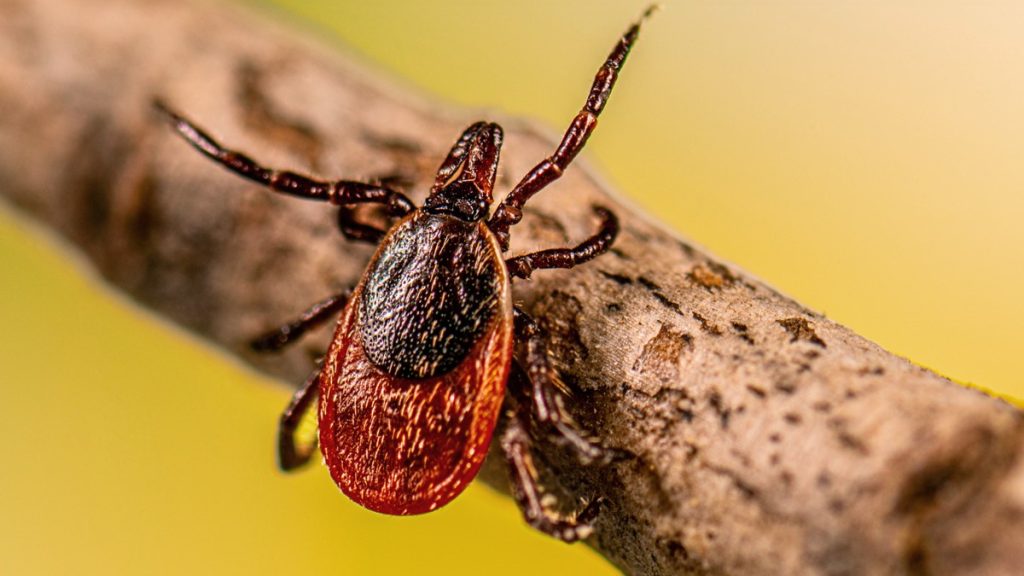

Anyone heading outside to enjoy Maryland’s parks and natural areas this season should take tick prevention seriously — and who better to learn from than the people who work outdoors every day?
Field staff from the Maryland Department of Natural Resources have shared their top strategies for avoiding tick bites and reducing the risk of tick-borne illnesses like Lyme disease and Alpha-gal syndrome.
Ticks are found throughout Maryland and are active in the spring, summer, and fall — though bites can happen any time of year. According to the University of Maryland Extension, ticks cannot jump, fly, or drop from trees. Instead, they wait on grass and leaves and latch on when a person or animal brushes past.
Before You Head Out
Start with your clothing. Wearing light-colored clothes makes it easier to spot a tick that has climbed onto you. Cover as much skin as you can — long sleeves, long pants, and tuck your pants into your socks and your shirt into your pants. This limits the number of ways a tick can reach your skin.
For exposed skin, use EPA-registered repellents such as DEET, picaridin, or IR3535. Like sunscreen, these products can wash off with sweat or water, so reapply as directed on the label.
DNR Agro-Forester Francis Smith takes his preparation a step further — he wraps tape around his waist and pant cuffs before going into the field, layering it so his skin is fully sealed inside. His final layer goes on adhesive-side out, which he says catches ticks as they crawl up his legs.
DNR Center for Ecological Restoration Director Claudia Donegan relies on clothing treated with permethrin, an EPA-approved repellent that can be applied to fabric items like clothes, tents, and backpacks. Permethrin spray is also available for home application — but it should only go on the outside of clothing, never directly on skin. After treating clothes with permethrin, wash them separately so the chemical does not transfer to other garments.
Habitat Restoration Crew member Erin Collins shared a firsthand example of just how much gear choices matter. “A few weeks ago, our crew visited a newly installed habitat restoration project. The crew member wearing hiking boots and untucked pants found around 20 ticks crawling on them by the end of the day,” Collins said. “Our other members wore waterproof knee-high boots with pants tucked into their socks and found no ticks.”
Smith also recommends hard rubber boots, which make it more difficult for ticks to climb up your legs. Planning your route matters too — in the summer, try to stick to established trails and walk in the center, away from tall grass and brush where ticks tend to gather.
While You’re Outside
Carrying a lint roller is considered standard practice among members of the Maryland Geological Survey, according to Resource Assessment Service Director Rich Ortt — and it’s one of the most highly recommended tools on this list. Maryland Forest Service Recreation Planner Sara Kramer always has one in the field. Tick nymphs, sometimes called seed ticks, are extremely small and hard to see. Running a lint roller over your arms and legs can pick up many of them at once. Tape works as well.
Kramer also keeps a tick key handy. This small tool has a teardrop-shaped hole that allows you to slide it under a tick and pull it out completely. Tick keys are small enough to attach to a keychain, making them easy to have on hand at all times.
Checking yourself for ticks regularly throughout the day is essential. Senior Restoration Specialist Sarah Hilderbrand recommends checking every few hours — mid-morning, at lunch, mid-afternoon, at dinner, and during any break in activity. She learned the value of frequent checks early in her career while working at an overnight camp in the woods. “The best way to find a tick is while it’s crawling, before it’s had a chance to bite,” she said.
Dog owners should also inspect their pets after any time outside and speak with their veterinarian about tick prevention options. Pets can bring ticks into the home without you realizing it.
After the Hike
Once you’re done outdoors, do a thorough tick check and change into fresh clothes. According to Donegan, ticks can fall off during the drive home and potentially bite someone else in the vehicle. She recommends placing used clothes in a plastic bag and putting it in the back of your car.
At home, wash those clothes in hot water. If hot water isn’t an option, toss them in the dryer on high heat for at least 10 minutes — extreme temperatures will kill any ticks hiding in the fabric. Remember to keep permethrin-treated items separate from regular laundry.
Also shake out and check any pet leashes, harnesses, and seat covers. Shower as soon as possible after coming inside — it’s another good opportunity to check your skin for ticks.
If you do find a tick attached to your skin, remove it immediately and let your doctor know about the exposure.
What You Should Know About Ticks
Ticks are small, blood-feeding arachnids that can carry and transmit a range of serious illnesses. Lyme disease — which can affect the brain, joints, and heart — is among the most well-known. Cases of Lyme disease in Maryland tripled between 2021 and 2024, according to Maryland Health Department data.
Other illnesses that can result from tick bites include Anaplasmosis, Ehrlichiosis, Babesiosis, Spotted Fever Rickettsiosis, Alpha-gal syndrome, Powassan Virus, Rocky Mountain Spotted Fever, Southern Tick-Associated Rash Illness (STARI), and Tularemia.
Maryland is home to six species of ticks, each going through four life stages: egg, larva, nymph, and adult. The University of Maryland Extension notes that ticks need three blood meals to complete their life cycle and can triple in size as they feed.
For more information on tick-borne diseases and how to protect your family and pets, visit the Maryland Department of Health at health.maryland.gov/tick.