
Childhood vaccination rates around the world ticked upward in 2025, yet a staggering number of children are still vulnerable to diseases that vaccines could prevent, as wars, budget cuts, and spreading outbreaks chip away at global immunization efforts.
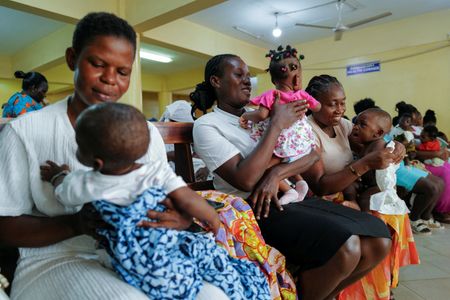
New estimates released Wednesday by the World Health Organization and UNICEF show that 90% of infants worldwide — roughly 116 million babies — received at least one dose of the vaccine protecting against diphtheria, tetanus, and whooping cough, commonly referred to as DTP. Meanwhile, 85% of infants completed the full three-dose series.
Despite the progress, officials struck a cautious tone. “The gains that we are celebrating now at this moment are quite fragile,” said UNICEF’s global immunization chief, Ephrem Lemango, adding that they “can be eroded very easily.”
The number of children who have received no vaccines at all dropped from 14.2 million in 2024 to 13.5 million in 2025. However, that figure remains nearly 4 million above the benchmark needed to stay on course toward halving the 2019 total by the year 2030.
Lemango noted that more than half of the world’s unvaccinated children reside in countries torn apart by conflict — including Syria, Yemen, Sudan, and Palestine — even though those nations account for only about one-third of births worldwide.
The WHO cautioned that sweeping global funding cuts that began in early 2025 have not yet been reflected in the current data, but officials say they are deeply worried about what the numbers will look like in 2026.
“We are seeing real cracks in the system now for immunization, and we are previewing big risks that are yet to come,” said the WHO’s director of the Department of Immunization, Vaccines and Biologicals, Kate O’Brien.
O’Brien added that the WHO is already witnessing the consequences of those cracks through a rise in outbreaks of measles, diphtheria, and cholera around the globe.