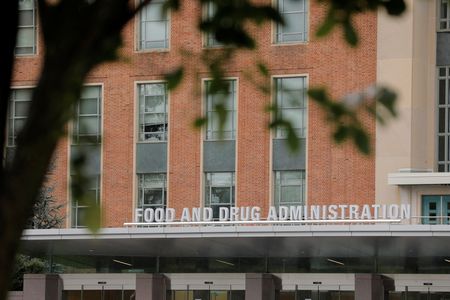

The U.S. Food and Drug Administration unveiled a proposed regulation on Friday designed to cut red tape for certain drug manufacturers and bring greater transparency to pharmaceutical supply chains.
The proposal centers on companies that operate using a so-called “hub-and-spoke” model — a setup where one central location manages quality control for multiple production sites making the same products in different places. Under current rules, every one of those individual sites must register separately with the FDA. The new proposal would allow the entire network to register as a single facility.
Here are the key details of what the proposal would do:
• Distributed manufacturing companies would be able to register all of their production units under one registration, rather than filing separately for each location.
• Manufacturing units could be added, moved, or removed through a simplified update process.
• Companies would be required to give the FDA advance notice before relocating any of their manufacturing units.
• The rule would also spell out clearer registration and drug-listing obligations for certain overseas facilities, including those that produce active pharmaceutical ingredients.
• The FDA noted that some foreign facilities that make drugs or drug components exclusively for shipment to other foreign locations may not currently be registered with the agency — a gap that limits the FDA’s ability to track products further up the supply chain.
• Under the proposed rule, those foreign facilities would face clearer requirements to register with the FDA and disclose what drugs they are producing, giving regulators better tools to trace products and act on potential safety issues.
• If the rule is finalized, the FDA said it is expected to lower registration costs for distributed manufacturing companies and create long-term efficiencies for both the industry and the agency itself.