
Health officials in New York City reported Tuesday that a Legionnaires’ disease outbreak in one Manhattan neighborhood has grown to 60 total cases, though the pace of new infections appears to be dropping. Despite the number of hospitalizations, no fatalities have been recorded.
City Health Commissioner Dr. Alister Martin said 49 people have needed hospital care since the outbreak began, but 34 of those patients have since returned home. According to city data, only two new cases were confirmed from samples collected Thursday through Saturday — a sharp drop from peaks earlier in the outbreak when as many as 11 new cases per day were being diagnosed.
“All of these things together paint an encouraging sign,” Martin said during a virtual news briefing.
The announcement came one day after City Council Speaker Julie Menin, a Democrat who lives on the Upper East Side, publicly criticized the Health Department, saying it wasn’t doing enough or sharing enough information with the public. A request for comment was sent to Menin’s office Tuesday.
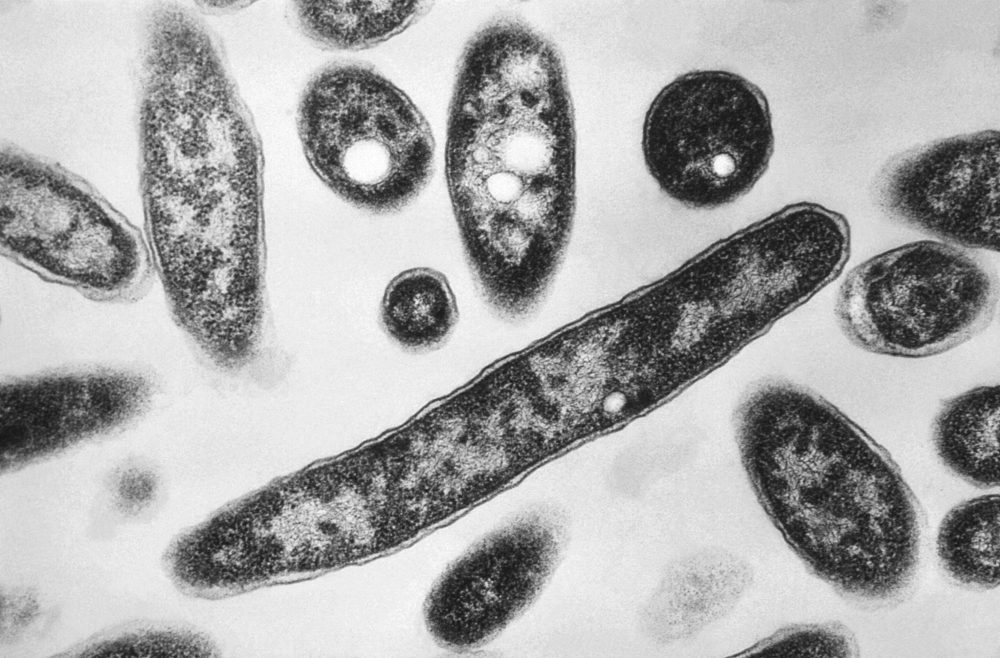
Legionnaires’ disease is a serious lung infection — a type of pneumonia — triggered by Legionella bacteria. The bacteria thrive in warm water environments and can spread through building cooling systems, hot tubs, and showerheads. People typically become infected by breathing in tiny water droplets carrying the bacteria; the disease cannot pass from one person to another.
While the illness can be treated, it proves fatal in roughly 10% of cases, according to the U.S. Centers for Disease Control and Prevention. A separate outbreak last year in New York’s Harlem neighborhood killed seven people and sickened more than 100. Investigators traced that outbreak to cooling towers at a city-operated hospital and the location of the city’s public health laboratory.
The current Upper East Side outbreak was first flagged on July 2, when two cases were detected in close proximity. The investigation has since expanded to cover three ZIP codes that are largely residential.
City officials said Tuesday that all 183 cooling towers in the affected area have now been inspected. Of those, 76 initially tested positive — though those early tests cannot distinguish between living and dead bacteria.
A partial list released last week showed that buildings with initial positive results included the Guggenheim Museum, apartment buildings along Park and Fifth Avenues, and private schools, among others. The full list has not yet been made public.
Martin said the Guggenheim and 56 other buildings have already completed the required cleanup process, which involves draining and disinfecting their cooling towers. The remaining 19 buildings that tested positive are expected to finish their cleanups by Thursday.
Martin also noted a change in protocol this year: the city no longer waits for results from a second round of testing — which checks specifically for live bacteria and can take about two weeks — before ordering buildings to begin the cleanup process.