
A diarrhea-causing parasite known as cyclospora is spreading at an alarming rate across the country, with 2026 shaping up to be the worst year on record for reported infections in the United States.
Data from individual states shows infection totals have already surpassed the previous national record of roughly 4,700 cases set in 2019, with more than 30 states reporting illnesses this year. While the condition is rarely life-threatening and can typically be treated with antibiotics, health officials are working to track down the source.
So far, no definitive cause has been identified nationwide. However, officials in Michigan — where more than 3,300 infections have been reported — say their early findings point toward lettuce or salad greens as a possible source of the outbreak.
After completing more than 1,000 patient interviews, Michigan health department chief medical executive Natasha Bagdasarian said that “early information has shown lettuce as a common product that regularly comes up during the investigation.”
Based on that pattern, and given that produce has been linked to cyclospora outbreaks in the past, Michigan officials are urging shoppers to purchase whole heads of lettuce, remove and throw away the outer leaves, and thoroughly wash what remains. They are also recommending that people steer clear of bagged lettuce and ready-made salad kits.
On Tuesday, Taco Bell released a statement announcing it had “voluntarily and temporarily removed limited ingredients at select restaurants as a precautionary measure,” adding that the chain would “continue to closely monitor the situation and follow the guidance of public health authorities.”
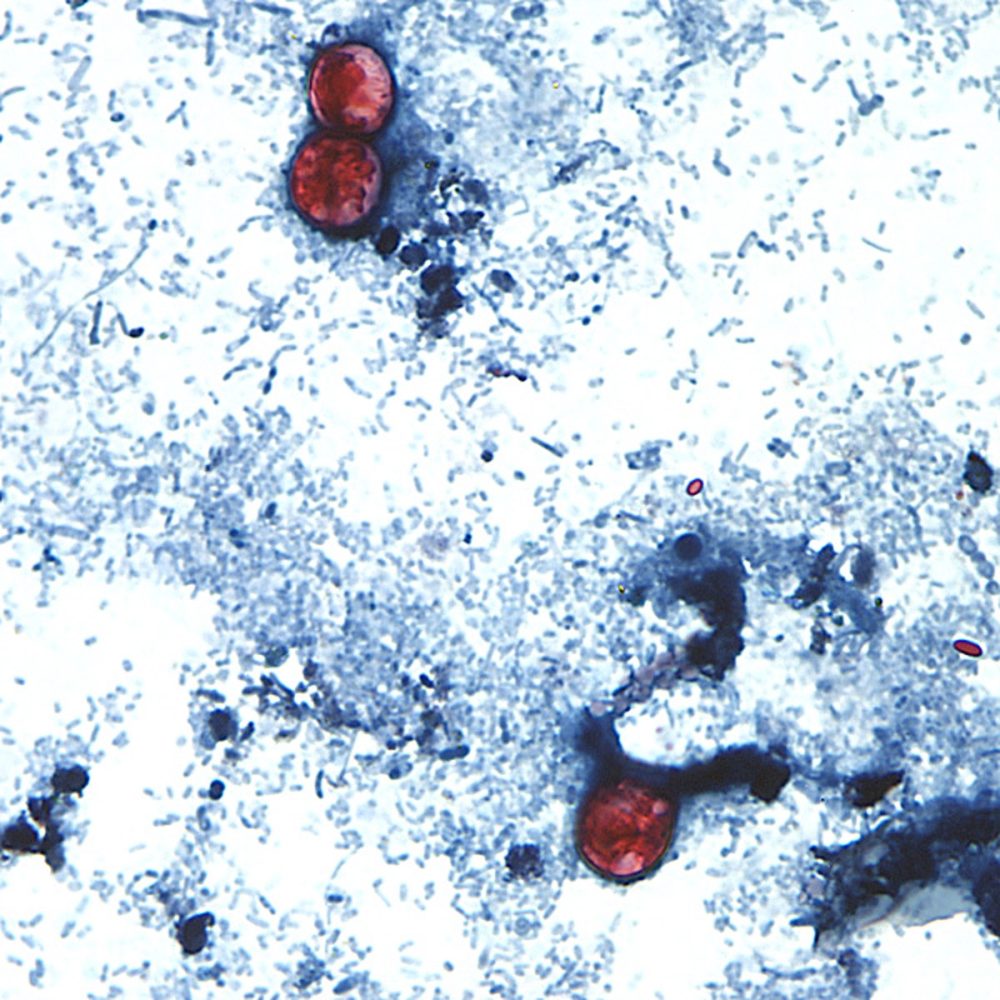
Cyclospora is a tiny, round parasite that the U.S. Centers for Disease Control and Prevention describes as commonly causing watery diarrhea “with frequent and sometimes explosive bowel movements.” Cases tend to cluster in the late spring and summer months.
The parasite thrives in warm conditions, targets the intestines, and is spread through feces. Past infections have been traced to fruits and vegetables that came into contact with irrigation water contaminated by fecal matter.
The illness, known medically as cyclosporiasis, is less frequently seen than foodborne diseases caused by germs like salmonella and E. coli. For many years, few outbreaks were reported in the U.S., and a large number of cases were never connected to a specific food source. That began to change about a decade ago, with a significant jump in cases occurring in 2018 and 2019.
Public health experts believe cyclospora has long been underreported, partly because many standard food poisoning tests are not designed to detect it. The upward trend in cases is being attributed to both climate change and improved detection methods.
While the CDC maintains official national tallies, those figures typically trail the real-time numbers published by local and state health departments. On Tuesday, the CDC issued a formal health alert stating that since May 1, the agency has confirmed 1,645 domestic cases and is reviewing more than 5,100 additional reports to determine whether those infections were acquired within the United States. Reports have come in from 34 states.
The federal alert did not break down case counts by state, but other figures have emerged from individual jurisdictions. Michigan has reported more than 3,300 cases, officials in northwest Ohio have tallied more than 1,100, New York City has counted more than 400, and Illinois has reported more than 200.
Authorities do not believe all of these cases share a single common source. In Illinois, for instance, more than half of those infected reported traveling internationally, suggesting at least some may have contracted the parasite abroad.
Michigan officials, however, believe a significant portion of their state’s cases are likely connected to a domestic outbreak tied to a shared source.