
Thousands of Americans have fallen ill from a parasite commonly tied to contaminated fresh produce — one that can trigger weeks of watery diarrhea. But health experts say you don’t have to give up your summer fruits and vegetables to stay safe.
Investigators have yet to pinpoint the exact source of what is shaping up to be one of the country’s largest cyclospora outbreaks in recent years. Tracking down the culprit is difficult because the contaminated ingredient is often something used across many different recipes — think basil or cilantro.
The good news: cyclospora infections can typically be treated with antibiotics and rarely lead to serious health problems.
Here’s what you can do to lower your risk:
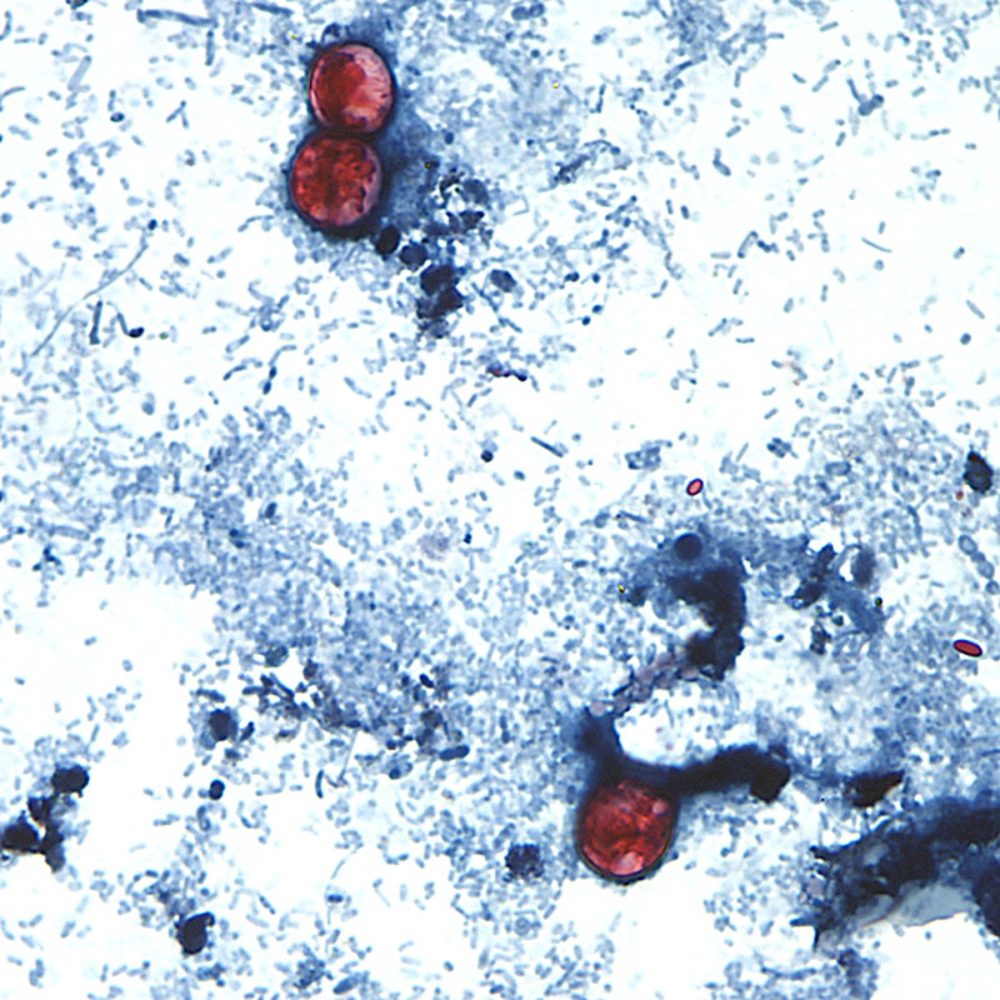
Cyclospora is a tiny, round parasite that the U.S. Centers for Disease Control and Prevention describes as causing watery diarrhea “with frequent and sometimes explosive bowel movements.”
More than 1,500 people in Michigan alone have been diagnosed with the infection, and investigations into similar illnesses are underway in 30 additional states. This makes it the largest such outbreak in Michigan’s history and among the biggest nationally in years. No deaths have been reported.
These outbreaks are notoriously difficult to investigate. Tracing the food source can take months, and sometimes investigators never find a definitive answer. In previous outbreaks, people became infected after eating fruits or vegetables irrigated with water contaminated by feces. The situation is further complicated by the fact that food distributors may send the same contaminated product to both grocery stores and restaurants, making it hard to trace where a tainted item originated.
Cyclospora outbreaks tend to peak in late spring and summer. The parasite thrives in warm conditions, infects the intestines, and spreads through feces.
Although the source of the current outbreak remains unknown, Dr. Erika Noel — an assistant professor at Hawaii’s medical school and a pediatrician on the island of Kauai — says the situation is a good reminder to practice basic hygiene. That means washing hands thoroughly with soap and water after using the bathroom and before preparing food.
It’s worth noting that alcohol-based hand sanitizers are not effective against cyclospora. Soap and water, however, are highly effective at eliminating or removing the parasite from your hands.
Past outbreaks have been connected to raspberries, basil, cilantro, snow peas, and pre-mixed salads.
Dr. Noel offers the following tips for washing produce: When cleaning leafy herbs like cilantro or basil, separate the individual leaves before rinsing. For green onions, trim the roots, peel away the outer layer, and rub them under running water. Cooking produce to an internal temperature of at least 158 degrees Fahrenheit (70 degrees Celsius) will kill the parasite.
Research also suggests that washing produce in a vinegar solution can help. While vinegar won’t kill cyclospora outright, it can help dislodge it. Dr. Noel recommends soaking produce in a bowl of three parts water to one part vinegar for a few minutes, then using a salad spinner with plain water to wash away any lingering vinegar taste.
Instead of buying pre-mixed bagged salad and trying to wash individual leaves, consider purchasing a whole head of lettuce and removing the outer leaves yourself.
For melons, scrub the outer rind thoroughly before cutting — a knife can transfer germs from the surface into the fruit as it cuts through.
Peel fruits and vegetables whenever possible, and don’t overlook cleaning your cutting boards and countertops as well.
Some produce is harder to clean than others. Items with tight crevices or delicate skin — like broccoli and cauliflower — can be particularly challenging. Because berries are so difficult to clean effectively, Dr. Noel suggests cooking them in pies or turning them into jam rather than eating them raw. Root vegetables such as carrots, potatoes, and radishes, which grow underground and carry heavy soil, also require extra care.
Even if a bag of pre-mixed salad is labeled as pre-washed, Dr. Noel recommends washing it again in a water-and-vinegar solution before eating.
Ultimately, Dr. Noel wants people to keep eating their fruits and vegetables. The health benefits, she says, far outweigh the risks posed by this outbreak.
“We don’t need to panic,” she said. Simply staying aware and maintaining good hygiene habits — which are always a smart practice — goes a long way toward keeping you safe.