
A Legionnaires’ disease outbreak sweeping through a section of New York City has turned deadly, with health officials confirming Friday that one person has lost their life to the illness.
Authorities have not disclosed the victim’s identity, age, or specifics about when or how the individual became sick.
Health investigators are continuing their search for the origin of the outbreak, which is concentrated in Manhattan’s Upper East Side neighborhood. So far, at least 67 people have been infected and numerous others have required hospitalization, according to figures from the city’s Health Department. A major focus of the investigation has been the air conditioning systems on top of large buildings, which can release water vapor that may carry the dangerous bacteria.
Legionnaires’ disease is a serious form of pneumonia that, while treatable, is fatal in roughly 10% of cases, according to the U.S. Centers for Disease Control and Prevention. Last year, a similar outbreak in New York’s Harlem neighborhood left seven people dead and sickened more than 100 others.
City health officials began monitoring the current situation on July 2, after two residents in the area were found to be infected.
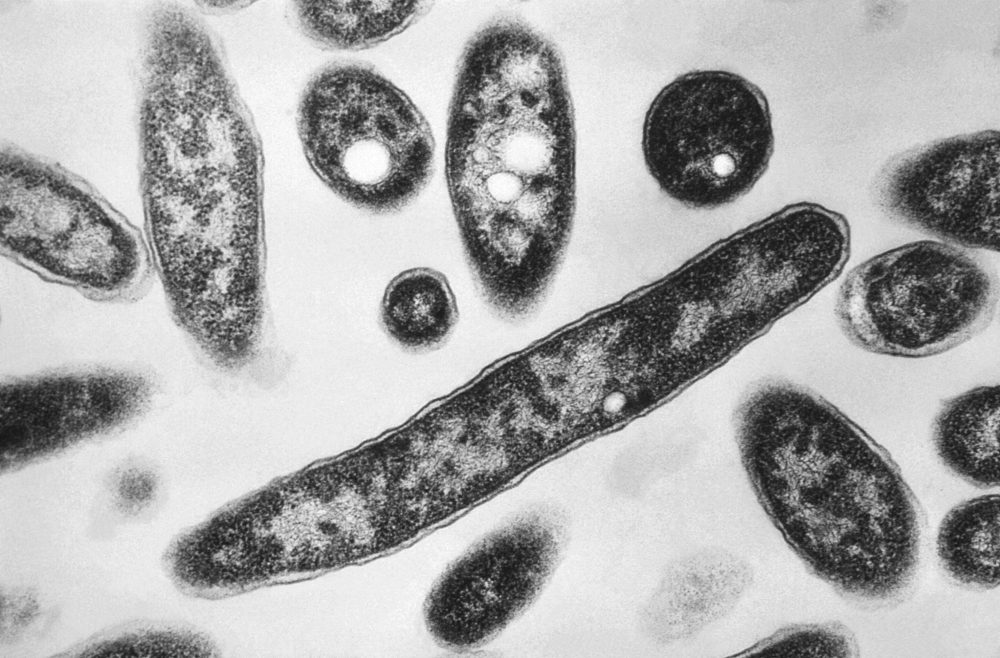
Laboratory testing has detected Legionella bacteria — either living or dead — in the cooling towers of more than 75 buildings on the Upper East Side. Among the affected properties are well-known museums, private schools, and high-end apartment buildings.
It remains unclear whether any of those specific buildings played a role in spreading the disease. Regardless, all of them have been ordered to clean, drain, and disinfect their cooling towers — large devices used to regulate temperatures in big buildings.
Legionella bacteria thrive in warm water and can spread through cooling towers, hot tubs, and showerheads. People typically contract the disease by breathing in tiny droplets of water that carry the bacteria. Unlike many illnesses, Legionnaires’ disease cannot be passed from one person to another.