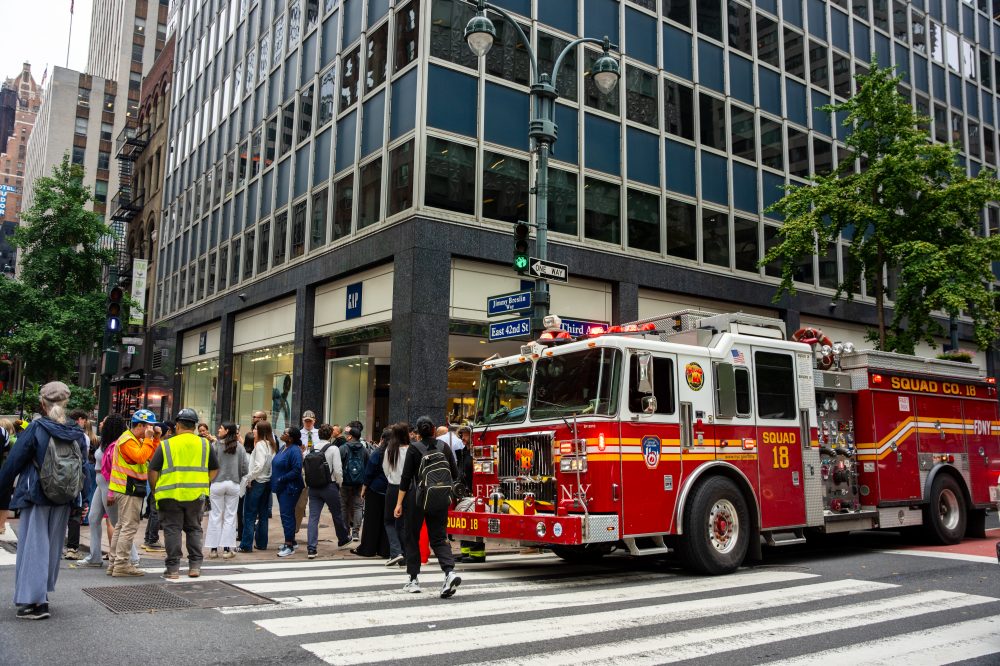

Health officials in New York City are looking into a cluster of Legionnaires’ disease cases centered in two neighborhoods on the Upper East Side. As of July 6, 23 people have been diagnosed, 17 have required hospitalization, and no fatalities have been reported.
Investigators believe the likely source of the bacteria is one or more cooling towers located in the area. These large water systems are typically mounted on top of buildings and help regulate the temperature of refrigeration and other mechanical systems. The city’s health department is currently testing all such towers in the affected zones, which include the Carnegie Hill and Yorkville neighborhoods — specifically ZIP codes 10028, 10128, and 10075.
Officials stressed that the outbreak does not appear to involve any building’s plumbing, meaning residents can safely drink tap water, bathe, shower, cook, and use air conditioners. Standard air conditioning units do not use water to cool the air. Additionally, the bacteria cannot pass from person to person.
Anyone who lives in or has recently visited the affected neighborhoods and is experiencing flu-like symptoms is urged to reach out to a health care provider right away.
What is Legionnaires’ disease?
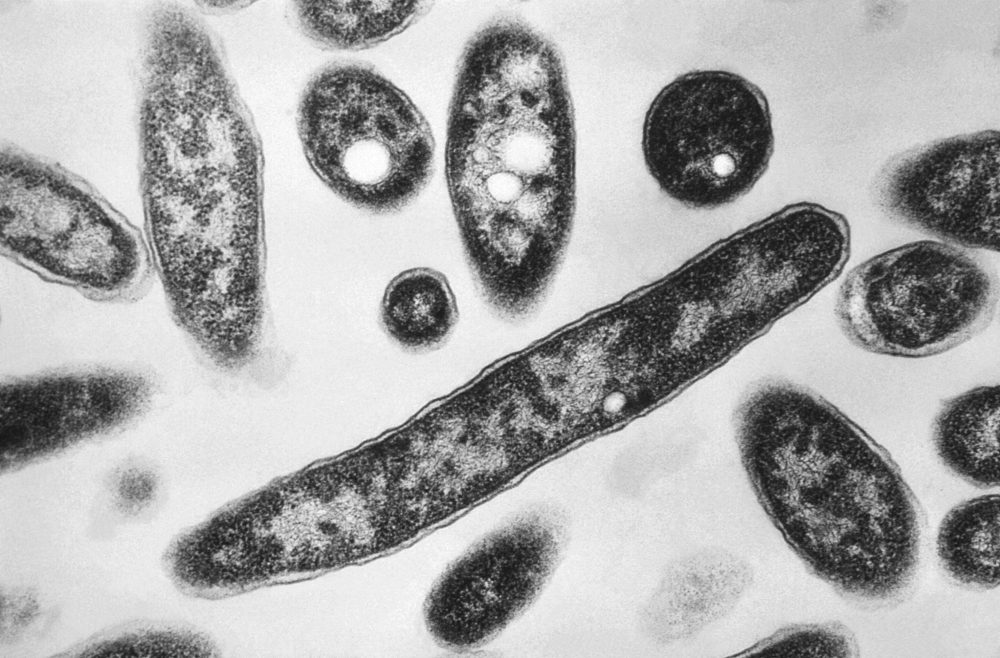
Legionnaires’ disease is a form of pneumonia triggered by Legionella bacteria. These bacteria thrive in warm water and can build up in building water systems, including showerheads, hot tubs, and cooling towers.
Most people contract the illness by inhaling tiny water droplets that contain the bacteria. Vulnerable patients in hospital settings can also be exposed through contaminated water or ice, and infants can be at risk during water births, according to health officials.
What are the symptoms?
Symptoms typically appear anywhere from two days to two weeks after a person is exposed. According to the U.S. Centers for Disease Control and Prevention, those symptoms can include coughing, fever, headaches, muscle aches, and difficulty breathing.
Certain groups face a higher risk of getting sick, including people aged 50 and older, those who smoke or vape, individuals with chronic lung conditions, and people with weakened immune systems.
The disease got its name from a 1976 outbreak that struck people attending an American Legion convention in Philadelphia.
How serious is it?
Legionnaires’ disease can be deadly. The CDC estimates that one out of every ten people who become ill will die from complications related to the disease.
That is why early diagnosis and prompt treatment with the right antibiotics are so important, health officials emphasized.
Without treatment, the World Health Organization says the illness typically gets worse during the first week. Serious complications can include respiratory failure, shock, and kidney or multi-organ failure.
How can it be prevented?
Those responsible for maintaining buildings and water systems can take steps to limit bacterial growth. The WHO recommends regularly cleaning and disinfecting cooling towers, keeping adequate chlorine levels in spa pools, and flushing unused taps in buildings on a weekly basis.
There are also precautions individuals can take at home. New York health officials recommend draining garden hoses when not in use, following manufacturer guidelines for cleaning and replacing water filters, regularly checking chlorine levels in pools and hot tubs, and flushing hot water heaters twice per year.