
Eastern Congo is now ground zero for the worst Ebola outbreak ever recorded, and the situation keeps getting harder to manage even as scientists race to find effective treatments for this particular strain of the virus — one that currently has no approved cure.
This week, unpaid workers at an Ebola treatment facility at the center of the outbreak walked off the job, raising fears that similar actions could ripple through other facilities in a region already struggling with poor infrastructure, armed rebel groups, and widespread disbelief that the virus is even real.
Close to 2,000 cases have been confirmed, resulting in at least 702 deaths. Now, suspected cases have appeared in two additional provinces, including one of the country’s largest cities, Kisangani, leaving health officials scrambling to determine just how far the disease has traveled. Experts say the outbreak went undetected for weeks because testing was done for a more common strain of Ebola, and the origin of this outbreak remains unknown.
Here is a closer look at what is unfolding and what is being done to stop it.
This outbreak is caused by the Bundibugyo virus, a form of Ebola for which no approved vaccines exist.
Ebola is highly contagious. It can pass from wild animals to humans and then spreads person to person through contact with bodily fluids — including blood, vomit, and semen — as well as contaminated items like bedding and clothing. Traditional burial practices in which family members wash and prepare the bodies of loved ones have been restricted, a move that has sparked anger among some residents.
The disease is rare but extremely dangerous and frequently fatal. Those infected may experience fever, vomiting, diarrhea, muscle pain, and sometimes internal and external bleeding. Outbreaks typically occur in remote communities in Central Africa, often near rainforests.
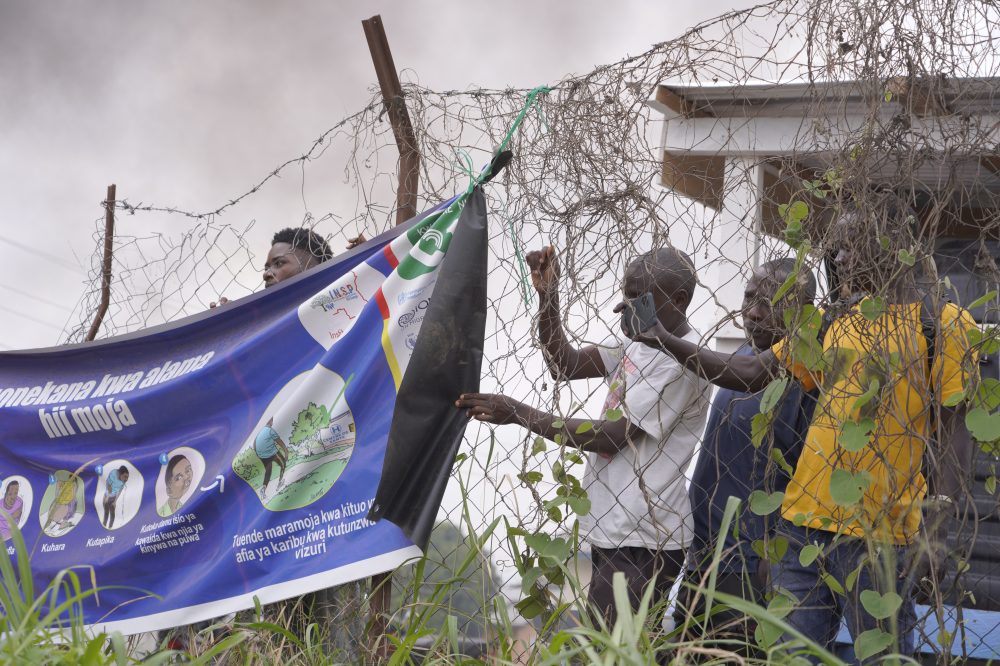
Journalists with the Associated Press have documented the aftermath of attacks on health centers carried out by a deeply mistrustful and highly mobile population long battered by armed conflict. Health outreach teams trying to educate communities about Ebola prevention have faced harassment and accusations that the entire outbreak is fabricated.
Part of the outbreak is centered in Goma, a major city and humanitarian hub that rebel forces backed by a neighboring country seized more than a year ago, adding another layer of difficulty to containment efforts.
Now, unrest has emerged among the local health workers themselves. After weeks of dangerous work with little or no pay from the Congolese government, staff at a treatment center in Ituri province — the outbreak’s epicenter — shut down the facility on Monday and blocked entry, burning a tire in protest. Among those striking were epidemiologists, case investigators, drivers, and gravediggers.
Congolese officials say they are in discussions with the workers to reach a resolution. If the strike spreads to other already-overwhelmed and poorly equipped facilities, it could deliver yet another serious blow to efforts to contain the outbreak.
The walkout comes at a particularly sensitive moment. Earlier this month, researchers launched a clinical study of two potential Ebola treatments and began recruiting participants.
One of the drugs being tested is remdesivir, made by Gilead Sciences — a broad-spectrum antiviral that was approved to treat COVID-19 and has shown early signs in laboratory testing that it may be effective against the Bundibugyo virus. The second is an experimental drug called MBP134, developed by Mapp Biopharmaceutical, which uses engineered antibodies designed to target multiple Ebola strains, including Bundibugyo.
The World Health Organization has said patients in the study will be randomly assigned to receive the current best standard of care along with remdesivir, MBP134, both drugs, or neither.
The United Nations health agency has cautioned that it could take months and up to 1,000 study participants before researchers can determine whether either drug is effective.
For now, the study is being conducted at just one Ebola treatment center in Ituri province — not the facility where the strike occurred. Officials say they plan to expand the study to additional sites once conditions allow.