A coalition of 25 Democratic-led states and the District of Columbia took legal action Monday, filing a federal lawsuit in Boston to halt a Trump administration rule that would require many Medicaid recipients to meet new work requirements.
The states contend the rule unlawfully restricts protections for people who are seriously ill, forcing medically vulnerable individuals to jump through unnecessary bureaucratic hoops just to keep their government-funded health coverage.
The rule was issued this month by the U.S. Centers for Medicare and Medicaid Services, known as CMS, and stems from the work requirements written into President Donald Trump’s “One Big Beautiful Bill Act” — a sweeping tax and spending law passed by the Republican-led Congress.
Medicaid is the federally and state-funded health insurance program that serves low-income Americans across the country.
Under the new law, most adults between the ages of 19 and 64 must complete at least 80 hours of work or community engagement activities each month — or be enrolled at least half time in an educational program — in order to remain eligible for Medicaid coverage.
Earlier this month, CMS released an interim rule to guide states on how to carry out those requirements.
The lawsuit argues that Congress built broad exemptions into the law, including protections for individuals who are “medically frail or otherwise have special medical needs.” However, the states say CMS narrowed those protections by requiring people with significant health conditions to prove that their condition “significantly impairs” their ability to work — a higher bar than what Congress intended.
Massachusetts Attorney General Andrea Joy Campbell addressed the legal challenge in a statement, saying: “The Trump Administration’s attempt to impose new, burdensome requirements on Medicaid recipients threatens access to healthcare for our most vulnerable residents and families.”
CMS, which operates under the U.S. Department of Health and Human Services, did not respond to a request for comment regarding the lawsuit.
The states raise three main legal objections: that the CMS rule improperly narrows Congress’s protections for medically frail Medicaid recipients; that it violates the Administrative Procedure Act; and that it places unconstitutional conditions on federal spending.
Although the work requirement is not set to take effect until January 1, states must notify Medicaid recipients of the upcoming changes by August 31. The states argue that deadline leaves them far too little time to update their systems and implementation plans, and they are asking a court to block the rule before it can be enforced.
For many wheelchair users, a broken chair is not just an inconvenience — it can mean being completely cut off from the outside world. Now, those who rely on wheelchairs are speaking out about what they say is a growing crisis in getting their equipment repaired.
The problem, according to wheelchair users, stems from private equity firms buying up companies in the industry. As ownership has consolidated into fewer hands, repair options have dwindled — and wait times have grown longer.
Those affected say the delays are not just frustrating. They describe being isolated from their communities and facing real dangers to their physical health while they wait for fixes that can take weeks or even longer to complete.
The situation highlights a broader concern about what happens when essential medical equipment services become concentrated under private equity ownership, leaving vulnerable people with little recourse when something goes wrong.
Federal health officials are preparing to hold a major review of controversial peptide drugs next month, but the expert panel assembled for the meeting looks very different from those that came before it — and that has some people talking.
The Food and Drug Administration released its list of panelists Monday for an upcoming two-day meeting aimed at reconsidering the safety and effectiveness of several widely used peptide injections, including some that Health Secretary Robert F. Kennedy Jr. has publicly endorsed.
Past FDA panels on this subject were made up primarily of academics and researchers from universities. The newly assembled group, however, is largely composed of health professionals who have a direct financial stake in the peptide industry — people who prescribe, manufacture, or actively promote these substances.
The meeting is being seen as the latest move by Kennedy and his team to reshape federal health policy in line with the Make America Healthy Again movement. Several prominent backers of that movement are involved in selling peptide products, even though many pharmaceutical experts classify them as illegal, unapproved drugs.
These substances are widely sold online and marketed through wellness clinics as tools for building muscle, speeding up injury recovery, and slowing the aging process — despite limited scientific evidence to back up those claims. Sellers frequently sidestep federal regulations by labeling their products as being “for research use only,” since the FDA does not regulate research chemicals.
A large portion of the injectable peptides available in the United States are produced by compounding pharmacies — specialized operations that create custom medications not offered by conventional drug manufacturers.
For years, the FDA has cautioned Americans about the dangers of injecting compounds such as BPC-157 and TB-500, neither of which has been thoroughly studied in human subjects. Both are classified as doping substances by international sports governing bodies. They are among seven peptides scheduled for review in July.
Earlier versions of the FDA’s drug compounding panel — the same body that will convene next month — had consistently voted against allowing peptide ingredients proposed by compounding pharmacies, determining each time that the risks to patients were too great. Those earlier panels were largely drawn from experts at institutions including Duke, Harvard, and Johns Hopkins.
The current panel includes more than half a dozen members who operate clinics, online businesses, or pharmacies that specialize in peptides. These substances are frequently offered alongside other unapproved treatments such as vitamin infusions.
Among the panelists is Dr. Haleem Mohammed, who runs clinics in Florida offering peptide injections, vitamins, testosterone, and weight loss medications as part of a national clinic chain called Gameday Men’s Health. The company’s own website acknowledges that “compounded medications offered through our services are not FDA-approved, and the FDA does not verify their safety.”
Another panelist, Dr. Gabriel Alizaidy, charges $500 for consultations on “peptide and hormone” topics, including guidance on “where to safely get each peptide or compound.” He promotes BPC-157, GHK-Cu, and other peptides to thousands of followers on Instagram and TikTok. His website notes that each consultation “is educational in nature and does not constitute medical care, diagnosis, or treatment.”
A third member of the panel is Bobby Harshbarger, a Tennessee state senator with several connections to the compounding pharmacy industry. Harshbarger works as a pharmacist at his family’s business, Premiere Pharmacy, which sells compounded medications for conditions ranging from weight loss and pain to longevity.
His mother, Rep. Diana Harshbarger, is also a licensed pharmacist and a Republican member of Congress from Tennessee. Last year, she wrote to Kennedy urging him to ease FDA restrictions on a half-dozen peptides.
President Donald Trump has repeatedly praised Rep. Harshbarger’s backing of his agenda. Last year, the president pardoned her husband, Robert Harshbarger Jr., who had pleaded guilty more than a decade ago to substituting an unapproved drug from China for one used by kidney dialysis patients. He lost his pharmacy license and served a four-year prison sentence.
The Associated Press reached out to Mohammed, Alizaidy, and Bobby Harshbarger for comment Monday afternoon, but none responded.
The FDA maintains more than 30 advisory panels that provide guidance on drugs, vaccines, food ingredients, and other products. These meetings follow strict federal transparency rules regarding panel composition and financial disclosures. Panelists with financial ties to an industry may participate, but those relationships must be publicly disclosed, and regulators are required to explain why a person’s expertise justifies their involvement despite any potential conflict of interest.
Kennedy and his allies have frequently attacked federal advisory panels, claiming they are riddled with conflicts of interest — even as federal data has generally shown otherwise. Last year, Kennedy dismissed all 17 members of the Centers for Disease Control and Prevention’s vaccine advisory panel and replaced them with individuals who include several voices skeptical of vaccines. A federal judge later said that move likely broke federal rules.
Earlier this year, Kennedy told podcast host Joe Rogan that he is “a big fan of peptides” and said he has used them to recover from injuries.
Former FDA Commissioner Marty Makary, who stepped down in May, was also a critic of the agency’s advisory panel system, calling the meetings costly, slow, and too susceptible to financial conflicts. The number of such meetings dropped sharply during his time in the role. In their place, the FDA held a series of informal gatherings with hand-selected experts on subjects aligned with Kennedy’s priorities, including the risks associated with talc powder and antidepressants.
Democrats representing 25 states and the District of Columbia filed a lawsuit Monday against the Trump administration, challenging new federal guidance on Medicaid work requirements that they say will block eligible Americans from getting the healthcare they depend on.
The attorneys general and governors behind the legal action argue that an interim final rule issued earlier this month by the Centers for Medicare and Medicaid Services goes beyond what the law passed last summer actually authorizes. That legislation set the stage for significant changes to the Medicaid program.
The plaintiffs contend that the Republican administration’s narrow reading of certain parts of the law — including new restrictions on who qualifies for a medical frailty exemption — will create harmful barriers to coverage and cause confusion in states racing to update their systems before a January deadline.
“Added administrative burdens will cause individuals who are eligible for Medicaid to lose or be denied coverage,” the plaintiffs wrote in the suit. “People with disabilities, patients in the middle of cancer treatment, or those struggling with another serious or complex health condition, shouldn’t be at risk of losing the care that helps maintain their health.”
Spokespeople for the U.S. Department of Health and Human Services and CMS — the two agencies named in the lawsuit — had not responded to requests for comment at the time of this report. The Trump administration has described the new rules as practical steps to eliminate government freeloading and make sure benefits go to those who truly need them.
The Medicaid restrictions stem from Trump’s major tax and policy legislation enacted in 2025. The changes specifically affect people enrolled through the Medicaid expansion, which extended the program to more lower-income Americans in most states.
Beginning January 1st, adults between the ages of 19 and 64 who are enrolled through the expansion will be required to demonstrate they are working or performing community service for at least 80 hours per month, or attending school at least half-time. Exemptions exist for people classified as medically frail, those in addiction treatment, and certain other groups.
The CMS announcement earlier this month surprised states by introducing a new definition of medical frailty. While the law described medically frail individuals as those with substance use disorders, disabilities, or serious medical conditions, the CMS rule added a higher bar — requiring that a person’s condition “significantly impair” their ability to work, volunteer, or attend school at the levels the law demands before they can be exempted.
Under the rule, patients can self-certify that they meet this definition in 2027 and once in 2028. However, when they seek to renew coverage in 2028, they will need to provide proof. Health analysts and state Medicaid officials have said it remains unclear what existing records or documents would satisfy that requirement.
The lawsuit states that the new definition arrived “contrary to months of regular communications with CMS and preliminary guidance materials upon which Plaintiff States based their implementation plans.” The states also argue that CMS has still not given them enough information to update their systems properly.
New York Attorney General Letitia James, one of the Democrats leading the legal challenge, warned that the rule puts thousands of her state’s residents at risk of losing coverage.
“New Yorkers who are battling cancer, living with a disability, managing a serious mental health condition, or recovering from addiction should be able to get the health care they need without being buried in paperwork,” she said in a statement.
The U.S. Food and Drug Administration has tapped seven pharmaceutical companies — including Eli Lilly and Regeneron — to participate in a pilot program aimed at accelerating the approval process for new domestic drug manufacturing facilities, according to a report from CNBC.
CNBC cited an FDA spokesperson in its Monday report detailing the agency’s selection of the seven firms for the initiative.
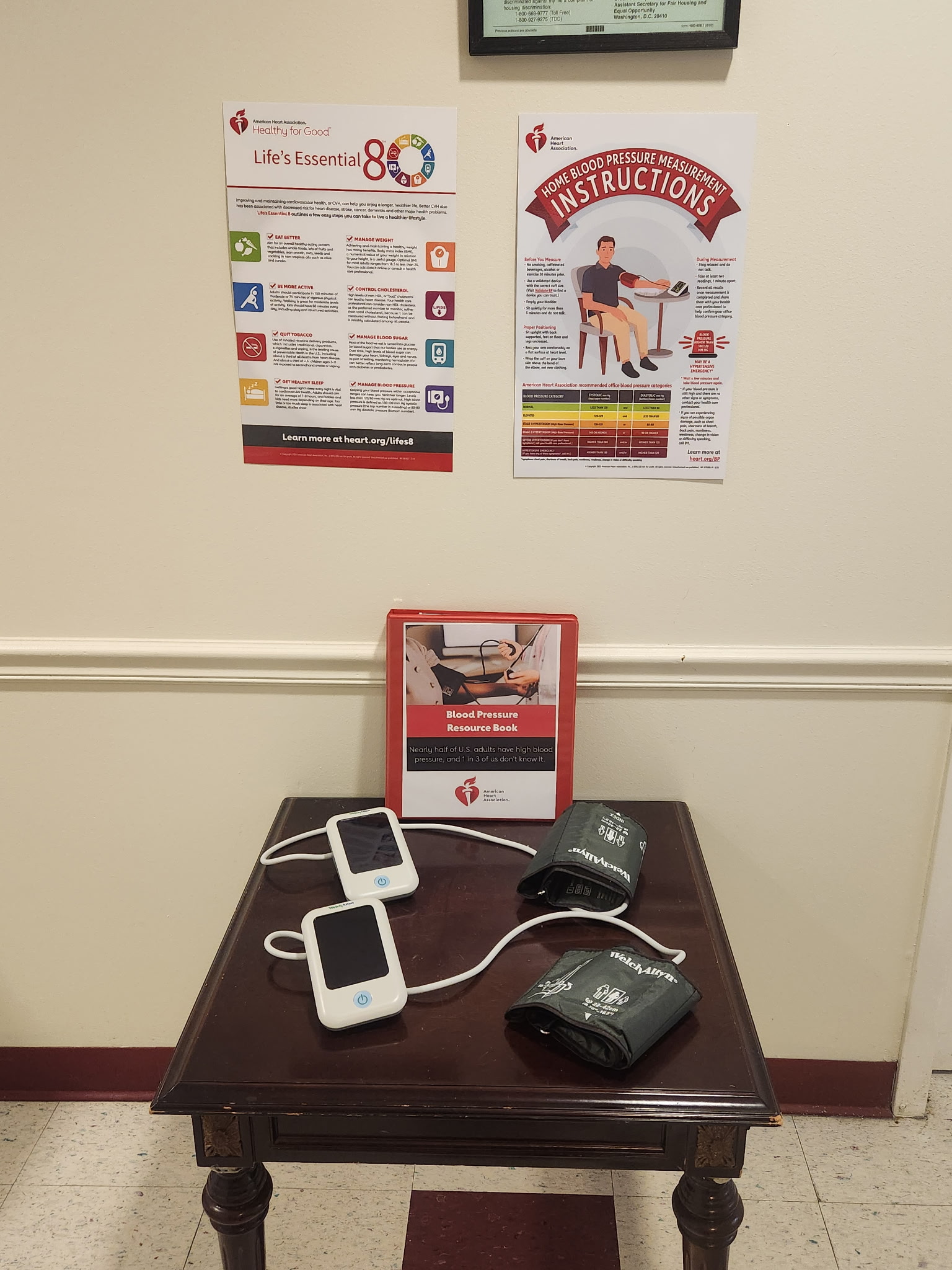
Two major organizations are joining forces to improve the heart health of Delaware residents living in public housing communities across Kent and Sussex counties.
The Delaware State Housing Authority (DSHA) and the Delaware chapter of the American Heart Association (AHA) have announced a new partnership focused on reducing the risk of stroke, hypertension, and heart disease among people living in DSHA-managed public housing.
As part of the effort, residents will receive tools that allow them to monitor their own blood pressure at home, along with educational materials designed to help them better understand and manage their cardiovascular health.
The announcement was made on June 29, 2026, and represents a collaborative push to bring health resources directly into the communities where residents live.
Resident doctors in England have chosen to accept the government’s latest pay and employment offer, their union announced Monday, putting an end to a prolonged labor conflict that has caused significant disruption to the National Health Service.
The British Medical Association reported that 53% of its eligible members approved the deal in a referendum held following the suspension of strike activity earlier this month. Voter turnout reached 57%, with a total of 32,932 doctors participating in the ballot.
Dr. Jack Fletcher said in a statement that the doctors determined the current offer “is sufficient to continue on the road to pay restoration, and sufficient to address the absurd lack of jobs” within the NHS. He added plainly: “The strikes will now end.”
The resolution closes the chapter on a dispute that originated in 2023 under the previous Conservative government and escalated into more than a dozen separate rounds of industrial action over the following years.
Under the approved package, resident doctors will receive a 3.5% pay increase for the 2026/27 period. The broader deal would bring average pay up by 6.6% by April 2027 and includes changes to training structures and career advancement pathways.
Doctors had long maintained that their wages had eroded significantly in real terms since 2008, a grievance that fueled the ongoing conflict across multiple administrations.
Health Minister James Murray had previously stated that the package was crafted to tackle concerns about both pay and staffing levels while keeping costs manageable for the health service. His department had not yet responded to requests for comment following the announcement of the ballot outcome.
NEW YORK (AP) — When an earthquake brings buildings crashing down, the survival of those trapped beneath the debris hinges on a number of critical factors — including the weather, access to water, and the ability to breathe.
According to experts, victims who escape serious injury can remain alive for a week or longer, provided temperatures are not extreme.
In Venezuela, emergency crews have been working urgently to pull survivors from the wreckage after two major earthquakes struck the northern state of La Guaira last Wednesday. The government reported that more than 770 structures were fully or partially destroyed, and the region continued to experience aftershocks in the days that followed.
Experts note that the vast majority of rescues occur within the first 24 hours after a disaster. After that window closes, the odds of finding survivors alive diminish with each passing day, largely because most victims suffer serious injuries or become buried under heavy stone and debris.
Geophysicist Victor Tsai of Brown University explained that people are more likely to survive if they end up in what specialists call a “survivable void space” — a debris-free pocket that shields them from serious harm while they wait for help. An example would be sheltering under a heavy, sturdy desk.
Emergency response expert Dr. Joseph Barbera, an associate professor at George Washington University, noted that fire, smoke, or hazardous chemicals released during a building collapse can significantly reduce a person’s chance of survival.
As time passes, access to air and water becomes increasingly vital.
“You could survive a while without food,” Barbera said. “You could survive less without water.”
Temperature conditions both inside the rubble and in the surrounding environment can affect not only the victim’s survival but also the ability of rescue teams to operate effectively.
The Venezuelan government reported that more than 2,600 rescue workers from various countries arrived with trained search dogs and heavy equipment. In La Guaira, the area hit hardest by the earthquakes, rescue operations appeared notably more coordinated by Sunday, following public frustration and anger over the perceived lack of response in the preceding days.
Dr. Barbera also stressed that survivors may need critical medical attention before being physically removed from the rubble. Without that care, a dangerous buildup of toxins released from crushed muscle tissue could send a rescued person into shock.
History has shown that survival against the odds is possible. After Japan’s devastating 2011 earthquake and tsunami, a teenager and his 80-year-old grandmother were found alive nine days after being trapped inside their collapsed home. The year prior, a 16-year-old girl in Haiti was pulled from earthquake rubble in Port-au-Prince after surviving 15 days buried beneath the debris.
Earthquake survival best practices vary by location. In areas with active fault lines, building codes are often engineered to withstand seismic activity — though this is not universally the case.
In many countries, including the United States, safety guidelines recommend dropping to the ground, seeking cover, and holding on during a quake — unless you are near an exit. Sheltering under a heavy table or close to solid furniture can create a protective pocket if the ceiling collapses. Covering your nose and mouth with cloth or a mask helps guard against dust and debris.
If you find yourself trapped after an earthquake, experts advise conserving your energy and avoiding unnecessary physical strain. Ration any food or water you can access, stay alert for sounds of rescue workers, and find something nearby to make noise with. If you have a cell phone, preserve the battery and make brief attempts to call for help at intervals throughout the day.
Genetic testing firm Natera and cancer drug developer Aveta Biomics announced Monday that they are joining forces on a large, late-stage clinical trial of an experimental treatment for head and neck cancer, with the goal of better tracking how patients respond to therapy.
At the center of the study is Aveta’s APG-157, an experimental oral medication intended to help the body’s immune system fight tumors. The trial will focus on patients diagnosed with locally advanced head and neck cancer.
As part of the partnership, Natera’s Signatera test will be used throughout the study to measure molecular residual disease and evaluate how patients are responding to treatment. The test is set to serve as a secondary endpoint in the trial and will be administered before, during, and after treatment.
Aveta Biomics said the study aims to enroll approximately 826 patients from sites across North America, Europe, Asia-Pacific, and Australia. The companies said they expect to begin enrolling participants in the second half of 2026.
The companies noted that the trial builds on results from an earlier mid-stage study, which showed the therapy helped keep tumors under control and produced encouraging data on patient survival.
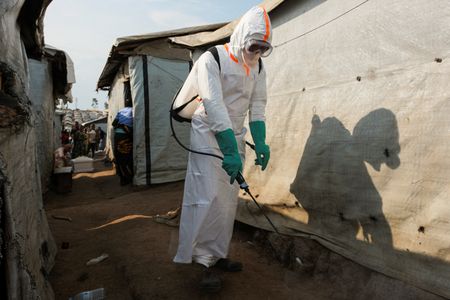
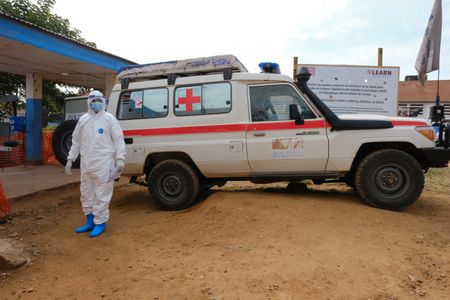
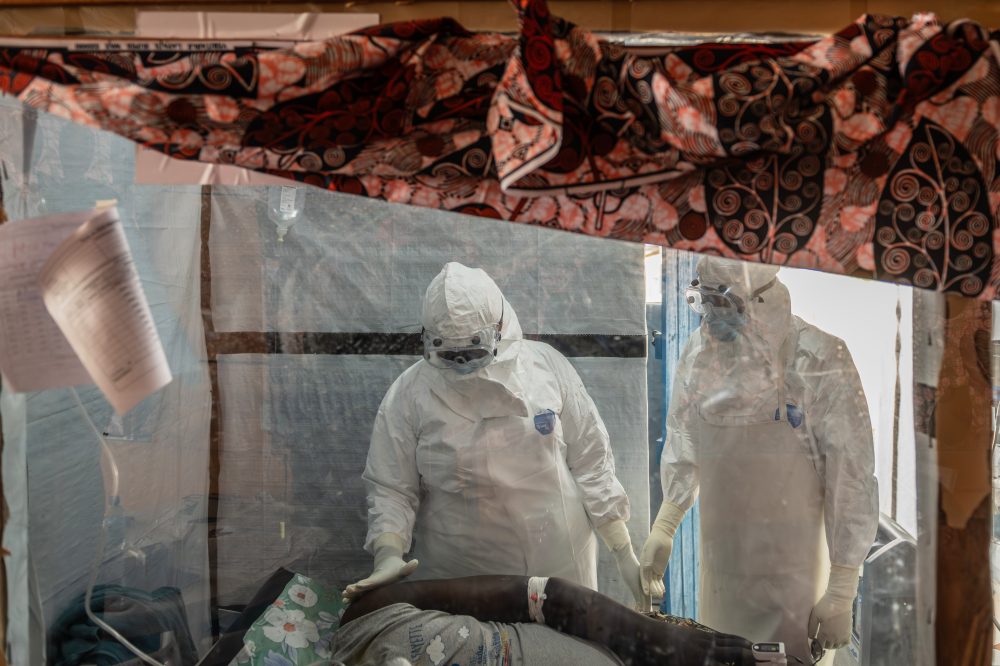
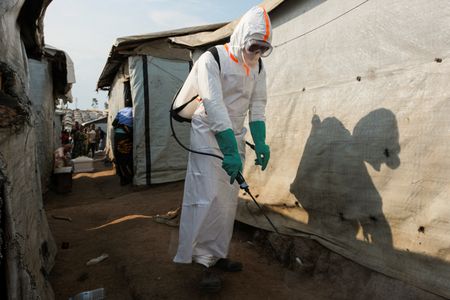
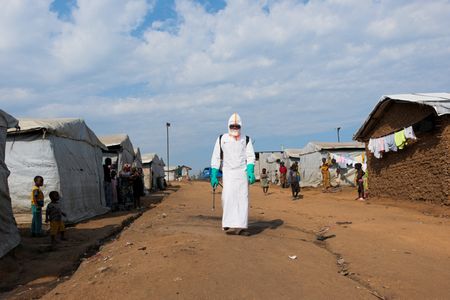
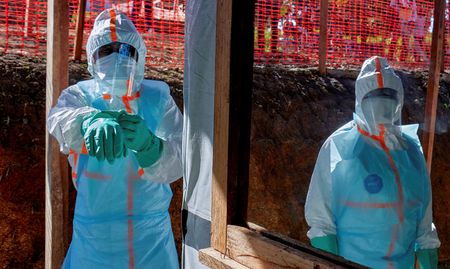
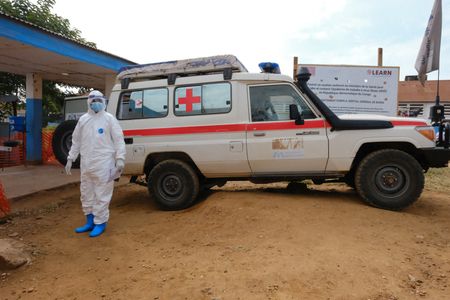
The Democratic Republic of Congo announced late Sunday that the number of confirmed Ebola infections within its borders has climbed to 1,274, with 360 of those cases resulting in death.
The figures represent the latest toll from an ongoing outbreak that has made this one of the most serious Ebola crises the country has faced in recent history.
Dover Police are asking for the public’s help in locating a missing Dover man after activating a Gold Alert Sunday morning.
Benjamin Moore, 28, of Dover, was last seen at approximately 9:47 a.m. on Sunday, June 28th, 2026, at Dover Behavioral Health, located at 725 Horsepond Road in Dover. Moore had been at the facility receiving treatment for an undisclosed condition when he went missing.
Moore is described as a white male with blonde/brown hair and brown eyes. He stands 5 feet 8 inches tall and weighs approximately 200 pounds. When last seen, he was wearing green hospital scrubs.
Anyone with information regarding Moore’s whereabouts is asked to contact the Dover Police Department at 302-736-7111.
Fireworks shows are lighting up skies all across the United States as the nation marks its 250th birthday — but while the celebrations are spectacular for people, they can be frightening and stressful for household pets.
Dogs and cats are especially vulnerable to the loud, sudden sounds that come with fireworks displays. Veterinarians advise that when the booming begins, pets should be brought inside and kept away from the noise as much as possible.
While your furry companions might be fine joining in on daytime Fourth of July festivities, the nighttime fireworks are a different story. Experts say keeping animals in a safe, quiet indoor space is the best way to protect them when the celebrations get loud.
ROME — At 85 years old, Dina Gazzella lives alone in her home on the eastern edge of Rome. She lost her husband in 2023 and her cat a year after that. But a small electronic device on her wrist means she is never truly without support.
Gazzella is one of around 700 elderly Romans enrolled in a smart bracelet program launched by Rome’s city government using EU funds set aside after the COVID pandemic. The initiative carries a price tag of €400 million — roughly $456 million — and provides participants with a wearable device at no cost.
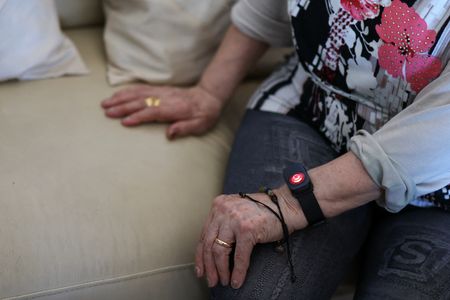
The black plastic bracelet, worn like a wristwatch, does much more than tell time. It continuously monitors the wearer’s heart rate and sleep patterns, detects falls through built-in motion sensors, and allows the user to call for emergency assistance at the press of a button — whether they are inside their home or out on the street.
City officials are pointing to the bracelet as a vital health tool, particularly as a deadly heatwave continues to push temperatures in Rome into the upper 30s degrees Celsius.
Clinical psychologist Piera Pomente, who coordinates a support desk for the program at a local pharmacy, explained why the device is so important right now. “The bracelet is crucial for elderly people in this hot period, especially because their blood pressure drops, their heart rate is slightly lower than normal, they really suffer,” she said.
For Gazzella herself, the bracelet brings peace of mind. She appeared lively during a visit to her apartment — showing off photos of her grandchildren, brewing espresso, and recounting a recent outing to a World War Two bunker with a local community group.
“If I feel unwell, this is a lifesaver,” she said. She added that social workers persuaded her to sign up by pointing out the risks of living alone. “They convinced me because they told me it was necessary, because I’m alone in the house and if something happens, if I fall, no one will pick me up; instead this one beeps, and someone will come.”
Pomente and her team handle applications and track participants’ data through a computer at the pharmacy. The monitoring runs Monday through Friday from 8:30 a.m. to 7 p.m. During nights and weekends, alerts from the bracelets are forwarded to family members through a mobile app.
In the past year, Pomente’s team has handled two emergencies — one involving a man who fell in the street and another who slipped from his wheelchair at home. In both cases, relatives were alerted and responded in time.
On quieter days, the work is more about connection than crisis. Social workers make daily phone calls to check whether participants have taken their medications, ask how they are holding up in the heat, or simply chat with those who are feeling lonely or bored.
“It’s about helping them share their day, their emotions, and the excessive heat,” Pomente said.
Not everyone has embraced the program. Privacy concerns have led some to drop out — of the roughly 70 people who initially enrolled through the pharmacy, only about 45 have remained. Pomente said she hopes to bring the others back and was quick to address the concern directly. “It’s not like we spy inside their homes with cameras,” she said.
New federal data shows that approximately 3 million fewer Americans were enrolled in Affordable Care Act health insurance plans this past February compared to the same month in 2025.
The U.S. Department of Health and Human Services released the report on Friday, noting that enrollment fell 13% — dropping from 22.1 million people in 2025 down to 19.2 million this year. The agency suggested the decline may be tied to a federal crackdown on fraudulent or so-called “phantom” enrollments. However, health policy analysts believe the more likely cause is the January 1st expiration of federal subsidies, which triggered steep premium increases that many enrollees simply could not afford.
Cynthia Cox, a vice president and director of the ACA program at the healthcare research nonprofit KFF, said the impact on real people is undeniable. “We know that real people lost their health insurance coverage,” she said, pointing to survey data from people who had dropped their plans. “This coverage loss happened at the same time millions of people faced double or even triple digit increases in their premium payments.”
The newly released figures were compiled in April but reflect coverage as of February — making this the federal government’s first official snapshot of how unpaid first-of-the-year bills affected total plan enrollment, following the close of a nonpayment grace period.
An earlier federal estimate from January had already shown about 800,000 fewer sign-ups compared to the prior year, marking the first enrollment decline in four years during that stage of the open enrollment window.
Cox said KFF anticipates enrollment will keep sliding throughout the year, potentially bottoming out at around 17.5 million people. That would represent a significant setback for the government’s primary subsidized health insurance program for working-age adults who don’t qualify for Medicaid. In recent years, ACA plans have become a go-to option for gig workers, farmers, ranchers, hairstylists, and others who don’t receive health benefits through an employer.
The subsidies that lapsed this year had been at the heart of a contentious congressional debate last fall, with Democrats and a number of Republicans pushing for their extension. The rising cost of health coverage — across ACA and other insurance programs — is emerging as a major issue heading into the November elections, with voters consistently ranking affordability among their biggest concerns.
You’ve probably been told since you were a kid: leave that bug bite alone, or you’ll make it worse. But if scratching feels so satisfying, why is it such a bad idea? Scientists now have a much clearer answer.
Itchiness can stem from many causes, including some serious medical conditions. Doctors have long cautioned that excessive scratching damages skin, but researchers have now uncovered exactly why even a minor itch can trap you in a frustrating cycle — one that gets worse the more you scratch.
To figure this out, scientists turned to an unlikely tool: tiny versions of the cone-shaped collars that veterinarians put on dogs and cats after surgery. By fitting mice with these miniature “cones of shame,” researchers could observe what happens at the cellular level when an itch is scratched versus when it’s left alone.
The study was led by Dr. Daniel Kaplan, a dermatologist at the University of Pittsburgh whose laboratory focuses on how the immune system responds in the skin. His team was investigating a common type of itch known as allergic contact dermatitis — the kind triggered by things like poison ivy or the nickel found in jewelry.
Researchers applied a rash-causing irritant to the ears of mice. The normal mice scratched, and inflammatory immune cells flooded to the area, causing increased swelling. Mice that had been bred with faulty itch-sensing nerve cells, however, developed far milder rashes. But researchers needed to confirm it was the scratching — not something else — driving the difference.
That’s where the tiny collars came in. Normal mice fitted with the cones could still feel the itch but were physically unable to scratch. Those mice also showed significantly less swelling and fewer inflammatory cells — confirming that the act of scratching itself was making things worse.
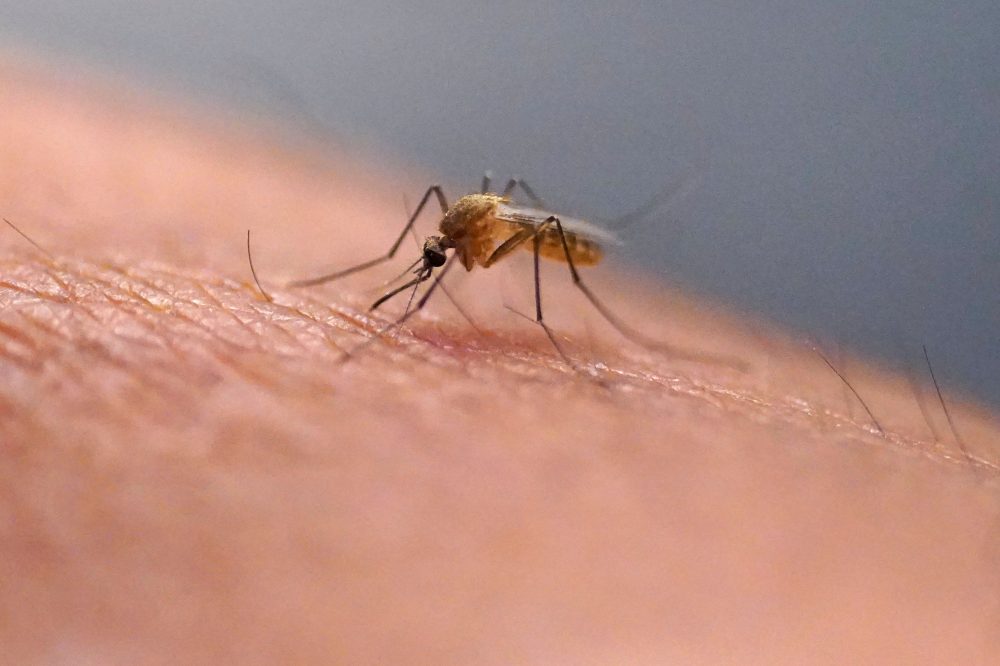
Kaplan said the findings align with what most people have experienced firsthand. Leave a mosquito bite alone and the itch typically fades within five or ten minutes, he said. “But if you start scratching it, it’s your friend for a week,” he added, getting itchier and more inflamed as time goes on.
To understand the underlying biology, Kaplan’s team examined immune cells called mast cells, which are among the body’s first responders. When activated, mast cells release various compounds — some that battle germs or toxins, and others, like histamine, that set off itchy allergic reactions.
It’s been known for some time that allergens can activate mast cells. But pain can also trigger them. And as Kaplan pointed out, when people scratch, “we tend to scratch until it starts to hurt.” Pain-sensing nerve cells release a chemical signal called substance P. In research published last year, Kaplan’s team found that substance P activates mast cells through a completely different molecular pathway than allergens do — creating a double effect that explains why scratching inflames itchy skin even further.
So why does scratching feel good at all? One longstanding theory is that it helps animals rid themselves of parasites like fleas or mites. Kaplan’s team also explored findings from other labs suggesting mast cells can fight off a common skin bacterium called Staphylococcus aureus. When they repeated the cone experiment on mice infected with that germ, the mice that scratched did show lower levels of the bacteria on their ears — possibly due to the extra inflammation or another mast cell compound.
Even so, that small potential upside doesn’t change the medical advice.
“Ultimately, scratching is deleterious,” Kaplan emphasized. “You should avoid scratching” — though he acknowledged that’s “easier said than done.”
Treatment for an itch depends on its cause, and researchers say better options are still needed. Currently, antihistamines and certain medications for hives can reduce mast cell-related itching. Pharmaceutical companies are also testing a new class of drugs called MRGPRX2 blockers that target the same pathway Kaplan’s team connected to scratching. He hopes a deeper understanding of that pathway could eventually lead to better treatments for conditions like chronic eczema.
For the summertime itches that come with bug bites, poison ivy, and other forms of contact dermatitis, dermatologists suggest anti-itch products such as hydrocortisone cream, calamine lotion, or oatmeal baths.
Kaplan also offered one clever trick: creams containing menthol can temporarily trick the skin into feeling cold rather than itchy. If you can hold off long enough without scratching, he said, “you break that itch-scratch cycle.” He called it “a cheat code.”
Across the United States, state governments are pushing back against the powerful companies that manage prescription drug benefits for health insurers, hoping to drive down the cost of medications for everyday Americans.
These companies, known as pharmacy benefit managers, or PBMs, play a major role in determining what drugs are covered and how much pharmacies get paid. Some of them also own their own pharmacies — and at least one of those companies has poured millions of dollars into fighting new state regulations.
With drug affordability shaping up as a major issue heading into this year’s midterm elections, lawmakers in at least a dozen states passed new laws this year designed to limit how much these companies can earn, set minimum payment amounts to pharmacists, and force the companies to be more transparent with clients, state governments, and the public.
A new law in Tennessee will prohibit pharmacy benefit managers from also running retail pharmacies, effective July 1, 2028. CVS Health Corp. has responded by filing a federal lawsuit, seeking to avoid being forced to shut down its 136 pharmacies in that state.
The financial pressure on patients is real. A poll conducted earlier this year by KFF, a nonprofit focused on healthcare research, found that roughly 6 in 10 American adults were at least somewhat worried about being able to pay for their prescriptions. About 4 in 10 said that cost concerns had caused them to deviate from their prescribed medications in the past year — whether by taking smaller doses, buying over-the-counter alternatives, or skipping refills altogether.
CVS and two other large pharmacy benefit managers handle the vast majority of prescription drug claims in the United States.
Lawmakers in at least 26 states introduced more than 120 bills this year targeting PBMs, according to an Associated Press review using the bill-tracking software Plural. About a quarter of those bills advanced through at least one legislative chamber.
These companies manage pharmacy claims on behalf of health insurers and negotiate with drug manufacturers over pricing and coverage decisions. Even critics acknowledge that the sheer size of the largest PBMs gives them bargaining power that individual health plans simply couldn’t match on their own.
The PBMs themselves argue that they are the only part of the drug supply chain specifically designed to push costs lower, and they point to the widespread use of generic drugs — now accounting for 90% of U.S. prescriptions — as evidence of their impact.
Prem Shaw, president of the CVS Health division that oversees its pharmacy and PBM operations, defended the industry in a recent interview: “If PBMs already didn’t exist, you’d need to invent one. Blaming PBMs for high drug prices is like blaming umbrellas for the rain.”
Drug companies, PBMs, and their allies have collectively spent at least $24 million on broadcast and digital advertising since the beginning of 2025 to shape public opinion on the issue, according to the ad-tracking firm AdImpact. CVS alone spent $4 million this year on ads opposing Tennessee’s new law.
CVS also sued Arkansas last year after that state passed similar legislation, and a federal judge blocked that law from taking effect. Additionally, CVS settled three lawsuits brought by Louisiana accusing the company of unfair trade practices and deceptive conduct in its lobbying efforts against legislation there last year. CVS agreed to pay $45 million in that settlement without admitting any wrongdoing.
In its Tennessee lawsuit, CVS — which operates 9,000 pharmacies across the country — claims the law amounts to “naked protectionism” by lawmakers who themselves own independent pharmacies, including the bill’s lead sponsor, state Sen. Bobby Harshbarger, and co-sponsor Sen. Shane Reeves.
In Knoxville, a CVS pharmacy manager named Seth White faces the prospect of losing his job if the Tennessee law survives legal challenges. He also expressed concern about the hundreds of customers who would need to find a new place to fill their prescriptions.
Nearly 900 miles away in Coldwater, Kansas, Lisa Gales and her husband run the Main Street Pharmacy — and she sees things very differently. Gales said she depends heavily on sales of non-pharmacy products to make up for the low reimbursements she receives from pharmacy benefit managers. By her own calculations, she lost money on 86% of the prescriptions she filled last year.
A new Kansas law will require PBMs to pay a $10.50 dispensing fee per prescription. Gales called it a “great win,” though she added, “It’s still way under what it’s costing us.”
Louisiana has enacted a similar measure, setting an $11.81 dispensing fee per prescription. A separate Louisiana law requires PBMs to act in the best interests of the health insurers they serve and the patients enrolled in those plans.
Opponents of these mandatory fees call them an added “pill tax” that will ultimately raise costs for consumers. Supporters push back, arguing the laws also cap what PBMs can charge health plans for the medications themselves — often keeping those prices well below wholesale.
PBMs negotiate significant discounts from drug manufacturers, but have faced criticism for pocketing a portion of those savings rather than passing them on. Some states are now requiring that all such discounts be forwarded directly to health plans and patients.
The ongoing squeeze on independent pharmacies worries consumers in smaller communities, who fear they could lose access to local pharmacies if reimbursement rates become too low to keep those businesses open.
In southeastern Kansas, 79-year-old retired nursing home administrator Faith Sanders said the pharmacy in her hometown of Cedar Vale is essential — without it, residents would need to drive 35 miles to find another option. “We get to the point where it’s hard for us to get out of town,” she said, speaking of her elderly neighbors.
Even some critics of PBMs have questioned whether states are the right level of government to address the problem. During a Tennessee legislative debate, state Rep. Robert Stevens, a Republican from the Nashville area, told his colleagues that regulating PBMs “needs to be done by Congress and not by us.”
Congress did take action in February, passing new PBM regulations that include a provision preventing these companies from keeping any rebates they negotiate on drug prices for health plans that supplement federal Medicare coverage for Americans over the age of 64.
La Ceiba Foods Latin Market Inc. has announced a voluntary recall of two cottage cheese products over concerns of possible Listeria monocytogenes contamination.
The products being pulled from shelves are Requesón Salvadoreño, also known as Salvadoran Cottage Cheese, and Requesón Mexicano, also known as Mexican Cottage Cheese. Both items were sold under the La Colonia and Selectos Latinos brand names.
The recall was announced on June 26, 2026. Listeria monocytogenes is a potentially dangerous bacterium that can cause serious illness, particularly in pregnant women, elderly individuals, and those with weakened immune systems.
Anyone who has purchased these products is encouraged to stop consuming them immediately and to check with the place of purchase for return or refund options. Additional details about the recall are available through the U.S. Food and Drug Administration.
A New York nutritional supplement company is voluntarily pulling two of its organic moringa products from the market after concerns about possible Salmonella exposure surfaced through its ingredient supplier.
Total Nutrition Inc., based in Deer Park, NY, announced the recall of its TNVitamins 100% Organic Moringa 1,200 mg Capsules and 100% Organic Moringa Powder. The action was triggered by a supplier-initiated recall of the raw organic moringa ingredient used in both products.
Health officials note that no illnesses connected to the recalled products have been reported at this time. Consumers who have purchased either of these moringa products are urged to take note of the recall and follow guidance from the company and health authorities.
WASHINGTON — A federal appeals court has unanimously turned down the Environmental Protection Agency’s effort to discard a 2024 rule that established tougher limits on fine particle pollution, also known as soot.
The three-judge panel’s decision is a blow to the Trump administration’s push to roll back regulations and its ongoing support for coal as an energy source. The ruling from the U.S. Court of Appeals for the District of Columbia Circuit keeps the stricter pollution standard in place, at least for the time being.
The Trump EPA had asked the court last year to strike down the Biden-era rule, claiming the agency’s previous leadership had overstepped its legal authority and failed to adequately weigh the financial burden the rule would place on affected businesses.
The court refused, with Senior Judge Douglas Ginsburg writing in the decision that the agency’s arguments “lack merit.”
The ruling preserves an annual cap of 9 micrograms of fine particle pollution per cubic meter of air — a significant reduction from the previous standard of 12 micrograms, which had been in place for more than a decade. The rule requires states and counties to meet that cleaner air threshold over the coming years, targeting pollution from power plants, vehicles, factories, and wildfires.
The EPA’s push to abandon the rule came after 25 Republican-led states and numerous business organizations filed a lawsuit seeking to block it. A suit spearheaded by attorneys general from Kentucky and West Virginia argued the regulation would drive up costs for manufacturers, utility companies, and families, and could prevent new manufacturing facilities from being built.
When the Biden administration finalized the rule in 2024, officials said the tighter limits would prevent more than 800,000 cases of asthma symptoms, reduce hospital visits by 2,000, and avert 4,500 premature deaths each year.
An EPA spokeswoman said in November that the 2024 rule would cost “hundreds of millions, if not billions of dollars to American citizens” and was not grounded in a thorough review of the available science. The agency said Friday it was taking time to review the court’s decision.
Environmental organizations praised the ruling as both a public health victory and a rebuke of EPA Administrator Lee Zeldin.
“Clean air is not a luxury. The 2024 soot standard is a critical advancement for public health, projected to save thousands of lives every year,” said Patrice Simms, vice president of healthy communities at Earthjustice, an environmental law organization. “Lee Zeldin’s EPA must stop catering to polluters and must instead fulfill its mission to protect public health,” Simms added.
The Natural Resources Defense Council said the delay in putting the 2024 rule into effect has left millions of Americans breathing unhealthy concentrations of soot pollution.
“The science has long been clear, and now the law is too. The EPA must stop stalling and deliver the clean air the Clean Air Act requires,” said Vijay Limaye, a climate and health scientist with the NRDC.
Swedish pharmaceutical company Sobi announced Friday that the U.S. Food and Drug Administration has declined to give the green light to its new treatment for uncontrolled gout, a severe form of inflammatory arthritis.
The FDA issued what is known as a complete response letter, asking Sobi to submit additional data — primarily focused on manufacturing controls and problems identified at the contract facilities that produce the drug.
Importantly, the agency did not raise any concerns about whether the treatment is safe or effective.
Sobi, which is headquartered in Stockholm, Sweden, said it plans to request a meeting with the FDA to talk through what would be needed for resubmission. The company also said it will work alongside its contract manufacturers to correct the identified deficiencies.
Gout is a well-known form of arthritis that causes sudden, intense pain, swelling, and tenderness in the joints. The condition develops when uric acid builds up at high levels around joints and other body tissues. In cases of uncontrolled gout, those uric acid levels stay elevated and symptoms persist even with treatment.
Sobi’s drug — chemically referred to as nanoencapsulated sirolimus plus pegadricase, or NASP — works as a four-week infusion therapy aimed at lowering uric acid levels in the bloodstream.
Data from late-stage clinical trials showed the treatment was able to keep uric acid below 6 milligrams per deciliter — considered a safe threshold for preventing gout flare-ups — for at least 80% of the sixth month of treatment.
The company estimates roughly 200,000 people across the United States live with uncontrolled gout.
Currently, the only FDA-approved medication specifically for uncontrolled gout is Amgen’s Krystexxa, an infusion administered every two weeks. Other general gout treatments include nonsteroidal anti-inflammatory drugs, colchicine, and corticosteroids.
U.S. health officials announced Friday that the country is sending doses of an experimental Ebola treatment to Africa, along with 2,500 diagnostic tests, as an ongoing Bundibugyo ebolavirus outbreak continues to worsen.
The response effort is being led by the Administration for Strategic Preparedness and Response through its Biomedical Advanced Research and Development Authority, known as BARDA. The agencies are coordinating support for the Democratic Republic of the Congo and Uganda, where the outbreak is active.
Unlike some other Ebola strains, the Bundibugyo strain currently has no approved vaccines or treatments available, making experimental options a critical part of the response.
At the center of the treatment effort is MBP134, an experimental monoclonal antibody therapy developed in partnership with Mapp Biopharmaceutical. Doses are being transferred to the affected countries for compassionate use — meaning it can be given to patients outside of a formal clinical trial setting due to the severity of the situation.
Additional doses are also being provided for a randomized clinical trial being conducted by the University of Oxford to formally evaluate how well the drug works.
Officials noted that MBP134 has demonstrated activity against multiple Ebola species in early laboratory studies and has already completed an initial safety trial. Data gathered from its use during the current outbreak could play a role in future regulatory decisions about the therapy.
On the testing front, BARDA has pre-positioned 2,500 rapid diagnostic tests for potential deployment to Africa to help identify infections and guide public health decision-making.
At the same time, BARDA is moving forward with efforts to develop a vaccine specifically targeting the Bundibugyo strain. The agency has issued a request for proposals seeking vaccine candidates built on the same platform used to create Merck’s Ervebo — the first Ebola vaccine approved in the United States, which targets a different strain known as Zaire.
Bear Stewart LLC, based in Chicago, Illinois, has announced a voluntary recall of a single lot of Bakr Brown Butter Chocolate Chunk Ready To Bake Cookie Dough pouches due to the possible presence of undeclared soy.
The concern is significant for anyone with a soy allergy or severe sensitivity to the ingredient. According to the company, consuming the affected product could trigger a serious or potentially life-threatening allergic reaction.
Shoppers who have purchased this cookie dough are encouraged to check whether their product is part of the recalled lot. Anyone with a soy allergy should not consume the product and should follow guidance from the U.S. Food and Drug Administration regarding next steps.
Europe’s leading medicines authority announced Friday that it is recommending the removal of Amgen’s drug Tavneos from the market, determining that the treatment’s potential benefits do not justify the risks it poses to patients.
The European Medicines Agency made the recommendation after concerns about the drug’s safety profile mounted. Earlier, in April, the U.S. Food and Drug Administration’s Center for Drug Evaluation and Research had already proposed pulling its own approval of Tavneos, following the identification of 76 cases of drug-induced liver injury — with evidence pointing to the drug as the likely cause.
Tavneos is used to treat anti-neutrophil cytoplasmic autoantibody-associated vasculitis, an uncommon category of autoimmune disorders that trigger dangerous inflammation in small- to medium-sized blood vessels throughout the body.
The EMA’s Committee for Medicinal Products for Human Use issued guidance stating that no new patients should begin taking Tavneos. For those already on the medication, the committee recommends transitioning to appropriate alternative therapies.
The Trump administration is planning to bring back a specialized crisis line for LGBTQ+ young people through the 988 mental health hotline — but the organization that helped build the service from the ground up may be locked out of the new program.
The Trevor Project, the nation’s foremost nonprofit focused on suicide prevention among LGBTQ+ youth, could be blocked from providing the very service it helped develop for the 988 Lifeline just a few years ago.
The 988 hotline, widely described as the mental health equivalent of 911, has been credited with lowering suicide rates among teenagers and young adults. It offers tailored options for specific groups, including veterans and Spanish speakers. However, in July, the Trump administration eliminated the “press 3” option for LGBTQ+ youth with only a month’s warning, citing expired funding.
Now, Congress has stepped in, directing officials to put $33 million toward LGBTQ+-specific youth crisis services, and the administration has committed to restoring the option before the end of the year.
Despite that progress, The Trevor Project may be shut out of the process. The nonprofit that runs the 988 service, Vibrant Emotional Health, has opened applications to manage the relaunched “Press 3” lines — but only to crisis centers that are currently active members of the 988 network. Because the administration canceled the service The Trevor Project specialized in, the organization is no longer active in that network.
The six other crisis centers that previously participated in the LGBTQ+ youth program remain active because they also serve the general population. Only The Trevor Project was exclusively dedicated to serving LGBTQ+ young people.
Dr. Christine Yu Moutier, chief medical officer for the American Foundation for Suicide Prevention, said keeping The Trevor Project on the sidelines “would not make sense,” describing it as a “long-standing, high-quality and trusted resource” for LGBTQ+ people.
Wisconsin Sen. Tammy Baldwin, who has led a bipartisan effort to restore the service, was direct in her criticism. “The Trump administration never should have shut down the ‘press 3’ option and put young Americans at further risk,” she said, calling on the president to bring it back “without needless limitations and with the most qualified, experienced people answering the phone calls and text messages from these vulnerable young people.”
The original specialized service allowed callers to press 3, text “PRIDE,” or use an online chat to connect with counselors specifically trained to support LGBTQ+ young people. According to data from the Substance Abuse and Mental Health Services Administration, the service fielded 1.6 million contacts during its operation. The Trevor Project alone handled roughly half of that volume.
When the “Press 3” option was canceled, federal officials maintained that LGBTQ+ youth could still access help through 988’s general services, saying the agency would “no longer silo” the services in order to serve all callers.
Jaymes Black, CEO of The Trevor Project, warned that the situation is heading in a troubling direction. “This troubling development indicates a dangerous step toward degrading the clinical standards to serve high risk groups that the ‘press 3’ specialized services were founded on,” Black said in a statement.
A spokesperson for the Department of Health and Human Services declined to directly address questions about The Trevor Project’s eligibility, stating only that the department is working with Vibrant to restore the service by year’s end as Congress directed.
Adding to the uncertainty, a leader at the Substance Abuse and Mental Health Services Administration wrote to an Illinois congressman this month saying the agency needed to evaluate the “most appropriate approach” to restarting the service while staying in compliance with a Trump executive order targeting transgender rights. That order claims “gender ideology extremism” is a threat to women and declares that only two sexes exist.
Black expressed concern that the next version of the LGBTQ+ youth crisis line “may exclude transgender and nonbinary youth entirely.” The Trevor Project continues to independently operate its own around-the-clock crisis line for LGBTQ+ young people.
Research has consistently shown that LGBTQ+ youth face a significantly higher risk of suicide. A 2024 analysis by the CDC found that 26% of transgender and gender-questioning students had attempted suicide in the past year, compared with 5% of cisgender male students and 11% of cisgender female students.
Moutier noted that other crisis centers are providing quality care for LGBTQ+ youth, but stressed that how the service is relaunched matters just as much as whether it is. She acknowledged the stakes are high. “I think there’s the potential for great good, and some harm as well,” she said.
Black put it plainly: “While anti-LGBTQ+ politics may be altering the very purpose of this lifeline created to help save young LGBTQ+ lives, it is critical to make clear that politics has no place in suicide prevention.”
A man is sharing his deeply personal memories of growing up with gay parents during one of the most devastating periods of the AIDS epidemic, in a story featured on this week’s edition of StoryCorps.
Looking back on his upbringing, the man reflects on a childhood shaped by love — even as the AIDS crisis claimed the lives of both of his parents.
His story, captured as part of the ongoing StoryCorps series, offers a window into a family experience that was both unique and profoundly human, reminding listeners that even in the darkest of times, love can define a home.
A federal judge has stepped in to block a portion of a Trump administration policy that would have capped federal student loan amounts for those pursuing advanced degrees in nursing, physical therapy, public health, and several other fields.
The American Association of Nurse Practitioners, one of eight organizations that brought the lawsuit, called the ruling a significant victory. In a Facebook post Thursday, the group described it as “an important step for NP students, the future health care workforce and the patients who depend on them.”
The dispute centers on new federal student loan limits included in the One Big Beautiful Bill Act, which were scheduled to go into effect in July. Under the old rules, graduate students could borrow up to the full cost of their program. The new policy changed that, placing a $100,000 ceiling on loans for programs classified as “graduate” degrees and a $200,000 ceiling for those labeled “professional” degrees.
The Education Department designated the following fields as professional programs: pharmacy, dentistry, veterinary medicine, chiropractic, law, medicine, optometry, osteopathic medicine, podiatry, and theology. That left out nursing practitioners, therapists, public health workers, speech language pathologists, physician assistants, and others — the very groups represented by the eight organizations that filed suit.
Those groups argued that students in the excluded fields would be forced to either abandon their education or take on costly private loans to make up the difference.
Late Wednesday, U.S. District Judge Beryl Howell put the Education Department’s revised “professional degree” definition on hold. She found that the agency had overstepped by adding “more stringent requirements” to the definition — including a requirement that professional degree holders “must work free from another professional’s supervision.”
Judge Howell concluded that Congress had not granted the Education Department the power to make those changes. She also raised concerns about the broader impact, warning that limiting educational opportunities could be “detrimental to the public, particularly in underserved communities that may face a shortage of healthcare and other critical professional services.”
Importantly, the ruling does not eliminate the loan caps themselves — it only blocks the updated definition of what qualifies as a professional degree.
The Education Department responded with a written statement saying it is “reviewing the order and will take appropriate action.” The agency had previously defended the caps, claiming they were already pushing colleges and universities to reduce tuition costs.
A separate lawsuit filed by a coalition of Democratic-led states, which takes aim at the loan caps more broadly, is still working its way through the courts.
A pet health company based in Orange City, Iowa is pulling several animal milk replacer products from shelves after discovering the amounts of Vitamin D in the products were not within safe ranges.
Revival Animal Health, LLC announced a voluntary recall of its Breeder’s Edge® Foster Care® Canine and Shelter’s Choice® Canine Milk Replacer products. The company has also expanded an existing recall to now include its Breeder’s Edge® Foster Care® GM products, which are goat milk-based formulas.
The problem stems from variable Vitamin D levels found in the products — some tested too low, while others contained elevated amounts of the vitamin. Both scenarios can pose health risks to young or vulnerable animals that rely on these milk replacers for nutrition.
Pet owners and animal rescue organizations that use these products are encouraged to check their supplies and stop using any affected items. Anyone who has purchased these products should contact Revival Animal Health for guidance on next steps.
NASHVILLE, Tennessee — A judge has issued a temporary order preventing the Tennessee Department of Health from turning over personal information about approximately 400 seriously ill and disabled immigrant children to federal immigration authorities.
The restraining order came down Wednesday, prompted by a lawsuit filed by three Nashville physicians who treat some of those children. The doctors took legal action after state officials mailed letters to healthcare providers and immigrant families, warning them that a newly enacted law would require the state to share identifying details about those enrolled in the program once June ended.
The law is one of several bills pushed through by Tennessee Republicans this year in support of President Donald Trump’s immigration enforcement efforts.
A spokesperson for the state attorney general’s office said Thursday that officials had no comment on the lawsuit and that the complaint was still under review. The state has not yet filed a formal response in court.
“This is an impossible choice for mothers, and it risks the lives and the dignity of these children,” said Michele Johnson, executive director of the Tennessee Justice Center, which brought the lawsuit on behalf of the doctors.
Johnson added that her organization has been advising affected families to remain enrolled in the program while the matter is being decided by the court. A hearing has been set for July 2 in Nashville.
The program at the center of the dispute, called Children’s Special Services, has existed for decades and receives partial federal funding. It helps cover medical expenses for children with serious conditions including cancer, cerebral palsy, seizure disorders, and diabetes.
The letters sent to families stated that, because of their immigration status, they would be reported to the immigration division of the Tennessee Department of Safety if they chose to stay enrolled in the program.
The new law requires government agencies to verify the legal status of residents before providing public benefits. It is part of a broader series of legislation in recent years aimed at limiting immigrants’ ability to work, obtain licenses, access free public schooling, and use other public services.
“We’re going to do what we can to make sure that if you’re here illegally, we will have the data, we’ll have the transparency, and we’re not spending taxpayer dollars on you unless you’re in jail,” House Speaker Cameron Sexton said back in January.
The three doctors behind the lawsuit all work at Siloam Health clinics, which provide care to uninsured and underserved patients. In sworn statements, they said some of their patients feared they would be unable to get critical medical treatment for their children as a result of the law.
One doctor noted that some families who received the warning letters are not in the country illegally but simply live in households with mixed immigration status. Some of those families have already left the program or were planning to do so out of fear of being reported to immigration officials.
The lawsuit contends that enforcing the new rule would interfere with the doctors’ ability to provide care to their patients.
“The harm will be irreparable if the court didn’t intervene,” Johnson said.
The Democratic Republic of Congo is facing a worsening Ebola crisis, with government figures released Thursday showing the total number of confirmed cases has climbed to 1,155, along with 304 deaths.
Those figures reflect the situation as of Wednesday and include 37 newly confirmed cases and five additional fatalities recorded within the prior 24-hour period, according to an official situation report.
Health officials noted in the report that stepped-up epidemiological and biological surveillance efforts have allowed for earlier identification of new cases. However, they confirmed that transmission of the virus within communities continues to increase from one week to the next.
Lehi Valley Trading Company, based in Mesa, Arizona, has announced a recall of 624 units of its High Valley Orchard Chocolate Covered Raisins after it was discovered the product contains peanuts that are not listed on the label.
The recall, announced June 25, 2026, affects 15-ounce packages of the product. The concern is significant for anyone with a peanut allergy, as consuming the product could trigger a severe or potentially fatal allergic reaction.
Consumers who have purchased this item and have a peanut allergy are urged not to eat the product. If you believe you have this item at home, check the package size and brand name to determine if it is part of the recall.
The recall was issued through the U.S. Food and Drug Administration. Anyone with questions or concerns should contact the company or check the FDA’s website for additional guidance on returning or disposing of the affected product.
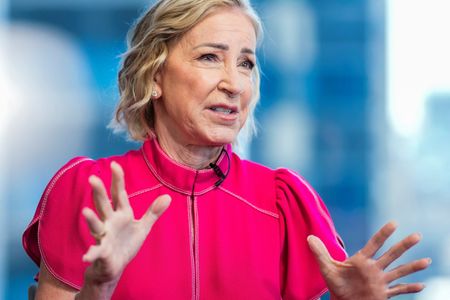
Tennis legend Chris Evert shared difficult news Thursday on social media, revealing that her ovarian cancer has come back and that she will not be able to serve as a commentator at the 2026 Wimbledon Championships for ESPN.
Wimbledon is set to get underway in London next week.
“I have already undergone surgery as the first step in my treatment and recovery, and will begin chemotherapy in the coming weeks,” Evert wrote in a post on X. “Because of this, I will not be attending Wimbledon this year, and I will step back from my professional commitments over the next few months to focus on my health.”
Evert, 71, was first diagnosed with ovarian cancer back in December 2021 — nearly two years after losing her sister Jeanne to the same disease. She then disclosed in 2023 that the cancer had returned a second time, only to defeat it once again.
She said CT and PET scans taken this past weekend revealed that the cancer had come back yet again.
“Ovarian cancer is relentless, but I will stay optimistic and determined in continuing to fight this battle,” Evert wrote. “I am deeply grateful to my medical team, my family, friends and everyone who has reached out with kindness and encouragement. I look forward to seeing everyone again soon.”
ESPN executive vice president of production Mike McQuade released a statement in response to the news.
“Our thoughts are with our ESPN tennis colleague Chris Evert as she deals with this personal health issue. We will certainly miss her at Wimbledon and wish her all the best. We look forward to having her back with us whenever she feels ready to return,” McQuade said.
Throughout her remarkable career, Evert won 18 Grand Slam singles titles — two at the Australian Open, seven at the French Open, three at Wimbledon, and six at the U.S. Open. She also claimed three major doubles titles and was part of eight Fed Cup championship teams representing the United States.
Evert’s professional career spanned from 1972 to 1989, and she was inducted into the International Tennis Hall of Fame in 1995.
The U.S. Supreme Court handed a major victory to the maker of Roundup weedkiller on Thursday, issuing a decision expected to shut down thousands of lawsuits claiming the company never warned consumers that the product might cause cancer.
The case reached the nation’s highest court following an enormous wave of legal action — including some multibillion-dollar jury awards — against global agrochemical giant Bayer, which took ownership of Roundup when it purchased the product’s original manufacturer, Monsanto, back in 2018.
While the ruling is seen as a win for the Trump administration, it carries political complications. Allies within the Make America Healthy Again movement have been pushing to reduce pesticide use, creating tension over the outcome.
In a 7-2 decision, the justices determined that Bayer cannot face lawsuits in state courts because federal regulators have concluded that a link between Roundup and cancer is unlikely.
The lawsuit before the court was brought by Missouri resident John Durnell, who developed non-Hodgkin’s lymphoma after spending more than two decades as the go-to person for spraying Roundup on parks in his historic St. Louis neighborhood. A jury sided with Durnell, finding the company failed to adequately warn him of potential cancer risks, and awarded him $1.25 million — one of thousands of similar cases that have been filed across the country.
The debate over Roundup’s main ingredient, glyphosate, and its potential link to cancer remains deeply contested. In 2015, the World Health Organization’s International Agency for Research on Cancer labeled glyphosate as “probably carcinogenic.” However, the Environmental Protection Agency has concluded it is not likely to cause cancer in humans when used as directed.
Because the EPA approved a product label without any cancer warning, Bayer argues it is bound by those federal standards — not the state laws that Durnell and others have relied on in their lawsuits. Durnell’s attorney, Ashley Keller, has noted that the ruling may still leave room for lawsuits based on how the product was designed, rather than how it was labeled.
Bayer has disputed the cancer allegations but previously set aside $16 billion to settle claims. Earlier this year, the company proposed a $7.25 billion class-action settlement to resolve many of the remaining cases. A federal judge recently determined that the proposed settlement will be taken up in a Missouri state court, where a large number of the lawsuits have been filed. Bayer has also been lobbying state legislatures to pass laws protecting it from failure-to-warn liability, with three states having already done so.
Roughly 200,000 Roundup-related claims have been filed against Bayer, the majority from residential users. The company has already stopped including glyphosate in Roundup products sold in the U.S. residential lawn and garden market.
Bayer has warned it may need to consider removing glyphosate from U.S. agricultural markets altogether if the lawsuits continue. Agricultural industry groups have cautioned that such a move could have a severe impact on the nation’s food supply.
The issue has also driven a wedge between the Trump administration and supporters of Health Secretary Robert F. Kennedy’s MAHA movement, who have grown frustrated with an executive order aimed at boosting glyphosate production. Kennedy himself has repeatedly stated his belief that glyphosate causes cancer, even while acknowledging that the executive order was necessary for food supply and national security purposes.
Vermont has made history by becoming the first state in the nation to prohibit the use of paraquat, a widely used weed killer that researchers have linked to Parkinson’s disease.
The governor of New Mexico is calling for a criminal investigation into reports that the DEA allowed fentanyl shipments to reach the public, raising serious concerns about drug enforcement oversight.
France’s health ministry has confirmed that a doctor who previously worked in Congo has tested positive for the Ebola virus, prompting public health concerns in the country.
A story out of India sheds light on the daily struggles of a textile factory worker dealing with extreme heat both on the job and in cramped living conditions at home.
As France endures a historic heat wave, the charming rooftop spaces of Paris are turning into dangerous heat traps, creating serious risks for residents.
A heartwarming story explores how a cancer patient’s bond with their cats sparked a broader movement to allow pets into hospice care wards, offering comfort to patients in their final days.
The U.S. government has announced that chemical manufacturer Chemours will pay $450 million to settle a case involving so-called ‘forever chemicals,’ which have been tied to a range of health and environmental concerns.
With summer beach season in full swing, officials are reminding swimmers what to do if caught in a rip current — the key advice being to stay calm and avoid panicking.
Civil society groups in South Africa are sounding the alarm over what they describe as devastating consequences as the United States moves to reduce funding for HIV programs in the region.
A COVID-19 vaccine study that was previously blocked from being published in a CDC journal has now found a home in another publication, reigniting debate over scientific transparency.
Sunscreen might feel like just another item on your summer checklist, but health experts say it could be one of the most important tools in preventing cancer.
Skin cancer holds the distinction of being the most common cancer in the United States. The most frequently occurring types are basal cell carcinoma, squamous cell carcinoma, and melanoma. According to the Centers for Disease Control and Prevention, roughly 6.1 million adults receive treatment for basal cell and squamous cell carcinomas every year. Melanoma occurs less frequently but carries greater danger because of its tendency to spread throughout the body. In 2021, more than 90,000 people — specifically 90,365 — were diagnosed with melanoma across the country.
Prolonged exposure to ultraviolet radiation from the sun raises the risk of developing all forms of skin cancer. UV rays are at their most intense between 10 a.m. and 4 p.m. Health officials recommend limiting time outside during those peak hours, though that advice is difficult to follow for farmers and agricultural workers who spend long hours outdoors.
Consistent sunscreen use is considered one of the most reliable ways to lower skin cancer risk. Experts recommend choosing a broad-spectrum sunscreen, which shields the skin from both UVA and UVB rays, with an SPF rating of 15 or higher. Sunscreen should be applied before heading outside and reapplied regularly throughout the day. Often-overlooked areas like the lips and eyes also need protection — lip balm containing SPF and polarized sunglasses can help cover those vulnerable spots.
Beyond sunscreen, wearing long-sleeved shirts, long pants, and wide-brimmed hats can further cut down on harmful sun exposure.
Amy Johnson, a family nurse practitioner in Bedford County and a member of the Virginia Farm Bureau Farm Safety Advisory Committee, stressed that no level of sun exposure is truly without risk.
A growing number of employers are planning to stop paying for weight-loss medications, and that shift could turn out to be a significant financial opportunity for telehealth provider Hims and Hers Health, according to investors and analysts.
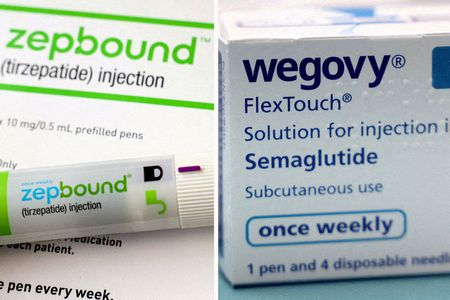
The rising cost of obesity drugs like Novo Nordisk’s Wegovy and Eli Lilly’s Zepbound and Foundayo has pushed many companies to reconsider their benefits packages. Industry experts say some employers intend to notify workers that those medications will no longer be covered starting in 2027.
When employer coverage disappears, workers are expected to turn to direct-to-consumer options — including subscription-based telehealth services like Hims, which bundle provider appointments with access to the medications.
Analysts currently project Hims will bring in $2.89 billion in revenue this year, rising to $3.45 billion in 2027. Seven analysts have raised their 2026 revenue estimates for the company since May, partly because of a new partnership Hims struck with Novo Nordisk to sell its branded drugs.
Raul Shah, CEO of DocShah Financial — which holds less than 1% of Hims shares — noted that about a third of the company’s revenue now comes from its weight-loss segment, and it continues to expand. “I project that ratio to continue increasing as more Americans partake in the GLP-1 mania,” Shah said, adding that he believes the U.S. weight-loss market is moving away from dependence on insurance coverage.
A spokesperson for Hims and Hers declined to provide comment.
Employer-sponsored health plans remain the most common form of health insurance in the country, with more than 150 million Americans enrolled, according to data from KFF. In 2025, about 43% of employers covered weight-loss drugs, and projections for 2026 are roughly the same. However, 10% of employers currently offering GLP-1 coverage for weight loss said they plan to eliminate it in 2027, according to the Business Group on Health, a policy research organization serving large employers.
Truist analyst Jailendra Singh said employers are actively steering workers toward cash-pay options through benefits guides and platforms like TrumpRx and manufacturer pharmacies. Health insurer Cigna, for example, has already dropped coverage of the medications for its own employees.
Both Novo Nordisk and Eli Lilly offer cash-pay pricing through their own pharmacy programs — NovoCare and LillyDirect, respectively. Cash-pay pricing for Novo’s Wegovy and Lilly’s Foundayo weight-loss pills starts at $149 per month.
Hims had grown into one of the largest telehealth providers of weight-loss drugs in the United States, even after moving away from mass compounding of alternative versions of the Novo and Lilly medications. The company fell short of earnings and revenue targets last quarter as it adjusted to updated compounding regulations following the end of the branded drug shortage.
In March, Hims announced a partnership with Novo Nordisk to carry its branded products, while continuing to offer compounded versions in specialized doses or formulations as permitted by regulations. Jamey Millar, executive vice president of U.S. operations at Novo Nordisk, said Hims and Hers has since delivered the highest volume among the company’s telehealth partners.
Analysts said it remains too early to estimate exactly how many new subscribers Hims has gained through the Novo deal. In the first quarter, Hims reported 2.6 million subscribers — a 9% increase compared to the same period last year.
“Second-quarter results should give us a little bit more perspective on how many new subscribers are joining the platform and how well the weight-loss portfolio is performing,” said Morningstar analyst Keonhee Kim.
Most of Hims’ revenue is generated through auto-renewing subscriptions. For GLP-1 users, that means $39 for the first month and $149 for each month after, which includes unlimited access to clinical consultations but does not cover the cost of the medication itself.
Shares of Hims and Hers closed at $32.70 on Wednesday, down more than 50% from a high of $72 reached in July 2025.
Competitor telehealth companies — including Noom, Ivim Health, and Ro — also expect demand to keep climbing as medication prices decline. A spokesperson for Columbus, Ohio-based Ivim said the company has experienced a 345% surge in demand for the Wegovy pill since January. Ro reported that the Wegovy pill has attracted new customers, including men, to its platform.
Because Hims already maintains a large and recurring subscriber base, analysts say drugmakers find the company a more attractive distribution partner than smaller rivals. Truist estimates that between 70% and 80% of new Hims weight-loss subscribers renew month to month, suggesting the company has stayed competitive in the market.
As employer coverage shrinks, pharmaceutical companies like Novo may find it more efficient to reach patients already enrolled in subscription telehealth services rather than seeking out new ones on their own. “Pharma knows how to sell business to business,” said Rajiv Leventhal, a healthcare analyst at commerce data firm eMarketer.
Launch prices for newly approved prescription drugs in the United States dropped in 2025 compared to the year before — but don’t let that fool you. The median annual cost still came in at $216,000, driven largely by treatments for rare diseases, according to a new analysis.
That figure marks a notable decline from 2024, when the median annual list price for a new drug topped $370,000 — itself a jump from $300,000 in 2023 and $222,000 in 2022.
Drug pricing specialists say the drop has less to do with any meaningful shift in how companies set prices or new government policies, and more to do with the types of drugs that received approval. The Food and Drug Administration greenlit five cell and gene therapies in 2025, compared to seven in each of the two prior years. Gene therapies, which are typically administered just once, can carry price tags in the millions of dollars.
The pharmaceutical industry trade group Pharmaceutical Research and Manufacturers of America said via email that many new medications target serious, complex conditions with few or no existing treatment options, and that comparing those prices to other drug types is “misleading.”
More than 67% of FDA approvals in 2025 involved small-molecule drugs — things like pills made from chemical compounds — rather than the more expensive biologics, which are derived from living cells. That share was up from 62% in 2024 and 57% in 2023.
Richard Frank, director at the Brookings Institution’s Center on Health Policy, noted that new biologics are often the first of their kind and face no competition, which gives drugmakers the freedom to set high prices.
The average launch price across all drugs approved in 2025 was $416,000. That figure reflects a wide range — from lower-cost options like LENZ Therapeutics’ Vizz eye drops for blurry vision at $1,050 and LIB Therapeutics’ cholesterol drug Lerochol at $5,400, all the way up to Mighty Therapeutics’ Forzinity, a treatment for the rare genetic condition Barth syndrome, priced at nearly $800,000 per year.
Politics Enters the Picture
Dr. Benjamin Rome, an assistant professor at Harvard Medical School who studies drug pricing, urged caution when drawing conclusions. “It is hard to make a lot of assessments about trends based on a single year,” he said, adding that “2025 was an odd year.”
Rome pointed to disruptions at the FDA stemming from the Trump administration’s reorganization efforts, including staff reductions and leadership changes. The agency rejected several gene therapies, which sparked pushback from patient advocates and political controversy. The FDA later indicated it would take a more flexible stance.
Drug companies also faced pressure from President Donald Trump, who has sought to highlight his administration’s efforts on prescription drug costs through the TrumpRx platform — a direct-to-consumer sales initiative — and through agreements with major pharmaceutical companies aimed at aligning U.S. prices with those in other developed countries.
Frank of the Brookings Institution said those deals are unlikely to outlast the current administration. Rome added that without legislation backing them up, the agreements won’t meaningfully change how companies price their products.
Geoffrey Joyce, director at the University of Southern California’s Schaeffer Center for Health Policy and Economics, was blunt in his assessment. “There’s been this broad trend to say look what I’m doing to lower drug prices,” he said, but a lot of it is “performative.”
Cancer and Rare Diseases Dominate Approvals
The FDA approved 51 new drugs in 2025 — 46 through its main division and five cell and gene therapies. That compares to 57 approvals in 2024 and 55 in 2023. Those counts don’t include imaging agents, blood testing reagents, or vaccines.
The analysis, which examined 42 drug prices compiled by 3 Axis Advisors, left out drugs used on an as-needed basis like antibiotics, as well as products not yet commercially available.
Cancer treatments made up the largest share of approvals, accounting for roughly one-third of all drugs the FDA cleared in 2025.
As has been the case in recent years, more than half of the approvals were for so-called “orphan” drugs — treatments for conditions affecting fewer than 200,000 Americans. Drugmakers receive incentives to develop therapies for rare diseases, including extended market exclusivity, and frequently charge premium prices for those niche products.
Joyce called the orphan drug incentive program “wise public policy” but acknowledged that companies have “gamed” the system. He explained that a drug effective across a broad range of conditions might seek approval specifically for a low-prevalence disease in order to access those benefits and tax advantages. “The logic is to launch (at a price) as high as you think you can get away with,” he said.
The pharmaceutical industry has argued that new medications can ultimately save money by reducing emergency room visits and hospitalizations.
The analysis focused solely on list prices and did not factor in the confidential discounts and rebates that insurers may negotiate with manufacturers.
Rome summed it up plainly: “You’re still paying hundreds of thousands of dollars for most new drugs… irrespective of whether they offer a huge benefit over existing drugs or are sort of novel products that don’t offer much benefit.”
WARSAW, Poland — When Ewa Lutka-Krawczyk received her gallbladder cancer diagnosis, her immediate concern wasn’t for herself — it was for Gaja, a shelter dog she had welcomed into her home three years earlier. She pleaded with her doctor to promise her she would survive long enough that the deeply bonded Gaja “wouldn’t be left behind.”
The outlook, however, was not hopeful. This month, the 70-year-old was admitted to the palliative care ward of a Warsaw hospital. Back home with Lutka-Krawczyk’s husband, Gaja had nearly stopped eating.
“She is waiting for me,” Lutka-Krawczyk said from her hospital bed, where she lay resting with a drainage tube connected to her abdomen.
A new bill working its way through Poland’s parliament could soon change the situation for patients like her. The proposed legislation would establish a legal right for patients in hospices and palliative care wards to receive visits from their pets. While many clinics already permit such visits, no universal legal protection currently exists.
The proposal was championed by Dr. Tomasz Dzierżanowski, director of the Palliative Medicine Clinic at the Medical University of Warsaw — the very facility where Lutka-Krawczyk is receiving care. A member of Prime Minister Donald Tusk’s centrist party introduced the measure to parliament.
Dzierżanowski believes that having a cherished animal companion nearby can ease both the physical and emotional suffering of terminally ill patients, especially at a time when society is gripped by what he calls “an epidemic of loneliness.”
“We make sure that no patient dies alone,” Dzierżanowski told The Associated Press. “When someone is suffering, it is important that someone is there for them. Ideally, that should be another human being. Sometimes, however, there is no one.”
He frequently encounters elderly patients who have outlived their closest friends, as well as younger patients who, shaped by a world of screens and online connections, never formed the deep personal bonds that previous generations often had.
The turning point for Dzierżanowski came when he treated a gravely ill cancer patient named Waldemar, whose greatest fear was not death itself but what would become of his two cats. Dzierżanowski arranged for the cats to be brought to the ward. The man’s tearful joy and the cats’ emotional response — along with the reaction of fellow patients and hospital staff who witnessed the moment — “made me realize that this issue finally needed to be addressed,” he said.
Dzierżanowski already permits pet visits in his clinic when circumstances allow, which means Lutka-Krawczyk can look forward to seeing Gaja. When she found out, she was visibly relieved.
Katarzyna Piekarska, the lawmaker who introduced the bill — which is currently before parliament’s health committee — noted that the practice is already happening informally. “In reality, animals in hospitals are already there anyway,” she said. “That’s why it needs to be regulated in the law.”
Dzierżanowski also welcomes therapy dog visits at the clinic. During a visit by the AP, an Australian shepherd named Kluska was making her rounds alongside her owner, Małgorzata Brzozowska.
Kluska — whose name translates to “dumpling” — brought a moment of lightness to Lutka-Krawczyk, who held the dog’s paw and broke into a smile. Nearby, another patient, 58-year-old Wojciech Zelik, who was admitted with a tumor, propped himself up to watch as Brzozowska had Kluska perform tricks.
“She has such lovely fur to pet, so fluffy,” he said, reaching over to rub the dog’s head.
Brzozowska noted that therapy dog visits benefit not just the patients but also the nurses, cooks, and other staff who care for the terminally ill. Several staff members stopped to fuss over Kluska in the hallway — with one cook slipping her slices of ham.
Brzozowska, a medical student, said the positive effects are even stronger when patients are visited by their own animals. The visits tend to calm the patients, their family members, and the animals themselves.
“The dog isn’t as stressed,” she said. “We interpret this as meaning that he simply knows what’s happening, that he knows where the owner, who was always there before, has disappeared to.”
WASHINGTON — The Department of Defense announced Wednesday that all military branch boot camps will once again require flu vaccinations for incoming recruits, reversing a policy change made just weeks ago by Defense Secretary Pete Hegseth.
Hegseth had made the flu shot optional across the military at the end of April, citing “medical autonomy” and religious freedom. At that time, however, he left the door open for individual branches to request exceptions — meaning they could apply to keep the vaccination mandatory — within 15 days of the policy taking effect.
A Pentagon official confirmed the change to the Associated Press, speaking on the condition of anonymity because the details had not been cleared for public release. The official said the decisions on those exception requests were being wrapped up in early June, and insisted the timing had nothing to do with a flu outbreak currently spreading through the U.S. Air Force’s boot camp at Lackland Air Force Base.
That outbreak has now stretched to roughly three weeks. Democratic Rep. Joaquin Castro, whose district includes part of the base, announced on social media that 275 confirmed flu cases have been recorded there. The base processes approximately 700 new recruits each week, according to Air Force data.
A source familiar with the situation told the AP that once the flu shot became optional, only 40% of new trainees at Lackland chose to receive it. That source also spoke anonymously because the information was not approved for public release.
Experts say the environment at military boot camps is particularly vulnerable to the spread of illness. Recruits live under high stress, get limited sleep, and spend extended periods in close contact with one another. They typically sleep in large open bays, share communal showers, and receive instruction in tight group settings — all conditions that make it easy for viruses to spread.
Dr. Arnold Monto, a flu expert and emeritus professor at the University of Michigan, said the Lackland outbreak is “not unusually concerning.” He noted that while flu is most common in the fall and winter months, the virus does circulate at lower levels year-round. Outbreaks in spring and summer tend to occur in places where large groups of people gather indoors, such as military bases and cruise ships.
“It is especially necessary to vaccinate when there are group settings,” Monto said.
Pentagon spokesman Sean Parnell confirmed in a statement that exceptions were granted to the Army, Navy, and Air Force, as well as the National Security Agency and the Defense Health Agency, though he declined to provide additional details. Army and Navy officials have separately indicated they also requested permission to mandate the vaccine for broader groups, including troops deploying overseas, healthcare workers, and childcare workers.
Advocacy group Families Fighting Flu welcomed the move. Executive Director Michele Slafkosky said in a statement: “For decades, the military prioritized the health and safety of troops and the public by requiring flu vaccine for recruits. It’s unfortunate that more than 200 individuals at Lackland Air Force Base in Texas became ill when that requirement was rescinded.”
“This updated guidance from the military will save lives,” Slafkosky added.
Civil society organizations in South Africa sounded the alarm Wednesday, warning that adolescent girls and women are among the first vulnerable populations bearing the burden of U.S. foreign aid cuts as the Trump administration moves to phase out more than $400 million in annual funding for the country’s HIV programs.
The U.S. State Department announced it would begin a gradual withdrawal of the President’s Emergency Plan for AIDS Relief — known as PEPFAR — a program that has backed South Africa’s fight against HIV and AIDS for two decades and is widely credited with saving more than 20 million lives during that time.
Most programs are expected to be fully wound down by the end of September, with critical personnel support continuing through March of next year, according to the State Department.
South Africa carries the world’s largest HIV burden, with roughly 8 million people living with the virus — approximately 12.7% of its 63 million residents.
The country was specifically targeted for a halt in financial assistance beyond the broader foreign aid cuts U.S. President Donald Trump ordered through an executive order in January 2025. The following month, Trump announced a complete freeze on financial aid to South Africa, pointing to political disputes including the country’s Black Economic Empowerment policies and widely contested claims of a genocide against the white Afrikaner minority community.
Trump also cited South Africa’s land expropriation laws as targeting white Afrikaners and condemned the country’s legal action against Israel at the International Court of Justice, where South Africa has accused Israel of committing genocide in Gaza. Israel strongly rejects that accusation and has characterized the Hamas-led militant attack on southern Israel on October 7, 2023 — which killed approximately 1,200 people — as itself a genocidal act.
A U.S. State Department spokesperson told The Associated Press this week that South African officials had been put on notice that PEPFAR would be pulled unless certain concerns were resolved. Among the requirements was that senior South African government officials must “unequivocally condemn all race-based incitement to violence, including the ‘Kill the Boer’ song, more frequently.” That anti-apartheid liberation song has been interpreted by some as inciting violence against Afrikaners.
The South African government has said the PEPFAR funding represented about 17% of its total HIV program budget. That figure did not include antiretroviral drug purchases, since 90% of those costs are covered domestically and the remaining 10% through the Global Fund.
Despite that, HIV-related programs across 27 districts throughout the country have been badly disrupted. Some support facilities have shut their doors entirely, and frontline workers and volunteers have been left without employment.
“The department has long been working on a self-reliance plan to minimize the impact of funding withdrawal since the initial freeze on foreign assistance and a cancellation of USAID grants in January 2025,” said South Africa health department spokesperson Foster Mohale.
Last year, South Africa unveiled a $45 million emergency fund aimed at filling some of the gaps left by the PEPFAR withdrawal.
Civil society group Section27, which examined the funding fallout in three high-HIV-prevalence districts, found that prevention services took a particularly hard hit. “As the health system started to feel the pressure, the response was to prioritize treatment continuity versus prevention,” said Tendai Mafuma, a senior legal researcher at Section27.
The Anova Health Institute reported that it has shut down all of its PEPFAR-funded programs and laid off roughly 3,000 health workers since last year. “Community delivery of PrEP (preexposure prophylaxis) and prevention services has been heavily impacted,” said Dr. Kate Rees, a public health medicine specialist at Anova. “Community delivery of prevention is important to reach the people that need it most.”
Dr. Rees noted that children, adolescents, and young people are among the hardest hit, as are key populations such as men who have sex with men and people who use drugs.
The White House is preparing to submit a request to Congress for more than $1.4 billion in new funding to tackle an escalating Ebola virus outbreak, possibly as early as Wednesday, according to a Trump administration official.
The funding package is expected to be folded into a larger supplemental spending request and includes several components targeting different aspects of the crisis.
A significant portion — $800 million — would be directed toward humanitarian crisis response efforts. That money would help establish a quarantine facility in Kenya for Americans who have been exposed to the virus, along with supplies, medical treatment, contact tracing, a regional logistics network, and infection control measures.
An additional $500 million in global health security funding is also being sought. Administration officials say that money is essential to keep the virus from reaching the United States. It would support disease surveillance, laboratory capabilities, coordination across international borders, and potential partnerships with multilateral organizations and private sector entities.
The remaining $90 million in the request would be used for diplomatic purposes, including evacuating American citizens and transporting those infected with the virus to appropriate treatment facilities.
The funding request had not been previously reported before this disclosure.
France’s Ministry of Health announced Wednesday that a confirmed case of Ebola virus has been detected in the country, involving a patient who had recently returned from Congo.
The patient, whose identity has not been released, had been taking part in a humanitarian mission in an area of Congo where the virus is actively spreading. Upon returning to France, the individual was placed in the care of a specialized medical facility and is currently reported to be in stable condition.
According to Congo’s health ministry, the outbreak there has now reached 1,094 confirmed cases, with 277 confirmed deaths. The current outbreak is caused by the rare Bundibugyo strain of Ebola, for which no vaccines or approved treatments currently exist.
Health authorities have acknowledged that the true scale of the outbreak may be much larger than the confirmed numbers suggest, and that the worst of it may still be ahead. The outbreak was officially declared on May 15.
French health officials said that all necessary precautions were put in place as soon as the patient arrived in the country, including immediate isolation. The transfer to a hospital was conducted under strict protocols designed to eliminate any risk of the virus spreading.
“An in-depth epidemiological investigation is underway to identify individuals who may have been in contact with the patient,” the health ministry stated. A regional health agency will monitor any potential contacts closely during a 21-day home isolation period.
Being dragged away from shore by a rip current is a terrifying experience — but lifeguards say the best thing you can do is stay calm, roll onto your back, and float. That advice might sound simple, but it could save your life.
Rip currents rank among the most dangerous hazards at any beach, responsible for more rescues than any other coastal threat. According to the United States Lifesaving Association, roughly 100 people lose their lives to rip currents at U.S. beaches every year, and more than 80% of all beach rescues are rip current-related. The National Weather Service reports that at least 21 people have already died from rip currents in U.S. waters so far this year.
So what exactly is a rip current? It’s a narrow, fast-moving channel of water that rushes away from the shoreline. Unlike what many people believe, rip currents don’t pull swimmers underwater — but they can carry a person a significant distance from shore very quickly.
San Diego Lifeguard Marine Safety Lt. Charlie Knight put it this way: “A rip current is like a river that pulls out to sea. So when the waves come into the beach, it needs somewhere to go. And so it takes these little channels out that we call rip currents to put all that water back into the ocean.”
These dangerous channels most commonly develop in low-lying areas of the beach or near structures like jetties and piers. While stormy conditions can trigger them, rip currents can also form on perfectly sunny days — and they’re easy to miss because the water surface above them often looks deceptively calm. According to the National Oceanic and Atmospheric Administration, rip currents can move as fast as 8 feet — or about 3.2 meters — per second, a speed that even the strongest swimmers cannot overcome.
Beach rescue teams and weather forecasters widely recommend following what’s known as the “flip, float and follow” approach. Rolling onto your back to float helps you stay relaxed, saves your energy, and keeps your airway clear while the current has you in its grip. Fighting the current head-on is almost always a losing battle, and many swimmers get into serious trouble by exhausting themselves trying to swim straight back to shore.
“People tend to panic when they can’t get into the beach, and that’s when we have problems,” Lt. Knight said. “So if you are caught in a rip current, the biggest thing is don’t panic, stay calm, flip over onto your back, float and allow the rip current to take you out.”
Once the current weakens and releases you, you may find yourself in deeper water farther from shore. At that point, lifeguards advise raising one arm in the air to signal that you need assistance.
When you arrive at the beach, pay close attention to the colored warning flags posted near the water. Red flags signal a high-hazard situation, yellow means moderate risk, and green indicates low danger. A purple flag warns of hazardous sea life such as jellyfish, while two red flags together mean the beach is completely closed.
The National Weather Service tracks rip current risks along U.S. coastlines and has built a forecasting model capable of predicting dangerous conditions up to six days ahead for the East and Gulf Coasts, Puerto Rico, Hawaii, and Guam. You can check those forecasts on the agency’s website before heading to the beach.
Whenever possible, choose to swim in areas monitored by lifeguards. And if you spot someone struggling in a rip current, officials caution against jumping in yourself — would-be rescuers frequently end up in danger too. Instead, alert a lifeguard immediately or call 911.
A weight-loss and type-2 diabetes pill made by U.S. pharmaceutical company Eli Lilly could be available in China as soon as later next year, according to a company executive who spoke with Reuters.
The drug, called orforglipron, belongs to a class of medications known as GLP-1 treatments, which have dramatically changed how obesity is treated worldwide and reshaped the global pharmaceutical industry. Eli Lilly and Danish competitor Novo Nordisk are both betting that pill-based versions of these drugs will draw in patients who are unwilling to use injectable options.
Lilly Executive Vice President Patrik Jonsson said in a Tuesday interview that the Chinese launch window for orforglipron could fall “anything from late 2026 to early 2027.”
Lilly has an early advantage in China. The company announced in March that it had already filed a marketing application with Chinese regulators for the once-daily pill at the end of 2025. Reuters was not able to get a response from China’s National Medical Products Administration regarding approval timelines.
Novo Nordisk is not far behind. The Danish company’s CEO, Mike Doustdar, told reporters in Beijing last week that Novo plans to seek Chinese regulatory approval for its own weight-loss pill, Wegovy, “very soon.”
Both companies have already secured approvals in the United States. Novo Nordisk received early approval for Wegovy in pill form in the U.S. and Britain and launched it in the American market this year. Lilly followed with U.S. approval for orforglipron in April.
Jonsson said Lilly does not anticipate any supply shortages in China for orforglipron and intends to distribute the drug through existing partnerships with Chinese e-commerce and healthcare companies Alibaba and JD Health International.
The overall size of the weight-loss drug market in China is difficult to measure, as companies including Innovent Biologics, Pfizer, and Lilly do not publicly report their sales figures in the country. However, data from Jefferies shows that GLP-1 drug sales through major Chinese e-commerce platforms Alibaba and JD.com reached approximately 1.4 billion yuan — about $207 million — during the first quarter of this year.
A COVID-19 vaccine study that was kept out of a government health journal has found a new home — and its findings are now available to the public.
The research, published Tuesday by JAMA Network Open, found that COVID-19 vaccines are approximately 55% effective at preventing hospitalizations related to the virus. The study also showed that vaccinated individuals were 50% less likely to visit an emergency department or urgent care clinic for COVID-19-related illness.
While the results themselves aren’t groundbreaking — scientists have consistently shown that COVID-19 vaccines provide protection — the study attracted widespread attention after Trump administration political appointees blocked it from being published in a Centers for Disease Control and Prevention journal.
Those officials raised concerns that the study’s methodology was too susceptible to flawed assumptions that could skew the results. However, many researchers in the public health field argue the approach is a well-established and dependable method that has been in use for decades, and that it remains the most effective tool for measuring how well vaccines are performing in real time.
Natalie Dean, a biostatistics expert at Emory University, wrote a commentary published alongside the study Tuesday, stating: “It is critical that we continue to characterize and publish estimates of vaccine effectiveness in populations with changing immunity against evolving viral strains.”
The paper had originally been slated for publication this spring in the Morbidity and Mortality Weekly Report, the CDC’s primary publication. Although it cleared the agency’s Office of Science, it was flagged by acting agency Director Jay Bhattacharya, according to Althea Grant-Lenzy, the CDC’s chief science officer, who spoke about the matter in a recent interview.
Grant-Lenzy clarified that Bhattacharya’s decision wasn’t a permanent ban on publication, but rather a requirement that the study’s authors address his concerns. She noted that the authors were free to submit the research to journals outside the CDC.
The methodology at the center of the controversy is known as “test-negative design.” It examines patients who were admitted to hospitals or visited emergency rooms with respiratory symptoms, then compares the rate of positive COVID-19 tests between vaccinated and unvaccinated patients.
This type of study has appeared in respected publications such as Pediatrics and the New England Journal of Medicine, following peer review by field experts.
Bhattacharya has maintained that the methodology leans too heavily on assumptions and could be distorted by variables such as prior coronavirus infections and behavioral differences among patient groups.
Supporters of the approach counter that the design is specifically built to account for differences in who seeks medical care, and that prior infection is less of a concern given how widespread coronavirus exposure has been in the United States. They also point out that officials at the U.S. Department of Health and Human Services have not put forward a practical alternative for tracking real-time vaccine performance.
Earlier this month, the CDC hosted a forum to examine the strengths and weaknesses of this type of research. A panel assembled in a CDC auditorium featured Dean and two others who largely defended the methodology, as well as one critic: Martin Kulldorff, a Swedish-born biostatistician who co-authored the Great Barrington Declaration alongside Bhattacharya. That October 2020 letter argued that pandemic-era shutdowns were causing lasting harm.
U.S. Health Secretary Robert F. Kennedy Jr. previously appointed Kulldorff to lead a federal vaccine advisory committee. Kulldorff later stepped down from that role to become chief science officer at the HHS planning and evaluation office.
During the forum, Kulldorff questioned why the study design included patients with varying illnesses and why longer-term research wasn’t used to evaluate COVID-19 vaccines. His remarks drew a sharp response from the audience — someone called out, “We were in a pandemic! That’s why!”
Google’s YouTube has reached a settlement with a minor plaintiff who claimed the video-sharing platform’s design contributed to mental health harm, according to attorneys representing the plaintiff.
The settlement was announced Tuesday, just before the start of the second California state-court trial focused on allegations that the way social media platforms are built has helped trigger a widespread mental health crisis affecting children.
Bicyclists heading through the Lewes and Rehoboth Beach areas this summer will have access to free safety resources thanks to a new checkpoint program launching in Sussex County.
The Delaware Department of Transportation is teaming up with the Delaware State Police and Sussex Cyclists to operate Bicycle Safety Checkpoints at various locations in the region throughout the summer months.
Anyone stopping at a checkpoint can pick up free safety information, trail maps, bicycle lights, and helmets. Basic bicycle repairs will also be available at no cost to riders.
The program is aimed at making bicycle travel safer for the wide range of people who use bikes in the area, including local residents, tourists, and seasonal workers.
WASHINGTON — Federal prosecutors have charged a Texas physician with healthcare fraud and conspiracy, accusing him of running an $89 million scheme that involved billing insurance companies for unnecessary cardiovascular screenings performed on college student-athletes.
Jason Finkelstein, 53, is accused of exploiting young athletes’ concerns about dying from sudden cardiac arrest during competition. According to the indictment, students with no pre-existing health conditions who simply wanted medical clearance to play sports were subjected to tests they had no medical need for.
In one particularly troubling case, a patient whose test results actually showed serious heart abnormalities later died after those problems went undetected — because Finkelstein allegedly certified the results as normal without ever properly reviewing them.
The Justice Department plans to spotlight this case Tuesday at a news conference where officials intend to announce what they describe as record-breaking results in a nationwide healthcare fraud enforcement effort — a priority that the Trump administration has pushed hard over the past year.
Dr. Mehmet Oz, a trained cardiothoracic surgeon who leads the Centers for Medicare and Medicaid Services, issued a sharp statement about the allegations: “The doctor’s alleged conduct, which ignored a textbook diagnosis of preventable cardiac death, is heinous.” He added that healthcare fraud “doesn’t just steal money, it can steal lives.”
Finkelstein entered a not guilty plea during a brief court appearance in Florida on Monday. His attorney did not respond to requests for comment.
The alleged scheme ran from 2019 through the end of last year and involved Finkelstein along with two unidentified co-conspirators at a Florida-based cardiovascular testing and treatment practice that he owned and operated.
Prosecutors say the fraud worked in two main ways. First, Finkelstein’s company used deceptive marketing to offer free heart screenings to college students who did not medically need them. Co-conspirators sent emails to athletic trainers at colleges and universities, claiming the screenings could detect life-threatening conditions. They also allegedly offered kickbacks and other incentives to school officials who referred students as potential patients.
Because insurance companies require proof of medical necessity before covering cardiovascular testing, Finkelstein allegedly submitted false diagnoses — such as elevated blood pressure and hypertension — to insurers in order to get reimbursed for tests the athletes did not actually need.
The indictment also quotes Finkelstein telling a co-conspirator: “(T)hese kids could be high risk…(o)ne of them drops dead on a field, they’re coming after both of us.”
The tests themselves were performed by sonographers who lacked the proper credentials, according to prosecutors. Because Finkelstein held medical licenses in all 48 contiguous states, his company was able to submit insurance claims for patients across the country.
Perhaps most alarming, prosecutors say Finkelstein routinely certified cardiac test results as normal without actually looking at them. In one 2024 case cited in the indictment, he reportedly signed off on approximately 63 test result images for a single patient in roughly 11 seconds. Those results actually showed multiple cardiac abnormalities — and that patient later died.
Much of the world is currently sweltering under extreme heat conditions, with Europe, Asia, and parts of the United States all experiencing dangerously high temperatures.
How Does Heat Affect Your Health?
Extreme heat can harm the body in multiple ways. Heat exhaustion — which may bring on dizziness, headaches, shaking, and intense thirst — can strike anyone. It is generally not considered life-threatening as long as the affected person cools down within 30 minutes.
Far more dangerous is heatstroke, which occurs when the body’s core temperature climbs above 105 degrees Fahrenheit (40.6 degrees Celsius). This is a medical emergency that can result in lasting organ damage or even death. Warning signs include rapid breathing, confusion, seizures, and nausea.
Who Faces the Greatest Risk?
Certain groups are especially vulnerable, including infants, elderly individuals, homeless people, and those who work or spend extended time outdoors. People living with pre-existing conditions — such as respiratory or cardiovascular disease, or diabetes — face heightened danger, as heat can worsen those conditions.
A 2021 study published in The Lancet estimated that nearly half a million people die worldwide each year due to excessive heat, though data from many lower-income nations remains limited. A separate study examining 854 European cities found that climate change was responsible for 68% of the roughly 24,400 estimated heat-related deaths in 2025, as temperatures rose by as much as 3.6 degrees Celsius.
Professor Liz Stephens, a researcher in climate risk and resilience at Britain’s University of Reading, described the danger in stark terms: “Heat waves are a silent and invisible killer. We don’t often see the impact that they have had on human health until the mortality statistics are published many months later.”
Risks You Might Not Expect
Beyond direct heat exposure, air pollution — particularly smoke from wildfires — presents additional health concerns, including inflammation and tissue damage. Research has also shown that extreme heat can contribute to low birthweight and premature births among pregnant women.
When and Where the Danger Is Greatest
Health experts note that fatalities tend to spike earlier in the summer season, before people’s bodies have had time to adjust to rising temperatures. Geography also plays a role — people in regions unaccustomed to intense heat, such as parts of Europe, are at greater risk.
Still, no one is immune. People across the globe — especially those who perform physical labor outdoors — are at risk during extreme heat events driven by climate change.
Dr. Modi Mwatsama, head of capacity at Wellcome, a London-based global health charity, emphasized the urgency of action: “It is more important than ever that we put in place measures to limit the harm on our health.” She noted that solutions range from providing shade and painting buildings white to building early-warning systems for climate-related infectious diseases such as cholera.
What You Can Do
Several European nations — including Italy, France, and Spain — have already issued public health advisories as temperatures spike across the continent. Spain’s weather agency specifically cautioned that outdoor activity during the hottest parts of the day carries significant health risks, especially for older adults and those with underlying medical conditions.
Scientists are urging outdoor workers to take more frequent rest breaks and dress appropriately for the heat. They also recommend checking in on elderly or isolated neighbors and friends, reminding the public that heatstroke requires immediate medical attention.
A top World Health Organization official delivered a sobering assessment Tuesday, stating that the current Ebola outbreak in the Democratic Republic of Congo has surpassed every previous African outbreak in terms of confirmed cases recorded within the first month.
The outbreak, which is centered in the Bundibugyo area of eastern Congo, has now infected more than 1,000 people and resulted in 267 deaths. Health experts believe the virus had already been circulating for an extended period before authorities officially declared the outbreak on May 15 — meaning the true timeline of spread is longer than the official record reflects.
WHO’s Abdirahman Mahamud, speaking at a press briefing in Geneva after a visit to Bunia — the epicenter of the outbreak — last week, stressed the urgency of scaling up the response. “The response needs to expand to keep pace with the expanding outbreak — this is beginning to happen,” he said.
The disease has now reached at least three overcrowded displacement camps in eastern Congo. The International Organization for Migration’s Abdoulaye Wone, speaking at the same briefing, confirmed that at least 25 cases have been documented in those camps, with 14 of those individuals dying from the illness.
For historical context, the two deadliest Ebola outbreaks prior to this one occurred in West Africa — specifically in Guinea, Sierra Leone, and Liberia — where the disease killed approximately 11,000 people between 2014 and 2016. A separate, less deadly outbreak struck Congo itself in 2018.
The U.S. Centers for Disease Control and Prevention notes that sub-Saharan Africa has experienced more than 20 Ebola outbreaks over the years.
All 18 U.S.-resident passengers who were aboard the MV Hondius cruise ship during a hantavirus outbreak have now returned to their home states, the University of Nebraska Medical Center announced Monday.
The passengers completed their monitoring period at the center’s National Quarantine Unit. Sixteen of them arrived at the facility on May 11, following their voyage on the ship connected to the outbreak. Two additional former passengers checked into the National Quarantine Unit on May 15.
The U.S. Centers for Disease Control and Prevention confirmed that the outbreak did not lead to any hantavirus cases on American soil, stating, “No cases of hantavirus disease occurred in the United States as a result of this outbreak.”
Earlier this month, eight of the U.S. residents had already been cleared to go home after spending three weeks under observation at the National Quarantine Unit, while the remaining ten continued to be monitored.
The World Health Organization recommends that high-risk contacts be monitored and quarantined for 42 days following exposure to hantavirus. Those considered lower risk are advised to keep a close watch on their own health and seek medical attention if any symptoms appear.
Since October 7, 2023, people in Israel have experienced a significant increase in mental health struggles — and alongside that, a rise in addiction, according to several studies published in recent months.
Now, a research team from the Hebrew University of Jerusalem and the Israel Center for Addiction and Mental Health says the issue extends well beyond Israel’s borders. Their latest study examines how news media reminders of collective traumatic events can influence addictive behavior — even long after the event itself has passed.
The researchers point out that people around the world are grappling with ongoing stressors including war, political polarization, terrorism, displacement, and widespread uncertainty. These conditions, they argue, can heighten existential fears that in turn shape patterns of substance use.
According to the study, exposure to collective trauma through news coverage can produce an immediate spike in cravings among people who regularly use cannabis or tobacco. The findings suggest that simply encountering reminders of a traumatic event in the media may be enough to trigger those urges.
OMAHA, Nebraska — The final group of eight American passengers held in a specialized quarantine unit in Nebraska has been released, bringing an end to a 42-day isolation period following a deadly hantavirus outbreak aboard a cruise ship.
The U.S. Department of Health and Human Services confirmed Monday that the quarantine had officially concluded.
“Through close collaboration among federal, state, and local partners, HHS helped protect the American people, contain potential risks, and bring this response effort to a successful conclusion,” HHS spokesperson Emily Hilliard stated in an email.
More than 120 people were evacuated from the MV Hondius in Spain’s Canary Islands early last month, including 18 Americans who were brought to the National Quarantine Unit in Omaha. The majority of those evacuated were from other countries.
Beyond those removed by health workers in full protective gear, at least 30 additional passengers had already departed the ship before the outbreak was officially documented — among them seven Americans who were permitted to monitor themselves for symptoms at home. When the vessel eventually arrived in the Netherlands, 25 crew members and two medical staff members on board were also required to quarantine.
The World Health Organization did not immediately respond Monday to inquiries about the status of other individuals quarantined around the world. In total, 13 cases of the virus were identified among people who had been on the ship, including the three who died.
One of the American passengers, Angela Perryman, had been held against her wishes and contrary to the recommendation of a government medical expert. Speaking from her Florida home Monday, she said passengers were informed that the quarantine monitoring period ended Sunday at 2 p.m., and she caught a flight out that same evening.
“We were locked in our rooms until 1:55. And at 2 o’clock, ‘OK, well, everybody walk out and go home,’” Perryman said.
Some passengers stayed the night in Omaha before departing Monday, but Perryman pushed to leave Sunday evening. She noted the government covered the cost of flights home.
Seven of the final eight passengers remained at the facility voluntarily, but Perryman was compelled to stay due to a controversial quarantine order that even some health officials considered unnecessary.
Perryman and seven others spent six weeks at the National Quarantine Unit at the University of Nebraska Medical Center. The 42-day monitoring window was established because hantavirus symptoms have taken up to that long to appear in previous outbreaks. None of the passengers were reported to have developed the illness.
Ten other passengers who had been at the facility were permitted to leave earlier under an agreement requiring close monitoring in their home states.
The MV Hondius, a Dutch cruise ship, was traveling through the South Atlantic when the hantavirus outbreak occurred. Three people died, including a Dutch couple who health officials believe were the first to contract the virus after visiting South America.
Hantaviruses typically spread when people breathe in contaminated particles from rodent droppings. However, the specific strain involved in this outbreak — known as the Andes virus — may in rare instances spread from person to person, according to health officials.
About 25 Americans were aboard the ship. Roughly seven disembarked in April, while 18 remained on board. Sixteen were transported to the Nebraska quarantine unit on May 11, with two more Americans arriving a few days later.
During their stay, Omaha restaurants and food trucks delivered special meals to the passengers nearly every day. Nurses also made Starbucks runs to bring passengers their favorite drinks.
The quarantine rooms were described as resembling hotel accommodations, complete with desks, televisions, internet access, and exercise equipment to help pass the time.
Passenger Jake Rosmarin, a travel blogger, posted a video Monday morning showing him leaving his room, hauling two suitcases and a backpack, and switching off the lights on his way out. Later that day, he shared footage of the Omaha skyline from his plane window as he headed home to his fiancée in Boston.
On Sunday, Rosmarin posted an emotional video thanking the quarantine unit staff and the broader Omaha community while wearing a Nebraska Huskers sweatshirt someone had sent him.
“I want to thank the Omaha, Nebraska, community for welcoming us with open arms and showing us complete kindness and generosity. And a big thanks to all of you who have helped me get through this because I really don’t know if it would have been as easy without the support from strangers,” he said.
Perryman’s perspective was far less positive. She was forced to remain after Florida officials declined a federal request to provide around-the-clock monitoring of her if she returned home — even as travel arrangements for the passengers had reportedly been in the works for weeks.
“Nobody actually expected anybody to get sick at that point,” she said. “Everybody was well aware that we were all going home on commercial flights.”
She described the six-week quarantine as “a political stunt.”
It weighs more than 50 tons and is recognized by the Library of Congress as the single largest communal art project ever created — and it was sewn together from grief, love, and the urgent need to be seen.
The AIDS Memorial Quilt grew out of one of the darkest chapters in modern American history. As an epidemic spread and claimed lives, fear and misunderstanding gripped both the public and the government. The communities hit hardest in those early years — men who had sex with men, Haitians, and people living with hemophilia, a rare blood disorder — faced deep stigma and were largely ignored.
The virus did not stay contained. It reached wives and children, crossing every boundary that people imagined might protect them.
As advocates demanded action and patients deteriorated in hospital rooms from infections their weakened immune systems could not fight off, a new kind of memorial took shape. Panel by panel, stitched by hand in the hundreds and eventually the thousands, the quilt began to record the names and lives of those who had been lost.
Activist Cleve Jones came up with the idea, though not everyone was supportive at first. As he once told the BBC, “Everybody told me it was the stupidest thing they’d ever heard of, but I ignored them and kept going and found people who shared the vision.” Jones drew on the tradition of quilts as objects made from scraps and leftovers, transformed into something warm and meaningful. He saw an AIDS quilt as a form of healing.
The dimensions of each panel were deliberate. At three feet by six feet, Jones noted, each one is “the approximate size of a grave.”
The panels are deeply personal. They carry portraits, nicknames, military titles, scraps of clothing, and handwritten words of love and loss: “Friends for life.” “I miss you constantly.” “Brothers. Beloved sons.” Many are decorated with hearts, rainbows, and flowers.
The quilt first appeared publicly on the National Mall in Washington in 1987, six years after AIDS was formally identified. At that point it included nearly 2,000 panels and stretched beyond the length of a football field. People walked through it quietly, many rendered speechless by what they saw.
The mid-1980s were a time of large-scale collective action — “We Are the World,” Hands Across America, “Do They Know It’s Christmas?”, Farm Aid, and a wave of benefit concerts. The quilt offered a quieter but equally powerful statement.
Its last full display on the National Mall came in 1996. According to the Smithsonian, the quilt stretched an entire mile — from the Capitol building to the Washington Monument — across a lawn that has witnessed generations of American activism. At that time, the quilt held 40,000 panels. Today, that number has grown to nearly 50,000.
The National AIDS Memorial continues to encourage people to create new panels. The effort is also a reminder of an unfinished fight: there is still no cure for AIDS, and recent reductions in U.S. foreign aid have raised new fears about the return of AIDS wards in vulnerable regions such as southern Africa.
A New York-based pharmaceutical company, Definium Therapeutics, announced Monday that a single dose of its experimental LSD-based pill dramatically reduced symptoms of major depression in patients enrolled in a late-stage clinical trial.
The company’s drug, known as DT120, helped patients score significantly lower on a standard depression measurement scale compared to those who received a placebo after six weeks — an 8.1 point difference that met the trial’s primary goal.
Results showed improvement as early as one week after patients took a single pill, with those on DT120 scoring 14.2 points better than the placebo group. At the 12-week mark, patients still showed gains of 7.3 points over the placebo group.
Analysts at Jefferies had previously noted in a client memo earlier this month that a placebo-adjusted improvement of 4 to 5 points at week six, with lasting effects, would be considered a strong outcome — a bar that DT120 appears to have cleared by a wide margin.
DT120 falls into a category of medications called classic psychedelics, which temporarily change how a person perceives the world, their mood, and their thinking. The drug is a pharmaceutical version of lysergide — commonly known as LSD — and works by stimulating serotonin receptors in the brain.
The announcement comes after U.S. President Donald Trump signed an executive order in April directing federal agencies to fast-track access to psychedelic-based medical research and treatment for serious mental health conditions.
The drug was reported to be well-tolerated by participants. According to the company, 99% of adverse events were mild to moderate and occurred mainly on the day the dose was taken. No serious safety concerns or increases in suicidal thoughts were reported.
The trial included 149 participants between the ages of 18 and 74, all diagnosed with major depressive disorder — a condition recognized as a leading cause of disability and death worldwide. The National Institutes of Health estimates that roughly 21 million adults in the United States have experienced at least one major depressive episode.
Definium said the positive results bring it a step closer to submitting the drug for FDA review. The company is also currently conducting a second late-stage clinical trial focused on depression.
The U.S. Food and Drug Administration is preparing to reverse a previous rejection of a rare-disease treatment developed by Regenxbio, according to a report published Monday by the Wall Street Journal.
No further details about the specific therapy, the conditions it targets, or the expected timeline for the reversal were included in the report.
BEIJING — China’s national market regulatory agency has opened a formal investigation into whether the chemical formamide is present in baby diapers sold in the country, according to a report from state broadcaster CCTV on Monday.
Three diaper manufacturers — Babycare, Huggies, and Bibabebe — have each stated that their own internal testing revealed no evidence of the chemical in their products. That information was reported by the Global Times, a tabloid publication operated under People’s Daily, China’s official state newspaper.
The investigation is expected to draw in several additional government bodies, including the industry ministry, the national health commission, and the state disease control authority.
China’s national drug regulatory authority announced Monday that it has given the green light to a new stomach cancer treatment developed by CARsgen Therapeutics.
The treatment, commercially referred to as satri-cel, has made history as the world’s first CAR T-cell therapy designed to combat solid tumors to reach the new drug application stage globally, according to information published on CARsgen’s website.
CAR T-cell therapy — short for chimeric antigen receptor T-cell therapy — is a form of immunotherapy that works by taking a patient’s own immune cells and engineering them in a laboratory to recognize and attack cancer cells within the body.
A newly launched program in Missouri is offering people behind bars a chance to earn a legitimate tattoo license — all while reducing the dangers that come with unregulated tattooing inside correctional facilities.
The initiative gives incarcerated participants a path to professional certification in tattooing, a skill they could potentially use to find employment once they are released from prison.
Beyond the career benefits, program supporters say it also addresses a serious health concern. Contraband tattooing in prisons — done without proper equipment or sanitation — can spread infections and illness among the incarcerated population. By providing a sanctioned, supervised outlet, the program aims to reduce those risks.
Mobile homes in Phoenix, Arizona, are at the center of a troubling public health concern — residents living in these dwellings are dying from heat-related causes at a disproportionately high rate compared to other types of housing.
Red Cross volunteers have taken notice and are actively working to reduce the number of these preventable deaths. Their efforts are focused on reaching people in these communities before the extreme desert heat claims more lives.
Health officials in Congo reported late Sunday that confirmed Ebola infections in the country’s ongoing outbreak have climbed to 1,003, with 254 people losing their lives to the disease.
According to Congo’s Ministry of Health, the outbreak has been concentrated in the Ituri province since it was officially declared on May 15. Of those infected, 100 individuals have successfully recovered.
The outbreak is being driven by the rare Bundibugyo strain of Ebola, for which there are currently no vaccines or approved treatments available. In its first month alone, it became the deadliest outbreak of its kind on record. Authorities have acknowledged that the true number of cases is likely much higher than what has been confirmed, and that the worst of the crisis may still be ahead.
One of the biggest challenges facing local health authorities is contact tracing — the process of identifying and monitoring people who may have been exposed to infected individuals. So far, officials have only managed to trace about 55% of known contacts, according to the ministry.
Adding to the difficulty, health workers have not yet been able to identify the outbreak’s original patient, and more than 35,000 people who came into contact with infected individuals as of last week still need to be tracked down and monitored.
The Democratic Republic of Congo announced late Sunday that the number of confirmed Ebola cases within its borders has crossed the 1,000 mark, reaching 1,003 total infections along with 254 confirmed deaths.
The update represents a significant increase from figures released just one day earlier. On Saturday, the government reported 956 confirmed cases and 247 deaths — meaning dozens more cases and several additional fatalities were recorded within a single 24-hour period.
A significant portion of the American population is growing older without the safety net that immediate family typically provides, and advocates say society needs to pay attention.
These individuals — sometimes called “solo agers” — face the challenges of aging without a spouse, children, or nearby relatives to lean on for care and support. Their numbers are substantial, and experts say the trend is only expected to grow in the coming years.
Rather than viewing this as a crisis, some advocates are framing it as an opportunity. They argue that building stronger community-based support systems for solo agers could ultimately create better resources for all older adults, regardless of their family situation.
The conversation around solo aging is pushing communities, policymakers, and healthcare providers to think more creatively about how society cares for its aging population — and who bears the responsibility when family isn’t part of the picture.
The Democratic Republic of Congo announced Saturday that confirmed Ebola infections within the country have climbed to 956, with the death toll now reaching 247.
The latest figures represent a notable jump from just one day prior, when officials reported 933 confirmed cases and 245 deaths.
Utah is marking a troubling one-year anniversary — a full year of fighting measles outbreaks, with no clear finish line in sight. The milestone could have consequences not just for the state, but for the entire country’s measles-free designation.
Since the first outbreak began on June 20, 2025, more than 680 residents have contracted the disease. The virus has spread across 22 of the state’s 29 counties, making it far more widespread than outbreaks seen in Texas, South Carolina, and Arizona, which were largely contained to single regions.
Measles cases turned up in hospitals and medical offices, large retail stores, restaurants, and youth athletic competitions. In February, an exposure at a statewide high school wrestling championship led to at least 46 confirmed cases among those who attended.
Measles is considered one of the most contagious illnesses in the medical world. It causes a distinctive rash, high fever, severe cough, ear infections, and diarrhea. While most patients recover fully, young infants, pregnant individuals, and people with compromised immune systems face a higher risk of serious complications — including pneumonia, brain swelling, and blindness, and in some cases, death. Even otherwise healthy individuals may develop problems years later, including a rare but always-fatal degenerative brain disease that can appear roughly a decade after the initial infection.
The measles vaccine is considered safe and is 97% effective following two doses.
Although the pace of new cases has slowed in recent weeks, state epidemiologist Leisha Nolen says there is little room for complacency. She fears that the upcoming school year and the arrival of colder weather this fall could trigger another wave of infections.
“It’s still here, it’s still transmitting,” she said. “We just need those few cases to hit the wrong community and it could flare up really big again.”
The hardest-hit area has been the southwestern portion of the state, where 265 people have fallen ill since last summer. Meanwhile, a rural region in the northeast — known as the “tricounty” area, made up of Daggett, Duchesne, and Uintah counties — recorded the second-largest drop in childhood vaccination rates in the state.
State data shows that more than 16% of kindergarteners in that region were not up to date on their measles vaccinations during the last school year. Statewide, 12.8% of kindergarteners were missing the vaccine — well below the 95% vaccination rate that public health experts say is needed to prevent outbreaks.
The TriCounty Health Department recorded 74 measles cases this spring after infections spread from the youth wrestling tournament into local schools and then into households. Sydnee Lyons, the health department’s public information officer, noted that vaccine hesitancy had been growing in the area for some time.
Despite the high number of cases, local and state health officials view TriCounty’s response as a relative success. Officials focused on limiting the damage by excluding unvaccinated students from in-person classes and directing sick individuals to isolate. Their approach — emphasizing community care rather than punishment — encouraged more people to seek out vaccinations, officials said.
TriCounty infectious disease specialist Cyndie Mattinson recalled one parent who told a school nurse she was reluctant to contact the health department because she feared being judged for having unvaccinated children. The nurse reassured her, and Mattinson was ultimately able to have a productive conversation with the mother.
“The perceptions were changed that we weren’t out there to police, we were there to be a help and a resource to the community,” Mattinson said.
Utah’s prolonged fight with measles could jeopardize the United States’ measles-free status. Public health authorities define measles as eliminated when a country demonstrates it has stopped continuous local transmission for at least one year. As of June 18, the national measles case count stood at 2,104 — nearly surpassing last year’s record total.
Nolen noted that it remains unclear whether Utah’s earliest clusters are connected to the larger outbreak that emerged along the Utah-Arizona border in August. What is clear, she said, is that the majority of cases since then have originated within Utah itself, rather than being imported from other parts of the country.
International health experts are scheduled to meet in November to decide whether the United States and Mexico have lost their measles elimination status. Canada lost its status last year following its own ongoing outbreaks.
In Utah, physicians continue to calm worried patients while pushing for stronger public health measures. Dr. Ellie Brownstein, president-elect of the state chapter of the American Academy of Pediatrics and a pediatrician in Salt Lake City, spent much of the outbreak fighting a legislative proposal that would have made it easier for families to obtain school vaccine exemptions. The bill ultimately failed, but Brownstein says the broader cultural response to measles’ comeback has fallen short.
“I don’t know that we get it to end,” Brownstein said. “I don’t know that we’re going to get this genie back in the box because there’s enough people out there to spread it.”
Three people have died from what appears to be heat-related illness while hiking at Grand Canyon National Park in Arizona, federal officials announced Friday — two separate incidents occurring within the same week as temperatures in the inner canyon soared to dangerous levels.
The first death happened on June 12, when a 72-year-old man became ill from the heat while hiking the South Kaibab Trail. Rescue crews were unable to reach him in time, and he died before help arrived. Then, just four days later, a 67-year-old man and a 68-year-old woman were hiking the North Kaibab Trail when both appeared to suffer from heat-related illness. They, too, died before first responders could get to them, according to the U.S. National Park Service.
The park service noted that despite a quick response that included aerial support, all three hikers had already passed away by the time rescue teams reached them.
Temperatures in the inner canyon can climb above 109 degrees Fahrenheit — or 43 degrees Celsius — in shaded areas during midday hours, making conditions extremely dangerous for hikers. Officials say the park has experienced a recent increase in heat-related emergencies and are strongly advising anyone hiking in the inner canyon to stay off trails between 10 a.m. and 4 p.m.
The remains of all three hikers were transported to the Coconino County Medical Examiner’s office. The National Park Service says investigations into each of the deaths are continuing.
Officials in the Democratic Republic of Congo are reporting a significant rise in Ebola infections, with the country’s health minister announcing Friday that confirmed cases have now reached 933, along with 245 deaths linked to the outbreak.
Health Minister Samuel Roger Kamba delivered the update while speaking with journalists in Ituri province — the region where the first cases of this current outbreak were identified. He also noted that 80 patients who had contracted the virus have since recovered and been released from Ebola treatment centers.
Speaking from Addis Ababa, Ethiopia, the head of Africa’s top health agency issued a strong call Friday for African governments to put more of their own money into fighting the Ebola outbreak spreading through Congo and Uganda — and into developing vaccines to combat it.
The Africa Centers for Disease Control and Prevention reported that the outbreak has killed more than 200 people among 894 confirmed cases since May 15. Officials are still working to trace more than 35,000 people who may have been exposed to the virus. The true number of cases is thought to be even higher, since the outbreak wasn’t officially confirmed until weeks after it began.
Africa CDC Director-General Dr. Jean Kaseya spoke with The Associated Press and made clear that this crisis — described as the worst Ebola outbreak at this stage ever recorded — should serve as a wake-up call for the continent to build up its own health infrastructure.
“If this outbreak was in Europe, the United States or other continents, they would already have developed a vaccine and medicine,” Kaseya said.
He added: “We don’t want to be a continent begging every day. We want to be a continent of people who know what they are doing and who are respected because they are doing the right thing.”
A major obstacle to containing the current outbreak is the absence of any approved vaccine or treatment for the Bundibugyo strain of the virus. Unlike the more common Zaire strain — which has an approved vaccine and was responsible for most of Congo’s 16 previous outbreaks — the Bundibugyo virus currently has no proven medical countermeasures.
At the heart of the outbreak in Congo’s eastern Ituri province, health workers are stretched thin, dealing not only with a relentless caseload but also with attacks from frustrated residents and widespread distrust of the response effort. Burials, including those of infants, have become a grim daily occurrence.
Africa has long struggled with limited vaccine production capacity. The continent currently manufactures less than 1% of the vaccines it needs and only 3% of its medicines, leaving hundreds of millions of people exposed when outbreaks occur. While the COVID-19 pandemic and other health emergencies have sparked efforts to grow local manufacturing, progress has been slow.
Kaseya said he is uncertain whether a vaccine against this strain of Ebola will be ready before the end of the year, even as work to speed up development continues. He also cautioned that the outbreak has not yet reached its peak, largely because contact tracing has been slow and officials have not yet identified the original patient who started the chain of transmission.
“This is why we are accelerating our fundraising to put on the ground so many teams to look for any contact, direct or indirect, and to start following them,” Kaseya said.
To push African nations to contribute financially, Kaseya said South Africa’s President Cyril Ramaphosa plans to travel to Ituri Province in Congo and to Uganda next week to help rally funding commitments. A newly created African Epidemic Fund has already received about $80 million in pledges from African governments, and a broader donor conference held this week brought in pledges totaling around $910 million.
“We need to take care of ourselves,” Kaseya said. “We need to say, ‘It’s time for us to really think strongly about how we can manufacture medicines and vaccines to meet our own needs.’”
In Bunia, Congo, mourners came together Friday to say goodbye to a 6-month-old girl who lost her life to Ebola earlier this week — the third child from an orphanage in eastern Congo to die as authorities work to bring the latest outbreak under control.
Attendees kept their distance and carried a cross as masked and gloved health workers lowered the small coffin into the ground. A Catholic priest offered prayers over the infant’s body.
“It’s a feeling of sadness because we have lost one of our own, a daughter of the church,” said Father Innocent Ndogo. “As we have always said, the Lord gives, and the Lord takes away.”
The Ituri region has been the epicenter of the current outbreak, accounting for more than 90% of all reported cases. Efforts to control the spread have been hampered by tensions between residents and healthcare workers, with conflicts arising over burial practices and what has at times become a militarized response.
Friday’s burial made clear just how impersonal safe burial procedures can feel — only health workers in full protective equipment were permitted to touch the coffin or participate in the burial process.
The strain behind this outbreak, known as Bundibugyo, currently has no approved treatment or vaccine. Even healthcare workers on the front lines have reported shortages of basic protective equipment such as masks and gloves.
Africa’s Centres for Disease Control and Prevention reported Thursday that the outbreak has now reached 894 confirmed cases and has claimed more than 200 lives. That makes it three times more severe than a previous outbreak in Uganda in 2000. Officials estimate up to 35,000 people may have had potential contact with infected individuals. Still, the outbreak remains far smaller than the 2014 epidemic that killed more than 11,000 people.
Because the Bundibugyo strain was not screened for early in the outbreak — unlike the more common Zaire virus, which has an approved vaccine and was responsible for most of Congo’s previous 16 Ebola outbreaks — the disease was able to spread further before being identified.
Alex Lock, a Communications Officer at the International Federation of Red Cross and Red Crescent Societies, urged the public not to become numb to the tragedy.
“She was a baby. She had her whole life ahead of her. Unfortunately, she was taken by the disease, a disease that, as you know, is transmitted from one person to another,” Lock said.
While Ituri remains the primary hotspot, cases have also been confirmed in the North Kivu and South Kivu provinces. The outbreak has additionally crossed into Uganda, where 19 confirmed cases have been recorded and two people have died.
At least 30 people have died since the beginning of May at a camp for displaced civilians in northeastern Democratic Republic of Congo — a death toll that camp officials describe as unlike anything they have seen before, and one that raises serious concerns that Ebola may be spreading rapidly and going undetected.
The deaths occurred at Kigonze camp in Bunia, which sits at the center of Congo’s current Ebola outbreak and is home to more than 15,000 residents. Confirming the exact cause of death proved difficult because camp residents — both the sick and the families of those who died — refused testing until Thursday, according to a camp spokesperson and Catholic aid organization Caritas.
Despite the lack of confirmed test results, all of those who died displayed symptoms commonly linked to Ebola, including headaches, fever, and vomiting. That information came from a camp spokesperson, a grieving father, three aid organization sources, and a civil society leader who all spoke with Reuters.
“People didn’t just die like this before,” said camp spokesperson Desire Grodya Bapi.
Camp President Dz’djo Ndrutsi Etienne said 10 people were buried in just one week. Grodya noted that under normal circumstances, the camp sees between one and three deaths per month.
Justin Zanamuzi, director of Caritas — a Catholic aid group that serves Kigonze’s residents — said his team observed several bodies covered in sheets on Wednesday, including those of a pregnant woman and children. Video footage from Thursday, shared by a civil society leader and confirmed as authentic by Reuters, showed health workers dressed in hazmat suits disinfecting bodies and preparing small coffins beside a crucifix while mourners grieved nearby.
“Our team tried to persuade people to accept doctors to inspect the bodies. They completely refused,” Zanamuzi said.
Congolese authorities first announced the outbreak on May 15, though officials indicated deaths had been occurring earlier in the month. Grodya said health workers have since collected samples from five victims and are waiting for the results. Officials noted that cholera, which produces symptoms similar to Ebola, can also spread rapidly in overcrowded communities, though it generally does not pass directly from person to person.
Camp resident Kato Lonu, 47, lost two of his children, including a 6-month-old infant. “These are conditions that no human being should have to live in. If you look around, people are dying one after another,” he said.
Four aid workers said the surge in deaths reflects how cuts to funding for water, hygiene, and sanitation services have left communities more vulnerable to diseases like Ebola, which spreads through bodily fluids including human waste. They pointed to reductions by donors including the United States under President Donald Trump as a key factor.
United Nations data showed that funding for toilets and handwashing stations in Congo fell by more than half between 2024 and 2025, dropping to roughly $38 million. This year’s appeal for $80 million has received only 21% of the needed funding.
Congo has hundreds of camps sheltering civilians displaced by war, some housing as many as 100,000 people. Ebola deaths have already been confirmed in another camp in the same Ituri province, which accounts for more than 90% of the nearly 900 confirmed cases.
In Kigonze, large families share plastic tents positioned less than a meter apart, and children walk barefoot through dirt pathways. Toilets bearing USAID markings — referring to the U.S. international aid agency that was dismantled under Trump — are present in the camp, and an aid source confirmed the agency helped fund their construction. However, both Grodya and the aid source said there are too few toilets and they frequently overflow.
“The latrines, they fill up very quickly, and people have to empty them themselves, with their bare hands,” Grodya said.
Washington had been the leading contributor to water, sanitation, and hygiene services in Congo, providing more than $60 million in such support in 2024, according to a summary shared by a former USAID official. The Trump administration has defended the funding reductions, saying the focus is on what it calls “hyper-prioritised life-saving humanitarian assistance.” Washington has also committed more than $375 million in direct Ebola funding.
The U.S. State Department did not immediately respond to a request for comment, and Reuters was unable to determine exactly how much U.S. funding, if any, currently flows to Kigonze.
Four aid organizations — Mercy Corps, Danish Refugee Council, CARE International, and Oxfam — said their U.S.-funded sanitation projects for displaced people across the three Ebola-affected provinces were either scaled back or eliminated following last year’s funding cuts. Mercy Corps reported that in 2024 it built 82 water taps and more than 400 public toilets serving over 125,000 displaced people. This year, due to funding reductions, just six taps and no public toilets are serving fewer than 19,000 people.
Ten New Castle County Police Officers have earned a new credential aimed at keeping young passengers safer on Delaware roads.
Working in collaboration with the Delaware Office of Highway Safety, the officers completed the requirements to become certified Child Passenger Safety Technicians. The newly certified officers come from two units within the department — detectives assigned to the Traffic Services Unit and officers serving in the Community Services Unit.
The additional certifications expand the department’s ability to assist families in properly securing children while traveling by vehicle.
A top World Health Organization official announced Friday that 75 healthcare workers in the Democratic Republic of Congo have been infected with Ebola since the current outbreak began, and 17 of those workers have died from the disease.
The virus is believed to have been spreading for months before Congolese officials formally declared the outbreak on May 15, leaving many medical workers unknowingly exposed long before they could take precautions. Even now that the outbreak is known, health officials report that basic protective equipment such as gloves and masks is in short supply.
WHO emergency director Marie Roseline Belizaire addressed reporters via video link from eastern Democratic Republic of Congo, describing the toll on an already strained healthcare system. “It is a really high price that the system, the healthcare system, is paying, because we don’t have enough of healthcare workers in DRC,” she said.
WHO data shows that Congo has one of the lowest ratios of healthcare workers to population in the world, with roughly 11 workers for every 10,000 people. Belizaire noted that China and Uganda are dispatching medical teams to the country to help address the shortage.
The WHO is also providing psychological support to some medical workers who have become too frightened to treat Ebola patients after watching colleagues become sick and die. Belizaire described the emotional weight of hearing their stories firsthand: “When they are explaining to you how they live it, how they were infected … (it) can break your heart.”
An experimental drug designed to help heart tissue recover from damage may have an unexpected benefit — it could also help heal injured kidneys, according to new laboratory research.
The drug, known as AD-NP1, is being developed at UCLA and recently received approval to begin early human trials focused on heart treatment. It works by blocking a protein called ENPP1, which interferes with the body’s natural healing process and can prevent full recovery after a heart attack.
Curious whether the same protein played a role in kidney disease, UCLA researchers examined kidney tissue samples from patients with chronic kidney disease. They discovered that ENPP1 was present at higher concentrations in diseased kidney tissue compared to healthy tissue.
To test their theory further, the team induced kidney injuries in two groups of mice — normal mice and mice genetically engineered to lack the ENPP1 protein. Both groups showed initial damage, but after several weeks, the mice without ENPP1 demonstrated noticeably better kidney repair, less scarring, and improved overall kidney function. The findings were published in the journal Cell Stem Cell.
In a follow-up experiment, researchers gave AD-NP1 to normal mice after inducing kidney damage. Just one week later, those mice showed measurable improvements in kidney function and healing.
Study leader Arjun Deb of UCLA explained the underlying science in a statement, noting that the ENPP1 protein disrupts key pathways cells rely on to produce energy.
A newly released study from the Marriage Foundation in the United Kingdom is shedding light on how marriage affects family stability. According to the findings, men and women who are married before welcoming their first child are 50% more likely to remain together as a couple compared to those who have children outside of marriage.
Harry Benson, a spokesman for the Marriage Foundation, weighed in on what the data means. “These findings are consistent with well-established psychological theories that have been largely neglected in sociological research,” he said.
A new report from the Pew Research Center is shedding light on just how difficult it is to get an accurate count of abortions performed in the United States — and researchers are upfront about the gaps in their own data.
According to the most recent complete figures available, roughly 613,000 abortions were recorded in 2022. However, Pew acknowledges that number likely falls short of the true total for two key reasons.
First, four states do not report their abortion statistics, leaving a significant hole in the national picture. Second, there is no reliable way to track how many women ended pregnancies using abortion pills obtained through the mail without ever seeing a doctor in person.
Because of these blind spots, researchers believe the actual number of abortions that took place in 2022 is probably greater than what the official data reflects.
Government data released late Thursday shows the Ebola outbreak in the Democratic Republic of Congo has grown to 896 confirmed cases, with 232 of those resulting in death.
The figures reflect the situation as of Wednesday and were detailed in an official situation report that logged 21 newly confirmed cases and six additional deaths within a single 24-hour period.
Health officials noted in the report that confirmed case counts have been climbing on a week-over-week basis, a sign that the virus continues to spread from person to person within communities.
Authorities issued a stark warning alongside the data, cautioning that if public health measures are not put in place quickly, the outbreak has the potential to move rapidly into areas that have not yet been affected.
A panel of advisers to the U.S. Food and Drug Administration has unanimously recommended approval of a new flu vaccine developed by Moderna, specifically for adults who are 50 years of age or older.
The vote took place on Thursday, with all nine panel members agreeing that the vaccine’s benefits outweigh its potential risks. The advisory board supported the use of the shot across two age groups — adults ranging from 50 to 64 years old, as well as those aged 65 and above.
Clover Hill Dairy, based in Mechanicsville, Maryland, has announced an expansion of an existing recall to now cover all cheese products sold under the Clover Hill Dairy brand name.
The recall was broadened due to the potential that the cheese may be contaminated with Listeria monocytogenes, a harmful organism capable of causing serious and sometimes deadly infections. Young children are among those most vulnerable to severe illness from this type of contamination.
The announcement was made on June 18, 2026. Anyone who has purchased Clover Hill Dairy brand cheese is urged to take precautions and watch for any further guidance from health officials regarding this recall.
DAKAR, Senegal (AP) — An Ebola outbreak affecting Congo and Uganda has taken more than 200 lives in its first month, making it the worst-known outbreak at this point in its progression, according to Africa’s Centres for Disease Control and Prevention. Officials announced Thursday that as many as 35,000 suspected contacts may have been exposed.
With 894 confirmed cases recorded so far, the current outbreak is three times more severe than a 2000 Ugandan outbreak that had 281 cases at the same stage, according to Dr. Wessam Mankoula, a medical epidemiologist at Africa CDC.
The case count is thought to be even higher because the outbreak wasn’t officially confirmed until May 15 — weeks after it is believed to have started. Cases have grown by 38% compared to last week and now span 32 health zones in eastern Congo, Dr. Mankoula said.
This outbreak is driven by the rare Bundibugyo virus, for which there are no approved vaccines or treatments. The virus was not tested for in the early days of the outbreak. Most of Congo’s previous 16 Ebola outbreaks were caused by the more common Zaire strain, which does have an approved vaccine. Experimental therapies, including monoclonal antibodies, are currently being developed to treat Bundibugyo.
So far, 74 patients have recovered from the disease across eastern Congo and Uganda.
The hardest-hit area is Congo’s eastern Ituri province, which accounts for over 90% of all cases. Additional cases have been recorded in the North Kivu and South Kivu provinces, and the disease has crossed into Uganda, where 19 confirmed cases and two deaths have been reported.
Contact tracing — a critical tool for containing outbreaks — has been severely hampered by the remote terrain and ongoing violence in Ituri province, Dr. Mankoula noted.
“For those 800 confirmed cases, we should have between 17,000 to 35,000 contacts that should be in our contact list,” Mankoula said. Currently, only around 4,000 contacts — less than 15% of the expected total — have been identified and are being monitored.
“We are still far from controlling the situation of this outbreak,” Mankoula said.
According to the U.N. humanitarian office, nearly one million people have been displaced by years of conflict in Ituri, complicating contact tracing efforts as residents flee violence or move frequently through a vast region of dense forests, poor roads, and remote villages that can take days to reach. The large number of miners who routinely travel between remote sites in the mineral-rich region adds another layer of difficulty.
Funding shortfalls are also slowing the response. Of more than $900 million pledged to combat the outbreak, only $90 million has actually been released, according to Dr. Mankoula. Africa CDC estimates it needs 540 personnel to effectively fight the outbreak but currently has only 84.
“We’re keeping our fingers crossed those new pledges will be fast tracked, and we’ll be following up with different member states and different partners about their commitment to turn those pledges into actual money released to their affected countries or partners,” Mankoula said.
WASHINGTON (AP) — Federal health advisers gathered Thursday to debate a groundbreaking new flu vaccine — the first of its kind to use mRNA technology, the same platform that played a central role in combating the COVID-19 pandemic.
The pharmaceutical company Moderna is asking the Food and Drug Administration to approve its new influenza shot, known as mFlusiva, as an option for adults 50 years of age and older. Thursday’s advisory committee meeting is an important step toward a final regulatory decision before the upcoming winter flu season.
Influenza kills tens of thousands of Americans each year, with older adults facing some of the greatest risk. Several flu vaccines are already on the market in the United States, including three that are specifically recommended for people 65 and older. However, vaccines developed using Nobel Prize-winning mRNA technology can be produced more quickly than traditional options — an advantage experts say could prove critical if the flu virus mutates rapidly and new doses need to be manufactured on short notice.
A study involving 40,000 participants aged 50 and older found that Moderna’s mRNA flu shot reduced influenza cases by roughly 27% compared to another commonly used flu vaccine brand. Prior to the panel meeting, the FDA released a favorable assessment of that data and reported no safety concerns.
Moderna is pursuing full approval for the vaccine in the 50-to-64 age group, while also seeking authorization for use in those 65 and older as additional testing continues.
Earlier this year, Moderna’s application became the focus of a highly unusual public dispute when a then-top FDA official moved to block the company’s submission for the novel shot. Dr. Vinay Prasad, who served as the agency’s vaccine chief at the time, argued that Moderna should have measured its vaccine against a high-dose flu shot recommended for seniors, rather than a standard-dose product. The disagreement was seen as a reflection of heightened vaccine scrutiny at the FDA under Health Secretary Robert F. Kennedy Jr.
Moderna pushed back on that decision, pointing out that FDA staff had previously signed off on the study’s design and referencing a separate, smaller study in which the mRNA vaccine was compared directly to a high-dose senior flu shot. Within days of that dispute, the FDA agreed to accept Moderna’s application.
The advisory panel is also reviewing that smaller study, which showed Moderna’s vaccine produced flu-fighting antibodies at levels comparable to the high-dose senior vaccine. The FDA’s preliminary review did note that the new vaccine has limited data for very frail elderly individuals and those with compromised immune systems.
A key advisory panel to the U.S. Food and Drug Administration is preparing to cast a vote on whether the benefits of Moderna’s new flu vaccine outweigh its potential risks in older adults — a review that follows a notable reversal by regulators who had initially moved to reject the drugmaker’s application.
Moderna is pursuing two different types of approval for the vaccine, known as mFlusiva. The company is seeking standard approval for adults between 50 and 64 years old, and a conditional, accelerated approval for adults 65 and older — a pathway that would require Moderna to carry out additional studies confirming the vaccine actually works. The company has agreed to conduct that follow-up research and provide more data for the older age group if it receives approval.
The advisory committee review is taking place against a backdrop of recent turmoil at the FDA. Both the agency’s commissioner, Marty Makary, and its vaccine chief, Vinay Prasad, recently left the agency following a string of controversies surrounding vaccine and rare-disease drug reviews — including the handling of Moderna’s flu shot application. Senior FDA officials had previously stated that Moderna put patients at risk by not using the preferred higher-dose flu vaccine as the comparison treatment in its clinical trial for adults 65 and older.
Acting Commissioner Kyle Diamantas has been working to steady the agency and rebuild its relationship with the biotechnology industry following months of disruption.
In briefing materials released ahead of the advisory meeting, FDA staff reviewers indicated that immune response data from Moderna’s flu shot could support a finding of effectiveness in adults 65 and older. However, those same documents raised concerns about the vaccine’s performance in people with weakened immune systems and very frail elderly individuals, both of whom were left out of the clinical trials.
Moderna’s own submission stated that its vaccine performed better than standard-dose flu shots among adults aged 50 to 64. A separate, smaller study also showed the vaccine produced a strong immune response when compared with a high-dose flu vaccine in adults 65 and older.
Paul Offit, director of the Vaccine Education Center at the Children’s Hospital of Philadelphia, offered perspective on the review process. “Every year when we approve flu vaccines, we don’t have efficacy data. So I think the question will be whether or not they thought that the immunogenicity study was big enough,” he said.
If the FDA grants approval, mFlusiva would become the first seasonal flu vaccine in the United States developed using mRNA technology — the same faster-production platform behind some COVID-19 vaccines. It would enter a competitive market alongside flu vaccines from Sanofi, GSK, CSL Seqirus, and AstraZeneca.
One key difference from conventional flu vaccines is that mFlusiva does not use chicken eggs in its production process. Moderna says this allows manufacturers to more closely match the vaccine to flu strains currently circulating and reduces the time between selecting the strain and making the vaccine available.
The FDA is expected to issue its final decision on the vaccine by August 5. One analyst at Jefferies, Andrew Tsai, does not anticipate Moderna generating flu vaccine revenue until 2027, but projects $750 million in combined U.S. flu and COVID-flu combo vaccine sales by 2030.
A flesh-eating parasite known as the screwworm has made its way back into the U.S. Southwest for the first time in roughly five decades, raising serious concerns for the livestock industry, wildlife, and household pets alike.
What exactly is a screwworm?
The screwworm is a parasitic fly that targets warm-blooded animals. Female flies deposit their eggs inside open wounds, and once those eggs hatch, hundreds of larvae use sharp mouthparts to burrow through living tissue. Without treatment, the infestation can be fatal to the host animal. The parasite primarily spreads when infested animals are moved from one location to another. Experts note it poses no risk to food safety and rarely affects humans. Animals that receive prompt care — including maggot removal, wound cleaning, and antibiotics — typically survive.
In June, a dog in New Mexico was confirmed to have a screwworm infestation, highlighting the real danger to pets as the pest has spread northward from endemic areas in Central America and into Mexico.
What warning signs should pet owners watch for?
Veterinarians say owners should be on alert for wounds that swell, ooze pus, or refuse to heal. Other red flags include signs of pain such as excessive licking or chewing at a wound, unusual tiredness, and loss of appetite. One of the most distinctive indicators is the odor of rotting flesh coming from a wound.
Experts advise taking a pet to the veterinarian at the first sign of any of these symptoms — even if maggots or eggs are not visibly present.
Stray cats and dogs may be especially vulnerable to screwworm and could potentially pass the parasite on to household pets. Residents are encouraged to monitor strays closely and notify local animal control if they observe any suspicious wounds.
Dr. Pancho Hubert, a veterinarian in Corpus Christi, Texas, and president of the Texas Veterinary Medical Association, emphasized the importance of acting quickly. “The consequences of missing one or two cases is so great that if the public sees anything suspicious, take it into your vet,” he said. “It might not be anything, but these wounds carry so much significance.”
Can pet owners prevent an infestation?
Monthly parasite prevention medications already used for ticks and fleas may also offer protection against screwworm. Chewable treatments like Credelio and Simparica work by entering the animal’s bloodstream and killing parasites that feed on it, and experts say they may work similarly against screwworm.
How is screwworm treated?
A veterinarian will examine the wound, remove larvae and eggs, and send samples to animal health authorities for identification. The vet will then clean and disinfect the wound, administer an oral insecticide, and likely prescribe pain medication and antibiotics. The U.S. Department of Agriculture has approved approximately a dozen drugs for treating screwworm infestations.
Experts strongly caution against pet owners attempting to treat screwworm on their own. DIY treatment risks missing larvae that will continue burrowing deeper, and accidentally dropping maggots on the ground could allow them to mature into flies and spread the infestation further.
Can pets recover?
With early detection and proper veterinary treatment, animals typically make a full recovery. However, screwworm infestations are deadly if left untreated.
What are authorities doing to combat the outbreak?
The U.S. Department of Agriculture has ramped up surveillance, put movement restrictions in place, and invested in the production of sterile flies, which are used to interrupt screwworm reproduction. Two new sterile fly production facilities are currently under construction, but experts say current output falls well short of what is needed to get the outbreak under control.
Reuters previously reported that hundreds of veterinarians, support staff, and lab workers at the USDA’s animal health division departed after the Trump administration sought resignations, leaving fewer disease response specialists on hand. Agriculture Secretary Brooke Rollins stated that screwworm had been projected to enter the U.S. last year, and credited the Trump administration’s actions with delaying that entry and giving the USDA time to mount a rapid response.
A group of emergency room doctors based in Eugene, Oregon, has successfully pushed back against a national staffing company that sought control over their practice.
The local physicians waged a determined fight against the corporate giant and ultimately prevailed, marking a notable win for doctors looking to maintain independence from large staffing firms.
KINSHASA, Congo (AP) — When Prosper Mbumba got married, he had planned on having just two children — but at least one of them needed to be a boy. After four daughters, he and his wife were still trying to conceive a son.
Mbumba felt the weight of tradition from his Luba community in Congo, where producing a male heir is a deeply held expectation.
“In my tribe, in my culture, that was like an insult, having only daughters,” said Mbumba, who works as a human rights activist. “I should do my best to get more children, expecting to have a boy.”
He and his wife, Régine Ntumba, said a sense of relief washed over them when their first son arrived — one of two boys they would eventually have. Sitting together at an open-air bar in the Congolese capital of Kinshasa, Mbumba described finally feeling a “little satisfied.”
Ntumba, a housewife, said she was “very happy to learn that finally I have a boy.”
—
This report is part of an ongoing series examining maternal mortality in sub-Saharan Africa — a region with the world’s fastest-growing population that accounts for 70% of all pregnancy-related deaths globally. Approximately 180,000 women die from pregnancy-related causes across the continent every year.
—
Africa’s population is expanding faster than anywhere else on earth, but countless births take place under extremely difficult circumstances — from shortages of trained medical staff to a lack of resources for handling complicated deliveries, particularly in rural communities. The World Health Organization reports that Africa is responsible for 70% of maternal deaths worldwide, even as those numbers have been slowly declining.
The Associated Press has been investigating why so many African women continue to lose their lives during childbirth. Contributing factors emerge even before pregnancy begins, including barriers to obtaining contraception. The situation is being further strained as major international donors — particularly the United States under the Trump administration — have significantly scaled back the aid that helps protect mothers and newborns.
Adding to these dangers in many parts of sub-Saharan Africa is a cultural pressure placed largely on women to give birth to sons who will carry on family bloodlines.
Because daughters typically marry into different clans or tribes, sons are considered essential for preserving ancestral legacies. This belief runs so deep that many women have come to accept it as valid — even when repeated pregnancies put their own health at serious risk.
Congo’s fertility rate stands at 5.9 children per woman, placing it among the highest in the world, according to United Nations data. That figure is driven largely by cultural norms favoring early marriage and large families, compounded by limited access to contraception.
Patrick Djemo, a physician who leads MSI Reproductive Choices in Congo, said the pursuit of male heirs is deeply embedded in society and exposes many women to pregnancies they do not want.
His organization offers counseling, contraceptive services, and safe, legally permitted abortions to women across seven of the country’s 26 provinces. Clients include both married women and younger women who wish to delay having children.
“A lot of pressure is exerted on couples, and, as you know, mostly it is the woman who is blamed for giving birth to a girl,” Djemo said. He added that men frequently try to prevent their partners from using family planning by claiming the authority to make those decisions.
According to the U.N. Population Fund, around 29% of Congolese women of reproductive age report an “unmet need” for family planning — whether they want to space out pregnancies or stop having children altogether.
Congolese officials have tried to address this through a five-year strategic plan designed to give all women of childbearing age access to “affordable, quality family planning services” by 2026. However, carrying that out remains a massive challenge in a nation the size of Western Europe, where infrastructure is poor and armed conflict continues in the eastern regions.
Annie Tshiamala, who heads an association of Congolese midwives, said she has seen far too many women consumed by the desire to have a son.
She recalls a moment more than 30 years ago when a woman in her 40s — bloodied and exhausted from a difficult labor delivering her ninth child — immediately asked whether the baby was a boy or a girl. The woman already had eight daughters and was desperate for a son.
Not wanting to deliver more bad news, Tshiamala stayed silent, but a colleague spoke up and told the mother it was another girl.
“And she was disappointed. She said, ‘Oh, my Lord. Why?’”
The woman later told Tshiamala that her marriage was on the verge of falling apart because she had never given birth to a son.
Tshiamala herself was not immune to such pressure — her mother-in-law pushed her to have more children beyond the four sons she already had. With her husband’s support, she refused.
Even in Congo’s capital city today, women with education and professional careers are not spared from this kind of scrutiny.
“When you don’t have boys, you are not worth respect,” said Gloria Masanka, a radio presenter with Congo’s national broadcaster, describing the attitude within her in-laws’ family. She said daughters are seen as a threat to the continuation of the family name.
Masanka, who has been married for ten years and is the mother of two young daughters, said the couple would feel more fulfilled if they had a son — even though she has suffered two miscarriages and her blood pressure climbs to dangerous levels during pregnancy.
The issue has caused tension and family conflict. She said her husband has even gone so far as to suggest he might seek a girlfriend in order to father a male heir.
ZAWAIDA, Gaza Strip (AP) — Both children and adults in Zawaida, located in the central Gaza Strip, took part in virtual reality sessions Wednesday designed to offer psychological support. The sessions were made available through a tent set up and operated by a medical technology team working in the area.
Australian Clinical Labs disclosed Thursday that a cybersecurity breach at a third-party technology vendor connected to its SunDoctors division allowed hackers to gain unauthorized access to a limited segment of systems, resulting in some data being stolen.
According to the pathological services company, an internal investigation by SunDoctors determined that the majority of the compromised data consisted of basic contact information along with some health-related details, most of which were connected to skin cancer examinations and testing. The company stated there is currently no indication that any of the stolen information has been posted or shared online.
The security incident originated at an external IT service provider that SunDoctors relies on, and Australian Clinical Labs had initially flagged the issue back in April.
Because investigators were unable to determine exactly which individuals had their data accessed, SunDoctors opted to take a broader approach and is notifying approximately 280,000 people that their personal information may have been compromised.
Australian Clinical Labs emphasized that the breach was limited to a portion of SunDoctors’ systems and did not affect the company’s wider pathology and laboratory operations.
The Federal Trade Commission has taken legal action against the World Professional Association for Transgender Health, filing a lawsuit Wednesday alongside four states as part of the Trump administration’s ongoing effort to restrict gender-affirming care for transgender minors.
The lawsuit, which includes Alaska, Iowa, Nebraska, and Texas as co-plaintiffs, claims that WPATH made misleading statements about gender-affirming care provided to minors and that its members financially benefited from those claims.
FTC Chairman Andrew Ferguson addressed the lawsuit on X, stating: “Parents have a right to make informed decisions about their children’s health. The FTC will not allow parents and children to be deceived by medical organizations and providers who are prioritizing profit over children’s health and safety.”
In response, WPATH released a statement defending its approach, saying its guidelines are designed to provide care tailored to each individual patient rather than applying a single standard to everyone.
This lawsuit follows a prior FTC investigation into WPATH, which the organization challenged in court, arguing the probe violated its First Amendment rights. A federal judge ruled in WPATH’s favor in May, temporarily halting the investigation.
The FTC has also opened investigations into the American Academy of Pediatrics and the Endocrine Society regarding their own guidelines on gender-affirming care. Both organizations have responded by filing lawsuits against the agency.
According to its website, WPATH has been developing widely accepted medical standards for gender-affirming care for more than 50 years, grounding its guidelines in “established scientific standards, expert consensus and patient-centered values.”
WPATH pointed to the earlier court ruling as evidence of its strong legal footing, and vowed to fight the new lawsuit. “WPATH is in a strong position to prove that the FTC is acting out of pure retaliation as part of the federal government’s relentless and targeted campaign to undermine gender-affirming care by attacking the First Amendment rights and the independence of professional medical organizations,” the organization said. “We expect the same result when we oppose this latest attack on WPATH and its mission to promote evidence-informed care and guidance for doctors and their patients.”
CAIRO (AP) — A former Egyptian doctor who went public on social media with accounts of obstetric violence and mistreatment of women at an Alexandria university hospital has been arrested and released on bail.
Authorities descended on the home of Omnia Swaydan in Damanhour, Beheira province, at approximately 6 p.m. local time Tuesday evening. According to lawyer Asmaa Naeim, who is following the case, Swaydan was home alone when officers arrived, ordered her to power down her phone, and then took her into custody.
Swaydan was brought to the prosecutor’s office in Alexandria on Wednesday afternoon for questioning, Naeim confirmed to The Associated Press.
Lawyer Mohamed Ramadan, who was present during her interrogation, said she faced charges of spreading false information and improperly using social media platforms. Later Wednesday afternoon, Ramadan announced on Facebook that Swaydan had been freed after posting bail of 20,000 Egyptian pounds, equivalent to approximately $401.
Ramadan did not immediately respond when contacted for additional comment. Naeim cautioned that the legal proceedings are not over — Swaydan could be summoned for further questioning at any time and may yet face formal charges that could result in a trial and possible imprisonment.
The arrest followed a post Swaydan published on Monday describing disturbing incidents she witnessed while training as a medical resident in the Obstetrics and Gynecology Department at al-Shatabi Hospital, a university-affiliated facility in Alexandria. Her account detailed cases involving sexual assault, physical violence, verbal abuse, and deliberate medical negligence by hospital staff.
On Tuesday, prior to her arrest, Swaydan updated her post to clarify that she had shared her experiences in hopes of prompting a serious examination of working conditions and medical practices in the ward, while also calling for stronger protections for women, patients, and junior medical staff.
The Doctors’ Syndicate responded to Swaydan’s post on Tuesday, stating it had received no formal complaints about the incidents she described and encouraging anyone with grievances to file official reports with the syndicate, relevant oversight bodies, the hospital administration, Alexandria University, or the public prosecutor. The following day, the syndicate’s Alexandria branch announced it was closely watching how the situation at al-Shatabi Hospital unfolds.
Alexandria University also issued a statement indicating it has launched a review and investigation into the misconduct allegations at the affiliated hospital.
Egyptian human rights organizations, including the Egyptian Initiative for Personal Rights, spoke out against Swaydan’s detention. Lobna Darwish, who leads the group’s women’s rights and gender program, told The Associated Press that the problems Swaydan described are not limited to al-Shatabi Hospital. She said obstetric violence has long been widespread at facilities offering free or reduced-cost care, and even at some private hospitals.
Delaware families who meet eligibility requirements now have access to a summer food assistance program called SUN Bucks, officially known as the Summer Electronic Benefits Transfer program, or Summer EBT.
The program launched this month and is designed to help parents and guardians afford nutritious groceries for their school-age children during the summer, when kids no longer have access to school meals.
Each eligible child receives $120 in grocery benefits through the program, giving families a meaningful boost in purchasing power for healthy food options during the summer months.
LONDON (AP) — British TV personality Jeremy Clarkson has opened up about a prostate cancer diagnosis, sharing the news with viewers through the closing episodes of his popular farming reality show.
The 66-year-old described the cancer as “aggressive,” but said doctors caught it at an early stage.
Before the episodes aired, Clarkson took to social media on Tuesday to prepare fans for difficult news tied to the fifth season finale of “Clarkson’s Farm,” a show that follows the trials of operating Diddly Squat Farm in Oxfordshire. The episodes became available to stream on Wednesday.
“Ordinarily we try to keep the show bucolic and charming, and cheerful, but two episodes which drop in the middle of the night tonight are, they’re none of those things,” he posted on Instagram. “They’re a difficult watch, they’re really, really difficult.”
Within one of the episodes, Clarkson broke the news to farm manager Kaleb Cooper and consultant Charlie Ireland while the group was in the middle of harvest planning discussions. “I’ve got cancer,” he told them plainly.
Clarkson built his fame as the outspoken host of the BBC automotive program “Top Gear.” He underwent a heart procedure two years ago, and at that time wrote in his column for The Sun tabloid that his doctor had advised him to swap work for golf.
In 2023, Clarkson faced backlash from media regulators after writing in his column about fantasizing that Prince Harry’s wife, Meghan, be paraded naked through the streets and pelted with feces. He later apologized after a press watchdog ruled the piece was sexist.
Since entering the world of farming in 2019, Clarkson has become a vocal supporter of the agricultural community, publicly opposing the government’s move to impose an inheritance tax on farmland, a policy introduced in November 2024.
During the season five finale, Clarkson appeared speaking from a hospital bed, explaining that a surgeon had removed part of his prostate and that he expected to learn his prognosis in November.
“If this is all successful, I’ll see you for season six, and if it isn’t, I won’t,” he said. “Take care, everyone.”
BUNIA, Congo — A toddler not yet two years old and his mother have beaten Ebola, offering a rare bright spot in an outbreak that health officials fear could become the deadliest in history.
The mother and her 16-month-old son walked out of the Rwampara Treatment Center on Tuesday alongside five other survivors. The facility is located near Bunia, in Congo’s Ituri province — the heart of the current outbreak.
“The joy is immense given the state he was in at first,” said Kahindo Mireille Pierrette, speaking about her infant son. “If you had seen him before, you wouldn’t believe he could have this strength now.”
Pierrette said she rushed her child to the treatment center at the end of May after he began bleeding from his mouth and nose and could barely move. A PCR test confirmed Ebola on his second day there, and a doctor named Modet Camara said the baby was then treated with antibiotics.
Congo’s Ministry of Health reported Tuesday that 837 cases have been confirmed in total, along with 196 confirmed deaths. Officials believe the true number of cases is actually higher, since the outbreak was officially confirmed on May 15 — weeks after it is thought to have started. Of those infected since mid-May, 49 people have recovered, the ministry said.
This particular outbreak is being driven by the rare Bundibugyo strain of Ebola, for which there is currently no approved treatment or vaccine. That sets it apart from the more common Zaire strain, which now has a vaccine and was responsible for the majority of Congo’s previous 16 outbreaks.
More than 90% of current cases are concentrated in the eastern province of Ituri, though infections have also been recorded in North Kivu and South Kivu provinces. The virus has even crossed the border into Uganda.
The head of Africa’s Centres for Disease Control and Prevention issued a stark warning Tuesday, saying the outbreak could break all previous records if it is not stopped soon. Tens of thousands of contacts of infected patients have still not been tracked down.
“If we don’t stop the outbreak very soon it will be worse than what we had in West Africa and eastern DRC,” said Africa CDC Director-General Jean Kaseya during a virtual gathering of African heads of state.
The outbreak he referenced — which struck several West African nations about a decade ago — remains the worst Ebola outbreak ever recorded, with more than 28,000 cases and over 11,000 deaths.
Containing this current outbreak is proving especially challenging. The United Nations humanitarian office reports that nearly one million people have been displaced in Ituri due to years of ongoing conflict. Many residents are constantly on the move, fleeing violence or traveling through a vast region of dense forests, poor roads, and remote villages that can take days to reach. Tracing the contacts of infected individuals is also complicated by the thousands of miners who frequently travel between isolated sites in the mineral-rich area.
Rebecca Simonitsch had just received life-changing news — she could be a candidate for brain surgery. As she made her way home, she had no way of knowing that the person sitting beside her on the plane would help her make sense of what was coming.
The stranger seated next to her on the flight took out a notebook and began walking her through what the process ahead might involve, offering a kind of clarity she hadn’t expected to find at 30,000 feet.
It was a chance encounter that ended up meaning far more than either of them may have anticipated — a quiet act of kindness during one of the most uncertain moments of her life.
Norway’s Crown Princess Mette-Marit has come through a lung transplant procedure and is now in recovery, according to a statement released Wednesday by the royal household.
The 52-year-old is married to Crown Prince Haakon, who is next in line for the Norwegian throne. She was first diagnosed with pulmonary fibrosis back in 2018 — a chronic lung condition that causes scarring tissue to form in the lungs, reducing the body’s ability to absorb oxygen.
On June 5, Oslo University Hospital announced that Mette-Marit had been added to a transplant waiting list after her health took a serious turn for the worse. At that point, doctors indicated she likely had no more than a year to live without the operation.
Oslo University Hospital Professor Are Holm, in a statement released through the palace, noted that “like all newly transplanted patients, the crown princess will remain at the hospital for several weeks to come.”
Crown Prince Haakon had spoken publicly about his wife’s declining health back in December, saying the family had observed changes in her condition and that she was having increasing difficulty breathing.
Prime Minister Jonas Gahr Stoere previously commended the crown princess for being candid about her illness, saying her openness could provide comfort and help to others facing similar health challenges.
Mette-Marit’s path to royalty was far from traditional. She was 25 years old, a single mother without royal ties, when she first crossed paths with Haakon at a music festival in 1999. What began as a romance that drew intense media scrutiny eventually earned the admiration of most of the Norwegian public.
BUNDIBUGYO, Uganda (AP) — Each time Ebola resurfaces, communities face a difficult divide: some of the sick head to the nearest medical facility, while others make their way to a traditional healer’s shrine — a choice that often proves fatal.
Across affected regions, many people interpret the onset of hemorrhagic fever as a spiritual problem rather than a medical one, turning to herbal remedies and prayer rather than hospital treatment. That dynamic is playing out right now in Congo, where the country’s seventeenth Ebola outbreak since 1976 is underway. The virus was first identified that year in the Congo Basin ecosystem.
Fifty years after its discovery, Ebola remains deeply misunderstood by many who fall ill, while religious figures have essentially become first responders in a life-or-death emergency. The current outbreak has claimed the lives of health workers who lacked protective equipment, as well as pastors and congregation members who gathered while the virus was actively spreading, according to humanitarian workers and others who spoke with The Associated Press.
The virus moves from person to person through close contact with the bodily fluids of someone who is sick or has died from the disease. The outbreak is particularly alarming in areas where residents are suspicious of health workers and refuse medical attention.
In Bunia, a town in Ituri province at the center of the outbreak, false information about how Ebola works has severely hampered containment efforts. The outbreak has killed at least 181 people so far. One piece of misinformation circulating in the area claims the virus is deliberately spread by people who drop magical charms attached to dollar bills into pit latrines.
“Some people still describe Ebola as something mysterious, spiritual, or brought by outsiders, rather than a disease that needs medical care,” said Onesphore Bangenza of the aid organization Mercy Corps, speaking from Bunia. “When people do not trust the health system, they often go first to traditional healers, faith leaders, or people they already know. The danger is that many only reach the hospital when they are already very sick.”
This outbreak is caused by the Bundibugyo virus, a rare Ebola strain for which no approved treatments or vaccines currently exist. It is unfolding in a remote part of Congo that is already dealing with armed rebel activity and population displacement. The disease adds another layer of suffering with symptoms that many compare to a modern-day plague.
Health officials confirmed the outbreak on May 15. Some specialists believe infections may have been occurring as far back as February, but early testing was focused on a different virus that also causes Ebola disease.
The World Health Organization quickly classified the situation as a public health emergency of international concern. The United States government has temporarily barred entry to non-U.S. passport holders who have recently traveled to Congo, Uganda, or South Sudan.
With so many community members seeking spiritual explanations for the illness, humanitarian organizations are calling on religious leaders to play an active role in fighting the outbreak.
A video circulating widely among residents of Ituri features a catechist leader from the Ebola hotspot of Mongbwalu who recently recovered from the disease and spoke openly about the choice that nearly cost him his life.
“I don’t usually rush to the hospital, so I decided to go to the fields,” said Deogratias Kasereka, who went on to explain that it was his children who ultimately persuaded him to seek medical care.
His symptoms included muscle weakness, headaches, and a high fever. In its later stages, Ebola can also cause both internal and external bleeding.
The symptoms are not only frightening but sometimes humiliating, which leads some patients to prefer the relative privacy of a traditional healer over a hospital setting, according to Vincent Isimbwa, an elder among Seventh-day Adventists in a Ugandan community that experienced the very first Bundibugyo outbreak back in 2007.
“They faced it so rough,” Isimbwa said. “The challenge with Ebola is that it is so bad that some people can believe that there are supernatural powers behind it.”
That 2007 outbreak killed at least 36 people and left lasting trauma on the community. Many residents also express regret that the Bundibugyo virus bears the name of their district — a mountainous home to roughly 200,000 people, most of whom work as farmers.
In Bundibugyo, a Ugandan nurse whose blood sample confirmed the 2007 outbreak recalled that his early symptoms puzzled medical staff. Some initially thought Samuel Kuule had food poisoning. While others in the community may have sought out traditional healers, Kuule was cared for in a small hospital room by a team of caregivers that included his pregnant wife, who never contracted the disease.
Kuule said his symptoms — peeling skin, bloodshot eyes, and a severe headache — were terrifying, yet they never shook his Seventh-day Adventist faith, as they might have for others who could have interpreted their illness as witchcraft.
“For those who are weak in faith, they may (think) that they are being bewitched,” he said. “Maybe they can believe it.”
Some community members recalled that one of the first victims of the 2007 outbreak was a woman carried down the mountains on a stretcher to a traditional healer’s shrine. That healer — an older man who survived the outbreak — lost three of his sons to Ebola. Speaking through his presumptive heir, Amon Balinda, the healer said he shifted from offering blessings and prayer to prescribing herbal remedies once he learned Ebola was spreading.
“For us in African traditional societies, in most cases when you fall sick and you go to the hospitals and they give you some injections and there is no improvement, there and then you switch to your neighbor, or anybody, and say maybe he is the one bewitching you,” he said. “Then you decide to go to the witch doctor.”
Scientists believe Ebola outbreaks typically begin when the virus jumps from an infected animal — such as a fruit bat — to a human host. These cross-species transmissions often occur when people handle or consume wild meat, according to experts.
The WHO is urging early testing and the isolation of anyone who may have been exposed in the current outbreak.
Both goals are difficult to achieve in communities with strong religious traditions, whether Christian or traditional. Many insist on following established burial customs, believing that departing from them could prevent the deceased from reaching the afterlife. Pastors whose standing depends on their ability to heal are expected to lay hands on the sick. Traditional healers face the same expectations.
These concerns prompted Ugandan President Yoweri Museveni to publicly criticize religious leaders in a recent televised address, telling them there was no need to physically touch the sick during an Ebola outbreak. He noted that the WHO chief, Tedros Adhanom Ghebreyesus, had told him during a visit to Uganda that many of the victims in Congo are people of faith.
“The pastors, the pastors, the pastors,” Museveni said, visibly frustrated. “The people of God — they are the ones who touch patients. … God is not deaf. You can pray without touching.”
ASTI, Italy — In just a matter of months, Irene Roggero Ugues watched helplessly as her daughter Rossella’s personality shifted dramatically, driven by a relentless stream of self-harm content pushed to her through social media. The 12-year-old ultimately died by suicide.
It was only after Rossella’s death that her parents unlocked her devices and discovered the full extent of her online activity. She had been using social media far more than they had realized, including a secret Instagram account she had named ‘Just a dead pers0n’ — spelling the word ‘person’ with a zero in place of the letter o.
According to her parents, Rossella began seeking out depressive content in September 2023, content that reflected her inner emotional state. Social media algorithms continued feeding her more of the same material, and within five months, she was gone.
“At some point, it seemed to take on a life of its own, growing until it overwhelmed the cheerful, sociable side of her — the brighter part,” Irene told Reuters during a meeting at a café in her hometown of Asti, in northern Italy.
Rossella’s family is among several Italian families who have joined a lawsuit against Meta — the company that owns Instagram and Facebook — and its major competitor TikTok. It marks the first collective legal action in Italy to directly challenge social media companies and the algorithms that drive their platforms. The families are pushing for stricter limits on minors’ access to these platforms and greater public awareness of the dangers they pose.
Both companies have rejected the lawsuit’s claims that their services cause harm to young people. They say they actively work to protect younger users by removing dangerous content, reducing exposure to risky material, and offering tools to help parents oversee their children’s accounts.
“We know parents worry about the safety of their teens online, which is why we’re consistently making changes to help protect teens,” a Meta spokesperson said, pointing to the company’s “Teen Accounts” feature and other built-in protections. “We strongly disagree with these allegations, which ignore our longstanding commitment to supporting young people.”
TikTok, for its part, said it strictly enforces guidelines designed to protect users’ mental and behavioral health, and that it removes more than 99% of content found to violate those standards. “We also continue to invest in safety measures to diversify recommended content, block potentially harmful searches and connect vulnerable users with support resources,” a TikTok spokesperson said, also referencing local suicide prevention resources.
When asked specifically about Instagram’s possible role in Rossella’s case, Meta said it would not comment on the matter while litigation is ongoing, but noted that young people’s mental health is influenced by many different factors. The company said the impact of social media depends on how platforms are used, what safeguards exist, and how involved parents are.
Irene described the tragedy as unfolding like a sudden and devastating “illness” that left her and her husband with no power to stop it. She believes the algorithm accelerated everything. “The progression of her distress — or psychosis, or whatever it was that I still cannot define — might have unfolded more naturally” without it, she said.
This legal battle is taking place against a broader backdrop of growing scrutiny of social media platforms across Europe. Britain recently announced plans to ban social media use for children under 16. In the United States, a court ruling found Meta and Alphabet’s Google negligent in designing platforms considered harmful to young people. Meanwhile, European Union regulators are increasing enforcement of the Digital Services Act, pushing online platforms to do more to protect minors and limit harmful content.
“The goal is not to dismiss the benefits of social media, but to remove the technological and marketing mechanisms that make it harmful to the most vulnerable users,” said lawyer Stefano Commodo, who is leading the lawsuit alongside the Italian parents’ association MOIGE.
Many parents involved in the case say the safety tools offered by these platforms are inadequate, pointing out that children can easily find online tutorials explaining how to bypass filters or get around screen time limits by switching to a different device.
“Monitoring social media use is a full-time job. It would require parents to spend all their time doing it, and that is simply unrealistic,” said Valentina Muraglie, a board member of Italy’s association of large families.
Muraglie shared her own experience with her son Antonio, who as a teenager put down his Harry Potter book collection and replaced reading with scrolling through social media. Now in his twenties, he struggles to read at length — something she attributes to the way social media algorithms eroded his attention span. “Once he had a phone in his hand, at 16, little by little books started to disappear,” she said. “Within a few years he stopped reading altogether.”
The World Health Organization has warned that addiction-like social media behavior is on the rise among adolescents and is associated with reduced well-being, disrupted sleep, and other health risks. Research published in JAMA Pediatrics, a U.S. medical journal, has identified measurable differences in brain development among teenagers who are heavy social media users — a population whose brains are still in the process of developing.
The Italian lawsuit argues that social media platforms use reward systems modeled after slot machines to keep users hooked, repeatedly stimulating the release of dopamine — a brain chemical associated with pleasure and reward. “Each ‘like’ or notification triggers dopamine release, tying users to the platform in a way that resembles addiction,” said Tonino Cantelmi, an advisor to the plaintiffs and director of the School of Specialisation in Cognitive-Interpersonal Psychotherapy in Rome.
The families involved in the case say brain imaging studies of social media users show activity in regions of the brain linked to addictive behavior. Spokespeople for both Meta and TikTok declined to address the scientific evidence on addiction presented in court, reiterating their earlier statements about their companies’ commitment to mental health.
Some mental health professionals urge caution when drawing sweeping conclusions about social media’s effects on young people. Federico Tonioni, who leads the Web Psychopathology Centre at Rome’s Gemelli hospital, said, “The healthiest approach when dealing with adolescents is to accept that we are unprepared.” He added that he could not say with certainty that his patients would be better off in a world without social networks, and cautioned against putting too much emphasis on parental control. “If there is something dangerous, it is control over children. Young people need to be listened to. Control is not a healthy form of presence. The healthiest distance is trust,” he said.
Irene Roggero Ugues said she joined the lawsuit so that other parents can be warned about dangers she only learned of after it was too late for her daughter. “We underestimated certain risks and didn’t know they existed, but others can still act. There’s no point keeping this to myself, and I don’t think Rossella would mind,” she said.
Global drug manufacturers are applying pressure to European governments over medicine pricing policies — and they appear to be borrowing a strategy that recently worked in the United Kingdom: threatening to withdraw investment unless policymakers back down.
Germany has become the primary focus of that pressure. The country is currently debating legislation aimed at reining in rapidly rising costs within its public health insurance system. The pharmaceutical industry scored a notable victory in Britain after the government agreed to increase medicine spending as part of a broader arrangement designed to avoid tariffs imposed by Washington.
Pfizer sent a letter last week to the German chancellor warning that its investments in the country were at risk because of the proposed drug-pricing policy. AstraZeneca cautioned that it might not introduce new medications in Germany if the legislation moves forward.
Earlier this month, Eli Lilly announced it would cut a planned 2.3 billion euro ($2.7 billion) investment in half. Germany-based Boehringer Ingelheim separately announced it was canceling expansion plans valued at 900 million euros. Both companies pointed to the proposed legislation as the reason.
Diarmaid MacDonald of Just Treatment, a patient advocacy group based in the UK, was critical of the industry’s approach. “The industry is delighted with how the UK government folded in the face of their pressure,” he said. “They would love to see others replicate that capitulation.”
Germany’s health ministry said this week that no final decisions had been made and declined to elaborate on any ongoing parliamentary discussions.
The pressure appears to be having some effect. A government source told Reuters on Monday that Germany would abandon part of the plan the industry objected to, replacing a variable discount system with a fixed one to reduce the investment uncertainty that companies had flagged.
However, industry sources indicated that change alone does not resolve their wider concerns about Germany’s pricing environment. The proposed law still faces months of parliamentary debate and could undergo further revisions.
Those same sources said the UK agreement was seen favorably by drugmakers not just because of changes to how new medicines are valued and paid for, but also because it included commitments around innovation and patient access.
Healthcare analyst Diederik Stadig of ING Bank noted that the industry’s response in Germany appeared more reactive compared to what he described as a more deliberate strategy in Britain, though he acknowledged the two situations were comparable.
“The German government made a proposal, ‘we want to reform pricing’. And the industry said, ‘OK, that’s all well and good, but that affects our return on investment,’” Stadig said. He added that factors including tariffs, U.S. pricing policy, the rise of China, and the attractiveness of the American market were all making Europe a less appealing destination for pharmaceutical investment. “The industry is making Europe acutely aware of this,” he said.
The dispute in Germany is part of a wider conflict playing out across the continent. In France, the national health authority accused drugmakers in April of using what it called “coercive pressure” to influence clinical assessments, including threats to pull medicines from the market. In the Netherlands, the country’s biotech lobby warned that companies were growing more hesitant about seeking drug reimbursement approvals and that the country risked falling lower on pharmaceutical launch priority lists.
Adding to the tension is the impact of U.S. President Donald Trump’s most-favored-nation pricing initiative, which seeks to link prescription drug prices in the U.S. market to lower prices charged in other countries, including in Europe. Several major drug companies have already reached agreements with the White House to reduce U.S. drug costs in exchange for tariff relief, which is creating additional pressure to raise prices in other markets.
Some critics viewed Germany’s partial concession as a concerning sign of how much leverage the pharmaceutical industry currently holds. At the same time, they noted that European nations retain some bargaining power, since the continent remains a significant market even if it is less profitable than the United States.
Sally Gainsbury, an analyst at the healthcare think tank Nuffield Trust, offered a measured perspective. “America is not the only market in the world,” she said, while acknowledging that the UK-U.S. pricing agreement carried a cautionary message for Europe. “The depressing reality is that the ‘UK playbook’ here means health systems will spend more, but will get less health benefit for their populations,” she added.
A group of advocacy organizations sent a letter Tuesday urging the U.S. government to make an experimental Ebola treatment developed by Mapp Biopharmaceutical accessible for clinical trials and emergency use in nations dealing with the Bundibugyo Ebola outbreak.
The letter was addressed to the Biomedical Advanced Research and Development Authority, known as BARDA, and called for coordination with the World Health Organization, the Africa Centres for Disease Control and Prevention, governments of affected nations, and humanitarian medical organizations.
The organizations specifically requested that the treatment, called MBP134, along with any other experimental therapies held by the U.S., be shared with those responding to the outbreak.
MBP134 is a monoclonal antibody treatment created through a long-running public-private partnership backed by BARDA. It was originally developed to address the Sudan virus, which is closely related to other ebolaviruses.
According to the letter, BARDA holds doses of MBP134 and has invested at least $241 million in Mapp for the treatment’s development. The letter was signed by Public Citizen, Health Global Access Project, AVAC, Congregation of Our Lady of Charity of the Good Shepherd, Doctors for America, Evangelical Lutheran Church in America, and the National Advocacy Center of the Sisters of the Good Shepherd.
Government data released Tuesday showed confirmed Ebola cases in the Democratic Republic of the Congo have risen to 837, including 196 fatalities. Currently, a limited number of experimental vaccines and treatments are under evaluation, but no approved options exist specifically for the Bundibugyo strain.
The World Health Organization has recommended that experimental treatments, including MBP134, be prioritized for this particular strain of the virus.
The advocacy groups noted that while the U.S. has confirmed it would make the therapy available to Americans at high risk, it has not publicly committed to sharing doses for trials or emergency use in the countries affected by the outbreak.
The organizations also called on the U.S. to include provisions for global access in future research agreements involving medical products developed with public funding.
NEW YORK (AP) — U.S. Health Secretary Robert F. Kennedy Jr. this week rejected the recommendation of his own medical experts and refused to free a cruise ship passenger from a Nebraska quarantine facility, despite a federal review concluding she no longer needs to be held far from her Florida home.
The decision by Kennedy — one of the country’s most outspoken critics of vaccine mandates, government lockdowns, and public health restrictions — has ignited anger among advocates and legal scholars, who are calling the move unlawful and driven by politics rather than genuine public health concerns.
As of Tuesday, the passenger, Angela Perryman, remained confined at the facility.
“I want to be able to walk outside and put my feet in the grass,” Perryman said. “I want to be able to feel fresh air on my face when I want to. I want to be able to see people that are not in full PPE. I don’t want to be dehumanized anymore.”
A spokesperson for the U.S. Department of Health and Human Services, Courtney Spencer, explained that Florida declined to meet the federal government’s requirements for how closely Perryman would need to be monitored if she returned home. Spencer said keeping the quarantine order in place was “necessary to ensure both Ms. Perryman’s and her community’s well-being.”
“The Andes virus has a 40 percent case fatality rate – 40 times that of COVID-19 – and a known incubation period of up to 42 days during which anyone exposed to this disease can become symptomatic and transmit it to others,” Spencer said.
Lawrence Gostin, a public health law expert who helped develop the current federal quarantine regulations, described the decision as “an egregious violation” of an American citizen’s constitutional rights.
“She’s being held, deprived of her liberty, which is the greatest deprivation you can have. She’s committed no crime. And there’s a broad medical consensus that she would be perfectly safe to finish her quarantine at home,” Gostin said.
Kennedy’s order, signed Monday, came after a medical review conducted earlier this month by Dr. Michael Bell of the Centers for Disease Control and Prevention — an agency that falls under Kennedy’s Department of Health and Human Services.
Bell examined testimony from CDC officials and an independent medical expert regarding Perryman’s challenge to an earlier order requiring her to stay at the National Quarantine Unit at the University of Nebraska Medical Center.
Now five weeks since she disembarked from the ship, Perryman has developed no symptoms. Bell’s review found that one reason she hadn’t been permitted to return to Florida was because federal officials required anyone going home to undergo daily face-to-face monitoring and around-the-clock surveillance by local law enforcement or public officials.
Florida authorities rejected those conditions — which Gostin described as “overkill” and a “waste of resources” — and instead suggested Perryman simply conduct once-daily temperature checks and symptom assessments on her own.
Experts participating in the review agreed that Florida’s proposal was reasonable and that the federal demands were excessive. In a June 11 report obtained by The Associated Press, Bell recommended that Perryman be permitted to return home.
Despite that recommendation, Kennedy signed the order Monday anyway, stating that “continuation of the order is necessary to protect public health,” but offering no explanation for why he still considered Perryman a threat to public safety.
Perryman found out she would be required to remain at the Nebraska facility until June 21 when Kennedy’s order was slipped under her door Monday.
“I was appalled,” she said. “I was horrified that the secretary, who is not a physician, would override the doctor and violate the law just to keep me locked up.”
Perryman, 47, lives primarily in Ecuador but maintains a permanent home with friends in Florida. She says she wants to complete her quarantine in Florida, where she would have more freedom, be able to cook her own meals, and move around either her home or a rental property.
She compared her current situation to being confined to an airport hotel room for 23 to 24 hours a day. Occasionally, she is permitted to visit the facility’s roof for an hour under the watch of armed guards. Meals are delivered to her room twice a day by nurses wearing gloves, masks, and face shields. She described the experience as feeling like a “prison.”
Perryman was aboard a cruise ship traveling through the South Atlantic when an unusual hantavirus outbreak struck, killing three people. Roughly two dozen Americans were on the vessel, including Perryman and 17 others who were transported to the Nebraska quarantine unit on May 11.
Hantaviruses typically spread when people breathe in contaminated particles from rodent droppings. However, the specific strain involved in this outbreak — called the Andes virus — may in rare cases be transmissible between people.
Because hantavirus symptoms have taken up to 42 days to emerge in past outbreaks, the 18 passengers were to be monitored for symptoms through the end of Sunday, June 21.
Initially, the passengers were asked — not ordered — to remain at the Nebraska facility. Perryman said a CDC official told her at the time that her stay was voluntary. At the urging of that official and the facility’s medical director, she agreed to stay through May 22 to protect public health, since most people who develop symptoms tend to do so within the first three weeks. She was later informed she could not leave on that date, despite having no symptoms.
Perryman and one other passenger were then issued formal quarantine orders from federal health officials requiring them to remain at the facility until May 31. Such orders — which can be enforced through fines and even prison time — are a rare legal measure used when someone refuses a public health request. The initial orders were signed by the CDC’s acting director, Dr. Jay Bhattacharya.
Perryman said she was told that after May 31, she could quarantine in Florida provided the state agreed to the surveillance and in-person monitoring requirements. When Florida refused, federal officials ordered her to remain in Nebraska.
She is not the only one still there. As of Tuesday, eight passengers remained at the Nebraska facility. The others were allowed to return home earlier this month after their home states agreed to the federal monitoring plan.
The situation has drawn attention to an apparent contradiction in Kennedy’s public positions. Early in the COVID-19 pandemic, Kennedy raised alarms about governments imposing mass quarantines, saying in an interview for his former organization Children’s Health Defense that “quarantine kills people too” and that the costs of lockdowns should be openly debated.
“This seems to me to drip with hypocrisy, because the whole premise of Secretary Kennedy’s MAHA movement is medical freedom. And here they’re willing to detain somebody against their wishes,” Gostin said.
Rebecca Simonitsch was still processing difficult news when she boarded her flight home — doctors had just told her she might need brain surgery.
But somewhere over the clouds, an unlikely source of comfort and clarity appeared in the seat right next to her. The man reached into his bag, pulled out a notebook, and began explaining to her what the coming journey might involve.
What started as a quiet flight became a moment that helped Simonitsch better understand the medical path that potentially lay ahead of her.
A food safety recall has been issued for a popular snack product after it was found to potentially contain an undeclared allergen that could put some consumers in serious danger.
Western Mixers Produce & Nuts, Inc., based in Ontario, California, has announced a voluntary recall of First Street brand Dark Chocolate Raisins sold in 9-ounce packages. The concern is that the product may actually contain dark chocolate peanuts that were never listed on the label.
For people with peanut allergies or severe sensitivities, consuming this product without knowing peanuts are present could trigger a serious or even life-threatening allergic reaction.
Shoppers who have purchased this item are encouraged to stop eating it immediately and check whether the product is in their home. Anyone with questions about the recall should contact the manufacturer for further guidance.