
The federal watchdog agency overseeing the U.S. health department announced Monday that it generated $5.56 billion in expected recoveries and projected savings during a six-month stretch, while also removing 1,212 individuals and organizations from federal health programs. Despite those figures, total enforcement activity dropped to its lowest level in at least two years.
The Department of Health and Human Services Office of Inspector General released a semiannual report to Congress covering October through March, stating that for every dollar it spent, it returned $12.70.
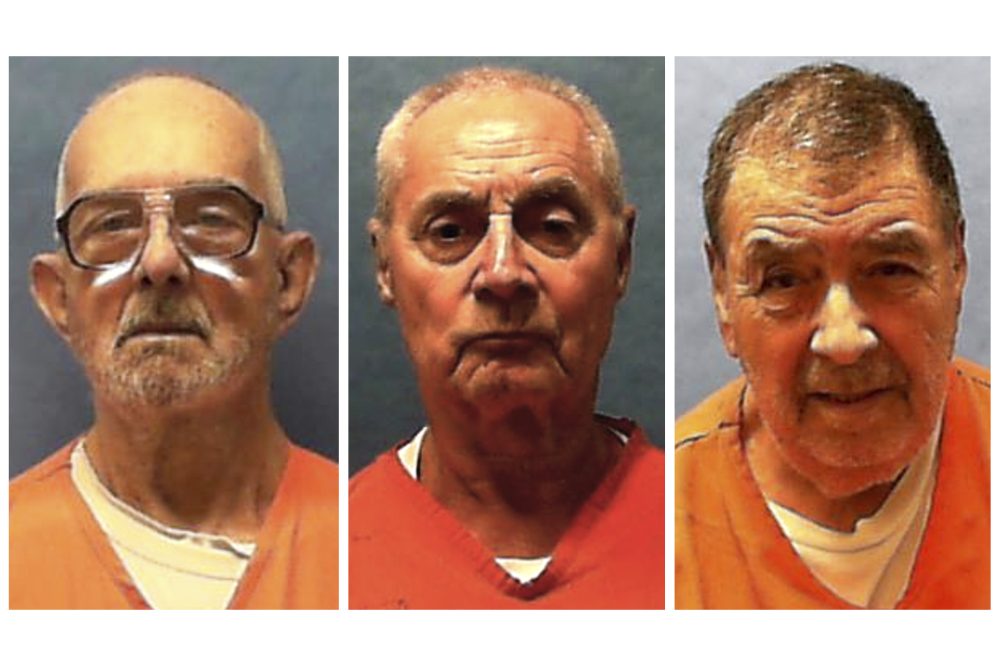
Several high-profile cases drove the headline dollar figure, including a 15-year prison sentence handed down to a telemedicine software executive tied to a $1 billion fraud scheme, along with $674 million in settlements involving Kaiser Permanente affiliates and CVS Health’s Aetna related to inflated Medicare Advantage billing.
Despite the large dollar amounts, the number of actual cases declined significantly. Combined criminal and civil actions totaled 604 — down from 833 in the previous reporting period and the lowest figure recorded in at least two years. Criminal referrals also dropped, falling from 1,451 to 1,168. The number of individuals and entities barred from Medicare continued a two-year downward trend, slipping from a high of 1,795 to the current 1,212.
Compared to the same time frame under the prior administration, casework was essentially unchanged before declining. No data in the report indicated a surge in enforcement activity.
The way the office calculates its headline figure also changed. A new measurement called “total monetary impact” — which combines projected savings with money actually ordered to be repaid — was introduced in early 2025. That figure has fluctuated widely, ranging from $16.61 billion to $2.43 billion before landing at the current $5.56 billion. The report itself notes in its glossary that these figures represent amounts ordered or agreed to be repaid, not money that has actually been collected.
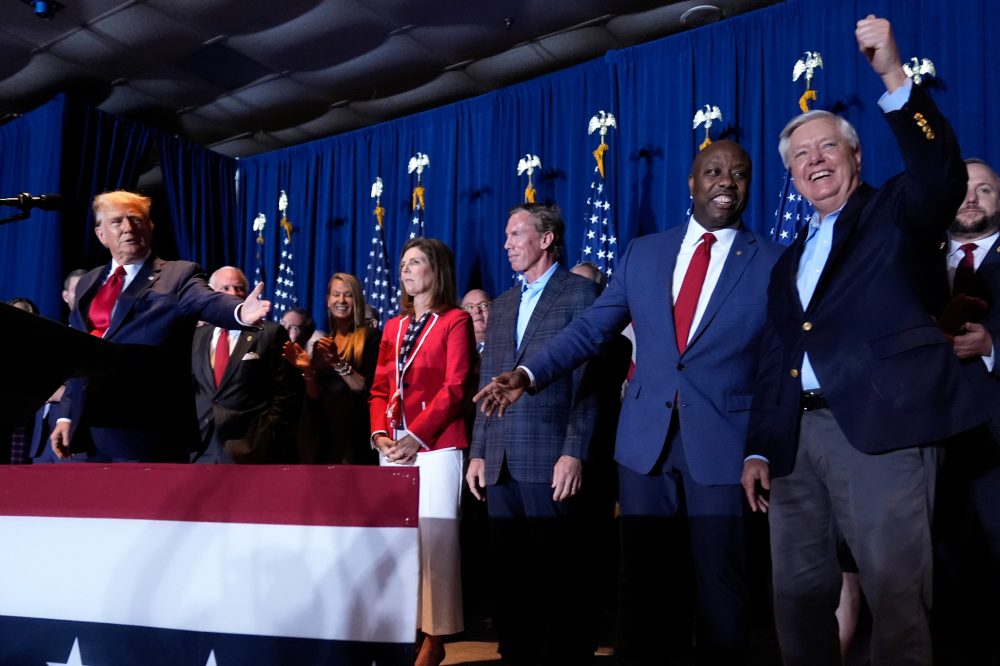
The report comes as Vice President JD Vance, HHS Secretary Robert F. Kennedy Jr., and Medicare chief Mehmet Oz have publicly promoted what the White House has described as an “unrelenting” effort to combat fraud. The OIG noted it now works alongside a new White House fraud task force led by Vance.
Oz has previously stated that the government identified roughly $2 billion in improper spending linked to people in the country illegally — a figure that does not appear anywhere in the report.
The report’s geographic findings crossed political boundaries, with improper payments made on behalf of deceased enrollees found across 35 states, Puerto Rico, and Washington, D.C.
Autism-related services also drew scrutiny in the report. Vance and Oz have pointed to autism-linked Medicaid spending as a sign of widespread fraud, but the OIG’s audits tell a more limited story. In four states — Indiana, Wisconsin, Maine, and Colorado — the office found hundreds of millions of dollars in improper or potentially improper payments connected to applied behavior analysis therapy.
In each instance, the problems identified were administrative in nature: missing paperwork, unsigned evaluations, copied session notes, staff without proper credentials, and insufficient state-level oversight. None of the audits accused anyone of criminal wrongdoing, though they did not rule out the possibility that other agencies could pursue criminal charges.
This report marks the first full accounting signed by Inspector General T. March Bell, a longtime Republican attorney who was confirmed by the Senate in December. Bell previously led a House investigation of Planned Parenthood and served as chief of staff in the HHS Office for Civil Rights during the first Trump administration.