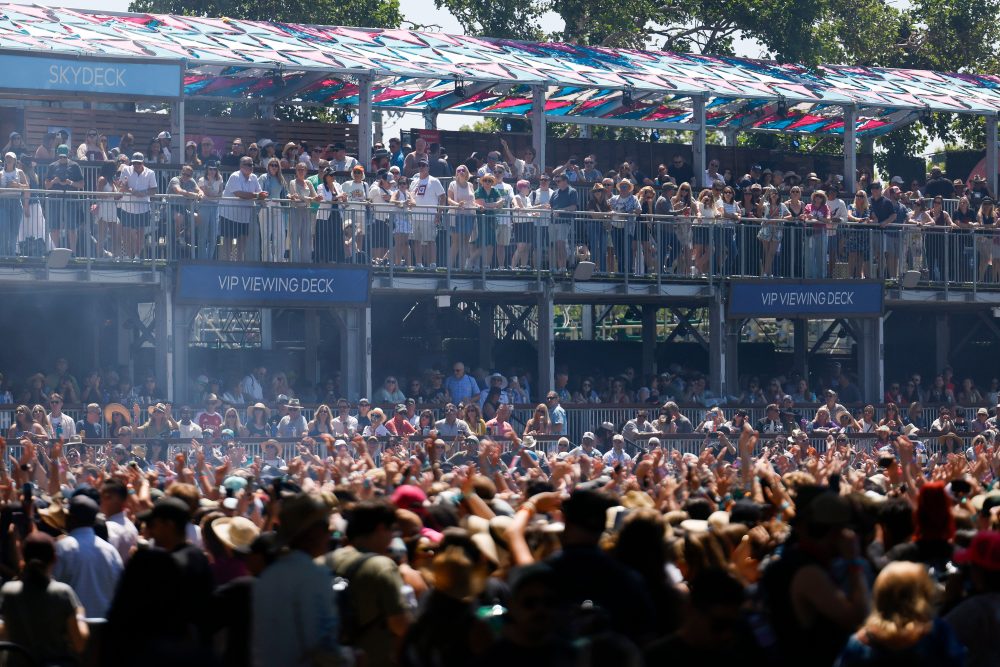

When the band she loved most stepped onto the stage, Kristin Shires positioned herself right at the front barrier.
The moment Misterwives began their performance, thundering percussion and brass instruments echoed from the massive sound system. Shires absorbed every note — but during her trip home, an unwelcome noise filled her head.
“The half hour after the show my ears were like, ‘Are we okay?’” said Shires, a social media coordinator from Houston. “There was some ringing going on.”
Live music events provide that unique, powerful chance to experience beloved songs performed in person — at maximum volume — while singing along with devoted fans. Using earplugs to lower the sound might appear to defeat the entire purpose.
However, medical professionals explain that earplugs reduce volume levels rather than eliminate them entirely. Growing numbers of younger attendees — including Shires — are adopting this practice, implementing a straightforward measure to safeguard their hearing for countless future shows. To address worries about appearing overly cautious, stylish alternatives featuring attached jewelry and decorative elements help the protective devices blend better with concert outfits.
“People think that we are young and invincible, and that’s true to a certain extent,” said Asia Pon, an audiologist at Keck Medicine of the University of Southern California, who goes to concerts — and wears earplugs at them. “But repeated exposure over time can certainly accumulate and lead to permanent damage in the long run.”
Hearing damage occurs through a mix of excessive noise and duration, medical experts explain. Beginning around 85 decibels — comparable to urban traffic — extended listening over several hours can harm hearing. Sound levels at live performances — from massive amplifiers and cheering audiences — typically exceed this threshold significantly. Higher volume means shorter exposure time needed for ear damage.
Delicate, microscopic hair cells fill the inner ear, transforming sound vibrations into electrical messages transmitted to the brain.
Pon said to think of the those cells like a field of grass. If trampled once, the blades bend over but eventually stand back up. “But if you keep walking across that same area again and again, eventually that grass doesn’t bounce back,” she said.
Hair cells that suffer irreversible harm can cause lasting issues including tinnitus and reduced hearing ability.
Ear ringing occurs when these cells experience temporary strain from excessive noise. However, the absence of ringing doesn’t guarantee no harm has occurred.
Numerous concert halls and music festivals provide complimentary earplugs through their customer service areas, and various non-prescription choices are available at retail outlets and pharmacies.
When selecting earplugs, seek a noise reduction rating, usually marked as NRR on the package, ranging from 15 to 30 decibels. This range provides an effective compromise between musical enjoyment and ear protection.
Proper fit is essential for effectiveness — ensure you find a tight-fitting pair. For foam earplugs, Pon recommends straightening the ear canal by pulling the ear upward and backward. Compress the plug and squeeze it small before inserting it as far as possible. Then, hold the plug in place with your finger until you feel the plug expand.
Once inserted, check a mirror to ensure no large portions are protruding. Test the sound quality by playing music or television at home.
If finding properly fitting store-bought earplugs proves difficult, concert attendees can visit an audiologist for custom-fitted options. Though more costly, these usually feature adjustable filters suited to different venues and can be used repeatedly. Foam varieties should only be used once.
During Shires’ initial experience wearing earplugs at an alternative pop band Valley concert, she felt uncertain about what to anticipate. The adjustment period was brief, but soon everything felt natural and she could distinguish the music clearly while some audience noise was reduced.
“After the first few songs, it’s like they weren’t even there. I was just enjoying the show,” she said. Now, she keeps them in a case attached to her keys and has worn them to see many of her favorite artists including Hayley Williams and Taylor Swift. Many of her concert-going friends wear earplugs too, and she gets asked about them by the friends who don’t wear them.
Should your ears feel blocked or muted, or if ringing continues for days or weeks after a performance, consider consulting an audiologist for a hearing evaluation. Additionally, seek medical attention for more serious symptoms such as dizziness, discomfort, or fluid discharge from the ear.
A minor adjustment to how concerts sound today can maintain hearing capabilities for years ahead. Audiologist Meaghan Reed with Massachusetts Eye and Ear frequently treats patients who report that music no longer sounds as crisp or authentic as before.
“It might have a temporary impact of your enjoyment of the music right now, but it’s offset by saving your ability to hear music in the future,” Reed said.