
Health authorities are working to educate the public about a dangerous condition many people haven’t heard of: a potentially fatal meat allergy that develops after being bitten by ticks.
This condition, called alpha-gal syndrome, was initially connected to a specific tick species approximately 15 years ago. However, medical professionals are seeing more patients experiencing reactions like skin rashes, stomach problems, and severe itching after consuming even small amounts of red meat and sometimes dairy products. The allergy doesn’t affect people’s ability to eat fish or birds like chicken, turkey, and eggs remain safe to consume.
Traditionally, doctors have told patients to stay away from foods derived from cattle, swine, and sheep while keeping emergency epinephrine shots available. However, federal regulators have recently given approval to the first medication specifically for this syndrome, with additional treatments potentially coming.
The syndrome differs from other tick-related diseases like Rocky Mountain spotted fever because it’s not triggered by bacteria or viruses. The condition develops when a person’s immune system creates an allergic reaction to a specific sugar molecule called alpha-gal.
This sugar exists in the meat of most mammals, excluding humans and other primates. It’s also present in the saliva of certain tick species.
While consuming this sugar through food is typically safe, tick bites can deliver it straight into a person’s bloodstream. This direct exposure causes the immune system to create antibodies that learn to recognize and attack alpha-gal molecules.
“It turns out that the skin is a fantastic way to make an allergic response,” said Dr. Scott Commins, an alpha-gal syndrome researcher at the University of North Carolina. “If this all happened orally, and we were eating alpha-gal like we do with steaks or barbecue, then we wouldn’t become allergic.”
Individuals who develop these antibodies typically experience severe allergic reactions several hours after eating meat or dairy. The condition can take weeks or months to manifest, with symptoms often becoming more severe as time passes.
Medical experts attribute rising case numbers to better recognition among healthcare providers and the general population.
“I think part of it is more people have learned about it and are on the watch for this syndrome,” said Maria Diuk-Wasser, a Columbia University researcher who studies tick-borne diseases.
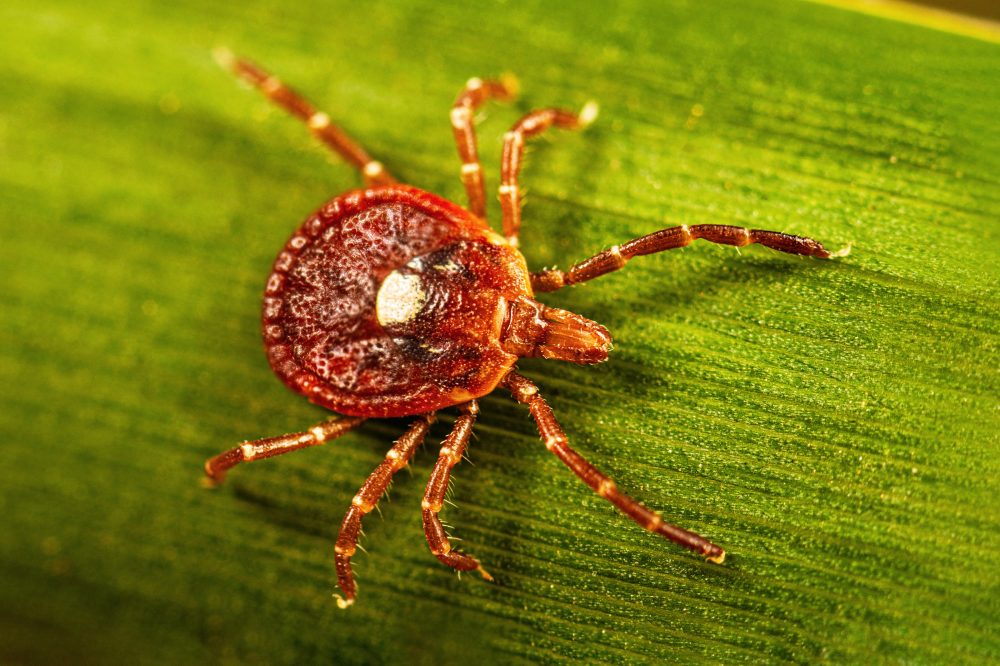
However, increasing cases also mirror the growing territory of the lone star tick, which is the main carrier of this condition in America. This tick, recognizable by a white mark on its back, is typically found in eastern and southern states. Recently, it has appeared in previously unaffected areas, including regions around the Great Lakes and extending north to Martha’s Vineyard in Massachusetts.
Scientists are concerned that additional tick species, including blacklegged ticks, might also begin transmitting the condition.
According to a 2023 Centers for Disease Control and Prevention study, approximately 450,000 Americans are believed to have developed this allergy.
Patients typically seek medical care after experiencing concerning symptoms like skin rashes, lightheadedness, breathing difficulties, and swelling in the lips, throat, tongue, or eyelids. Others may only have digestive symptoms including diarrhea, abdominal pain, vomiting, and nausea.
Medical professionals identify the allergy using blood test results, patient-reported symptoms, and other information including recent insect bites.
The blood test identifies alpha-gal antibodies, though not everyone with positive results develops the syndrome. The test can sometimes produce incorrect results.
“The blood test in and of itself is great, but you can’t rely on that just for diagnosis. You need the actual symptoms too,” Commins said. “In the allergy world, we have a lot of trouble with false positives on blood tests.”
Physicians typically recommend patients eliminate beef, pork, lamb, and other mammalian meats from their diets. Some individuals can still consume dairy items like milk, cheese, and butter from these animals. Those with extremely severe reactions might need to avoid products containing animal byproducts such as gelatin, found in marshmallows and gummy bears.
One unusual exception exists: meat from a limited number of genetically altered pigs that don’t produce alpha-gal. The Food and Drug Administration approved these pigs for human consumption in 2020, as they were developed for experimental organ transplantation research. Eliminating the alpha-gal gene was essential to prevent human immune systems from rejecting transplanted organs. Meat from these “GalSafe” pigs is sold by a company called Amaroo Hills.
People with this syndrome may also need to avoid certain medical devices and implants, as many heart valves are manufactured using cow or pig components.
The allergy may disappear in some patients after multiple years. Commins has observed this improvement in roughly 15% to 20% of his patients. However, preventing additional tick bites remains essential.
In 2024, the FDA authorized an injectable medication called Xolair for various food allergies, including alpha-gal syndrome. While the drug doesn’t cure the condition, it helps minimize severe allergic reactions following accidental meat consumption.
This medication received initial approval over two decades ago for patients with difficult-to-manage asthma. It functions by reducing the release of biological substances that trigger inflammation and allergic reactions.
Commins and fellow researchers hope to investigate other existing medications as potential treatment options for patients.
“There are certain (biologic drugs) out there nowadays that interfere with the allergic signaling,” Commins said. “We think that if you were on one of those — or if you got one quickly enough after a tick bite — perhaps it could interfere with the entire allergic response process.”