
WASHINGTON — Internal documents show that fruit-flavored electronic cigarettes recently approved by federal health regulators didn’t perform significantly better at helping people quit smoking compared to tobacco-flavored versions, raising fresh concerns about the agency’s controversial authorization.
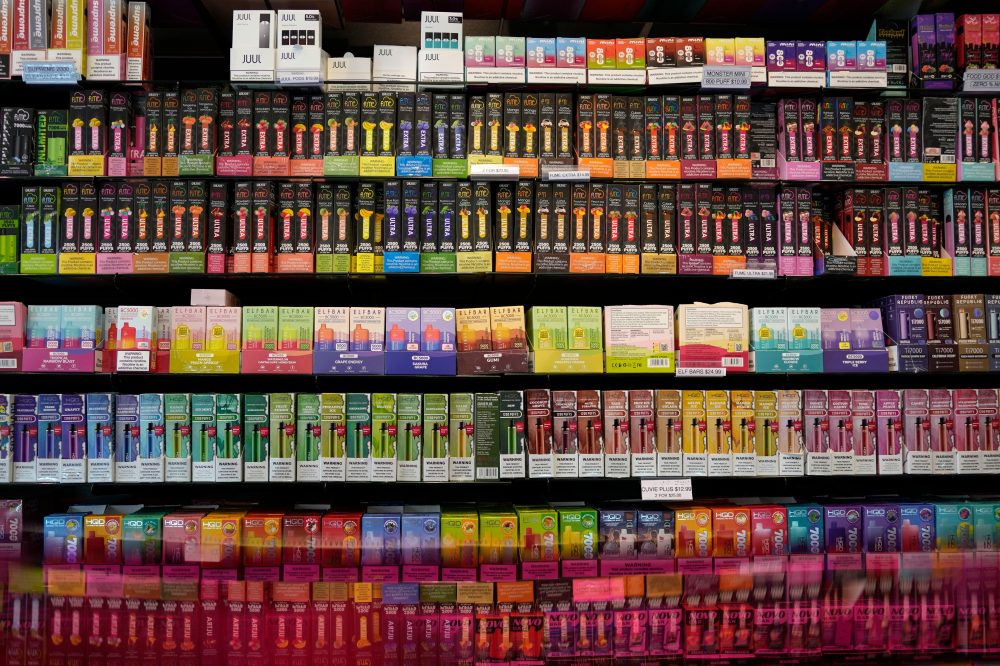
Last month, the Food and Drug Administration granted approval to its first fruit-flavored vaping products, effectively backing them as safer alternatives to traditional cigarettes. The approval contradicted the agency’s long-held stance that fruit flavors attract young users and should demonstrate additional health advantages before receiving adult approval.
Lawmakers and health advocacy organizations swiftly criticized the move and demanded explanations from the agency.
An FDA document released this week offers additional insight into the agency’s reasoning. The six-page memo shows regulators seemingly avoiding their earlier warnings about sweet vaping flavors while recognizing flaws in research provided by vape company Glas Inc.
Under federal requirements, manufacturers must prove their products benefit overall public health. This typically involves showing that their vaping devices help adult smokers transition away from or stop using cigarettes without encouraging teenage use.
According to the memo, smokers using Glas vaping products showed much higher rates of completely switching away from cigarettes during a three-month research period.
However, the information revealed no “statistically significant differences” between adults who used the company’s mango and blueberry varieties versus those who used tobacco-flavored electronic cigarettes.
This means the newly approved vapes didn’t meet the same standards as other flavored products the FDA had previously approved, including menthol-flavored devices from Juul and NJOY. Those manufacturers demonstrated that adults using menthol products were significantly more likely to reduce or eliminate cigarette use compared to those using tobacco-flavored vaping products.
In another section, FDA officials stated that the Glas flavored products “did not have to demonstrate added adult benefit” since young people would be unlikely to access them. Glas requires customers to unlock each electronic cigarette through an age-verification smartphone application.
The agency’s decision also contradicts recent FDA guidance telling manufacturers that fruit and dessert flavors must meet “a high evidentiary burden” for adult approval due to youth risks. Tobacco-flavored products typically don’t appeal to teenagers and usually face less stringent FDA review processes.
The FDA memo is also notably short compared to similar documents.
Typical FDA memos regarding new vaping products span dozens of pages. Last year’s authorization document for Juul’s menthol electronic cigarettes exceeded 90 pages and contained comprehensive scientific information from studies involving 50,000 participants.
The brief Glas memo omits important information, including the number of smokers included in the company’s research.
The FDA typically publishes such documents immediately following authorization announcements. The Glas document appeared on the agency’s website more than a month after officials approved the products.
Congressional members have questioned the agency about this decision. Last month, 10 Democratic senators wrote to the agency seeking additional details about the authorization, describing it as a “shortsighted and reckless decision.”
The Glas application, which covered menthol and tobacco-flavored vapes as well, took a complicated route to approval. The small Los Angeles-based manufacturer submitted its marketing application to the FDA in 2021, and officials initially denied it.
In February, FDA scientists reversed their position and approved multiple flavors. However, a senior official under then-FDA Commissioner Marty Makary blocked that decision, according to internal documents the agency later made public.
The mango and blueberry-flavored products received final approval during Makary’s final full week as agency head. He left the position following months of criticism from industry groups, including tobacco manufacturers that have pressured President Donald Trump’s Republican White House for relaxed vaping flavor regulations.
A company representative was not available for comment when contacted Thursday morning.