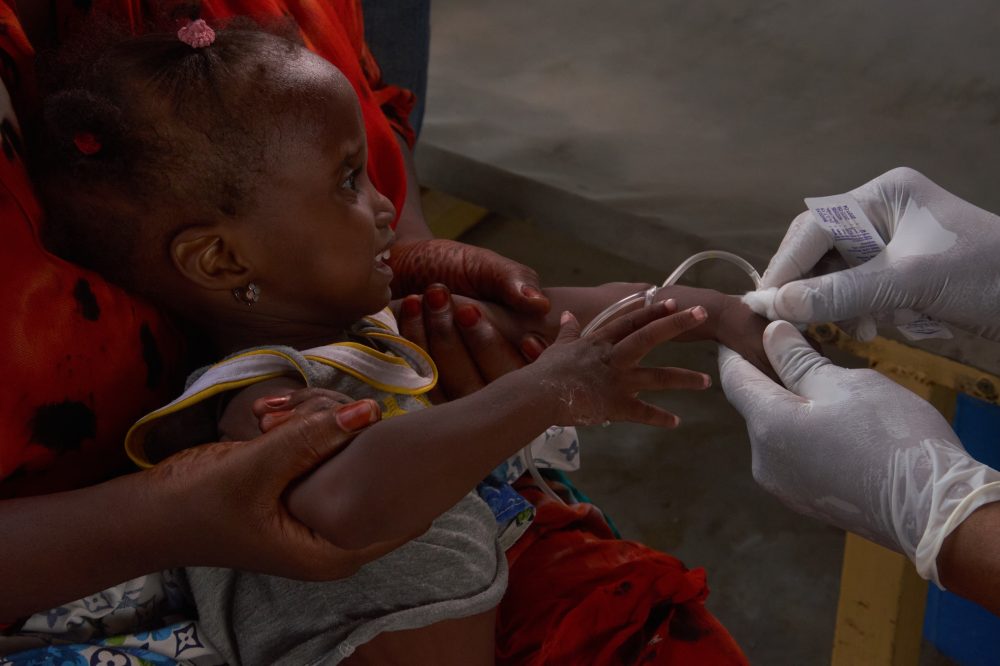

Medical aid organization Doctors Without Borders reported Tuesday that a devastating cholera crisis in Nigeria’s northeastern region has claimed 74 lives and sickened over 7,000 individuals since beginning in early May.
The deadly outbreak has spread across 14 of the 27 local government areas within Borno state, striking communities already weakened by almost 20 years of violent conflict with the extremist organization Boko Haram.
Cholera regularly affects Nigeria during certain seasons, particularly problematic given that government statistics from 2020 show just 14% of the nation’s more than 200 million residents can access properly managed clean water services.
Conditions prove even more challenging throughout Borno state, including the crowded capital city and isolated areas where poor sanitation and cleanliness standards persist partly due to limited oversight from health officials.
Doctors Without Borders reported caring for 7,439 cholera cases at their medical facilities, averaging 185 new patients daily. The organization documented 500 cases on a single Friday last week, marking the highest one-day total since the outbreak began.
“Open defecation is making it worse also, and there is less partners (on the ground),” explained Jessie Kurnurkar, who coordinates projects for the medical charity, commonly referred to by its French initials MSF.
“By the time we know the cases in the community, the local transmission has happened, and it is difficult to respond, because the spread has become more,” Kurnurkar stated.
The Associated Press interviewed patients receiving care at an MSF treatment facility in the state capital about their experiences during the health crisis.
Aisha Ibrahim, currently being treated for cholera at the center, described experiencing continuous diarrhea since falling ill and remaining hospitalized for over four days.
“When they discharged me, the vomiting stopped, and when I got home, I started stooling again, and it became severe (so) I was rushed back to the center,” Ibrahim explained.