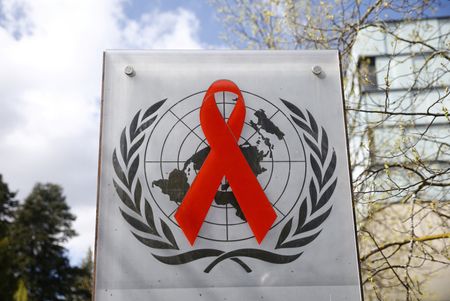

Global HIV prevention efforts experienced a devastating setback in 2025, with preliminary data from UNAIDS revealing that significantly fewer people accessed crucial prevention services compared to the previous year.
According to the agency’s Friday report, the number of individuals who received pre-exposure prophylaxis, known as PrEP, dropped by 38% across 62 nations when comparing 2025 to 2024 figures. This translates to 1.2 million fewer people accessing the preventive medication, with totals falling from 3.3 million to 2.1 million across various countries including Nigeria, Cameroon and Uganda.
The situation became even more dire for other prevention methods, as funding for condoms plummeted by over 90% in certain nations, according to the findings.
Winnie Byanyima, who leads UNAIDS, described the current crisis in stark terms. “We are undergoing perhaps the most serious disruption of HIV services since the HIV response started,” Byanyima stated. “We can’t sit here thinking that the impact isn’t so dramatic.”
According to Byanyima, the reduction in available services stems from a combination of decreased funding and growing opposition to supporting key at-risk groups, particularly LGBTQ people. She warned that without intervention, these access barriers will result in increased infection rates and fatalities in coming years.
The 2025 data showed a modest decrease in new infections compared to 2024, dropping by approximately 100,000 cases to reach 1.2 million total new infections. Yet Byanyima cautioned that HIV testing decreased by 22% in countries with high infection rates, making it difficult to assess the complete scope of the situation.
Treatment access showed more positive trends, with the number of people receiving antiretroviral medications increasing by 2.7% year-over-year, reaching 32.1 million individuals by December 2025.
While this growth rate fell short of the typical 4% annual increases seen previously, UNAIDS noted it demonstrated that nations and local communities had mobilized to address treatment gaps and prevent worst-case outcomes that some experts had anticipated when funding decreased. However, the data indicated that prevention services faced greater challenges in adapting to reduced financial support.
The report highlighted that several countries increased their domestic HIV funding for the first time since the COVID-19 pandemic began. Despite this progress, the agency expressed concern about widespread closures of community-based organizations that form the foundation of HIV response efforts and depend heavily on international financial support.
UNAIDS made this information public in advance of an upcoming high-level HIV/AIDS meeting scheduled at the UN in New York this month, emphasizing the need for international cooperation. The agency faces its own uncertain future, as UN leadership has suggested shuttering UNAIDS in 2026 due to budget constraints.
Byanyima indicated that the agency is currently undergoing a “transformation” process, with a comprehensive report expected in October.
“What I’m certain about is that the United Nations will not drop its leadership role in the global response,” she emphasized.