
Health authorities in the Democratic Republic of Congo announced Tuesday that confirmed Ebola infections have reached 598 cases, prompting increased efforts to educate communities about critical prevention measures.
Officials declared the outbreak of the Bundibugyo strain on May 15, but authorities later acknowledged the virus had been spreading undetected for several weeks, putting health workers at a disadvantage in controlling the epidemic.
The outbreak represents one of the most significant Ebola emergencies globally, affecting three provinces plagued by ongoing armed violence: Ituri, North Kivu and South Kivu.
According to the government’s most recent update posted on X, the confirmed case count has reached 598, with 115 fatalities recorded.
Health officials also reported that 22 individuals have successfully recovered from the illness, while noting that recent infections have not expanded into additional health districts.
The epidemic has affected 17 health districts within Ituri province, along with seven districts in North Kivu and one district in South Kivu.
“If you have a fever, vomiting, diarrhea, or severe weakness, you should go to the nearest health center immediately,” the government statement advised, encouraging residents to cooperate with medical personnel and refrain from violent acts against them.
Community distrust and opposition have created significant obstacles for the emergency response, with documented assaults on burial crews and medical facilities.
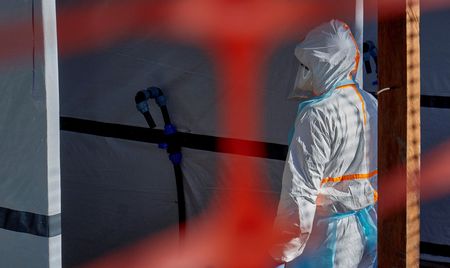
Healthcare workers are also facing shortages of essential protective equipment needed to maintain safety and limit disease transmission, according to more than a dozen physicians, aid workers and public health experts.
The International Rescue Committee issued an appeal Tuesday for financial support necessary to control the outbreak in Ituri province and prevent its expansion to other areas.