
BENI, Congo (AP) — For Vianney Kambale Kombi, simply hearing the word Ebola brings back a flood of painful recollections.
The eastern Congo resident vividly recalls the terror and suffering that gripped his community in Beni during the devastating 2018-2020 Ebola epidemic, which became the second-largest outbreak in history with more than 3,400 confirmed cases and over 2,200 fatalities. That outbreak was eventually controlled through vaccination efforts.
Kombi also recalls widespread doubt about the disease’s existence, violent incidents targeting healthcare personnel, and patient resistance that he believes accelerated the virus’s transmission.
“We thought it was witchcraft,” said Kombi. “The community had not accepted that this disease existed and it had not accepted that we could recover from it.”
In Beni, a thriving trade center located near the Uganda and Rwanda borders, residents worry that repeating past errors from Congo’s previous epidemics and the absence of an authorized vaccine could complicate efforts to combat the current outbreak.
The ongoing epidemic, caused by the uncommon Bundibugyo virus strain of Ebola, has resulted in 515 confirmed infections, with 91 fatalities and 12 people who have recovered.
Kombi described becoming infected after contact with other carriers of the virus. He explained that information about the illness was scarce then, and while many attributed it to supernatural causes, others called it a “Western conspiracy for funding reasons.”
“The community had not accepted that we could recover from this disease, that’s why reintegrating into the community at first was a bit difficult,” he said.
“When a pandemic hits here in Congo, we initially think it’s a political issue,” said Bienfait Wanzire, who also survived after becoming infected during the 2018 outbreak.
“At first, we thought it was a spiritual illness,” he said. “Then because there were election campaigns, we believed it was political.”
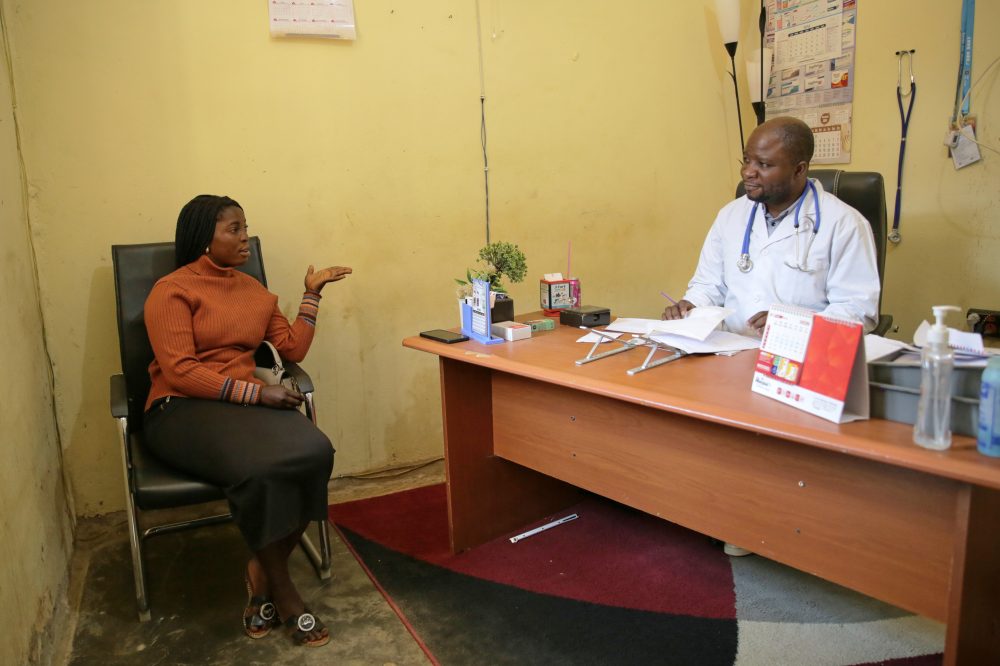
Dr. Babah Mutuza Lusungu, a physician at “Dieu Est Grand” Medical Center in Beni, recalled losing his uncle and two colleagues while attempting to persuade people that the outbreak was genuine.
“There was very strong resistance,” said Lusungu. “And so there was a climate of mistrust that took place between the population, the authorities, the partners too, right, and the health workers.”
Young people were excluded from response activities at that time, he noted, encouraging local officials to collaborate more effectively with youth leadership to educate communities about the disease.
“If we wait until they have so many declared cases to start making an effective response, we will have totally missed the target,” he said.
Esperance Masinda, who was employed by the U.N. children’s agency in Beni during the 2018 outbreak, described the exceptional challenges of caring for children orphaned by Ebola.
She became ill while caring for her physician husband. Despite both recovering, the vaccine that helped save their lives created distance between them and their community.
“When we were in the community, we were told that you’re not going to make it even five years, you’re going to die with that medication that you took there,” Masinda said.
“And today, when they see us, these people no longer stigmatize us,” she said. “We are all humans, even though we have been victims of Ebola, all of us are humans.”