Alphabet’s Google is running significantly behind schedule on the launch of its most powerful artificial intelligence model, Gemini 3.5 Pro, as the company works to strengthen the technology’s abilities — especially in the area of coding, according to a Bloomberg News report published Thursday.
The delay is happening at a time of intense competition in the AI industry, where developers are racing to improve model performance, lower costs, and expand tools for business customers. That race has produced a constant flow of new AI systems and reasoning models across the industry.
Here is what we know about the situation:
Alphabet CEO Sundar Pichai had indicated at Google’s annual I/O developer conference in May that the model would be available in June. That deadline has now passed.
According to Bloomberg News, which cited 10 current and former Google employees, the delay has left some of the company’s engineers, AI researchers, and managers feeling uneasy — particularly as competitors OpenAI and Anthropic have been releasing models that are outpacing Gemini.
Google made an attempt late last month to improve the situation by updating the data used to train Gemini, but the results did not meet the company’s internal expectations, Bloomberg News reported.
Following the report’s publication, Alphabet’s stock fell by close to 3%.
A company spokesperson responded to Reuters with this statement: “We’re currently testing 3.5 Pro, an upgraded Flash model, and other models with partners, and we’re productively engaged with the U.S. government.”
The spokesperson also added: “We’re shipping quickly across a wide range of models while keeping them highly cost-effective for customers.”
Meanwhile, OpenAI rolled out GPT-5.6, its most advanced AI model, last week. That release had also been delayed after the U.S. government raised national security concerns about the potential for powerful AI technology to be misused.
Separately, Anthropic had temporarily shut down access to its most advanced AI models — Mythos 5 and Fable 5 — for all users following a U.S. export control order issued on June 12, also citing national security concerns. Those restrictions were lifted in late June after Anthropic put additional safeguards in place.
Senior Brazilian ministers and government staff assembled at the presidential palace in Brasília on Thursday to map out the country’s response to the latest round of American tariffs — and sources say the reaction could be significant.
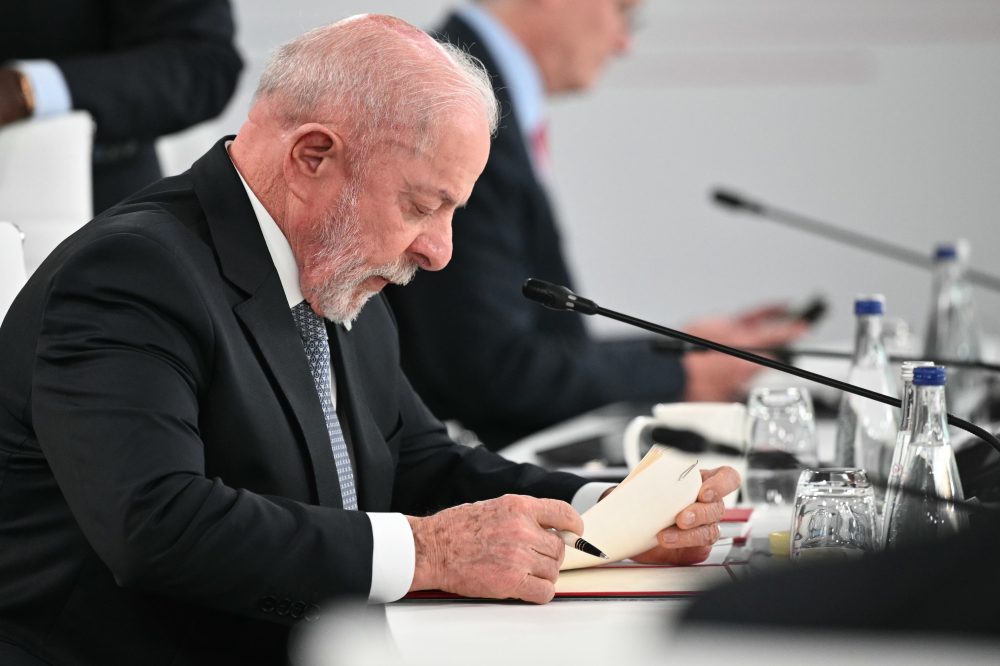
Three people who attended those meetings told Reuters that the options on the table include non-tariff measures targeting the audiovisual sector, as well as pharmaceutical and agricultural patents. These potential steps fall within Brazil’s reciprocity law, which President Luiz Inácio Lula da Silva had previously pledged to use after the Trump administration announced a 25% tariff on a broad range of Brazilian goods on Wednesday. Washington said the tariffs were a response to what it described as unfair trade practices by Brazil.
“How we proceed from here will depend on the instructions the president gives us, but it is highly unlikely there won’t be a tough response,” one meeting attendee told Reuters.
A second source indicated that Brazil is expected to revisit retaliatory measures that were examined last year under the reciprocity law. Those include placing limits on dividend and royalty payments sent abroad by U.S. audiovisual companies operating in Brazil.
The government is also weighing the possibility of suspending patent protections on pharmaceutical products and agricultural seeds.
Brazilian officials in Brasília consider these approaches more attractive than slapping tariffs on American imports, since they would be less likely to create shortages in Brazil’s supply chains or push up prices for consumers.
However, U.S. officials have signaled that Washington would “review its actions” if Brazil moves forward with retaliation — a warning that has rattled Brazilian exporters and prompted some to begin shifting away from the American market.
The pressure is already showing in trade data: Brazilian shipments to the United States dropped 13% during the first half of the year, even while the country’s total exports climbed 5.1% over the same period.
On a separate front, Brazil plans to revive a World Trade Organization dispute it initiated last year over customs duties on electronic transmissions, according to another source familiar with the situation. Restarting that case would allow Brazil to move faster toward establishing a formal dispute settlement panel. A favorable ruling would give Brazil stronger legal footing under international trade rules to pursue retaliatory actions.
French software developer Dassault Systemes is reportedly in negotiations to acquire ArisGlobal, a company that makes software used in drug trials, from investment firm Nordic Capital in a deal valued at roughly $2 billion, according to a report published Thursday by the Financial Times. The newspaper cited individuals familiar with the situation.
If completed, the acquisition would mark a significant expansion of Dassault Systemes’ presence in the life sciences software sector. It would also stand as the company’s second-largest purchase ever, trailing only its $5.8 billion acquisition of clinical trial software company Medidata Solutions back in 2019.
However, the Financial Times cautioned that a final agreement is far from guaranteed, and the negotiations could collapse before any deal is reached.
Reuters, which first distributed the report, noted it was unable to independently confirm the details at the time of publication.
Earlier this year in April, Dassault Systemes disclosed first-quarter revenue of 1.51 billion euros, equivalent to approximately $1.77 billion, a figure that matched analyst expectations.
The company, which develops software for automakers, aircraft manufacturers, and industrial businesses, has faced headwinds from a prolonged downturn in the global automotive industry. In response, Dassault Systemes has been shifting its focus toward artificial intelligence and data center technologies as new avenues for growth.
Representatives for Dassault Systemes, ArisGlobal, and Nordic Capital were not immediately available to respond to requests for comment.
Motorists traveling southbound on Bay Road (Delaware Route 1) should be aware of a shoulder closure currently in effect between Thompsonville Road and Jenkins Pond Road.
The closure affects the shoulder lane in that stretch, meaning drivers should stay alert and allow extra space while passing through the area. Reduced shoulder availability can pose safety concerns, particularly for vehicles that may need to pull over in an emergency.
No information was provided regarding the cause of the closure or how long it is expected to remain in place. Drivers are encouraged to plan accordingly and exercise caution when traveling through this section of Route 1.
PHILADELPHIA (AP) — Growing up as a young Braves fan in suburban Atlanta, Jordan Walker used to beg his family to take him to games at Turner Field, where he cheered loudly for Chipper Jones. But everything changed in April 2010 when he and his father sat in the left field seats and watched a young Black slugger named Jason Heyward make his major league debut.
Walker’s parents — affectionately known as “Jordan’s Dad” and “Jordan’s Mom” based on the custom jerseys they wore at this week’s Home Run Derby — were there for many of those outings. And that Heyward debut left a lasting impression on the then-7-year-old Walker.
“As soon as Jayson Heyward debuted,” Walker recalled, “I was like, oh yeah, that’s the guy. That’s who I want to be like.”
The power of seeing someone who looked like him succeed on that stage was never something Walker took for granted. So when he delivered one of the most dramatic moments in Derby history — a six-swing, six-homer burst in the championship round to overtake Philadelphia’s own Kyle Schwarber — Walker made clear he hoped that moment would mean something far bigger than a trophy.
“For Black kids, I want to kind of be a role model for them,” Walker said, “like he was for me.”
The 24-year-old Cardinals outfielder silenced the Philadelphia crowd that had been rooting loudly for a Schwarber victory. With every towering shot off his customized Iron Man bat, Walker announced himself to the entire baseball world. He wore his Cardinals cap backward, chomped on bubble gum, and basked in the celebration afterward — including receiving the champions’ chain from Ryan Howard and showing off his imitation Liberty Bell bling.
Walker’s performance even drew praise from career home run leader Barry Bonds, who told him, “you got my trophy, too,” calling it the greatest Derby he had ever witnessed.
“That means the world to me,” Walker said.
Walker’s breakout moment arrives as baseball sees a gradual increase in Black players at the major league level. When the Houston and Philadelphia clubs met in the 2022 World Series with no U.S.-born Black players on the field, Astros manager Dusty Baker acknowledged, “It looks bad. But there is help on the way.”
That help has arrived — with Walker front and center at All-Star weekend.
“I think once kids see more people to look up to,” said All-Star Nationals outfielder James Wood, “the more kids will get back into baseball.”
A look around the All-Star clubhouses confirmed a new wave of young Black talent is emerging, even if the growth isn’t as fast as MLB might hope. While Yankees slugger Aaron Judge sat out due to injury, Washington Nationals shortstop CJ Abrams and outfielder James Wood, Cincinnati Reds pitcher Chase Burns, and Braves catcher Drake Baldwin all represented the next generation. Minnesota Twins veteran Byron Buxton also participated in the game.
“I feel like there’s been like a little surge in getting more Black players in the game,” Wood said. “We’ve got four on our team right now. Last year at one point, we had five. I think you’re seeing it come back.”
MLB reported that 6.8% of players on opening day rosters, injured lists, and the restricted list were Black — up from 6.2% at the start of the 2025 season and 6.0% at the beginning of 2024. That 0.6% increase was the largest single-season jump since a 0.7% rise between 2017 and 2018.
Twenty of the 64 Black players in the league had come through MLB-sponsored development programs, including the MLB Youth Academy, Breakthrough Series, DREAM Series, Nike RBI, and the Hank Aaron Invitational. MLB also noted the group included 22 players aged 25 or younger, with an average age of 27.8 compared to the overall league average of 29.25.
Reds pitcher Chase Burns, 23 years old and posting an 11-1 record with a 2.54 ERA this season, said he was proud to hear Walker speak up about the importance of growing Black participation in the sport.
“You don’t see a lot of Black athletes in baseball,” Burns said. “I don’t know why that is. I think it’s great for guys like me and him to strive to get Black athletes into the game of baseball, whether it’s talking about it or doing stuff in the community. I think it’s great he pointed it out.”
Of course, Walker’s ability to serve as a lasting role model depends on sustaining his success beyond one memorable Derby night. So far, the numbers suggest he’s on the right track. He has 22 home runs, leads all of baseball with 74 RBIs, and ranks 13th with an .886 OPS on a Cardinals team chasing an NL wild-card spot.
It has been a winding road to this moment. Walker signed with St. Louis out of high school after previously committing to Duke, bypassed Triple-A entirely, and joined the opening day roster in 2023 as the youngest player in baseball. He tied Eddie Murray’s under-21 rookie record with a 13-game hitting streak. But he was sent down later that season, demoted again in 2024 after hitting just .155, and then dealt with injuries in 2025 that limited him to 111 games and raised serious questions about his future with the club.
Through all of it, Walker said he never stopped believing he would eventually become the everyday player and All-Star the Cardinals envisioned when they drafted him in the first round in 2020. He reworked his swing during an extended rehab assignment last season, and the results were on full display in Philadelphia — 12 home runs in the Derby’s final round alone.
“When my swing’s fluid and easy, that’s when it’s at its best,” Walker said. “That’s really what it is.”
Walker struck out in his lone at-bat during the All-Star Game itself, but walked away with a $1 million Derby prize — more than his 2026 salary of $799,400. And as a fun footnote: Walker has hit 49 career home runs off 49 different pitchers.
As for the backward cap that became one of the night’s signature images? “I call it the Griffey,” Walker said, “because no one did it better than him.”
No one did it better than Walker at the Derby either. And he hopes that night in Philadelphia becomes the launching pad for a new generation of Black athletes finding their place in baseball.
KYIV, Ukraine — Ukraine’s parliament has confirmed a new prime minister, Serhii Koretskyi, a 48-year-old engineer with deep roots in the energy and business sectors rather than in politics or government bureaucracy.
Unlike many of his predecessors in senior Ukrainian government roles, Koretskyi did not rise through political parties, parliament, or the civil service. Instead, he spent more than two decades working in the fuel and food industries before being tapped to take over several of Ukraine’s most troubled state-owned energy companies.
He quickly built a reputation as a capable crisis manager, turning around struggling state enterprises and returning them to profitability. Now, he faces what may be his most formidable challenge yet — one that will demand far more than business skill alone. Running Ukraine’s financially strained wartime government will call for political savvy, diplomatic finesse, and strategic maneuvering.
President Volodymyr Zelenskyy has charged Koretskyi with guiding the country through what officials anticipate could be the toughest winter of the ongoing war, given continued Russian attacks on Ukrainian infrastructure. He is the country’s third prime minister since Russia launched its full-scale invasion.
His time in office is already off to a turbulent start. While lawmakers were casting their votes to confirm him, hundreds of demonstrators gathered in the city center, furious at Zelenskyy over the abrupt government reshuffle announced earlier this week. Many protesters were angry that popular Defense Minister Mykhailo Fedorov was pushed aside in the shake-up.
Speaking before parliament, Koretskyi outlined his top priorities: shoring up Ukraine’s damaged energy infrastructure, stabilizing the national economy, ensuring that international aid is used efficiently, and ramping up domestic weapons manufacturing.
Koretskyi’s path to this role runs through Ukraine’s state energy sector. In 2022, after the government seized oil producer Ukrnafta and refinery operator Ukrtatnafta from oligarch Ihor Kolomoiskyi, Koretskyi was appointed to lead both companies at the same time.
Within two years, Ukrnafta had posted record profits, paid off its tax debts, and grown its production output. The company became one of Ukraine’s top taxpayers and a significant contributor to the war effort, supplying fuel to the military and helping finance drone programs.
Last year, Koretskyi was chosen to head Naftogaz, the country’s massive state energy company, during a particularly difficult period. Gas reserves had dropped to record lows after the previous leadership failed to secure enough imports and Russia stepped up strikes against production facilities.
He ordered an audit that led to sweeping internal restructuring — cutting redundant functions and reducing staff — moves that generated pushback from within the organization. But under his watch, Naftogaz rebuilt its gas reserves to more than 13 billion cubic meters and raised nearly $1 billion in financing.
Zelenskyy has called Koretskyi “the most prepared candidate” for the prime minister role, pointing specifically to his focus on winter readiness as a key reason for the selection.
Puerto Rico officials announced emergency water rationing measures Thursday as a deepening drought pushes the U.S. territory’s struggling water system to its limits, adding to a crisis that already led the governor to declare a state of emergency.
Luis González, executive president of the island’s water and sewer authority, said thousands of residents in the northeastern part of the island will face 48-hour rationing periods beginning Friday. The cutbacks will impact multiple communities in the cities of Canovanas and Rio Grande, with temperatures continuing to climb.
“There’s just not enough water,” González said, warning that the rationing program will likely spread to additional areas across the island.
González pointed to a lack of rainfall as the primary cause, though the island’s water troubles actually predate the drought. Severe shortages began hitting some of Puerto Rico’s most densely populated areas months earlier, and officials have yet to pinpoint the cause of those earlier outages.
The earlier water failures prompted the mayor of San Juan to take legal action against the island’s Water and Sewer Authority in late May. Gov. Jenniffer González has acknowledged that the agency’s infrastructure has gone without adequate investment or upkeep for decades.
Last month, nearly 40,000 customers lost water service — a disruption unrelated to the current drought — prompting González to call in the National Guard.
According to the U.S. Drought Monitor, 14% of Puerto Rico is currently experiencing severe drought conditions, while another 59% is under moderate drought — a sharp increase from just 18% in late June. Roughly 2.3 million of Puerto Rico’s 3.2 million residents now live in a drought-affected area.
This is not the first time Puerto Rico has faced strict rationing. During a 2016 drought, approximately 400,000 utility customers received water service only once every three days.
Residents affected by the shortages have taken to the streets in protest, and a growing number of lawmakers are pressing for answers.
Rep. Domingo J. Torres was direct in his criticism: “What’s happening with the Puerto Rico Water and Sewer Authority cannot be attributed solely to the drought. What we’re seeing is a management that improvises, that reacts only when the crisis is already upon us, and that has failed to present a clear plan to guarantee access to drinking water.”
Torres formally submitted a request Wednesday seeking information on what steps the water and sewer authority is taking to address the drought and protect access to safe drinking water. A spokesperson for the agency did not respond to a request for comment.
Legislators also convened a public hearing this week examining the financial toll of the water crisis on an island where nearly 40% of the population lives in poverty.
Federal safety investigators say a driver — not Tesla’s self-driving software — was responsible for a runaway Tesla that plowed into a Texas home and killed a grandmother inside.
The driver had told police he had the vehicle’s self-driving feature engaged at the time of the crash, but a report released Wednesday by the National Transportation Safety Board tells a different story. Investigators concluded the driver had actually overridden that software by pressing hard on the accelerator. Seconds later, the Tesla Model 3 was screaming down a residential street in Katy, Texas, at highway speeds before slamming through a brick wall and killing 76-year-old Martha Avila, who had been standing in the front room of her home.
Surveillance video captured the Tesla traveling at more than 70 mph — jumping a curb, tearing across a lawn, and bursting through the brick wall. Avila was found buried under crumbling plaster, broken beams, and debris. She was rushed to a hospital but did not survive.
The crash, which occurred last month, attracted widespread national attention in part because Tesla CEO Elon Musk has been publicly championing the safety of his company’s self-driving technology. Musk is working toward converting hundreds of thousands of existing Teslas into fully autonomous vehicles and plans to begin selling two-seat Cybercabs that come with no steering wheels or pedals.
The incident happened just two months after a separate federal agency — the National Highway Traffic Safety Administration — announced it was upgrading a 2024 investigation into Tesla’s self-driving system to a more intensive “engineering analysis” review. That escalation raised the possibility of a recall affecting 3.2 million Tesla vehicles.
That NHTSA investigation was launched after the self-driving feature failed to warn drivers to take over in foggy or low-visibility conditions. The agency also opened a probe last year into 58 reported cases where Teslas allegedly broke traffic laws while operating in self-driving mode, leading to more than a dozen crashes, fires, and nearly two dozen injuries.
Separately from the NHTSA’s own review, the Texas house crash is now one of 46 “special crash” investigations NHTSA has conducted involving Tesla’s self-driving or driver-assistance systems over the past decade. More than a dozen of those crashes resulted in at least one fatality.
Tesla’s driver-assistance software was originally marketed under the name “Full Self-Driving,” or FSD — a label that drew criticism from auto safety experts and regulators who said it was misleading, since drivers are still required to stay alert and be ready to take control at any moment. The company has since rebranded it as “Full Self-Driving (Supervised).”
Meanwhile, Tesla’s business picture remains complicated. Car sales have not fully bounced back from boycotts tied to Musk’s political activities, yet the company’s stock has climbed 22% over the past year and is currently trading at 170 times projected annual earnings — compared to just 20 times for the broader S&P 500. Musk has argued that traditional sales numbers are becoming less relevant as Tesla pushes toward major technological milestones, including hands-free vehicles and its Optimus humanoid robots.
Financial analysts surveyed by FactSet expect Tesla’s second-quarter earnings results, due out next week, to show earnings per share of 32 cents — barely changed from 33 cents a year ago — marking a sixth consecutive quarter of flat or declining profits.
WASHINGTON — Federal health regulators have given the green light to a first-of-its-kind oral medication capable of sharply cutting cholesterol levels — a benefit that until now has only been achievable through costly injections.
The drug, developed by Merck and approved Thursday, is intended for patients whose artery-clogging cholesterol remains dangerously high even after taking statins — the go-to medications doctors prescribe to reduce heart attack risk. The new pill will be sold under the brand name Lipfendra.
What sets Lipfendra apart is how it works: it’s the first pill to block a liver protein known as PCSK9, which normally limits the body’s ability to flush cholesterol out of the bloodstream. Injectable medications targeting this same protein have been on the market from Amgen and other pharmaceutical companies for over a decade, but widespread use has been hampered by steep costs, insurance hurdles, and doctors being slow to prescribe them.
Statins remain the foundation of cholesterol treatment by reducing how much cholesterol the liver produces. However, even at maximum doses, many patients still can’t get their LDL — commonly called “bad” cholesterol — down to the levels recommended by medical guidelines. That’s where Lipfendra is expected to fill a gap.
Merck, based in Rahway, New Jersey, earned the FDA’s approval after presenting results from two clinical studies involving high-risk patients who added the pill to their existing treatment regimens, including statins. In one trial involving 3,000 participants, patients taking Lipfendra experienced a drop in LDL cholesterol of more than 55% after six months. A second study found an average reduction of 59% compared to patients who received a placebo.
Researchers noted that the cholesterol-lowering effect held up well over a full year, declining only slightly. Side effects such as dizziness and diarrhea were reported at similar rates among both those taking Lipfendra and those on the placebo. One important note for patients: the pill must be taken on an empty stomach.
The FDA fast-tracked its review of Lipfendra through a special program designed to speed up approval of promising medications that serve a significant public need. That pathway was established under then-FDA chief Dr. Marty Makary, who stepped down from the agency in May following sustained pressure from pharmaceutical companies, patient advocates, and other outside groups.
Heart disease remains the top killer in the United States, with elevated LDL cholesterol — which causes plaque to accumulate in arteries — being one of the most significant risk factors for heart attacks and strokes. Medical guidelines consider an LDL level of 100 acceptable for otherwise healthy individuals, but recommend pushing it below 70 for those diagnosed with high cholesterol or heart disease, and even lower for patients at the highest risk.
The number of handguns in the United States roughly matches the country’s adult population — and among all of them, few carry the cultural weight of the .44 Magnum revolver.
In the 1971 film, Clint Eastwood’s character detective “Dirty Harry” levels the heavy steel weapon at a bank robber, calling it “the most powerful handgun in the world” with a chilling sense of satisfaction. That moment turned the firearm into a symbol recognized by generations of both law enforcement and criminals.
Dirty Harry’s character represents the everyday protector constrained by forces beyond his control. That impulse — to resist what people see as tyranny, by whatever means necessary — runs so deep in the American spirit that the right to bear arms was enshrined as the second entry in the Bill of Rights.
Eastwood’s on-screen weapon of choice was the Smith & Wesson Model 29, the first revolver chambered for .44 caliber Magnum rounds, which was introduced in the mid-1950s. The company behind it has been manufacturing revolvers since 1852.
But the revolver’s story stretches far beyond the frontier days of the Wild West. Today, gun ownership — and strong feelings about it — has become one of the most politically charged topics in the country.
Many Americans cite personal safety as their primary reason for keeping a handgun at home, whether the fear stems from a potential break-in or simply the threat of becoming a victim of crime.
While the United States has gained an international reputation for mass shootings involving assault-style rifles, the weapon most commonly used in gun violence is actually the handgun. A 2024 analysis by the Pew Research Center found that 53% of gun homicides were committed with a handgun, while rifles accounted for just 3%. The remaining cases involved other or unspecified firearm types.
That same year also saw a record number of Americans die by suicide using a gun. Additionally, according to the Giffords Law Center to Prevent Gun Violence, a woman whose abusive partner has access to a firearm is five times more likely to be killed.
America’s relationship with guns extends well beyond its borders. The stories the country tells about itself — through crime dramas, westerns, and action films — have captivated global audiences who are also buying American-made firearms. According to the Bureau of Alcohol, Tobacco, Firearms and Explosives, nearly a quarter million handguns manufactured in the United States were exported in 2023.
More than fifty years after Dirty Harry first appeared on screen, his .44 Magnum continues to symbolize the blurred boundary between lawful protector and self-appointed vigilante — a tension the nation has never fully resolved.
This story is part of “American Objects,” a recurring series marking the 250th anniversary of the United States.
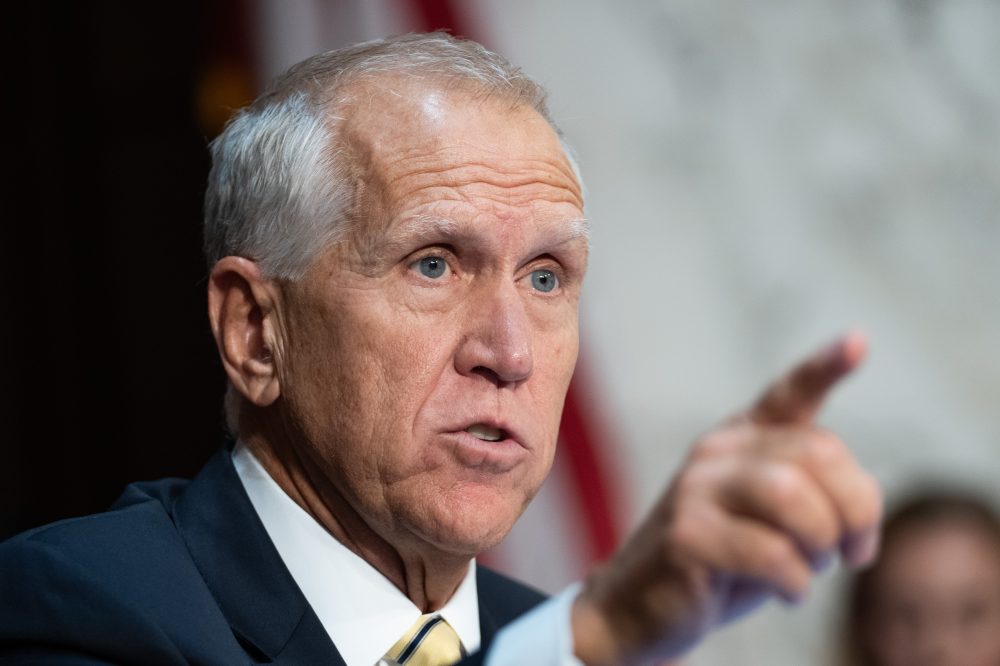
WASHINGTON — A Republican senator whose support is critical to moving Todd Blanche’s attorney general nomination forward said Thursday that he will not cast his vote until Blanche sits down with Jeffrey Epstein’s accusers.
Sen. Thom Tillis made the remarks one day after Blanche faced tough questions at his Senate confirmation hearing about how the Justice Department has handled millions of files tied to the Epstein sex trafficking investigation.
Tillis told reporters Thursday that he is favorably inclined toward Blanche but has not reached a final decision. He pointed to statements Blanche made Wednesday indicating a willingness to meet with Epstein’s accusers, and said he expects that meeting to take place before he is “willing to vote out of this committee.”
Shortly after Tillis spoke, Blanche arrived at a Senate office building and told reporters that an earlier attempt to meet with the accusers had fallen through. He said his team was working to find another time either later Thursday or on a different day.
“The Department of Justice will always meet with victims or their representatives, and if those victims or their representatives have evidence that anybody committed a crime — whether it has to do with Jeffrey Epstein or anybody else — we will of course move forward and investigate and prosecute,” Blanche said.
Earlier Thursday, Epstein accuser Dani Bensky addressed lawmakers directly, saying that women harmed by Epstein had tried to reach Blanche “through multiple channels and he never responded.”
“We deserve to be heard directly, not dismissed and ignored,” Bensky said.
Blanche has disputed claims that the Justice Department has been dismissive of the late financier’s accusers. He said Wednesday that department officials have spoken with more than 30 representatives of the women as part of a broad review of the Epstein files.
Blanche has also stood behind the department’s phased release of the Epstein documents, even as that process ran into serious problems — including redaction errors that accidentally exposed nude photographs showing the faces of potential victims.
During his confirmation hearing Wednesday, Blanche said he accepts responsibility for those errors but noted that department attorneys were handed a “herculean task” to quickly sort through millions of files for public release. He said lawyers worked hard to protect the identities of the women involved and moved quickly to correct any mistakes.
“I am sorry that in about 1% of the documents mistakes were made,” Blanche said Wednesday. “But what I will say on top of that is we put tons of resources to rectifying those mistakes immediately, including pulling down documents within minutes of being informed that there were mistakes.”
SOUTHPORT, England — American golfer Bryson DeChambeau let his clubs do the talking Thursday, posting a three-under-par 67 in his first round at the British Open on a sunny day at Royal Birkdale — a performance that pushed back hard against recent criticism of his links-course abilities.
Wielding a set of 3D-printed irons, the two-time U.S. Open champion looked like a player completely at ease with the demands of links golf, slapping hands with fans along the way as he navigated the rolling course with confidence and precision.
His showing stood in sharp contrast to what three-time Open champion Nick Faldo had said in the days before the tournament began — that DeChambeau had “zero clue on strategy” when it came to this style of play. The 32-year-old wasted no time making his case, opening with back-to-back birdies and picking up three more strokes on the back nine.
The only blemish came at the 18th hole, where he missed a short putt and walked away with a bogey. Still, given the fast and demanding conditions, DeChambeau has positioned himself as a genuine contender for the Claret Jug.
“It was a hard-fought battle out there. The wind was switching quite a bit. It was fun seeing the fans going at us, and they were rooting for all of us,” DeChambeau told reporters. “It was fun just seeing the ups and downs of the group, but we all played pretty well. It was a lot of fun.”
Known for his aggressive approach and ability to launch the ball enormous distances off the tee, DeChambeau had struggled at major events this year, failing to make the cut at each of the three previous majors. On Thursday, however, he topped both of his playing partners — 2025 champion Scottie Scheffler, who finished at two-under with a 68, and England’s Tyrrell Hatton, who came in at 69.
“I feel like I did a really good job today of being incredibly strategic and focused super hard on placing it in the right places,” DeChambeau said. “Besides 18, I placed the ball in some good areas. I just need to hit more fairways. Other than that, I feel like my strategy was nice today.”
There were hints that DeChambeau was getting comfortable with links-style play last year at Royal Portrush. After stumbling with a seven-over 78 in round one, he bounced back with rounds of 65, 68, and 64 to finish in a tie for tenth place.
Playing partner Hatton said DeChambeau’s strong start should come as no surprise to anyone watching closely.
“He flights the ball great. His ball flight today was really good. He didn’t really hit many bad shots,” Hatton said.
DeChambeau said he thrives when the challenge is tough and expressed genuine appreciation for the chance to play alongside world number one Scheffler.
“Any time you get off to a great start, it’s awesome, but there’s three more days,” he said. “There’s still a lot of golf to be played. But ultimately from my perspective I was really excited about the way I played.”
“It was fun playing with Scottie, seeing how good he strikes the ball. I’ve wanted to play with him for a while now. Seeing how he struck the ball today was beautiful. It’s a good gauge, right? It tells me kind of where my game’s at. Also shows me where he’s at.”
A shoulder closure is currently in effect on Bay Road, also known as Delaware Route 1, in the southbound direction between Thompsonville Road and Jenkins Pond Road.
Drivers traveling through that stretch of roadway should expect reduced shoulder space and are encouraged to remain alert and proceed with caution.
No further information regarding the cause of the closure or an estimated time for it to be lifted was made available at this time.
Cryptocurrency exchange Crypto.com announced Thursday that Citadel Securities, a major global market maker, has poured $400 million into the company through its first-ever institutional investment round, placing Crypto.com’s total valuation at $20 billion.
Over the past year, banks, exchanges, and asset managers have been rapidly closing the gap between conventional financial systems and digital currencies, rushing to establish footholds in crypto markets.
Clearer regulations, surging demand from institutional players, and the growing use of tokenized assets have pushed major financial players to put money into infrastructure covering stablecoins, asset custody, trading platforms, and blockchain-based settlement systems.
Founded by billionaire Ken Griffin, Citadel Securities operates as a top-tier global market maker, supplying liquidity across various asset classes and helping keep financial markets running smoothly and efficiently.
Jim Esposito, president of Citadel Securities, commented on the move: “The convergence of traditional financial markets and digital asset infrastructure is an exciting evolution with the potential to further improve market efficiency.”
The crypto industry, which was once avoided by many large institutional investors following a string of notable failures, has managed a striking turnaround in recent times.
Crypto.com CEO Kris Marszalek expressed optimism about the road ahead, saying, “The size of the opportunity in front of us is staggering, as crypto increasingly becomes the rails for finance.”
Crypto.com said the newly raised funds are expected to speed up its growth into additional asset categories, including tokenized securities and derivatives products.
A number of dedicated crypto firms have been expanding their offerings beyond digital assets in recent months, part of a wider effort to evolve into full-service financial platforms. Competitor Coinbase, for example, rolled out stock trading last year.
Despite the industry’s momentum, price swings remain a significant obstacle to wider adoption. Bitcoin, often viewed as a gauge of overall investor confidence in crypto, has dropped nearly 27% so far this year as economic uncertainty and global tensions pushed investors toward safer assets.
The total crypto market is currently valued at roughly $2.3 trillion, according to data from CoinGecko. Top executives in the sector maintain that the recent dip in prices does not point to any underlying weakness in the industry’s fundamentals.
Ontario has formally asked the Canadian federal government for help evacuating people from remote northern communities being threatened by out-of-control wildfires, as smoke from the blazes pushed poor air quality into Toronto and across much of the northeastern United States on Thursday.
Canada is currently dealing with more active wildfires than it had at the same point in either of the past two years, and the total area burned so far this season is larger than it was in 2025. The majority of the fires are burning in remote parts of the central provinces of Manitoba, Saskatchewan, and Ontario.
Ontario’s minister of emergency preparedness, Jill Dunlop, announced the move on social media platform X. “In response to the significant threat of wildland fire activity in northern Ontario, the province has issued a formal Request for Assistance to the Government of Canada to be prepared to expedite the deployment of federal resources to support evacuations,” Dunlop wrote. She noted that the request includes potential deployment of the Canadian Armed Forces.
Prime Minister Mark Carney said in prepared remarks that the federal government is maintaining close contact with provincial and municipal leaders and stands ready to provide whatever additional support may be needed.
Indigenous communities in remote areas have been hit especially hard by wildfires in recent years. Indigenous Services Canada reported that as of July 15, approximately 1,600 people had already been evacuated from First Nations communities due to fires this season.
As of Thursday, roughly 859 fires were burning across Canada, with 113 classified as out of control, according to government figures. In total, approximately 2.384 million hectares — or about 5.89 million acres — have burned so far this season.
Speaking Wednesday evening, Prime Minister Carney described a rapidly worsening situation. “The wildfire situation has escalated significantly over the last three weeks across the country, and particularly in Northwestern Ontario,” he said. “Thousands of people have been forced to evacuate their communities, not knowing if their homes will survive.”
Canadian National Railway reported that its employees in the region, along with residents of the town of Armstrong, were evacuated Monday night after a video circulated widely on social media showing one of its trains engulfed in flames in the area. The company said it has halted rail operations near Armstrong — a community located more than 500 kilometers, or about 310 miles, north of Toronto — as a safety precaution.
Vancouver-based Fury Gold Mines announced Wednesday that it has temporarily halted exploration and drilling at its Eau Claire project in northern Quebec after evacuating all workers due to a nearby forest fire.
Australia-listed Green Technology Metals, a company focused on lithium exploration, also has a mining operation near Armstrong. The company did not respond to inquiries about whether its staff had been evacuated.
Most gold mining operations in northern Ontario are situated well away from the areas currently affected by the fires.
Nicaragua announced Thursday that it is severing diplomatic ties with Italy, escalating a dispute rooted in the decades-old assassination of a former Italian prime minister.
According to Nicaragua’s foreign ministry, the break was prompted by remarks made by Italian Foreign Minister Antonio Tajani, who publicly criticized Nicaragua for sheltering Alessio Casimirri — a former member of the far-left Red Brigades who was convicted in connection with the 1978 killing of former Prime Minister Aldo Moro.
Tajani had taken issue with Nicaragua’s decision to extend citizenship to Casimirri, effectively shielding him from extradition to Italy.
Moro, who had served as Italy’s prime minister and led the country’s Christian Democratic party, was abducted by the Red Brigades in March 1978. The militant group demanded the release of their jailed comrades in exchange for Moro’s life. That exchange never happened, and roughly two months after his kidnapping, Moro’s body was discovered in the trunk of a car.
Italy’s foreign ministry responded to Nicaragua’s move by standing firmly behind Tajani’s demand that Casimirri be handed over. Tajani made the country’s position clear: “We tell Nicaragua that granting immunity to a criminal is unacceptable.”
The Delaware Department of Justice, the City of Wilmington, and the Wilmington Police Department have jointly made public body-worn camera footage tied to an officer-involved shooting that occurred on June 24, 2026.
The shooting involved a man identified as Kadir Skinner and took place near the area of 24th and Carter Streets in Wilmington.
Video recordings from three separate officers have been released as part of this disclosure. The footage begins shortly after the start of the incident.
The release was coordinated among all three agencies as part of the review process for officer-involved shootings in the city.
America’s major television networks are facing a tough call: should they put President Donald Trump’s upcoming primetime speech on the air? The address, planned for Thursday, is expected to center on election security — a topic that comes with significant baggage just four months before critical midterm elections.
Historically, broadcast networks have aired presidential speeches like this one, viewing them as matters of public interest. But this situation is more complicated than most.
According to a Reuters report from Wednesday, the White House is considering using the speech to reveal sensitive intelligence regarding China’s intentions or capabilities to interfere in the 2020 U.S. election — information that some officials within the Trump administration are concerned could be presented in a misleading way.
Trump has spent years casting doubt on election results, falsely asserting that his 2020 defeat to Democrat Joe Biden was the result of a rigged process. He has also repeatedly claimed, without supporting evidence, that mail-in ballots are prone to fraud, that voting machines can be manipulated, and that non-citizens are casting votes in significant numbers.
Several Democrats are pushing back against the idea of airing the speech at all. U.S. Representative Alexandria Ocasio-Cortez is among those urging networks to decline, arguing that Trump will likely repeat claims that have already been proven false.
Spokespeople for the three major broadcast networks — ABC, CBS, and NBC — did not respond when asked whether they intend to carry the speech live. CNN and Fox News also declined to comment.
Choosing not to air the speech carries its own risks. The Trump administration has already applied extraordinary pressure on the major broadcast networks, and refusing could further strain those relationships.
Walt Disney-owned ABC is currently dealing with two open inquiries from the Federal Communications Commission. One of those involves a question of whether its daytime program “The View” broke equal-time rules by featuring a Democratic Senate candidate from Texas.
NBC and its parent company, Comcast — which Trump has mockingly called “Concast” — have also been frequent targets of the president’s criticism. Just last month, Trump walked out of an interview with NBC political reporter Kristen Welker, calling the network “a one-sided crooked network.”
Comcast recently announced it plans to divide into two separate publicly traded companies by spinning off NBCUniversal and Sky. Industry analysts have noted the move could make NBCUniversal an appealing acquisition target.
CBS is navigating its own set of challenges. The takeover of Paramount by David Ellison — whose billionaire father Larry is a Trump ally — has stirred unrest inside the newsroom and led to the departure of senior staff from the long-running news program “60 Minutes.” Some employees have alleged that political considerations have influenced editorial decisions, a claim the network has denied.
Ellison is still awaiting FCC approval for Paramount’s planned acquisition of Warner Bros. Discovery, a deal that would hand him control of CNN — a network Trump has long accused of covering him unfairly. The U.S. Justice Department’s Antitrust Division signed off on the deal last month.
Fox News, the conservative-leaning cable channel owned by Rupert Murdoch, typically broadcasts all of Trump’s speeches. However, the network may have reason to be cautious this time around. In 2023, Fox News agreed to pay $787 million to settle a defamation lawsuit stemming from its coverage of false claims about the 2020 presidential election.
DALLAS — Conference USA announced its 2026 football preseason watch list on Thursday, with the selections made by the league’s 10 head coaches.
The list recognizes five standout student-athletes from each of the conference’s 10 member institutions, spotlighting players considered ones to watch as the 2026 season approaches.
For the University of Delaware’s Fightin’ Blue Hens, five players earned recognition: punter Josh Cupitt, offensive lineman Steven Demboski, defensive end Noah Matthews, quarterback Nick Minicucci, and safety KT Seay.
Northbound travelers on Interstate 95 should be aware of a work crew operating on the shoulder of the highway this afternoon.
A trash removal operation is currently active along the northbound lanes between the Maryland state line and the Newark Toll Plaza. The work is expected to continue until 3 p.m.
Drivers passing through that stretch are encouraged to slow down and stay alert for workers and equipment near the roadway.
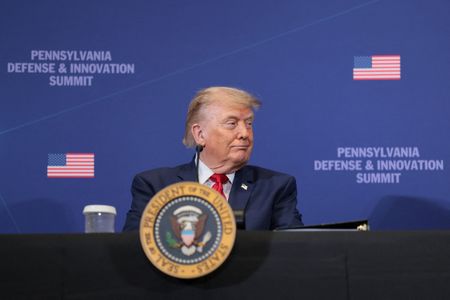
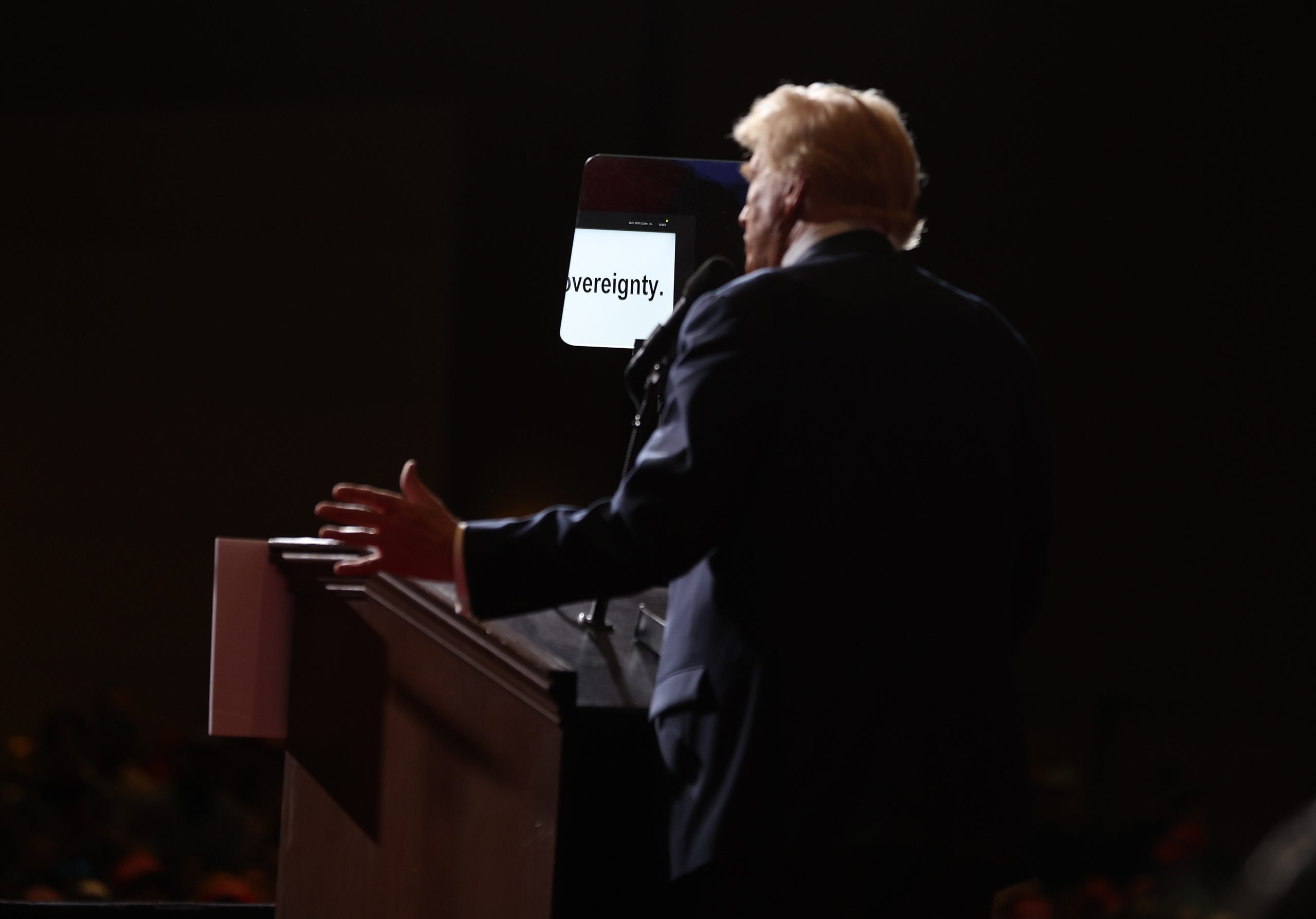
Federal investigators are examining whether a teleprompter operator working inside the White House used advance knowledge of President Trump’s public statements to place profitable bets on a prediction market — making it the first known probe of its kind involving someone inside the executive residence.
The investigation centers on whether the individual, who would have had early access to the president’s scripted remarks before they were delivered publicly, used that privileged information to gain a financial edge on a prediction platform.
Authorities say this case represents an unprecedented situation — the first time officials have looked into suspected insider trading on a prediction market tied to someone working within the White House itself.
NEW YORK — Hockey fans are in for a bigger season than ever before. The NHL has released its 2026-27 schedule, and it will be the largest in the league’s history — with each of the 32 teams playing 84 games, the most since the 1993-94 campaign.
The regular season gets underway on September 29, with all 32 teams combining for a grand total of 1,344 games. Play continues through Saturday, April 10, before the postseason tips off the following week. Most clubs will be limited to just four preseason contests to help accommodate the longer schedule.
The jump from the longtime standard of 82 games per team was negotiated between team owners and players during the most recent collective bargaining agreement discussions. The goal is to create more breathing room between the end of the Stanley Cup Final and the NHL Draft in late June, before free agency opens on July 1. When the Panthers and Oilers went to a Game 7 in 2024, teams had only three days between that June 24 finale in South Florida and the draft’s first round on June 28 in Las Vegas.
The season opener on September 29 features five games and ties the earliest start date in NHL history. It will also be the first time the regular season has launched on North American ice before October. Back in 2007, the Anaheim Ducks and Los Angeles Kings played games in London on September 29 and 30, but that was overseas. The only other September hockey outside of exhibition play happened during the 2020 pandemic bubble, when Tampa Bay captured the Stanley Cup in an empty Edmonton arena on September 28.
To open the new season, the Carolina Hurricanes — fresh off defeating Vegas to claim the Stanley Cup — will raise their second championship banner on September 29 when they host Florida.
Here are some of the most anticipated dates on the schedule:
October 21: Brady Tkachuk, now a member of the Florida Panthers, returns to Ottawa to face his former team for the first time since being traded. The former Senators captain will play alongside his brother Matthew in Florida. His departure from Ottawa was a rocky one, from reports of his name circulating in trade rumors to the team offering to swap out Tkachuk No. 7 jerseys for fans who wanted to turn them in.
October 25: The Heritage Classic returns to Canada for the first time since 2023, as the Montreal Canadiens travel to Winnipeg to take on the Jets in an outdoor game.
December 21: The Hurricanes head back to Las Vegas for a Stanley Cup Final rematch against the Golden Knights. The two teams will meet again in Raleigh, North Carolina, on January 17.
December 31: The Winter Classic heads to Salt Lake City, where Utah will host the Colorado Avalanche in an outdoor New Year’s Eve showdown.
February 20: The Dallas Stars bring NHL hockey to the Dallas Cowboys’ stadium in Arlington, Texas, hosting the Vegas Golden Knights at Jerry World.
April 4: Washington hosts Pittsburgh in what could be a historic farewell matchup. Alex Ovechkin returns for his 22nd NHL season with the Capitals at age 41. If it turns out to be his final regular-season game against the Penguins — though he may push on in pursuit of 1,000 career goals — it would mark the last time he faces Sidney Crosby and Evgeni Malkin in the regular season.
Motorists traveling through New Castle County should be aware of upcoming lane restrictions on State Route 1, according to the Delaware Department of Transportation (DelDOT).
Beginning the night of Monday, July 20th, lanes will be closed along SR-1 in the stretch between SR-72, Wrangle Hill Road, and the Roth Bridge. The closures will be in effect during overnight hours, running from 7 p.m. through 9 a.m.
DelDOT says the specific construction schedule will differ depending on the day and whether work is being done in the northbound or southbound direction.
Crews will be on site to carry out concrete pavement patching, known as PCC patching, as well as a final layer of paving over the roadway.
Drivers are encouraged to allow extra travel time or consider alternate routes during the overnight construction window.
Myles Garrett has long been considered one of the NFL’s most feared defensive players, and now he has the official recognition to back it up. After a historic campaign that saw him record 23 sacks — a single-season record — and a trade from Cleveland to the Los Angeles Rams this past June, Garrett has been voted the best edge rusher in football by an Associated Press panel heading into the 2026 season.
Eight AP Pro Football Writers participated in the ranking process, evaluating the top five edge rushers based on where players stand entering the upcoming season. First-place votes carried 10 points, while second through fifth place earned 5, 3, 2, and 1 points respectively.
Garrett was the unanimous choice at the top, collecting all eight first-place votes for a perfect score of 80 points. Green Bay’s Micah Parsons was the only other player to appear on every ballot, finishing second with 27 points. Houston’s Will Anderson Jr. landed in third, Pittsburgh’s T.J. Watt came in fourth, and Detroit’s Aidan Hutchinson rounded out the top five.
Also receiving votes were Brian Burns of the New York Giants, Baltimore’s Trey Hendrickson, Las Vegas’ Maxx Crosby, San Francisco’s Nick Bosa, and Jacksonville’s Josh Hines-Allen.
Last season, Garrett claimed his second AP Defensive Player of the Year award and earned All-Pro recognition for the fifth time after shattering the single-season sack record previously shared by Michael Strahan and T.J. Watt. His 125½ career sacks rank second only to Reggie White among players through their first nine NFL seasons, and he is the only player in league history to record at least 14 sacks in five consecutive seasons.
With just three career playoff appearances during his time in Cleveland, Garrett now joins a Rams team considered a preseason Super Bowl favorite, giving him a prime opportunity to shine on the postseason stage.
Parsons, who was traded from Dallas to Green Bay before last season, posted 12½ sacks in 14 games and earned his third career All-Pro nod before suffering a torn ACL in Week 15. That injury is expected to keep him sidelined for at least the beginning of the upcoming season. Still, Parsons has been remarkably consistent, becoming the only player in NFL history to begin a career with five straight seasons of at least 12 sacks.
Anderson has emerged as the centerpiece of one of the league’s premier defenses. Last season he recorded 12 sacks and 20 tackles for loss, earning his first All-Pro honor and a three-year, $150 million contract extension in the offseason. Through three seasons with the Texans, the 24-year-old has amassed 30 sacks, 136 tackles — including 46 for loss — 64 quarterback hits, four forced fumbles, and three fumble recoveries.
Watt, while not quite at his peak production, remains a dangerous pass rusher. He notched seven sacks in 14 games last season and earned his eighth consecutive Pro Bowl selection. Over his career, he has led the NFL in sacks three times and owns 115 career sacks.
Hutchinson bounced back from an injury-shortened 2024 season to post a career-best 14½ sacks, earning a second Pro Bowl berth and second-team All-Pro honors. The second overall pick in the 2022 draft now has 43 career sacks, 100 quarterback hits, 44 tackles for loss, and five interceptions across 56 career games.
Prospective homebuyers are facing steeper borrowing costs this week after the average 30-year fixed mortgage rate jumped to its highest level in nearly 12 months.
Freddie Mac reported Thursday that the benchmark 30-year fixed mortgage rate climbed to 6.55%, up from 6.49% the previous week. At the same point last year, the rate stood at 6.75%.
The increase in mortgage rates can translate to hundreds of additional dollars each month for borrowers, shrinking what homebuyers can afford at a time when many aspiring owners are already being pushed out of the market.
Several forces shape where mortgage rates land, including the Federal Reserve’s decisions on interest rates and what bond market investors expect for the economy and inflation. Rates generally move in step with the 10-year Treasury yield, which lenders use as a benchmark when setting home loan prices.
Rates have trended upward for much of this year, largely driven by the war with Iran, which has sent crude oil prices sharply higher and fueled expectations of increased inflation. That has pushed long-term bond yields above where they were before the conflict began in late February, pulling mortgage rates higher along with them.
The 10-year Treasury yield stood at 4.57% midday Thursday, slightly above 4.54% from a week earlier. Before the war started in late February, that yield was just 3.97%.
The current 30-year mortgage average is the highest since August 28, when it reached 6.56%. As recently as late February, the average rate had briefly dipped below 6% for the first time since late 2022.
Rates on 15-year fixed mortgages — a popular option for homeowners looking to refinance — also moved higher. That average rate rose to 5.93% from 5.82% the week before. A year ago, it sat at 5.92%, Freddie Mac reported.
A separate report released this week showed that consumer prices for items like gas and clothing cooled last month, which could ease some pressure on the Federal Reserve as it weighs whether to raise interest rates. While the Fed does not directly control mortgage rates, its decisions on short-term rates are closely watched by bond investors and can ultimately influence 10-year Treasury yields.
Hannah Jones, senior economist at Realtor.com, said the cooler inflation reading “is a step in the right direction, but until mortgage rates actually follow suit, buyers will keep feeling the pinch of stubbornly high borrowing costs even as other conditions improve.”
Even though current long-term mortgage rates are still below where they were a year ago, the upward climb has weighed on home sales throughout the year.
The latest data on pending home sales — contracts signed but not yet finalized — points to a potentially sluggish summer for the housing market. The National Association of Realtors reported Thursday that pending U.S. home sales dropped 5.4% in June compared to May, and were down 0.3% from June of last year. Pending sales typically serve as a near-term indicator for the market since there is usually a one-to-two month gap between a signed contract and a completed sale.
Mortgage application data also reflects the cooling effect of higher rates. Total mortgage applications — covering both home purchases and refinances — fell 2.7% last week compared to the week before, the Mortgage Bankers Association reported. Applications specifically to purchase a home led the decline, dropping 7%.
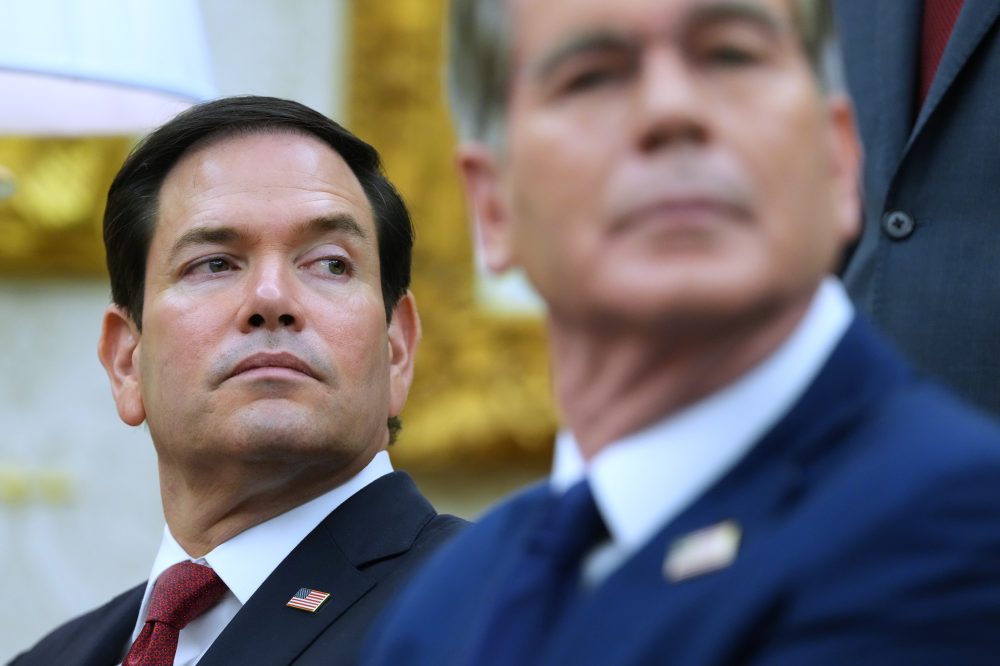
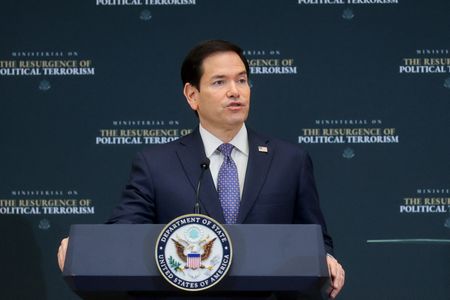
Secretary of State Marco Rubio hosted a gathering of officials from more than 60 nations Thursday, making it the latest move by the Trump administration to spotlight what it describes as a dangerous rise in left-wing political terrorism — an issue Republicans are pushing hard ahead of this November’s midterm elections.
The focus on left-wing violence comes despite research indicating that such incidents remain rare in the United States, particularly when compared to historically higher levels of violence from the far right.
Speaking in sweeping terms about what he called an “alarming rise” in politically motivated violence from the left, Rubio joined other U.S. officials in warning of dire consequences if those he described as “communists and Marxists” are not stopped. He called on attendees — drawn largely from European and Latin American nations — to join forces against what he argued has been a “blind spot” in how countries approach counterterrorism.
“So many people in positions of power have repeatedly dismissed acts of violence and even terrorism as legitimate forms of political expression, so long as they served a left-wing cause,” Rubio said in his opening remarks. “A bomb planted by a neo-Nazi group was ‘a nefarious and murderous act of evil.’ It is, but a bomb planted by a Marxist revolutionary; well, that’s just merely a tragic excess of idealism.”
A report released last year by the Center for Strategic and International Studies found that left-wing terrorism attacks had, as of July 4, 2025, exceeded those from the far right for the first time in over three decades. However, analysts note the increase reflects a very low baseline — and a simultaneous decline in far-right incidents.
According to the report, left-wing incidents averaged just 0.6 per year between 1994 and 2000, while right-wing incidents averaged 20.6 annually during that same period. Between 2016 and 2024, left-wing attacks averaged four per year compared to 22.7 on the right. By early July 2025, far-right incidents had fallen sharply to just one, while five left-wing incidents had been recorded.
The report’s authors caution that far-right terrorism could quickly return to elevated levels, and that combating terrorism across the political spectrum remains essential.
President Donald Trump and his political allies have made opposition to the far left a centerpiece of their messaging ahead of the November congressional elections. Trump has repeatedly claimed that the Democratic Party’s growing left wing consists of communists seeking to “completely destroy the traditional American way of life” and even carry out political assassinations.
Vice President JD Vance has similarly warned about communism as a political movement “something we haven’t seen in the U.S.,” while House Speaker Mike Johnson has spoken out against what he calls “radical candidates” who are “self-described, self-identifying Marxists.”
For Rubio, his perspective on this issue is deeply personal. He is the son of Cuban immigrants who came to Miami in May 1956, just before communist leader Fidel Castro took power in Havana. The former Florida senator said Thursday that Cuba’s intelligence and ideological network “helped to build the far left in our country and in our hemisphere.”
Stephen Miller, Trump’s deputy chief of staff and the primary architect of the administration’s immigration policy, spoke after Rubio and emphasized what he sees as an urgent need to defend American institutions from left-wing threats.
“If your civilization is your home, you must defend it with the same passion and force as if an enemy intruder is inside your own house where your family lives,” Miller said. “That is the level of dedication and urgency that is required.”
Critics have noted that this ideological framing repeatedly blurs the line between democratic socialism — which typically focuses on goals like universal healthcare, higher taxes on the wealthy, and tighter corporate regulations — and communism, which calls for the elimination of private ownership.
The administration’s focus has intensified over the past year, following the election of democratic socialist Zohran Mamdani as New York City mayor and the recent primary victories of several of his allies in New York City congressional races, where they defeated sitting incumbents.
One concrete step the administration has taken is the use of financial sanctions. In November, the State Department designated four antifa, or anti-fascist, groups in Europe as foreign terrorist organizations. Treasury Secretary Scott Bessent told Thursday’s conference that cutting off these groups’ financial networks is the most effective way to neutralize them.
“We have spent decades developing the world’s most sophisticated financial counterterrorism capabilities, and now we are mobilizing some of the same tools that we have deployed against terrorists abroad to confront this emerging threat here at home,” Bessent said.
RIO DE JANEIRO — Brazil’s government is pushing back hard against a newly announced U.S. tariff, calling it unjustifiable and promising to hit American products with retaliatory measures of its own.
On Wednesday, the United States announced it would place a 25% tariff on a range of Brazilian imports, pointing to what it described as unfair trade practices by the world’s tenth-largest economy. The tariffs were first floated last month and are scheduled to kick in on July 22.
Not everything will be affected — the order carves out items that aren’t made in the U.S. or that could cause supply chain disruptions if taxed, such as coffee, beef, oranges, orange juice, and aircraft parts.
The office of Brazilian President Luiz Inácio Lula da Silva fired back late Wednesday, disputing the U.S. characterization of Brazil as an unfair trading partner. According to the statement, 76% of U.S. goods entering Brazil in 2025 did so without any tariff, and the average duty applied to American products was just 3.1%.
Brazil’s government said it has already begun the process of imposing matching tariffs and other trade countermeasures. “Brazil will immediately begin the procedures necessary to invoke the mechanisms provided for under the reciprocity law … and will also pursue the matter through the World Trade Organization’s dispute settlement mechanism,” the statement read.
The move is a notable one, given that Brazil is not the typical target of U.S. trade complaints. While the U.S. runs large trade deficits with many countries, it has consistently run trade surpluses with Brazil. Last year, American exports to Brazil outpaced imports by nearly $42 billion — a gap exceeded only by U.S. surpluses with the Netherlands and the United Kingdom.
Brazil’s National Confederation of Industry weighed in Thursday, warning that the new tariff puts pressure on exports and creates uncertainty for businesses in both countries.
This is not the first time the two nations have clashed over trade. Last July, the Trump administration imposed a 50% tariff on Brazilian imports, with the president citing what he called a “witch hunt” against former Brazilian President Jair Bolsonaro, who was then on trial for allegedly attempting a coup after losing the 2022 election to Lula. Bolsonaro was later convicted. Some of those earlier tariffs were eventually rolled back.
At that time, President Trump also accused Brazil of unfair trade practices and directed U.S. Trade Representative Jamieson Greer to launch an investigation under Section 301 of the Trade Act of 1974. That inquiry resulted in charges against Brazil in June, including allegations of lax anti-corruption enforcement and unfair tariff structures.
President Lula referenced that history on Wednesday, placing blame for the latest round of tariffs on the Bolsonaro family. His office also stated: “Brazil does not recognize the legitimacy of investigations that are not grounded in the multilateral rules governing international trade.”
U.S. Secretary of State Marco Rubio announced the tariff in a post on X, claiming the decision came because Lula put “his own ego ahead of making a deal” and failed to negotiate in good faith with the United States. Brazil’s government rejected that assertion, saying it had “never left the negotiating table.”
The timing adds political complexity, as Brazil heads toward a presidential election in October. President Lula is expected to face Sen. Flávio Bolsonaro, a son of former President Jair Bolsonaro, in that race.
Flávio Bolsonaro shared Rubio’s post on social media, adding his own commentary: “Lula is no longer fit to be the president of Brazil. We are on a plane without a pilot.” He also referred to Lula as “the Brazilian Biden,” saying he “is grumpy, reckless, and has become a danger to our nation.”
Both leading candidates for October’s election have already been sparring over how best to respond to the widely unpopular U.S. tariffs, signaling that trade policy is shaping up to be a major issue on the campaign trail.
MIAMI (AP) — The Trump administration is bringing back a policy that could prevent immigrants from obtaining green cards if they have relied on public assistance programs such as food stamps, Medicaid, or housing vouchers.
The policy, referred to as the “public charge” rule, appeared in the Federal Register on Thursday and is scheduled for formal publication on July 20. It will officially go into effect on September 18, according to U.S. Citizenship and Immigration Services.
The rule was originally put in place in February 2020 during President Donald Trump’s first term as part of efforts to restrict legal immigration. When Democratic President Joe Biden took office, the policy was reversed.
Under the rule, those applying for green cards must demonstrate that they would not become financially dependent on the government — what the policy terms a “public charge.”
The policy’s return comes as the Republican administration pursues aggressive efforts to reduce both illegal and legal immigration, even as the costs of food and healthcare continue to climb across the country.
“The federal government is reaffirming the requirement of self-reliance, protecting public resources and ending policies that encouraged dependency on the backs of hard-working American taxpayers,” U.S. Citizenship and Immigration Services wrote in a post on its X account.
“Under President Trump, USCIS is restoring the basic principle that immigrants must be able to support themselves,” the agency added.
While much of the administration’s immigration crackdown has centered on deportations and enforcement operations in cities, at the border, and at ports of entry, it has also pursued measures that affect legal immigrants and families of mixed immigration status.
Federal law has long required applicants for permanent residency to show they will not become a public charge. However, the Trump administration’s version of the rule expands the list of programs that could disqualify an applicant.
The administration first pushed the rule in 2018, framing it as a means of ensuring that only self-sufficient individuals would come to the United States. Immigrant rights advocates pushed back, calling it a “wealth test,” while public health experts warned it could lead to worse health outcomes for immigrant communities.
Advocacy organizations have noted that the policy created widespread confusion and fear, prompting many immigrants — and even their U.S.-born family members — to avoid applying for benefits and services they were legally entitled to receive.
The most prized trophy in soccer will arrive at the New York-New Jersey stadium in a one-of-a-kind Louis Vuitton trunk, marking the fifth consecutive time the French luxury fashion house has been chosen to design the official carry case for the World Cup prize.
The custom trunk is adorned with a large golden “V” across the front — a nod to both “Victory” and “Vuitton” — along with the brand’s well-known monogram design and gold-plated brass corner guards. Inside, the case is lined with beige leather and includes a special patch honoring the ongoing partnership between Louis Vuitton and FIFA.
This marks the fifth straight tournament in which Louis Vuitton has crafted the trophy’s traveling case, following previous designs used at the 2010, 2014, 2018, and 2022 World Cups.
Louis Vuitton CEO and Chairman Pietro Beccari spoke to the significance of the relationship in a prepared statement: “For over a decade, Louis Vuitton and FIFA have shared an unwavering commitment to excellence, bound by a shared belief in sport’s power to inspire and bring people together.”
The intersection of luxury brands and professional sports is nothing new. Tiffany & Co. has been crafting the Super Bowl championship prize — now called the Vince Lombardi Trophy — since the very first game back in 1967.
Louis Vuitton also produces custom trophy trunks for major Grand Prix events through a 10-year agreement with Formula 1.
Still, the World Cup trophy holds a unique distinction. The iconic prize normally lives at the FIFA Museum in Zurich, and because only one exists, creating its bespoke travel case is considered a particularly prestigious honor.
France and Germany are sitting down this week for joint defense talks, with both nations hoping to prove they can still work as partners even as tensions over major weapons programs have put their relationship under pressure.
The French presidential office announced that the two countries will take up issues including nuclear deterrence, missile defense systems, long-range strike weapons, and space cooperation during a joint ministerial retreat. The goal is to show that Europe’s two biggest defense players remain capable of working together.
The timing is significant. Just weeks ago, industrial competition between the two nations forced them to abandon the Future Combat Air System, or FCAS — a landmark program intended to produce a next-generation fighter jet. That collapse came at a moment when the United States is actively pushing European nations to invest more in their own defense.
The problems don’t stop there. A joint Franco-German project to develop a next-generation tank has also experienced delays, a multinational drone program aimed at producing a European rival to the American Reaper drone has hit setbacks, and competition in the space sector has further strained the relationship.
The Franco-German Defense and Security Council, along with a broader joint ministerial session, is scheduled for Thursday and Friday near Cologne. Two joint declarations are expected to follow the meetings.
A French official was candid about the challenges, saying the discussions were “not a path where everything is necessarily aligned,” but emphasized that Franco-German defense industry cooperation extends well beyond the failed FCAS program.
A German official indicated that both sides are expected to reach an agreement on how parts of the FCAS project will continue moving forward. Both countries have committed to developing data-sharing links between warplanes and related software, commonly referred to as a “combat cloud.”
Also on the agenda is a proposal put forward by France’s leader in March for what he called “forward deterrence” — a plan that would allow European allies to participate in French nuclear deterrence exercises and temporarily station French nuclear assets on their soil. A German official said Berlin now expects to agree that German troops will take part in a French nuclear exercise this coming autumn.
At the heart of the Franco-German defense relationship lies a deeper disagreement: how much Europe should rely on American weapons technology, particularly at a time when the continent is questioning whether President Donald Trump can be counted on as a reliable security partner.
France has consistently pushed for Europe to rely more heavily on its own technologies, especially when it comes to missile defense. “On ballistic missile defense, we have always argued to Germany the importance of what is sovereign,” a French presidential office official said.
Space cooperation is also expected to come up, an area that has recently added friction to the bilateral relationship. Both countries are set to reaffirm their support for IRIS², the European Union’s planned secure satellite communications network, even as Germany simultaneously pursues its own separate military satellite project. France views IRIS² as a central pillar of Europe’s push to secure its own communications infrastructure and reduce reliance on foreign providers.
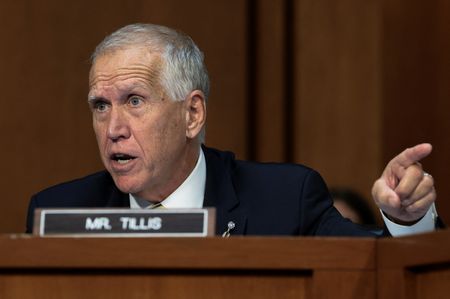
A pivotal Republican member of the Senate Judiciary Committee announced Thursday that he will not support moving President Trump’s attorney general nominee, Todd Blanche, out of committee until Blanche sits down directly with Jeffrey Epstein survivors and their legal representatives.
Senator Thom Tillis made the declaration on the second day of Blanche’s confirmation hearing. Because Democrats on the committee have pledged to vote as a bloc against Blanche, his path forward depends on keeping every Republican on board — making Tillis’s support critical.
“I expect that meeting to occur before I’m willing to vote out of this committee,” Tillis stated. “I’m trying to get to yes, but this is a very important part of getting yes.”
Tillis is one of two Republican senators whose votes are considered uncertain. Senator John Cornyn told Reuters on Wednesday that he was still undecided, saying it remained unclear to him whether a controversial $1.8 billion fund had truly been abandoned.
A group of Epstein survivors say they have been requesting meetings with Blanche for months without receiving any response. During Wednesday’s hearing, Blanche suggested a deputy could meet with the survivors’ lawyers as soon as “today,” but said he was unable to meet with them personally.
Survivor Dani Bensky testified Thursday that the group had still not received any communication from the Justice Department regarding a potential meeting. The Justice Department did not respond to a request for comment.
During the first day of the hearing, Blanche — who currently serves as acting attorney general — faced tough questioning from both Democrats and Republicans over how the Justice Department handled the release of Epstein-related files, which left some victims’ names and photographs unredacted.
Lawmakers from both parties also pushed back hard on the creation of the $1.8 billion “anti-weaponization” fund and a resolution granting Trump and his associates broad immunity from tax audits. Both measures stemmed from a settlement in a $10 billion lawsuit Trump filed against the IRS.
The fund and the tax immunity provision sparked bipartisan anger, with lawmakers arguing the arrangements were designed to financially benefit Trump and his allies. Facing that backlash, Blanche told the committee the fund was dead — but he has since declined to formally cancel it in writing.
The WNBA has postponed Thursday night’s scheduled matchup between the New York Liberty and the Dallas Wings after mechanical problems grounded the Liberty’s charter flight, leaving the team stuck in New York City.
League officials rescheduled the contest for Monday evening, with tip-off set for 8 p.m. ET / 7 p.m. CT.
According to the New York Post, the Liberty were still in New York City on Thursday morning — even though their game in Texas was set to begin at 9 p.m. ET that night.
The team had originally planned to fly to Dallas on Wednesday, but social media posts from Liberty players late that evening made it clear the plane had not left the ground. Liberty rookie Pauline Astier captured the frustration in a post on Instagram, writing in her native French: “10 hours later, still on the tarmac.”
The delay comes at a tough time for New York. The Liberty, now 13-11 on the season, have lost three games in a row and dropped five of their last seven contests. Meanwhile, the Wings are rolling, sitting fourth in the league standings at 16-8 on the back of a season-best five-game winning streak.
Dallas will have some time off before returning to action Sunday, when the team hosts the Los Angeles Sparks at noon local time. The Wings will then turn around the following night to face the Liberty in the rescheduled game. As for New York, the Liberty are scheduled to travel to Indianapolis first to take on the Indiana Fever on Saturday night before finally heading to Texas.
Nigeria’s foreign ministry announced Thursday that the country has successfully completed a voluntary evacuation effort, bringing home a total of 1,490 citizens who fled South Africa amid a string of xenophobic attacks against foreign nationals.
Foreign ministry spokesperson Kimiebi Ebienfa confirmed that a fifth evacuation flight touched down in Lagos on July 15, transporting 305 returnees along with two government officials who traveled from Johannesburg.
According to the government, the decision to carry out the evacuations came after Nigerian officials held discussions with South African authorities regarding growing security concerns tied to the xenophobic violence targeting foreign nationals living in the country, including Nigerians.
Nigeria has spoken out firmly against the attacks on its citizens, pointing to the deaths of at least two Nigerian nationals who were allegedly assaulted by security officials in South Africa.
Spokesperson Kimiebi emphasized that while Nigeria values its strong relationship with South Africa, the government’s stance is unwavering — xenophobia, racial intolerance, and violence directed at Nigerian citizens will not be tolerated under any circumstances.
Delaware’s Department of Natural Resources and Environmental Control is now taking project proposals for its Surface Water Matching Planning Grant Program.
The program is administered through the DNREC Office of Environmental Finance, which manages funding opportunities related to the state’s environmental priorities.
Eligible applicants with surface water-related projects are encouraged to submit proposals for consideration under this matching grant initiative.
The Dover Police Department is looking into a burglary at New Jerusalem Baptist Church, located at 25 Jerusalem Way, that took place in the early morning hours of Wednesday, July 15, 2026.
Officers were called to the church after damage was found inside the building. The break-in is believed to have occurred between 12:35 a.m. and 1:20 a.m. Investigators determined that an unknown individual gained entry to the church and caused substantial damage throughout the interior, including to a security gate, a sanctuary door, and a window.
A fire extinguisher was also taken from inside the building, though it was later recovered in the area nearby.
At this point in the investigation, detectives have not confirmed that any items were stolen from the church.
The case remains active and open. Anyone who may have information about the incident is encouraged to reach out to the Dover Police Department by calling (302) 736-7111. Those who wish to remain anonymous can contact Delaware Crime Stoppers at 1-800-TIP-3333 or submit a tip through their online portal.
Maryland’s Greenspace Equity Program is set to receive $7 million under Governor Wes Moore’s proposed fiscal year 2027 budget, with the funds earmarked for 15 projects spread across nine counties and Baltimore City. The program is designed to create, preserve, and improve public green spaces in communities that face disproportionate environmental burdens or have limited resources.
Under the program’s guidelines, a community qualifies as “overburdened” when pollution levels are measurably higher than in surrounding areas, while “underserved” status is determined by income levels and other key indicators. The selected projects include two land purchases for future parks, along with the development of trails, community gardens, playgrounds, and other public outdoor spaces. The Greenspace Equity Advisory Board was consulted in the administration of the program.
The proposed grants will be submitted to the Board of Public Works for final approval. Any budgeted money that is not assigned to a specific project will be made available in future grant rounds.
The following projects have been selected for FY 2027 funding, pending Board of Public Works approval:
Baltimore City
BLISS Meadows — Backyard Basecamp Inc. will build a fully accessible trail system, inclusive and interactive play spaces, a yurt, benches, and related amenities. Grant amount: $161,916.
Greenmount Park — ReBuild Metro Inc. will install a playground, plantings, and stormwater management on vacant land in East Baltimore’s Johnston Square Neighborhood. Grant amount: $750,000.
Gwynns Falls Leakin Park Trail at Hutton Avenue Improvements — The Baltimore City Department of Recreation and Parks will create trail connections for pedestrians between two major parking lots, the Carrie Murray Nature Center, and the Gwynns Falls Trail off Hutton Avenue. Grant amount: $2 million.
Baltimore County
Powhatan Community Garden — NeighborSpace of Baltimore County will install a community garden at Powhatan Park. Grant amount: $64,890.
Caroline County
Sharp Road Community Park Dog Park — The Town of Denton will build a new dog park at Sharp Road Community Park. Grant amount: $62,700.
Goldsboro Train Station Park — The Town of Goldsboro will convert the area around the local train station into a park featuring site development, an inclusive playground, native landscaping, and outdoor interpretive panels. Grant amount: $250,000.
Garrett County
Grantsville Inclusive Playground Renewal — The Town of Grantsville will replace an outdated playground with a new ADA-accessible, inclusive play area. Grant amount: $320,000.
Montgomery County
Circle Woods Acquisition — The City of Takoma Park will purchase three parcels totaling 0.59 acres to create a public open green space. Grant amount: $69,250.
Poolesville Regional Park Acquisition — The Town of Poolesville will acquire 30 acres of land in the heart of town to establish a public park. Grant amount: $1 million.
Prince George’s County
Seat Pleasant Giving Garden — The City of Seat Pleasant will convert two neighboring lots into a giving garden. Grant amount: $111,940.
Queensbury Road Rain Garden Restoration and Greenspace Enhancement — The Town of Riverdale Park will restore and improve an existing rain garden within the town-owned public right-of-way along Queensbury Road. Grant amount: $120,000.
Talbot County
Easton Crossing — Easton Crossing LLC will develop a publicly accessible green space featuring walkways, paths, a bridge, a rail-to-trail connection, landscaping, and irrigation. Grant amount: $750,000.
BAAM Campus Annex Community Garden and ‘Safety Town’ — Building African American Minds (BAAM) will construct a community garden with raised beds, pollinator gardens, benches, landscaping, and outdoor educational areas. The project will also include a feature called Safety Town — a to-scale paved area designed to look like neighborhood streets and intersections, giving residents a place to practice walking and biking safety skills. Grant amount: $274,140.
Washington County
Marty Snook Park Multimodal Trail and Parking — Washington County will construct a looped, paved multimodal trail at Marty Snook Park, creating a dedicated pathway running parallel to the main park access road. Grant amount: $700,000.
Worcester County
Newton Park Perimeter Trail — Worcester County will develop an approximately one-mile passive walking trail at Newton Park. Grant amount: $200,000.
The National Weather Service office located in Mount Holly, New Jersey has issued an Air Quality Alert, according to an official notice released on July 16.
Residents in the affected area are encouraged to monitor local conditions and limit prolonged outdoor activity during the alert period, particularly those who are sensitive to air quality issues such as the elderly, children, and individuals with respiratory conditions.
For the most up-to-date information on the alert and any changes to air quality conditions, residents should check the National Weather Service website or tune in to local forecasts.
The Newark Police Department will host National Night Out on Tuesday, August 4, 2026, from 6:00 to 8:00 p.m. on Academy Street, between Main Street and Delaware Avenue.
National Night Out is a yearly campaign held across the country aimed at building stronger ties between police and the communities they protect. The event brings together residents, first responders, and local organizations in a shared effort to foster neighborhood unity and cooperation.
THE HAGUE, Netherlands — Judges at the International Criminal Court have unanimously ruled that a Libyan suspect must face trial on 17 charges, including murder, rape, and the torture of prisoners held at a notorious detention facility — setting up what would be the court’s first-ever trial focused on Libya.
The decision targets Khaled Mohamed Ali El Hishri, following a May hearing in which prosecutors presented a summary of their evidence. Prosecutors allege that El Hishri abused detainees held at Mitiga prison over a span of six years, from 2014 to 2020.
In their written ruling, the judges stated that “there are substantial grounds to believe that Mr. El Hishri is responsible” for the crimes outlined in the charges.
Deputy Prosecutor Nazhat Shameem Khan called the ruling a landmark moment for the court, saying it “brings us a step closer to delivering justice for thousands of victims who were unlawfully arrested, detained and subjected to severe suffering in Mitiga Prison.”
Court documents describe El Hishri as a senior commander at the prison who oversaw the women’s section, where sexual violence was said to be rampant. Prosecutors allege his brutal conduct earned him the chilling nickname “Angel of Death.”
The suspect’s attorney, Yasser Hassan, had argued that charges should not be confirmed and challenged whether the court even had authority over the case. In a separate ruling issued this week, judges affirmed that the ICC does have jurisdiction.
No trial date has been announced yet. El Hishri was transferred to the Netherlands in December, after being arrested in Germany in July on a sealed ICC warrant.
Although Libya is not a member of the court, the U.N. Security Council directed the ICC in 2011 to open an investigation into the country as it spiraled into chaos following an uprising that ousted longtime ruler Moammar Gadhafi. The court had issued a warrant for Gadhafi himself, but he was killed by rebels before he could be taken into custody and brought to The Hague.
The ICC has drawn renewed international attention this week after U.S. Secretary of State Marco Rubio announced Monday that the United States was launching what he called a “sweeping campaign to dismantle the threat posed by the International Criminal Court to U.S. sovereignty.”
Rubio said he plans to pressure the court’s 125 member nations to leave the institution, sanction groups that cooperate with the court, and bar ICC staff from entering the United States. He added that countries that rely on U.S. security partnerships would be urged to reject the court’s authority over American citizens.
The Trump administration has already imposed sanctions on the court’s chief prosecutor, Karim Khan, along with more than a dozen other ICC employees. Those measures came in response to warrants the court issued against senior Israeli officials related to the war in Gaza, as well as investigations into U.S. personnel in Afghanistan.
The conflict between the United States and Iran has grown more intense in recent days, and a short-lived interim peace agreement has fallen apart before even reaching its one-month anniversary.
The Memorandum of Understanding was designed to bring an immediate halt to all military activity and reopen the Strait of Hormuz — a vital passage for the world’s oil and gas supply. The agreement also laid the groundwork for broader negotiations aimed at reaching a lasting peace deal and addressing Iran’s nuclear program, all within a 60-day window.
Below is a look at the key provisions of the agreement and how the situation has unfolded on the ground.
CEASEFIRE CLAUSE
The agreement stated that both the United States and the Islamic Republic of Iran, along with their allies, would immediately and permanently end all military operations across all fronts — including in Lebanon — and pledged not to initiate any future military action or use of force against one another, while also committing to uphold Lebanon’s territorial integrity and sovereignty.
WHERE THINGS STAND: The U.S. has carried out multiple days of airstrikes against Iran in response to Iranian attacks on commercial vessels in the Strait of Hormuz. Iran has retaliated by striking Arab nations where American troops are stationed. A separate ceasefire between Israel and Lebanon’s Iran-backed Hezbollah, reached shortly after the Iran agreement, has largely held despite renewed tensions elsewhere in the region.
STRAIT OF HORMUZ ACCESS
Under the deal, Iran agreed to use its best efforts to allow commercial ships to pass safely through the strait — from the Persian Gulf to the Sea of Oman and back — at no cost for the first 60 days. The agreement also called for Iran to work with the Sultanate of Oman and other Persian Gulf coastal nations to determine how the strait would be managed going forward, in line with international law.
WHERE THINGS STAND: This provision appears to be the central sticking point that unraveled the deal. Iran has interpreted the language as granting it the authority to manage and potentially charge fees for transit through the strait after the 60-day free period expires. The United States and other nations reject that interpretation, arguing the waterway should remain freely accessible to all, as it was before the conflict began. The U.S. established an alternative shipping route along Oman’s coast, outside of Iranian control. When Iran began attacking ships using that route, it reignited the broader conflict. Shipping traffic through the strait increased following the deal’s signing but never returned to prewar levels, and has dropped sharply again as the fighting has resumed.
NAVAL BLOCKADE
The agreement required the U.S. to begin lifting its naval blockade on Iran immediately after signing, with a full removal within 30 days. It also called for U.S. forces to withdraw from areas near Iran within 30 days of a final deal being reached.
WHERE THINGS STAND: The U.S. reinstated its blockade on Iranian ports this week, pointing to Iran’s attacks on commercial shipping in the Strait of Hormuz as justification. On Thursday, U.S. forces fired on a vessel they said was attempting to break through the blockade.
OIL EXPORT WAIVERS
The deal required the U.S. Treasury Department to issue waivers allowing Iranian crude oil, petroleum products, and related services — including banking and insurance — to flow freely, effective immediately upon signing and continuing until sanctions were formally lifted.
WHERE THINGS STAND: The U.S. did issue those waivers, but later revoked them following Iran’s renewed attacks on shipping.
TIMELINE FOR A FINAL DEAL
Both nations committed to negotiating and finalizing a comprehensive agreement within 60 days, with the possibility of extending that deadline by mutual agreement. Broader negotiations were set to begin once both sides started fulfilling their obligations under the interim agreement.
WHERE THINGS STAND: Talks appear to have been put on hold during last week’s funeral for Iran’s Supreme Leader Ayatollah Ali Khamenei, who was killed during the opening strikes carried out by the U.S. and Israel. It is not known whether negotiations have since resumed or whether any meaningful progress has been made. The 60-day timeline points to a deadline in mid-August.
NUCLEAR PROGRAM
Iran reaffirmed in the agreement that it would not pursue or develop nuclear weapons. Both sides agreed to work out a plan for dealing with Iran’s stockpile of enriched nuclear material, with the minimum approach being a process called downblending — reducing the enrichment level on-site under the supervision of the International Atomic Energy Agency. Further discussions on enrichment and related nuclear matters were to be addressed in the final deal.
WHERE THINGS STAND: It remains unclear whether any headway has been made toward the ambitious goal of resolving the nuclear issue within 60 days. Iran has not publicly offered any concessions and continues to maintain that its nuclear program is intended solely for peaceful purposes. The country has also refused to allow International Atomic Energy Agency inspectors access to nuclear sites that were bombed, where highly enriched uranium is believed to be buried.
The interim agreement also included a provision for a $300 billion reconstruction fund for Iran as part of any final deal, though the source of that funding has not been determined. The U.S. pledged to remove all sanctions under a final agreement, but American officials have consistently tied that commitment to measurable progress on the nuclear issue and other concerns.
WASHINGTON — The U.S. Treasury was flush with cash last year as President Donald Trump’s sweeping import taxes brought in billions of dollars from goods arriving from nearly every nation on earth.
That revenue stream came to an abrupt halt after the Supreme Court struck down the largest of those tariffs back in February, leaving the administration scrambling to plug a massive financial hole.
The central question now facing Trump’s trade team: Can they replace that lost income before the clock runs out?
Time is running short. Following the Supreme Court defeat, the president turned to Section 122 of the Trade Act of 1974, which allowed him to impose a 10% global tariff. The problem is that Section 122 only authorizes tariffs for 150 days — and Trump’s authority under that provision expires on July 24. Getting Congress to extend those tariffs is considered unlikely, especially with the November 3 midterm elections on the horizon and voters already frustrated by the rising cost of living.
However, the administration has a more lasting tool available. Section 301 of the same 1974 law allows the president to impose tariffs and other trade penalties against countries found to engage in unfair, unreasonable, or discriminatory trade practices. Trump used this authority during his first term to hit China with heavy tariffs, and he’s already deploying it again. As recently as late Wednesday, he announced 25% tariffs on certain Brazilian imports, accusing the world’s 11th-largest economy of a range of unfair trade behaviors.
Trade lawyers and analysts say they believe the administration will find a way to swap out the expiring Section 122 tariffs for the more durable Section 301 tariffs before the July 24 cutoff. “They’re going to raise the tariff wall again,” said trade attorney Ryan Majerus, a partner at King & Spalding who served as a trade official in both Trump’s first administration and in President Joe Biden’s.
Trump had previously pushed the boundaries of presidential authority over import taxes — a power the Constitution grants to Congress. He invoked the 1977 International Emergency Economic Powers Act, known as IEEPA, to impose large tariffs on most of the world, justifying the move by declaring America’s longstanding trade deficits a national emergency. That represented a dramatic break from decades of U.S. trade policy favoring lower tariffs and open markets.
The Supreme Court rejected that approach entirely in February, ruling that the emergency powers law could not be used to impose tariffs. That decision forced the administration to issue refunds to importers who had already paid the levies, turning what had been a major source of government income into a net drain.
Tariff revenue had peaked at more than $31.4 billion in October. After the court ruling, collections fell to $22 billion in both March and April. By the time refund checks were going out faster than new tariff revenue was coming in, the numbers went negative — a modest $42 million shortfall in May ballooned into a staggering $25.6 billion loss in June.
Trump and Treasury Secretary Scott Bessent have both pledged to use other legal tools to recover the lost income.
Section 301 is now the administration’s primary vehicle. Unlike the IEEPA tariffs, Section 301 tariffs require the administration to go through a formal process — gathering public comments and holding hearings — before they can take effect. They carry no cap on their size, last for four years, and can be renewed. While the president has less ability to adjust them on the fly, they offer a more legally stable foundation than the IEEPA approach.
A shift to these rule-based tariffs would mean “there’s less uncertainty but not no uncertainty,” said Sarah Bianchi, a former U.S. trade official who now serves as chief strategist of international political affairs at the investment research firm Evercore ISI.
The administration has launched two major Section 301 investigations as part of its effort to restore tariff revenue. The first accuses 60 countries — representing 99% of U.S. imports — of not doing enough to stop goods made with forced labor from entering the market. The second is examining whether 16 trading partners, including China, the European Union, and Japan, are flooding the global market with overproduced goods, driving down prices and harming American manufacturers.
On the forced labor investigation, the administration has already signaled what it wants to do. U.S. Trade Representative Jamieson Greer last month proposed tariffs of 10% on 16 countries and 12.5% on 44 others — rates similar to or slightly above the Section 122 tariffs they would replace. However, Greer’s office is still accepting public comments and has not yet formally imposed those tariffs.
Nathaniel Halvorson, a partner at the Baker McKenzie law firm and a former U.S. trade official, believes Greer’s office will get those forced-labor tariffs in place before the Section 122 authority expires, with little or no gap in coverage. “Really, they’re operating about as fast as legally possible,” he said.
The second investigation, focused on alleged overproduction by 16 countries, is not yet complete. Trade attorney Majerus expects the administration to announce significant new tariffs from that probe within a month or two, and he suspects the timing will be deliberately set to take effect after the midterm elections “for obvious reasons.”
Trump, who has long described himself as “Tariff Man,” has made no secret of his desire to restore the sweeping, worldwide import taxes he put in place in 2025. Some legal experts believe the new Section 301 investigations may be vulnerable to court challenges because of that stated goal.
“Section 301s have been pretty legally durable,” said Bianchi. “But no one has tried to use it to basically put in place universal tariffs. I think there will be legal challenges.”
BRASÍLIA — New tariffs imposed by the Trump administration on Brazilian goods this past Wednesday have injected Washington directly into Brazil’s October presidential contest, reigniting longstanding worries about U.S. involvement in Latin American elections.
The two frontrunners in Latin America’s largest nation — leftist President Luiz Inácio Lula da Silva and right-wing Senator Flavio Bolsonaro — spent Thursday exchanging accusations over who bears responsibility for the trade penalties. The dispute followed remarks from Secretary of State Marco Rubio, who argued the tariffs resulted from how Lula’s government handled months of trade negotiations that included dozens of meetings.
“President Lula and his government have not negotiated with the US in good faith,” Rubio wrote on X.
U.S. Trade Representative Jamieson Greer defended the new 25% tariffs on thousands of Brazilian products, citing what he described as unfair trade practices. Both Lula and Senator Bolsonaro — who is the son of Trump ally and former President Jair Bolsonaro — made separate visits to the Oval Office to argue against the tariffs directly with the U.S. president.
“The blame for the tariff hike is on Lula,” Senator Bolsonaro declared.
However, political analysts say it may be difficult for the younger Bolsonaro to shift how Brazilians view the situation. Trump himself previously tied tariffs on Brazilian products to what he called a “witch hunt” against the senator’s father, who is currently under house arrest following a conviction for attempting to undermine democracy. Additionally, the senator’s brother, former lawmaker Eduardo Bolsonaro, claimed last year that he pushed the White House to raise tariffs on Brazilian imports as retaliation for the criminal case against his father.
Lula fired back Thursday, saying the tariff outcome “is part of the plot built with the active collaboration of the Bolsonaro family,” and calling them “false patriots who orchestrated and publicly defended actions against our country, driven by electoral objectives.” The Bolsonaro family has denied those allegations.
The situation is part of a broader pattern of Trump weighing in on political races across Latin America. His recent “complete and total endorsement” of Colombia’s President-elect Abelardo De La Espriella came after he expressed support for leaders including Javier Milei in Argentina and José Antonio Kast in Chile.
Despite Senator Bolsonaro’s efforts to pin the tariffs on Lula, early polling indicates the trade dispute may actually be working in the president’s favor. A survey released Thursday by pollster Quaest — conducted earlier this week — found that 42% of respondents said the tariffs made them more likely to vote for Lula, compared to 27% who said the same for Senator Bolsonaro. A majority, 63%, said they believed the tariffs would negatively affect them or their family.
Lucas de Aragão, a partner at Brasilia-based consultancy Arko Advice, noted that foreign policy is among several factors that could prove decisive in what is expected to be a tight race.
“The swing voters on these polarizing issues are very important, and on this point, specifically on the tariffs, it seems to be a victory of Lula’s narrative over Flavio’s narrative,” Aragão said.
Prediction market platform Kalshi announced Thursday that it will begin offering bets on the outcomes of clinical drug trials and decisions made by the U.S. Food and Drug Administration — a first-of-its-kind move that makes drug-development odds publicly available for wagering.
The new betting markets are being launched in collaboration with AppliedXL, a company that tracks and forecasts the results of clinical trials.
According to Kalshi, the markets give investors the ability to take a position on a specific drug rather than placing a broader bet on an entire pharmaceutical company.
As part of an initial pilot program, participants will only be permitted to wager on the outcomes of late-stage clinical trials. A contract will only be listed after a trial has completed its enrollment process.
Each contract will be grounded in a specific, named public document — such as the registered primary endpoint listed on ClinicalTrials.gov, an FDA approval letter, or the voting record from the agency’s advisory committee.
AppliedXL will establish the criteria for interpreting those documents before a contract becomes available for trading — not after results are announced.
Among the contracts available at launch are more than a dozen FDA decisions, including whether the agency will approve Gilead’s experimental cancer drug, anito-cel, and Summit Therapeutics’ experimental lung cancer drug, ivonescimab. Traders will also be able to bet on whether an early Alzheimer’s disease drug being developed by AriBio will meet the primary goals of a late-stage trial.
The platform will require employment verification for all participants and will ban anyone who possesses material nonpublic information from placing trades.
Kalshi, which launched in 2021, currently allows users to place bets on events ranging from sports and elections to weather outcomes.
India’s Serum Institute announced Thursday that it will produce an experimental tuberculosis vaccine through a new partnership with the Gates Medical Research Institute — a move that could result in the first new TB vaccine in more than 100 years, if the shot receives approval.
The vaccine candidate, known as M72/AS01E, has been in development for roughly 20 years and is currently undergoing a late-stage clinical trial to test its effectiveness.
Serum Institute said it plans to pour more than $100 million into expanding its manufacturing capabilities to prepare for large-scale vaccine production, contingent on regulatory approval.
As part of the agreement, Gates MRI — which was founded by the Gates Foundation — will hand over the technology and expertise required to produce the vaccine’s key ingredient, enabling mass production, according to Serum Institute.
GSK, the company that originally developed the vaccine candidate, will provide the AS01E adjuvant, a component designed to strengthen the body’s immune response to the vaccine.
GSK had previously advanced the vaccine through mid-level testing before licensing it to Gates MRI. Gates MRI is now overseeing the late-stage trial with financial backing from the Gates Foundation and Wellcome, a major London-based charitable organization.
Tuberculosis remains one of the world’s deadliest diseases. According to a recent World Health Organization report, it is the leading cause of death from a single infectious agent and ranks among the top 10 overall causes of death globally.
WHO data shows that nearly 11 million people were infected with tuberculosis in 2024, and approximately 1.23 million people died from the disease that year.
Countries carrying the heaviest tuberculosis burden include India, Indonesia, the Philippines, China, Pakistan, and Nigeria, according to the WHO.
In a joint statement, Serum Institute and Gates MRI noted that “the World Health Organization estimates a vaccine with this efficacy profile could prevent 76 million new TB cases, save 8.5 million lives, and save $41.5 billion for TB-affected households over 25 years.”
Currently, the only widely available vaccine against tuberculosis is the Bacille Calmette-Guérin, or BCG, vaccine.
MILAN — Italy’s data privacy watchdog has slapped telecom operator WINDTRE with a €1.7 million fine — roughly $1.94 million — after finding serious flaws in the company’s data security that allowed hackers to access personal information belonging to more than 365,000 customers.
The investigation was launched after WINDTRE, which is owned by CK Hutchison, reported the two unauthorized breaches to authorities in February 2025.
According to the regulator, cybercriminals disguised themselves as technical support workers to trick employees at two retail locations into granting them access to the company’s internal systems.
The stolen data included personal and contact information for hundreds of thousands of customers. For 41,359 of those customers, the exposure was even more serious — their payment information was compromised, including bank account details, partially hidden credit card numbers, and card expiration dates.
Investigators determined that WINDTRE had failed to properly manage access credentials and digital security certificates. The regulator also found that the company’s own internal security reviews had missed vulnerabilities that more thorough testing would have caught.
As part of the penalty, WINDTRE has been directed to improve how it handles access credentials and digital certificates, adopt secure password management tools, and tighten its overall cybersecurity practices to prevent future incidents.
Smoke pouring down from Canadian wildfires has cast a thick haze over much of the northeastern United States this week, setting off health warnings — though forecasters say conditions should improve before Sunday’s World Cup final takes place near New York City.
The championship match between defending titleholder Argentina and European champion Spain is scheduled to be played at the open-air New York-New Jersey stadium, where more than 80,000 fans are expected to pack the stands. An additional 50,000 spectators are anticipated to gather in Manhattan’s Central Park to watch the game on screens.
New York City began experiencing the effects of the wildfire smoke earlier this week, and local officials responded by urging residents to cut back on strenuous physical activity outdoors and take additional rest breaks when they do go outside.
By Thursday, air quality monitors rated conditions in New Jersey — where the stadium is located — as “unhealthy for sensitive groups.”
AccuWeather meteorologist Alex DaSilva explained the health risks in an interview with Reuters. “The areas where the smoke is the densest can actually cause respiratory problems. So those who may be a little bit more sensitive or may have respiratory issues may want to stay inside for as long as possible,” he said.
DaSilva added that significant rainfall expected Saturday should go a long way toward clearing the air. “It’s going to rain a lot on Saturday, so that should dissipate a lot of the smoke,” he said. “Sunday morning, I think we’re going to be seeing a cold front come through the area and it should kick out any remaining smoke that we’re seeing.”
New York Governor Kathy Hochul addressed the situation Thursday, warning that conditions were expected to get worse before they got better. “Smoke from the Canadian wildfires will continue to blanket New York today. Air quality is expected to worsen, with very unhealthy conditions affecting much of the state,” Hochul said. “Stay indoors if you can.”
Smoke traveling from northern Canada has become an increasingly familiar summer problem across large parts of the United States in recent years.
DaSilva advised fans planning to be outside the day before the final to limit their time outdoors as much as possible. However, he said the risk should be considerably lower by the time the match gets underway at 3:00 p.m. Eastern time (7:00 p.m. GMT) on Sunday. “We are going to be seeing some of that smoke moving out of the area as we go into the weekend,” he said.
A Heat Advisory is in effect through 8 o’clock this evening for parts of our region, as dangerously high temperatures and humidity combine to create potentially hazardous conditions.
The National Weather Service office in Mount Holly has issued the advisory for New Castle County here in Delaware, along with portions of southeastern Pennsylvania — including Philadelphia, Delaware, Eastern Chester, Eastern Montgomery, and Lower Bucks Counties — and several New Jersey counties, including Mercer, Camden, Gloucester, and Northwestern Burlington.
Heat index values — what the temperature actually feels like on your skin — could reach as high as 101 degrees this afternoon. Health officials warn that those levels can quickly lead to heat exhaustion or heat stroke, especially for the elderly, young children, and those working or exercising outdoors.
To stay safe, health experts urge you to drink plenty of water, stay indoors in air-conditioned spaces, and avoid direct sunlight during the hottest parts of the day. Just as important — check in on neighbors, relatives, and friends who may be vulnerable to the heat.
The advisory expires at 8 PM this evening. Stay with TV Delmarva for the latest updates on this and other weather alerts.
Goldey-Beacom College’s Men’s Soccer team is set to hold its annual Alumni Game on Sunday, August 23.
Anyone interested in attending or taking part in the event is asked to fill out the required information form, which is available through a link provided by the athletics department.
The National Weather Service office in Mount Holly, New Jersey has issued a Heat Advisory effective July 16, lasting until 8:00 PM EDT that same evening.
Residents in the affected area should be aware of the elevated heat risk and take steps to stay safe during the hottest parts of the day. Health officials generally recommend drinking plenty of water, avoiding strenuous outdoor activity during peak afternoon heat, and checking on elderly neighbors and family members who may be more vulnerable to heat-related illness.
The advisory was issued at 11:53 AM EDT on July 16. Those without access to air conditioning are encouraged to seek out cooling centers in their communities.
Four male juveniles are facing charges following a burglary Wednesday evening in the Bear area of New Castle County.
Officers with the New Castle County Division of Police were dispatched to the 2100 block of Old Kirkwood Road at approximately 7:44 p.m. on Wednesday, July 15, 2026, after callers reported seeing multiple individuals running away from a building.
When officers arrived on scene, they located the four male juveniles outside the building. All four were subsequently charged in connection with the burglary.
Thick, acrid smoke from wildfires burning in Canada descended over a wide swath of the United States on Thursday, darkening skies from the Great Lakes all the way to portions of the East Coast. The smoky conditions cut down visibility for morning commuters and triggered urgent warnings about dangerous air quality that made going outside a health risk.
Detroit found itself among the worst-ranked major cities in the world for air quality, according to Steven Freitag, a meteorologist with the National Weather Service based in Pontiac, Michigan. He explained that a stubborn high pressure system held smoke in place from dozens of fires burning in Canada and northern Minnesota, while northwest winds carried that smoke directly into Michigan.
“Sure enough, it arrived in force here and it’s really pretty extreme levels,” Freitag said, adding that visibility in certain areas dropped to just half a mile.
Across the broader Great Lakes region, multiple cities recorded air quality readings ranging from unhealthy to outright hazardous. Health experts noted that fine particles found in wildfire smoke pose particular dangers to children and individuals living with conditions like asthma or heart disease.
In the New York City area, a heavy yellowish-orange haze settled over the morning skyline, obscuring the view of Manhattan’s well-known skyline for much of the day.
City officials opened cooling centers in response, while health authorities advised New Yorkers to cut back on intense or lengthy outdoor activities and to remain in air-conditioned environments as much as possible.
State officials distributed tens of thousands of masks capable of filtering out 95% of tiny airborne particles — including dust and smog — at Penn Station, Grand Central, and other major transit locations across the city.
Mayor Zohran Mamdani announced that public schools, parks, and other city agencies were adjusting their schedules and programming, moving events indoors and rescheduling activities as air quality was expected to deteriorate further throughout the day.
The state Department of Environmental Conservation issued a health advisory covering air quality across the entire state.
The agency warned of potential short-term spikes reaching “very unhealthy” levels, stretching from Buffalo in the western part of the state through Rochester near Lake Ontario, into Syracuse in the central region, and down to the greater New York City metropolitan area.
If you have a habit of pressing the gas pedal a little harder to shave time off your commute or run errands faster, new research suggests you may want to reconsider. Not only does speeding burn more fuel and pump more harmful gases into the atmosphere — it barely saves you any time at all.
The findings come at a particularly relevant moment, as gas prices have remained high through the summer and drivers are feeling the pinch at the pump during everyday travel and road trips.
A study published Thursday in the Nature journal Communications Sustainability found that if American drivers simply followed posted speed limits, the country could collectively save an average of $22 million per day in fuel costs — based on prices at the time of the study — along with 6.7 million gallons of fuel and 57,000 metric tonnes of carbon dioxide emissions daily. Researchers say that reduction in emissions would be roughly equivalent to removing about 5.5 million passenger cars from the road.
Researchers at the University of Minnesota examined data from 120 million vehicle trips taken across the country on four Wednesdays in 2021. They used information from national road networks, posted speed limits, and elevation data from the U.S. Geological Survey. The analysis focused on roads with speed limits of 45 mph (72 kph) or higher.
What they found was striking: more than 43% of the trips studied included at least one instance where the driver exceeded the speed limit, and drivers spent nearly 12% of their total time behind the wheel going faster than allowed.
Despite the common belief that speeding gets you there faster, the time savings turned out to be minimal. With an average daily driving distance of 28.6 miles (46.03 kilometers), sticking to the speed limit would only add about 54 seconds to a driver’s day.
“If your goal is to shave one minute off your time, then you’ve got to drive fast. If your objective is to get to your destination safely and to save fuel, then you might drive slower than the speed limit,” said William Northrop, a mechanical engineering professor at the University of Minnesota and co-author of the study.
The research also looked at battery-electric vehicles, though that portion of the analysis was limited to California given the level of EV adoption in the U.S. at the time. Northrop noted, “We find that driving slower is beneficial for EVs as well.”
The study also revealed differences between states. Nevada stood out for both how often drivers sped and by how much. Florida, Georgia, and North Carolina had high rates of speeding, though drivers there did not necessarily exceed the limit by as large a margin. Meanwhile, Montana, Wyoming, Idaho, and South Dakota showed the lowest rates of speeding overall.
The connection between speed and fuel consumption comes down to basic physics — the faster a vehicle travels, the more energy it requires and the more emissions it produces. While vehicle engines have grown more efficient over the decades even as cars have gotten larger and more powerful, speed limits have also risen since the 1970s, when the Emergency Highway Energy Conservation Act set a national 55 mph cap during the energy crisis of that era.
When factoring in today’s average gas prices and increased miles driven, researchers estimate Americans could save closer to $26 million and 7.2 million gallons of fuel per day this year simply by easing off the accelerator.
The study does acknowledge one limitation: driving more slowly across the board could affect traffic flow in ways that might influence overall efficiency.
The research is especially timely given that gas prices have climbed above $4 per gallon this year following disruptions tied to the war in Iran. Fuel efficiency experts have long pointed to speed reduction as one of the easiest ways to stretch a tank of gas further. If enough drivers cut back on fuel use, it could even influence broader demand in the oil market, potentially affecting prices.
Rob Middleton, an associate research scientist in mechanical engineering at the University of Michigan who was not part of the study, praised the work but offered some perspective on its scale. The fuel savings identified, while significant, still represent only a small portion of the roughly 375 million gallons of gasoline consumed in the U.S. each day.
“It’s a big number, but it’s a small fraction,” Middleton said. “This is a ‘freebie’ in that it doesn’t really cost anyone anything to do.”
He also emphasized the ongoing importance of fuel efficiency improvements as electric vehicles continue to make up only a small share of vehicles on the road. “The market penetration of selling EVs is still small, so we still need fuel, we still need ICE (internal combustion engine) vehicles, we’re still going to have them for a very long time,” he said. “Things that we can do to either make the new ones better or to improve our fuel supply, we need to do.”
The British government announced Thursday it plans to increase oversight of its domestic spy agency after an official watchdog found that MI5 had deceived courts about its connection to a neo-Nazi informant who was accused of attacking his former partner.
Home Secretary Shabana Mahmood described the situation as requiring “urgent action” to strengthen accountability within the U.K.’s domestic security service. An independent tribunal determined that MI5 had repeatedly offered “a false account” of the events surrounding the case.
Earlier this year, MI5 issued an apology and paid a financial settlement to resolve a legal claim filed by a woman regarding her treatment at the hands of an allegedly abusive former partner — a man who turned out to be an MI5 informant referred to in court proceedings only as Agent X.
The agency had maintained under oath that it had neither confirmed nor denied Agent X’s status as an informant. However, it was later revealed that an MI5 officer had actually disclosed that information during a conversation with a BBC journalist who had been looking into Agent X.
The Investigatory Powers Tribunal, the body responsible for examining complaints against Britain’s intelligence community, concluded that MI5 had misled three separate courts. The tribunal said a false narrative had been “allowed to take hold and persist” and pointed to “systemic failures” that caused opportunities to correct the record to be overlooked.
“The findings of this report are stark. It details serious failings by individual MI5 officers, resulting in false evidence being provided to the courts, and criticism of MI5 as an organization,” Mahmood stated.
She added: “MI5 plays a critical role in keeping our country safe and we owe a debt of thanks to its staff. They have made significant progress over the last year in learning from these failures, but there is more to do to ensure the highest standards of integrity and accountability are upheld.”
MI5 Director-General Ken McCallum acknowledged that the agency “recognizes without hesitation the seriousness of our failings” and pledged that the organization was working “to ensure we never find ourselves in this position again.”
This is not the first time MI5 has faced scrutiny over its handling of informants. In a separate case last year, a report revealed that MI5 shielded a high-level spy who had been embedded within the Irish Republican Army, even after the agency knew he was being sought by police in connection with a murder. The report also found that MI5 continued to conceal the truth about that agent for decades following the end of Northern Ireland’s violent conflict.
NEW DELHI (AP) — At least one person was killed and many others were rushed to hospitals after a sudden crowd surge struck a major Hindu religious festival in India’s eastern Odisha state on Thursday, according to a news agency report.
The chaos unfolded in the coastal city of Puri, where tens of thousands of worshippers had gathered for the annual Rath Yatra chariot festival, as reported by the Press Trust of India.
Regarded as one of the oldest and largest religious processions on the planet, the centuries-old celebration centers on the removal of Hindu deity idols from the Jagannath Temple, which are then paraded through city streets atop elaborately decorated chariots.
Footage captured at the scene showed injured festival-goers being carried away for medical treatment, while shoes, bags, and other personal items lay scattered across the ground in the wake of the surge.
In a social media statement, Odisha police reported that emergency response teams administered first aid and oxygen to 33 individuals before transporting them to hospitals in the surrounding area.
This is not the first time tragedy has struck the festival. Last year, three people lost their lives and more than a dozen were hospitalized following a similar crowd surge during the same event.
Deadly crowd crushes are not uncommon at Indian religious festivals, where enormous gatherings — sometimes numbering in the millions — converge in tight spaces with limited safety infrastructure or crowd management. Just last January, at least 30 people died when tens of thousands of Hindu pilgrims rushed to bathe in a sacred river during the Maha Kumbh festival, recognized as the world’s largest religious gathering.
One of the worst such disasters on record occurred in 2013, when pilgrims at a Hindu temple festival in the central state of Madhya Pradesh panicked after rumors spread that a nearby bridge was about to collapse. At least 115 people perished — either crushed in the stampede or drowned in the river below.
WASHINGTON — The Trump administration is moving to make it easier for men to obtain testosterone prescriptions, the latest chapter in a long-running debate over the hormone’s benefits and potential risks for sexual health, mood, and overall well-being.
Health Secretary Robert F. Kennedy Jr. and other senior officials are backing the effort. On Tuesday, Defense Secretary Pete Hegseth announced that the military would begin screening service members for low testosterone and offering the hormone as a tool to help troops perform at their “absolute best.”
While online influencers and men’s health podcasters have long promoted testosterone as a cure-all for building muscle and boosting energy, science does not support that sweeping claim. However, medical experts say a decade’s worth of new research has strengthened the argument for testosterone’s role in sexual health while reducing fears about cardiovascular risks.
“Many providers have been trained for years that these were real issues, and they were scared to get a testosterone reading from a patient or offer them testosterone therapy,” said Dr. Justin Dubin, a urologist at Baptist Health Miami Cancer Institute.
Last year, the Food and Drug Administration removed a prominent safety warning about potential heart risks associated with testosterone pills, gels, injections, and patches, citing updated data showing no increase in such problems.
Last month, the agency proposed revising prescribing instructions to allow testosterone to be used for age-related symptoms such as low libido and erectile dysfunction. The current label states the hormone is only approved for abnormally low testosterone caused by serious medical conditions or injury.
Doctors who prescribe the drug say patients with those specific conditions represent only a fraction of those seeking treatment.
“The majority of people we see in our office are regular men complaining of these common symptoms because they’re dramatically affecting their quality of life,” said Dr. Helen Bernie, a urologist and director of sexual health at Indiana University.
Testosterone was first approved in the 1950s to treat hypogonadism, a condition in which low hormone levels result from problems affecting the testes or other organs. Testosterone naturally decreases with age, which can affect sexual function, mood, and bone density — but how to properly diagnose and treat men with those issues has long been a subject of debate among researchers.
“These symptoms overlap with symptoms of human aging in men, so there’s a high risk of misdiagnosis and that’s led to the controversy,” said Dr. Shalender Bhasin of Harvard Medical School, who has co-authored several recent testosterone studies and treatment guidelines.
Bhasin notes that growing acceptance of men’s sexual health as a serious medical concern — a shift that began with the introduction of Viagra for erectile dysfunction in the 1990s — has contributed to increased willingness to prescribe testosterone.
Bhasin helped write the Endocrine Society’s current guidelines, which recommend discussing testosterone therapy with men who have documented symptoms and two blood tests confirming low hormone levels. A recent study by Michigan researchers found that only 12% of men receiving a prescription actually met that standard.
The risk of overprescribing is not new. In the early 2010s, pharmaceutical companies spent heavily on television advertising for testosterone gels, patches, and other products, marketing them as solutions for fatigue, muscle loss, brain fog, and weight gain. By 2013, those products were generating more than $2 billion in annual sales, even though most of the conditions advertised were not FDA-approved uses.
In 2015, the FDA responded by requiring drugmakers to clarify that their products were not approved for routine age-related complaints and to add a boxed warning about potential heart risks.
The FDA now says more recent evidence justifies relaxing those restrictions. A study mandated by the FDA and published in 2023 tracked 5,000 men with a history of heart disease — half received daily testosterone gel, and the other half received a placebo. After two years, there was no difference in rates of heart attack, stroke, or related complications between the two groups.
A separate series of National Institutes of Health studies involving nearly 800 older men found that testosterone therapy improved erectile dysfunction, libido, and other sexual health measures and had a modest effect on mood. Benefits for fatigue, memory, or general well-being were minimal or nonexistent.
Bhasin, who helped lead both research efforts, says the studies are the largest of their kind but that more investigation is needed on long-term effects.
“I think FDA’s label changes are very welcome and they are bringing us a big step forward,” Bhasin said. “But I think there’s a lot more to be done to better define the safety and efficacy.”
In comments submitted to the FDA, the Endocrine Society called for studies lasting 15 to 20 years to evaluate conditions that develop slowly, including prostate cancer, which remains a concern with testosterone therapy.
Experts broadly agree that men who are planning to have children in the near future should not take testosterone. The hormone shuts down the body’s natural production process.
“It can stop the signal from your brain to your testicles to make testosterone, and so you stop making sperm,” Dubin said. “That can compromise fertility.”
Most guidelines also urge caution for men who have had prostate cancer or are considered at risk, given unresolved questions about whether hormone therapy could accelerate tumor growth. However, the FDA has proposed language that would only recommend avoidance for men whose prostate cancer has already spread to other parts of the body.
Dietary supplements marketed online as testosterone boosters should be avoided, experts say, because they are not FDA-approved and are unlikely to be effective.
FDA-approved testosterone treatments come in several forms. Gels and pills typically require daily use, while injections, patches, and implantable pellets can last weeks or months. Many of these products are now available through telehealth platforms, though that route carries its own risks.
A 2022 study by Dubin found that only one in seven online prescribing companies asked basic screening questions — including whether patients planned to have children — and most did not have a testing threshold to confirm whether patients actually had low testosterone levels.
Rehoboth Beach residents and visitors who make payments to the City should take note of some upcoming changes taking effect August 1. The City is moving away from its existing 2.5% convenience fee structure and adopting a new pass-through service fee model managed by Tyler Technologies.
Under the new system, fees will be determined by Tyler Technologies based on the payment method chosen and will show up as a separate line item on your transaction.
Here is a breakdown of what to expect under the new fee schedule:
Credit and debit cards — whether used online or in person — will carry a fee of 3.75% of the total transaction amount, with a minimum charge of $2.50.
ACH and eCheck payments made online will be charged a flat fee of $1.95 per transaction.
Checks paid in person will not incur any additional fee.
Credit card chargebacks will result in a $15.00 fee per occurrence.
United Airlines announced Thursday that climbing ticket prices have done little to push travelers away, giving the carrier confidence that stronger fares can help cover what amounts to nearly $6 billion in extra fuel costs expected this year.
Chief Executive Scott Kirby addressed the issue of yield — the average amount of revenue an airline collects per mile each passenger flies — saying it should continue trending toward what he described as reasonable pre-pandemic levels. Kirby said that over time, this would allow airlines to generate enough revenue to justify the significant investment needed to operate their businesses.
BEIJING — A stock-exchange filing from China’s Anhui Korrun has provided a rare look at the value of artificial intelligence startup DeepSeek, suggesting the company is worth roughly $51.82 billion.
According to the filing, a fund in which Anhui Korrun’s subsidiary had invested put 2.90 billion yuan toward an indirect ownership stake of 0.8265% in DeepSeek. That investment implies a total company valuation of 350.88 billion yuan, which converts to approximately $51.82 billion at current exchange rates.
The disclosure is notable because it represents one of the few pieces of publicly available information about DeepSeek’s first round of outside fundraising. The low-profile company has never publicly announced or explained the details of that fundraising effort.
(Exchange rate used: $1 = 6.7717 Chinese yuan renminbi)
Secretary of State Marco Rubio stood before representatives from more than 60 nations in Washington on Thursday to launch a push for a new international counterterrorism focus — one aimed squarely at what he called “far-left terror.”
Rubio opened the conference, titled the Ministerial on the Resurgence of Political Terrorism, by arguing that years of coordinated global action had “severely diminished” the threat posed by Islamic extremism. However, he said rising left-wing violence represented an “undeniable reality” that the world had largely ignored — calling it a “blind spot” in current counterterrorism efforts.
“We can and we must identify and map this threat and rebuild our counterterrorism architecture to defeat it,” Rubio told the assembled officials. He characterized the danger as a transnational one, involving groups that target politicians and public infrastructure and are driven, he said, by a deep hostility toward the West.
President Donald Trump has made confronting left-wing organizations a central priority. Trump highlighted the issue during his 2024 campaign and pledged to act against groups he accuses of fueling violence, particularly following the killing of conservative activist and Trump ally Charlie Kirk.
Rubio announced that the Trump administration had already held a law enforcement workshop in May to examine the far-left threat, and that a second workshop would be co-hosted with Germany.
“We will either cooperate across our borders, or the terrorists will continue to exploit the gaps between them,” Rubio said. “The United States is building the infrastructure, the partnership and the strategy to defeat the scourge of far-left terror.”
Since November, the U.S. government has designated four European organizations — Antifa Ost, the Informal Anarchist Federation/International Revolutionary Front, Armed Proletarian Justice, and Revolutionary Class Self-Defense — as Foreign Terrorist Organizations. Authorities are offering rewards of as much as $10 million for information about how those groups are financed.
Rubio also alleged that left-wing militant groups around the world are becoming more closely connected to foreign governments that oppose the United States. He pointed to Iranian proxy networks as being “increasingly intimately tied to leftist militant groups around the world,” though he offered no evidence to support that claim. He also accused Cuba’s Communist leadership of having “helped build the far left” inside the United States, again without providing supporting evidence.
Not everyone is on board with the administration’s approach. The American Civil Liberties Union and other civil liberties organizations have cautioned that labeling groups as far-left terrorist organizations could end up criminalizing peaceful protests and targeting political opponents rather than addressing real security threats.
ATLANTA — Lionel Messi said he was not at all shocked by Argentina’s ability to pull off another dramatic comeback, this time in their World Cup semi-final against England.
The 39-year-old captain set up both goals — one for Enzo Fernandez and one for Lautaro Martinez — in the final minutes of Wednesday’s intense match at Atlanta Stadium, lifting the defending world champions to a 2-1 victory from a losing position.
The win continued a pattern of late heroics for Argentina throughout the tournament. They had previously needed extra time to get past Cape Verde in the Round of 32 and Switzerland in the quarter-finals, and came back from two goals down to beat Egypt 2-3 in the last 16 thanks to a stoppage-time goal.
“This group doesn’t surprise me,” Messi told reporters following the match. “I know and we know what we were capable of. People might have had doubts about us because we had players who were very much at their limit, but when we come together and are united, it always gives us an extra boost.”
“They inspire each other. They find something they didn’t know they had, and give everything,” he added.
Messi, who noted he is fully savoring the experience at his sixth World Cup and has no plans to retire, said he is eager to face 2010 world champions Spain in New Jersey on Sunday.
“It’s a team I know well,” said Messi, who spent 17 years playing for Barcelona in Spain. “They have a footballing philosophy and have been playing this way for many, many years. I know the players. I’ve played against them, I follow them and several of them are at Barca, the club I love. It’s a special match, a World Cup final. I imagine it’s going to be an even contest.”
After the final whistle, Messi and his teammates celebrated while holding up a banner asserting Argentina’s claim over the Falklands/Malvinas islands — the South Atlantic territory at the center of a 1982 war between Argentina and Britain.
Given the deep historical and sporting rivalry between the two nations, Messi said losing to England was simply not an option.
“We went out there with real determination,” Messi said. “The fans wanted this victory more than any other because of what it means to face England in a semi-final and reach another World Cup final.”
Northampton County, Virginia is pushing back against a proposal that would allow mining on the ocean floor off the coast.
County officials have formally voiced their opposition to the offshore seabed mining proposal, calling for it to be stopped. The stance was outlined in materials released by the county government.
The county’s opposition signals concern over what such an operation could mean for the region’s coastal environment and the communities that depend on it.
No additional details about the specific mining proposal or its current status were included in the county’s release.
NEW YORK (AP) — The basketball world may finally get some answers about LeBron James’ future on Thursday.
James, the NBA’s all-time leading scorer and a current free agent, is set to speak publicly Thursday afternoon in New York City. The appearance raises the possibility that he could announce his plans for the upcoming season — or at minimum offer some insight into where his decision-making stands.
James will be taping an episode of his podcast, “Mind the Game,” with Indiana Pacers guard Tyrese Haliburton serving as a guest co-host. The recording is set to take place on the opening day of Fanatics Fest, a four-day gathering in New York that brings together dozens of athletes, celebrities, and sports icons. Organizers have confirmed that single-day general admission tickets are completely sold out. The appearance was announced back in May and has been on the schedule for months.
At 41 years old, James is the oldest active player in the NBA. He is also the only player in league history to have competed across 23 seasons, with the upcoming year set to be his 24th. Speculation about his next move has been building for over two months, dating back to May when the Los Angeles Lakers were knocked out of the NBA playoffs.
Following that elimination, James said he was uncertain about his future. The only concrete update he provided came on June 30, when he confirmed he would continue playing and disclosed that he was departing the Lakers after eight seasons together — a run that included the 2020 NBA championship.
Since that announcement, the league has been waiting more than two weeks to learn what comes next for one of basketball’s greatest players.
James’ list of accomplishments is unmatched in NBA history. He has been selected to the All-Star Game 22 times, earned All-NBA honors 21 times, won four Most Valuable Player awards, claimed four NBA Finals MVP titles, and was named All-Star Game MVP three times. He was also included on the NBA’s 75th anniversary team.
In his most recent season, James averaged 20.9 points, 6.1 rebounds, and 7.2 assists per game. Over the course of his career — spanning more than 1,600 games — he has averaged 26.8 points, 7.5 rebounds, and 7.4 assists per contest.
Thursday’s podcast taping is just the first of two scheduled public appearances for James in New York that day. He is also expected at the Game Plan Summit, a by-invitation-only event presented by CNBC and Boardroom. There, James is slated to sit down with Boardroom co-founder Rich Kleiman — who is longtime business partner to Kevin Durant — to discuss, according to organizers, “how he’s built an empire beyond basketball, what’s ahead for him in business, and why the next generation of athletes is poised to wield more influence than ever before.”
James began his professional career in Cleveland in 2003, spending seven seasons with the Cavaliers before moving to Miami for four years, where he captured his first two NBA titles. He then returned to Cleveland for four additional seasons before departing in 2018 to join the Lakers.
Reports indicate that Cleveland and Miami are once again being considered by James as he evaluates his options. Several other teams — including Philadelphia, Minnesota, and Golden State — are also said to be on his radar.
ALGIERS, Algeria — Eleven children lost their lives and 19 others were hurt when a fire swept through an orphanage near the Algerian capital in the early morning hours Thursday, according to officials.
Algeria’s Civil Protection agency reported that the blaze ignited at approximately 3:30 a.m. at a two-story childcare institution located in Mohammedia, a community in the eastern outskirts of the capital city of Algiers.
Authorities have not released information about the ages of the children who died or were injured. No adult fatalities or injuries were reported.
Rescue crews successfully evacuated five children with limited mobility from the building. A number of the injured children were taken to a hospital that specializes in burn treatment, according to Lt. Col. Nassim Bernaoui, the head of communications for the Civil Protection agency.
Algerian President Abdelmadjid Tebboune, who was on an official state visit to Berlin at the time, offered his condolences following the tragedy.
“It is with a heart resigned to the will of Allah that I learned of the death of children and the injuries suffered by other children of Algeria following the fire that broke out in a childcare institution,” the president said.
The deadly fire happened to fall on Algeria’s National Children’s Day. It also occurred during an intense heat wave that has triggered close to 1,000 fires throughout the country over the past week, the Civil Protection agency said.
The U.S. government has officially added two more Mexican criminal organizations to its list of foreign terrorist organizations, according to a notice published Thursday in the Federal Register, the official U.S. government gazette.
The newly designated groups are the Juárez Cartel, which operates along the Texas border, and Los Viagras, a criminal organization based in the western Mexican state of Michoacán.
With these additions, eight Mexican criminal organizations now carry the foreign terrorist label in the eyes of the U.S. government. The others include the Sinaloa Cartel and the Jalisco New Generation Cartel. Criminal gangs from other Latin American nations — including Venezuela, Brazil, Ecuador, and El Salvador — have also received similar designations from the Trump administration.
President Donald Trump began applying the terrorist designation to Latin American cartels in February 2025, a move intended to give U.S. authorities greater ability to act against the groups and anyone the U.S. believes is supporting them.
Secretary of State Marco Rubio stated that both newly designated groups have either carried out terrorist acts or present a serious threat of doing so — endangering American citizens or threatening U.S. national security, foreign policy, or economic interests.
The designations add to the mounting pressure on Mexican President Claudia Sheinbaum’s government, which is already dealing with the indictment of 10 current and former officials from the state of Sinaloa on alleged cartel ties, along with ongoing disputes over U.S. operations inside Mexico.
The Juárez Cartel is one of Mexico’s oldest drug trafficking organizations. For decades, it has held control over a critical crossing point along the central Mexico-U.S. border — the city of Ciudad Juárez, which sits directly across from El Paso, Texas.
The cartel was founded by Amado Carrillo Fuentes, nicknamed “El Señor de los Cielos” — or “Lord of the Skies” — for his use of light aircraft to move enormous drug shipments in the 1990s. His brothers and sons carried on the operation after him, building a multimillion-dollar drug trafficking empire. Despite numerous arrests of its leadership over the years, the cartel and its allied groups have maintained an extensive smuggling network into the United States.
Mexican analyst David Saucedo noted that the designation is significant because it gives the U.S. more tools to act decisively along the border. The Gulf Cartel and the Northeast Cartel — both operating at the eastern end of the Texas border — had already been designated terrorist organizations back in February 2025.
Los Viagras is a regional cartel operating in Michoacán, a state that is already home to two other U.S.-designated terrorist organizations: Cárteles Unidos and La Nueva Familia Michoacana.
The group emerged in the wake of a 2013–2014 armed uprising by local farmers who successfully pushed out many of the established cartels, only to see new criminal organizations fill the void.
Los Viagras is led by Nicolás Sierra Santana, who faces a formal federal indictment in the District of Columbia on drug trafficking conspiracy charges filed in June 2025. The State Department is offering a $5 million reward for any information that leads to his arrest.
The organization has shifted alliances over time to strengthen its regional grip through extortion. It also manufactures synthetic drugs, which it sells to other cartels that then move them into the United States.
When wildfires break out, the smoke they produce doesn’t stay put — it can drift across hundreds of miles, reaching communities far from the actual fire and creating real health hazards for the people who live there.
Fires in one state can worsen air quality several states over, and blazes in Canada have been known to push smoke deep into American cities.
So what can you do to keep yourself and your family safe when wildfire smoke threatens your air? Here’s a breakdown of what experts recommend.
The Environmental Protection Agency uses something called the Air Quality Index to measure pollution levels. It combines all pollutants into one easy-to-read number — and the lower that number, the better the air.
A reading under 50 means the air is healthy. Between 50 and 100 is considered moderate. From 100 to 150, the air becomes unhealthy for sensitive groups, and anything above 150 is considered dangerous for everyone.
Who counts as a sensitive group? Dr. Sanjay Sethi, who leads the division of pulmonary, critical care and sleep medicine at the University at Buffalo medical school, says that includes people living with asthma, lung disease, or chronic obstructive pulmonary disease.
“If you have heart or lung problems, then you’ve got to be definitely more careful,” Sethi said. “I would either avoid going outside or wear an N95 or at least a dust mask.”
Keep in mind that smoke isn’t always visible or detectable by smell — even when you can’t see or sense it, the air may still be harmful to breathe.
The EPA operates a website where you can check up-to-date air quality conditions in your region. A company called PurpleAir, which makes air quality sensors and shares live data publicly, also offers a detailed map showing readings street by street through a network of citizen monitors.
For checking the air inside your home, Joseph Allen, who directs Harvard University’s Healthy Buildings Program, recommends purchasing an indoor air quality monitor.
“You can find these low-cost, indoor air quality monitors just about everywhere online now. They don’t cost all that much anymore,” Allen said.
If you need to head outside briefly, Dr. Sethi says a short trip is unlikely to cause lasting harm for most healthy people. However, wearing an N95 mask — which many became familiar with during the coronavirus pandemic — can significantly cut down on the particles you inhale.
“N95 is going to get rid of 90-95% of the particles,” said Jennifer Stowell, a research scientist at Boston University’s Center for Climate and Health. “If you have access to a mask that has a respirator-type attachment to it, then that’s the very best.”
If you’re outside and start feeling symptoms, experts say you should go back indoors or find somewhere with cleaner air as quickly as possible — even if you’re generally in good health.
“If you start wheezing, which is like this whistling sound of the chest, or if you’re feeling short of breath, that’s definitely more concerning,” Sethi said.
Inside your home, close the windows and run your air conditioner on the indoor circulation setting rather than pulling in outside air. You can also use blankets or towels to block gaps where outdoor air might seep in, like the space under doors.
Swapping out your air conditioner’s filter for a MERV 13 filter can provide added protection — just make sure it’s installed properly so air doesn’t bypass it.
“If you happen to have access to an air purifier, even if it’s just a room air purifier, try to keep it running and in the room that you’re doing most of your activities in,” Stowell advised.
COLUMBUS, Ohio — Two of eight men facing federal murder and terrorism conspiracy charges for their alleged involvement in a foiled attack on a UFC cage-fighting event held at the White House last month entered not guilty pleas in court Thursday.
Tycen Proper, 19, of Danville, Ohio, and Chandler Scaggs, 21, of Chapmanville, West Virginia, made their pleas before U.S. District Court Judge Edmund Sargus Jr. in Columbus. Both men, along with the six other defendants, face charges of conspiracy to provide material support to terrorists and conspiracy to commit murder on federal property and against a federal official.
Judge Sargus scheduled their trial to begin September 14.
U.S. Attorney Dominick Gerace II spoke with reporters last week following the group’s July 9 indictments, saying: “What would have happened or could have happened, that’s never going to be clear, because, thank God, there was an intervention here and this thing was disrupted. But, in my view, when I look at what’s been alleged there, it seems pretty likely that someone or multiple people were driving to Washington, D.C., to do something.”
An attempt to reach Proper’s attorney for comment went unanswered. An attorney for Scaggs declined to make any statement.
Court documents indicate the alleged conspiracy began taking shape in May. Members of the group reportedly stockpiled money, weapons, ammunition, body armor, explosives, drones, medical supplies, and communications gear. Their stated grievances included concerns about government corruption, water use by data centers, and the current administration’s handling of the Epstein files.
The intended target was UFC Freedom 250, a cage-fighting event held on the South Lawn of the White House as part of the country’s 250th anniversary celebration. Law enforcement said they became aware of the potential threat four days before the event was set to take place.
According to a federal affidavit, one of the defendants told investigators the group intended to send explosive-equipped drones into the crowd and then open fire on people as they fled the scene.
The Justice Department announced charges against seven individuals from multiple states, including Ohio, Missouri, Washington, Nebraska, and California. Authorities said the suspects subscribed to fringe conspiracy theories and hoped the attack would bring down the government.
Four of the alleged co-conspirators were charged in Missouri, Nebraska, and California during the weekend of the event, with two more charged roughly a week later in Washington and Missouri. Those individuals are still being transferred to Ohio, where all cases have been consolidated under Judge Sargus’ court. The defendants are expected to be tried together.
Scaggs was the last person arrested in the case but was the first of the out-of-state defendants brought to Ohio.
A cabinet minister from the eastern German state of Saxony is urging the European Union to consider steeper tariffs on Chinese-built automobiles, saying the added financial pressure could encourage Chinese carmakers to establish partnerships with European manufacturers — including Volkswagen, which operates a plant in the region.
Dirk Panter, who serves as Saxony’s economy minister, made the remarks in an interview published Thursday by the Bild newspaper. “We need to consider imposing higher tariffs on Chinese-made cars at the EU level,” Panter said.
The comments come in the wake of warnings from Volkswagen that it may be forced to shut down four of its German manufacturing facilities in the coming years — among them the all-electric vehicle plant in Zwickau, located within Saxony — unless alternative solutions can be identified.
Volkswagen’s chief executive has floated two possible paths forward: manufacturing models developed in China at European production sites, or forming partnerships with Chinese automakers.
Panter suggested that the threat of EU tariffs could serve as a powerful negotiating tool. “If a joint venture in Saxony could help avoid European tariffs, that would be a bargaining chip that would allow us to negotiate from a completely different position,” he told Bild.
Chinese automakers have been steadily expanding their foothold in European markets. Companies like BYD have gained ground in part through popular plug-in hybrid vehicles, which currently fall outside the scope of EU tariffs that apply specifically to all-electric cars.
Panter made clear he is not advocating for shutting Chinese manufacturers out of Europe entirely. “We will not keep Chinese manufacturers out of Europe,” he said. “Anyone who wants access to our market must also take responsibility for value creation and employment in Europe.”
Agreements to purchase existing homes across the United States dropped sharply in June, as rising mortgage costs and record-high home prices kept many would-be buyers from moving forward with purchases.
The National Association of Realtors announced Thursday that its pending home sales index fell 5.4% last month, landing at 72.5. That was a much steeper decline than the 0.5% drop that economists surveyed by Reuters had anticipated. Pending sales — which typically turn into completed transactions within one to two months — declined across all four regions of the country and were down 0.3% compared to June of the previous year.
Looking ahead, mortgage rates are expected to stay elevated in part due to renewed tensions between the United States and Iran, which flared up following the breakdown of a fragile ceasefire last week.
Lawrence Yun, the NAR’s chief economist, pointed to a combination of factors making the market particularly tough right now. “The highest mortgage rates in nearly a year and the record-high national median home price together are contributing to a tepid housing market that is especially difficult for first-time homebuyers,” he said.
Goldey-Beacom College’s volleyball program is setting its sights on continued improvement in the Central Atlantic Collegiate Conference as the 2026 season schedule has been announced.
The Lightning are looking to build on recent momentum within the conference, leaning on an experienced group of players and an ongoing dedication to elevating the program to new heights.
WASHINGTON — A significant fracture within the Democratic Party was on full display Wednesday when more than half of House Democrats cast votes in favor of stripping $3.3 billion in U.S. military assistance to Israel — the clearest sign yet that longstanding bipartisan backing for the country is eroding amid the ongoing war in Gaza, which has claimed the lives of thousands of Palestinians.
The amendment ultimately failed by a vote of 104-314, falling short of the threshold needed to attach it to a broader national security spending bill. But the outcome laid bare how dramatically attitudes have shifted regarding Israeli Prime Minister Benjamin Netanyahu’s military campaign, which is now entering its third year.
House Democratic leadership itself was divided on the issue, with the vote widely viewed as a political test run ahead of the U.S. midterm elections that will decide which party controls Congress. Over 100 Democrats supported cutting the foreign military funding, while nearly as many opposed it. The vast majority of Republicans sided with maintaining the Israel aid package.
House Democratic Leader Hakeem Jeffries announced his opposition to the measure, though he acknowledged that change is needed. “For the good of Israel and the Palestinian people, American policy in the Middle East must change,” Jeffries said.
In a letter to fellow Democrats ahead of a private caucus meeting where he addressed the matter, Jeffries wrote that he believes “there are more decisive ways to achieve the urgent change necessary when it comes to the far-right Netanyahu government.”
The growing rift over U.S. support for Israel poses a serious challenge for the Democratic Party, which is facing pressure from an energized progressive wing. Self-described democratic socialists have been gaining ground in several high-profile House races, including contests last month in New York.
While more centrist Democrats have continued to back U.S. support for Israel, an increasing number have pulled away from Netanyahu’s approach as the war has stretched on in response to the October 7, 2023 Hamas attack on Israel.
Democratic Whip Rep. Katherine Clark of Massachusetts announced she would vote in favor of withholding the funds.
Republicans have used the Democratic divide to argue that the party is being pulled too far to the left — even as House Speaker Mike Johnson deals with his own internal tensions, as President Donald Trump’s most committed America First members push back against foreign military spending.
President Donald Trump is scheduled to speak to the nation Thursday evening at 9 p.m. ET, and he has indicated that elections and voting machines will be among the subjects he plans to cover — a signal that election integrity could take center stage.
The address comes at a time when Trump has been ramping up pressure on Republicans to enact tighter federal voting regulations before November’s midterm elections.
The speech is anticipated to center on the theme of “free and fair elections,” and Trump has already been building anticipation by teasing what he described as “really big news.”
Trump has long viewed election integrity as a cornerstone of public confidence in democratic institutions. His position typically includes support for voter identification requirements, maintaining accurate voter registration rolls, securing absentee and mail-in voting procedures, and guarding against fraud or administrative errors.
Conservatives broadly argue that clear, consistently enforced rules are essential to ensuring that every legitimate vote is counted and that election results carry public legitimacy. Transparency in how votes are counted and elections are administered is also a priority they frequently champion.
While critics have questioned whether some of the proposed measures are necessary or effective, conservatives generally regard election security and voter confidence as fundamental pillars of a fair democratic process.
Maryland’s governor has unveiled a $20 million commitment to improve public boating access and waterway safety across the state, with funding directed toward 24 projects set to get underway in Fiscal Year 2027, which began July 1.
The Maryland Department of Natural Resources will distribute $13 million through the Waterway Improvement Fund alongside $7 million in General Obligation Bond funding. The money will go toward upgrades at public boating facilities, dredging of navigable waterways, boating safety vessels, and related infrastructure improvements.
“Boating is an integral aspect of Maryland’s cultural identity that supports our seafood and tourism economies,” said Gov. Moore. “These major investments provide resources to strengthen our boating infrastructure, expand recreational access, and ensure the longevity of our waterways for Marylanders to enjoy the Chesapeake Bay for generations to come.”
Maryland Secretary of Natural Resources Josh Kurtz highlighted the program’s community-driven approach. “Boating is one of Maryland’s most cherished cultural activities and a significant economic driver for our state,” he said. “The Waterway Improvement Fund has been essential for improving public boating access and safety. It’s funded by Maryland’s boating public and allocated based on guidance from our waterfront communities.”
Boating represents the largest outdoor recreation industry in Maryland, generating more than $4 billion in economic activity and sustaining roughly 17,000 jobs statewide.
The Waterway Improvement Fund operates on a user-pay, user-benefit model. It is primarily funded through a one-time 5% excise tax collected when a boat is purchased and titled in Maryland, along with a portion of the state gas tax. Since the fund was established in 1966, it has channeled more than $469.5 million into state and local projects, completing more than 4,900 capital projects at nearly 400 public boating access sites and within 250 navigable channels across the state.
One of the most significant projects receiving support this year is a major overhaul of the state-owned Somers Cove Marina in Crisfield, including replacement of the marina’s bulkhead. Described as Maryland’s largest publicly owned marina and a gateway to the Chesapeake Bay, the $30 million renovation is scheduled to begin in late summer.
Eric Luedtke, DNR’s Director of Capital Projects, emphasized the fund’s broad importance. “The Waterway Improvement Fund is the cornerstone of recreational boating in Maryland. It is an essential source of funding to give Maryland residents and visitors access to the vast boating opportunities on the Chesapeake Bay, its tributaries, and on our coastal bays,” he said. “These investments are made possible by the contributions of boaters themselves and through close coordination between county and municipal governments, the State, and our federal partners.”
Fund dollars can cover the full cost of a project or be used as matching funds to draw down federal dollars. Applications are evaluated based on local government and state priorities, with projects selected according to their benefit to the general boating public. Requests for Fiscal Year 2027 funding totaled more than $45 million, far exceeding available resources.
Starting July 15, 2026, the Department of Natural Resources will begin accepting applications for the following fiscal year through an online form.
Projects funded through the Waterway Improvement Fund in FY27 include:
Anne Arundel County: Asquith Creek (Severn River) maintenance dredging, $450,000 (matching funds); Marley Creek (Patapsco River) maintenance dredging, $722,500 (matching funds).
Baltimore City: Broening Park boating facility improvements, $125,000.
Baltimore County: Pleasure Island Channel maintenance dredging and beneficial use, $1.4 million.
Caroline County: Choptank Marina improvements and fuel station upgrades, $250,000.
Charles County: Town of Indian Head, Mattingly Park – Slavins Dock boating facility improvements, $320,000.
Dorchester County: City of Cambridge yacht basin improvements, $1 million (matching funds); Tylers Cove Marina renovations, $500,000; Town of Vienna boating facility renovations, $100,000.
Harford County: City of Havre de Grace yacht basin facility improvements, $125,000; Gunpowder River and Taylors Creek maintenance dredging, $1.5 million.
Kent County: Town of Chestertown marina fuel systems upgrades, $175,000; Bogles Wharf (Rock Hall) boating facility improvements, $100,000.
Queen Anne’s County: Kent Island Volunteer Fire Department safety and rescue vessel, $80,000 (matching funds); Town of Queenstown, Queenstown Creek channel dredging and beneficial use placement, $925,000; United Communities Volunteer Fire Department safety and rescue vessel, $80,000 (matching funds); Matapeake Landing (Stevensville) boat ramp improvements, $250,000.
Somerset County: Somers Cove Marina bulkhead replacement and facility improvements, $7 million General Obligation Bonds plus $1.727 million.
St. Mary’s County: Seventh District Volunteer Fire Department safety and rescue vessel, $80,000 (matching funds); St. George Island boating pier improvements, $125,000.
Talbot County: New Bridge Landing boating facility improvements, $546,000 (matching funds); Town of St. Michaels West Harbor Road and East Chew Avenue boating marina facility improvements, $725,000.
Worcester County: Public Landing dredging (Snow Hill), $325,000.
Statewide: Shore erosion control projects related to boating, $50,000; Clean Vessel Act Pumpout Grant Program, $175,000 (matching funds); Maryland Natural Resources Police safety and rescue vessel, $180,000; Statewide emergency and maintenance dredging, $964,500.
Three Salisbury University graduates who got their start with the campus’s student streaming operation are now making their mark in local media — and they recently returned to their roots to watch the next generation carry on the tradition.
On the evening of February 11, 2026, Salisbury University hosted a basketball doubleheader against longtime rival Christopher Newport inside the Maggs Physical Activities Center. A full crew of Sea Gull Sports Network student workers handled broadcast duties and game operations for the event, which drew more than 1,200 unique viewers throughout the night.
Among those present at Maggs Gym that evening were three recent SU graduates who first developed their broadcasting skills with SGSN before going on to land positions at local media outlets. Their return offered a firsthand look at how the student network continues to serve as a launching pad for careers in the industry.
Philippine police announced Thursday that four suspects are now in custody following the deadly home invasion that claimed the life of American marine biologist Kent Carpenter, 73, at his residence in the coastal town of Sibulan in Negros Oriental province.
According to authorities, three men forced their way into Carpenter’s home last Sunday in what investigators believe was a planned robbery. One of the intruders allegedly shot Carpenter in the head with a handgun while he was seated on a sofa. A second suspect assaulted Carpenter’s Filipino companion, forcing her into a room and raping her.
Before fleeing the scene, the men took a laptop, a backpack, and an undisclosed amount of cash, according to national police spokesperson Col. Allen Rae Co. A fourth individual, who served as a lookout outside the property, later surrendered to police and is said to have provided key information about how the crime unfolded. A fifth suspect connected to the break-in remains at large.
Co noted that one of the arrested men had previously been hired by Carpenter to perform carpentry work at the home, and that the alleged shooter is among those in custody.
“All indicators as of now point to the fact that the attack was not connected to (the American’s) work,” Co told reporters. “It was really a planned robbery. So, we are still verifying why they killed the American marine biologist.”
Numerous U.S. and Philippine universities and environmental organizations have expressed grief and disbelief over Carpenter’s death.
Carpenter had played a notable role in international legal proceedings, having testified on behalf of the Philippine government during its arbitration case against China over territorial disputes in the South China Sea. His expert testimony addressed the environmental consequences of China’s island construction and fishing operations in the contested region, according to former Philippine officials familiar with his involvement.
In July 2016, an international arbitration panel based in The Hague ruled against China’s broad territorial claims and highlighted the environmental harm caused by its island-building activities in the disputed waters. China rejected the panel’s authority, declined to take part in the proceedings, and dismissed the ruling entirely.
Carpenter had spent considerable time as a lecturer and researcher at Silliman University in Negros Oriental. He had also served as a biological sciences professor at Old Dominion University in Norfolk, Virginia, since 1996.
His research centered on the Philippines and the Coral Triangle — the biodiverse region between the Indian and Pacific oceans — and had a lasting influence on conservation efforts worldwide, according to Old Dominion University officials. They noted he was in the Philippines on an extended research assignment and had planned to retire in September.
“He dedicated his career to expanding our understanding of the world’s bodies of water and protecting some of its most vulnerable ecosystems,” Old Dominion President Brian Hemphill said in a statement.
NEW YORK (AP) — American consumers tightened their wallets in June compared to May, as ongoing economic concerns mounted and the positive effects of generous government tax refunds began to wear thin.
According to a report released Thursday by the Commerce Department, retail sales increased just 0.2% in June — a significant pullback from the revised 1% gain recorded in May.
When gas station sales are removed from the equation, retail sales actually showed stronger growth, rising a solid 0.7%.
Clothing and accessories stores experienced a 0.3% decline in sales, while internet retail saw a strong 1.9% jump — driven largely by consumer activity surrounding Amazon’s Prime Day event, which ran from June 23 through June 26. Stores selling sporting goods, hobby items, musical instruments, and books posted a 1.3% gain, boosted in part by spending tied to the World Cup.
It’s worth noting that the retail sales data only captures part of the consumer spending picture and leaves out categories such as travel and hotel stays. Among service-related businesses tracked, restaurants showed a slight uptick of just 0.1%.
This report arrives as inflation showed signs of cooling last month. The cost of gasoline, clothing, and used vehicles all declined, giving consumers some financial breathing room. Underlying price pressures also eased more than most analysts had predicted.
As of Thursday, gas prices had fallen to $3.94 per gallon, compared to $4.04 a month earlier, according to motor club AAA.
The Labor Department reported Tuesday that consumer prices dropped 0.4% between May and June — the steepest monthly decline in four years — after having risen 0.5% the previous month. Year-over-year inflation fell to 3.5%, down from 4.2% in May and below what many economists had forecast.
Economists say that core inflation data suggests the spike in gas prices resulting from the Iran war, while it pushed up airfares and some other costs, has not yet triggered widespread, lasting inflation. However, the United States has resumed attacks on Iran, and President Donald Trump announced a new blockade in the Strait of Hormuz — a critical shipping corridor that handles roughly one-fifth of the world’s oil supply. That escalation threatens to reverse some of the inflation progress seen last month.
Looking ahead, major retailers including Walmart, Target, and Macy’s are expected to release their second-quarter earnings results next month, which should shed more light on how shoppers are behaving.
A recent report from the Conference Board found that Americans’ views of the economy improved slightly as gas prices came down, though consumer sentiment remains largely pessimistic by historical measures.
Sarah Williamson, a 27-year-old software support engineer from Raleigh, North Carolina, said she has become much more deliberate about her spending over the past year or so. While she feels financially stable thanks to steady employment, rising food and fuel costs have led her to cut back on non-essential purchases.
“I shop less overall as a hobby,” she said.
Williamson said she makes small but deliberate choices at the grocery store — for example, skipping pre-cut fruit like cantaloupe in favor of buying the whole fruit at a lower cost. She’s also more careful with clothing purchases. Recently, she bought a dress for $30, shipping included, through TikTok Shop, and spent $72 on a cotton nightgown from Amazon. While the nightgown was pricier than she’d typically spend, she felt it was justified given how often she wears it.
Brian Reynolds, CEO and founder of Just For Teens — a skincare brand targeting preteens and teenagers — said his budget-friendly products, including $5 pimple patches, are well-positioned for the current retail climate because they appeal to cost-conscious families.
Reynolds said his brand is on track to expand into 10,000 Dollar General locations by October, up from roughly 4,000 stores late last year. Sales have been steady so far, and he anticipates a stronger push during the back-to-school shopping season.
“There’s a lot of space for products that are everyday essentials that are value-priced,” he said.
DOVER, Delaware — Delaware’s 153rd General Assembly has recessed after passing a series of legislative updates designed to bolster the state’s marijuana regulatory framework before adjourning.
The new laws are intended to build on the foundation already in place for Delaware’s cannabis program, adding more structure and oversight to how marijuana is regulated across the state.
Commissioner Sanderlin spoke positively about the changes, saying, “These legislative updates provide important clarity and structure as Delaware continues to build a responsible and effective marijuana program.”
The Office of Marijuana Commissioner is expected to play a central role in implementing the newly passed measures as Delaware continues developing its cannabis oversight program.
New filings for unemployment benefits fell last week to their lowest point in 10 weeks, as the pace of layoffs in the United States continues to remain at historically low levels.
According to a Thursday report from the Labor Department, the number of people applying for jobless aid during the week ending July 11 dropped by 8,000, landing at 208,000. That figure came in well under the 219,000 applications that analysts surveyed by the data firm FactSet had anticipated.
Weekly unemployment filings are widely viewed as a close approximation of layoff activity and serve as a near real-time snapshot of how the American job market is holding up.
Earlier this month, the government released its broader June jobs report, which painted a more cautious picture. Employers added just 57,000 jobs in June — less than half the number added the month before — suggesting that many companies are hesitant to grow their workforces. The unemployment rate ticked down to 4.2% from 4.3% in May, though that improvement is largely attributed to out-of-work individuals giving up their job searches and no longer being counted among the unemployed.
June’s sluggish hiring followed a relatively strong three-month stretch of job gains, which had helped ease fears that the war in Iran might further destabilize an already fragile labor market.
Since the U.S. economy recovered from the pandemic-era recession, weekly jobless claims have generally held steady in a range between 200,000 and 250,000. However, hiring began to slow roughly two years ago and slowed further into 2025, influenced by President Donald Trump’s tariffs, a reduction of the federal workforce, and the lingering effects of elevated interest rates used to combat inflation.
Several major corporations have reduced their headcounts in recent months, including Verizon, UPS, Amazon, Disney, Starbucks, and Walmart. Last week, Microsoft announced it would be cutting 4,800 positions — roughly 2.1% of its worldwide workforce — with a significant portion of those cuts coming from its Xbox video game division.
Thursday’s report also showed that the four-week moving average of jobless claims, which smooths out week-to-week fluctuations, fell by 4,750 to 214,250. Additionally, the total number of Americans currently collecting unemployment benefits for the week ending July 4 declined by 16,000 to 1.81 million — also considered a historically healthy level.
CAPE TOWN, South Africa — South Africa’s nuclear regulatory authority announced Thursday that three recent contamination events at the continent’s only nuclear power facility did not result in any radioactive material escaping into the outside environment.
According to the National Nuclear Regulator, the incidents involved elevated levels of airborne radioactive contamination inside the Koeberg Power Station, located on South Africa’s west coast. The contamination occurred when ventilation systems lost electrical power during ongoing maintenance work. Officials emphasized there was no threat to the general public at any point.
The three separate events took place on June 30, July 2, and July 7, and each one was fully contained within the boundaries of the station, the regulator said.
Any workers inside the plant who might have been exposed were screened and tested. The NNR reported that the radioactive contamination detected in those workers was lower than the level of radiation a person typically receives during a routine dental X-ray.
The regulator noted it is continuing to conduct further inspections, but stated that the events “did not meet the criteria for classification as a nuclear or radiological incident or emergency and did not result in any off-site radiological consequences.”
The Koeberg Power Station sits approximately 40 kilometers — about 25 miles — north of Cape Town, South Africa’s second-largest city. It is the only commercial nuclear power plant on the African continent and first came online during the 1980s under the apartheid government. The facility’s two reactors supply roughly 5% of South Africa’s total electricity and are operated by the country’s national electricity company, Eskom.
Both reactors recently received 20-year operational extensions, meaning they are now cleared to remain in service past the year 2040.
South Africa has broader ambitions to expand its nuclear energy capacity by building additional stations, as the country works to address an unreliable and heavily coal-dependent power supply that is struggling to keep pace with a growing population.
The trend toward nuclear energy is not limited to South Africa. Other nations around the world are increasingly turning to nuclear power to meet surging energy demands, even as critics continue to raise safety concerns, pointing to disasters such as Chernobyl and, more recently, the Fukushima disaster in Japan.
Several African nations are also moving forward with their own nuclear energy programs. Egypt, for example, is currently constructing its first nuclear power station, which will feature four large Russian-built reactors. According to the World Nuclear Association, Egypt hopes the plant will be operational around 2030 and eventually produce about 10% of the country’s electricity.
Indonesian authorities confirmed Thursday that one person has died and 23 others remain unaccounted for after a passenger boat sank in the waters off an island destination in Indonesia.
The vessel, identified as KM Nurul Salsa, had departed from a port at Jampea Island on Wednesday morning with 70 passengers and crew members aboard. In addition to people, the boat was transporting copra, cattle, and motorcycles.
Officials received word Wednesday afternoon that the ship’s engine had given out and the vessel was going under, approximately 43 nautical miles — or about 79 kilometers — from its intended destination port in the Selayar Islands, located in South Sulawesi Province.
By Thursday, search teams had reached 46 survivors, but efforts to locate the remaining 23 missing individuals were being complicated by dangerous sea conditions. Muhammad Arif Anwar, who leads the Makassar Search and Rescue Office, described the obstacles crews are facing.
“The challenge is the weather, with waves 2 to 2.5 meters high at the search site. The winds are also strong. That’s the main challenge,” Anwar said.
The search operation involves members of the Indonesian National Armed Forces, the National Police, local fishermen, and area residents working together to find the missing.
Passenger boats serve as a vital mode of travel throughout Indonesia, a nation made up of more than 17,000 islands. However, loose safety regulations and overcrowding on these vessels have long been linked to repeated maritime accidents across the country.
DUBAI, United Arab Emirates — Three tiny islands sitting where the Persian Gulf meets the Strait of Hormuz have taken center stage in the growing U.S. military campaign against Iran.
The islands — Abu Musa, Greater Tunb, and Lesser Tunb — were taken by force from what would become the United Arab Emirates back in 1971 by Iran. Since then, they have served as a military stronghold for Tehran, giving the country considerable influence over the strait, which carries one-fifth of the world’s oil and natural gas during peacetime.
Recent American military strikes targeting two of those islands have sparked fresh debate about who ultimately controls these disputed rocky outposts.
Combined, the three islands cover only about 10 square miles — roughly 25 square kilometers — yet their military and strategic value far exceeds their physical size. They sit directly along the deep-water shipping lanes connecting the strait and the Gulf.
Abu Musa, the largest of the three, has a small village but functions mainly as a base for Iran’s paramilitary Revolutionary Guard. The Guard has positioned fast attack boats and missiles there — weapons that have previously been used to threaten ships in the strait — along with air defense systems. Greater Tunb Island serves a similar military function, while the much smaller Lesser Tunb hosts only a military presence.
The strategic value of these islands has made them a prize sought by regional powers for generations.
Iran, at the time governed by Shah Mohammad Reza Pahlavi, seized the islands on November 30, 1971 — just two days before the United Arab Emirates officially came into existence. Because the shah was America’s primary security partner in the region at the time, there was little international objection.
After Iran’s 1979 Islamic Revolution, the islands became a launching point during the so-called “Tanker War” of the 1980s, when the U.S. Navy escorted oil tankers through the region under threat of Iranian attack. Iran used the islands to monitor the strait and send out vessels to lay mines or directly strike ships.
American estimates indicate Iran attacked more than 160 vessels during that conflict. In the current war, the Joint Maritime Information Center — a coalition overseen by the U.S. Navy — has recorded more than 50 attacks on ships and oil rigs, including some instances of U.S. forces firing on vessels accused of attempting to break its blockade of Iran.
As part of the recent escalation, the U.S. military has carried out strikes on both Abu Musa and Greater Tunb. Some military analysts have raised the possibility of an American ground invasion of the islands.
Isabel Oakeshott, a columnist for The Telegraph who now lives in Dubai, described the islands’ combined effect in stark terms: “Together they act as a layered denial system to the most critical energy chokepoint in the world.” She compared Abu Musa to “a fixed aircraft carrier” for Iran.
While analysts say capturing the islands would likely be within U.S. military capability — given that American paratroopers and Marines are already stationed in the region — holding them would present serious dangers.
Brandon Carr, an analyst with the Washington-based Quincy Institute for Responsible Statecraft, which advocates for restraint in U.S. military operations overseas, issued a stark warning: “Without prepared, hardened fortifications to provide cover — even with air support from nearby naval assets — force protection would be an enormous challenge.”
Carr added: “The Marines would come under fire from Iranian ballistic missiles and drones, severely limiting their ability to project power into the strait.”
In recent years, the United Arab Emirates managed to persuade both China and Russia to include language in joint statements calling for the island ownership dispute to be resolved through negotiations or an international court. That diplomatic effort angered Tehran, though the broader international community largely paid little attention to the matter.
Emirati legal scholar Noora Mohamed Al Murry addressed the long-ignored dispute in April, writing: “What the world called a bilateral territorial dispute was, from the beginning, a strategic claim on a global chokepoint.” She added: “Managed ambiguity, in a waterway this consequential, is not a neutral position. It is a choice with a price, and the world is now holding the invoice.”
Columnist Oakeshott predicted that the UAE — which hosts American military forces and has itself come under Iranian fire during the conflict — would likely push to reclaim the islands once the fighting ends.
The current U.S. military campaign may finally force a resolution to a dispute that has simmered for more than five decades — ever since the late shah himself warned in 1971 that the strait could become a problem for the world. “It does not take a big boat to carry a bazooka and a few shells,” the shah told The Guardian newspaper that year. “But the trouble that it could cause is tremendous.”
President Donald Trump is scheduled to speak to the nation Thursday evening at 9 p.m. ET, and he has indicated the address will cover elections and voting machines — raising the possibility that he will once again bring up long-discredited theories surrounding his 2020 presidential loss to Democrat Joe Biden. The planned speech follows his recent push for Republicans to tighten federal voting laws before November’s midterm elections.
Trump’s last primetime presidential address, delivered in April, included a claim that U.S. objectives related to Iran would be achieved “very shortly.” Since then, however, a series of back-and-forth military strikes between the U.S. and Iran across the Middle East and in the Strait of Hormuz has collapsed an interim agreement meant to pause the conflict. Early Thursday, U.S. strikes expanded to a broader range of targets, including a vessel accused of breaking a blockade on Iranian ports, while Iran responded by launching attacks against U.S. allies in the region.
In the weeks following Trump’s defeat in the 2020 election, officials he had personally appointed to lead the Department of Justice, cybersecurity agencies, and intelligence departments all concluded the same thing — that the election was conducted fairly, with no significant fraud or foreign interference.
Now in his second term, Trump has worked to challenge that well-established conclusion, and Thursday night’s address is expected to be another attempt to do so. He has already filled key positions with loyalists who have repeated his false claims that the 2020 election was stolen, and he has made it clear he expects those around him to align with his position.
In what observers have described as a loyalty test, many of Trump’s nominees have declined to directly state who won the 2020 election, instead offering only brief acknowledgments that Biden did serve as president.
When a reporter asked Trump on Tuesday whether the address would deal with “election machines and integrity,” he confirmed it would cover “that subject” and added that there would be “a couple of other things to say also.” Beyond that, he has offered little detail about the content of the speech.
In a separate development, an Associated Press analysis of federal data going back to 1989 found that Trump has taken longer on average to approve disaster relief requests than any other president on record. Since returning to office, Trump has approved roughly 65 major disaster declarations while denying more than two dozen others from states, tribes, and territories seeking federal aid following hurricanes, tornadoes, floods, storms, and wildfires. The analysis also found that no other president has shown such a wide gap in denial rates between states that politically supported him and those that did not.
Micron Technology announced Thursday it has entered into long-term supply agreements with several automotive industry partners — including chip designer Qualcomm and audio products manufacturer Harman — to provide the memory and storage components that power artificial intelligence features in modern vehicles.
The deals come at a time when the semiconductor industry is scrambling to ramp up production capacity to keep pace with exploding demand for memory chips, driven largely by the rapid spread of AI technology across multiple sectors.
These types of chips serve a wide range of applications, from data centers and consumer electronics to automobiles, where they enable AI-driven features like advanced driver assistance systems and digital cockpit displays.
Micron holds a unique position in the market as the only U.S.-based producer of high bandwidth memory chips used alongside Nvidia’s AI processors. That distinction has helped Micron — along with competitors SK Hynix and Samsung Electronics — command premium prices in the marketplace.
In addition to Qualcomm and Harman, Micron’s new agreements extend to auto parts suppliers Visteon, JOYNEXT, DENSO, Astemo, and Hyundai Mobis. The goal of these partnerships is to provide consistent supply and predictable pricing, helping manufacturers plan production more effectively and invest in next-generation vehicle platforms.
Qualcomm’s president and CEO, Cristiano Amon, highlighted the growing need for integrated technology in modern vehicles. “As vehicles become increasingly software-defined, automakers need technology platforms that bring together high-performance compute, connectivity, memory and storage,” he said.
Micron CEO Sanjay Mehrotra had previously noted in June that the company had already signed 16 strategic customer agreements. He anticipates that growth fueled by data centers will increasingly be supported by AI-enabled capabilities in smartphones, high-end personal computers, automotive applications, and robotics.
Two major investment firms announced Thursday a $1.7 billion commitment to deploy fuel-cell technology as a power source for artificial intelligence cloud infrastructure.
Industrial Development Funding, known as IDF, and U.S.-based asset manager Oaktree said they will funnel the investment into Bloom Energy’s fuel-cell systems, with a specific focus on providing dedicated electricity for Nebius’ AI computing operations.
According to the companies, the funding will support behind-the-meter power generation — meaning electricity produced directly on-site — allowing Nebius to keep pace with rapidly growing demand for AI computing capacity. IDF is taking the lead role in developing the Nebius project, while Oaktree is coming in as a minority equity partner.
The announcement reflects a broader shift in the data center industry, where operators are increasingly looking to nuclear energy, renewable sources, and fuel cells to satisfy the enormous and growing appetite for power driven by AI and cloud computing. That shift is sparking billions of dollars in new infrastructure investment across the sector.
Bloom Energy has attracted significant attention from major investors. In 2025, Brookfield agreed to invest as much as $5 billion in Bloom’s fuel-cell technology specifically to power data centers.
Fuel cells work differently from conventional power generation. Rather than burning fuel, they produce electricity through a chemical reaction. Depending on the type of fuel used, the process can result in byproducts like water and heat — making the technology a cleaner option compared to traditional combustion-based power generation.
Drivers traveling along Baynard Boulevard in Wilmington should be prepared for intermittent lane closures between North Broom Street and Concord Avenue.
The disruptions are the result of ongoing construction activity in the area. Lane restrictions are expected to remain in effect until 5 p.m.
Motorists are encouraged to allow extra travel time or consider using alternate routes to avoid potential delays in the area.
SRN News brings listeners a daily audio feature called “Global Landscape,” a two-minute segment designed to keep audiences informed on the most important religion-focused news stories happening around the world.
The feature offers a timely overview of major developments at the crossroads of faith and global affairs, covering cultural shifts, significant events, and emerging trends tied to religion on an international scale.
Compact yet informative, “Global Landscape” is crafted to give listeners a meaningful snapshot of how faith continues to shape communities and events worldwide.
DOVER, Del. — Delaware’s Office of Highway Safety (OHS) is sounding the alarm for both riders and drivers to pay closer attention on the road as motorcycle traffic picks up during the height of summer.
The agency issued the alert following a string of recent crashes that left one motorcyclist dead and two others seriously hurt in separate incidents.
Officials say the summer months bring a significant increase in motorcycle activity, making it especially important for all road users to remain aware of their surroundings and share the road with care.
The OHS is reminding drivers to watch for motorcycles, particularly when changing lanes or making turns, and is encouraging riders to follow safe riding practices at all times.
CHESTER, Va. — More and more Virginia couples are choosing farm settings to tie the knot, and a growing number of farming families are seizing the opportunity to turn their land into wedding destinations.
At Ashton Creek Vineyard, the Thibault family had a clear goal from the start: share the stunning scenery of their winemaking operation with guests looking to celebrate life’s biggest moments. Since 2006, they’ve built a space where visitors can relax and mark milestones while enjoying Virginia wines.
“Vineyards and wineries take so long to mature and build recognition, and we knew having weddings and events could speed up that process,” said Alan Thibault, who runs the vineyard alongside his wife, Maria.
The couple divides responsibilities — Maria works with couples, event planners and caterers, while Alan focuses on maintaining the vines and crafting 15 different wines. Most of the agricultural work takes place during the week, leaving weekends open for events and celebrations.
Beyond their Chester location, the family also operates a sister property called Riverside Vines in Dinwiddie County, where couples can exchange vows with sweeping views of Lake Chesdin.
In Nelson County, Dickie Bros. Orchard offers a completely different but equally breathtaking setting. Couples marry on a hilltop overlooking fruit trees, open pastureland and the DuPriest and Little DuPriest mountains — a landscape that has been farmed since 1752.
John and Shelby Bruguiere represent the ninth generation of their family to own and work the 500-acre property. The farm produces pears, plums, nectarines, peaches and apples across 40 orchard acres. In 2024, the couple opened Castle Hall Weddings at the orchard to help manage the financial pressures that come with running a farm.
“Castle Hall was the name of the original home here at the orchard,” John explained. “With this diversification, we could reduce some of the higher costs and keep the land, keep it in land use, and keep it as an option for the next generation.”
They built a barn venue capable of hosting up to 150 guests. While the facility may not rival high-end wedding venues, John says the scenery speaks for itself.
“We may not have the amenities that some of the high-end wineries and venues do, but we have a view unlike any other,” he said. “And that’s what we’re selling — the view!”
Over in Lunenburg County, Parrish View Farms has been in the Parrish family since 1950. What began as a dairy operation has grown into a row crop farm and a popular destination for agritourism, special events and weddings. Four generations of the family now work the land together.
Liz Parrish is among those helping run the property, which has been creatively reimagined to welcome wedding guests. The family constructed an elegant barn for receptions, transformed a tobacco barn into a cozy lounge complete with a signature LOVE sign, and converted 1970s-era grain bins into a bridal suite, a small theater and a fully functioning bar.
The ceremony area is surrounded by seasonal flowers and crops, giving guests an immersive experience in the farm’s natural beauty.
“The beauty that we have all around us every season is a big draw for folks,” Cary said. “Especially in the fall, when everything looks best.”
The full story is available in Virginia Farm Bureau Federation’s summer Cultivate magazine at issuu.com/virginiafarmbureau. The Parrish family was also featured in the August 1, 2024, episode of Real Virginia, Virginia Farm Bureau’s weekly television program.
A newly released AP-NORC poll finds a growing generational divide among American Jews when it comes to their connection to Israel. According to the survey, support for Israel plays a central role in the religious identity of many Jewish adults aged 45 and older — with about half saying that backing Israel is very important to who they are. Among younger Jewish adults, however, that figure drops to roughly 40 percent. Older generations tend to view Israel as a vital safe haven, particularly given the historical memory of the Holocaust and the threat of future persecution.
On the abortion front, some advocacy organizations are pushing for state laws that go beyond what Roe v. Wade established — seeking to eliminate all restrictions on abortion, including up to the moment of birth. The National Abortion Federation, which represents abortion providers, has stated its opposition to what it calls “rigid legal cutoffs that ban or restrict abortion care at viability or arbitrary gestational lines.” While the organization does not fund political campaigns, its stance may reflect the thinking of other groups in the movement. In 2024, national abortion organizations worked to defeat a South Dakota ballot measure that would have banned abortions in the third trimester and permitted some restrictions in the second. Voters ultimately rejected that measure in a referendum.
In Israel, the country’s parliament has passed two significant pieces of legislation that effectively block ultra-Orthodox Jewish men from being drafted into the military. During a lengthy legislative session this week, lawmakers voted to stop the arrests of ultra-Orthodox men who had avoided the draft, and also to formally recognize Jewish religious study as a foundational value of the state. Both measures are seen as major concessions by Prime Minister Benjamin Netanyahu’s Likud party to ultra-Orthodox political allies who have long sought to officially exempt their community from military service — a requirement that applies to most Jewish men and women in Israel. The moves have drawn considerable opposition from many Israeli citizens.
When life takes a difficult turn, many Americans find themselves opening the Bible. A new survey from the American Bible Institute found that people experiencing hardships — whether it’s going through a divorce, battling an illness, or grieving the loss of someone close to them — are significantly more likely to read scripture than those who are not facing such challenges.
The poll also found that losing a job or surviving a natural disaster can push people toward the Bible as well. The findings suggest that personal crisis often serves as a catalyst for turning to faith.
The results echo the words of Romans 15:4, which states that “through the encouragement of the Scriptures we might have hope.”
WASHINGTON — Farmers in 59 Virginia counties and surrounding areas can now apply for emergency loans after a series of natural disasters, including drought, freeze, and frost conditions, struck the region.
The U.S. Department of Agriculture’s Farm Service Agency is making emergency credit available to help agricultural producers recover from the damage. The loans can be used for a variety of purposes, including replacing essential equipment or livestock, restructuring farm operations, or refinancing certain debts.
Counties qualifying for drought-related disaster assistance include: Albemarle, Augusta, Bedford, Carroll, Cumberland, Fluvanna, Franklin, Grayson, Lunenburg, Patrick, Prince Edward, Smyth, Tazewell, Washington, and Wythe, along with the city of Waynesboro.
A separate and longer list of counties is eligible for assistance related to frost and freeze damage. Those counties are: Albemarle, Amherst, Augusta, Bedford, Botetourt, Buckingham, Caroline, Clarke, Culpeper, Cumberland, Dinwiddie, Essex, Fairfax, Fauquier, Floyd, Fluvanna, Frederick, Giles, Gloucester, Goochland, Greene, Halifax, Hanover, Henry, Highland, Loudoun, Louisa, Madison, Montgomery, Nelson, New Kent, Orange, Page, Pittsylvania, Prince William, Pulaski, Rappahannock, Rockingham, Shenandoah, Stafford, Warren, Washington, and Wise.
Tony Banks, senior assistant director of agriculture, development and innovation for Virginia Farm Bureau, highlighted how farmers can find the help they need. “USDA’s Disaster Assistance Recovery Tool is easy to use and allows farmers to quickly drill down to the emergency program or programs available in the county where they experienced losses,” Banks said.
Banks also warned that the situation could expand. “As the drought progresses, additional localities may be designated as disaster areas,” he said. “I encourage farmers to check the discovery tool regularly or reach out to their local Farm Service Agency office.”
Farmers seeking more information can visit farmers.gov, where they will find the Disaster Assistance Discovery Tool, a Disaster Assistance-at-a-Glance fact sheet, and a Loan Assistance Tool to help identify available programs. Those wishing to file a Notice of Loss or learn more about programs can contact their local USDA Service Center. Media inquiries can be directed to Mathew Myers, FSA farm loan specialist, or to Banks at 804-514-5207.
The medical school at the University of Minnesota is now selling dolls specifically aimed at what it describes as “transgender and gender diverse children.” The toys are designed for youngsters between the ages of four and ten, with the university framing their purpose as therapeutic play.
According to reports, the dolls can be outfitted with a variety of clothing and hairstyle options, allowing children to mix and match male and female characteristics as they see fit.
The initiative has drawn sharp criticism from those who argue the dolls serve as a grooming tool. Critics are also raising concerns about where the funding for the project is coming from and whether public or institutional money is being used to support it.
The Trump administration is moving forward with a plan to surround Lafayette Park with permanent fencing. The park sits directly outside the White House and has historically been one of the most well-known protest locations in the country.
A rendering released by the U.S. Commission of Fine Arts shows what the proposed fencing would look like when open, with a view looking south from H Street toward the White House.
Protesters and others who have long used the park as a place to demonstrate are expressing concern that installing permanent barriers could fundamentally change how the public is able to use the space.
Does your hand ache after a long session of scrolling through your phone? You might be dealing with what’s commonly called “texting thumb” — a broad term covering a range of discomforts tied to heavy smartphone use.
The condition can show up as general stiffness, a throbbing sensation near the knuckle, or a clicking feeling when bending the thumb. When ignored, the repeated motion of typing and swiping can develop into more serious medical issues, including carpal tunnel syndrome and arthritis.
Smartphone overuse injuries aren’t new — people have been warned about them for decades, going back to the days of “BlackBerry thumb.” But today’s phones are bigger and heavier than ever, and we use them for far more than calls and texts. Doomscrolling for hours, paying bills, and watching full movies have all become everyday habits.
“Mobile devices are here to stay. So rather than saying ‘you can’t be on your device,’ we really just need to learn and think about ways to make the devices compatible with modern life,” said Dr. Maureen O’Shaughnessy with the University of Kentucky HealthCare Hand Center.
Keeping your wrists and elbows locked in the same position for extended periods can cause soreness at the base of the thumb or wrist. Holding a phone upright for too long can also wear out your other fingers.
Dr. O’Shaughnessy noted that many people only notice the discomfort when they step away from their phones — like during a vacation — and the aches begin to fade.
The most straightforward fix is to simply put the phone down more often and take short breaks between scrolling sessions. If cutting back feels like a challenge, try switching up your posture, alternating hands while typing, or using your index finger instead of your thumb.
Your phone’s built-in accessibility settings can also help reduce strain. Voice-to-text lets you send messages without typing at all, and increasing the font size means you won’t need to hold the phone as close to your face.
There are also ring and circle-shaped grip accessories that attach to the back of your phone, helping spread the weight more evenly across your hand. Many of these accessories double as stands, making it easier to prop up your phone while watching videos.
After a long day of screen time, stretching your hands can provide real relief. Try flexing your wrist by tilting your palm toward and away from you while using your other hand to gently push and pull. Dr. O’Shaughnessy also suggested bending each finger individually and making small circles with your thumbs.
For pain specifically at the base of the thumb, place your hand flat on a surface and stretch the thumb away from your fingers, holding the position for about 30 seconds.
If numbness, tingling, or persistent aching doesn’t improve after cutting back on screen time and trying remedies like ibuprofen or ice, it’s worth seeing a doctor. Ongoing phone use can worsen thumb arthritis, trigger De Quervain’s tenosynovitis — which causes sharp pain and swelling at the thumb’s base — or lead to carpal tunnel from a pinched nerve. Trigger thumb, a painful catching sensation when bending the thumb, can also result from an inflamed tendon.
Breaking the cycle of endless scrolling isn’t easy, but even small, intentional pauses to shift your posture can make a meaningful difference.
“Our hands were not designed to use phones all day long,” said Dr. Eugene Tsai, a surgeon at Cedars-Sinai Orthopaedics and Sports Medicine. “In order for us to use the phones, we have to be kind to our hands.”
DAMASCUS, Syria — Syrian authorities have intercepted a weapons-smuggling attempt at the country’s border with Iraq, with state media reporting Thursday that the shipment was allegedly headed for the Iranian-backed Hezbollah militant group in Lebanon.
According to Syria’s state-run SANA news agency, an unnamed Interior Ministry official confirmed that the seized truck was loaded with advanced weapons and rockets. A preliminary investigation determined that Hezbollah in Lebanon was the intended destination for the cargo. Hezbollah has been engaged in armed conflict with Israel since early March.
Syria’s current leadership, which came to power after ousting former President Bashar Assad in 2024, has made it a priority to crack down on weapons and drug smuggling across its borders — particularly along routes shared with Iraq and Lebanon. For decades, those corridors have been used to funnel supplies to Hezbollah and other Iran-backed groups.
U.S. President Donald Trump has pressed Syria to take direct military action against Hezbollah. Meanwhile, Syrian President Ahmad al-Sharaa has been working to keep his country from being drawn into a broader regional conflict.
Hezbollah issued no statement in response to the allegations.
Separately, Iraqi Prime Minister Ali al-Zaidi traveled to Washington earlier this week to meet with President Trump, who has been pushing Iraq’s government to disarm militias backed by Tehran.
BRUSSELS (AP) — The European Union announced two new regulations Thursday targeting Google, requiring the tech giant to share its search data and open its Android operating system to competing artificial intelligence companies.
The EU framed the new rules as a push to encourage innovation and fair competition, saying the measures will help ensure that rival AI services can access Android devices and search engines on equal footing with Google’s own products.
“Thanks to these measures, we hope to see emerging alternatives to Google Search and Google’s AI services, such as Gemini, and that users in the EU can enjoy greater choice of services,” said Henna Virkkunen, an executive vice president at the European Commission overseeing technology matters.
The move is part of a broader regulatory effort by Brussels to limit the dominance of major technology companies — referred to as “gatekeepers” — including firms based in China and the United States. The EU’s 27 member nations have increasingly positioned themselves as global leaders in holding powerful tech platforms accountable.
Recent actions from Brussels have included pushing Google to give rival AI companies access to its Gemini AI services, requiring Apple to make its devices compatible with non-Apple products, and demanding that Meta remove what regulators called “key addictive features” such as infinite scrolling.
Kent Walker, who serves as president of global affairs for both Google and its parent company Alphabet, warned that the new requirements could have unintended consequences. He argued the rules would remove protections Google had put in place, including the screening of third-party AI assistants.
“Europeans’ private searches would be exposed to unfamiliar companies, without adequate anonymization of the data and without user knowledge or consent. This would weaken citizens’ privacy, risk business trade secrets, and endanger national security,” Walker said in a written statement.
U.S. President Donald Trump has previously criticized EU regulations targeting American technology companies.
In announcing the two new rules, the European Commission said it determined that AI assistants not developed by Google were unable to operate on Android phones at the same capability level as Google’s own Gemini assistant.
Under the new requirements, Google must allow users to activate competing AI assistants using voice commands and permit those assistants to carry out background tasks — such as making restaurant reservations through third-party applications.
Additionally, Google faces a deadline of January 2027 to begin sharing anonymized search data with certain competitors. The commission said this step is necessary because Google holds an enormous amount of user data that no rival company can currently match, giving it an unfair competitive advantage.
UVALDE, Texas — Days of relentless rainfall have triggered life-threatening flooding across parts of Texas, forcing rescue crews to pull people from rising waters before dawn Thursday while forecasters issued urgent warnings: “Move to higher ground now!”
The National Weather Service office in San Antonio warned that a “large and deadly flood wave” was moving down the same river that was devastated by catastrophic flooding a year ago, when more than two dozen children and camp counselors lost their lives at Camp Mystic.
The dangerous storms are threatening several counties near the Mexican border and throughout the Texas Hill Country. Officials in Kerrville urged residents to move to the uppermost levels of their homes for safety.
The Uvalde County Office of Emergency Management also issued a shelter-in-place order, stating: “All major highways and many city streets are closed due to flooding and water over the roadway.”
As of early Thursday, no deaths or injuries had been reported in connection with the flooding. Several tornado warnings were also issued across the region.
According to a spokesperson for the Texas Parks and Wildlife Department, Texas Game Wardens have taken part in rescuing more than 40 people from floodwaters, with most of those rescues occurring in the Uvalde County area.
Meteorologists reported that between 10 and 20 inches of rain — roughly 25 to 50 centimeters — had fallen over the previous two days, including a staggering 8 inches in just a two-hour window early Thursday morning.
A river gauge located less than 10 miles from Kerrville recorded a rise of 32 feet in just four hours. The National Weather Service said the river was expected to crest at levels comparable to the catastrophic July 4, 2025, flood event.
Forecasters cautioned that already dangerous conditions could worsen further in some of the hardest-hit communities. Portions of the Texas Hill Country — where last summer’s flooding claimed more than 100 lives — were among the areas placed under flood watches.
Some flood watches were expected to remain active through Friday evening.
By Wednesday, Uvalde police had ordered mandatory evacuations for certain neighborhoods, with emergency responders going door-to-door to notify affected residents. Others in the area were put on standby in case additional evacuations became necessary.
Residents along the Leona River were seen scrambling to load their vehicles and flee, though many were uncertain of where to go. Some watched from their doorways as floodwaters crept closer by the hour. One man loaded two kayaks into his truck bed as a precaution.
By Wednesday afternoon, lightning illuminated darkening skies as the normally calm river churned with fast-moving brown water, pressing against a high bridge in town and spilling into surrounding neighborhoods.
Texas Gov. Greg Abbott declared disasters in dozens of counties across the state.
By Wednesday evening, more than six million Texas residents spread across 57 counties were under a National Weather Service flood watch, with some watches set to continue through Friday evening.
Uvalde County has seen some of the highest rainfall totals in the region. Officials there conducted dozens of rescues and warned that more people still needed assistance as river levels continued to rise, with highways and roads throughout the area closed due to high water. Under normal conditions, Uvalde County receives approximately 23 inches of rain over the course of an entire year, according to the Uvalde County Extension Office.
A newly released survey from the Pew Research Center is shedding light on the current state of religious identity across the United States. According to the findings, four in ten American adults — 40% — identify as Protestant Christians, making it the largest faith group in the country.
Catholics make up the second-largest group at 21%, while all other faith communities combined account for nine percent of the adult population.
Perhaps the most notable finding is the continued rise of Americans who do not identify with any religion. The survey found that 28% of respondents described themselves as atheist, agnostic, or simply having no particular religious affiliation. Pew researchers say that figure is the highest they have ever recorded for that category, and the group has grown dramatically over the past 20 years.
RURAL RETREAT, Va. — When a local farmer was fatally struck by another vehicle while operating his tractor in September 2022, one Wythe County high school student decided something had to change.
Olivia Crigger was deeply moved by the tragedy and felt compelled to act. “This tragedy made me realize how quickly something preventable can take a life,” she said. “It inspired me to take action and become a voice for safer rural roads.”
What started as a Girl Scout Gold Award community service project grew into a full-scale safety campaign through the Virginia Farm Bureau SAFER contest, which Crigger joined along with 15 other organizations and individuals last year.
Matt Nuckols, the Virginia Farm Bureau’s safety coordinator, explained the purpose behind the contest. “The SAFER contest was created to raise awareness about the presence of farm equipment on our roads and ultimately change behaviors to keep both farmers and drivers safe,” he said. “It’s about giving communities the tools and encouragement to take that message locally and make a real impact.”
Crigger is no stranger to the dangers of slow-moving farm equipment sharing the road with regular traffic. She frequently escorts friends and family during spring planting and fall harvest seasons, using her vehicle’s hazard lights to alert drivers to slow down.
The numbers tell a sobering story: a vehicle traveling at 55 mph needs roughly 5 seconds and 300 feet — about the length of a football field — to brake and avoid hitting farm equipment moving at up to 20 mph.
“But many people will just keep going 55 miles per hour,” Crigger said. “My family, friends and I have experienced many close calls and near-misses.”
Under the slogan “One close call is one too many,” Crigger created posters, flyers, graphics, and videos that were distributed at local businesses, community events, and across social media. Her materials covered safe driving practices, tractor hand signals, and the challenges that come with operating large farm machinery on public roads.
Her campaign reached a high point at Rural Retreat Heritage Day, where she set up a real tractor display and gathered signatures on a petition calling for warning signs along local roadways. The effort drew strong community backing and caught the attention of the Virginia Department of Transportation.
VDOT Wytheville Residency Administrator James Schwartz described the outcome: “Olivia provided VDOT locations where she felt that farm equipment signs were needed for the safety of farmers in our region. Our staff evaluated the locations and determined the need for 14 signs on six routes, and all 14 signs have been installed. Our team was impressed with Olivia’s initiative, and we were happy to work with her in her effort to improve safety for farmers.”
Nuckols said the newly placed signs carry real value. He noted that the signs “can have a lasting impact by raising awareness in the moment, and pairing them with Olivia’s story — a young leader who chose to make a difference — is the kind of connection people remember.”
The Virginia Farm Bureau supported Crigger throughout the process, offering guidance on campaign strategy, branding, and messaging, along with printed materials and connections to local partners.
“Efforts like Olivia’s are exactly what the SAFER contest was designed to inspire: local leaders identifying a need, engaging their community and taking action,” Nuckols said. “That kind of grassroots impact is what ultimately strengthens safety across Virginia.”
Last month, Crigger presented her farm equipment road safety campaign at the Virginia 4-H State Congress, where she earned a blue ribbon and took first place in the public speaking category. She says she plans to continue expanding her outreach through new partnerships and opportunities.
Italy’s governing coalition is calling on the president to pardon a 72-year-old jeweler who was sentenced to more than 14 years behind bars after fatally shooting two men who robbed his store.
Mario Roggero shot and killed two robbers and injured a third in 2021 following a raid on his jewelry shop in Grinzane Cavour, a small community in northern Italy. Surveillance video captured Roggero pursuing the men into the street after the robbery had already ended.
Roggero’s wife and daughter were present inside the store during the incident. The robbers were armed with a toy gun and a knife.
Italy’s highest court rejected Roggero’s appeal on Wednesday, upholding the 14-year, 9-month sentence. The court determined that Roggero had exceeded the legal boundaries of self-defense because the threat from the robbers had already ended by the time he opened fire outside.
Despite that ruling, the coalition backing Prime Minister Giorgia Meloni has stood firmly behind Roggero, arguing he was acting to protect his life and his property. Matteo Salvini, who leads the coalition’s far-right League party, expressed his support publicly.
“After a lifetime of work, I don’t think it’s fair to spend years in prison at 72 after being assaulted and robbed,” Salvini said.
The ruling parties issued a joint statement announcing plans to gather signatures in favor of a formal pardon request. Under Italian law, the justice ministry must review such petitions before they are submitted to President Sergio Mattarella for consideration.
The case has sharply divided Italian public opinion. Those who believe Roggero is guilty argue that he clearly crossed the line of lawful self-defense when he chased the robbers and fired at them outside his shop.
Roggero maintained his innocence on social media, where he built a following of thousands of supporters and also sought financial contributions to help pay his legal costs. Italian media reported that he turned himself in Thursday at a jail located in the northern town of Fossano.
Following the finalization of his conviction, Roggero posted a video online thanking those who supported him and encouraging them to keep fighting for what he described as a justice system capable of addressing “increasingly rampant crime.”