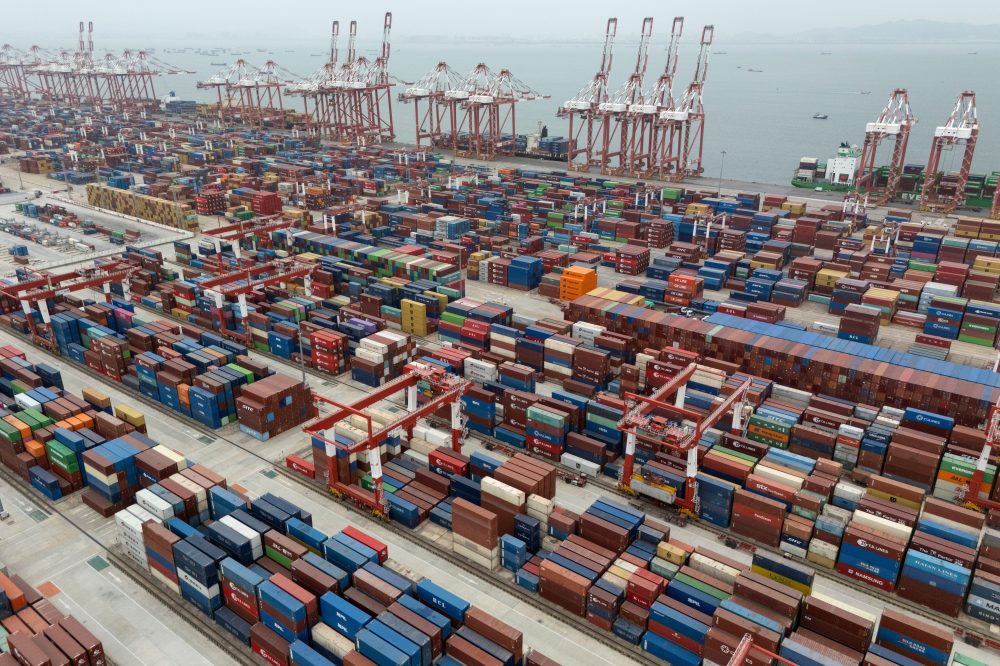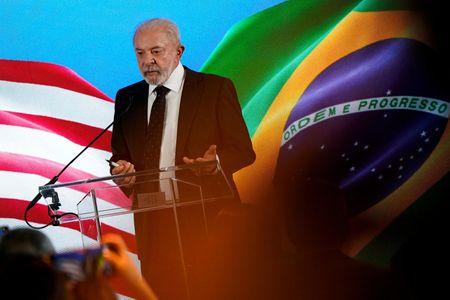

BRASÍLIA — New tariffs imposed by the Trump administration on Brazilian goods this past Wednesday have injected Washington directly into Brazil’s October presidential contest, reigniting longstanding worries about U.S. involvement in Latin American elections.
The two frontrunners in Latin America’s largest nation — leftist President Luiz Inácio Lula da Silva and right-wing Senator Flavio Bolsonaro — spent Thursday exchanging accusations over who bears responsibility for the trade penalties. The dispute followed remarks from Secretary of State Marco Rubio, who argued the tariffs resulted from how Lula’s government handled months of trade negotiations that included dozens of meetings.
“President Lula and his government have not negotiated with the US in good faith,” Rubio wrote on X.
U.S. Trade Representative Jamieson Greer defended the new 25% tariffs on thousands of Brazilian products, citing what he described as unfair trade practices. Both Lula and Senator Bolsonaro — who is the son of Trump ally and former President Jair Bolsonaro — made separate visits to the Oval Office to argue against the tariffs directly with the U.S. president.
“The blame for the tariff hike is on Lula,” Senator Bolsonaro declared.
However, political analysts say it may be difficult for the younger Bolsonaro to shift how Brazilians view the situation. Trump himself previously tied tariffs on Brazilian products to what he called a “witch hunt” against the senator’s father, who is currently under house arrest following a conviction for attempting to undermine democracy. Additionally, the senator’s brother, former lawmaker Eduardo Bolsonaro, claimed last year that he pushed the White House to raise tariffs on Brazilian imports as retaliation for the criminal case against his father.
Lula fired back Thursday, saying the tariff outcome “is part of the plot built with the active collaboration of the Bolsonaro family,” and calling them “false patriots who orchestrated and publicly defended actions against our country, driven by electoral objectives.” The Bolsonaro family has denied those allegations.
The situation is part of a broader pattern of Trump weighing in on political races across Latin America. His recent “complete and total endorsement” of Colombia’s President-elect Abelardo De La Espriella came after he expressed support for leaders including Javier Milei in Argentina and José Antonio Kast in Chile.
Despite Senator Bolsonaro’s efforts to pin the tariffs on Lula, early polling indicates the trade dispute may actually be working in the president’s favor. A survey released Thursday by pollster Quaest — conducted earlier this week — found that 42% of respondents said the tariffs made them more likely to vote for Lula, compared to 27% who said the same for Senator Bolsonaro. A majority, 63%, said they believed the tariffs would negatively affect them or their family.
Lucas de Aragão, a partner at Brasilia-based consultancy Arko Advice, noted that foreign policy is among several factors that could prove decisive in what is expected to be a tight race.
“The swing voters on these polarizing issues are very important, and on this point, specifically on the tariffs, it seems to be a victory of Lula’s narrative over Flavio’s narrative,” Aragão said.