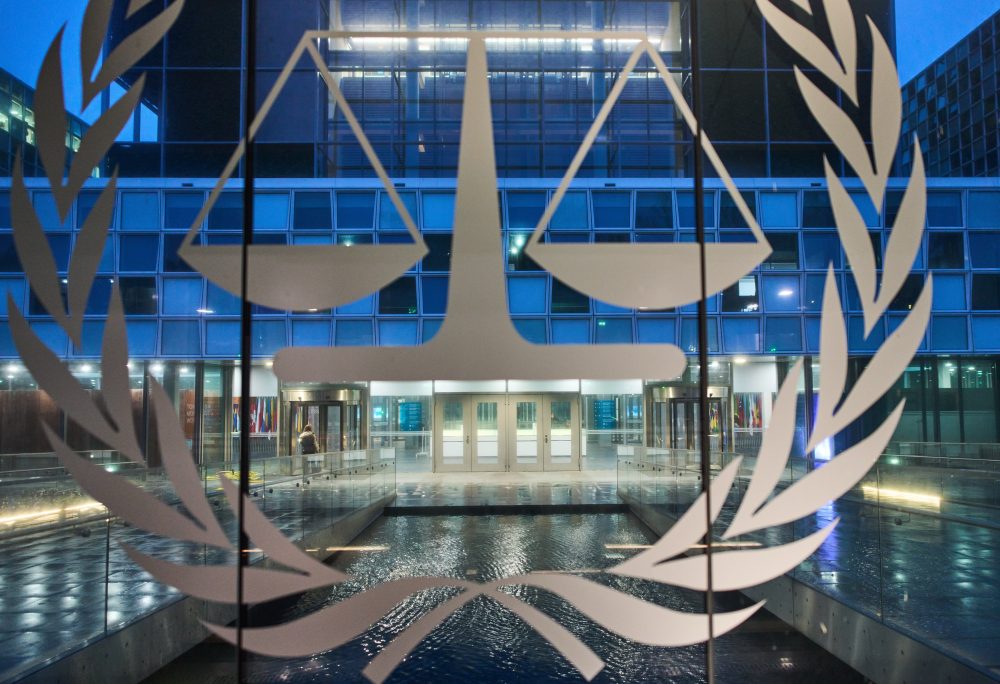

THE HAGUE, Netherlands — Judges at the International Criminal Court have unanimously ruled that a Libyan suspect must face trial on 17 charges, including murder, rape, and the torture of prisoners held at a notorious detention facility — setting up what would be the court’s first-ever trial focused on Libya.
The decision targets Khaled Mohamed Ali El Hishri, following a May hearing in which prosecutors presented a summary of their evidence. Prosecutors allege that El Hishri abused detainees held at Mitiga prison over a span of six years, from 2014 to 2020.
In their written ruling, the judges stated that “there are substantial grounds to believe that Mr. El Hishri is responsible” for the crimes outlined in the charges.
Deputy Prosecutor Nazhat Shameem Khan called the ruling a landmark moment for the court, saying it “brings us a step closer to delivering justice for thousands of victims who were unlawfully arrested, detained and subjected to severe suffering in Mitiga Prison.”
Court documents describe El Hishri as a senior commander at the prison who oversaw the women’s section, where sexual violence was said to be rampant. Prosecutors allege his brutal conduct earned him the chilling nickname “Angel of Death.”
The suspect’s attorney, Yasser Hassan, had argued that charges should not be confirmed and challenged whether the court even had authority over the case. In a separate ruling issued this week, judges affirmed that the ICC does have jurisdiction.
No trial date has been announced yet. El Hishri was transferred to the Netherlands in December, after being arrested in Germany in July on a sealed ICC warrant.
Although Libya is not a member of the court, the U.N. Security Council directed the ICC in 2011 to open an investigation into the country as it spiraled into chaos following an uprising that ousted longtime ruler Moammar Gadhafi. The court had issued a warrant for Gadhafi himself, but he was killed by rebels before he could be taken into custody and brought to The Hague.
The ICC has drawn renewed international attention this week after U.S. Secretary of State Marco Rubio announced Monday that the United States was launching what he called a “sweeping campaign to dismantle the threat posed by the International Criminal Court to U.S. sovereignty.”
Rubio said he plans to pressure the court’s 125 member nations to leave the institution, sanction groups that cooperate with the court, and bar ICC staff from entering the United States. He added that countries that rely on U.S. security partnerships would be urged to reject the court’s authority over American citizens.
The Trump administration has already imposed sanctions on the court’s chief prosecutor, Karim Khan, along with more than a dozen other ICC employees. Those measures came in response to warrants the court issued against senior Israeli officials related to the war in Gaza, as well as investigations into U.S. personnel in Afghanistan.