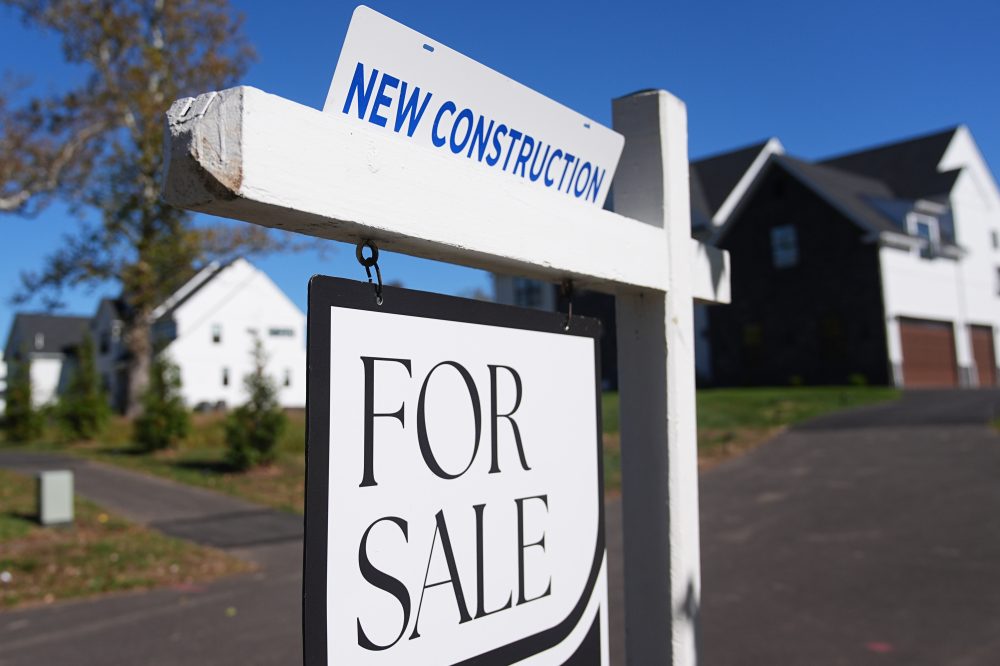

Prospective homebuyers are facing steeper borrowing costs this week after the average 30-year fixed mortgage rate jumped to its highest level in nearly 12 months.
Freddie Mac reported Thursday that the benchmark 30-year fixed mortgage rate climbed to 6.55%, up from 6.49% the previous week. At the same point last year, the rate stood at 6.75%.
The increase in mortgage rates can translate to hundreds of additional dollars each month for borrowers, shrinking what homebuyers can afford at a time when many aspiring owners are already being pushed out of the market.
Several forces shape where mortgage rates land, including the Federal Reserve’s decisions on interest rates and what bond market investors expect for the economy and inflation. Rates generally move in step with the 10-year Treasury yield, which lenders use as a benchmark when setting home loan prices.
Rates have trended upward for much of this year, largely driven by the war with Iran, which has sent crude oil prices sharply higher and fueled expectations of increased inflation. That has pushed long-term bond yields above where they were before the conflict began in late February, pulling mortgage rates higher along with them.
The 10-year Treasury yield stood at 4.57% midday Thursday, slightly above 4.54% from a week earlier. Before the war started in late February, that yield was just 3.97%.
The current 30-year mortgage average is the highest since August 28, when it reached 6.56%. As recently as late February, the average rate had briefly dipped below 6% for the first time since late 2022.
Rates on 15-year fixed mortgages — a popular option for homeowners looking to refinance — also moved higher. That average rate rose to 5.93% from 5.82% the week before. A year ago, it sat at 5.92%, Freddie Mac reported.
A separate report released this week showed that consumer prices for items like gas and clothing cooled last month, which could ease some pressure on the Federal Reserve as it weighs whether to raise interest rates. While the Fed does not directly control mortgage rates, its decisions on short-term rates are closely watched by bond investors and can ultimately influence 10-year Treasury yields.
Hannah Jones, senior economist at Realtor.com, said the cooler inflation reading “is a step in the right direction, but until mortgage rates actually follow suit, buyers will keep feeling the pinch of stubbornly high borrowing costs even as other conditions improve.”
Even though current long-term mortgage rates are still below where they were a year ago, the upward climb has weighed on home sales throughout the year.
The latest data on pending home sales — contracts signed but not yet finalized — points to a potentially sluggish summer for the housing market. The National Association of Realtors reported Thursday that pending U.S. home sales dropped 5.4% in June compared to May, and were down 0.3% from June of last year. Pending sales typically serve as a near-term indicator for the market since there is usually a one-to-two month gap between a signed contract and a completed sale.
Mortgage application data also reflects the cooling effect of higher rates. Total mortgage applications — covering both home purchases and refinances — fell 2.7% last week compared to the week before, the Mortgage Bankers Association reported. Applications specifically to purchase a home led the decline, dropping 7%.