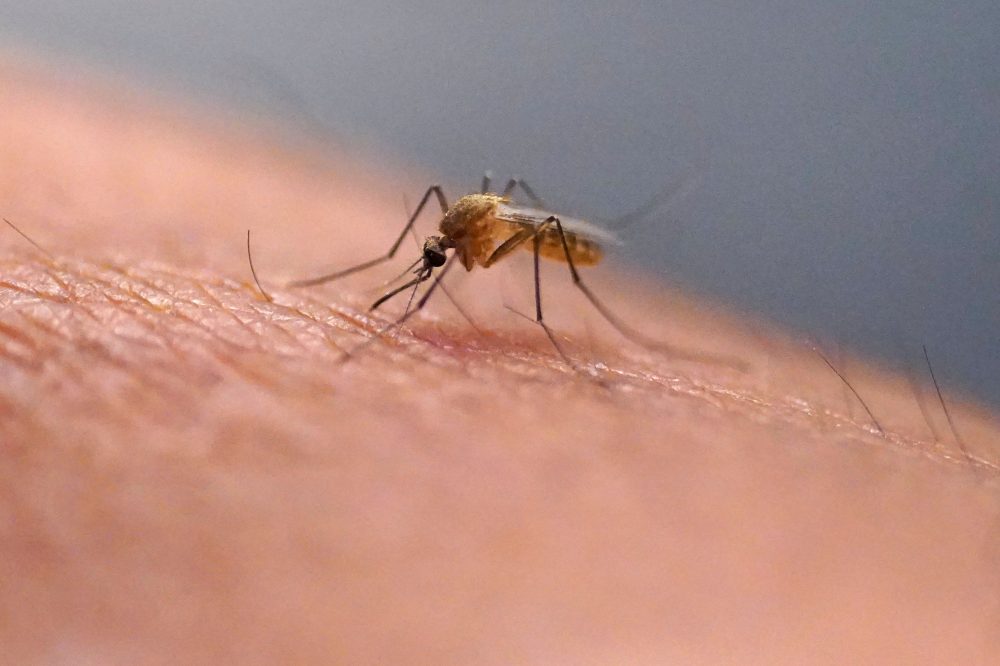

You’ve probably been told since you were a kid: leave that bug bite alone, or you’ll make it worse. But if scratching feels so satisfying, why is it such a bad idea? Scientists now have a much clearer answer.
Itchiness can stem from many causes, including some serious medical conditions. Doctors have long cautioned that excessive scratching damages skin, but researchers have now uncovered exactly why even a minor itch can trap you in a frustrating cycle — one that gets worse the more you scratch.
To figure this out, scientists turned to an unlikely tool: tiny versions of the cone-shaped collars that veterinarians put on dogs and cats after surgery. By fitting mice with these miniature “cones of shame,” researchers could observe what happens at the cellular level when an itch is scratched versus when it’s left alone.
The study was led by Dr. Daniel Kaplan, a dermatologist at the University of Pittsburgh whose laboratory focuses on how the immune system responds in the skin. His team was investigating a common type of itch known as allergic contact dermatitis — the kind triggered by things like poison ivy or the nickel found in jewelry.
Researchers applied a rash-causing irritant to the ears of mice. The normal mice scratched, and inflammatory immune cells flooded to the area, causing increased swelling. Mice that had been bred with faulty itch-sensing nerve cells, however, developed far milder rashes. But researchers needed to confirm it was the scratching — not something else — driving the difference.
That’s where the tiny collars came in. Normal mice fitted with the cones could still feel the itch but were physically unable to scratch. Those mice also showed significantly less swelling and fewer inflammatory cells — confirming that the act of scratching itself was making things worse.
Kaplan said the findings align with what most people have experienced firsthand. Leave a mosquito bite alone and the itch typically fades within five or ten minutes, he said. “But if you start scratching it, it’s your friend for a week,” he added, getting itchier and more inflamed as time goes on.
To understand the underlying biology, Kaplan’s team examined immune cells called mast cells, which are among the body’s first responders. When activated, mast cells release various compounds — some that battle germs or toxins, and others, like histamine, that set off itchy allergic reactions.
It’s been known for some time that allergens can activate mast cells. But pain can also trigger them. And as Kaplan pointed out, when people scratch, “we tend to scratch until it starts to hurt.” Pain-sensing nerve cells release a chemical signal called substance P. In research published last year, Kaplan’s team found that substance P activates mast cells through a completely different molecular pathway than allergens do — creating a double effect that explains why scratching inflames itchy skin even further.
So why does scratching feel good at all? One longstanding theory is that it helps animals rid themselves of parasites like fleas or mites. Kaplan’s team also explored findings from other labs suggesting mast cells can fight off a common skin bacterium called Staphylococcus aureus. When they repeated the cone experiment on mice infected with that germ, the mice that scratched did show lower levels of the bacteria on their ears — possibly due to the extra inflammation or another mast cell compound.
Even so, that small potential upside doesn’t change the medical advice.
“Ultimately, scratching is deleterious,” Kaplan emphasized. “You should avoid scratching” — though he acknowledged that’s “easier said than done.”
Treatment for an itch depends on its cause, and researchers say better options are still needed. Currently, antihistamines and certain medications for hives can reduce mast cell-related itching. Pharmaceutical companies are also testing a new class of drugs called MRGPRX2 blockers that target the same pathway Kaplan’s team connected to scratching. He hopes a deeper understanding of that pathway could eventually lead to better treatments for conditions like chronic eczema.
For the summertime itches that come with bug bites, poison ivy, and other forms of contact dermatitis, dermatologists suggest anti-itch products such as hydrocortisone cream, calamine lotion, or oatmeal baths.
Kaplan also offered one clever trick: creams containing menthol can temporarily trick the skin into feeling cold rather than itchy. If you can hold off long enough without scratching, he said, “you break that itch-scratch cycle.” He called it “a cheat code.”