
NEW YORK (AP) — When an earthquake brings buildings crashing down, the survival of those trapped beneath the debris hinges on a number of critical factors — including the weather, access to water, and the ability to breathe.
According to experts, victims who escape serious injury can remain alive for a week or longer, provided temperatures are not extreme.
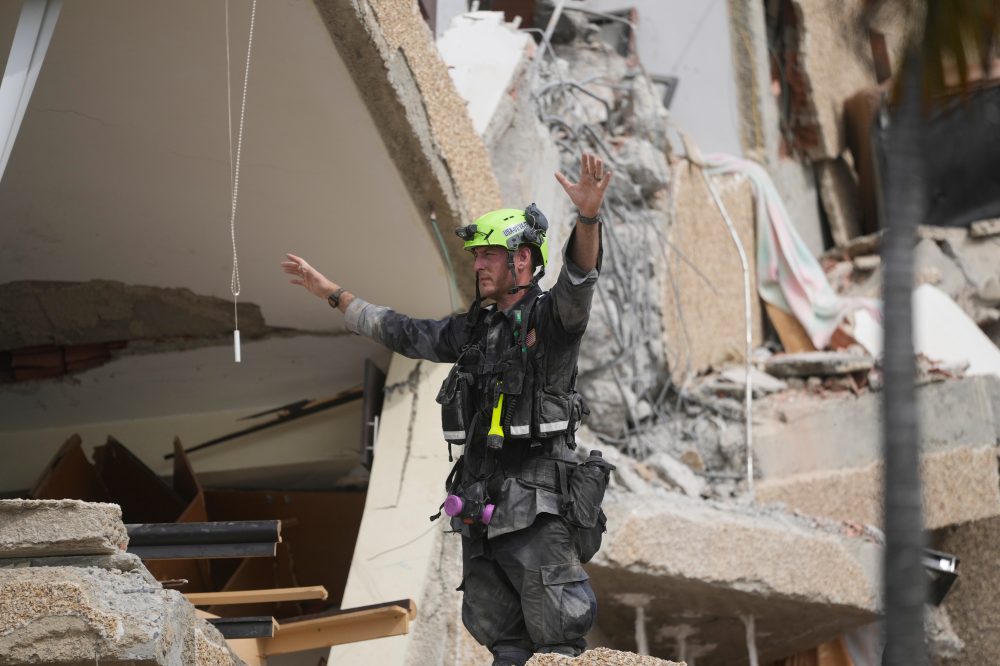
In Venezuela, emergency crews have been working urgently to pull survivors from the wreckage after two major earthquakes struck the northern state of La Guaira last Wednesday. The government reported that more than 770 structures were fully or partially destroyed, and the region continued to experience aftershocks in the days that followed.
Experts note that the vast majority of rescues occur within the first 24 hours after a disaster. After that window closes, the odds of finding survivors alive diminish with each passing day, largely because most victims suffer serious injuries or become buried under heavy stone and debris.
Geophysicist Victor Tsai of Brown University explained that people are more likely to survive if they end up in what specialists call a “survivable void space” — a debris-free pocket that shields them from serious harm while they wait for help. An example would be sheltering under a heavy, sturdy desk.
Emergency response expert Dr. Joseph Barbera, an associate professor at George Washington University, noted that fire, smoke, or hazardous chemicals released during a building collapse can significantly reduce a person’s chance of survival.
As time passes, access to air and water becomes increasingly vital.
“You could survive a while without food,” Barbera said. “You could survive less without water.”
Temperature conditions both inside the rubble and in the surrounding environment can affect not only the victim’s survival but also the ability of rescue teams to operate effectively.
The Venezuelan government reported that more than 2,600 rescue workers from various countries arrived with trained search dogs and heavy equipment. In La Guaira, the area hit hardest by the earthquakes, rescue operations appeared notably more coordinated by Sunday, following public frustration and anger over the perceived lack of response in the preceding days.
Dr. Barbera also stressed that survivors may need critical medical attention before being physically removed from the rubble. Without that care, a dangerous buildup of toxins released from crushed muscle tissue could send a rescued person into shock.
History has shown that survival against the odds is possible. After Japan’s devastating 2011 earthquake and tsunami, a teenager and his 80-year-old grandmother were found alive nine days after being trapped inside their collapsed home. The year prior, a 16-year-old girl in Haiti was pulled from earthquake rubble in Port-au-Prince after surviving 15 days buried beneath the debris.
Earthquake survival best practices vary by location. In areas with active fault lines, building codes are often engineered to withstand seismic activity — though this is not universally the case.
In many countries, including the United States, safety guidelines recommend dropping to the ground, seeking cover, and holding on during a quake — unless you are near an exit. Sheltering under a heavy table or close to solid furniture can create a protective pocket if the ceiling collapses. Covering your nose and mouth with cloth or a mask helps guard against dust and debris.
If you find yourself trapped after an earthquake, experts advise conserving your energy and avoiding unnecessary physical strain. Ration any food or water you can access, stay alert for sounds of rescue workers, and find something nearby to make noise with. If you have a cell phone, preserve the battery and make brief attempts to call for help at intervals throughout the day.